
Many dogs seem easy at first glance, but every breed has needs that fit certain lives. When those needs do not match a person’s daily routine, even a friendly breed can feel like a bad fit.
Understanding energy levels, training needs, and typical behaviors helps families choose wisely. A smart match leads to a happier dog and a calmer home.
Border Collie
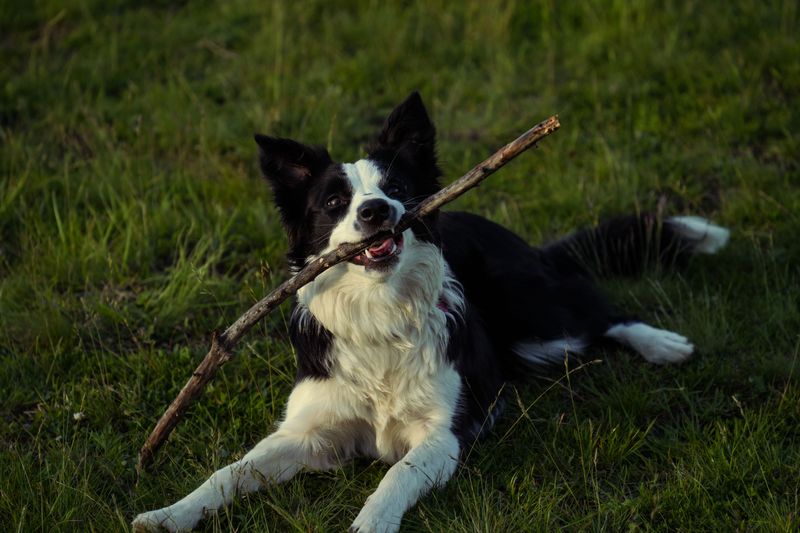
With eyes that seem to read your mind, the Border Collie lives for a job. Herding roots created a super athlete that craves problem solving, purposeful training, and fast games.
A bored Collie may herd kids, chase bikes, or chew walls.
Active owners who enjoy agility, hikes, and daily brain games are a great match. Keep sessions short, upbeat, and varied.
Teach calm settle cues, rotate puzzle toys, and schedule real work like scent games.
Siberian Husky
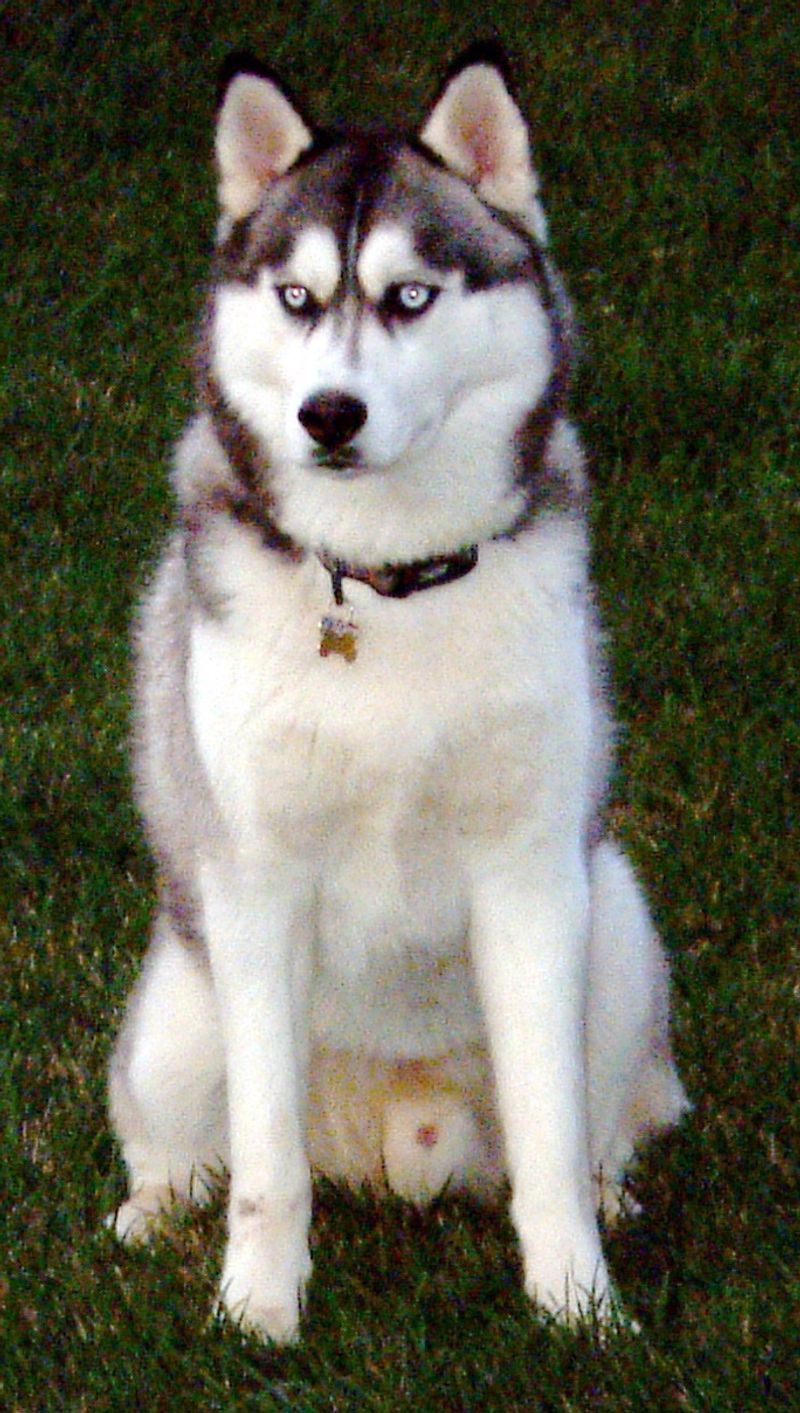
Born to run, the Siberian Husky treats a fence like a puzzle and a mile like a warmup. Beautiful looks can hide escape skills, prey drive, and strong vocal opinions.
Without outlets, digging craters and backyard breakouts are common.
Pair a Husky with committed exercise, secure fencing, and fun pulling sports. Try canicross, bikejoring, or skijoring in cold months.
Keep training upbeat, use long lines, and manage small-pet interactions thoughtfully.
Beagle
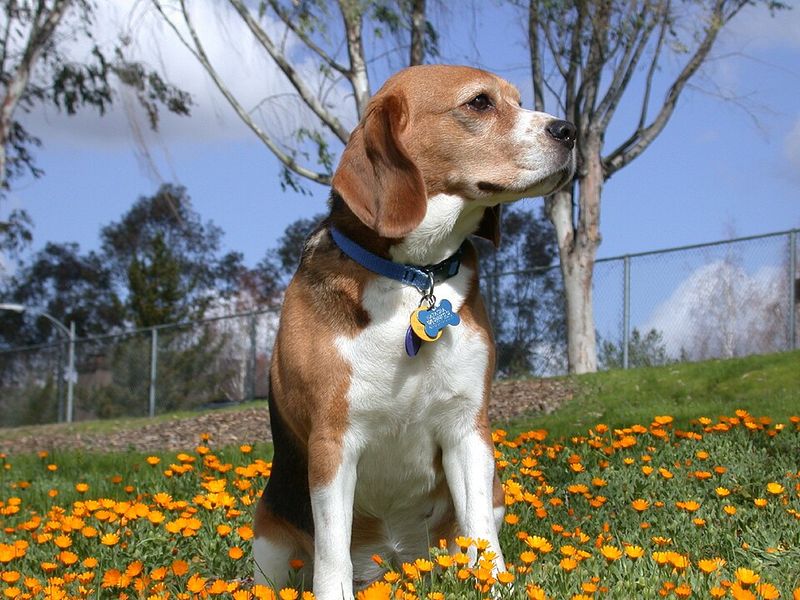
A Beagle follows its nose like it was born with a map. That merry howl often means a scent trail just got interesting.
Apartment dwellers may be surprised by baying and stubborn moments when smells win over recall.
Match this hound with sniff walks, nosework games, and sturdy, escape-proof gear. Use food rewards, patience, and long lines for safe exploring.
Short daily training builds manners while honoring that incredible nose.
French Bulldog
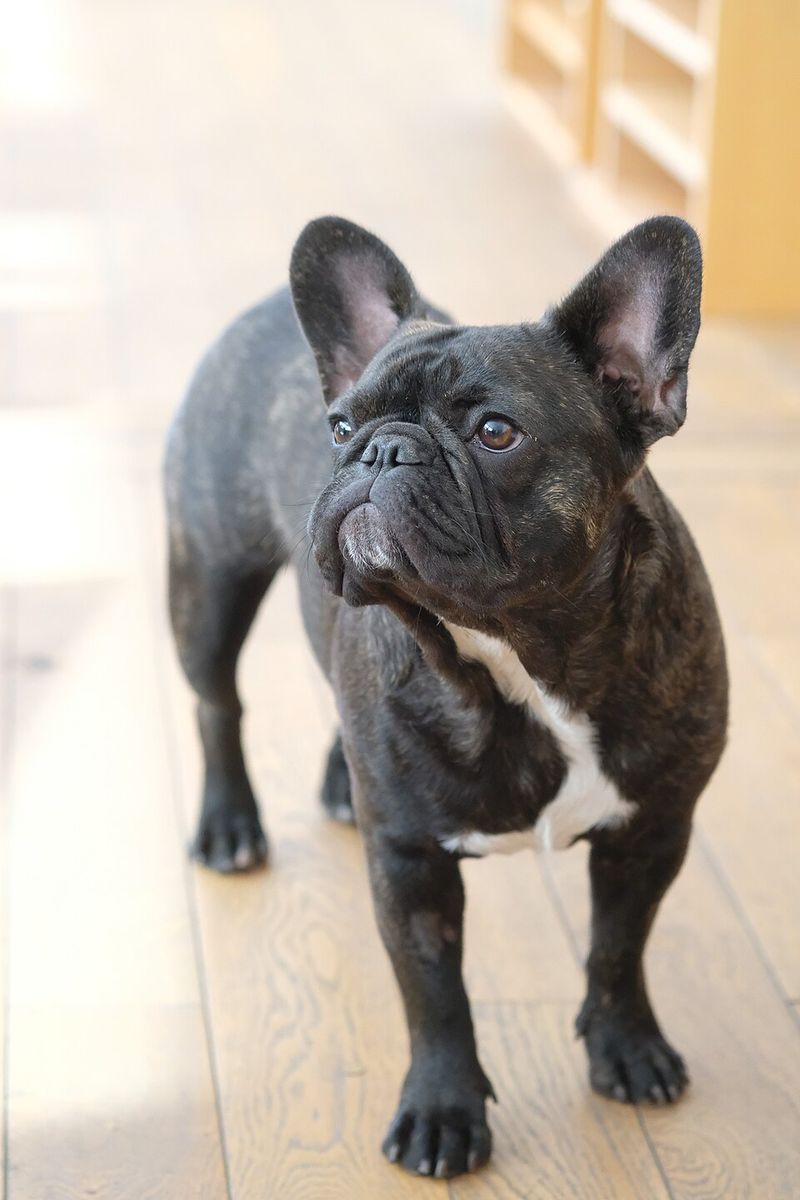
Big charm in a compact frame, the French Bulldog prefers cuddles to marathons. Short snouts can struggle with heat and heavy exercise, and some individuals snore like tiny engines.
Families wanting trail partners may feel disappointed.
Keep life cool, calm, and comfy. Plan short, shaded walks and gentle play, then offer lots of social time.
Regular vet checks, good weight management, and low-impact enrichment keep this buddy cheerful and breathing easy.
Australian Shepherd
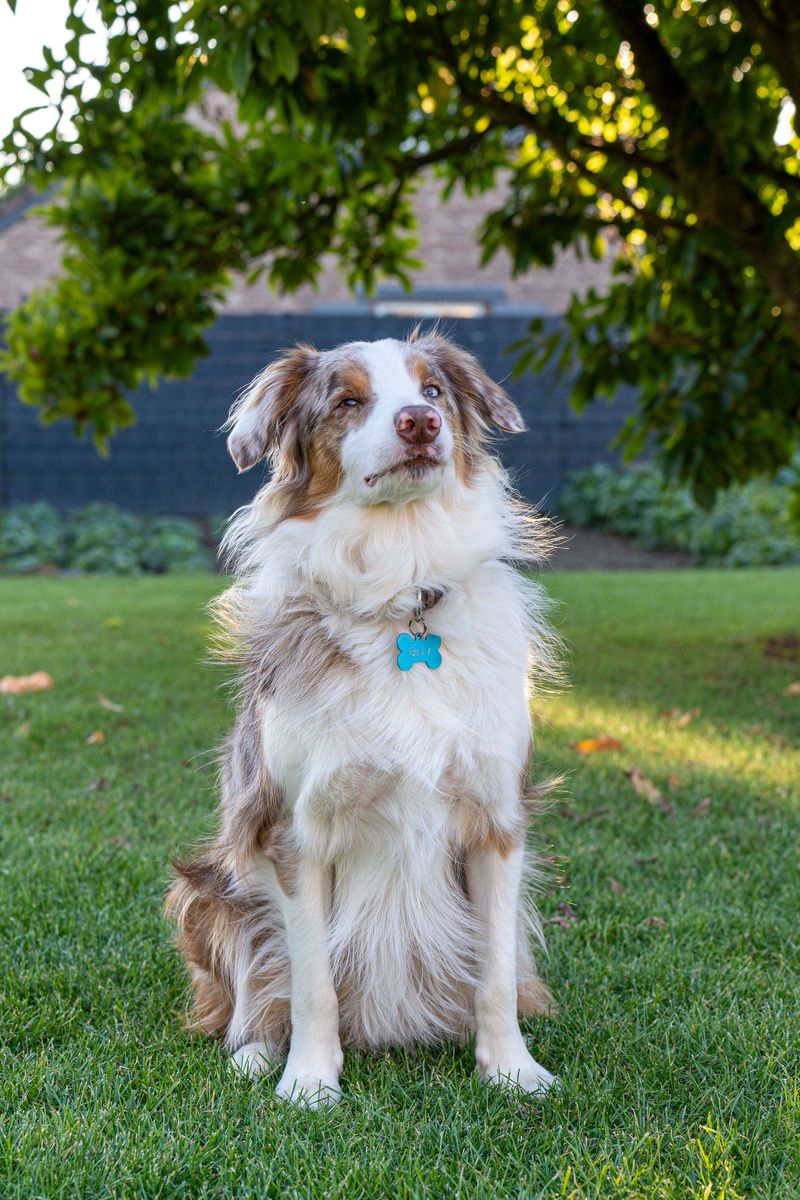
Brains and bounce come standard with the Australian Shepherd. Many try to organize the world, from herding kids to patrolling windows.
Without jobs, they invent their own, which might include nonstop barking or shadow chasing.
Active homes with structure do best. Build daily routines of training, fetch with rules, and off-switch skills.
Try agility, disc, or herding lessons. Rotate tasks to tire the mind, then reward calm resting on a mat.
Great Dane
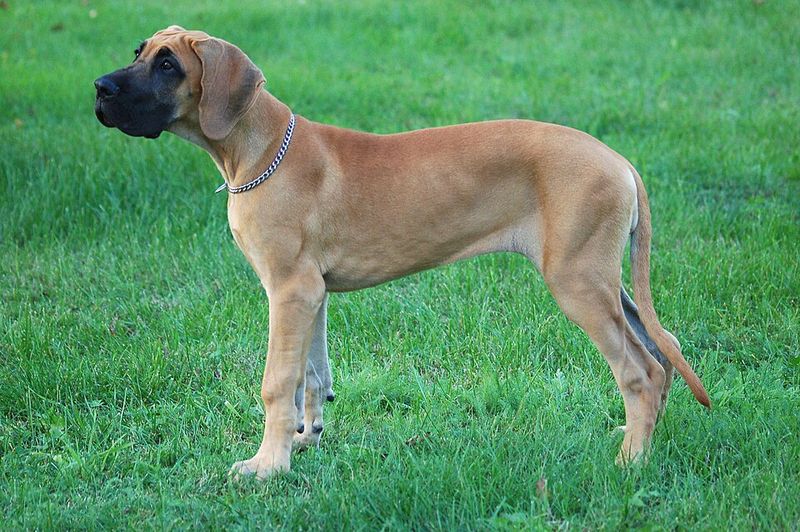
Room-sized heart, sofa-sized body, the Great Dane brings quiet presence and surprising sensitivity. Short bursts of zoomies can knock things over, and growing joints need careful exercise.
Tiny apartments and fragile décor may not mix well.
Plan for tall counters, big beds, and steady routines. Use gentle training, slow feeders, and traction rugs.
Keep play low impact while young, then enjoy relaxed strolls. Vet care and quality food support that giant frame.
Jack Russell Terrier
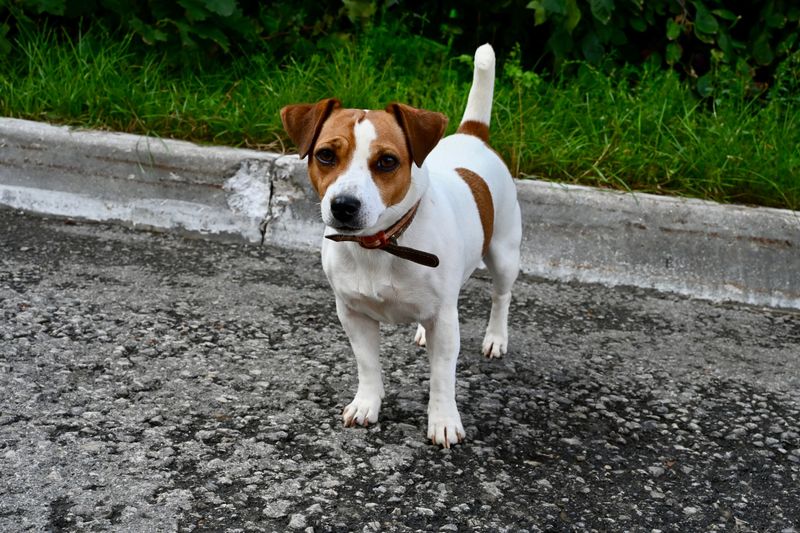
Spark plug with paws, the Jack Russell Terrier wakes up ready for mischief and missions. Bred for fox work, they dig, chase, and outthink lazy routines.
Left under-stimulated, they may remodel gardens or practice parkour on furniture.
Channel that fire with fast games, trick training, and puzzle feeders. Flirt poles, fetch with rules, and scent games hit the spot.
Secure fencing and clear boundaries keep energy pointed the right way.
Labrador Retriever
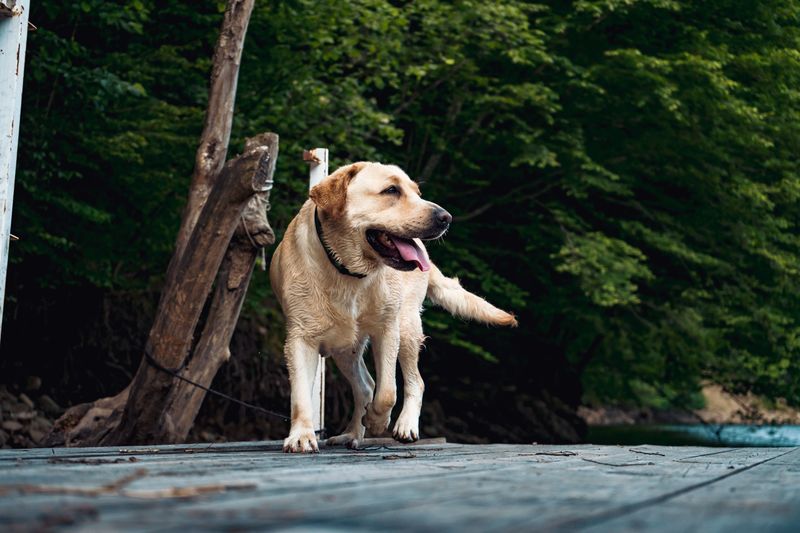
Friendly and eager, the Labrador loves action and snacks in equal measure. Many families expect instant calm, yet young Labs are bouncy, mouthy, and always hungry.
Without structure, counter surfing and nonstop zoomies become daily habits.
Provide exercise with purpose, like retrieves, swimming, and structured play. Teach impulse control early, use chew toys, and manage food access.
Short training sessions, consistent rules, and mental games shape that sunny nature into steady manners.
Dachshund
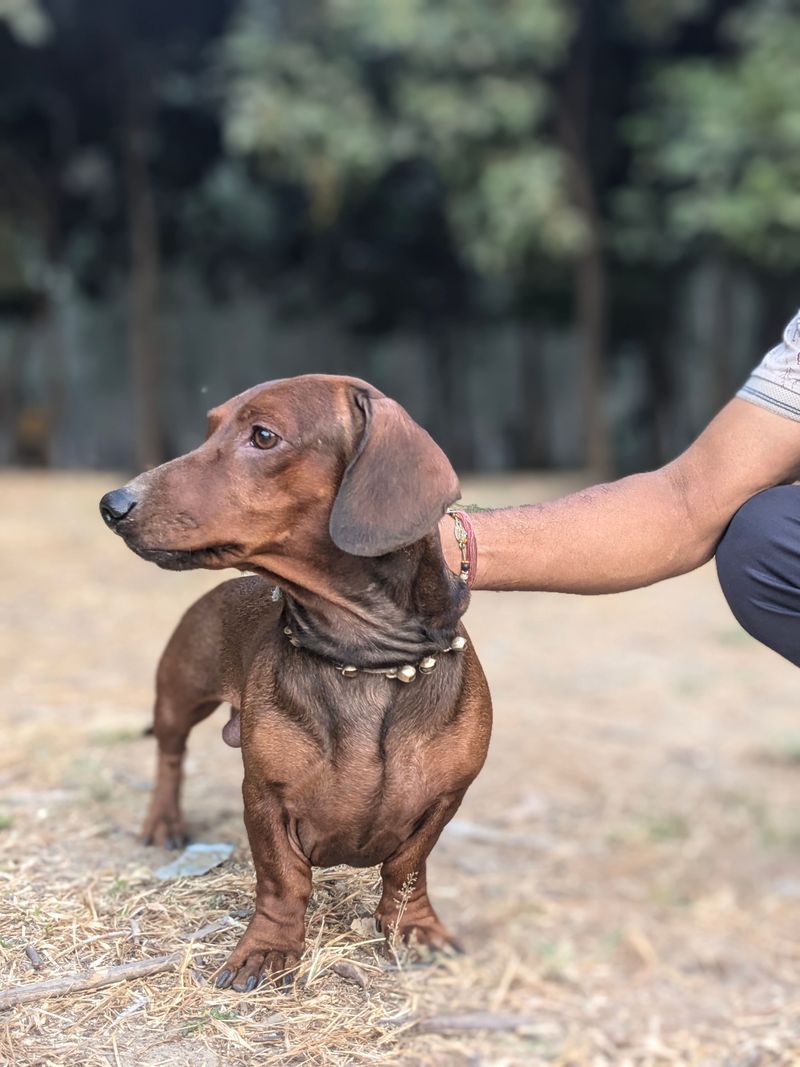
Close to the ground and full of opinions, the Dachshund blends courage with curiosity. Hunting heritage fuels digging, barking at critters, and bold door dashes.
Jumping on and off furniture can strain a long back.
Protect the spine with ramps, harness walks, and weight control. Offer scent games, short training bursts, and cozy rest spots.
Manage entrances carefully and reward quiet watching. That spirited personality shines with smart boundaries and enrichment.
German Shorthaired Pointer
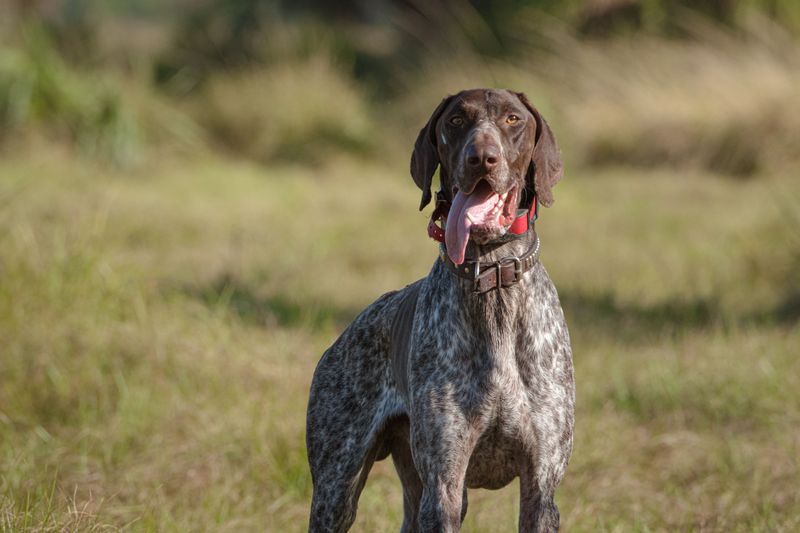
Built like an athlete and wired to work, the German Shorthaired Pointer thrives on miles and missions. Short walks will not touch that engine.
Without outlets, furniture zooms, counter raids, and yard laps become a routine.
Plan daily runs, long hikes, or field games. Try nosework, tracking, or retrieving drills to focus that drive.
Balance action with place training and calm rewards. A busy mind and body equal a peaceful evening.