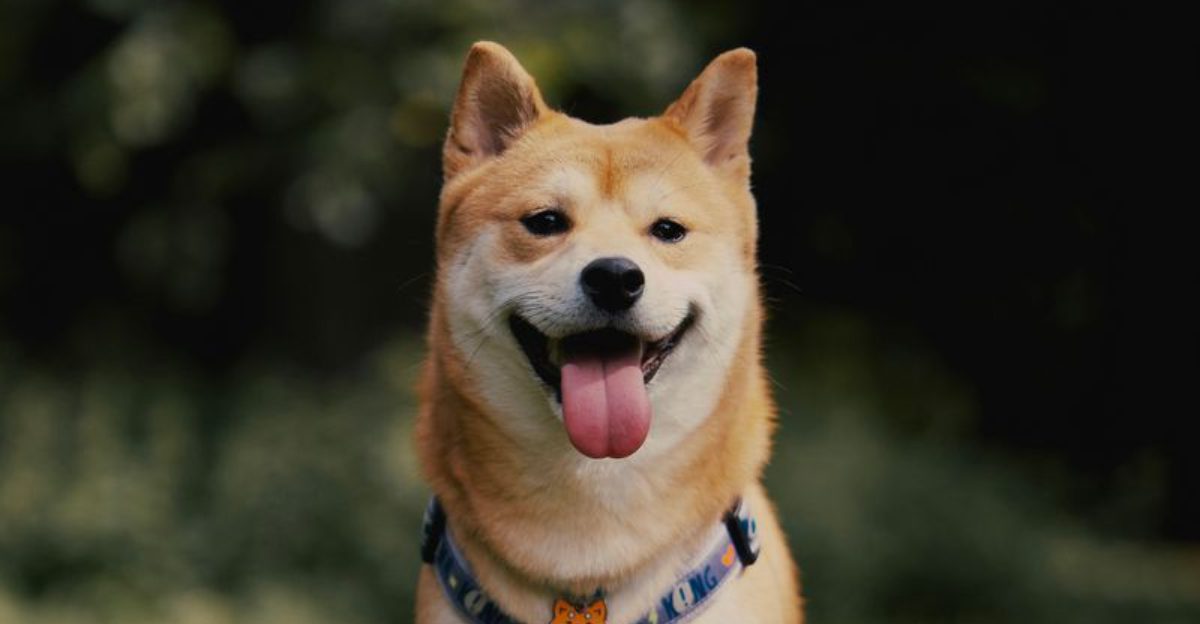
Some dogs get called stubborn, but they are often just smart and independent. Repeating the same command again and again can bore them fast.
With the right plan, you can turn that bold spirit into great manners. Short, fun sessions and creative rewards help these pups enjoy learning and stick with you.
Shiba Inu
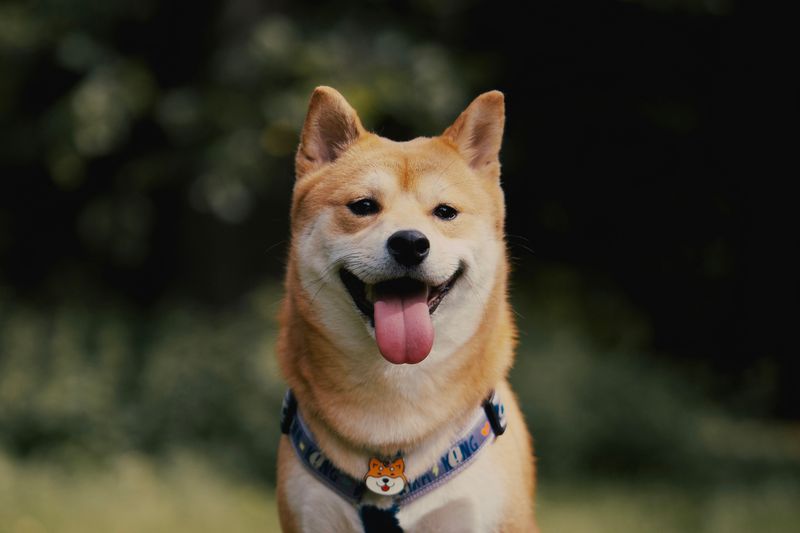
Fox-like looks hide a mind that loves to negotiate. Instead of drilling sit over and over, trade short, exciting games for effort.
Use high-value snacks, a flirt pole, or a puzzle toy, then stop while interest is still high.
Many Shibas dislike pressure, so reward choices. Ask for one cue, pay, then switch to a sniff break or tug.
Toss surprise jackpots for voluntary check-ins. Note, they once hunted in Japan, which explains bold spirit.
Akita
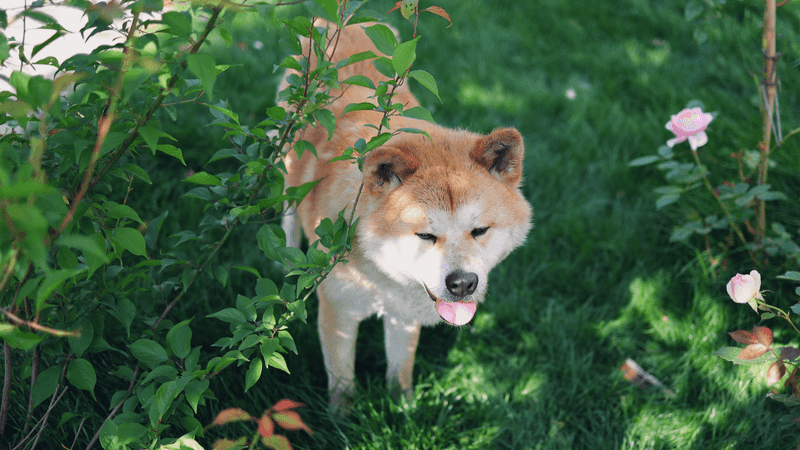
Quiet strength defines this guardian, and pushy drills rarely win. Keep lessons respectful, brief, and clear.
Mark and reward eye contact, then ask for a single cue like sit or stand. End with a peaceful walk to keep trust high.
Confidence grows when choices are simple. Rotate meaty rewards with tug or a favorite retrieve.
History note: Akitas once hunted large game, so plan early social time and teach calm greetings to balance that serious, loyal heart.
Dachshund
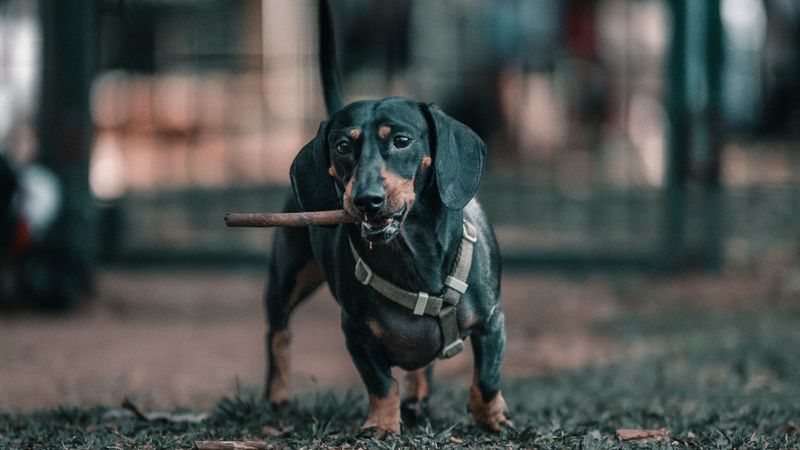
Short legs, big opinions. A bored Doxie might ignore you, but a scent game will flip the switch.
Hide tiny treats in a snuffle mat, then ask for a sit before releasing to hunt. Keep it snappy and cheerful.
Back-friendly play matters, so use low jumps and careful tug. Mix in nose work, short tracks, and clicker tricks.
Fun fact: they were bred to track badgers, which explains the stubborn focus and surprisingly bold voice.
Scottish Terrier
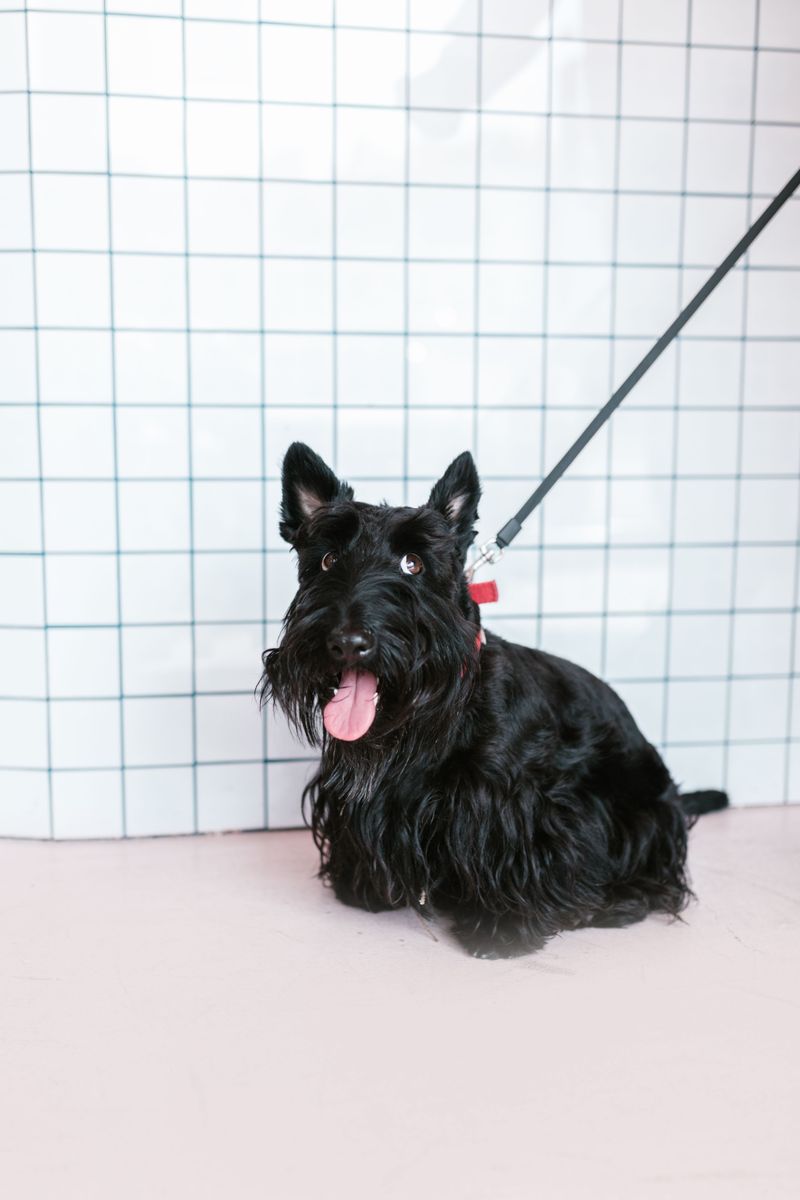
That dignified beard hides a detective’s nose. Instead of nagging, invite partnership with hand targets and choice-based games.
Ask for a touch, pay, then let the dog choose a scent sniff or quick trot forward. Momentum keeps buy-in strong.
Grooming breaks can be training rewards too. Keep sessions under five minutes and rotate treats with brief toy play.
A little history: Scotties hunted vermin around farms, so channel their grit into tidy scent work and polite leash starts.
Beagle
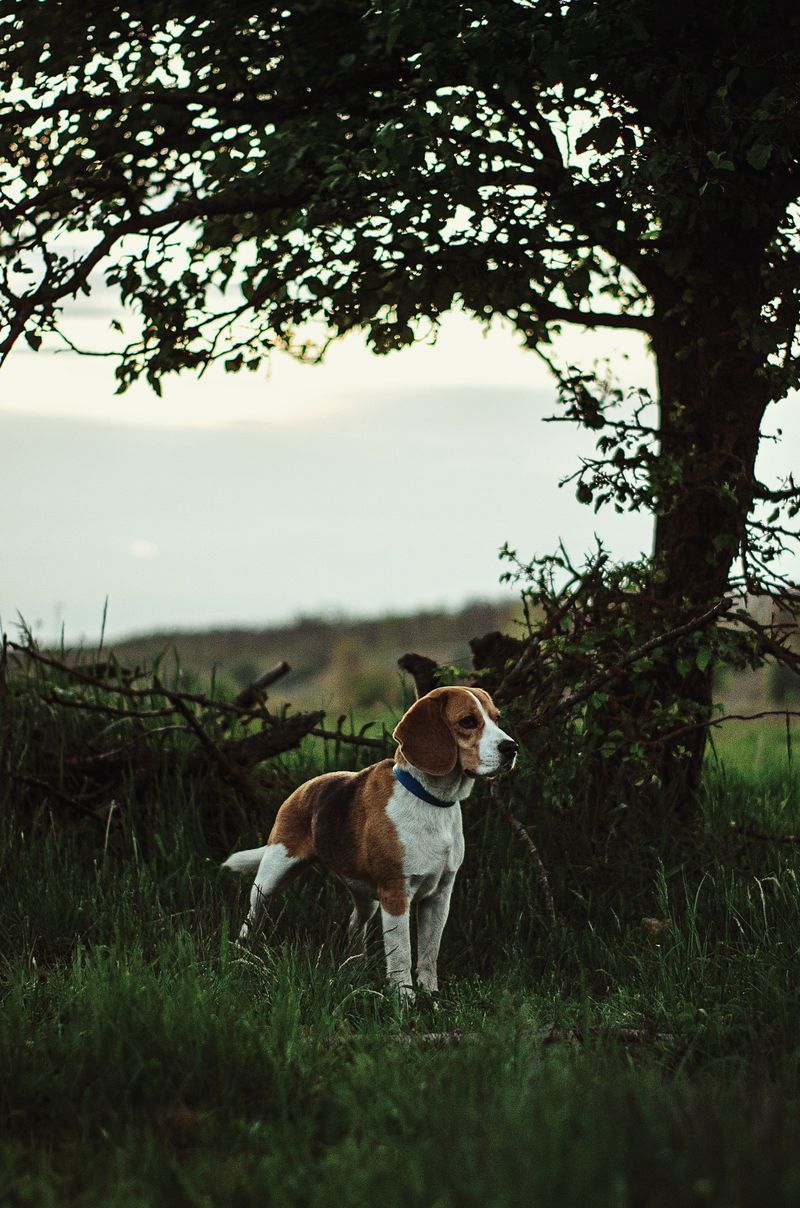
The nose runs the show. Work with it, not against it.
Use a long line and reward check-ins during sniff walks. Ask for one sit, pay big, then release to track again.
That release is the real jackpot.
Short recall games shine: call once, run backward, and celebrate with food and sniff time. Beagles were bred for pack hunts, so friendly structure and predictable routines help them choose you over the scent map.
Siberian Husky
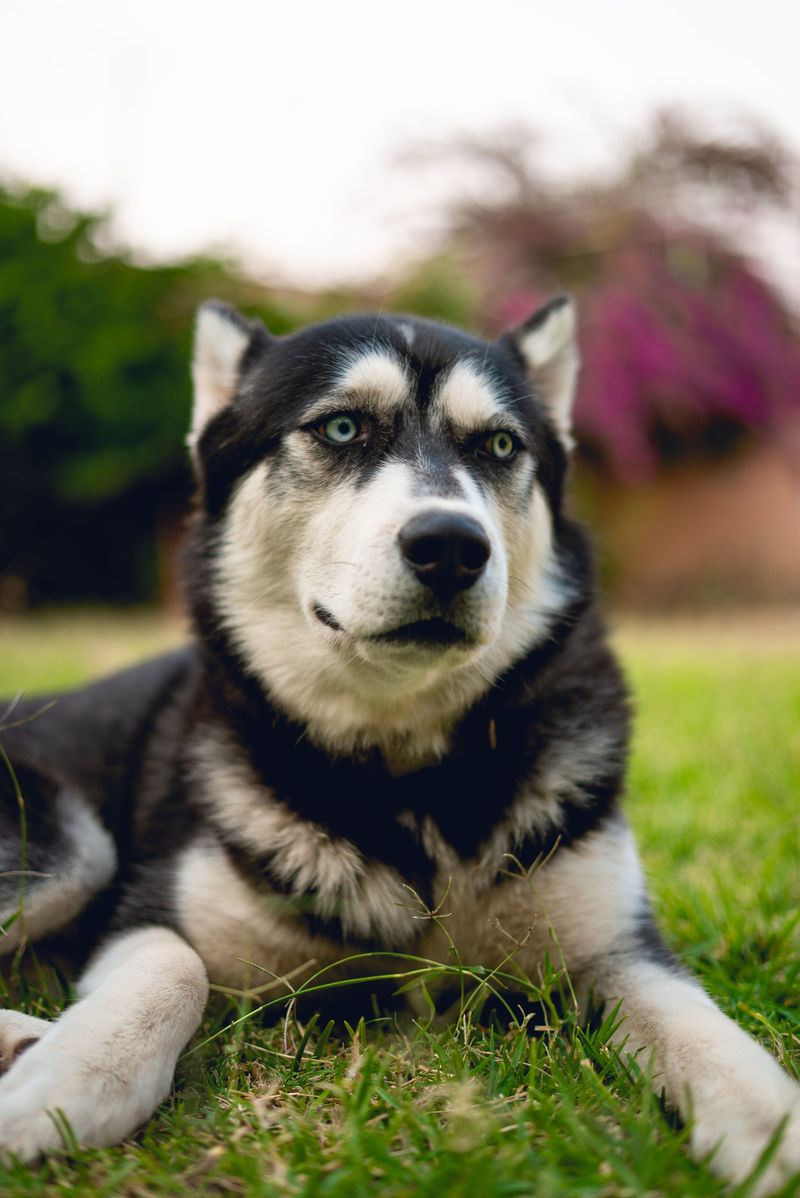
Energy is the currency here. A tired Husky listens better than a restless one.
Start with a bike-jor or fast fetch, then slot in two-minute skill bursts. Pay with food, then release back to movement.
Variety keeps their brain engaged.
Secure fences and strong leashes matter. Teach a rock-solid wait at gates, and practice recall games in long, safe spaces.
Bred for sled work, they adore teamwork when the job feels real and challenging.
Jack Russell Terrier
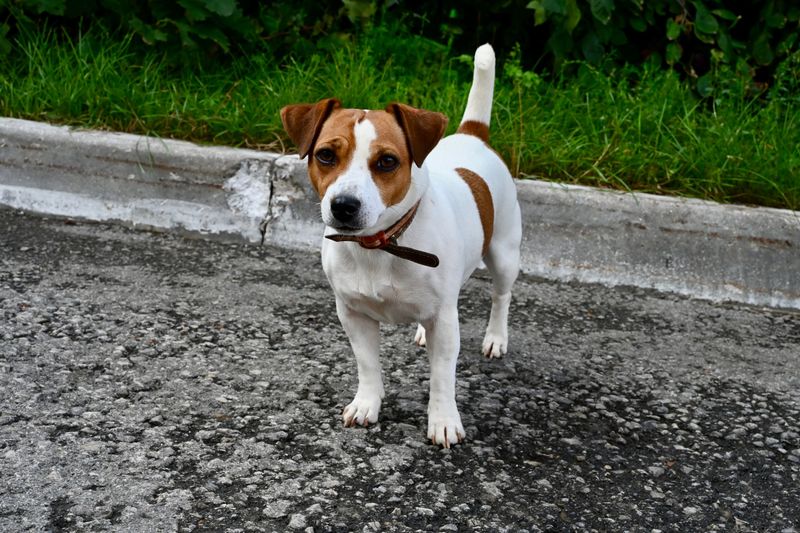
Think tiny athlete with a comedian’s timing. Repetition bores them, but playful challenges light the fire.
Build a mini agility circuit and weave in sits, downs, and stays between obstacles. Click, treat, then go zoom again as the reward.
Brain puzzles help too. Use scatter feeds, mini searches, and fast trick chains.
Historical note: bred to flush foxes, they thrive when given jobs. Give energy a legal outlet, and manners come along for the ride.
Chow Chow
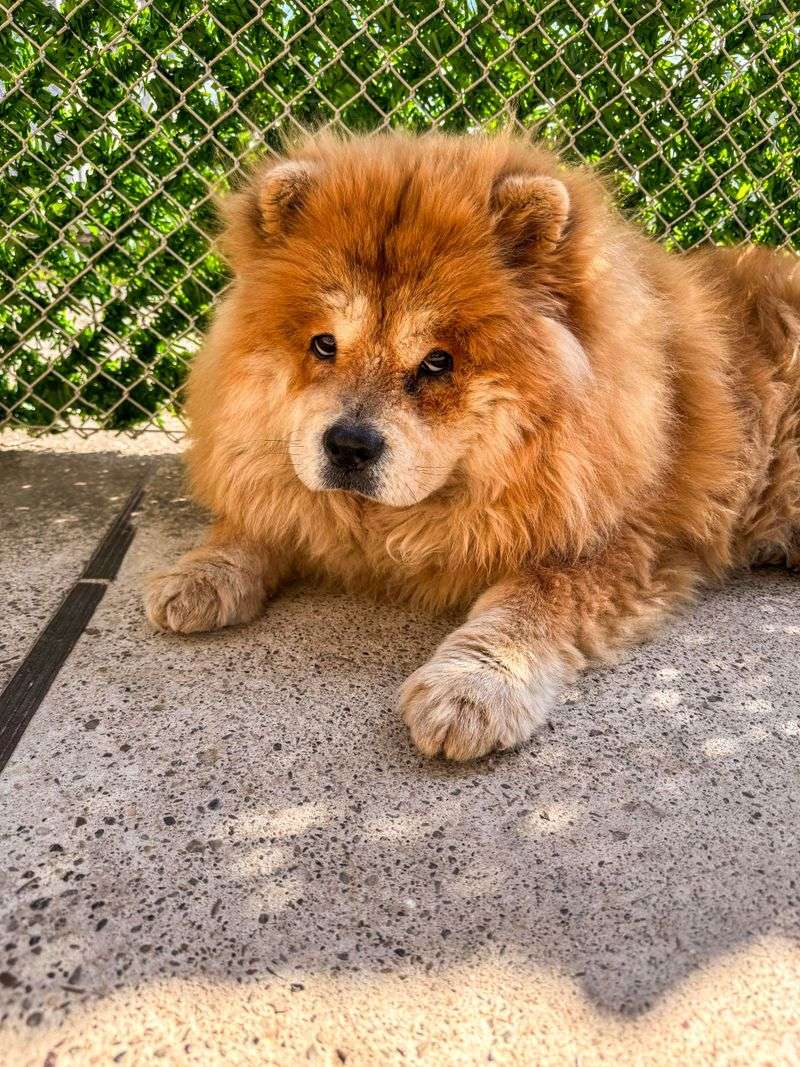
Regal and reserved, this bear-like friend values space. Skip nagging.
Use stationing on a comfy mat, mark quiet eye contact, and reward with soft treats. Keep sessions short, then allow a peaceful break.
Respect builds cooperation faster than force.
Grooming can double as training time. Brush for a few strokes, feed, pause, and release.
Originating in northern China, they guarded homes and pulled carts, so composed routines and clear boundaries help them feel safe and willing.
Basenji
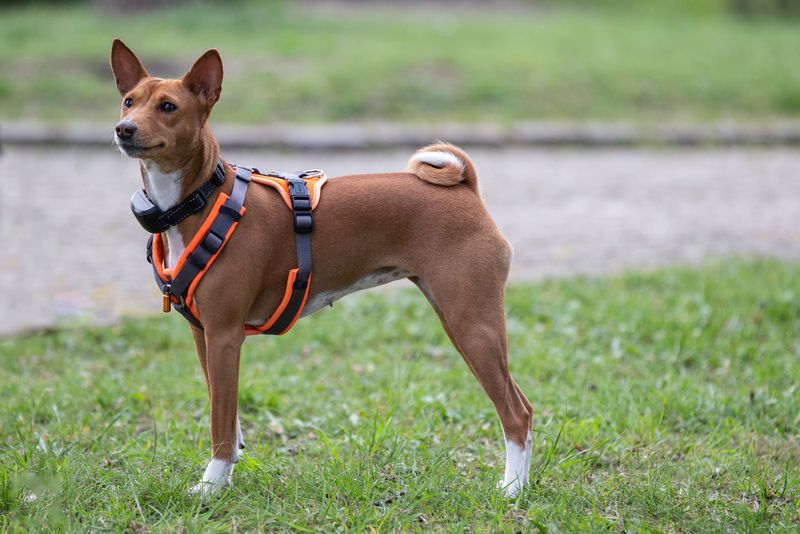
Nicknamed the barkless dog, they still have plenty to say. Novelty wins.
Rotate three quick games: target plate recalls, flirt pole chases, and short puzzle bursts. End while ears stay perked.
Leave them wanting more.
Scented trails and chase instincts run deep. Use a long line, pay for check-ins, and add freedom as the prize.
From Central African hunting roots, they value independence, so give structured choice and watch cooperation bloom without battles.
Bull Terrier
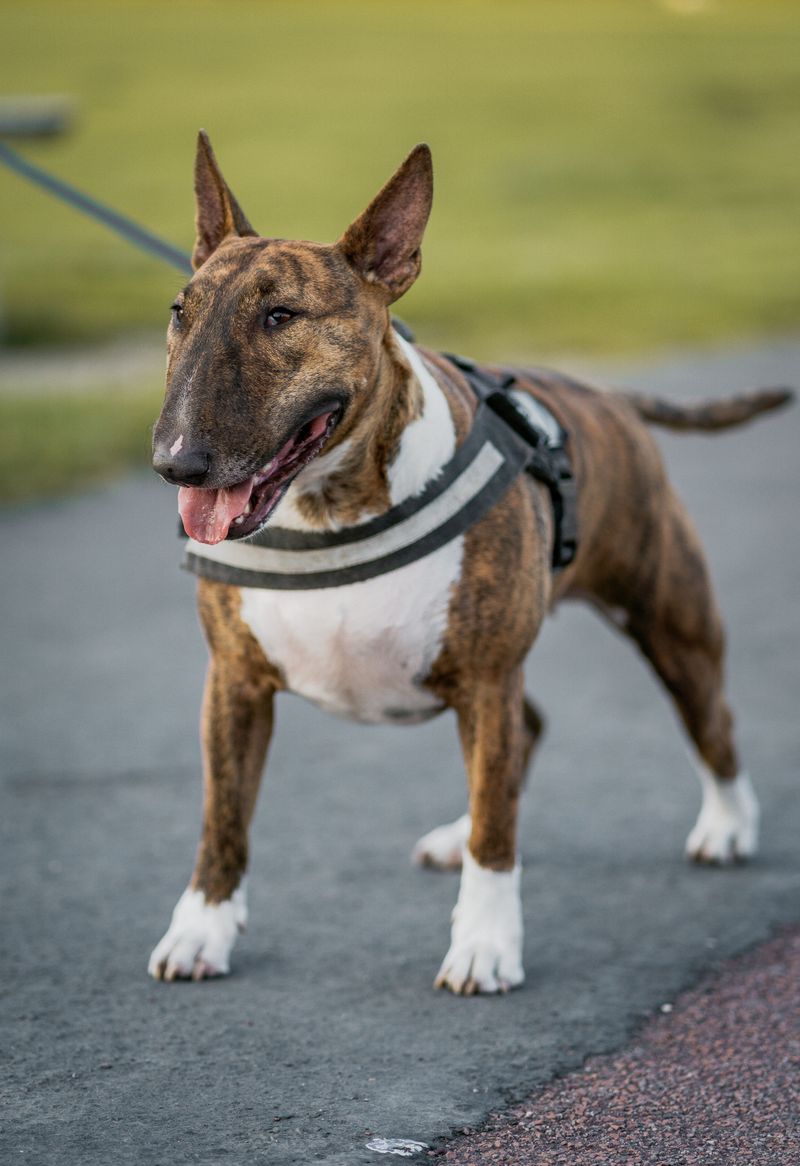
Clownish charm meets steel will. Turn power into play by using tug-and-trade.
Ask for a sit, say yes, then bring the toy back to life. Keep cues crisp and the party rolling.
Smiles make better glue than scolding.
Impulse control grows with start-stop games. Begin the fun, pause, ask for a simple behavior, then resume.
Originally bred for bull-baiting, their intensity softens when work feels like joyful teamwork with clear, upbeat rules.
Basset Hound
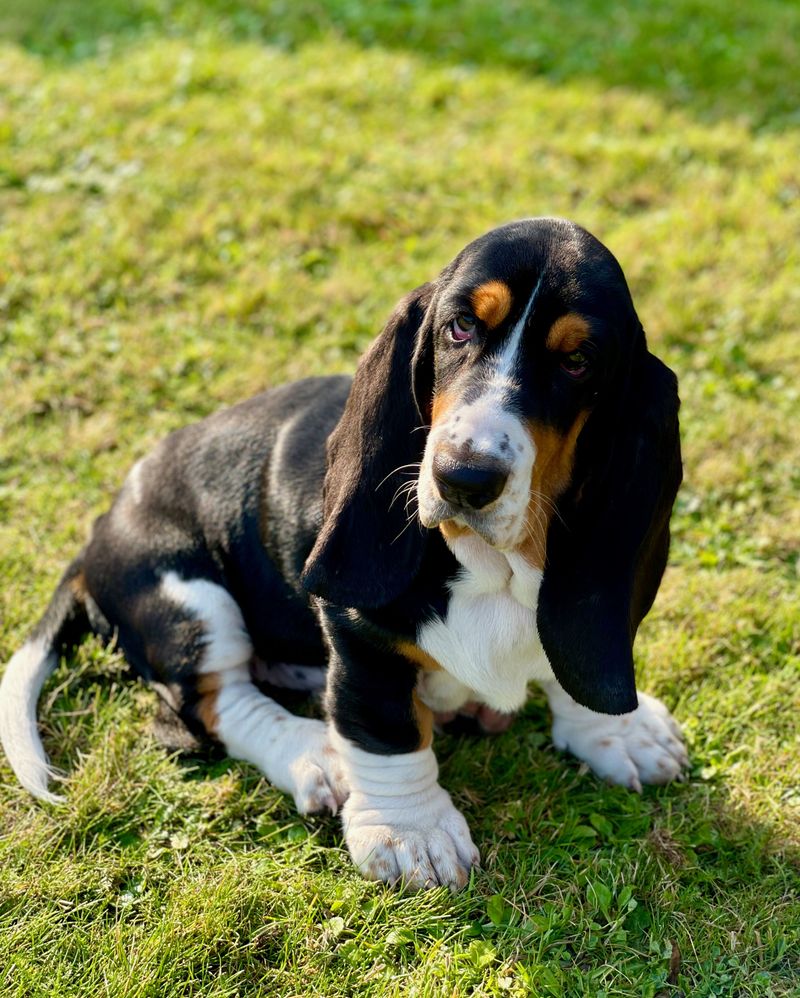
Slow and steady noses everything. Use that pace to your advantage.
Ask for a sit, feed, then release to sniff the leaves again. The environment becomes the reward, and focus lasts longer than with food alone.
Short recall drills work best after mild exercise. Call once, cheer, pay, then let the nose return to work.
Born as scent hounds in France and Belgium, they respond kindly to patience, structure, and cozy rest spots.