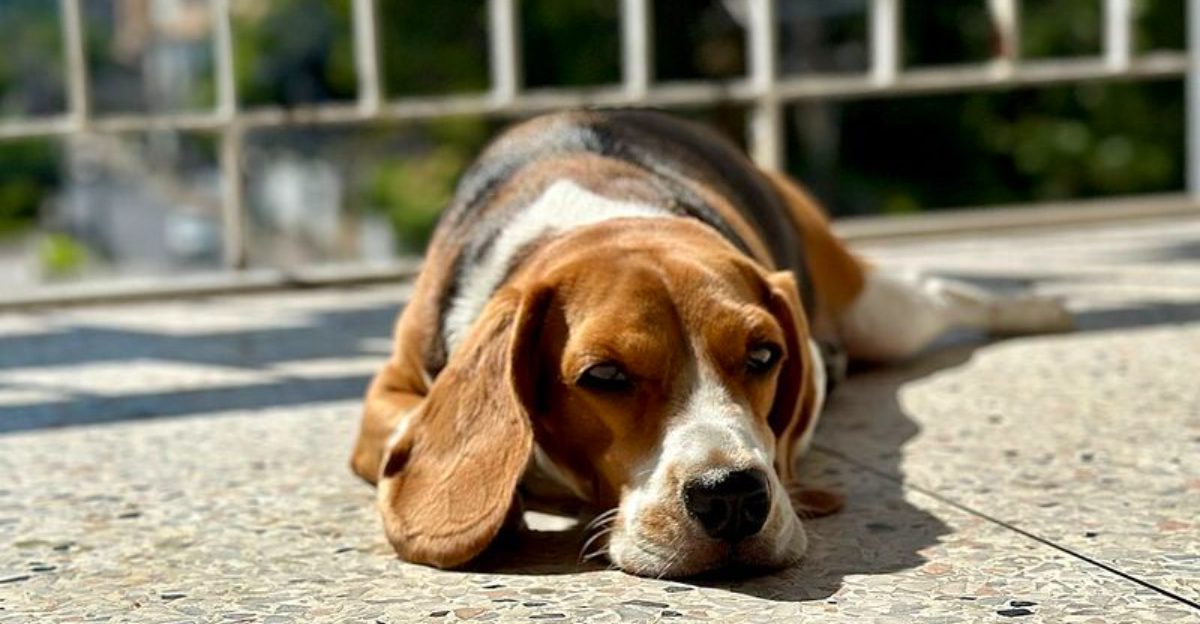
Some dogs have a lot to say, and they do not keep it quiet. Their voices can warn us, entertain us, and even tell us when they need help.
Understanding why certain breeds speak up can make life happier for both people and pups. With the right training and activities, that noisy energy can turn into smart communication.
Beagle
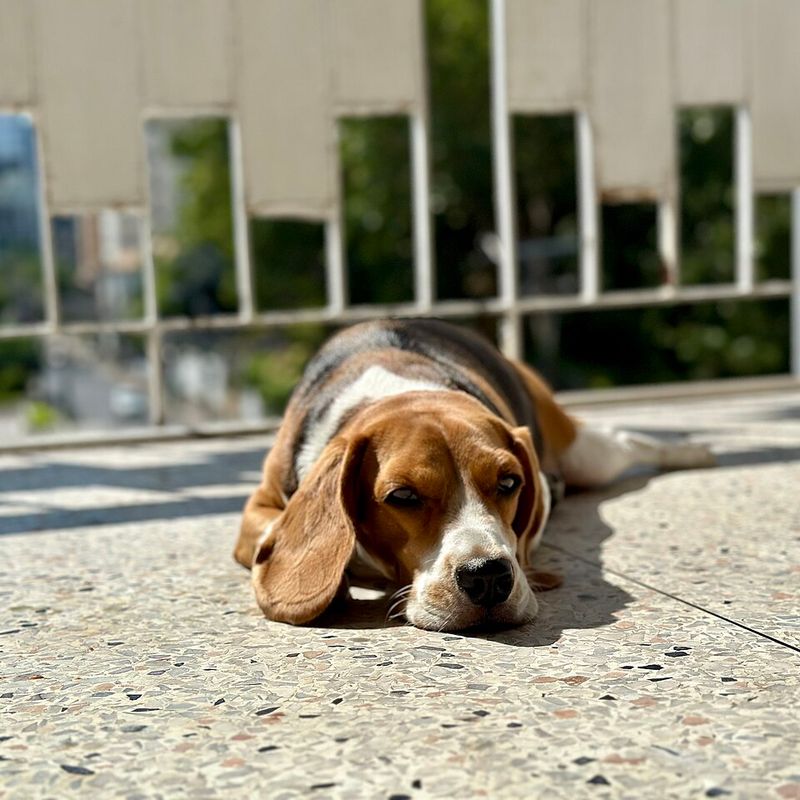
Pip-squeak voice, big volume. Beagles chat about everything from squirrels to snack time, and they love to bay when catching a scent.
Help them focus with daily nose games, like hiding treats and teaching a quiet cue after a find. Plenty of walks, a sturdy chew, and short training bursts keep their minds busy.
If your walls echo, add white noise, close curtains, and reward calm moments, not barking. Consistency builds confidence and reduces noise.
Siberian Husky
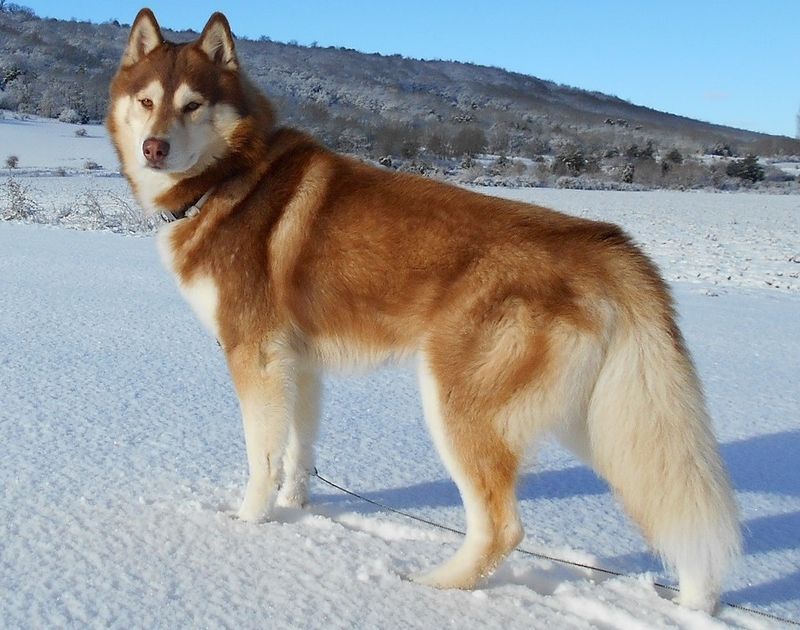
Neighborhood storyteller with a wolfy look. Huskies trade silence for songs, yodels, and playful talk, especially when routines change or energy overflows.
Channel that voice with brisk runs, sled-style games, or a backpack walk to give purpose. Teach a speak command, then pair a quiet cue and pay with great treats.
Cold-safe enrichment, like frozen Kongs, helps. Boredom triggers howls, so rotate toys, invite sniff breaks, and end sessions while your dog is still eager.
Dachshund
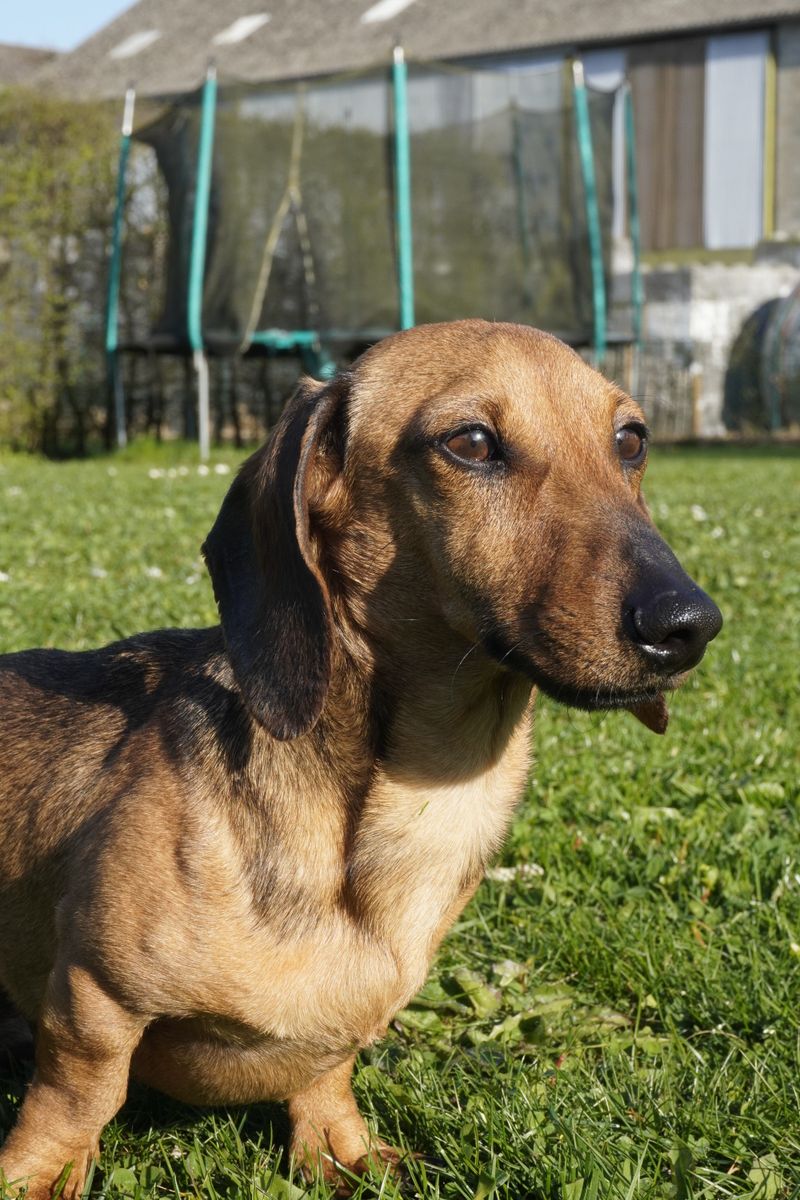
Short legs, loud opinions. Dachshunds were bred to alert underground, so they broadcast every creak, doorbell, and backyard visitor with surprising courage.
Give jobs that match their roots, like digging boxes and scent trails under cups. Practice a go to mat cue for delivery time, then reward quiet while the world buzzes.
Gentle social time with neighbors reduces mystery triggers. Keep sessions tiny, celebrate wins, and end before frustration grows to keep sausage-shaped singer satisfied.
Chihuahua
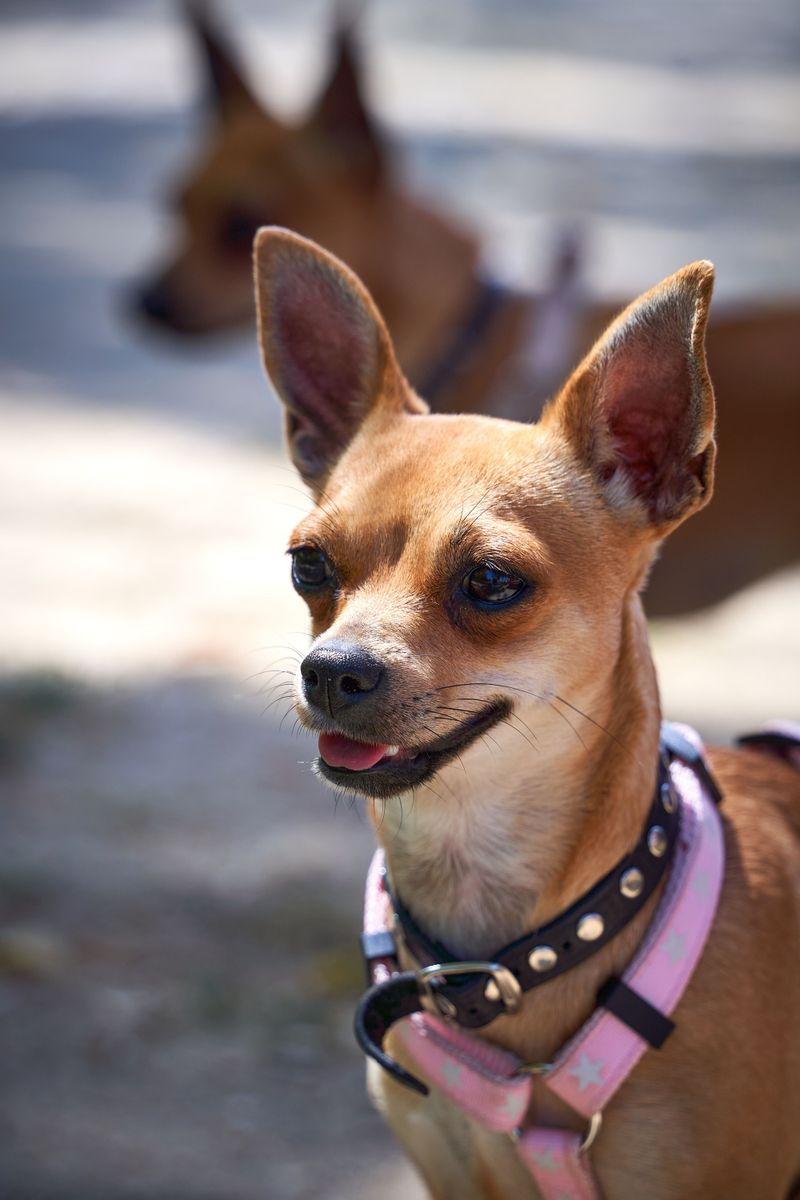
Pocket size, stadium sound. Many Chihuahuas act like tiny guardians, warning about footsteps, mail trucks, and sudden movements with rapid-fire yaps.
Confidence building changes the tune. Offer comfy perches to watch calmly, reward check-ins, and pair new sights with snacks.
Short trick sessions burn brain energy. For apartment life, schedule quiet windows, close blinds before busy times, and greet visitors with treats so your Chi expects things.
A sweater helps ease shivers that spark chatter.
Miniature Schnauzer
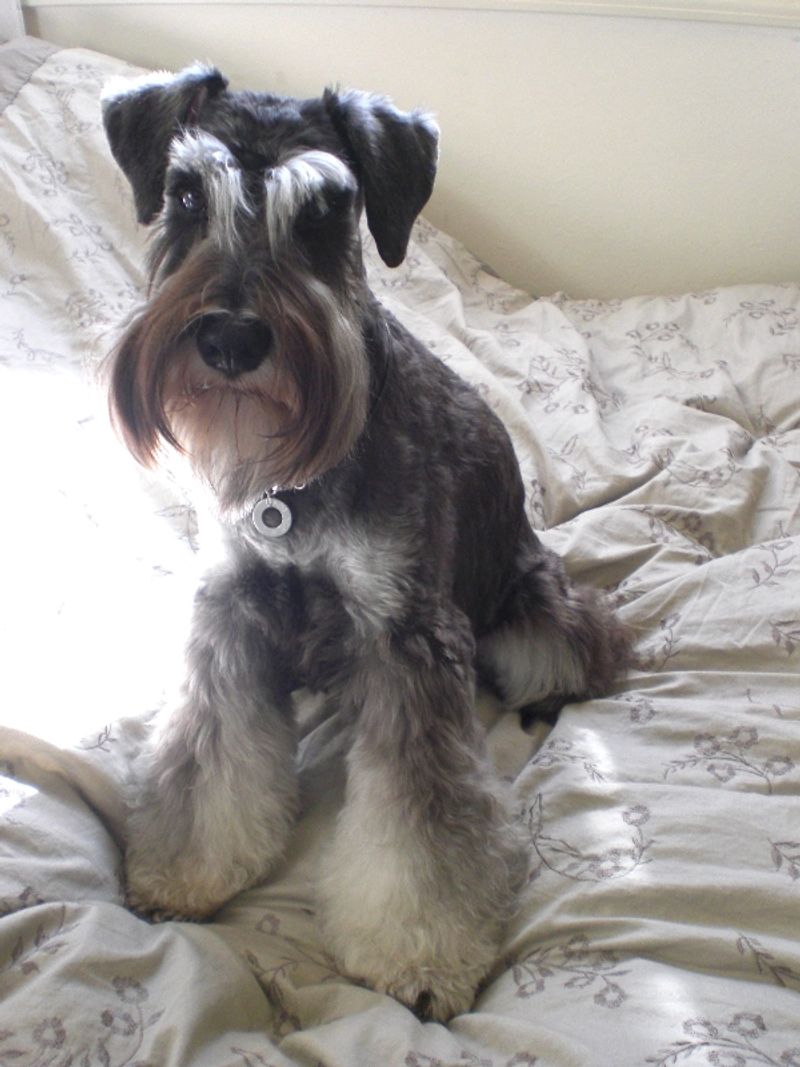
Pepper-gray eyebrows, detective mindset. Miniature Schnauzers were built to alert on farms, so they announce visitors, squirrels, and the neighbor’s basketball like it matters.
Work that brain with pattern games, such as 1-2-3 treat walks and go find the toy. Pair door knocks with a scatter of kibble on a mat to encourage quiet sniffing.
Trim visual triggers by using window film. Friendly greetings after sits teach that calm earns attention, not barking at home.
Shetland Sheepdog
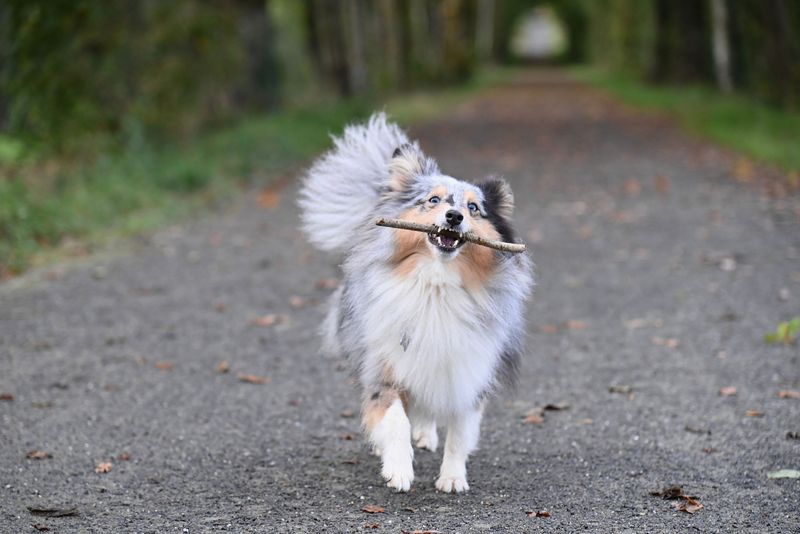
Tiny herder, big commentary. Shelties use quick barks to manage movement, which can mean patrolling kids, cats, and doorways like a whistle with paws.
Give a job during busy times, such as carrying a soft toy or targeting your hand. Practice a watch me cue on walks to interrupt alert spirals.
Agility or hurdles burn steam and build focus. Reduce startles with music.
Reward three seconds of silence, then five, then eight, shaping longer calm.
Pomeranian
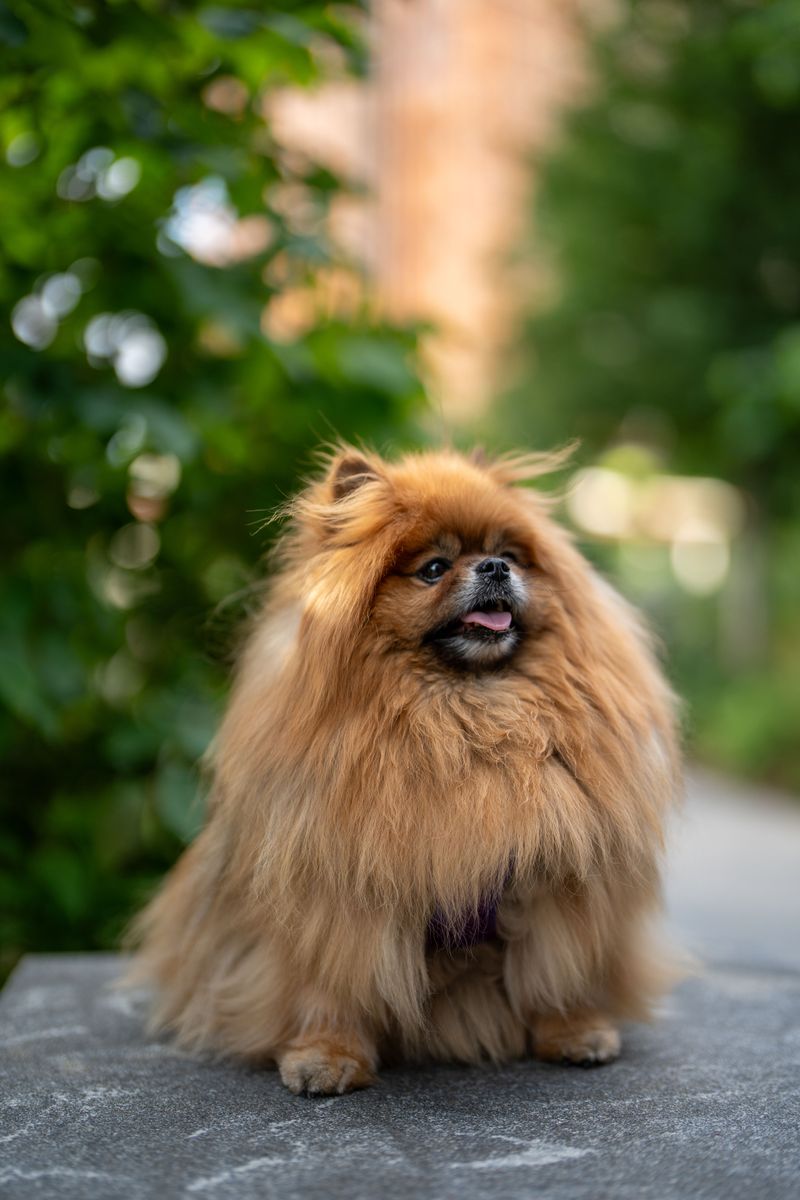
Fluff ball with a megaphone heart. Pomeranians often stand on tiptoe to narrate the hallway and celebrate your return like a tiny parade.
Teach a place cue near the door and reward quiet as guests settle. Puzzle feeders stretch mealtime and reduce attention-seeking noise.
Brushing sessions double as calm training. For outdoor manners, step back from excitement, ask for a sit, then approach again when quiet.
Greetings prevent overload and keep cheerful spark without chorus.
Basset Hound
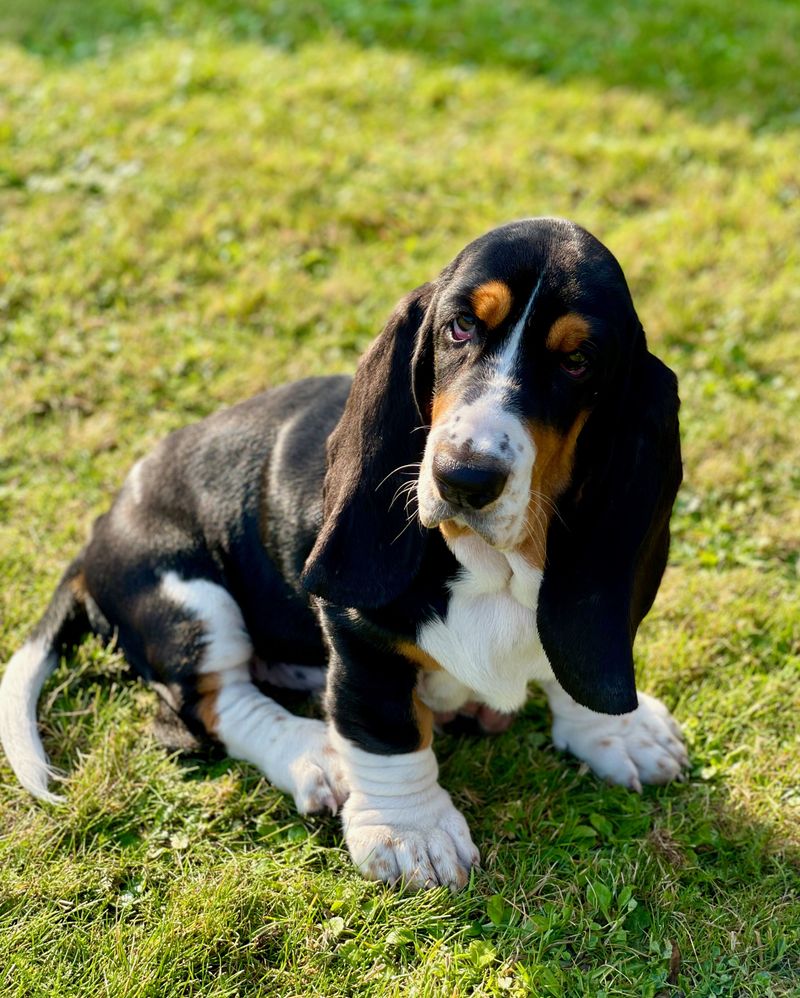
Low body, long voice. Bassets carry a deep, musical bay that rolls across neighborhoods when a scent trail gets interesting.
Satisfy the nose with sniff walks where you follow their lead for part of the route. Cue check in, feed a treat, then release to sniff again.
This pattern builds focus without shutting down instincts. Indoors, offer cardboard snuffle boxes and tug breaks.
A comfy bed by your chair rewards quiet companionship during evening hours.
Samoyed
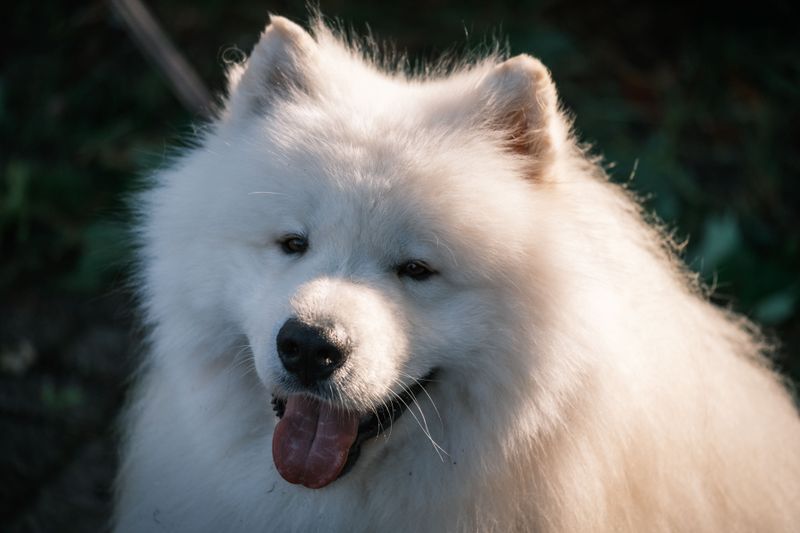
Smiling cloud, chatty soul. Samoyeds often express themselves with woo-woo talk and alert barks, especially when left out of the fun.
Plan social time and real jobs, like pulling a cart, learning nosework, or joining hikes with friends. Teach quiet after speak to build control, and pay generously for success.
A cool resting spot helps prevent restless fussing. Rotate grooming into calm practice by feeding treats as you brush, so handling predicts peace, not chatter.
Jack Russell Terrier
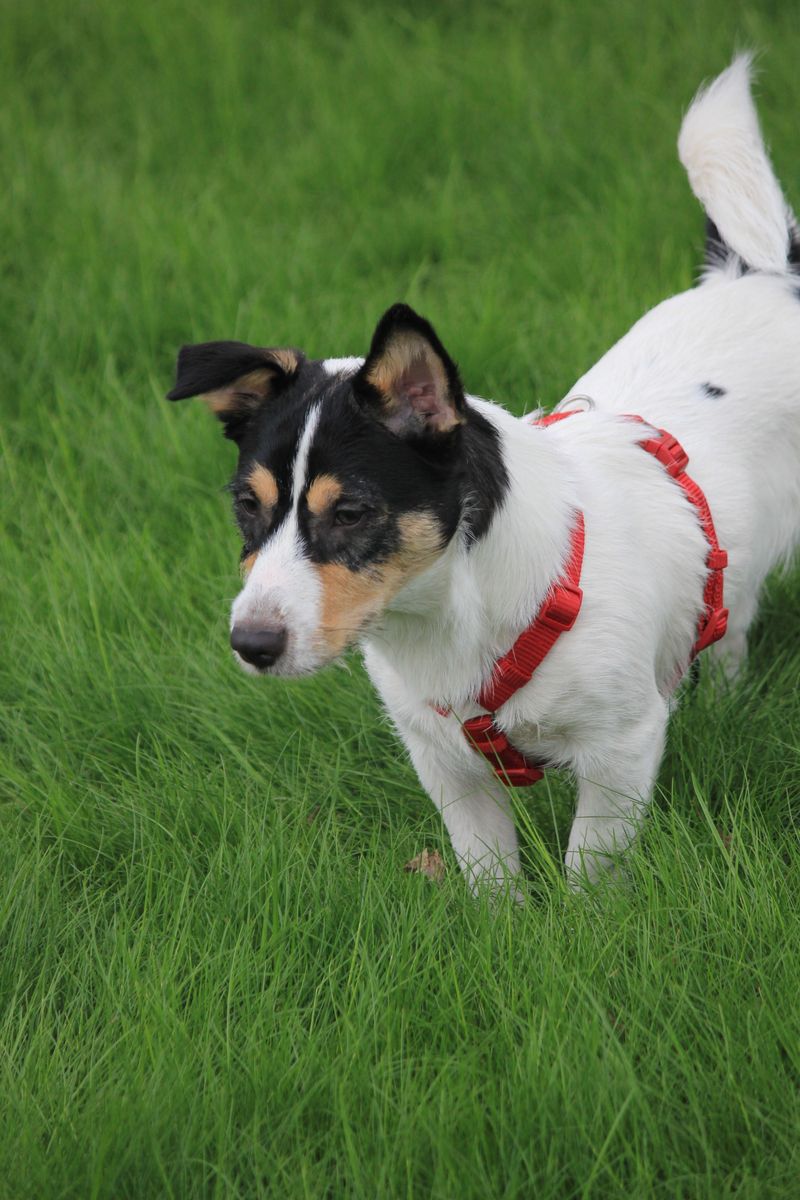
Rocket-fueled comedian with opinions. Jack Russells were designed for fast decisions, so their voices pop off when movement or boredom hits.
Turn that spark into work. Play fetch ladders, where sits earn throws, and add scent puzzles between rounds.
Parkour-style walks, stepping on rocks and benches, channel focus. Teach a settle on a mat while you read for five minutes, then grow the time daily.
Expect sound, but celebrate check-ins and quick recoveries every day.
Yorkshire Terrier
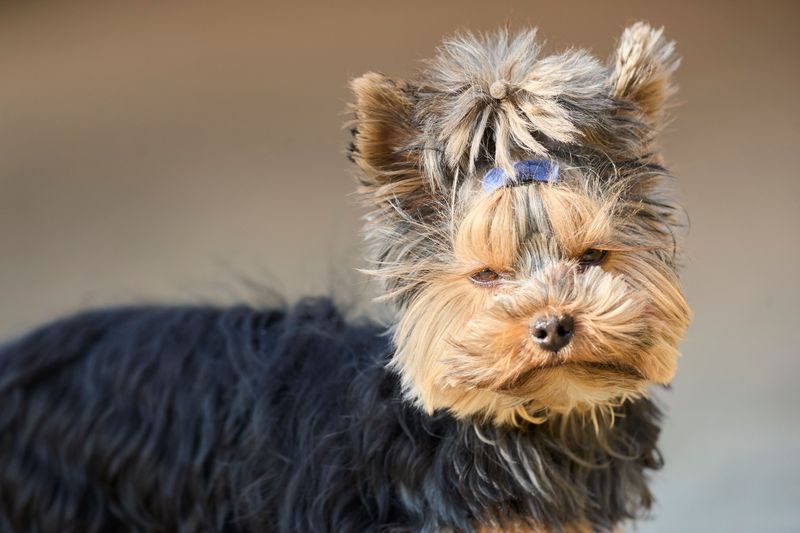
Silky coat, bold stage voice. Yorkies guard their people with sharp alerts, and they often react to tiny street sounds from window seats.
Set up a quiet zone away from glass and reward lounging there. Teach a pick up your toy cue for arrivals, which keeps the mouth busy.
Short city walks with sniff stops reduce tension. If elevators or echoes spark yips, step backward, feed treats, and try again.
Progress beats perfection each day.