
Cute faces and fluffy coats can steal your heart in seconds, but a dog’s health story matters just as much. Some breeds have known medical issues that can be costly, stressful, and hard on the pet.
Learning about common risks helps you plan better and choose wisely. Your future best friend deserves a happy, healthy life, not just a pretty picture.
French Bulldog

Bat ears and big smiles win hearts fast. Yet many Frenchies struggle to breathe because of their short snouts.
Snoring may sound cute, but airway surgery, heat sensitivity, and eye injuries are common. Insurance can help, and cooling mats plus harnesses reduce strain.
Choose a breeder who does airway and spine screenings, and keep your dog fit to protect joints. Skip intense heat or long runs.
Short, calm play and regular vet checks can make daily life easier.
English Bulldog

That wrinkly grin looks like pure charm. Underneath, many Bulldogs face breathing troubles, skin fold infections, hip issues, and heat stress.
Grooming includes wiping folds, cleaning ears, and monitoring weight to ease joint pressure. Exercise should be short and steady, not sprints.
Work with a vet on skin care, airway evaluation, and diet planning. Ask breeders for hip, heart, and airway histories.
A cool home, ramp access, and a harness instead of a collar can make a big difference.
Pug

Those round eyes seem to sparkle with jokes. Sadly, Pugs often face eye injuries, dry eye, and corneal ulcers, plus breathing limits and spine concerns.
Gentle walks, cool rooms, and eye checks are musts. Keep nails short and use a harness.
Ask about parent eye and airway exams. Learn to spot signs like squinting, blue haze, or noisy breathing.
A healthy weight, simple nose work games, and careful play help them enjoy life without overdoing it.
Cavalier King Charles Spaniel

Royal looks meet a lap-loving heart. Cavaliers are at risk for mitral valve disease, which can lead to heart failure, and some have syringomyelia that affects the spine.
Early heart checks, listening for murmurs, and keeping weight down matter a lot.
Ask breeders for cardiologist clearances on parents at five years or older. Gentle walks and low-stress play help.
If coughing, slowing down, or fainting appears, see a vet right away to manage medication and activity.
Dachshund

Short legs and a long back give them a cartoon-like charm. That same shape raises the risk of intervertebral disc disease.
Jumping from beds or stairs can trigger painful back injuries. Ramps, crate rest after strains, and a lean diet protect the spine.
Play games on the floor, not on furniture. Ask about back issues in relatives.
If wobbliness or sudden pain shows up, seek urgent care since early treatment can prevent lasting nerve damage.
Great Dane
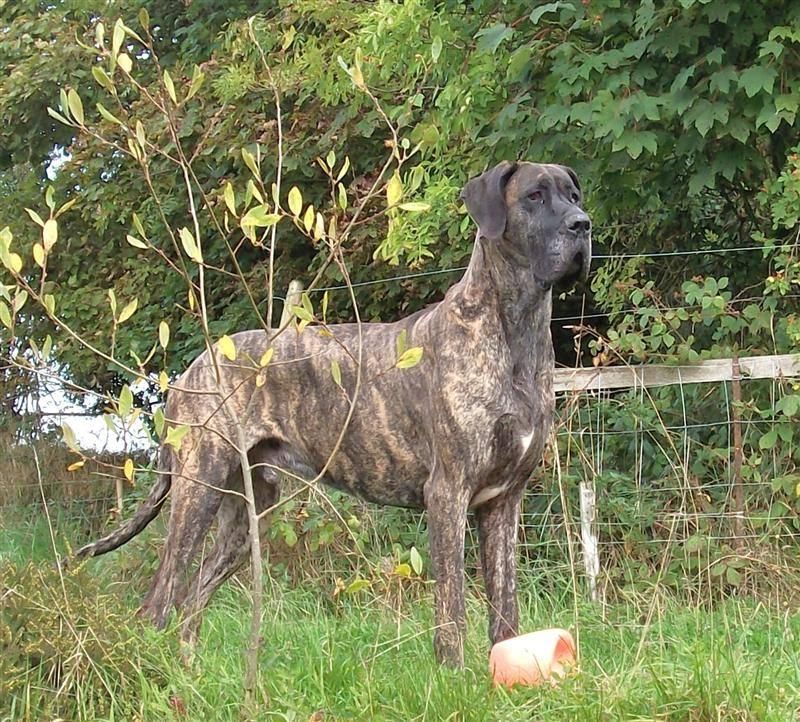
With a head at countertop height, Danes feel like friendly giants. Big size brings big concerns: bloat, heart disease, and joint strain.
Slow growth diets, raised bowls used carefully, and multiple small meals can reduce risks. Training should be gentle, since heavy bodies stress joints.
Choose breeders who screen hearts and hips. Learn bloat symptoms like sudden swelling and retching, and keep emergency vet info handy.
Soft bedding, nail care, and steady walks help them stay comfortable.
Boxer

Always ready for fun, Boxers bring non-stop goofiness. Behind the smiles, they face higher risks of certain cancers, heart arrhythmias, and allergies.
Regular vet exams, chest auscultation, and skin checks matter. Keep workouts varied but not extreme in hot weather.
Ask breeders about heart testing and family cancer history. Feed balanced meals and watch for coughing, fainting, or odd lumps.
A training routine that mixes brain games with moderate exercise keeps them happy and healthier.
Doberman Pinscher

Elegance and focus make Dobermans stand out. Yet dilated cardiomyopathy and bleeding disorders can appear, often without early signs.
Schedule routine heart screenings like echocardiograms and Holter monitoring when advised. Keep them lean and fit with consistent, joint-friendly exercise.
Choose breeders who share cardiac and Von Willebrand disease results. Pay attention to fainting, weakness, or reduced stamina.
Mental work, such as scent games and obedience, channels their sharp minds while protecting long-term health.
German Shepherd
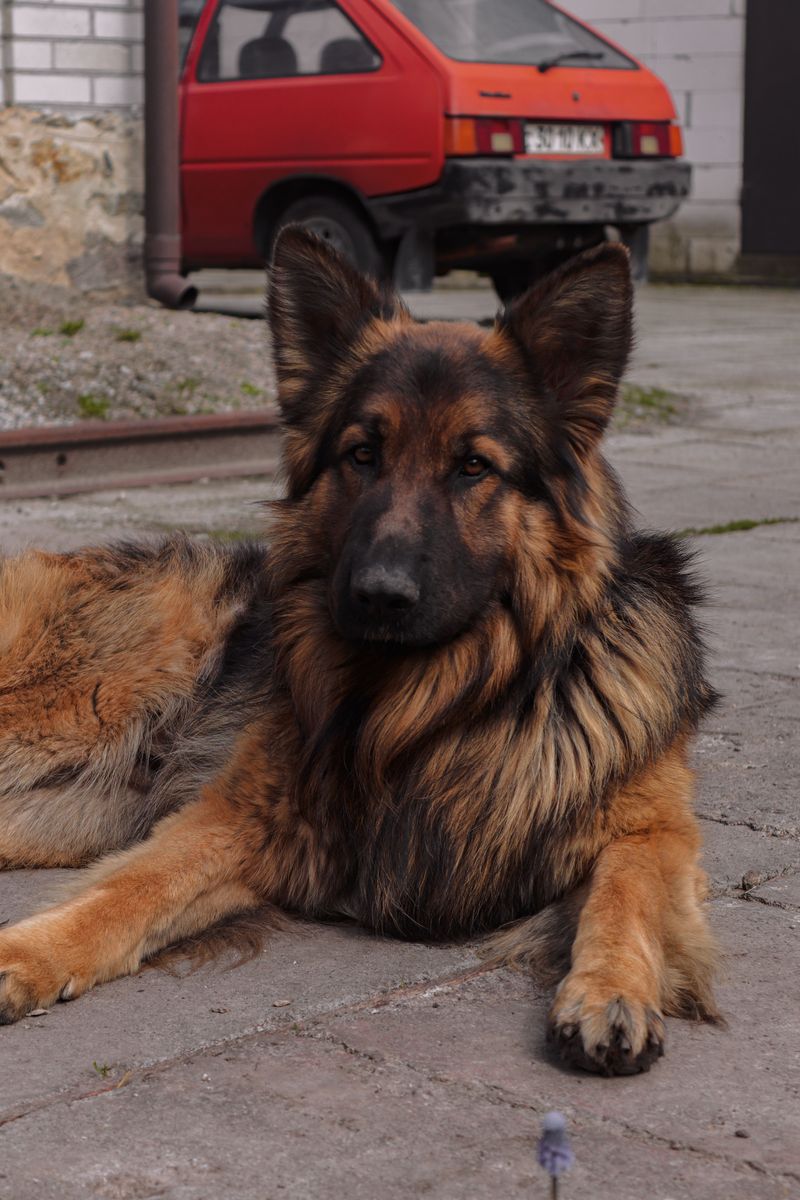
Loyal and quick to learn, Shepherds excel at tasks. Their hips and elbows, though, often need extra care.
Dysplasia can limit movement and comfort. Choose joint-safe activities, like swimming and steady walks, and maintain strong core muscles through controlled exercises.
Look for breeders who provide hip and elbow scores. Feed a balanced diet and keep weight in check.
If stiffness, bunny-hopping, or limping appears, seek early help to preserve mobility and reduce pain.
Bernese Mountain Dog
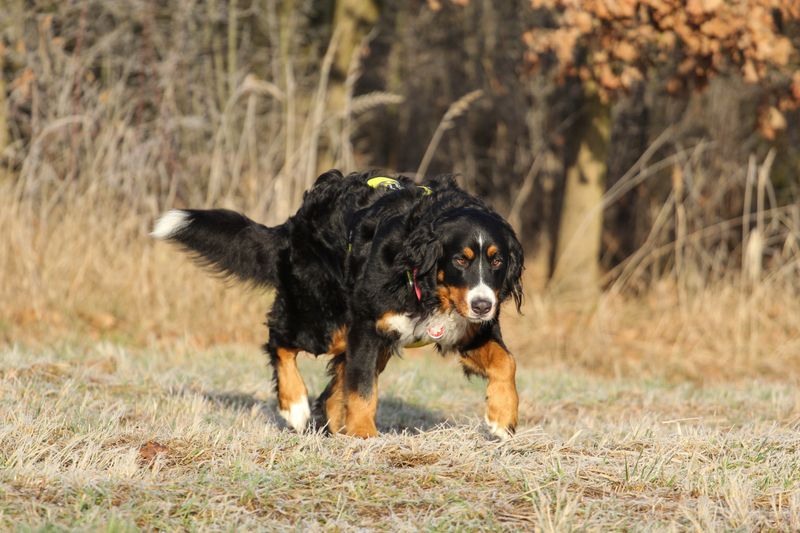
With a tricolor coat like a storybook hero, Berners steal the scene. Sadly, they face shorter average lifespans and higher cancer rates.
Gentle conditioning, body checks for lumps, and prompt vet visits are key. Avoid overheating during warm months and keep grooming regular.
Ask breeders about longevity and health in their lines. Choose joint-friendly play, like hikes on soft trails.
Calm training sessions and stress-free routines help them enjoy their big-hearted, family-focused days.
Golden Retriever
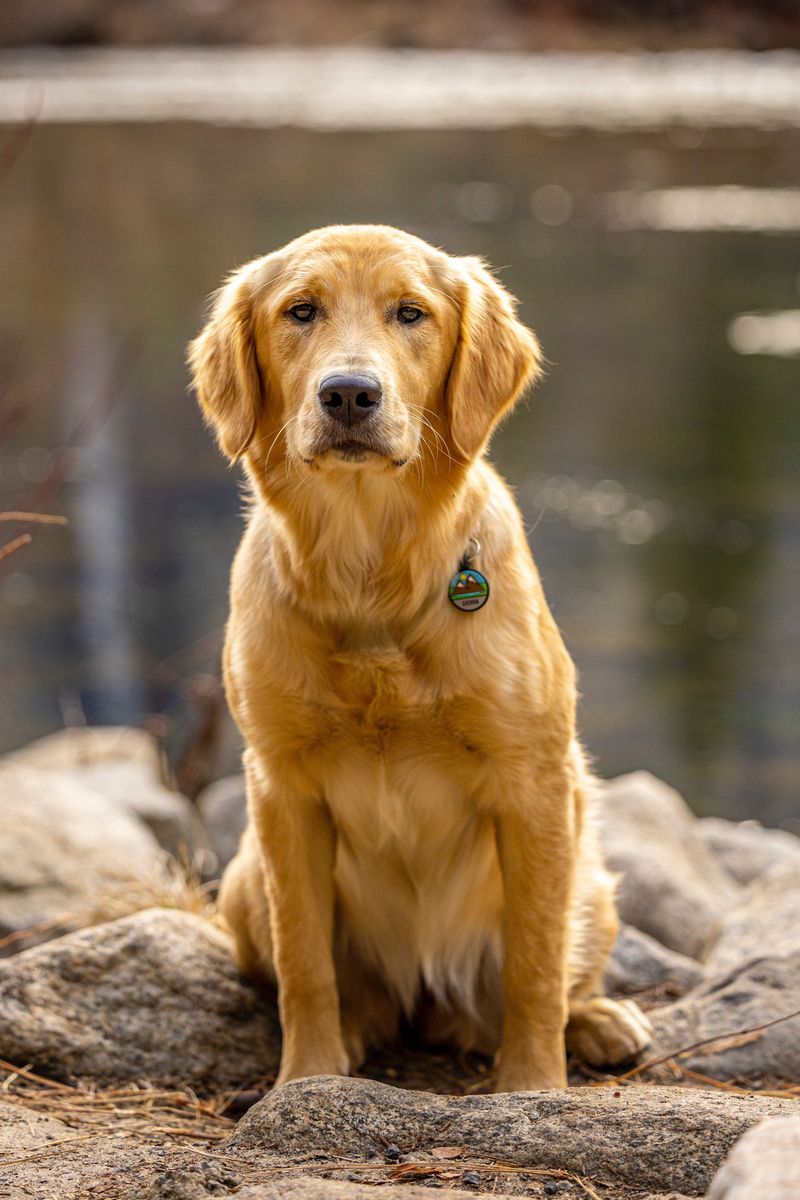
Sunshine in fur is how many describe Goldens. Still, they face notable cancer risks, skin allergies, and ear infections.
Regular grooming, ear drying after swims, and skin checks reduce troubles. Balanced diets and steady exercise keep weight under control and joints happier.
Seek breeders that track cancer in their lines and share health clearances. Watch for new lumps or itching that will not stop.
Mix training, play, and rest to support a long, joyful life.
Newfoundland
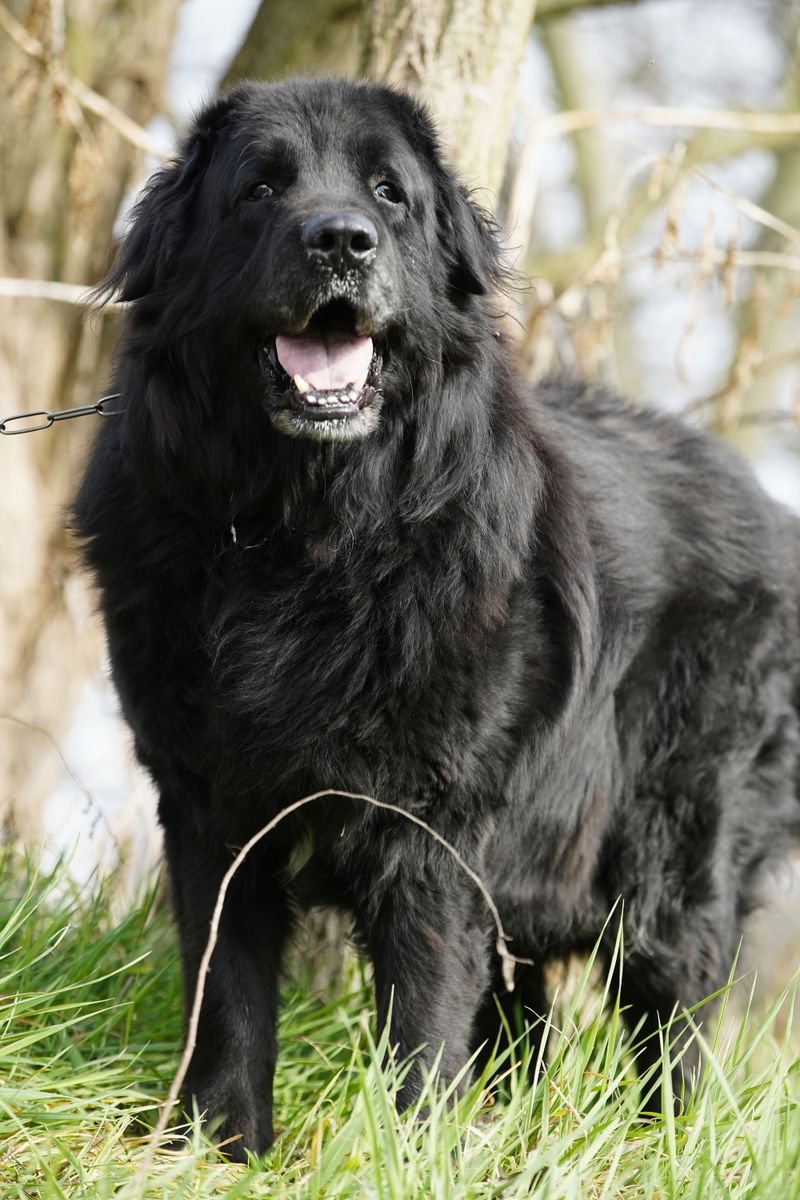
With a heart as big as its paws, the Newfoundland loves water and people. Giant size brings hip dysplasia, cruciate tears, and bloat risks.
Keep growth slow, nails short, and footing secure at home. Multiple small meals and calm rest after eating are wise.
Ask about hip, elbow, and heart screenings from breeders. Swimming is great, but watch for fatigue.
A supportive bed, ramps, and regular vet visits help maintain comfort throughout their impressive, gentle lives.