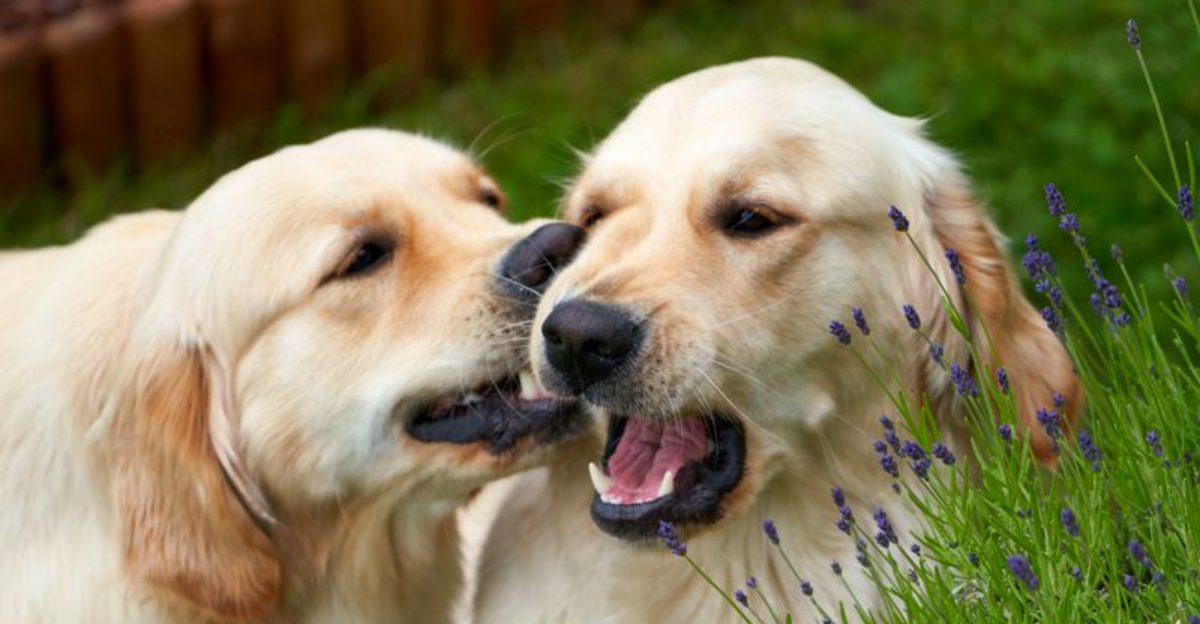
Some lessons stick because we feel them. A kind, clever dog can shape how a child thinks, listens, and cares.
Beyond feeding and walks, kids learn empathy, patience, and calm leadership. The classroom might be your living room, a backyard, or a quiet path, and the teacher might be wagging a tail.
Golden Retriever
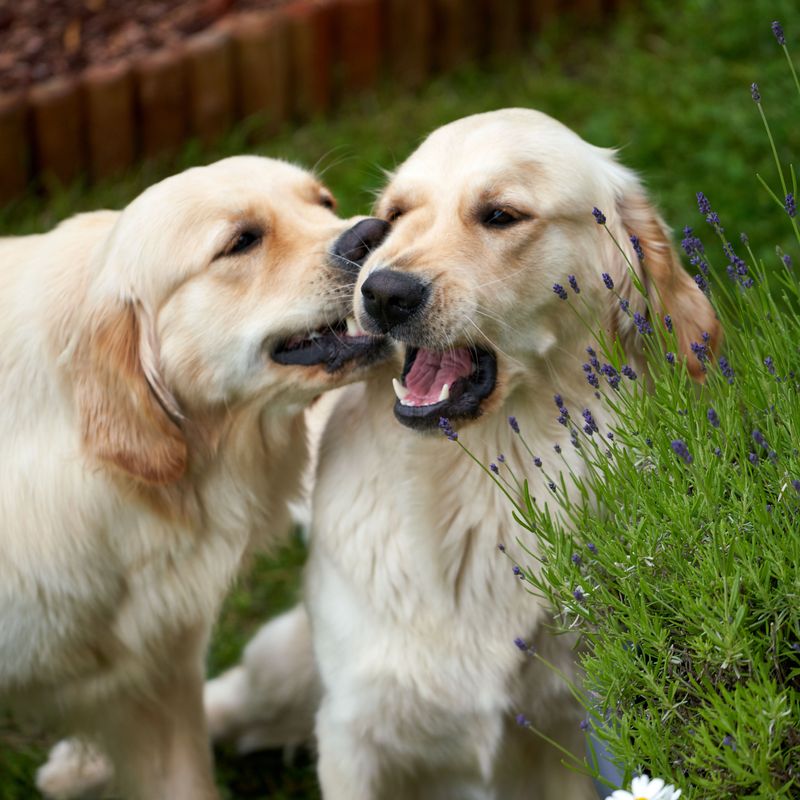
With eyes that seem to smile, the Golden Retriever turns everyday moments into lessons on kindness. A child learns to read soft cues, like a gentle tail swish or relaxed ears, then answers with calm touch and steady words.
Trust builds slowly, and so does self-control.
Practice simple games like “wait,” then celebrate small wins. Talk about feelings the dog might have.
That conversation strengthens empathy, listening, and thoughtful choices in real time.
Rough Collie
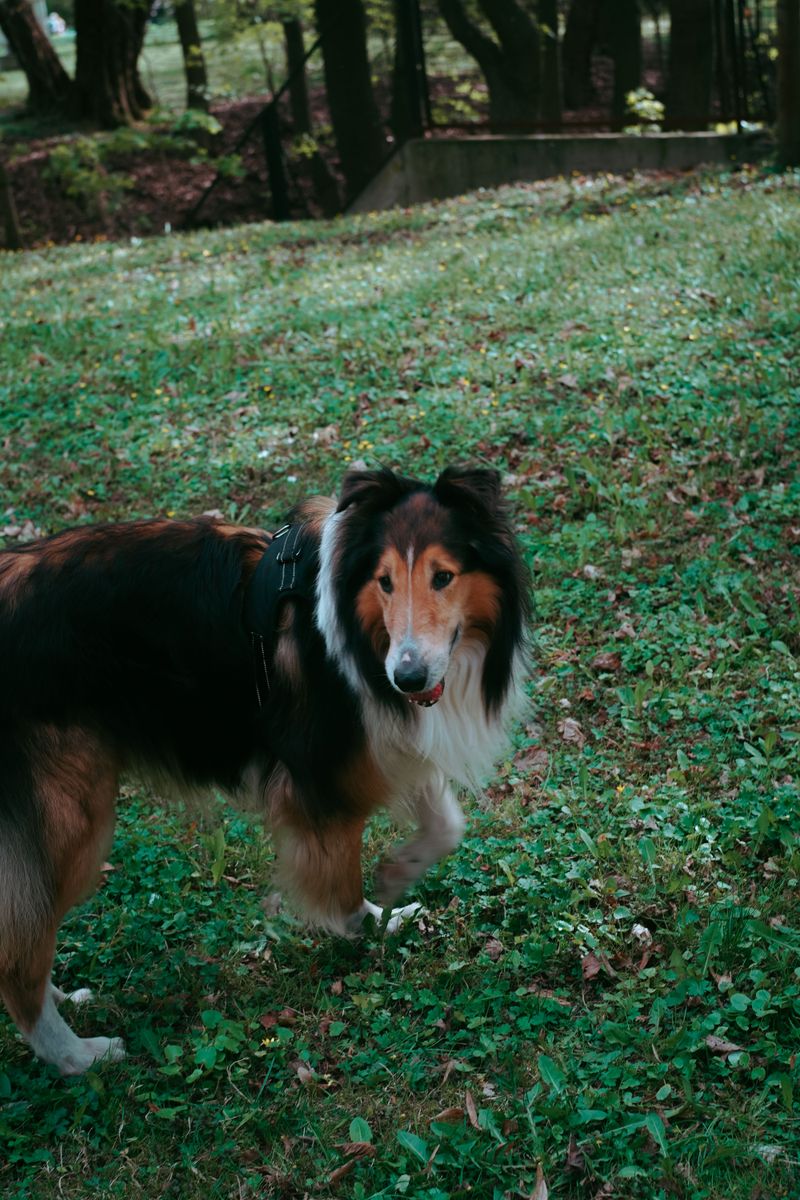
Stories of Lassie hint at it, but real Rough Collies teach quiet courage. When the wind fusses or a scooter zips past, a steady collie models calm.
Kids mirror that poise, breathe slower, and keep going. The dog’s focus becomes a lighthouse for wobbly nerves.
Practice heel work on busy sidewalks. Pause and praise relaxed posture.
Over time, children learn to meet surprises with planning, patience, and respectful leadership that never shouts.
Newfoundland
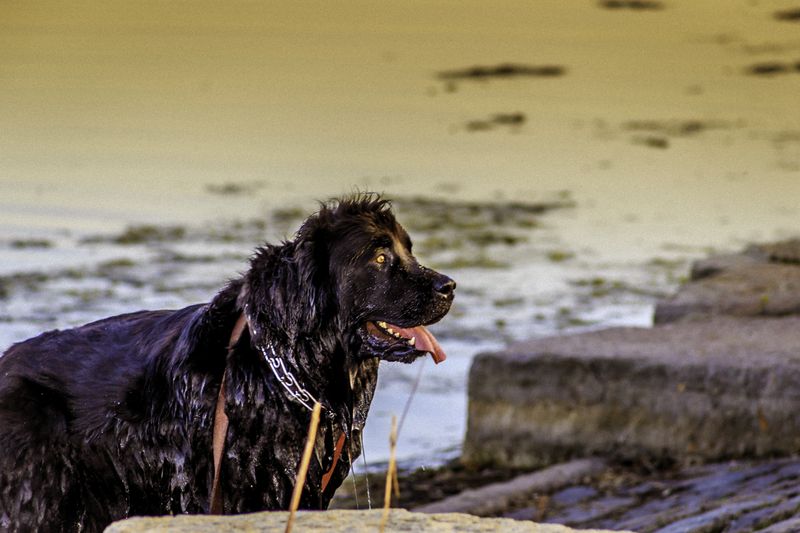
With a heart as big as its paws, the Newfoundland is every child’s gentle guardian. Heavy paws step slowly, and kids match that pace.
Stillness becomes comfortable, and quiet time turns meaningful. Big dogs make big feelings feel safe to explore.
Try mindful moments, counting breaths while stroking that plush coat. Discuss consent by asking before hugs and honoring signals.
Children learn respect, body awareness, and how peaceful presence can soothe a tough day.
Beagle
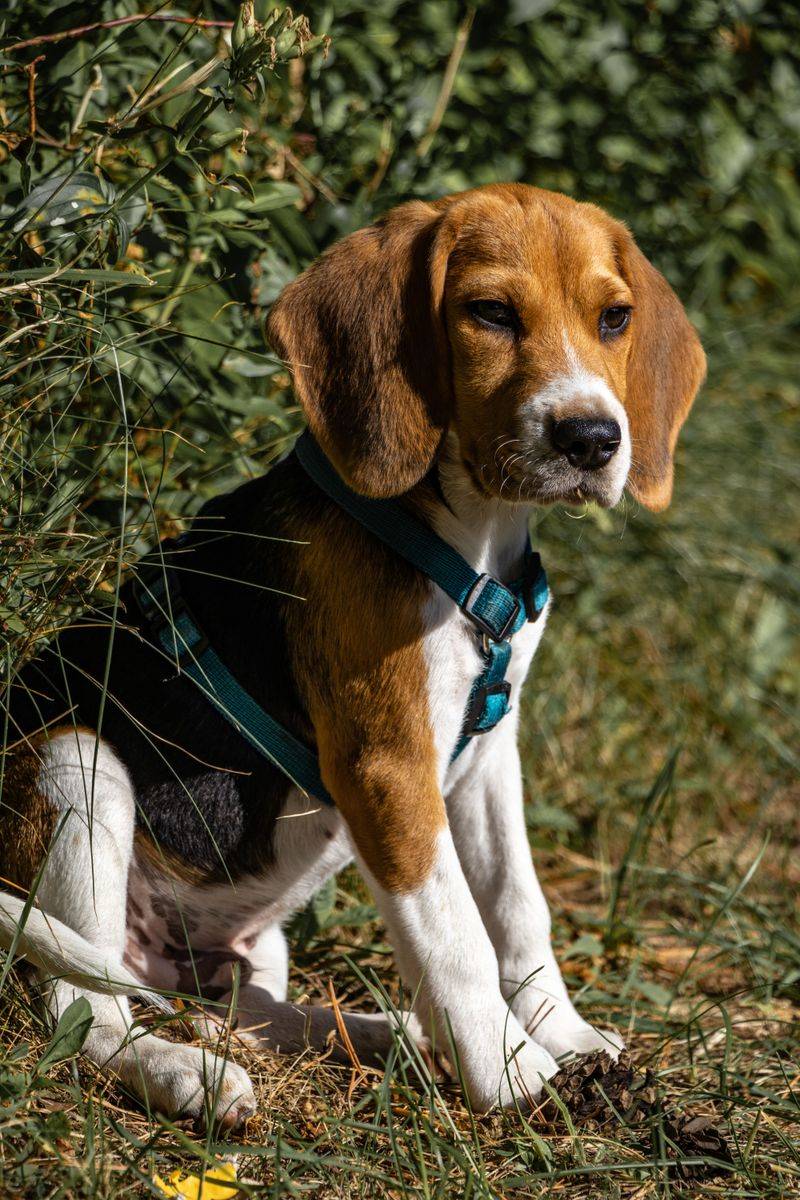
Follow that nose and you follow a Beagle’s science lab. Kids learn observation by noticing where scent pulls, how ears perk, and when the tail flags.
Questions bubble up, like why damp grass holds smells. Curiosity becomes the engine for learning.
Create simple scent games using hidden treats or cotton balls with vanilla. Keep a tiny field notebook.
Recording guesses and results teaches problem solving, patience, and playful research skills.
Boxer
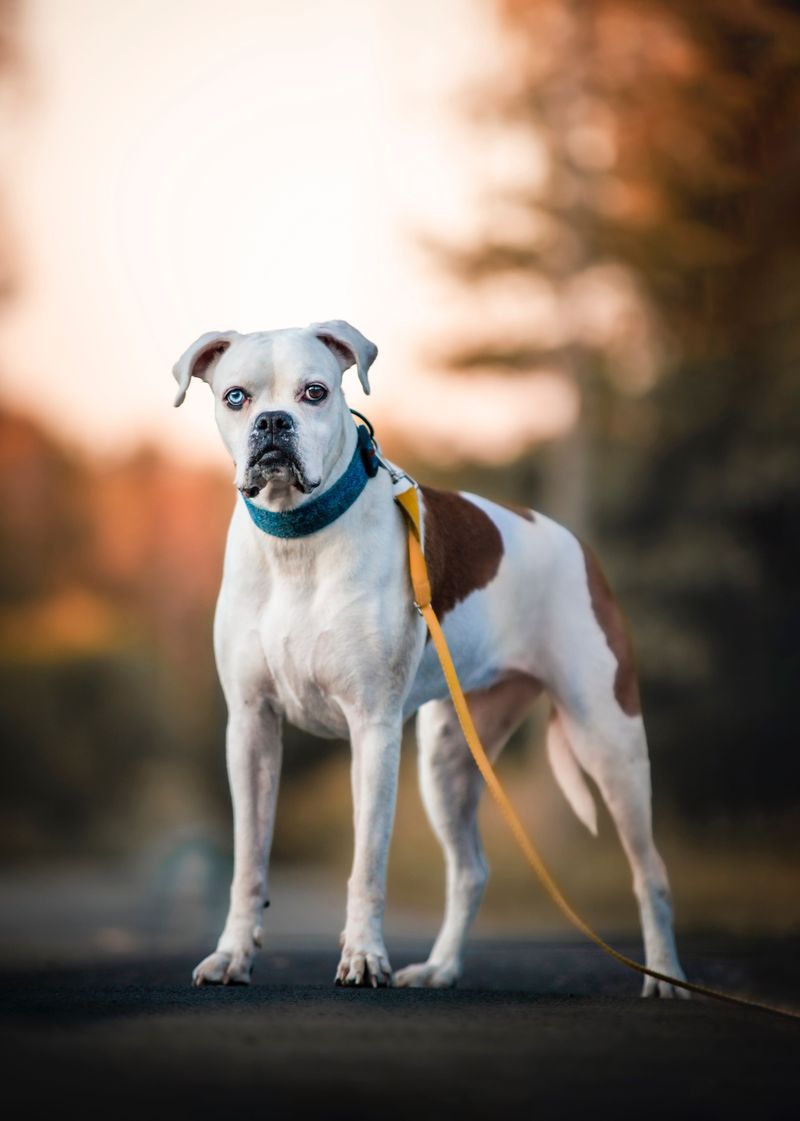
Goofy faces and springy steps make the Boxer a coach for resilience. Mistakes happen, jumps get missed, and then the tail drums restart.
Children learn to laugh, reset, and try again. Grit grows with every playful do-over.
Build a mini course with cones and a low bar. Keep cues short, like “up” and “through.” Celebrate effort instead of perfection.
That mindset helps kids tackle homework, friendships, and new skills with upbeat persistence.
Labrador Retriever
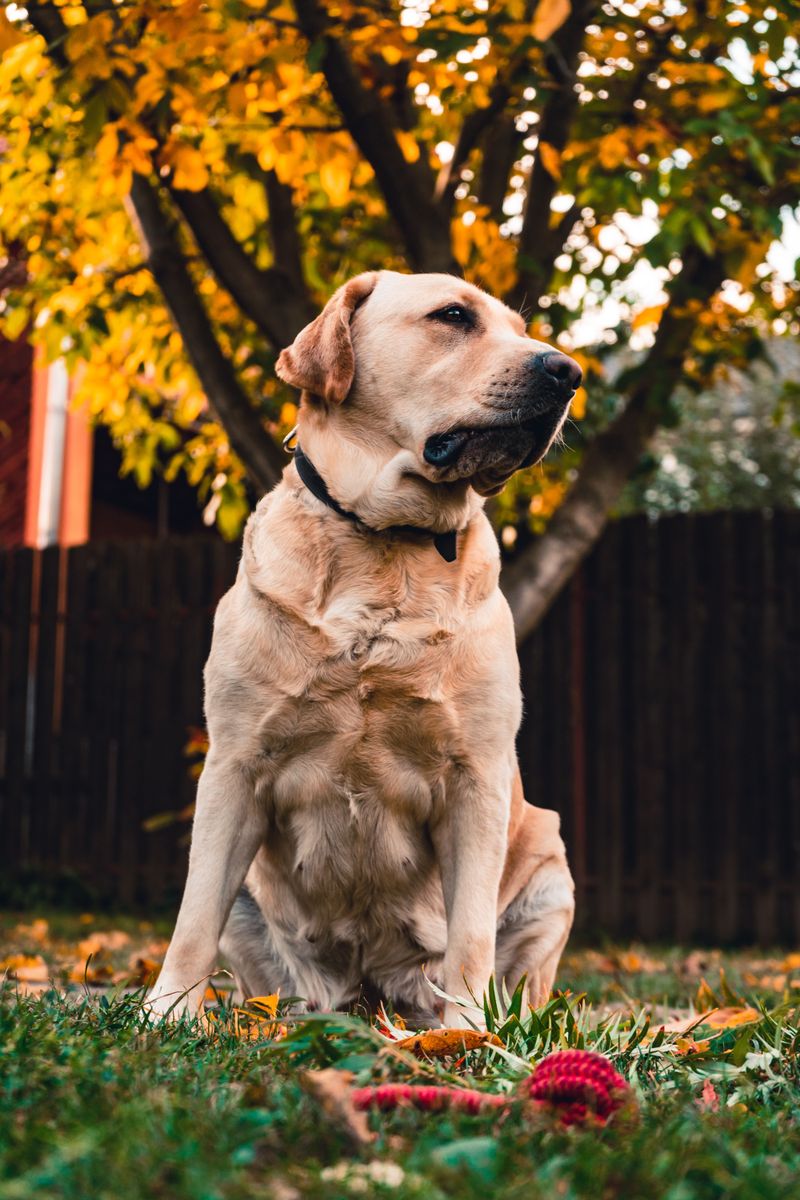
Few dogs translate human moods like a Labrador. A child sees how tone, timing, and posture shape the game.
Toss too soon, the Lab blinks. Wait for eye contact, joy pops like a firework.
Communication becomes a two-way street.
Set a rhythm, cue, then toss. Add hand signals.
Rotate roles so the child notices what works. These small feedback loops teach clarity, fairness, and how to listen before leading.
Standard Poodle
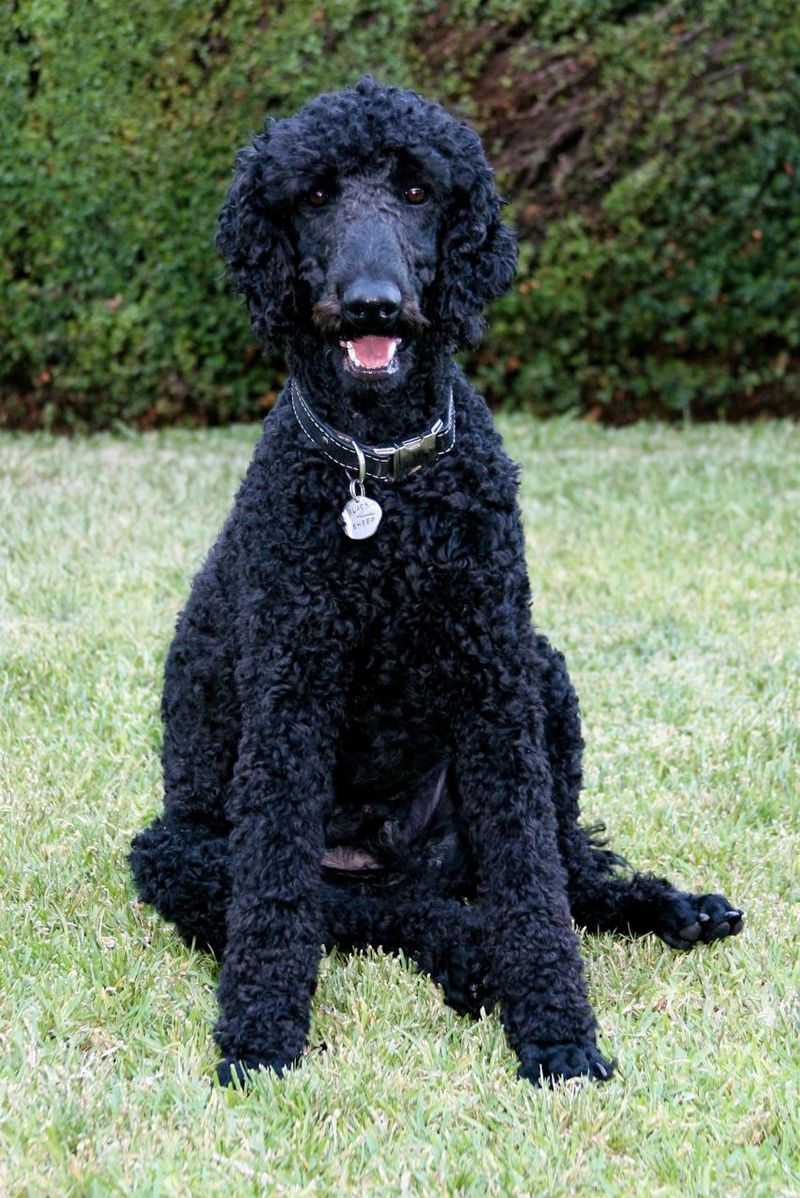
Brains meet bounce in the Standard Poodle. A child learns to design challenges that are just right, not too easy, not too hard.
Watching problem solving in action teaches patience and smart planning. Success feels earned, not lucky.
Try a muffin tin game with tennis balls hiding treats. Increase difficulty step by step.
Encourage the child to predict outcomes. Hypothesize, test, and adjust.
That process turns playtime into hands-on science and strategy.
Irish Setter
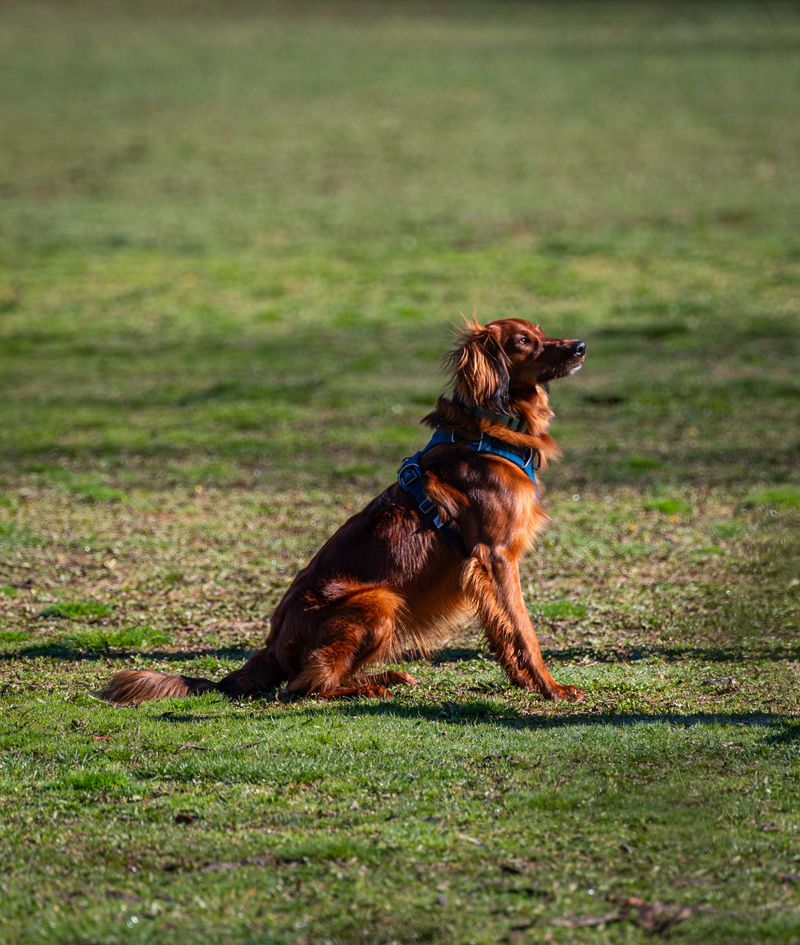
All flame and freedom, the Irish Setter turns movement into a lesson on rhythm and routine. Kids learn to channel big energy into planned bursts, then cool down.
Health and focus improve together. The dog’s joy makes fitness feel like play.
Create a weekly chart for runs, stretches, and water breaks. Track moods afterward.
Noticing how bodies feel teaches self-care, time management, and respect for limits without losing the thrill of motion.
Bernese Mountain Dog
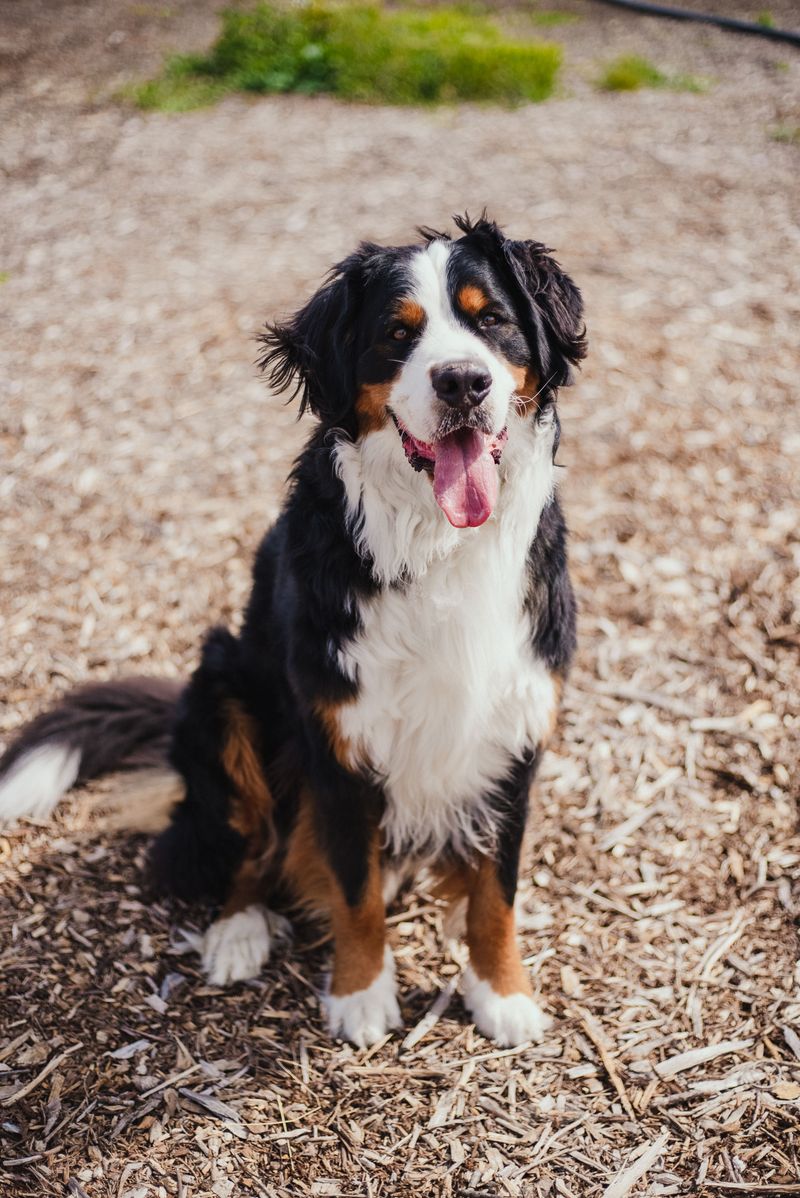
When storms of noise roll in, a Bernese Mountain Dog brings steady comfort. Kids who feel overlooked find a patient listener in those warm eyes.
Sitting shoulder to shoulder, they learn how presence can be powerful without a single word.
Practice quiet check-ins, hand on fur, count to ten. Share feelings with the dog like a journal.
That ritual teaches emotional naming, grounding skills, and the value of calm companionship.
English Cocker Spaniel
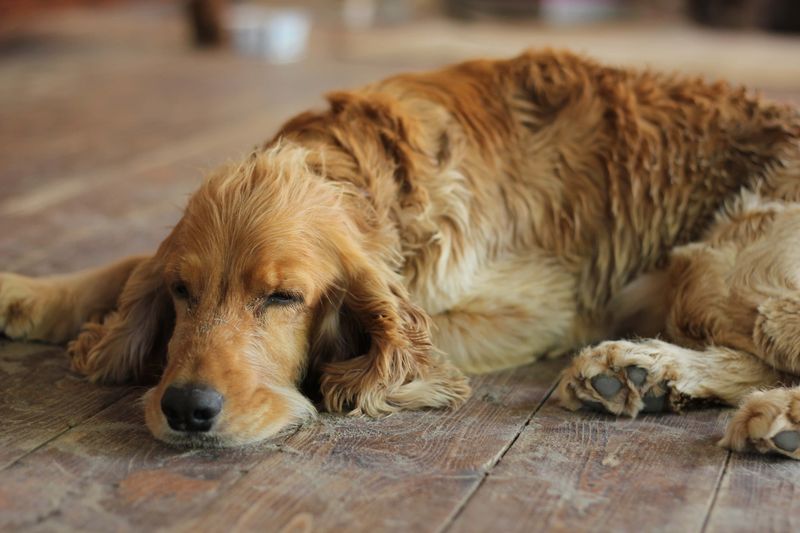
Soft ears and bright eyes invite tenderness. While grooming an English Cocker Spaniel, kids learn consent and care.
A pause means the brush slows. A yawn or lip lick says break time.
Respect grows through tiny choices that keep trust intact.
Make a spa routine, brush, inspect paws, offer a treat, then rest. Narrate each step.
Children discover how kindness, touch, and timing work together to build lasting bonds.
Bichon Frise
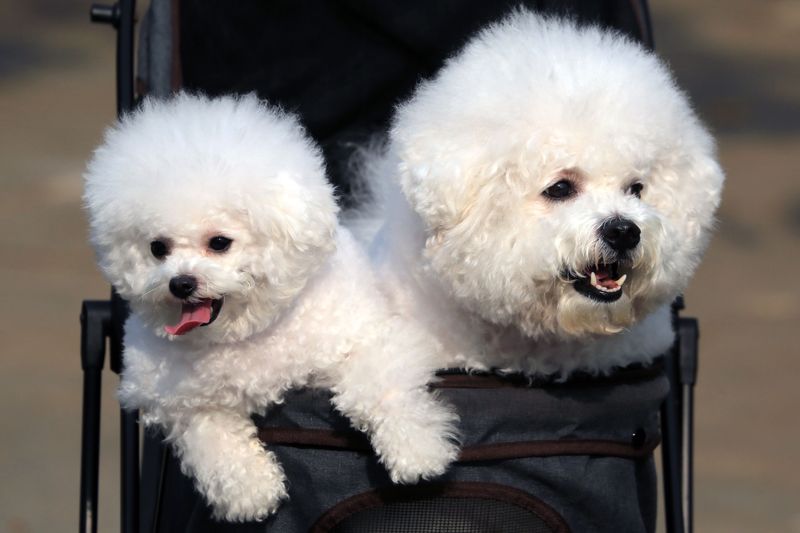
Little cloud, big charm. A Bichon Frise turns silliness into social learning.
Kids practice cheerful tone, timing, and tiny rewards to shape behavior. The room fills with giggles and trust.
Confidence blooms because success comes in quick, sparkling moments.
Teach spin, touch, and tidy toy-up. Keep sessions short and upbeat.
Reflect on what made progress happen. Children absorb how positive reinforcement and clear cues make cooperation fun, not forced.
Staffordshire Bull Terrier
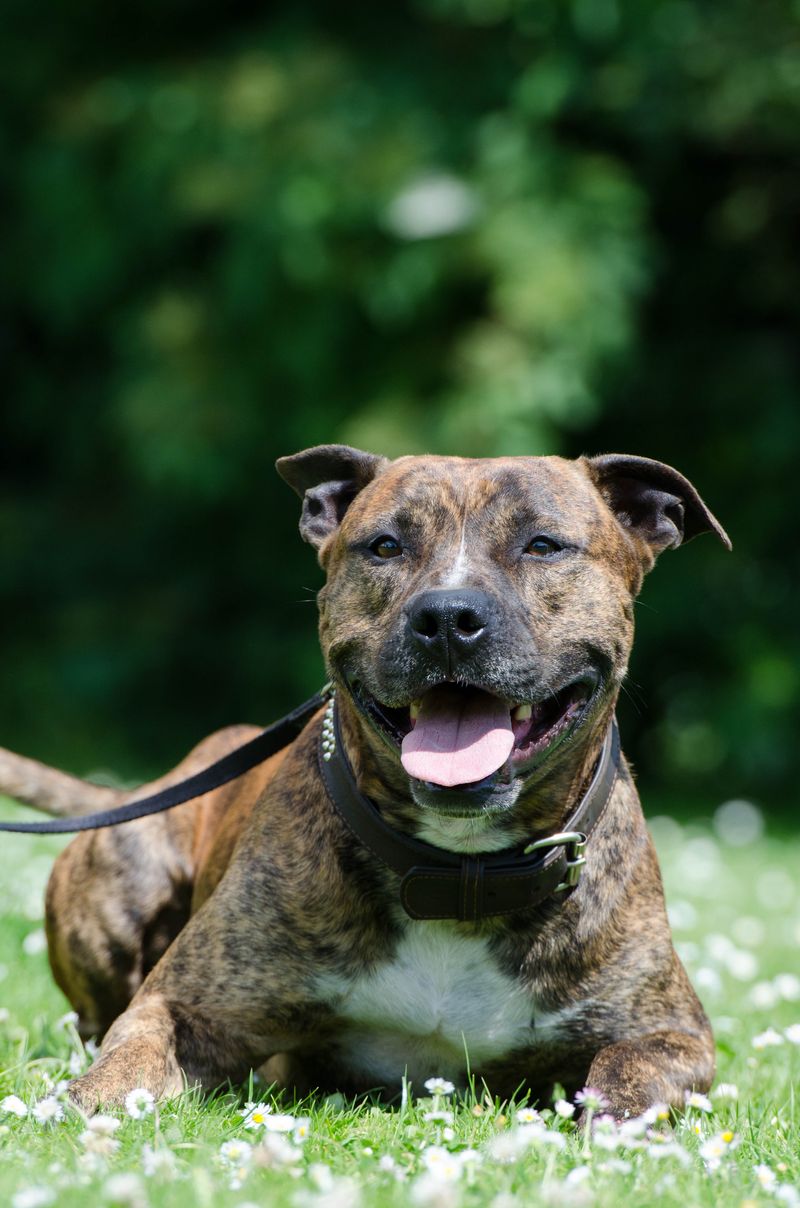
Strong body, soft soul, the Staffordshire Bull Terrier helps kids challenge stereotypes. Neighbors might judge by looks, yet the dog’s manners tell another story.
Children learn to ask, observe, and decide with fairness. That lesson travels far beyond dogs.
Practice polite greetings, loose-leash walks, and calm sit-stays near distractions. Praise steady choices.
Discuss how we treat others we do not yet know. Kids develop empathy, critical thinking, and everyday courage.