Shelter kennels can feel loud and busy, but inside each run is a dog with a story. Many people judge by first glance and hurry past, missing a loyal friend.
With a little patience and the right match, an overlooked dog can shine. Here are some breeds people often pass by that might surprise you.
American Staffordshire Terrier
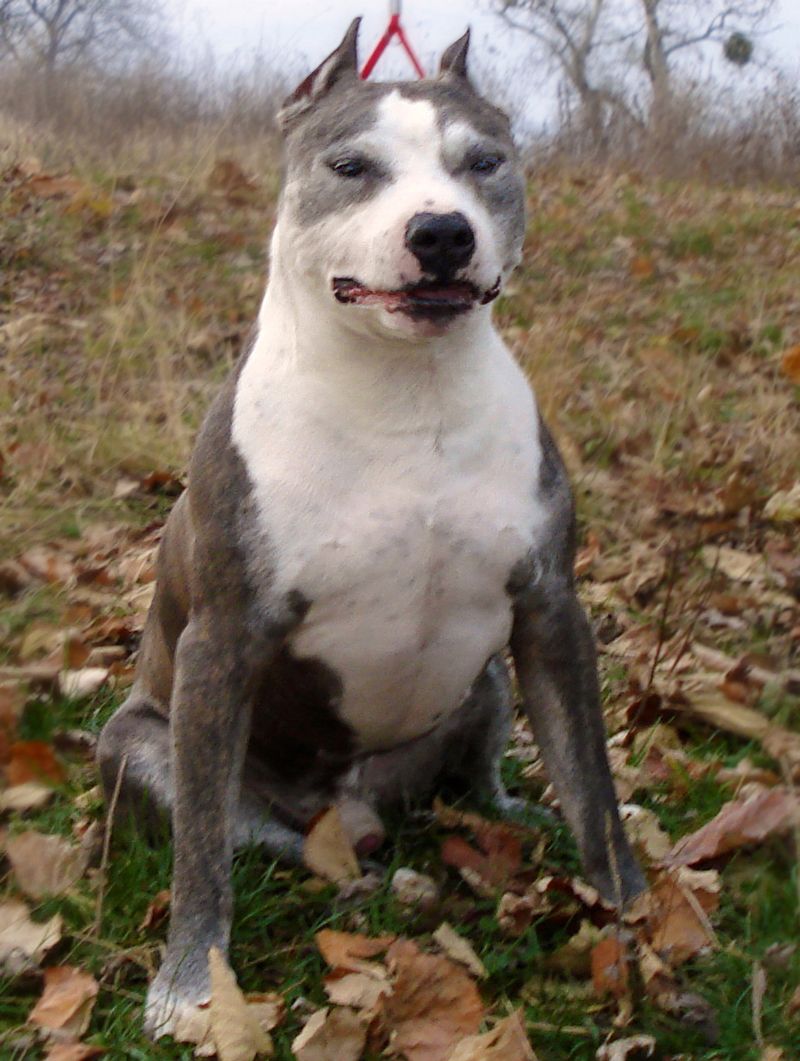
You might meet a blocky head and a goofy smile that begs for a second chance. Many AmStaffs are couch snugglers who also enjoy a solid game of fetch.
With smart minds and big hearts, they thrive on structure, praise, and daily walks.
Ask for a yard meet and bring treats to test focus. Learn their energy level and plan training games.
Consistency and clear rules help unlock their calm side.
Staffordshire Bull Terrier
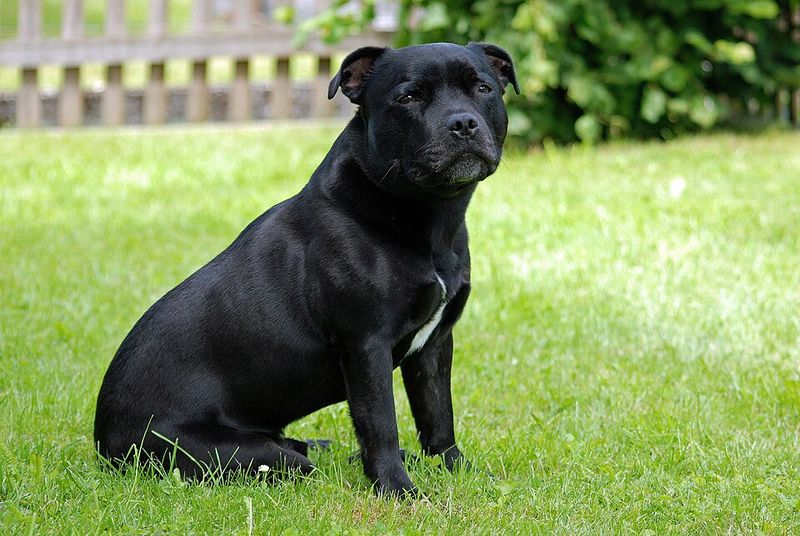
Folks call them smiling pocket rockets for a reason. A Staffy may bounce with excitement at first, then curl into a tiny donut beside you.
Many came from tough starts yet carry a cheerful spark that loves games and kind voices.
Bring a tug toy to test play manners and a chew to check settle skills. Short, upbeat training sessions work best.
Clear routines and sturdy toys make home life smooth.
German Shepherd
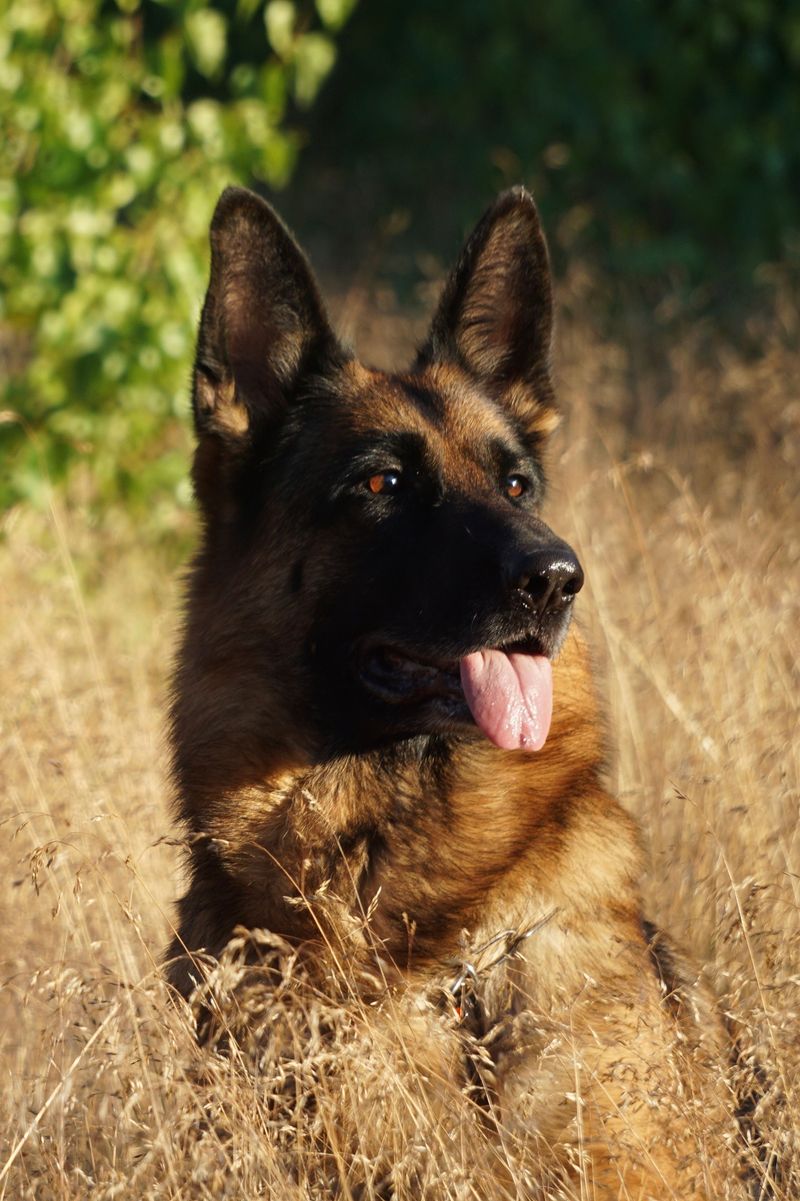
Brains, bravery, and a big work ethic live behind those amber eyes. Some shepherds pace in kennels because their minds crave jobs.
Give them puzzles, scent games, and purposeful walks, and you will see the stress melt away.
Schedule a quiet yard session to practice simple cues. Ask the shelter about confidence around strangers and handling.
A steady routine, mental challenges, and fair leadership turn nervous energy into focused partnership.
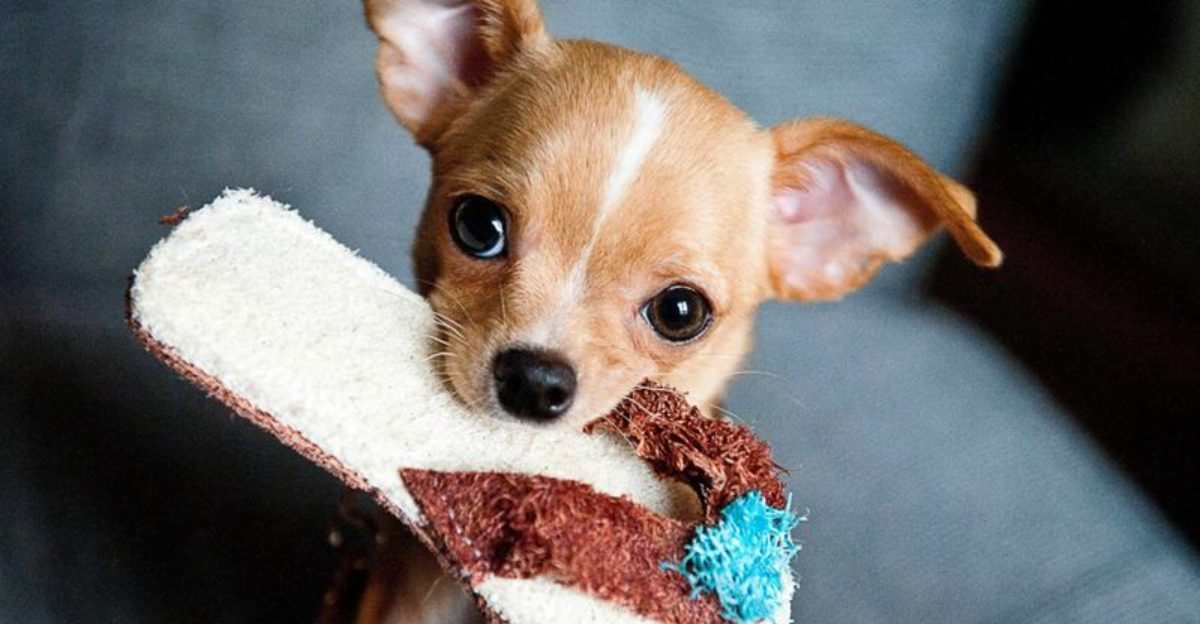
Chihuahua
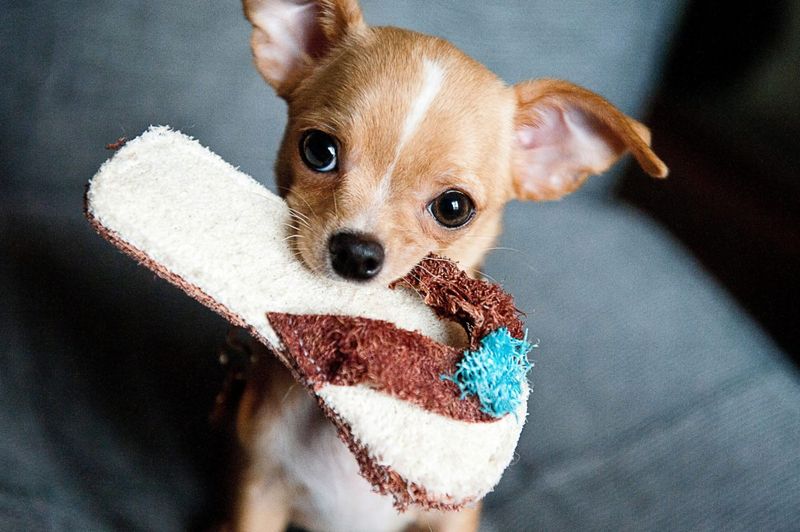
Tiny body, mighty opinions. Many Chihuahuas shiver in kennels and seem unsure, but the right lap teaches trust quickly.
Once settled, they become brave little shadows who follow you from room to room and signal when visitors arrive.
Ask to meet in a quiet office and offer a small, tasty treat. Move slowly and let them choose contact.
Warm sweaters, soft beds, and patient handling build security day by day.
Beagle
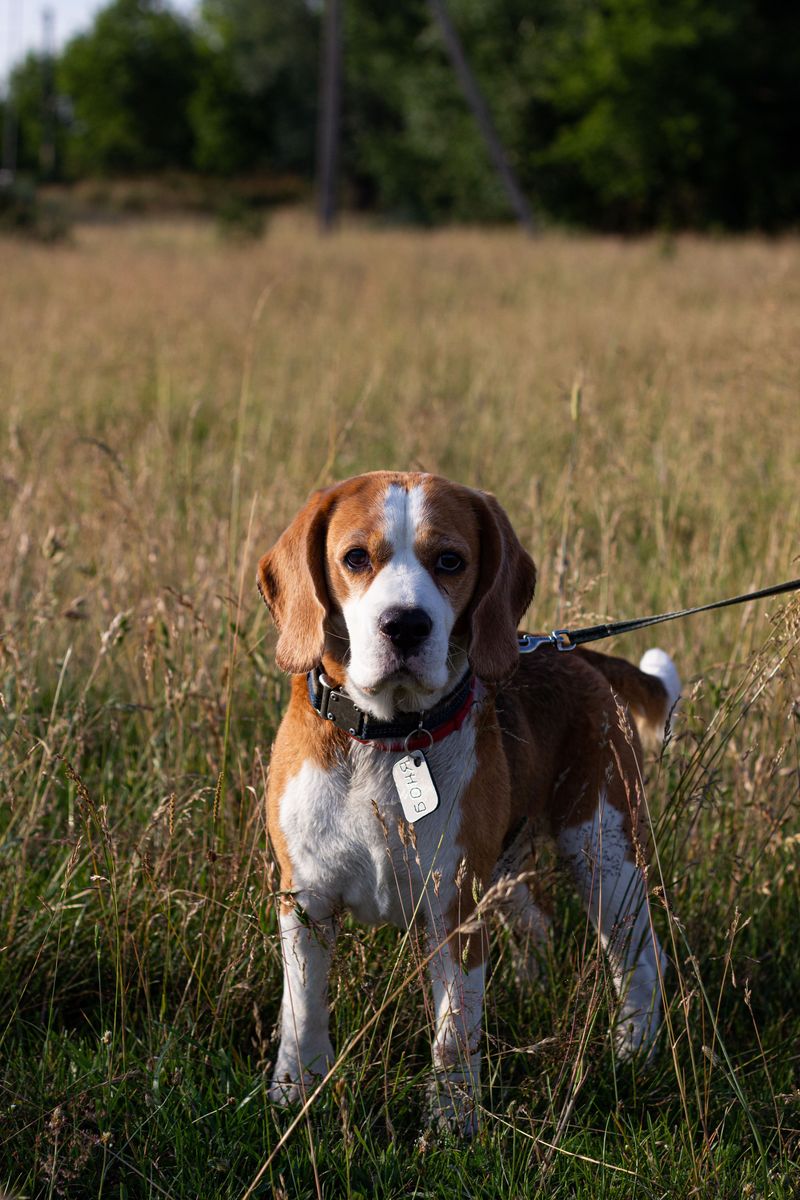
Follow the nose and you will find a curious friend. Beagles often sing in kennels, but outside they turn into cheerful investigators.
Sniffing games and long-line walks help them relax and show polite manners.
Bring a pouch of smelly treats and scatter a mini treasure hunt. Ask about previous house training and crate comfort.
With steady exercise, clear boundaries, and brain work, their song softens into happy tail thumps.
Boxer
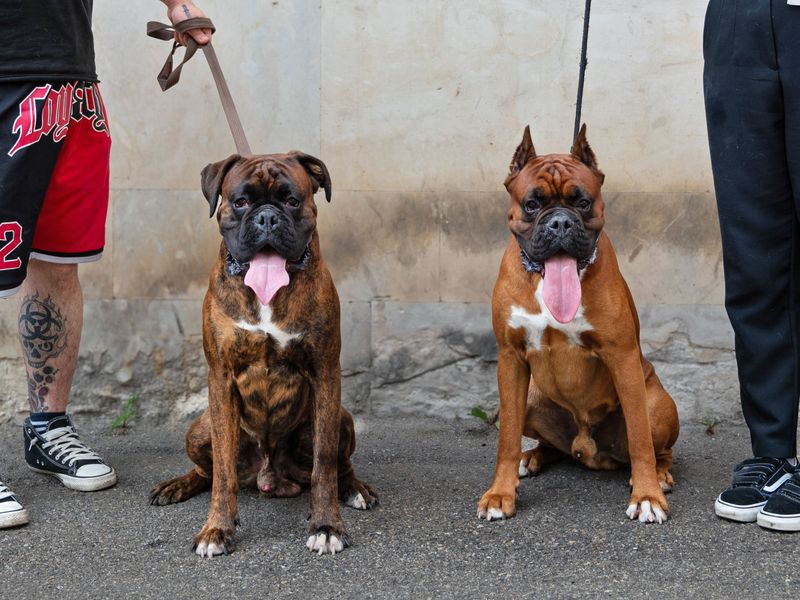
Goofy wiggles, comet zooms, and then sudden lean-in hugs describe many Boxers. Kennel energy can look intense, yet a short sprint often reveals a clown who listens well.
They adore human attention and do best with regular exercise and clear cues.
Try a fetch session, then practice sit and down between throws. Ask about sensitivity to heat and belly issues.
A predictable schedule keeps their spark bright and behavior reliable.
Greyhound
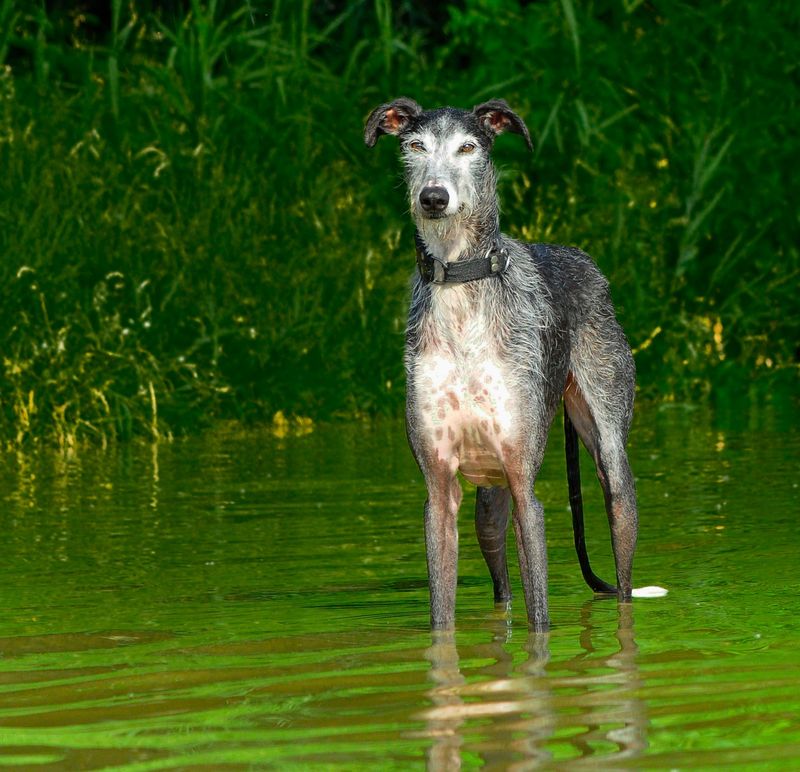
Racetrack past or not, many Greyhounds are world-class loungers. The kennel scene can make them look aloof, but a calm space reveals a gentle soul who loves soft beds and relaxed strolls.
Short bursts of play, then naps, suit them perfectly.
Ask to test stairs, slick floors, and car rides. A snug martingale collar and cushy bedding help them settle.
Expect sweet eye contact, quiet manners, and sudden zoomies at dusk.
American Bulldog
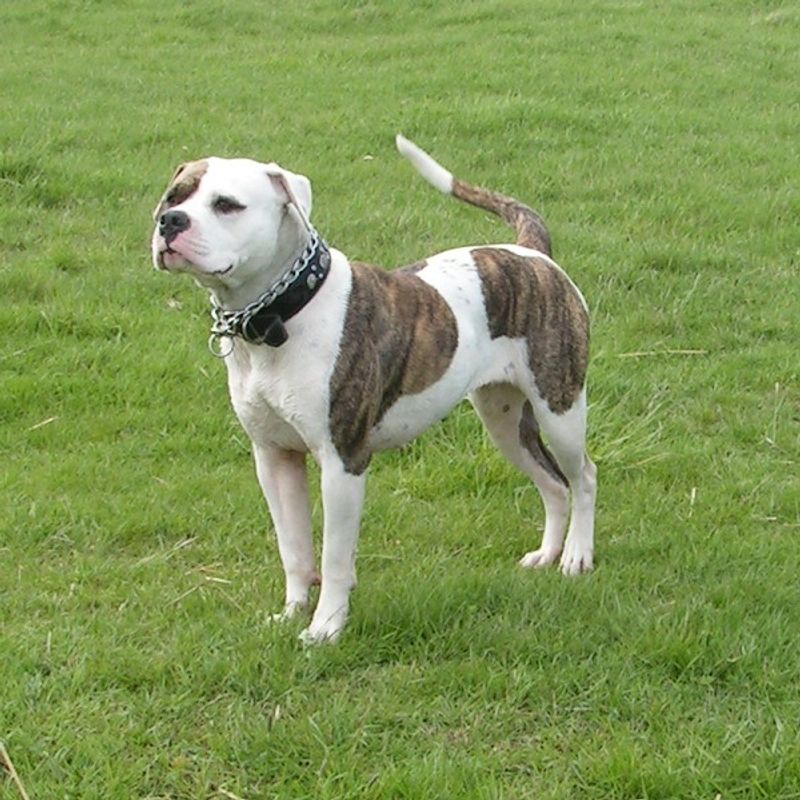
Big head, bigger heart. Many American Bulldogs act tough at the bars, then melt into wiggly greetings once outside.
They value clear guidance and enjoy jobs like carrying a backpack or practicing steady heel work.
Request a calm meet-and-greet and try simple impulse games like wait at doors. Ask about body handling and food manners.
With routine exercise, balanced training, and durable chew tools, their confidence grows and pushiness fades.
Treeing Walker Coonhound
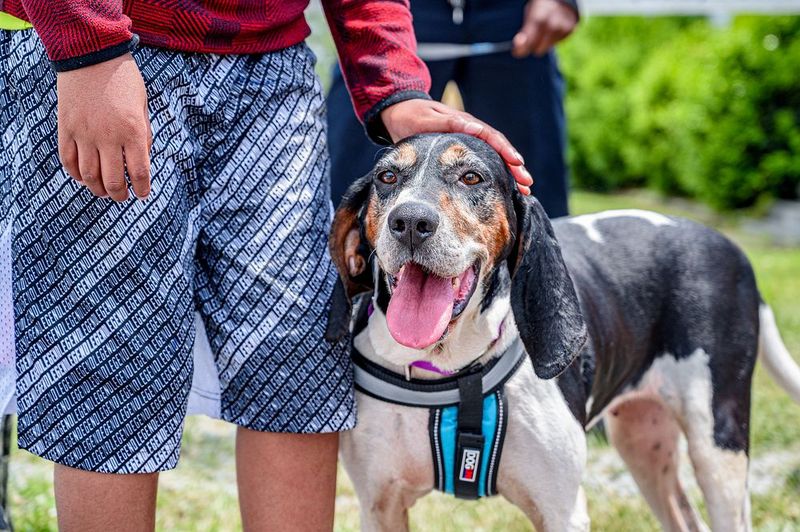
Hear that music when the nose hits a trail. Treeing Walker Coonhounds may vocalize in kennels, but in the open they focus on scent and movement.
Long hikes, tracking games, and patient recall training help them shine.
Bring a long line to safely explore and reward check-ins. Ask about prey drive and fence height.
With consistent outlets, they become loyal hiking buddies who curl up content after adventures.
Labrador Retriever
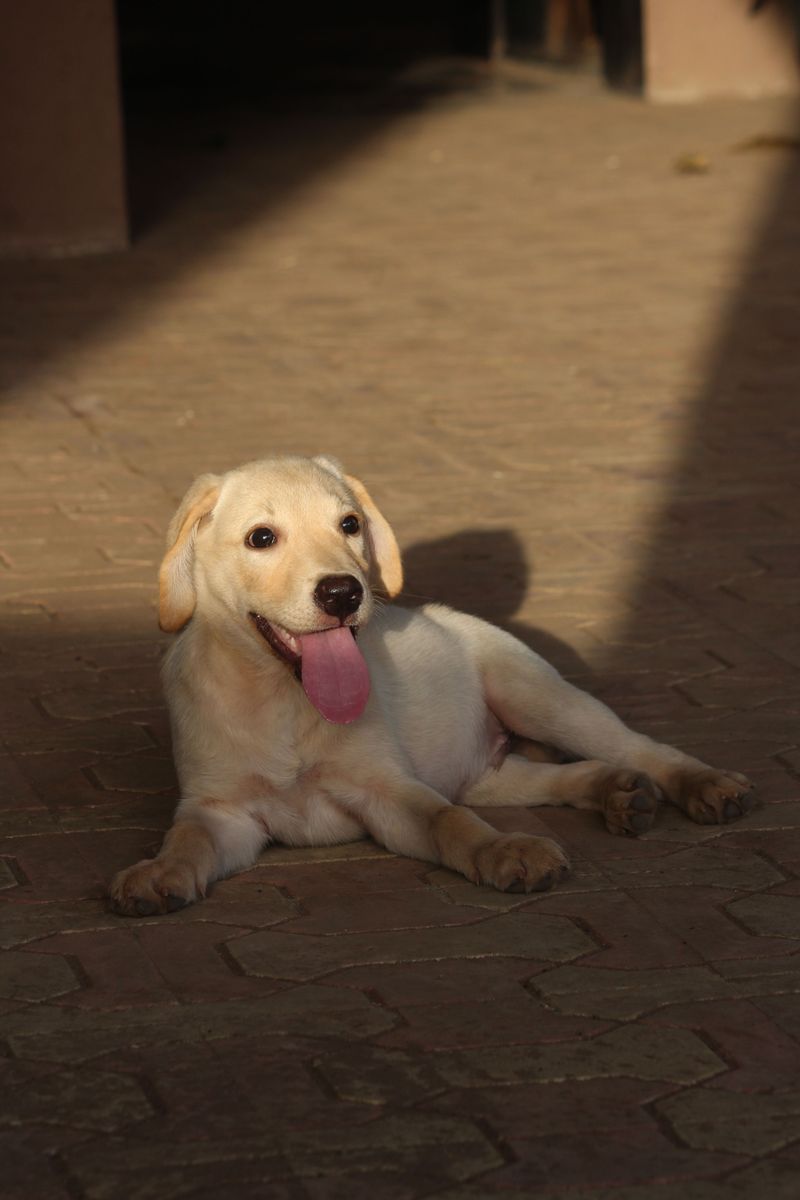
Everybody knows the Lab label, yet many sit waiting because of bouncy greetings. A few minutes of fetch and basic cues can reveal a polite, people-loving partner.
Food motivation makes training fast and fun.
Ask to test loose-leash walking and settle on a mat. Plan daily exercise, puzzle feeders, and clear house rules.
With needs met, the jumpy hello becomes a calm sit, and that famous tail keeps rhythm with your day.