
Some big dogs do not need giant backyards to be happy. Many of them just want to be close to their people, even if that means squeezing into the living room.
With the right exercise, training, and cozy spots, these breeds settle in like pros. Meet the gentle giants who trade fields for family time.
Great Dane
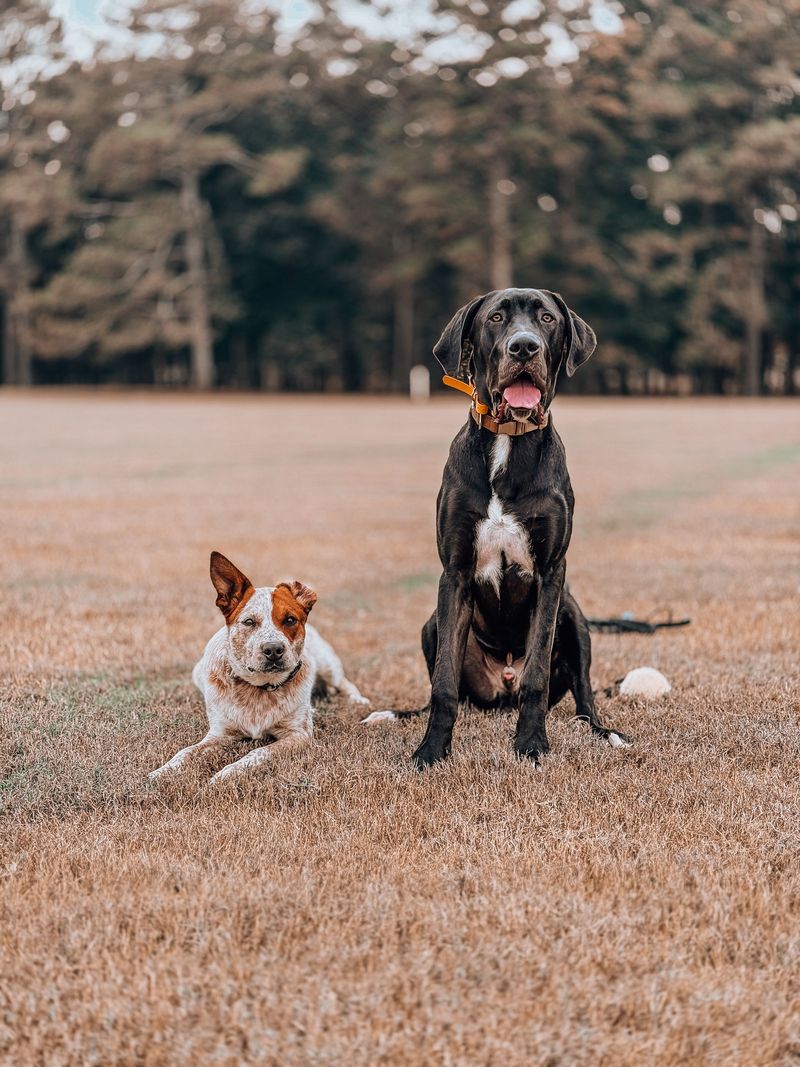
Imagine a horse-sized buddy folding into a tiny donut on your rug. Great Danes look like athletes, yet many are happy after a brisk walk and lots of people time.
Teach calm greetings early, provide a thick bed, and protect tails from coffee tables. Short play sessions, puzzle feeders, and a predictable routine keep them settled.
Fun fact, they were once boar hunters, but today many prefer a nap touching your foot on cold afternoons.
Mastiff
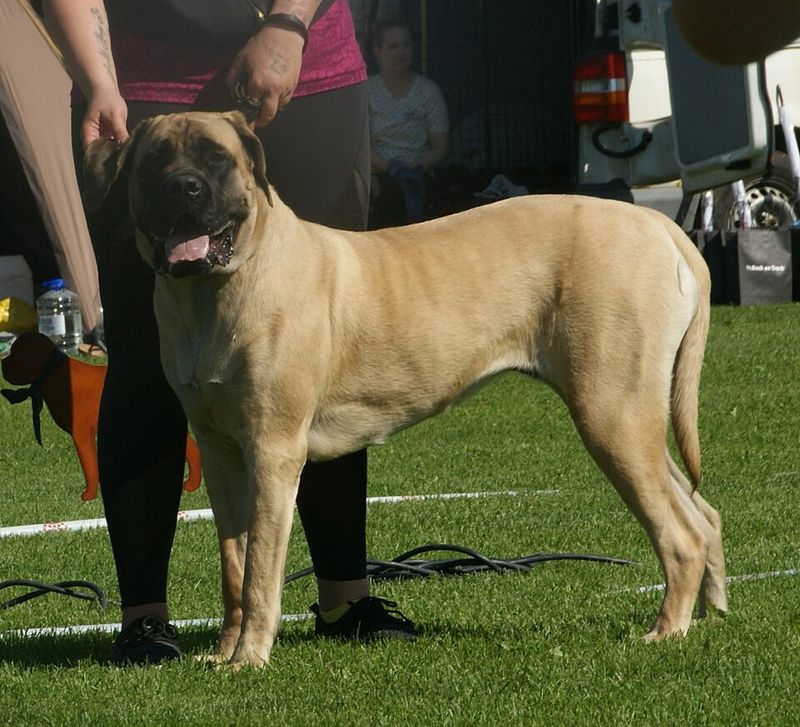
A quiet shadow follows you from couch to fridge. Mastiffs carry a calm, watchful vibe that melts into cuddles once the house feels safe.
Gentle socialization, soft bedding, and joint-friendly floors matter for this heavyweight. Keep exercise steady but not intense, then expect snoring by your knees.
Wipe drool towels nearby, teach relaxed door manners, and offer chew toys to ease stress. Roman history fans will smile at their ancient guardian roots on rainy nights.
Bullmastiff
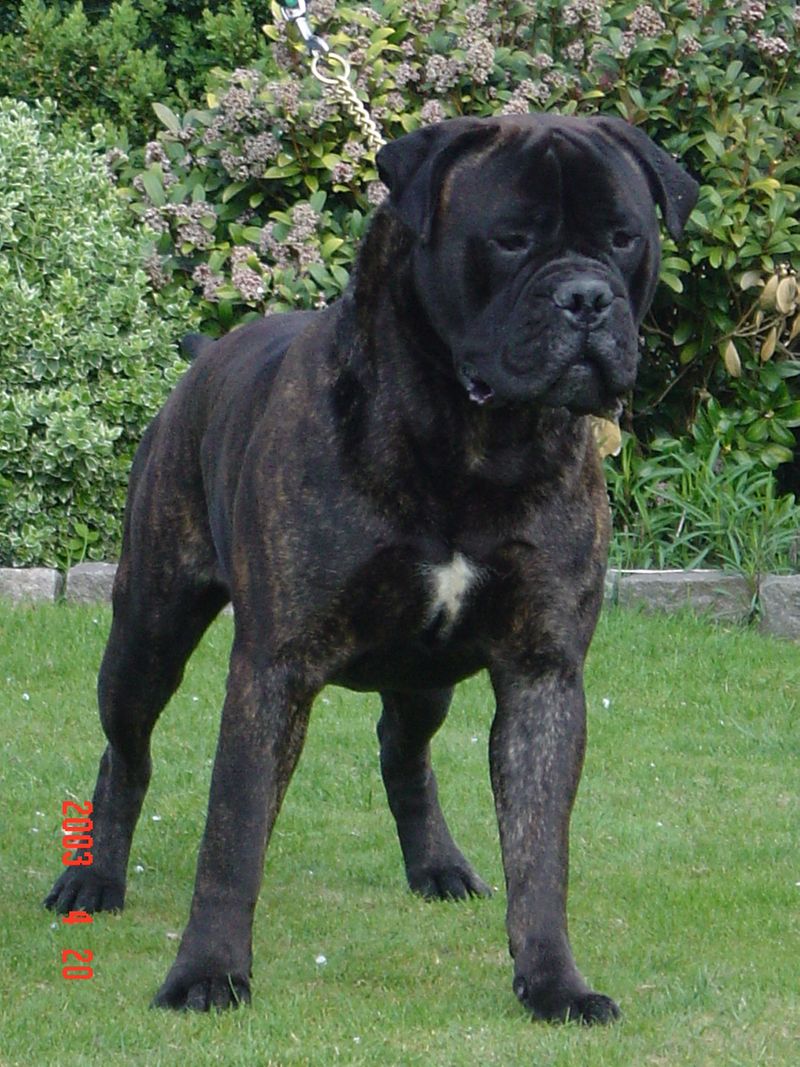
Built like a tank, yet often a sofa sponge at heart. The Bullmastiff prefers being close, reading your mood, and acting like your personal floor heater.
Lean into short, confident training sessions with clear rules. A sturdy crate, durable mats, and calm visitors help them relax indoors.
Keep walks steady, watch weight, and use scent games to burn mental energy. Origin story alert, gamekeepers once used them to stop poachers, which explains their steady bravery.
Saint Bernard
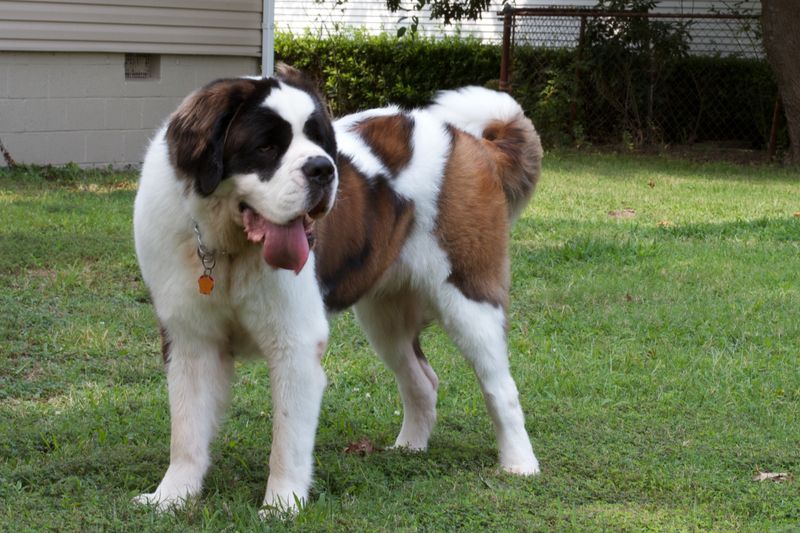
With a head like a pillow and eyes full of kindness, the Saint Bernard settles wherever family gathers. A short romp in cool weather often ends with a heavy flop near the TV.
Plan for coat care, seasonal shedding, and some drool strings on sleeves. Teach slow stair skills, use non-slip rugs, and keep water bowls wide.
Chilled gel mats feel great after walks. A snowy rescue history makes them famous, yet today many rescue your blanket spot instead.
Newfoundland
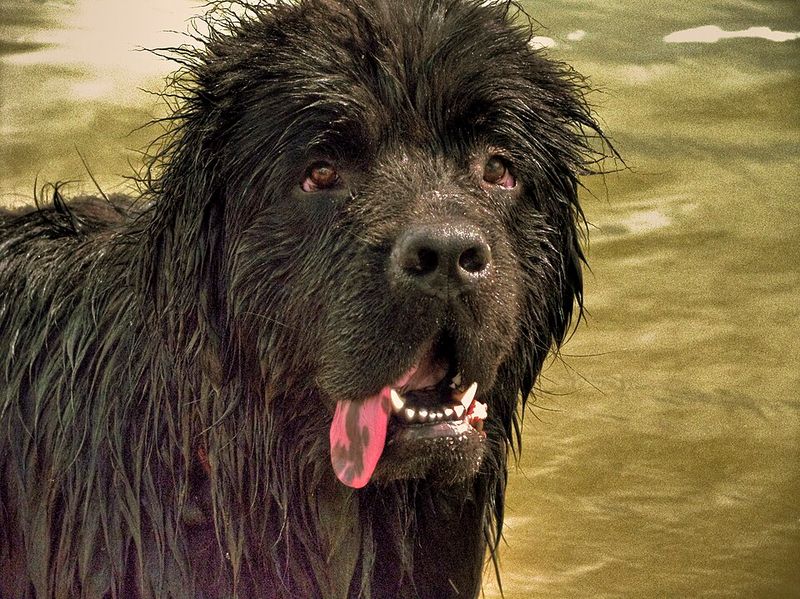
With a heart as big as its paws, the Newfoundland treats the living room like a harbor. After a swim or a steady walk, they park by the fan and sigh happily.
Brush often, check ear health, and trim the water-loving coat for comfort. Keep training kind and clear, and watch summer heat closely.
Water bowls, cool mats, and slow feeder bowls help a lot. Sailor stories say they saved people at sea, but at home they mostly save fallen snacks.
Bernese Mountain Dog
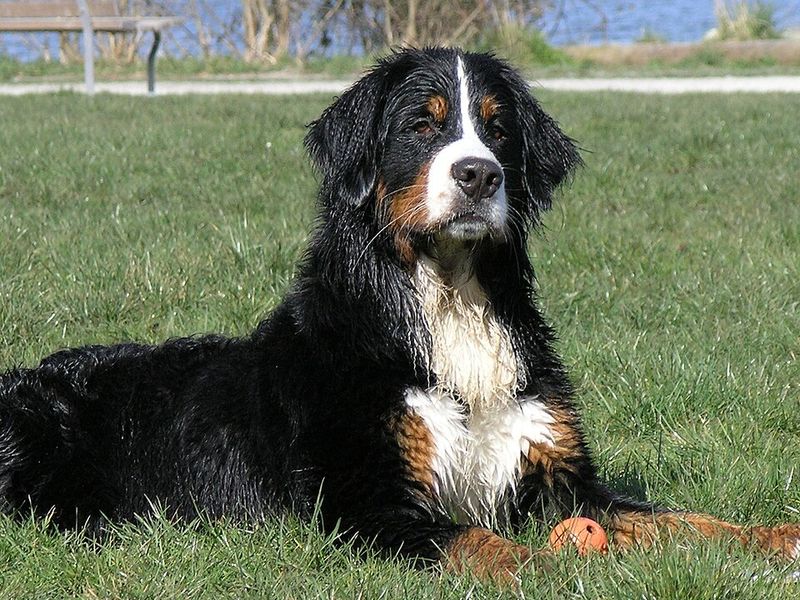
Farm strength meets living room manners with the Bernese. Many prefer a quiet corner near people, especially after a morning sniff walk.
Focus on gentle joints, steady conditioning, and regular brushing of the tricolor coat. Practice simple cues, build confidence with friendly outings, and keep training upbeat.
They thrive on jobs like carrying a soft pack or learning new tricks. Hailing from Swiss farms, their calm presence turns rainy days into board game nights indoors.
Irish Wolfhound

First glance screams giant, then you meet a gentle soul who loves floor time. Irish Wolfhounds often stretch like long rugs after a relaxed trot.
Protect growing bones with careful exercise plans, and use raised bowls for comfort. Teach calm leash skills, keep greetings mellow, and give soft bedding for bony elbows.
Scent walks, brief play bursts, and quiet affection keep them balanced. Once famed for hunting wolves, today they mostly hunt sunny spots indoors.
Leonberger
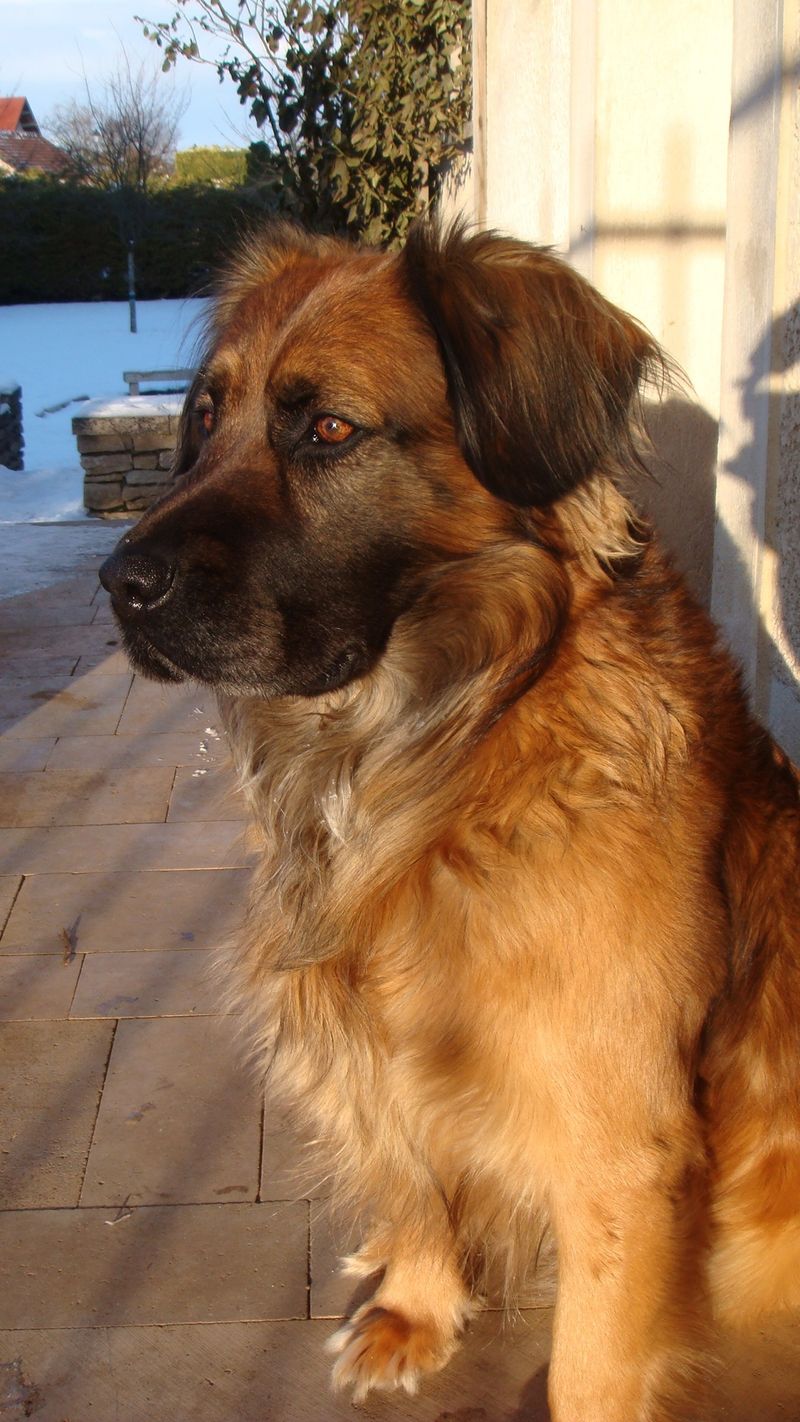
Picture a fluffy lion who prefers family movie night to fame. The Leonberger is steady, affectionate, and surprisingly graceful in small spaces.
Regular grooming keeps the mane tidy, while swim time and hiking meet their needs. Use solid training with smiles and patience.
They enjoy cart work, balance games, and gentle fetch. Originating in Germany, they were bred to look regal, yet they happily trade a throne for the nearest couch corner most weeknights, actually.
Greyhound
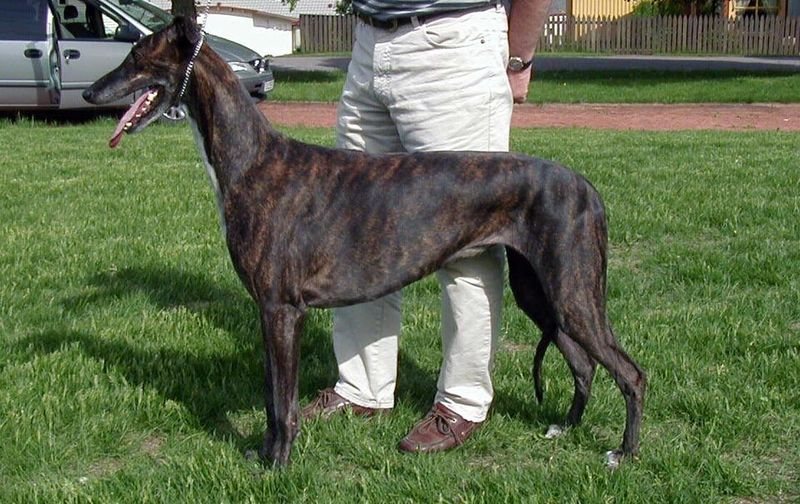
Sprinter outside, statue inside. Many Greyhounds explode with speed at the park, then fold into the quietest companions at home.
Soft beds protect skinny hips, and cozy pajamas help in winter. Keep walks daily, let them sniff, and try short zoomies in safe areas.
Muzzles can be normal during transitions from racing life. Fun note, a Greyhound’s resting heart rate is low, which partly explains their couch-potato talent.
Windows are favorite sun-snooze stations at home.
Boxer
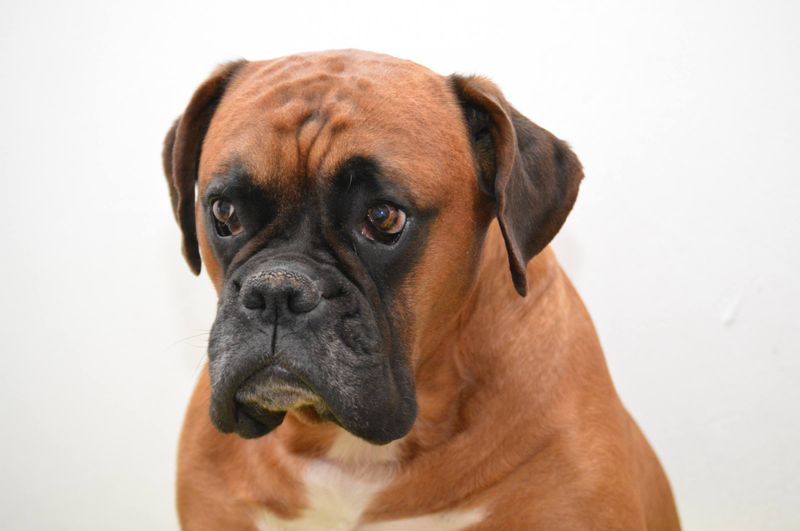
Clown by day, cuddle bug by evening. Boxers love a living room audience for their goofy moves and wiggle-butts.
Channel that spark with short training games, nose work, and tug rules. Provide sturdy toys, a fan after play, and consistent boundaries.
They can be sensitive to heat, so schedule workouts wisely. History traces them to German working dogs, which explains the mix of bravery, humor, and heartfelt loyalty.
Floor cuddles finish most days at home.
Great Pyrenees
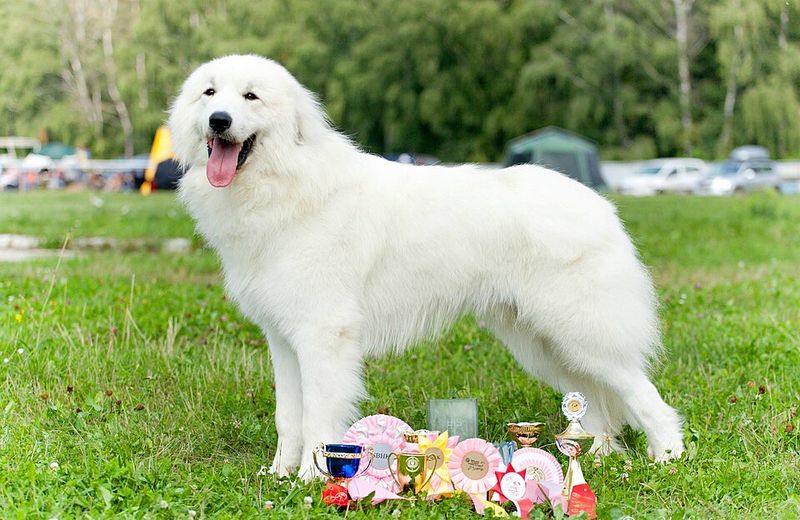
Night watchman by instinct, yet a devoted lounger when the family rests. The Great Pyrenees likes to be near, keeping tabs with soft glances.
Expect steady walks, regular brushing, and thoughtful boundary training to guide their guarding brain. Use white-noise machines if barking flares, and teach a quiet cue.
Cool spaces help in summer. Originating in the Pyrenees mountains, they once patrolled flocks, but today they patrol your hallway, then nap where feet and blankets meet.