
Some puppies come with price tags that can shock even serious shoppers. Rare bloodlines, careful breeding, health testing, and high demand can make certain dogs cost as much as a luxury bag, or even more.
Before falling in love with a fluffy face, it helps to know what drives the price and what care may cost later.
Tibetan Mastiff
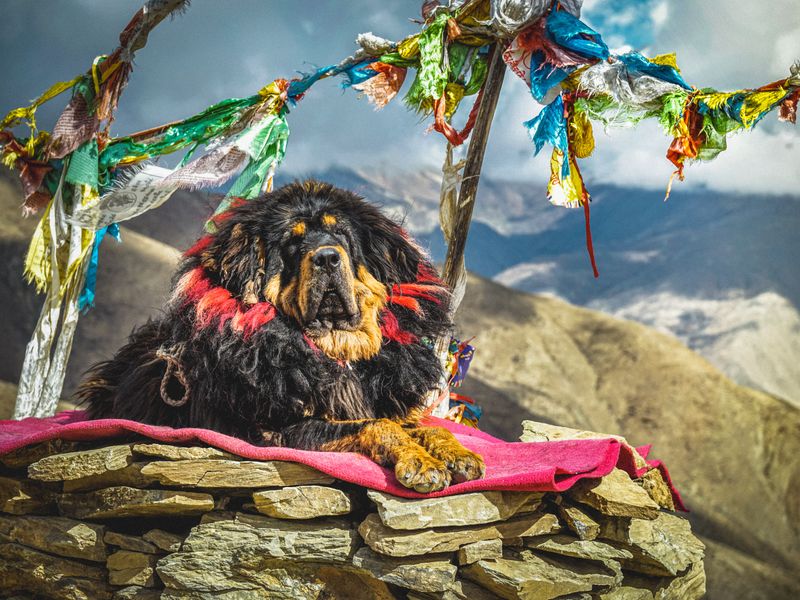
With a coat like a lion and a stare that says royalty, the Tibetan Mastiff often tops the pricey puppy list. Some lines have sold for huge sums, especially in parts of Asia.
Beyond the purchase price, owners need space, strong fencing, and confident training. This breed was made to guard homes and livestock, so early social lessons matter.
Budget for grooming too, because that thick coat is not low-maintenance.
French Bulldog
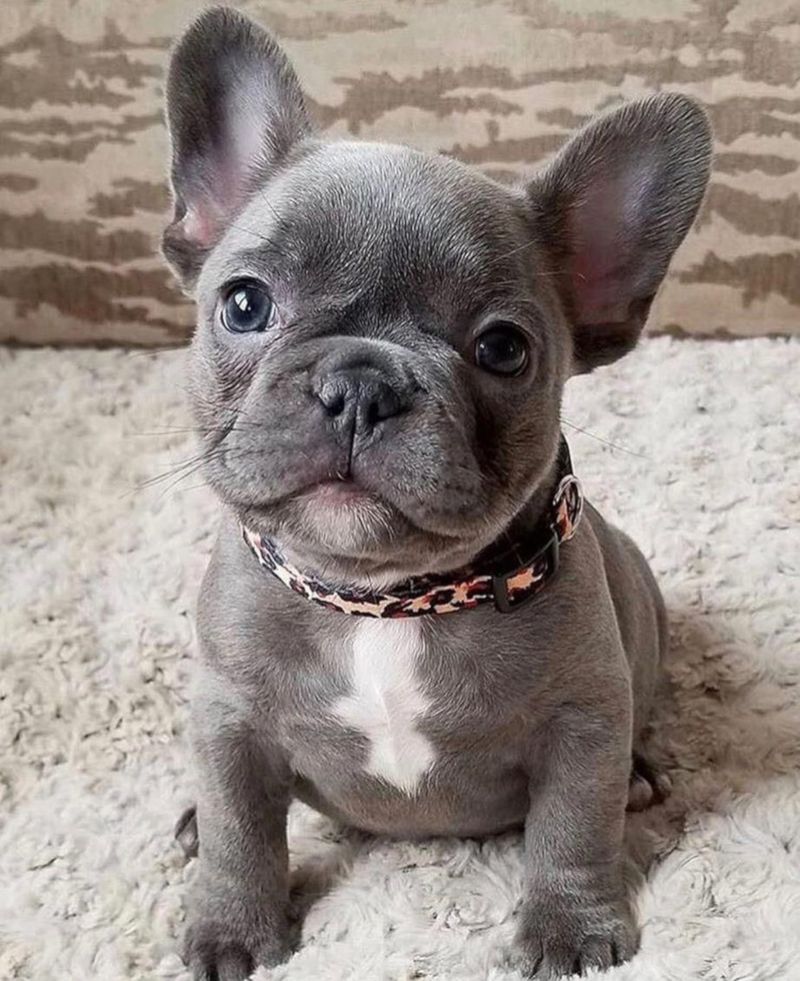
Tiny body, giant ears, big city charm, the French Bulldog knows how to steal a room. Its popularity has pushed puppy prices very high, especially for rare colors.
Smart buyers should care more about breathing health than trendy shades. Frenchies can face airway, spine, and heat problems, so choose breeders who test and explain everything clearly.
Keep exercise gentle in warm weather, and plan for possible vet bills before bringing one home.
English Bulldog
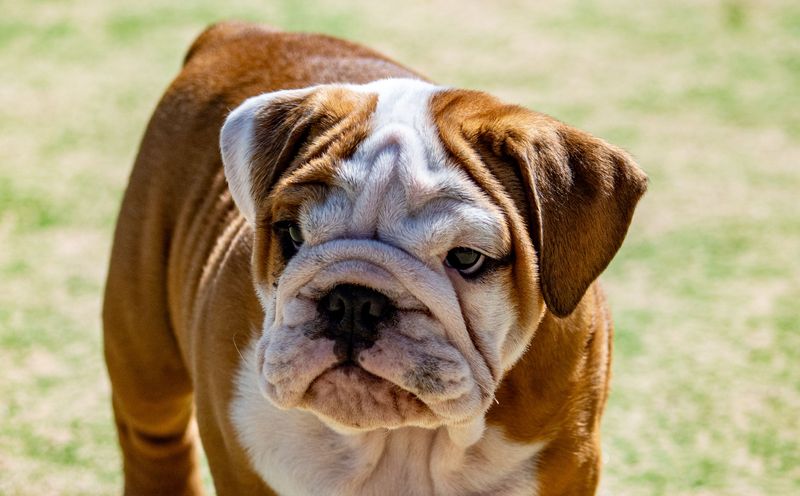
A waddling English Bulldog puppy can look like a sleepy little grandpa, and that is part of the magic. Their wide heads and compact bodies make breeding more complex, which raises prices.
Careful health checks are a must. Bulldogs may struggle with breathing, skin folds, joints, and heat.
Clean wrinkles often, keep weight under control, and avoid long walks in hot weather. A lower-priced puppy from a careless seller can cost much more later.
Samoyed
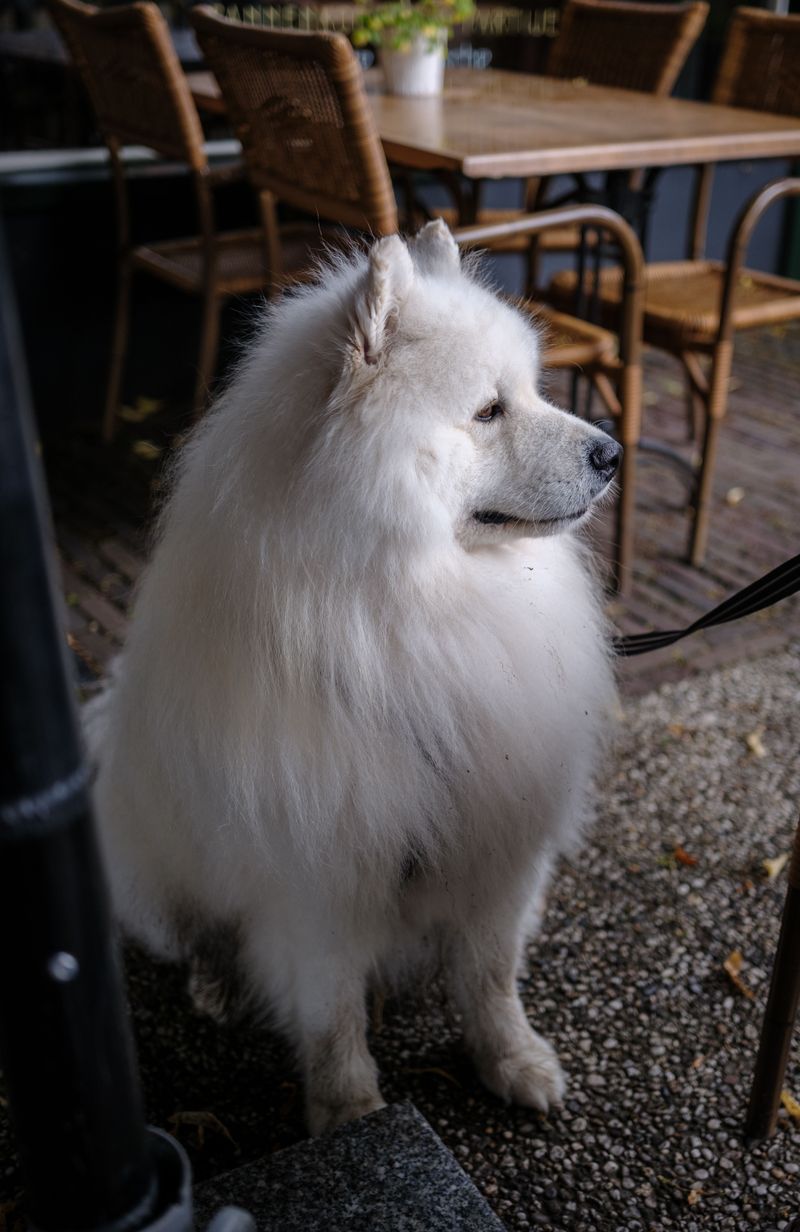
That famous Sammy smile can melt a heart fast, but a Samoyed puppy is rarely a bargain. Their bright white coats, cheerful faces, and working-dog history make them highly wanted.
Daily brushing helps stop mats and keeps shedding under control. Samoyeds also need activity and attention, not just a pretty yard photo.
They were bred to pull sleds and live near people, so boredom can turn into barking, digging, or creative mischief.
Chow Chow
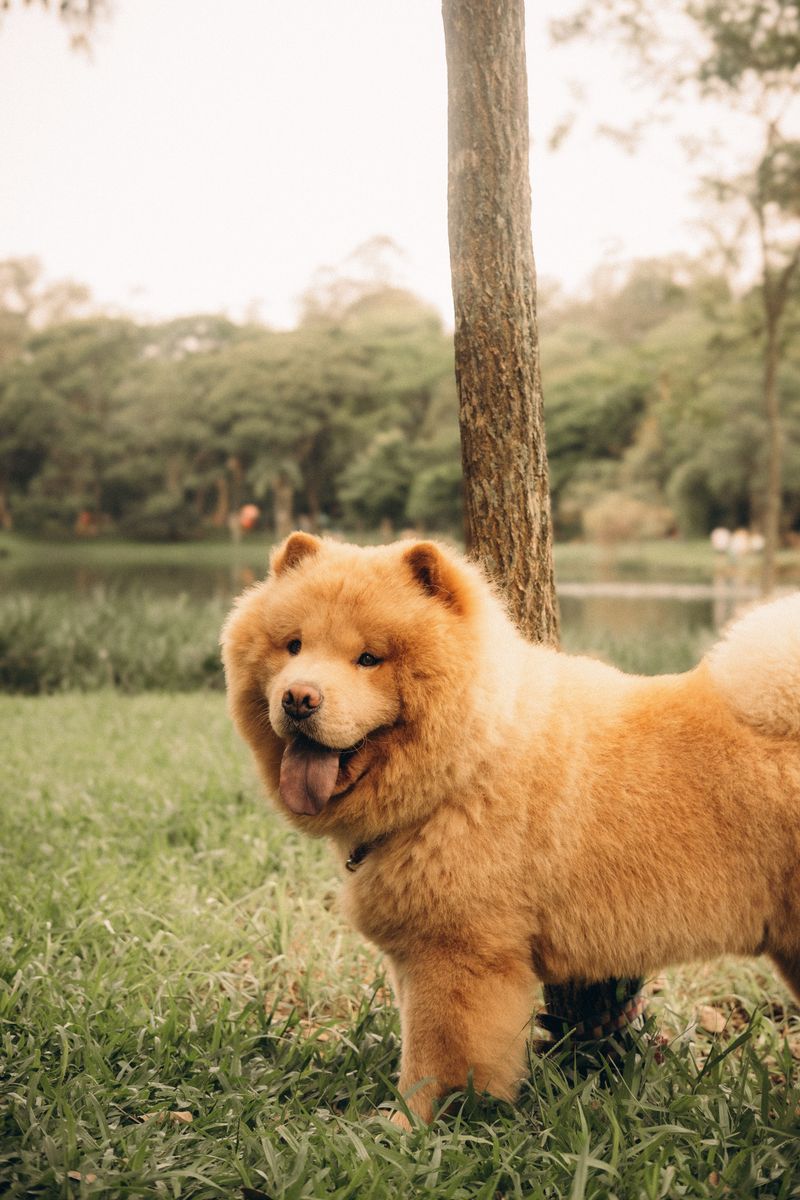
A Chow Chow puppy looks like a living teddy bear with a secret, especially when that blue-black tongue appears. The breed has ancient roots in China and often carries a proud, catlike attitude.
Prices climb for strong bloodlines and rich coat colors. New owners should focus on training early, because Chows can be independent and reserved with strangers.
Regular brushing, calm handling, and steady rules help this beautiful dog grow into a respectful housemate.
Rottweiler
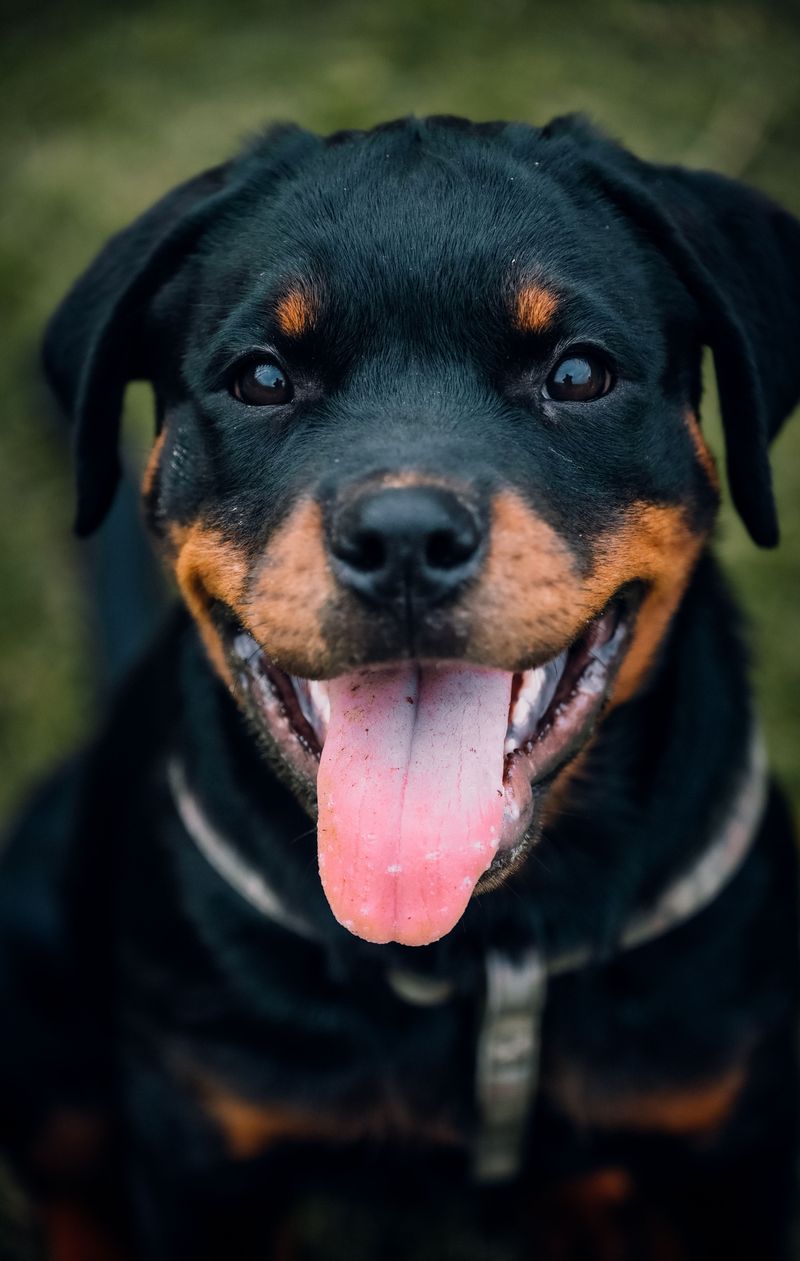
Behind those serious eyebrows, a Rottweiler puppy is often goofy, loyal, and eager to learn. Good breeding matters a lot, which is why well-raised pups can cost plenty.
Look for health testing for hips, elbows, heart, and eyes. This strong breed needs training that is fair, clear, and started young.
Rottweilers enjoy jobs, from obedience to scent games. Skipping socialization can create trouble, but patient guidance brings out a steady, capable dog.
Cavalier King Charles Spaniel
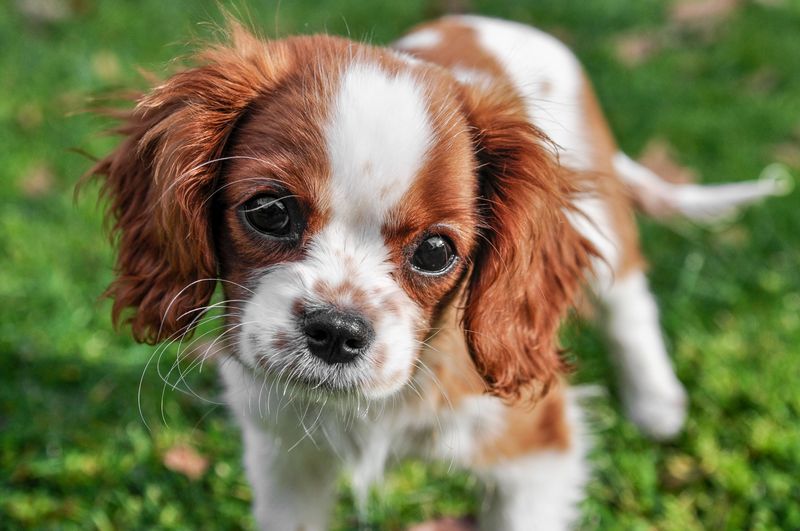
Picture a silky-eared puppy curled on a lap like it has always belonged there. The Cavalier King Charles Spaniel brings old royal style in a small, loving package.
High prices often reflect demand and careful health work. Families should ask about heart, eye, and knee checks, since this breed can have inherited issues.
Cavaliers dislike being ignored for long hours. They do best with people who want a close, cuddly friend around daily.
Bernese Mountain Dog
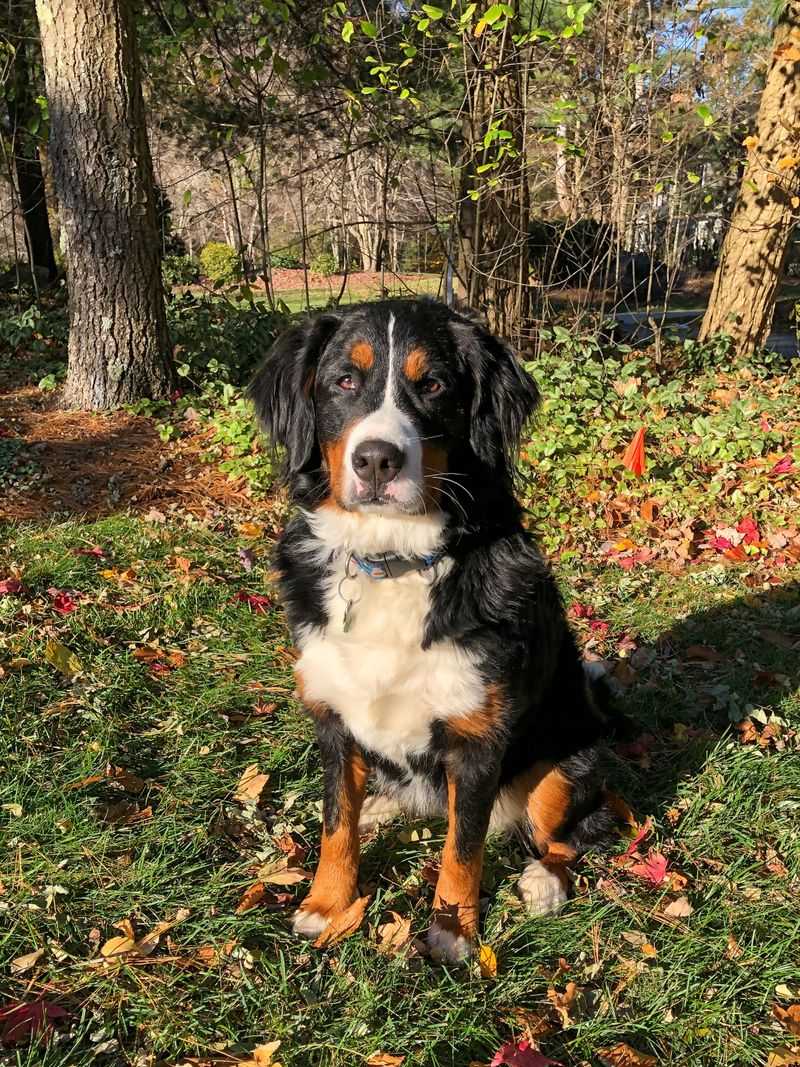
Big paws, soft eyes, and a mountain-dog coat make Bernese puppies feel like storybook animals. Their size, slower growth, and breeder care can make the starting price steep.
Food costs rise quickly with a giant breed. Owners should also plan for joint care, training, and regular brushing.
Berners were farm helpers in Switzerland, so they enjoy being included in family tasks. Choose a breeder who talks openly about cancer, hips, and lifespan.
Newfoundland
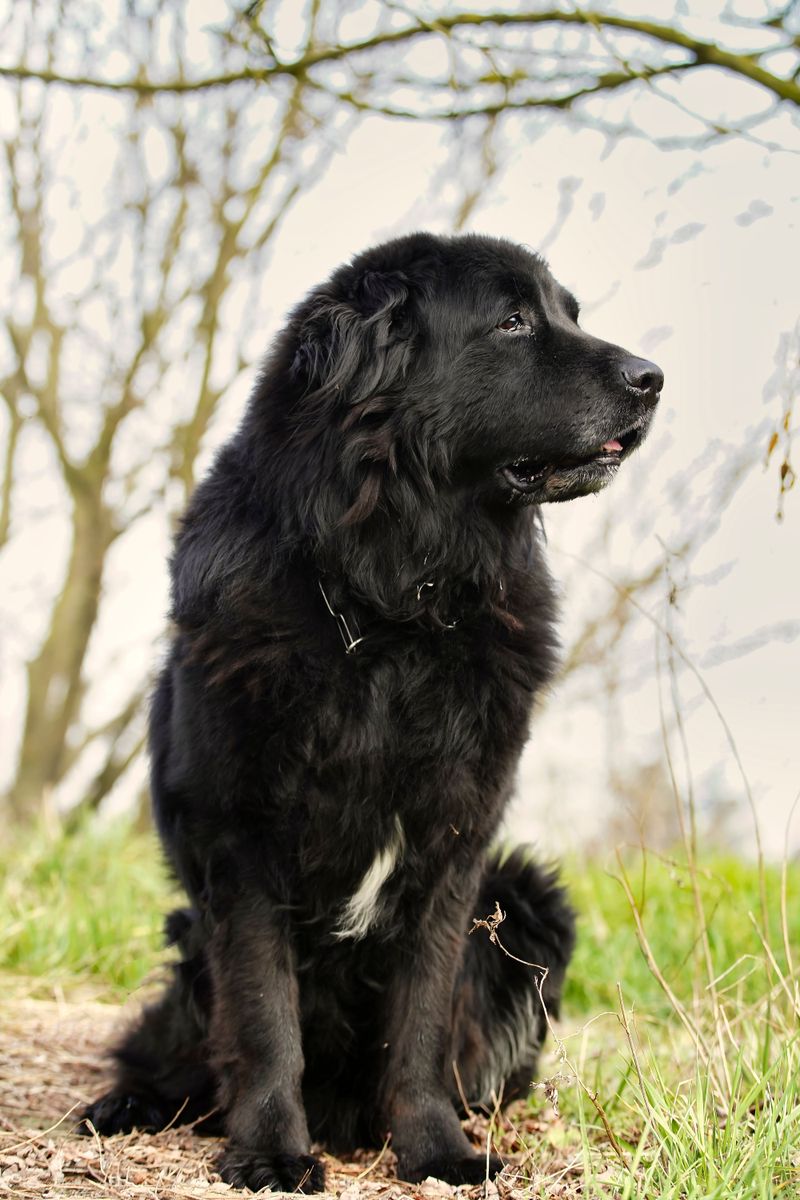
A Newfoundland puppy may start small enough to carry, but not for long. Soon, those bear-like paws turn into a powerful swimmer with a famously sweet outlook.
The price is only the opening chapter. Giant beds, extra-large crates, heavy food bags, and grooming tools all add up.
Newfoundlands need room, cool weather care, and steady training to manage their size. Their water rescue history is amazing, but drool towels may become part of daily life.
Cane Corso
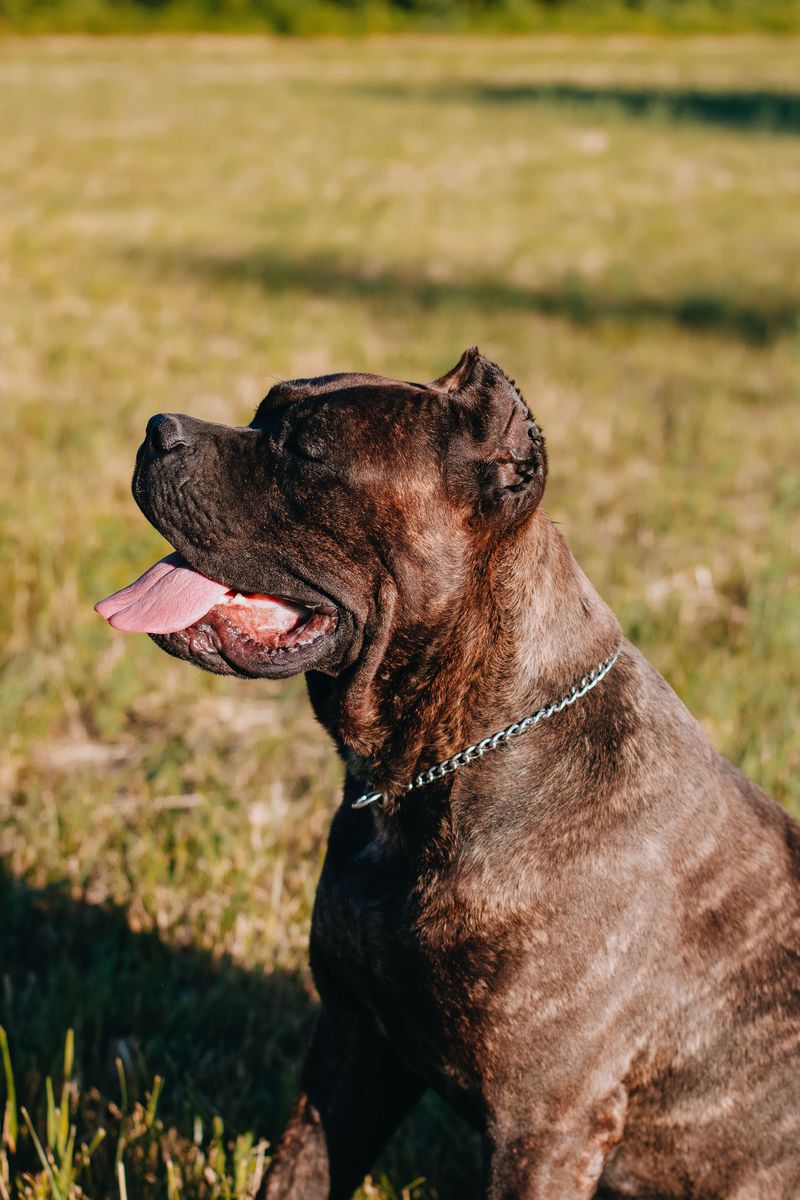
One look at a Cane Corso puppy, and you can already see the future bodyguard. This Italian mastiff breed is powerful, watchful, and impressive when raised well.
Quality pups may cost more because responsible breeders focus on stable temperaments and sound bodies. Training should begin right away, with short lessons and positive practice.
Social visits, polite leash skills, and calm house rules are not optional. This is not a casual choice for first-time dog owners.
Pomeranian
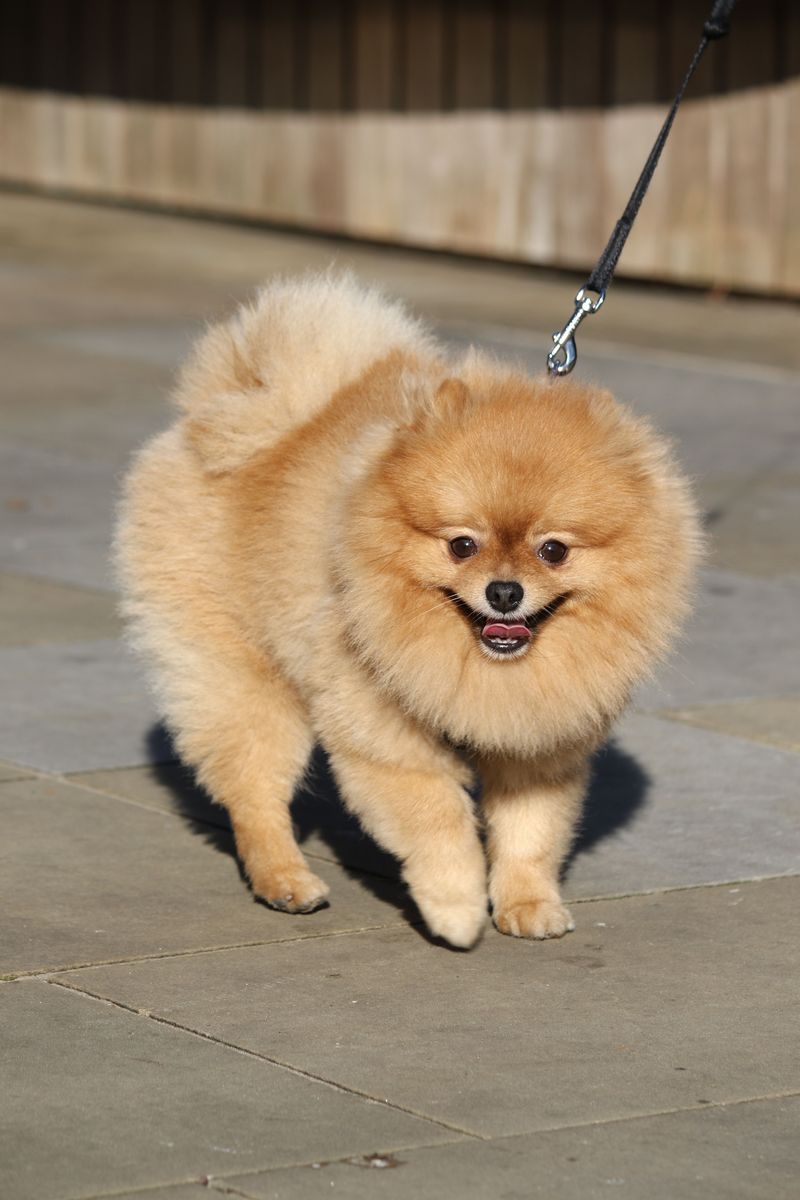
A Pomeranian puppy can fit in a tote, yet its confidence fills the whole room. Fluffy coats, tiny size, and social media fame can send prices soaring.
Teacup labels may sound cute, but extra-small dogs can have fragile health. Ask about knees, teeth, heart, and safe weight.
Poms need brushing several times a week and training to limit bossy barking. Treat this little sparkle ball like a real dog, not a fashion item.
Akita
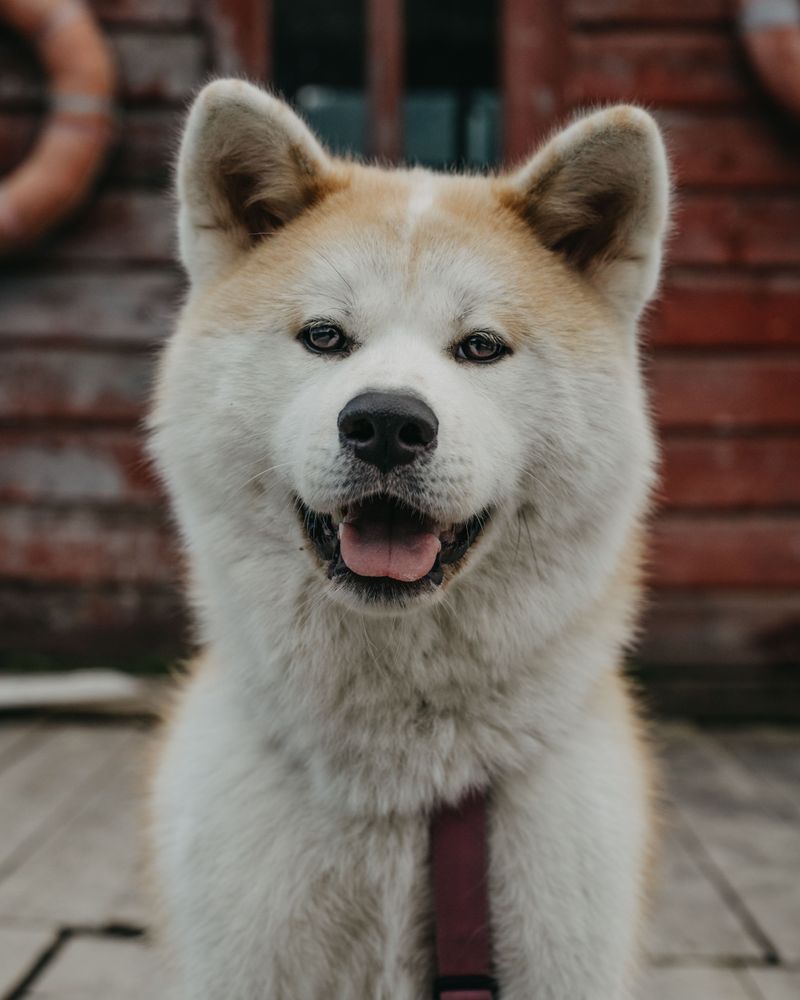
An Akita puppy carries a quiet kind of drama, with a curled tail and a face that seems wise too soon. In Japan, the breed is a symbol of loyalty and courage.
Well-bred Akitas can be costly, and ownership needs thought. They are strong, clean, and often reserved around unfamiliar dogs.
Early manners, secure handling, and patient social time are key. Homes that respect their independent streak usually have the best match.