
Your dog watches more than your hands and face. They notice your voice, your habits, and how you act when life gets messy.
Small choices can teach your dog that you are safe, or make them feel unsure around you. When you understand what they are reading, your bond can become calmer and stronger.
A calm voice speaks louder than volume
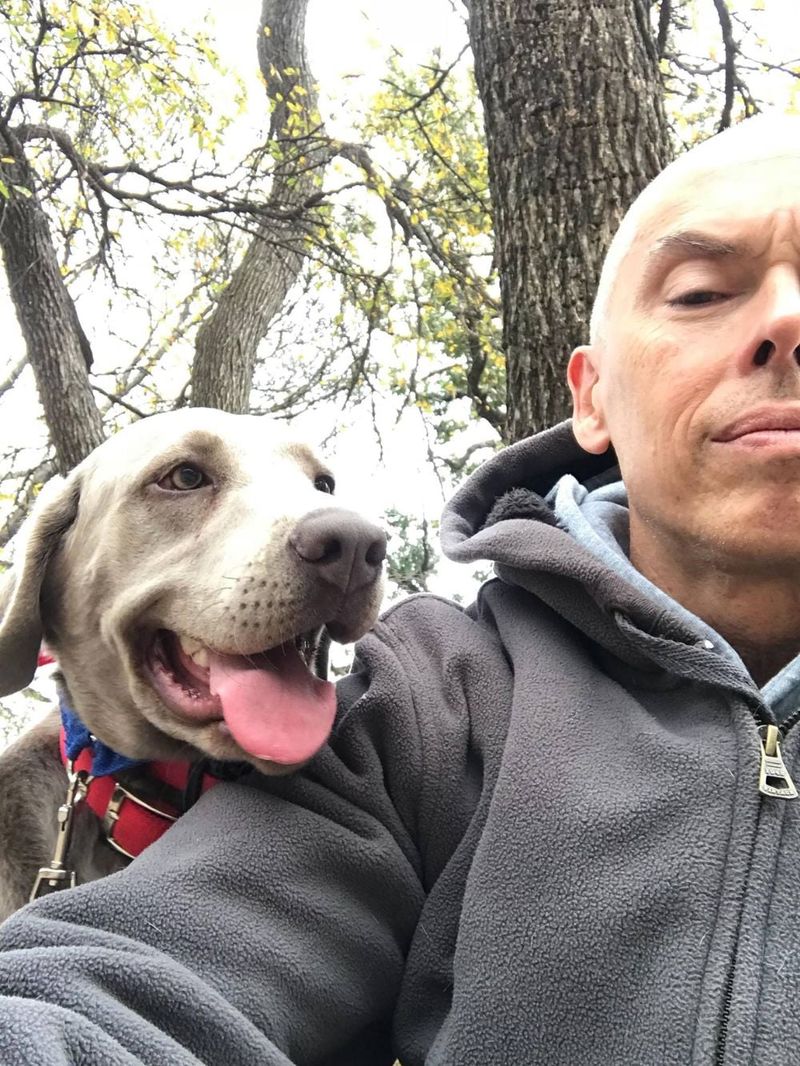
A sharp voice can feel like thunder to a dog, even when you are not angry at them. Dogs listen for tone before they understand words, so a steady voice helps them relax.
Try using the same calm sound for greetings, cues, and small corrections. If you raise your voice often, your dog may watch you nervously.
Soft, clear speech teaches them that your mood is safe to be near, even during busy moments.
Rules that stay the same build trust
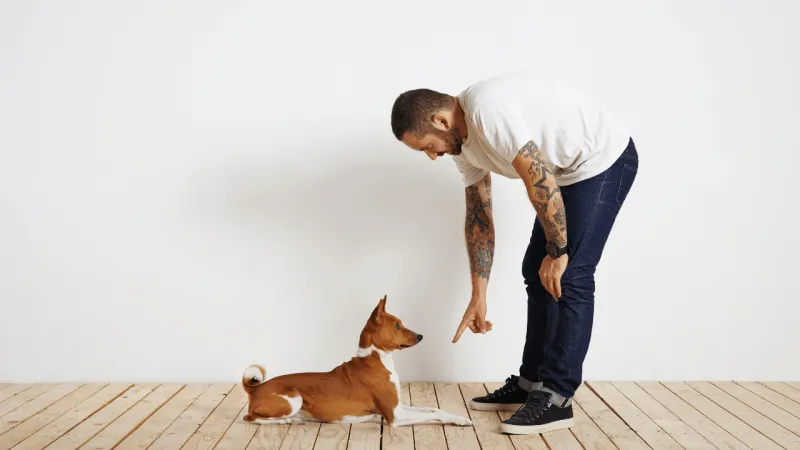
Mixed signals can make a dog feel like they are guessing on a test they never studied for. If jumping is allowed on Monday but punished on Tuesday, confusion grows fast.
Pick simple rules your whole family can follow. Use the same words for cues, rewards, and boundaries.
Predictable rules help your dog understand what works. That sense of knowing what comes next can make your home feel less stressful and much safer.
Their bed is not a public meeting spot

Every dog needs a place where no one pokes, hugs, or drags them out. Their crate, mat, or bed should feel like a quiet bedroom, not a stage.
Call your dog from their resting spot instead of reaching in. Teach children to let sleeping dogs lie, because surprise touch can scare even friendly pets.
When your dog knows rest is protected, they learn your approach does not always mean trouble.
Growls are messages, not bad manners
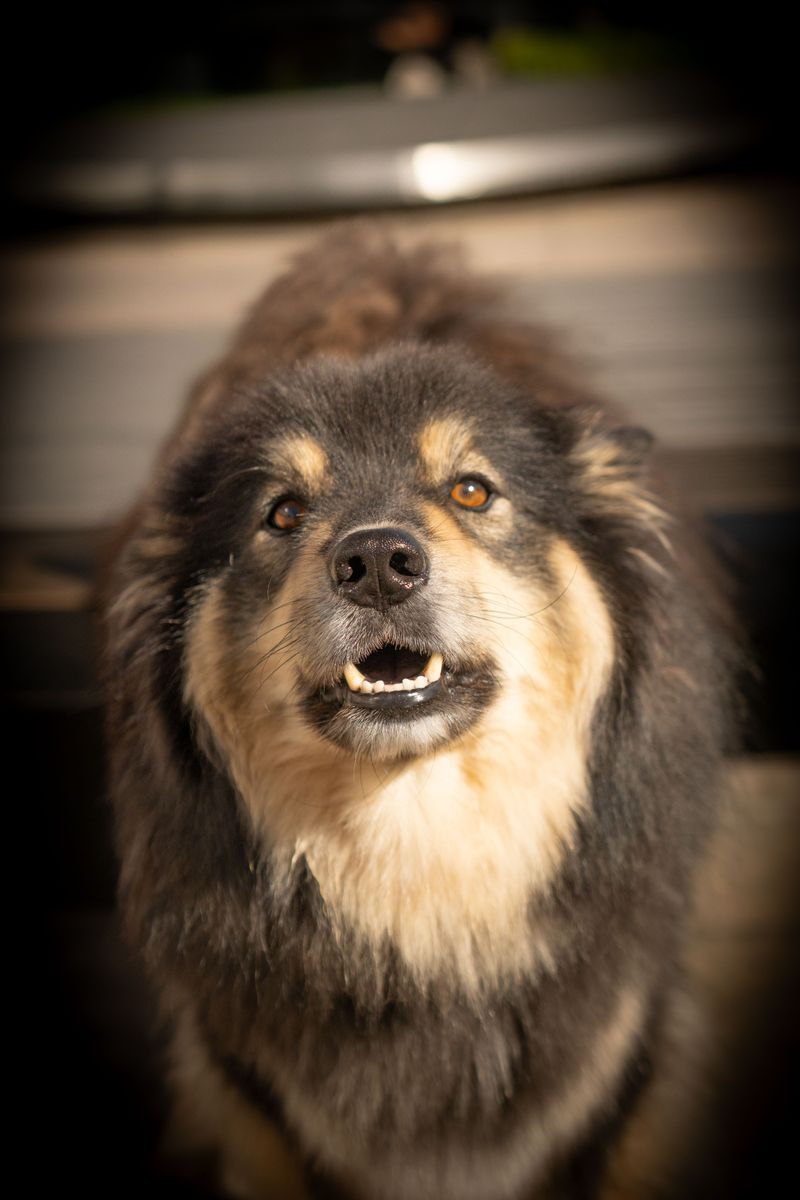
A growl is your dog saying, please stop, in the clearest way they can. Punishing that warning may silence the sound, but it does not remove the fear.
Step back, pause, and look for the cause. Maybe they are hurt, cornered, or guarding something.
Thank the warning by giving space and changing the situation. Respecting early signals can prevent bites and shows your dog that you listen before things become scary.
Your shoulders can tell a whole story
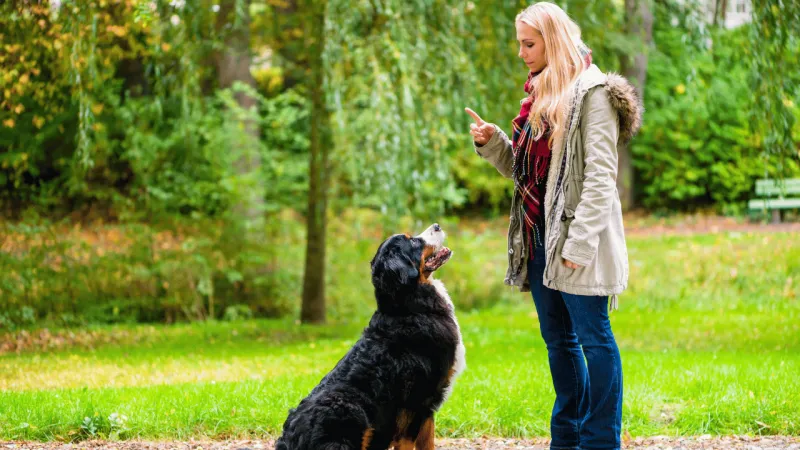
Dogs read bodies like people read text messages. Leaning over, staring hard, or moving straight toward them can feel pushy, especially for shy dogs.
Turn your body slightly sideways, soften your eyes, and let your hands stay low. Crouching can help, but avoid trapping them with your arms.
A loose posture says you are not a threat. Many dogs will choose to come closer when your body stops shouting pressure.
Surprises are fun for parties, not scared dogs
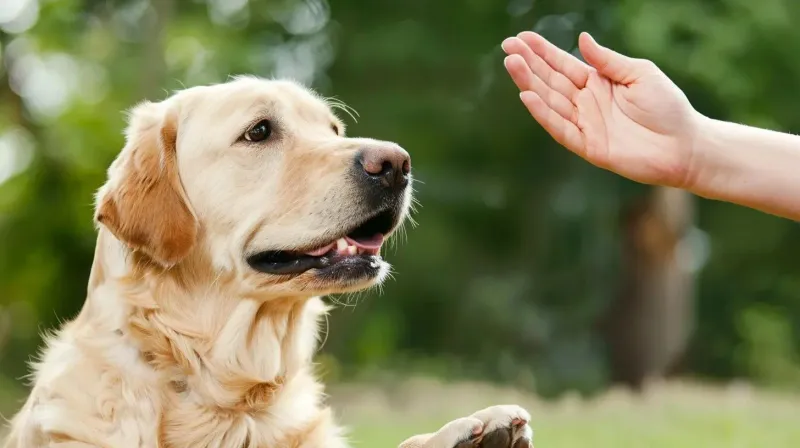
One dog may love goofy dancing, while another may worry when people move fast or change moods suddenly. Your reactions become part of your dog’s daily weather report.
If you slam doors, yell at mistakes, or grab without warning, your dog may stay alert around you. Try slower movements and clear cues before action.
Say their name before touching them. Predictable reactions help dogs feel they can relax instead of always preparing for the next shock.
Affection only counts when they choose it too
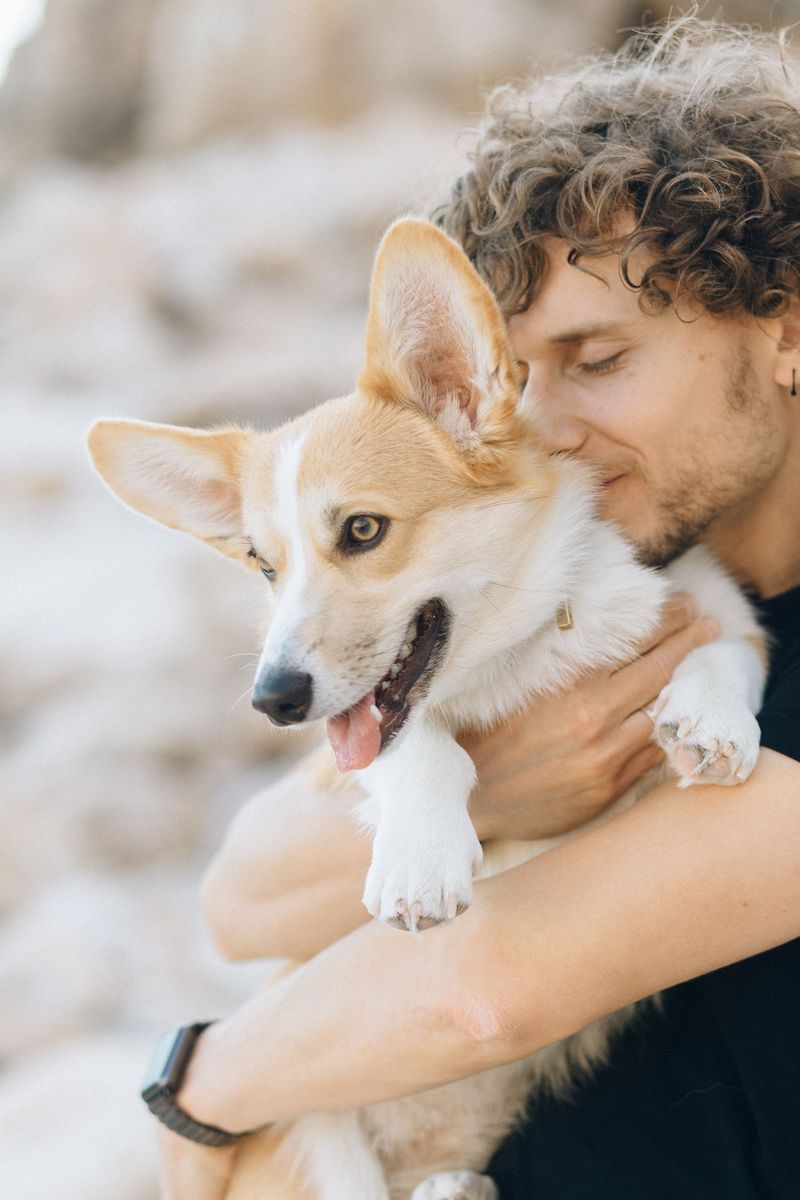
Some dogs enjoy hugs, but many simply tolerate them because they love their people. A stiff body, turned head, lip lick, or whale eye can mean, I need space.
Offer an open hand, then let your dog decide. Pet for a few seconds and pause.
If they nudge back, continue. If they move away, respect it.
Consent-based touch makes affection sweeter and tells your dog their choices matter in your relationship.
Fear needs comfort, not a lecture

Thunder, fireworks, slippery floors, or a strange hat can turn a brave dog into a trembling shadow. Fear is not stubbornness, and comfort does not reward panic.
Speak gently, create distance from the scary thing, and offer a safe spot. Treats, play, or simple presence can help them recover.
Avoid dragging them closer to prove it is harmless. When you protect them during fear, you become the person they look for.
Rewards teach faster than fear
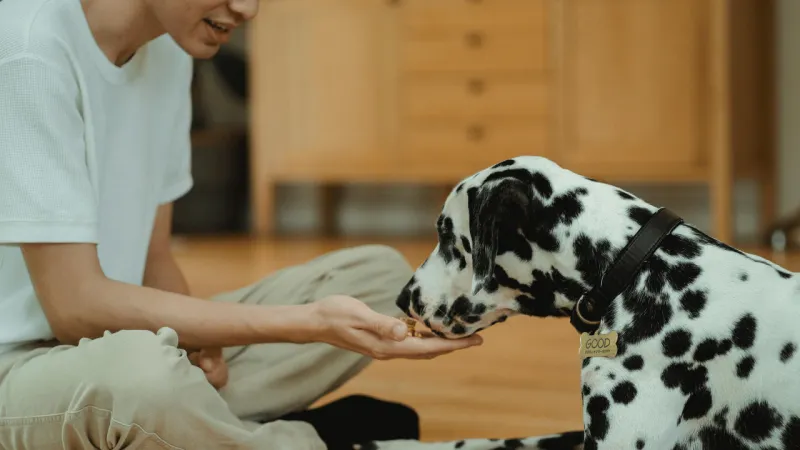
A dog trained with fear may obey, but they may also worry about making the wrong move. Rewards create a different feeling: trying is safe, and learning pays off.
Use treats, praise, toys, or life rewards like opening the door after a sit. Keep lessons short and cheerful.
If mistakes happen, reset instead of scolding. Positive training builds skills while protecting trust, which means your dog can listen without feeling threatened by you.
Food manners go both ways
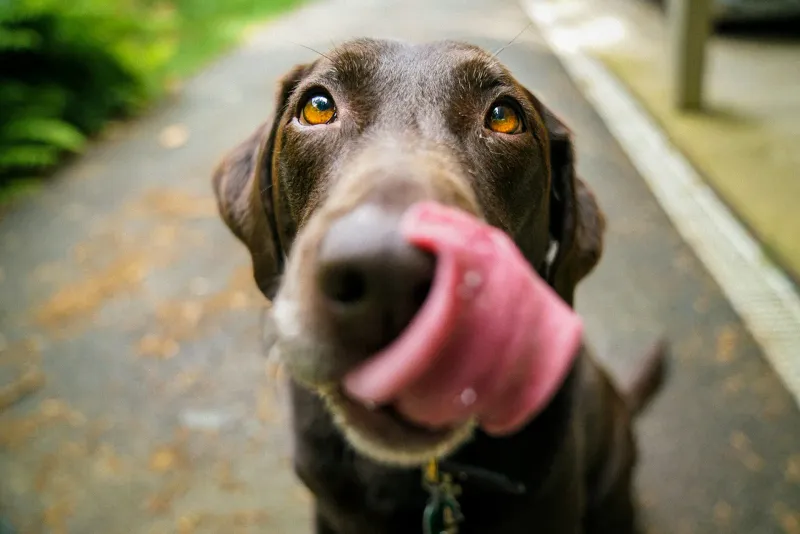
A bowl, bone, toy, or stolen sock can feel very valuable to a dog. If people always snatch things away, guarding may start because the dog expects loss.
Practice trades with treats before problems happen. Walk by the food bowl and drop something tasty, then leave.
Teach drop it with rewards, not force. Safe handling of valued objects tells your dog that your hands bring good things, not sudden theft or conflict.