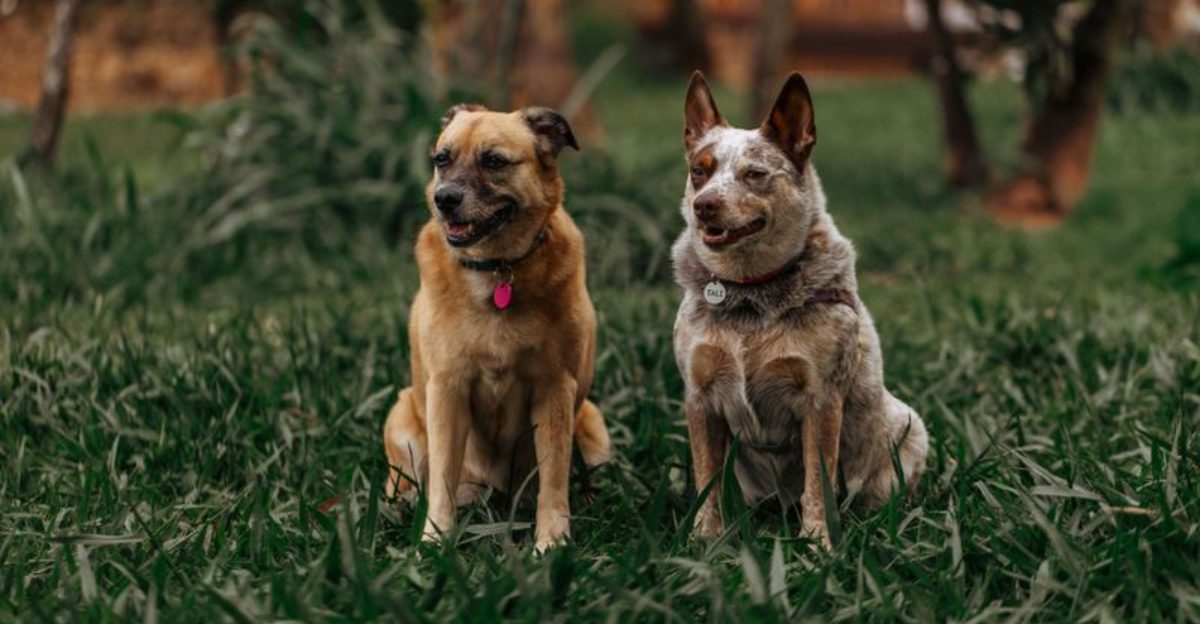
Some dogs are happiest when they have a job to do. Open space, steady training, and outdoor tasks can help their natural skills shine in healthy ways.
When the right breed gets the right work, you often see a calmer, more focused, and more joyful dog. Here are hardworking breeds that come alive when their bodies and minds stay busy.
Australian Cattle Dog
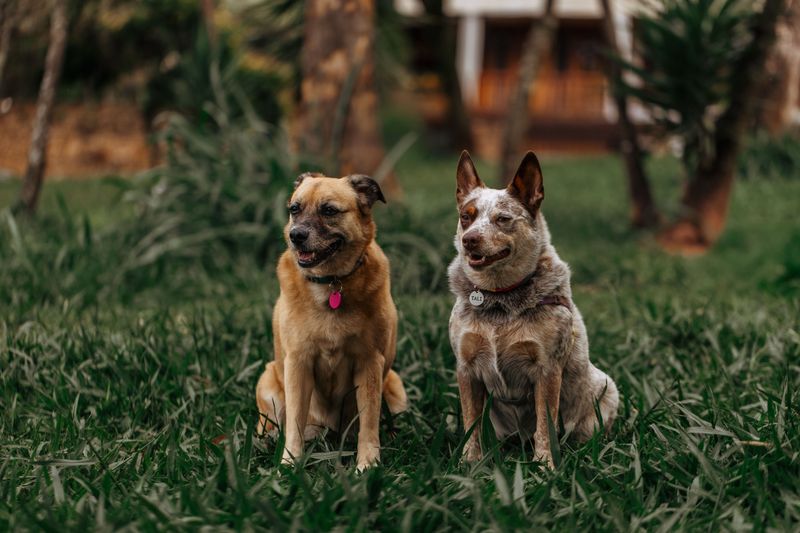
Sharp eyes and quick feet make the Australian Cattle Dog look like a tiny ranch boss. Bred to move cattle across rough Australian land, this breed needs more than a backyard stroll.
Give daily jobs like herding practice, scent games, agility, or long hikes with training breaks. Without work, that bright mind may invent trouble.
Keep lessons firm, fair, and fun, and this tough little worker becomes loyal, focused, and surprisingly silly after the chores are done.
Border Collie
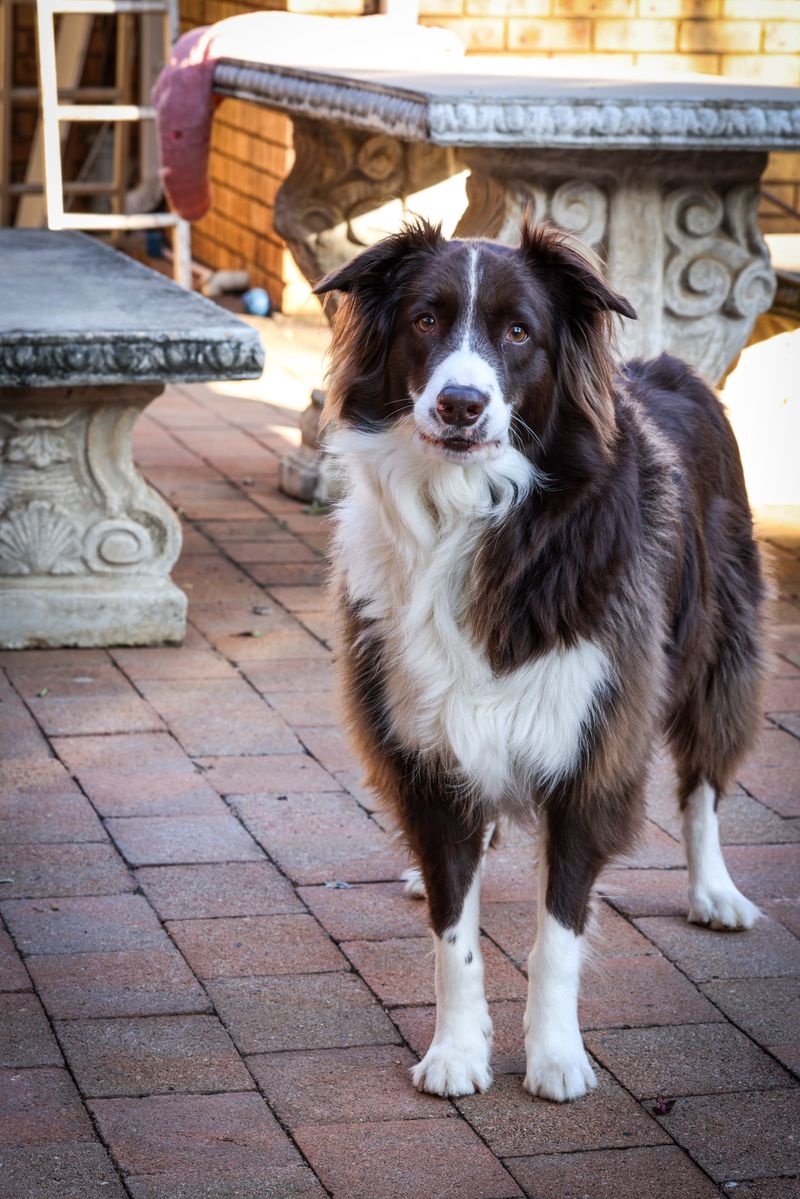
A Border Collie can spot one drifting sheep before most people notice the flock moved. Famous for its stare, speed, and problem-solving, this breed thrives when decisions matter.
Plan brain work every day, not just running. Try herding lessons, advanced obedience, disc games, or trick chains that build step by step.
A bored Border Collie may chase shadows or cars. With clear tasks and patient guidance, its amazing focus becomes teamwork instead of restless motion.
Australian Shepherd
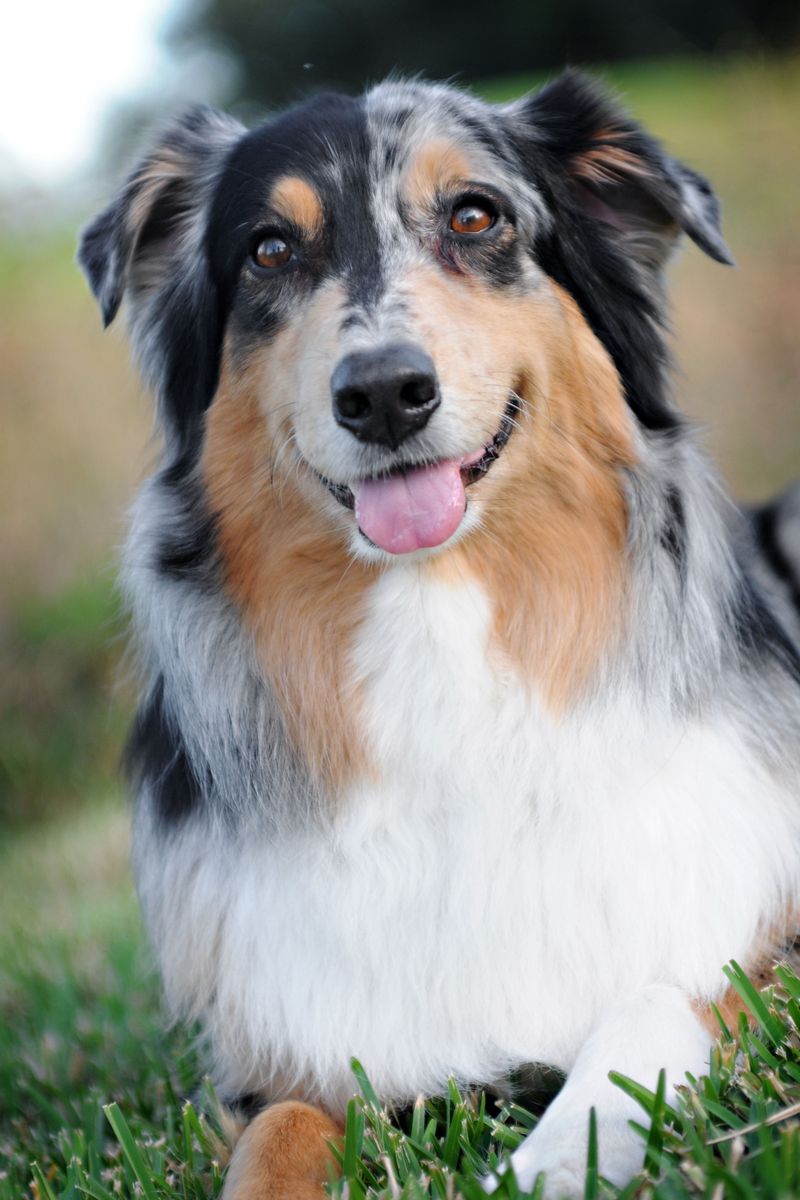
Colorful coat, bright grin, busy brain. The Australian Shepherd often acts like the friend who is already planning the next adventure.
Despite the name, the breed grew strong on American ranches.
Outdoor jobs suit it well, from moving stock to carrying a small pack on hikes. Mix exercise with manners, because excitement can turn pushy.
Short training games, fetch with rules, and calm rest periods help this cheerful worker stay balanced at home and sharp outside.
German Shorthaired Pointer
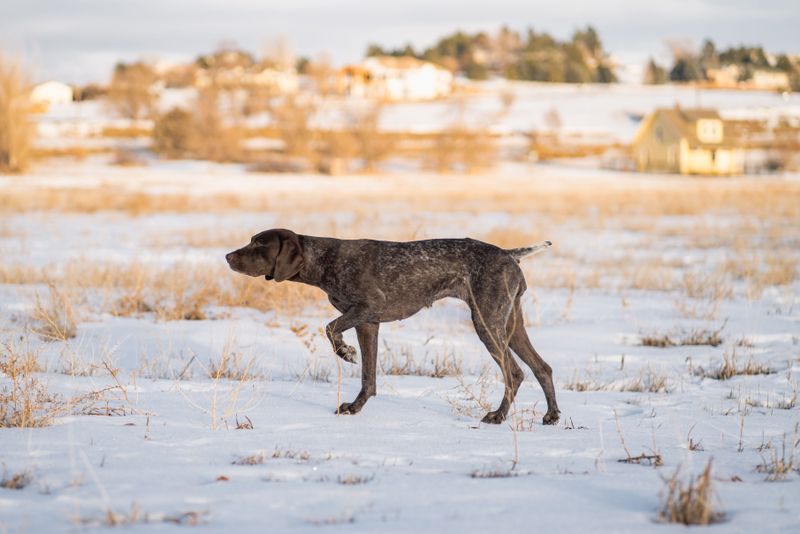
Nose to the wind, tail straight, the German Shorthaired Pointer seems built from springs and curiosity. Hunters prize this athlete for finding, pointing, and retrieving game across fields and water.
City life can work only if owners offer serious outlets. Running beside a bike, swimming, tracking games, and field training all help.
Teach a strong recall early, since birds and rabbits are tempting. After honest exercise, this goofy, affectionate dog is much easier to live with indoors.
Brittany
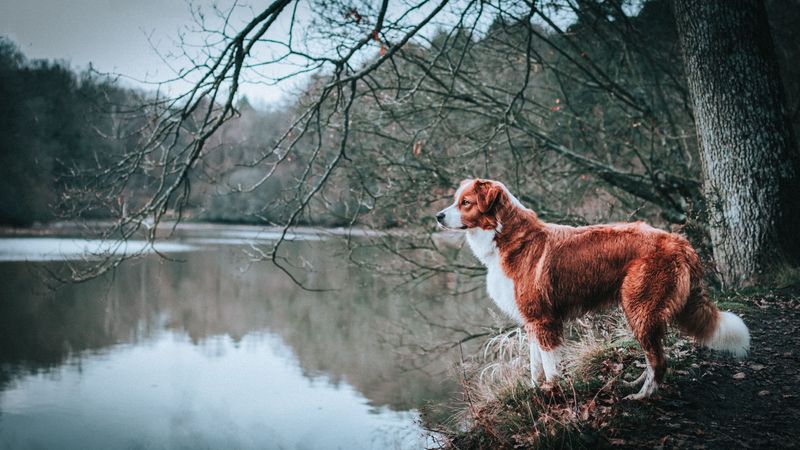
Light on its feet and full of sparkle, the Brittany works like a small engine with a happy wag. Originally developed in France, it became loved for bird hunting and close teamwork.
This breed needs room to move, but it also wants people nearby. Practice recall, whistle cues, and search games in safe open areas.
A Brittany can be sensitive, so use praise and steady routines. Busy days bring out its sweet, eager personality without turning the house into a racetrack.
English Springer Spaniel
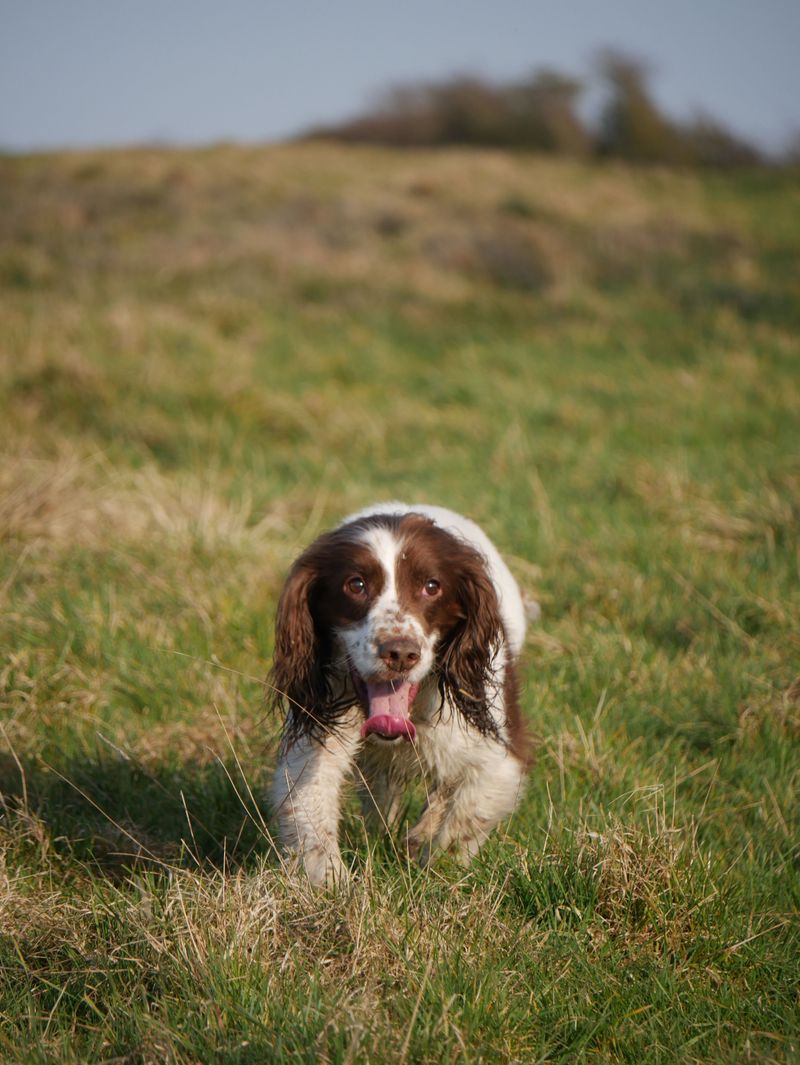
Rustling brush is music to an English Springer Spaniel. This cheerful flusher was bred to spring birds from cover, and many still love pushing through grass, leaves, and muddy corners.
Channel that energy with nose work, fetch in varied terrain, and hikes where sniffing is allowed. Keep ears checked after wet adventures, since floppy ears can trap moisture.
Friendly as they are, Springers still need rules. Purposeful outdoor time helps their joyful bounce feel charming instead of chaotic.
Chesapeake Bay Retriever
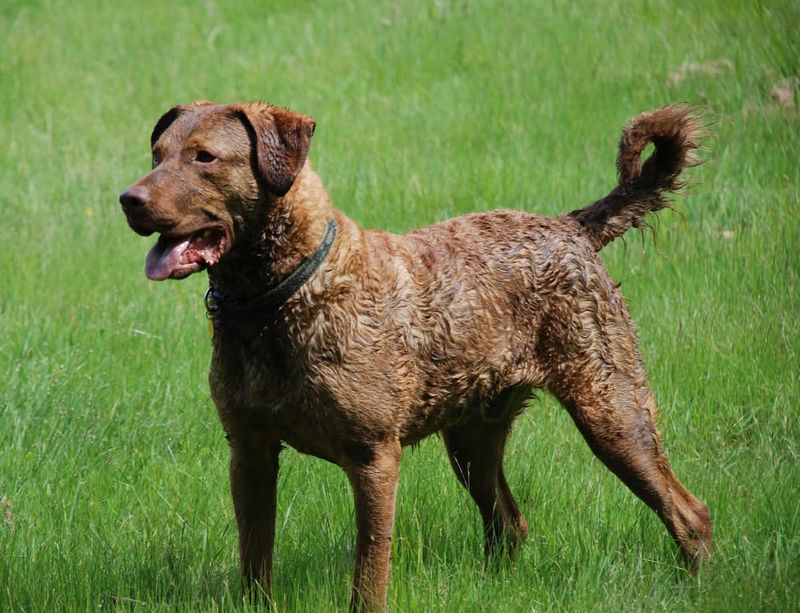
Cold water does not scare a Chesapeake Bay Retriever. With a thick oily coat and strong body, this dog was made for tough retrieves around the Chesapeake Bay.
Swimming, dock work, and retrieving drills are natural fits, especially when the weather is rough. Training should be confident but kind, because Chessies often think for themselves.
They bond deeply with their people and may be reserved with strangers. Give them meaningful work, and their serious, brave side makes perfect sense.
German Wirehaired Pointer
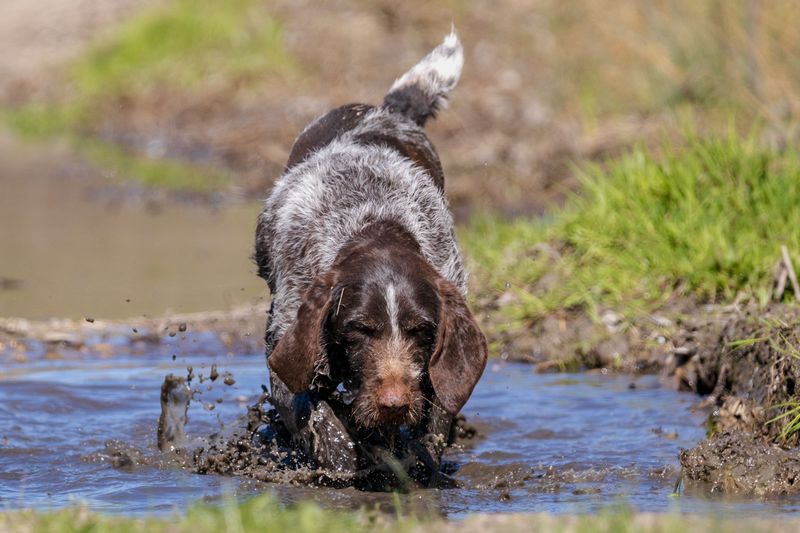
That scruffy beard is not just for charm. The German Wirehaired Pointer was designed as an all-weather hunting partner, ready for thorns, water, fields, and forests.
Varied work keeps this rugged dog satisfied. Rotate tracking, retrieving, swimming, and long off-leash time in safe areas.
Its coat needs brushing, especially after brushy walks, to remove burrs and seeds. Be clear with boundaries, because confidence runs high.
When challenged well, this breed becomes steady, funny, and wonderfully useful outdoors.
Belgian Malinois
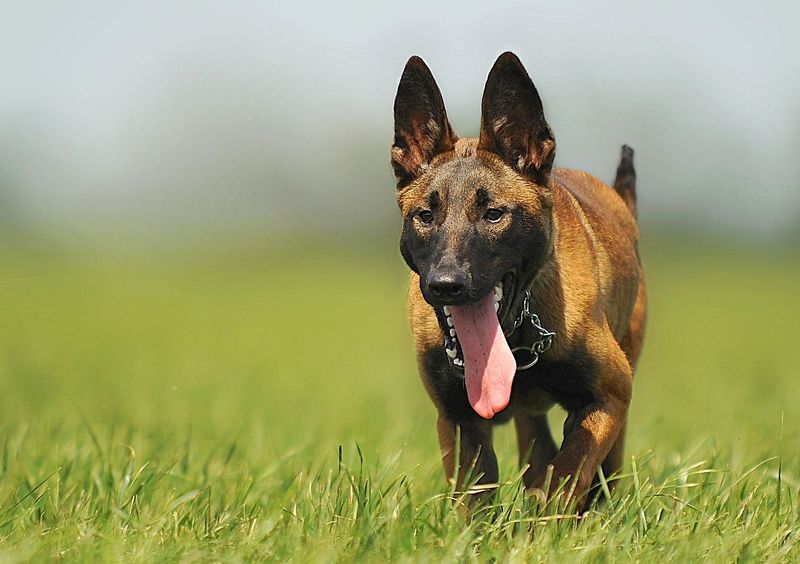
Few dogs switch on faster than a Belgian Malinois. Used in police, military, sport, and detection work, this breed brings speed, nerve, and laser focus to serious jobs.
Most families underestimate how much structure it needs. Long walks alone rarely satisfy a Malinois.
Think obedience drills, scent work, tug with rules, obstacle courses, and calm crate time. Skilled training is not optional.
With experienced handling and daily purpose, its intensity becomes impressive control rather than nonstop noise and jumping.
Great Pyrenees
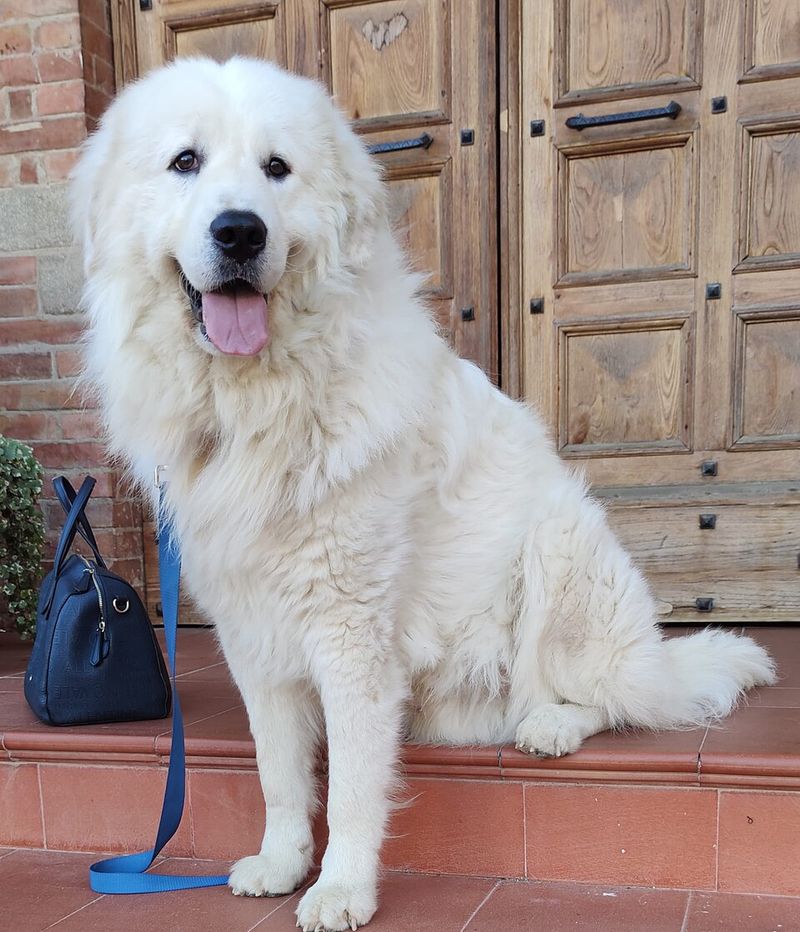
Under the moon, a Great Pyrenees may look like a quiet white mountain watching the pasture. For centuries, these dogs guarded sheep from predators in the Pyrenees Mountains.
Their instinct is protection, not chasing balls all day. They need secure fencing, space to patrol, and careful social training.
Expect barking, especially at night, because warning sounds are part of the job. Patient owners who respect this calm guardian will see courage, independence, and deep devotion unfold.
Labrador Retriever
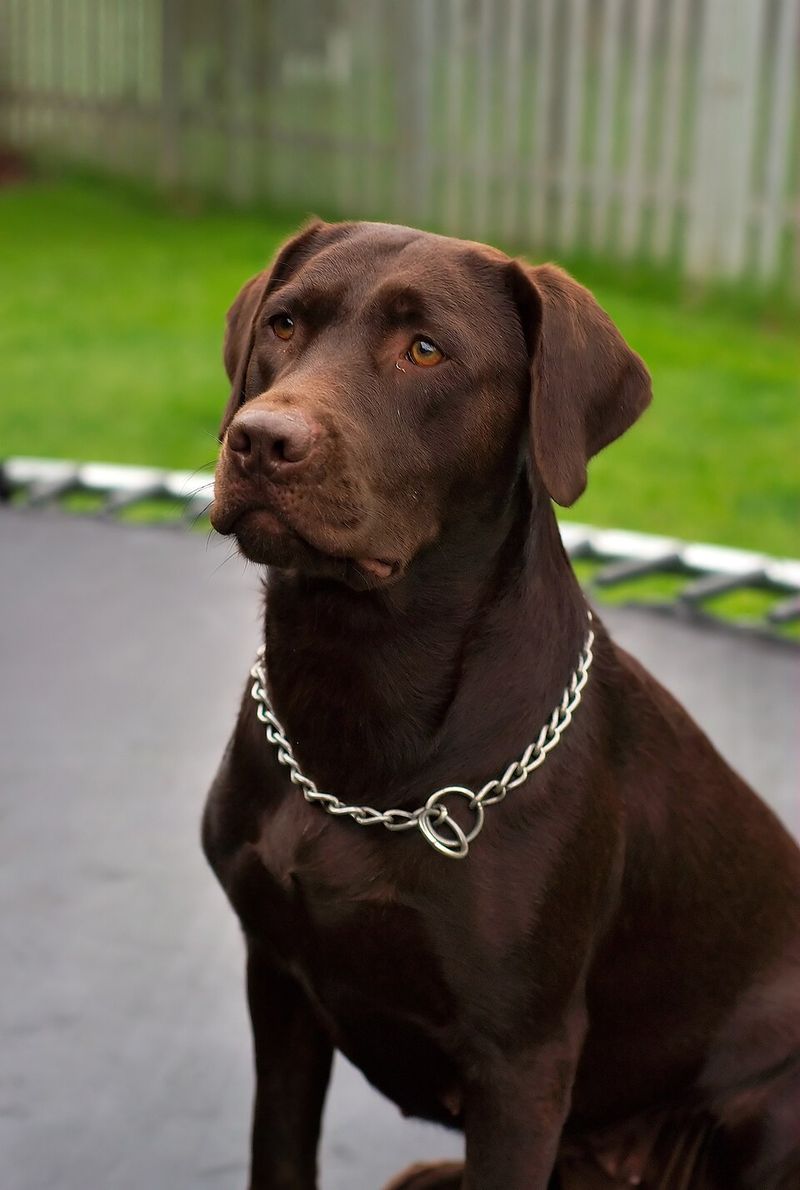
A Labrador Retriever carrying a bumper from the lake looks completely in its element. Did you know the breed traces back to Newfoundland, where it helped fishermen and later became a top retriever?
Labs usually adore swimming, carrying, and searching. Use that love with water retrieves, scent trails, and polite fetch games that include waiting.
Watch food intake, since many Labs eat with great enthusiasm. Work, play, and training together help this friendly powerhouse stay fit and well-mannered.
English Pointer
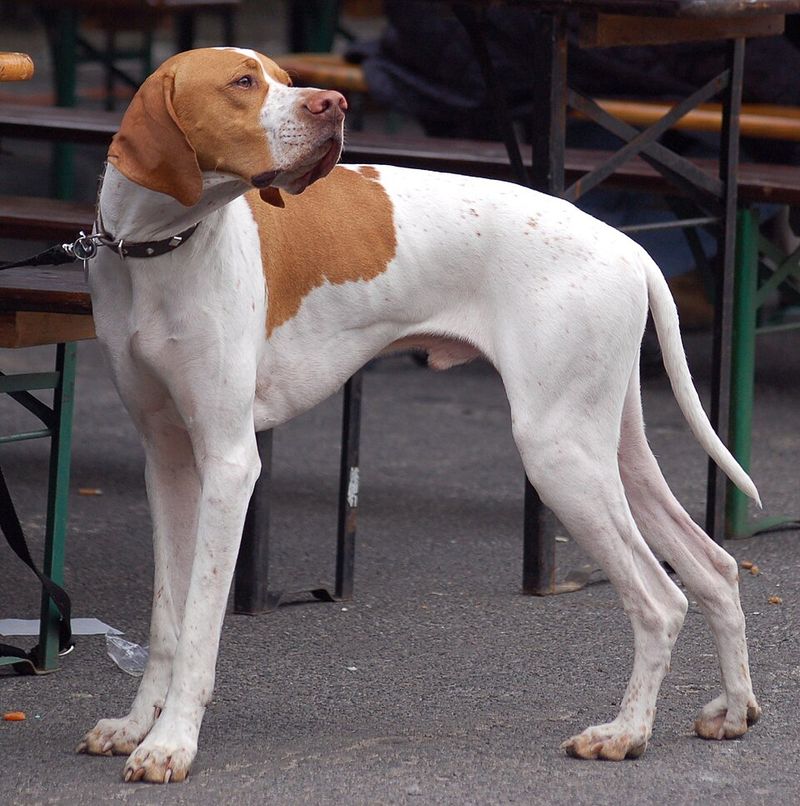
One paw lifted, nose locked, body still as a statue. The English Pointer turns scent into a clear signal that hunters can read from across a field.
This elegant runner needs safe open ground and chances to use its nose. Field training, long hikes, and controlled running suit it far better than short leash walks only.
Keep recall practice upbeat and regular. At home, many Pointers are soft and affectionate, but outside their ancient bird sense truly takes over.