
Some dogs do not just chew toys. They study them, test them, and sometimes destroy them faster than owners expect.
Knowing which breeds play this way helps you choose safer toys and better games. A good match can save money, protect your dog, and make playtime a lot more fun.
American Staffordshire Terrier
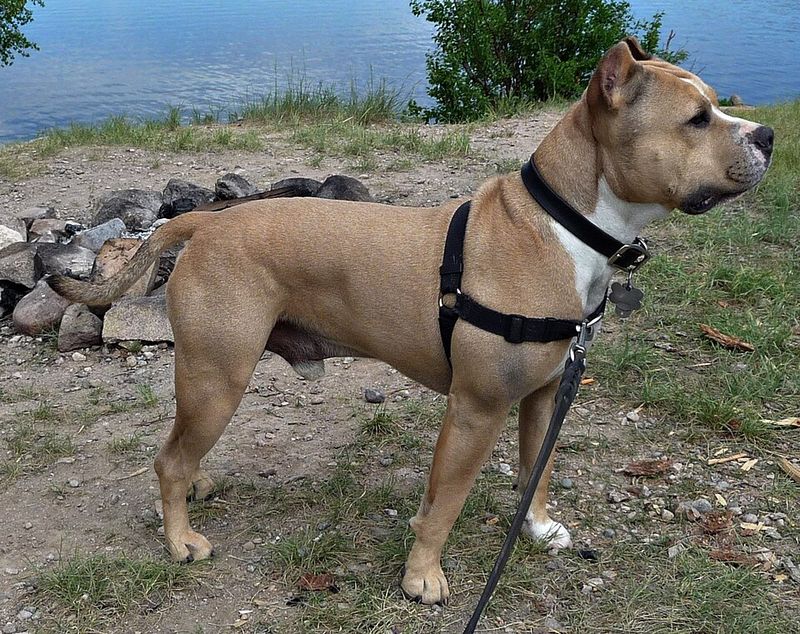
Some dogs seem to treat every squeaky toy like a personal challenge. The American Staffordshire Terrier has powerful jaws, loads of energy, and a stubborn streak that can wear toys out fast.
Choose thick rubber toys, rotate them often, and watch for loose pieces. Short tug games and training breaks help this breed use its strength in safer ways.
A bored AmStaff may happily turn your living room into a toy testing lab at home.
Staffordshire Bull Terrier
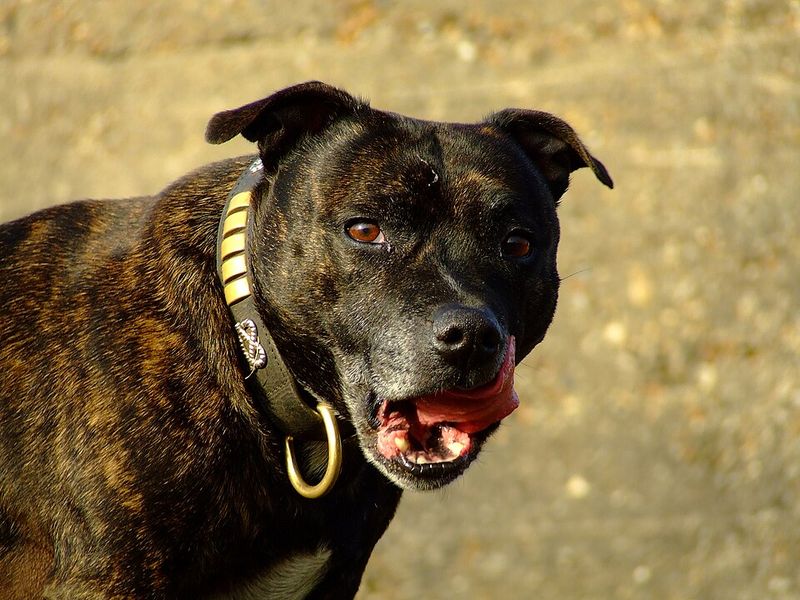
Built like a little tank, the Staffordshire Bull Terrier can surprise owners with nonstop chewing drive. Its compact body packs serious jaw power, especially during teething, play, or excited bursts.
Look for toys sized correctly, because small ones become hazards quickly. Mix fetch, tug, and chew time so the dog does not fixate on one outlet.
Regular checks matter, since even sturdy toys can split after many happy, determined chewing sessions in your house daily.
Labrador Retriever
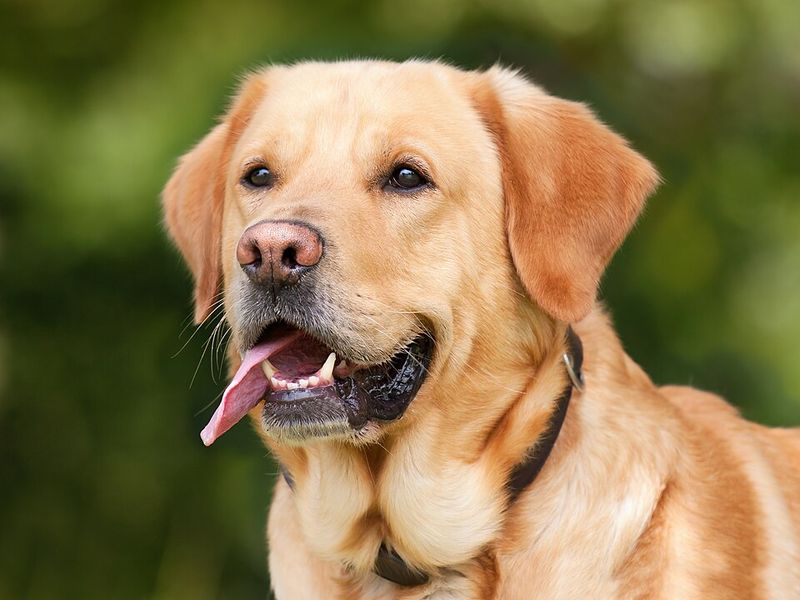
Few dogs look so cheerful while destroying a toy in record time. Labrador Retrievers love carrying, chomping, and repeating games until seams give up, especially when boredom sneaks in.
Waterproof bumpers, heavy balls, and freezer-safe chews often last longer than plush picks. Because Labs are food motivated, puzzle toys can save your furniture and slow the chewing frenzy.
Daily exercise helps too, since a tired Lab usually makes kinder choices with its toys at home.
Rottweiler
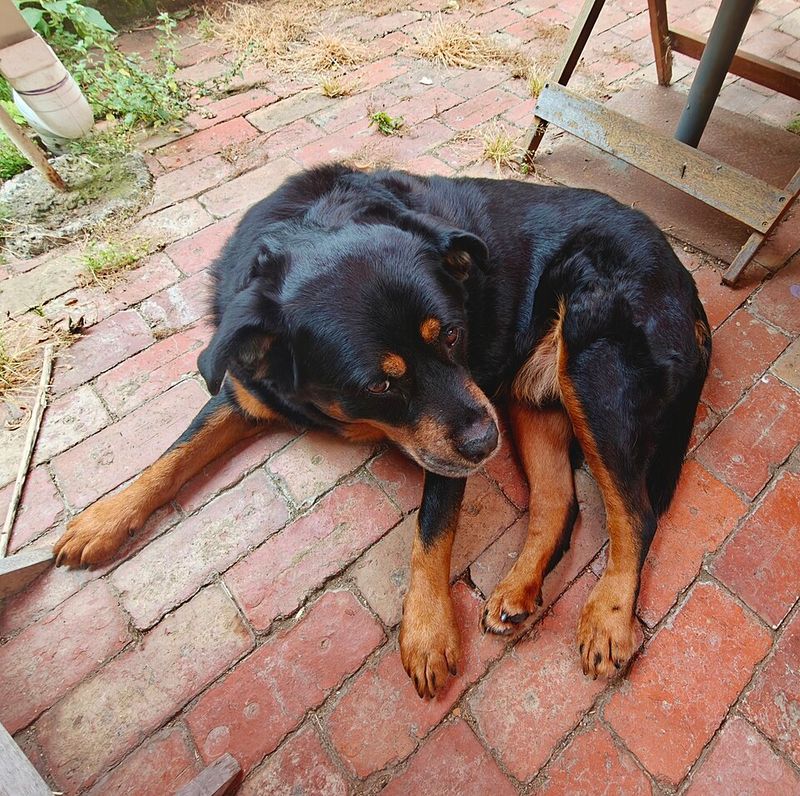
When a Rottweiler gets focused, a toy can seem like a job assignment. Strong jaws, confidence, and deep concentration mean flimsy chews rarely survive for long in this breed’s world.
Pick dense rubber, reinforced rope, and supervised tug options made for powerful dogs. Training games work especially well because Rottweilers enjoy having a purpose.
If you pair chewing time with rules like drop it and leave it, play stays fun, safe, and much less destructive.
Bull Terrier
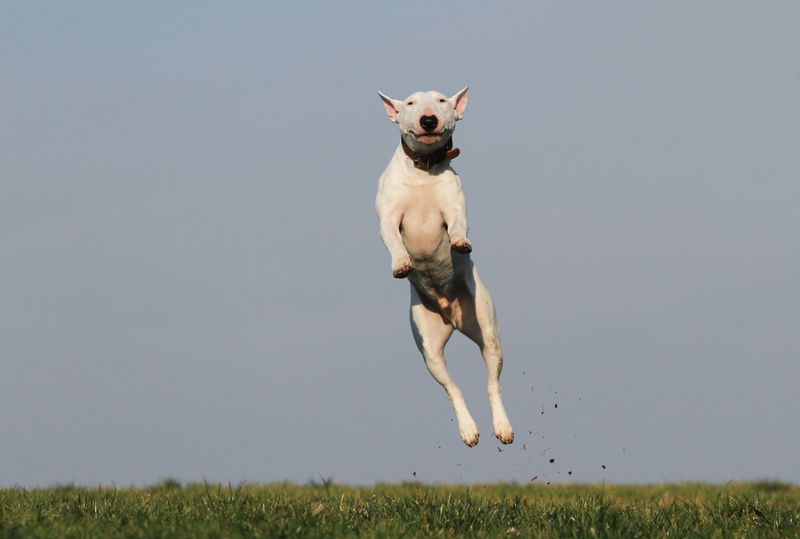
A Bull Terrier often plays with the comic energy of a clown and the bite force of a contractor’s tool. That odd mix makes toy shopping tricky, since cute plush shapes may last only minutes.
Choose bounce-friendly rubber toys that match the breed’s busy, playful style. Short training sessions between play bursts can prevent overarousal and reckless chewing.
Many Bull Terriers do best when owners stay patient and treat destruction as a challenge, not mischief.
Boxer
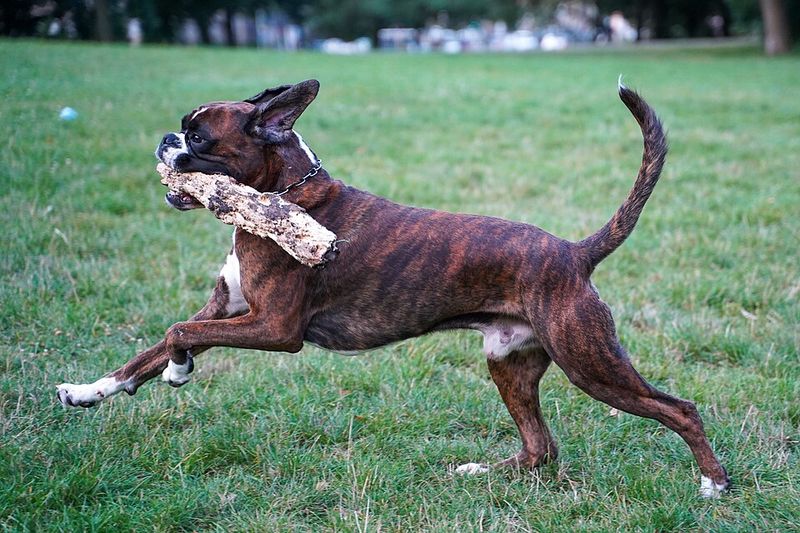
Boxers can turn toy time into a full-body sport, complete with bouncing, pawing, and determined chewing. Their playful spirit is charming, but it also means weak toys get tossed, crushed, and shredded quickly.
Durable balls, sturdy tug rings, and treat puzzles usually fit a Boxer’s style better than soft plush. Since Boxers get excited fast, calm breaks between games help prevent rough, frantic chewing.
A structure goes a long way with these goofy, high-energy entertainers.
German Shepherd
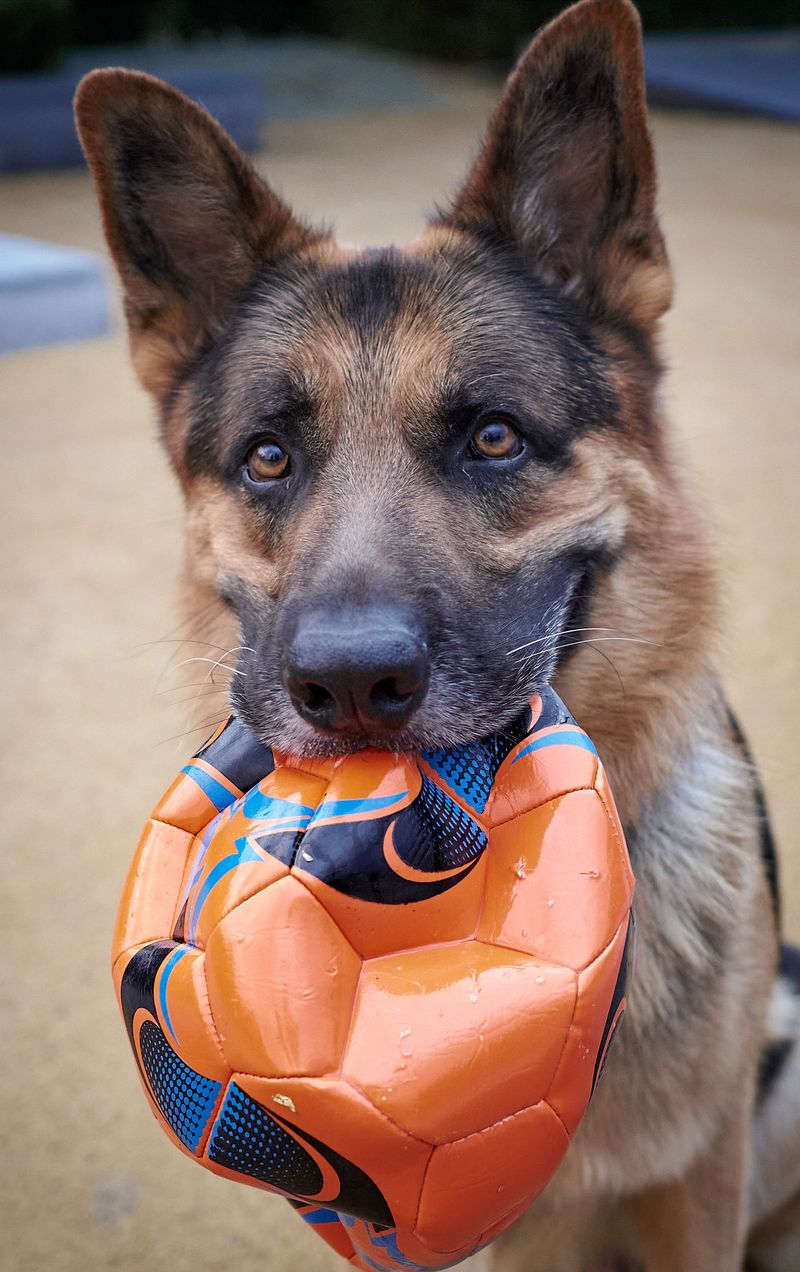
Serious workers at heart, German Shepherds often chew with focus instead of random chaos. They like tasks, problem solving, and activities that keep both brain and body busy, which is why plain toys sometimes get overworked fast.
Tough puzzle feeders, bite pillows, and firm rubber chews usually hold attention longer. Try using toys during obedience practice so play has a clear job.
Mental work reduces chewing because an engaged Shepherd avoids demolition projects at home.
American Bulldog
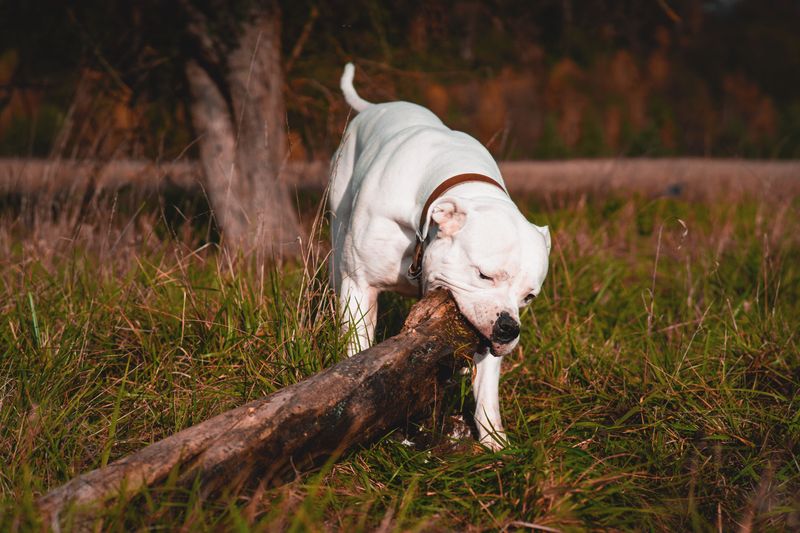
Big enthusiasm is part of the American Bulldog package, and toys often feel the impact first. Many enjoy gripping, tugging, and chewing with impressive force, especially during energetic play sessions with people.
Choose thick chew toys with simple shapes, since fancy parts and glued pieces can fail quickly. Supervised tug games are a smart outlet, but clear rules matter.
Teaching take it, drop it, and settle channels strength into fun instead of floor scraps daily.
Australian Cattle Dog
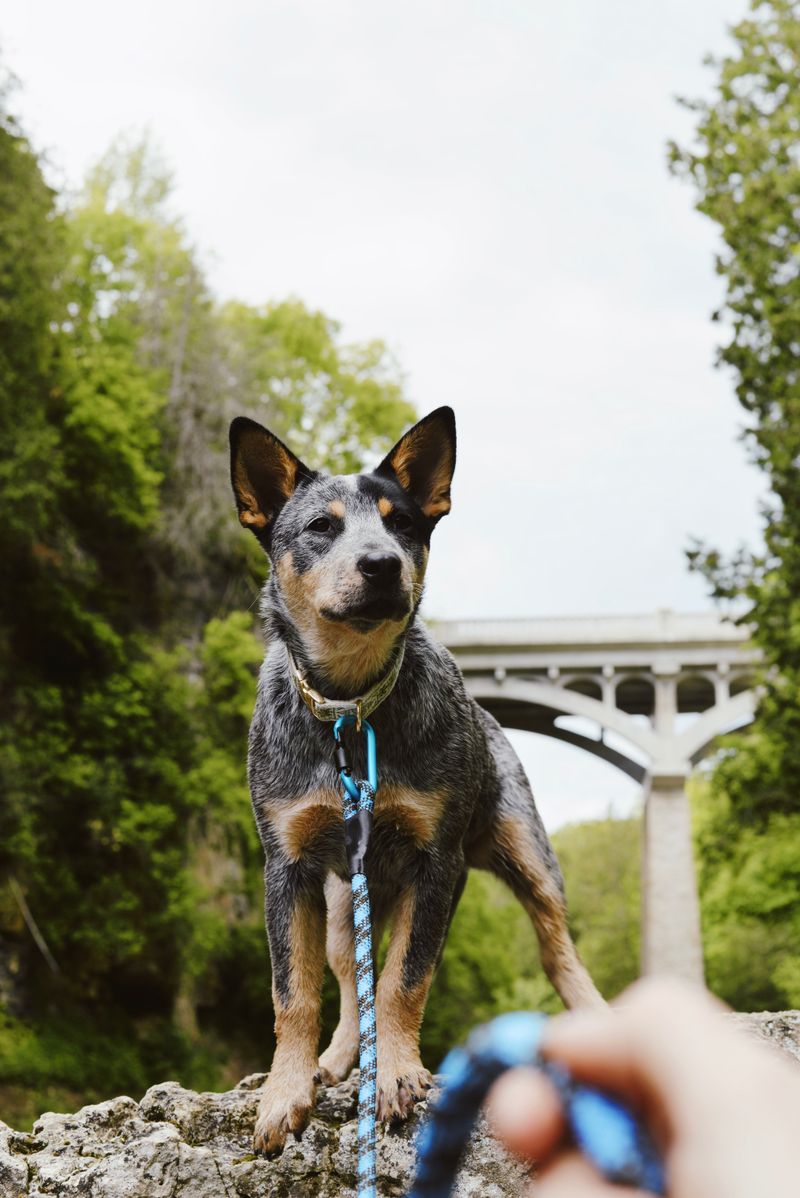
Australian Cattle Dogs may not look bulky, but their drive can be intense. Bred to work for long hours, they often attack toys with sharp focus when they need something useful to do.
Durable fetch toys, herding balls, and food puzzles usually suit their busy minds better than flimsy squeakers. Rotate activities often, because repetition can turn into obsessive chewing.
When challenged, these quick, clever dogs are less likely to reduce toys to confetti indoors.
Belgian Malinois
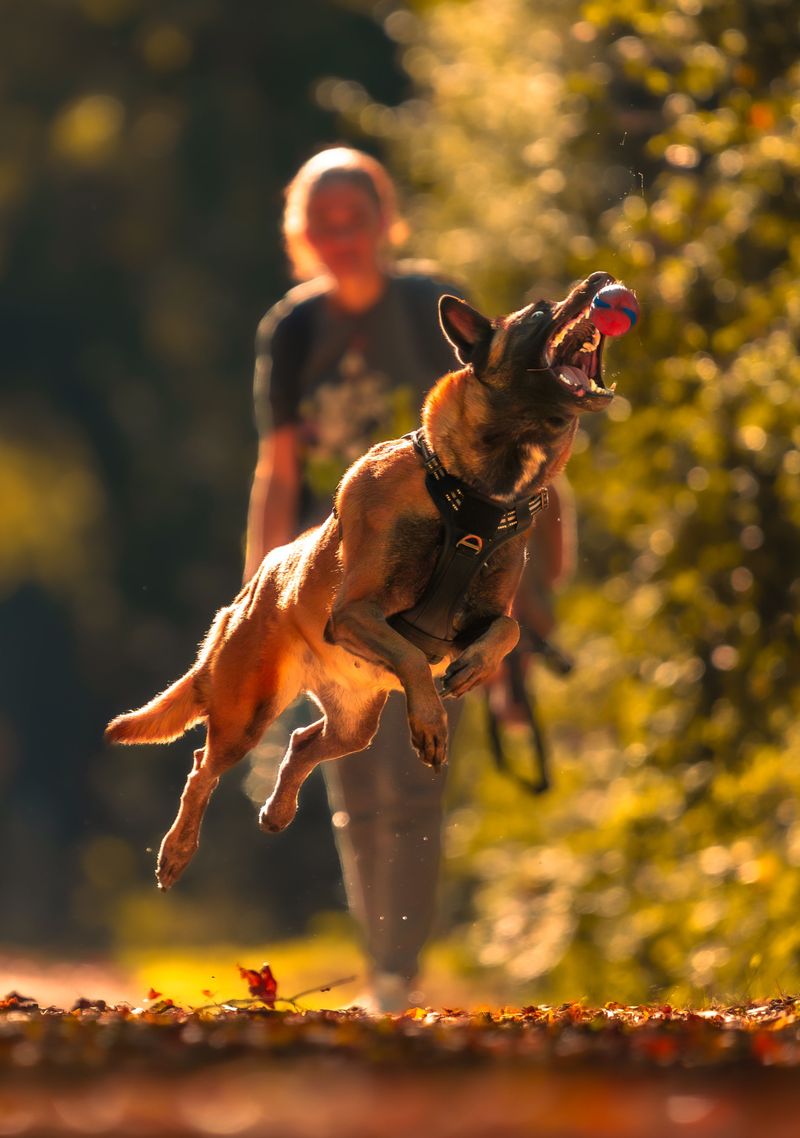
Few breeds bring more intensity to play than the Belgian Malinois. Fast, driven, and incredibly determined, this dog can rip through weak toys while barely seeming tired, especially if its working instincts lack an outlet.
Professional-grade bite toys, sturdy balls, and advanced puzzles are better matches for that energy. Daily training is just as important as exercise for a Malinois.
Give its brain real jobs, and destruction is likely to stay a hobby, not trouble.