
Some dogs are not trying to be difficult. They are often confused, overexcited, or waiting for someone to show them what the rules are.
Clear expectations can help active, smart breeds settle down and make better choices. When dogs know what earns praise and what happens next, daily life gets easier for everyone.
Australian Cattle Dog
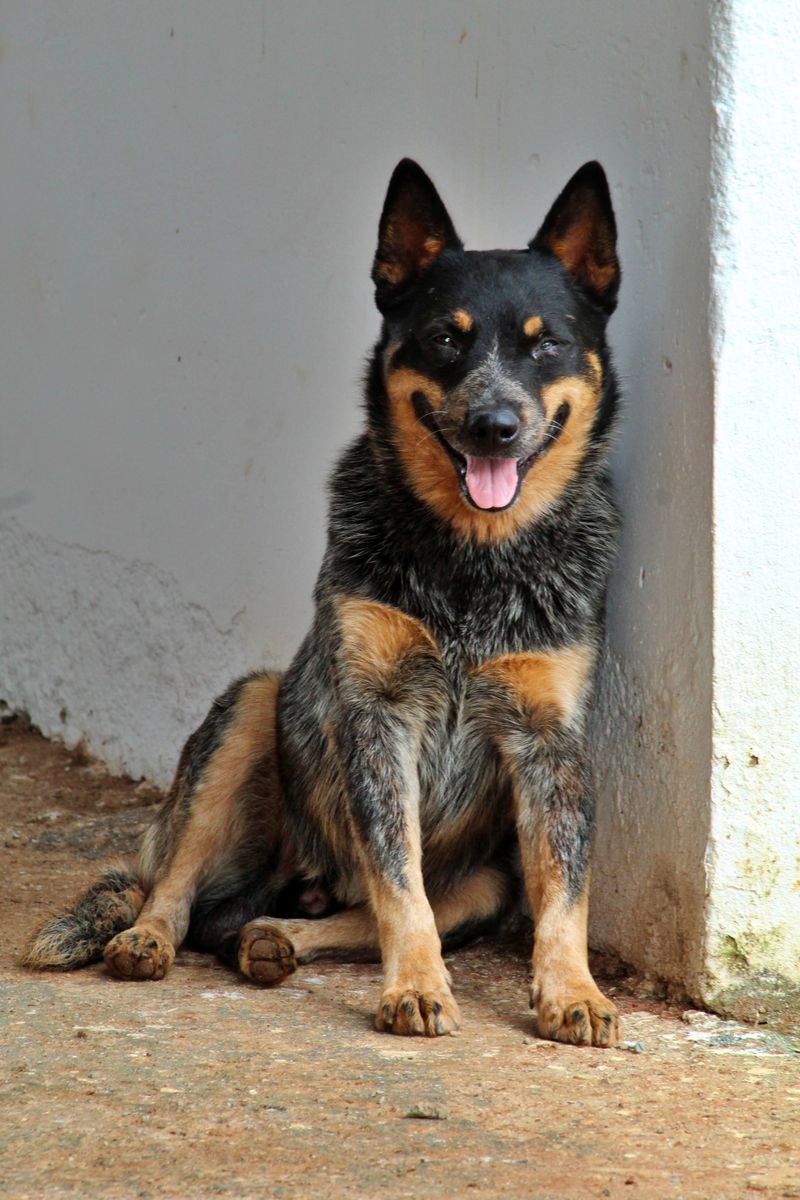
Energy seems endless when an Australian Cattle Dog is guessing the rules. Set job times, leash manners, and a clear stop cue, and the busy brain settles fast.
Short drills work better than long lectures for this sharp worker. Daily games like fetch, herding balls, or place training give purpose, so nipping, barking, and bossy circling fade into steadier, more thoughtful choices around the house each single day with your calm guidance and routine present.
German Shepherd
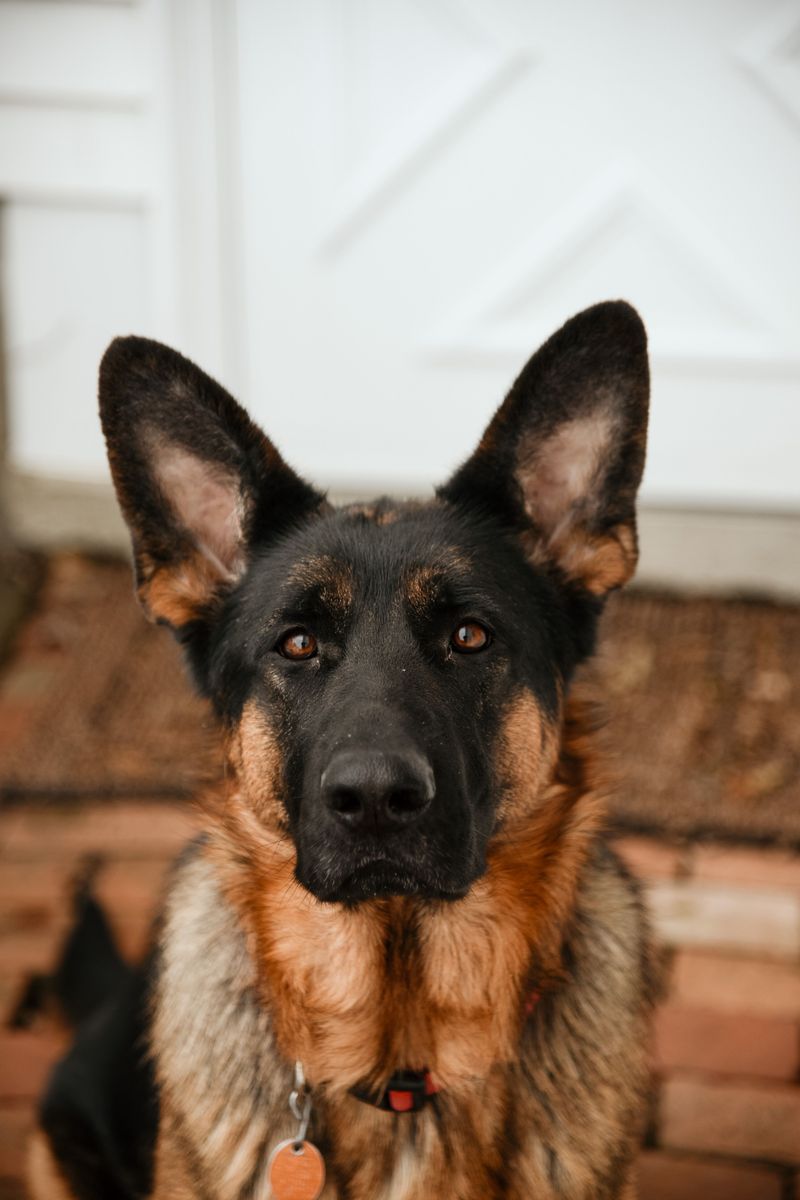
Loyal hearts can still create mayhem when a German Shepherd must make every decision alone. Clear door rules, a release word, and steady walking practice help this watchful dog relax.
Because the breed notices everything, mixed messages cause pushy habits fast. Keep commands short, reward quick check-ins, and give one daily task like carrying a toy or waiting on a mat when guests arrive, so cooperation feels normal, safe, and satisfying for everyone at home.
Giant Schnauzer
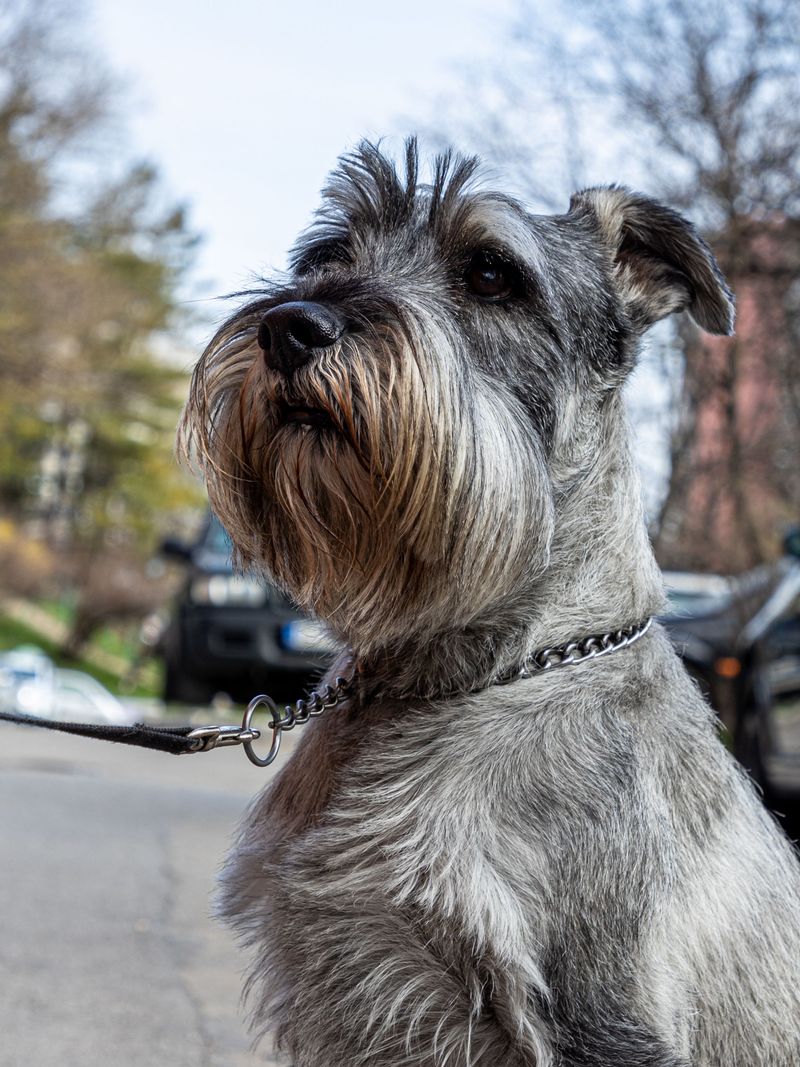
Big personality often arrives before manners in a Giant Schnauzer. When house rules stay firm, this bold dog stops testing every boundary and starts using that strong brain in smarter ways.
A consistent routine matters more than loud corrections here. Practice greetings, waiting at doors, and calm settling after play, then praise the exact choice you wanted.
Once expectations stay simple and fair, stubborn moments shrink and teamwork grows much faster each week at home.
Border Collie
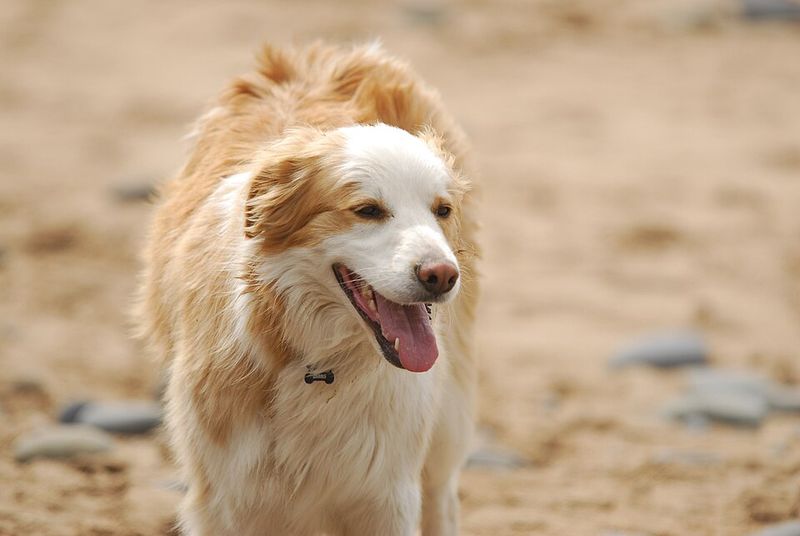
A Border Collie can invent trouble faster than most people can spot it. Give clear start and finish signals for play, training, and rest, and that racing mind has fewer reasons to chase chaos.
Mental work is just as vital as exercise for this breed. Try pattern games, short obedience sessions, and a settle cue on a bed.
With predictable jobs and calm follow-through, spinning, shadowing, and frantic barking often turn into focused, impressive teamwork.
Doberman Pinscher
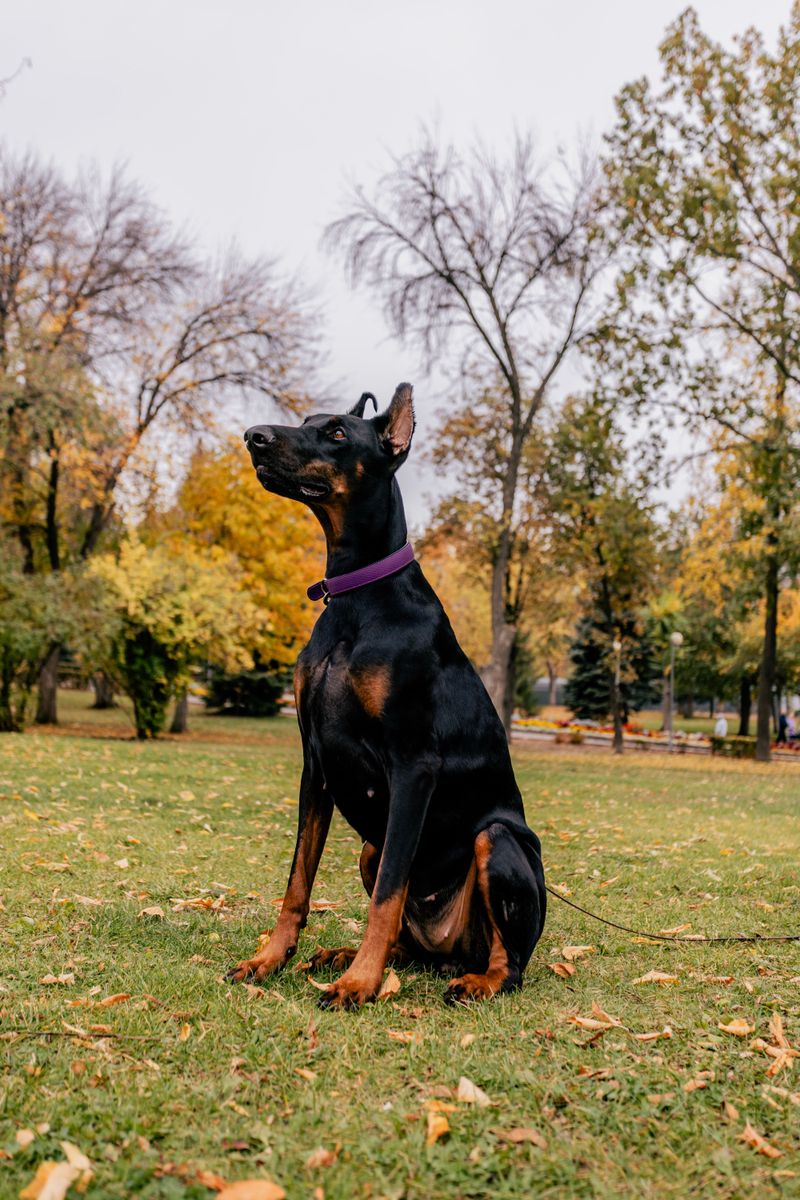
Grace and power meet a very sensitive mind in the Doberman Pinscher. When directions are fair and consistent, this loyal dog stops scanning for loopholes and starts leaning into partnership with striking confidence.
Harsh handling usually backfires, but calm structure works beautifully. Teach place, polite greetings, and a solid recall, then reward calm choices around visitors and noise.
Once the Doberman knows exactly what earns success, restless pacing and overreactions give way to steadier self-control.
Belgian Malinois
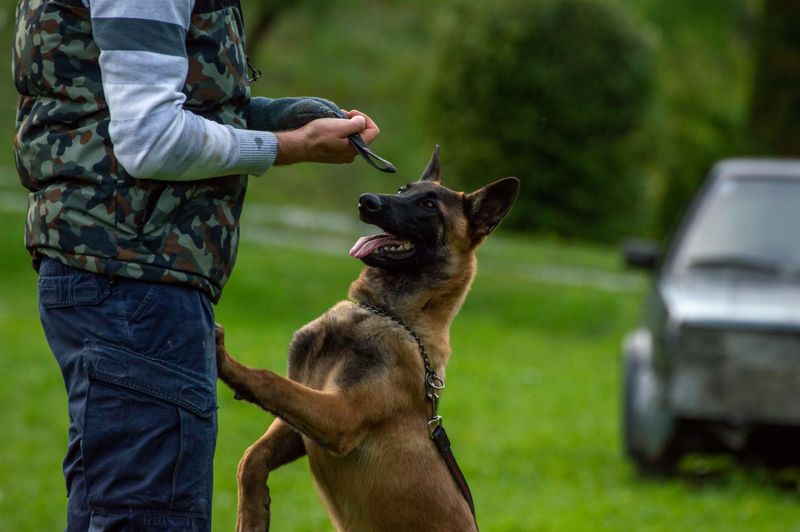
If a Belgian Malinois had a motto, it might be tell me the plan. Without structure, that blazing drive spills into mouthing, pacing, and constant motion around the home and yard.
Simple rules become a lifeline for this intense worker. Use clear markers, quick training bursts, and planned down time after action.
Give jobs like heel work, toy control, and waiting at thresholds, and you will often see wild energy turn into sharp, reliable teamwork.
Standard Poodle
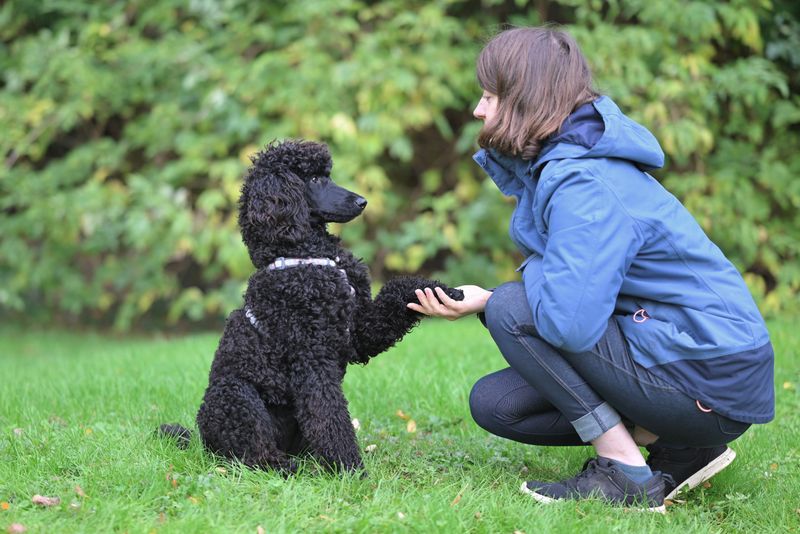
Behind the fancy coat, a Standard Poodle is often a keen thinker with strong opinions. Clear routines for greeting, waiting, and coming when called help channel that clever energy into easier daily living.
Because boredom can bring silly mischief, mix training with fun tasks. Hide treats, practice leash manners, and reward calm choices before excitement builds.
When expectations stay plain and upbeat, the Poodle usually trades showy nonsense for polite focus and wonderfully quick learning.
Shetland Sheepdog
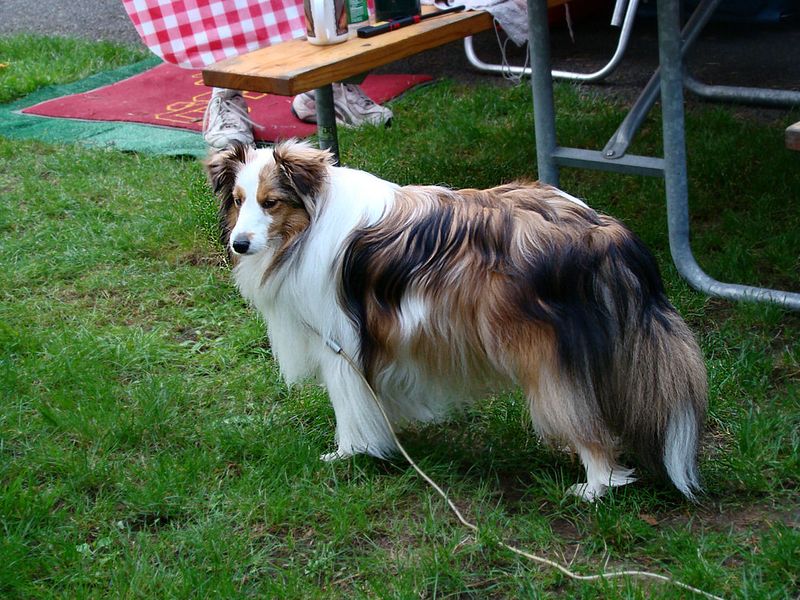
Small size can fool people, but a Shetland Sheepdog reads every change in the room. Clear cues for quiet time, visitor greetings, and walking help this alert breed feel safer and less bossy.
That matters because uncertainty often sparks barking or circling heels. Keep sessions cheerful, repeat the same household rules, and praise calm pauses before noise starts.
With kind structure and enough brain games, many Shelties turn worry into watchful, cooperative confidence each day.
Australian Shepherd
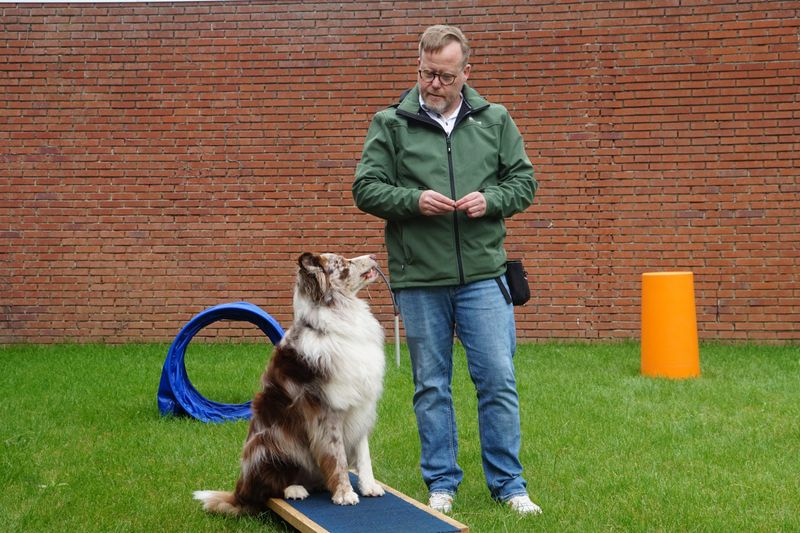
An Australian Shepherd often looks happiest when there is a job to do and a person to follow. Spell out routines for play, doors, guests, and rest, and the lively mind stops making its own plans.
Random rules frustrate this breed because it learns patterns quickly. Use short cues, reward waiting politely, and give safe outlets like frisbee, scent games, or trick practice.
Once expectations stay steady, zooming, jumping, and herding children soften into self-control.
Miniature Schnauzer
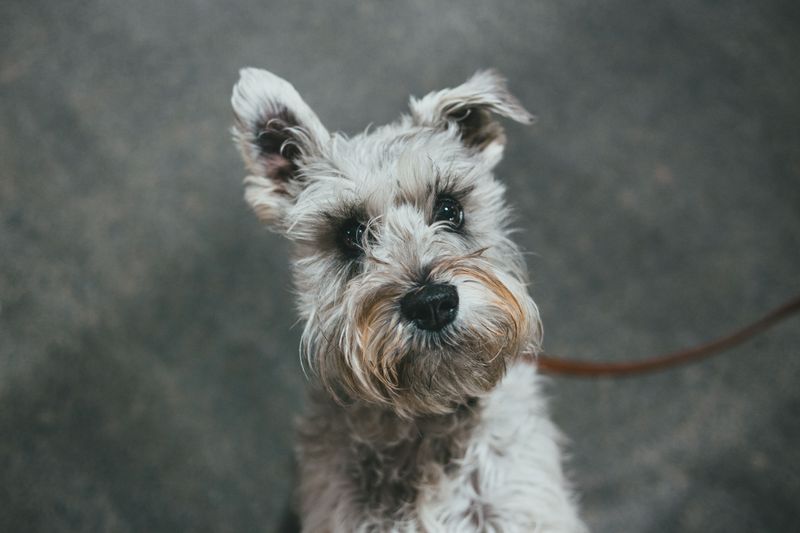
A Miniature Schnauzer can be the neighborhood announcer if nobody explains the house rules. Clear boundaries around windows, walks, and greetings help this bright little watchdog trade constant commentary for better choices.
Since the breed loves being involved, training should feel active, not dull. Teach a quiet cue, reward four paws on the floor, and practice short waits before meals and doors.
Firm routines plus cheerful praise can turn stubborn sparks into surprisingly tidy teamwork.
Boxer
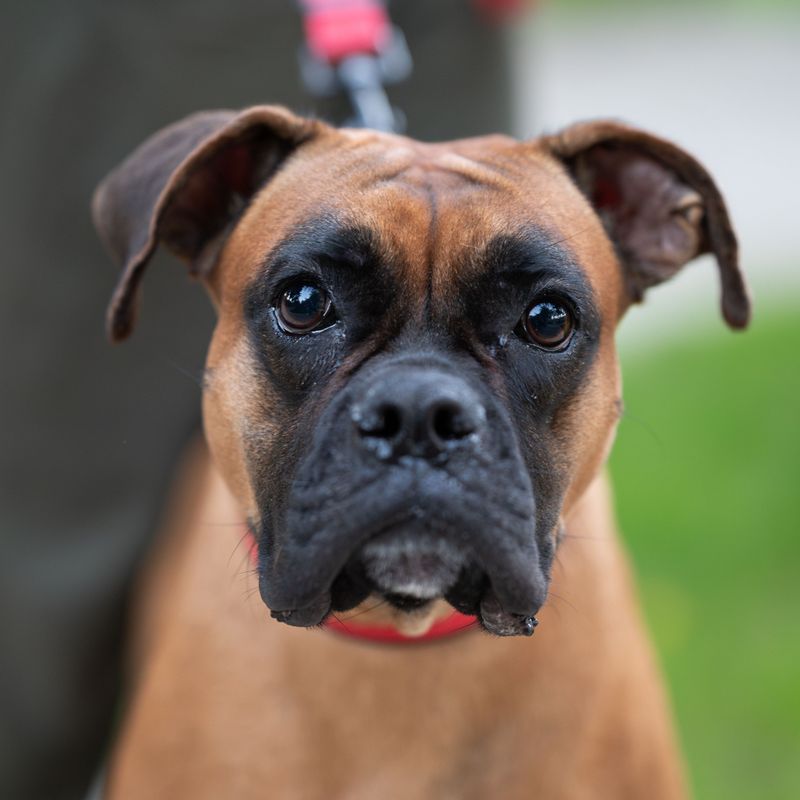
Life with a Boxer can feel like sharing space with a bouncing comedian. Clear expectations for jumping, leash walking, and play breaks help all that goofy enthusiasm land in safer, friendlier ways.
Punishment can make this sensitive clown push back harder, so keep lessons upbeat and brief. Reward calm greetings, use a mat for settling, and pause games the moment manners slip.
When the Boxer knows the rules, zoomies give way to charm and control.
English Springer Spaniel
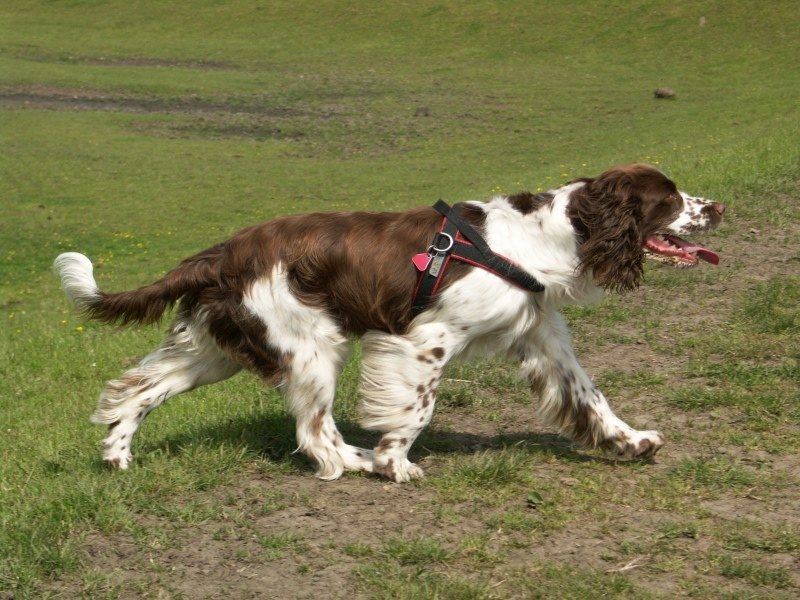
Bright eyes and busy paws make the English Springer Spaniel eager to join every moment. Clear signals for recall, settling, and polite greetings help this friendly hunter understand when to work and when to switch off.
Because excitement rises quickly, practice calm before fun begins. Ask for a sit at doors, reward check-ins on walks, and give sniffing games as healthy outlets.
With steady guidance, the Springer becomes responsive, relaxed, and much easier to live.