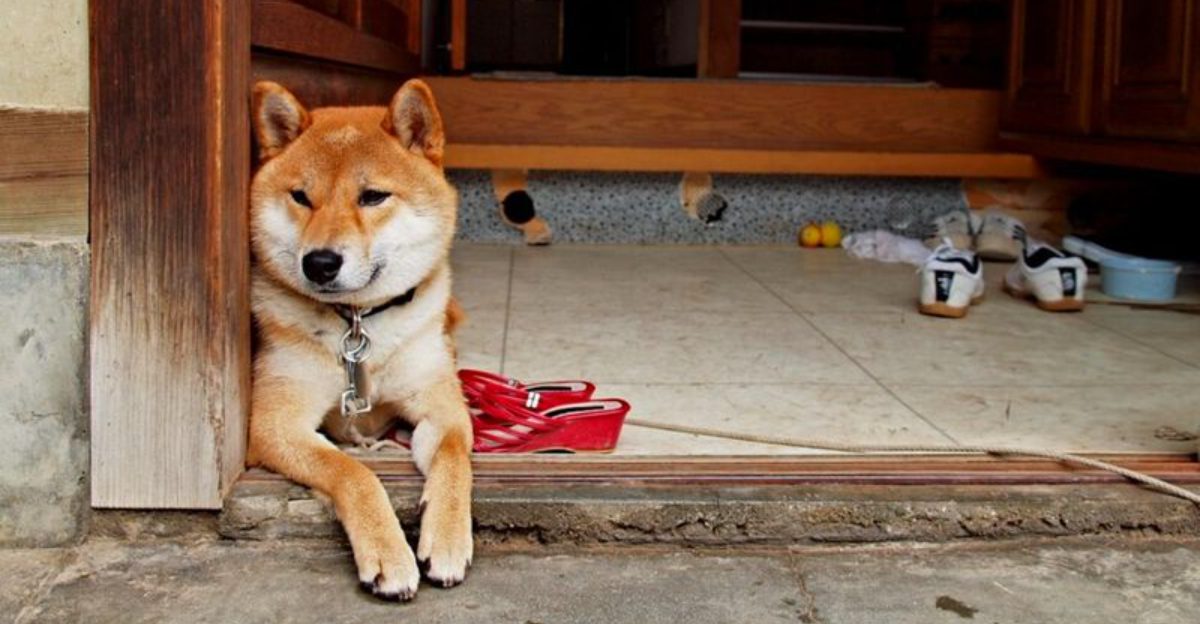
Not every dog rushes into a noisy mess or a risky moment. Some stop, watch, and decide if getting involved makes any sense at all.
That careful streak can make life easier for owners who like thoughtful pets with strong instincts. If you enjoy dogs that seem to think before they act, these breeds are worth a closer look.
Rhodesian Ridgeback
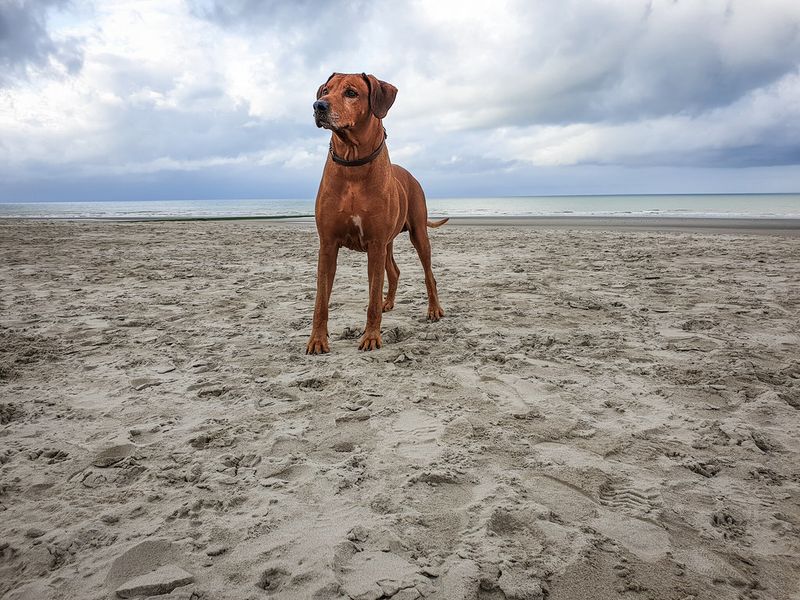
Some dogs burst forward, but the Rhodesian Ridgeback often pauses first. That pause is not fear.
It is a quick check of the scene, shaped by a history of hunting and guarding alongside people.
At home, this breed does best with clear rules and respectful training. Give your Ridgeback time to observe new guests, dogs, or places.
Once convinced things are fine, it usually moves with confidence and a steady, self-controlled attitude.
Akita
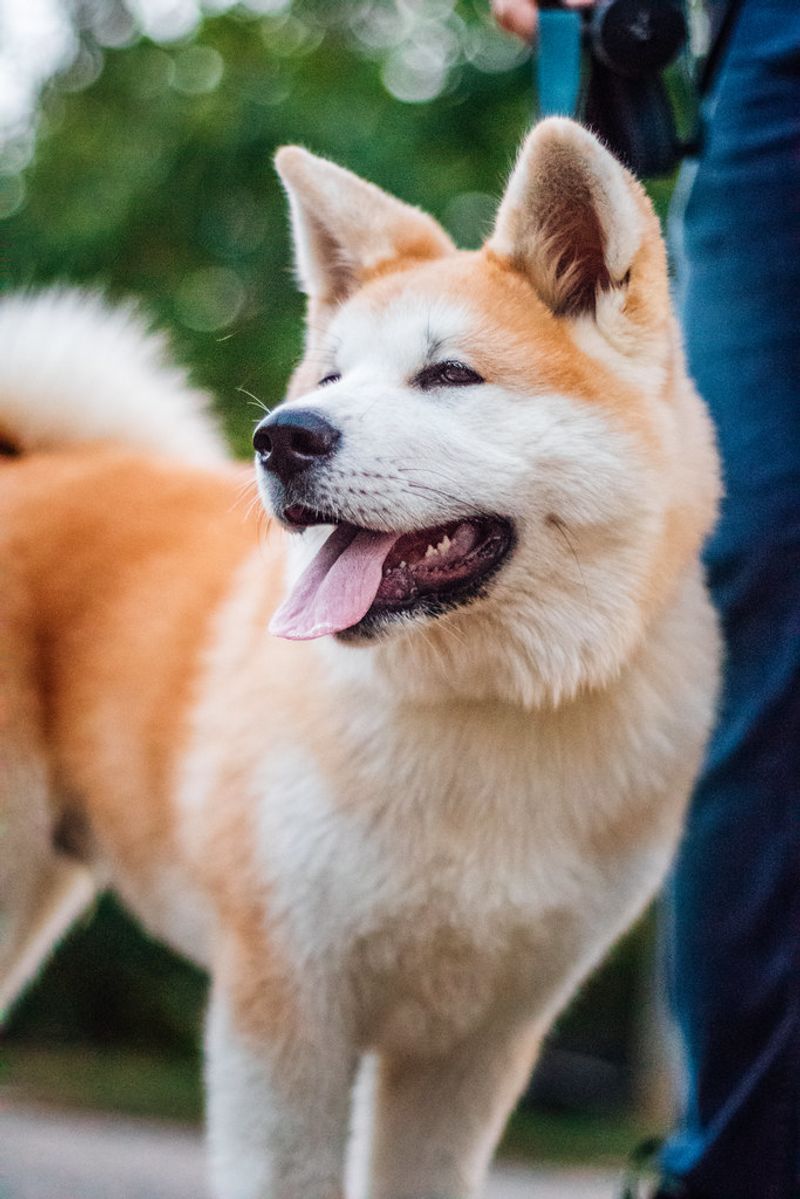
Quiet power describes the Akita better than loud excitement ever could. Many Akitas prefer to watch first, measure people carefully, and decide whether a situation deserves their energy.
Because they are serious dogs, social lessons should start early and stay positive. Invite calm introductions instead of chaotic greetings.
Owners who respect an Akita’s space often see a loyal protector who saves its big reactions for moments that truly seem important, rather than every little sound or surprise.
Standard Schnauzer
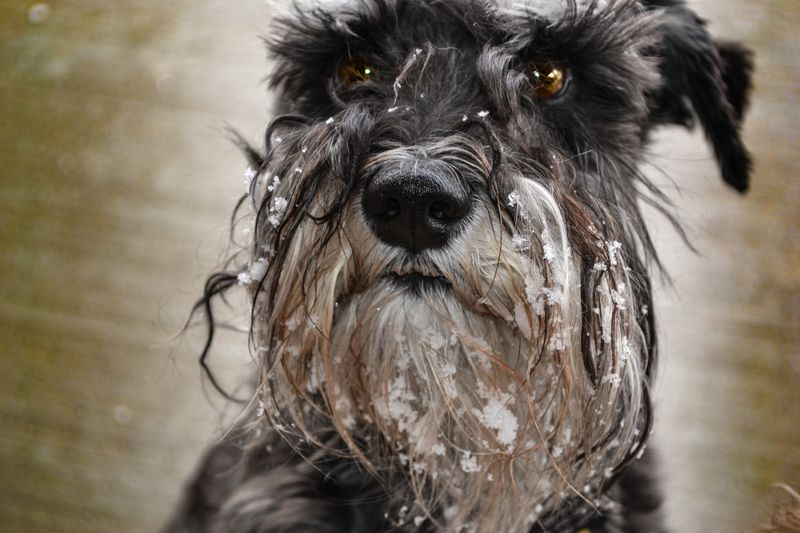
Sharp eyes and a sharper mind make the Standard Schnauzer feel almost like a tiny detective. Instead of charging ahead blindly, this breed often studies movement, sound, and body language before joining in.
Mental games are a smart way to keep that brain busy. Puzzle toys, short training sessions, and varied walks help prevent bored mischief.
When guided well, a Schnauzer becomes an alert companion that uses judgment, not just speed, when deciding what deserves a bark or chase.
Great Pyrenees
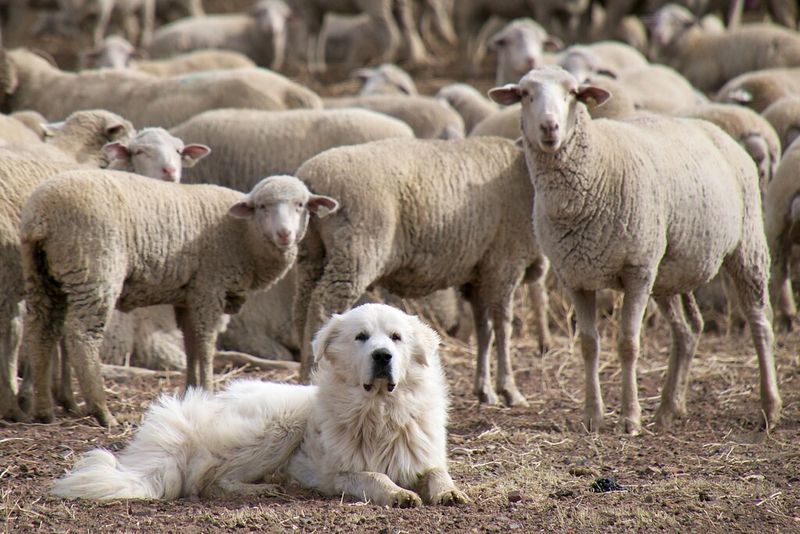
Picture a patient guard on a hill, scanning everything without hurry. That is the Great Pyrenees.
Bred to protect flocks, this dog often reads a situation from a distance before stepping in.
Families should understand that calm does not mean clueless. The breed is independent and likes having a reason for commands.
Steady routines, secure fencing, and gentle leadership work best. When trouble seems real, a Great Pyrenees can switch from peaceful observer to serious defender very quickly.
Chow Chow
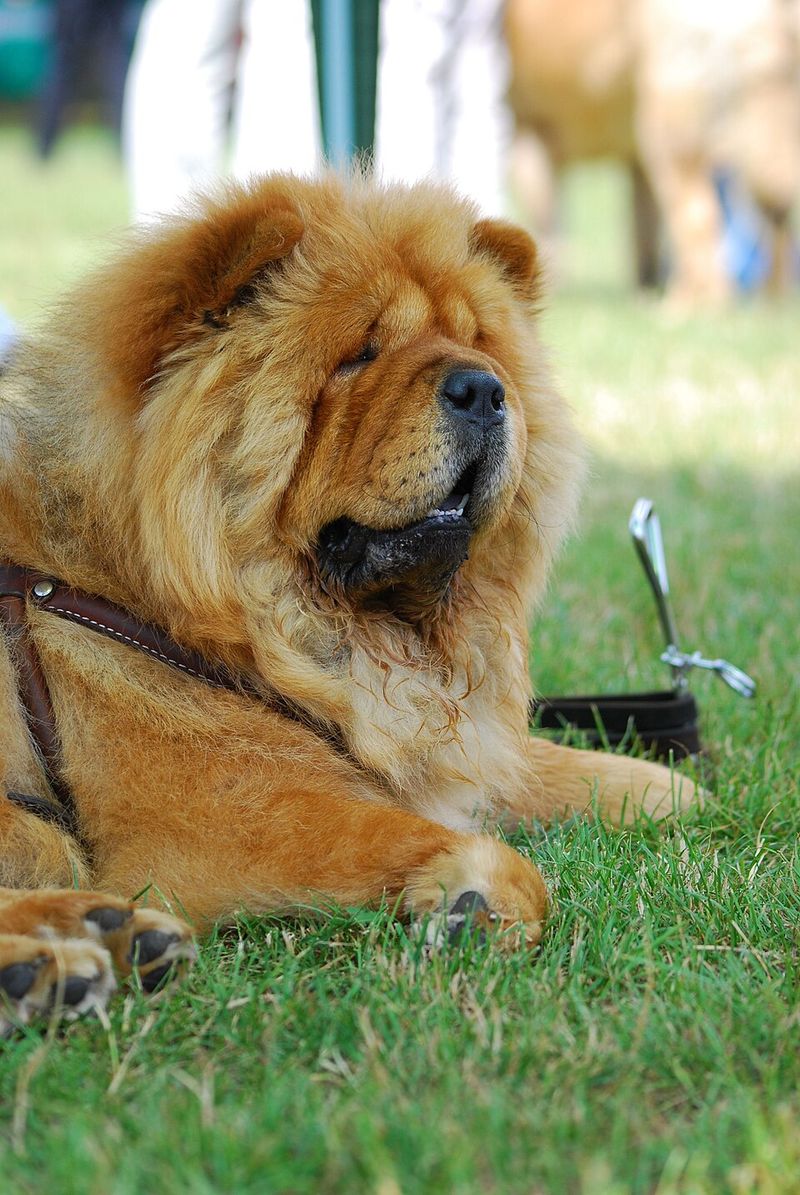
Reserved from the start, the Chow Chow rarely acts like every stranger is a new best friend. Many prefer to stand back, study faces, and decide who feels safe and worth trusting.
That thoughtful distance means owners should not force fast social moments. Let the dog approach at its own pace while rewarding calm behavior.
With patient handling, a Chow often shows steady devotion to its people and saves its opinions for moments when something truly seems off.
Scottish Terrier
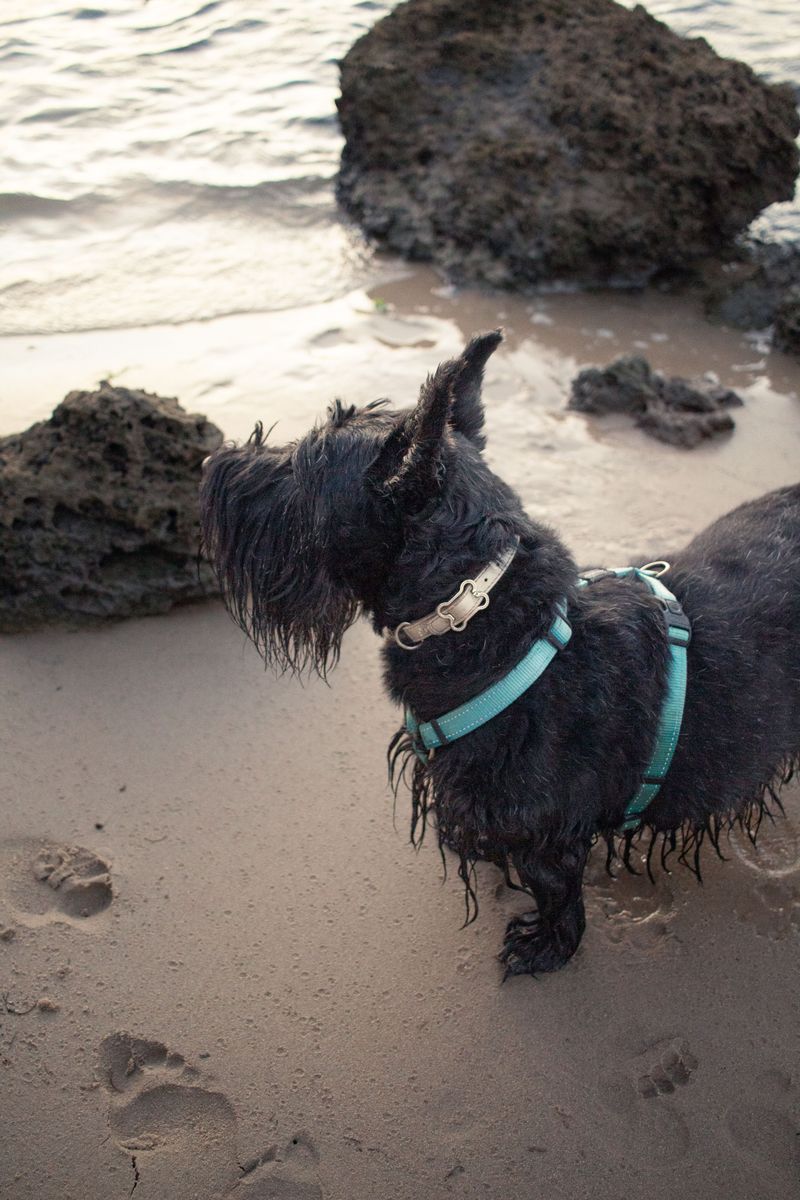
Small body, big opinions, and a stubborn little streak give the Scottish Terrier real character. Even so, many Scotties are not reckless.
They often inspect first, then commit with full confidence once they have made up their minds.
Training works best when it feels like a fair deal, not a lecture. Keep sessions short, cheerful, and consistent.
A Scottie that trusts your guidance is more likely to choose smart responses over unnecessary squabbles with bigger dogs or noisy distractions.
Basenji
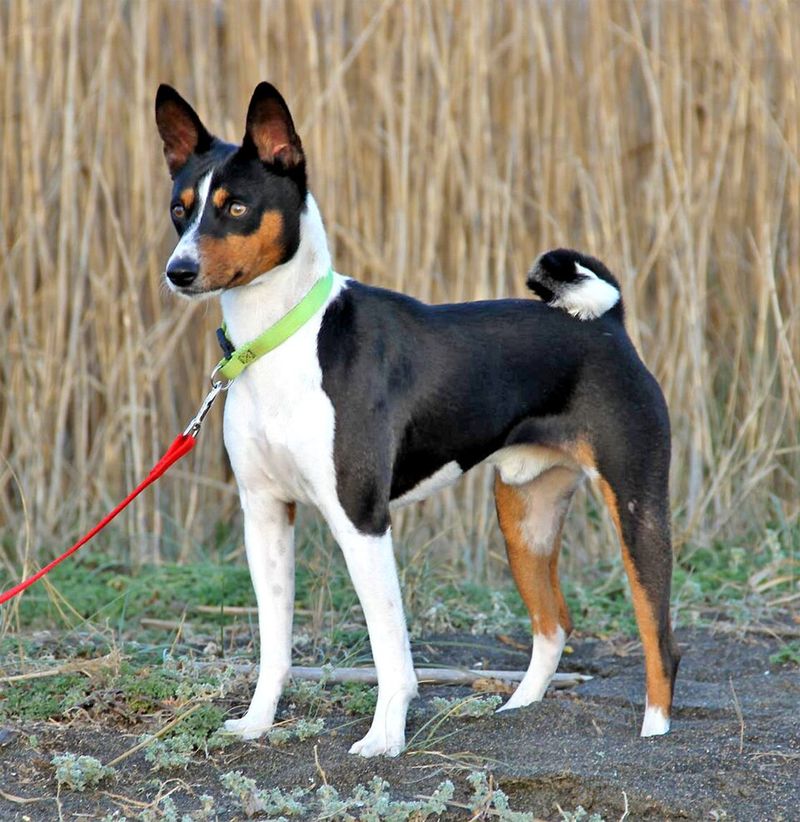
Almost cat-like in its habits, the Basenji tends to be curious without being careless. A strange sound or moving object often gets a thoughtful stare first, as if the dog is running a private risk check.
Because Basenjis are clever escape artists, secure spaces matter a lot. Use games, scent work, and patient training to keep their minds engaged.
When bored, they invent trouble. When challenged in the right ways, they show off their sharp judgment and lively problem-solving skills.
Anatolian Shepherd Dog
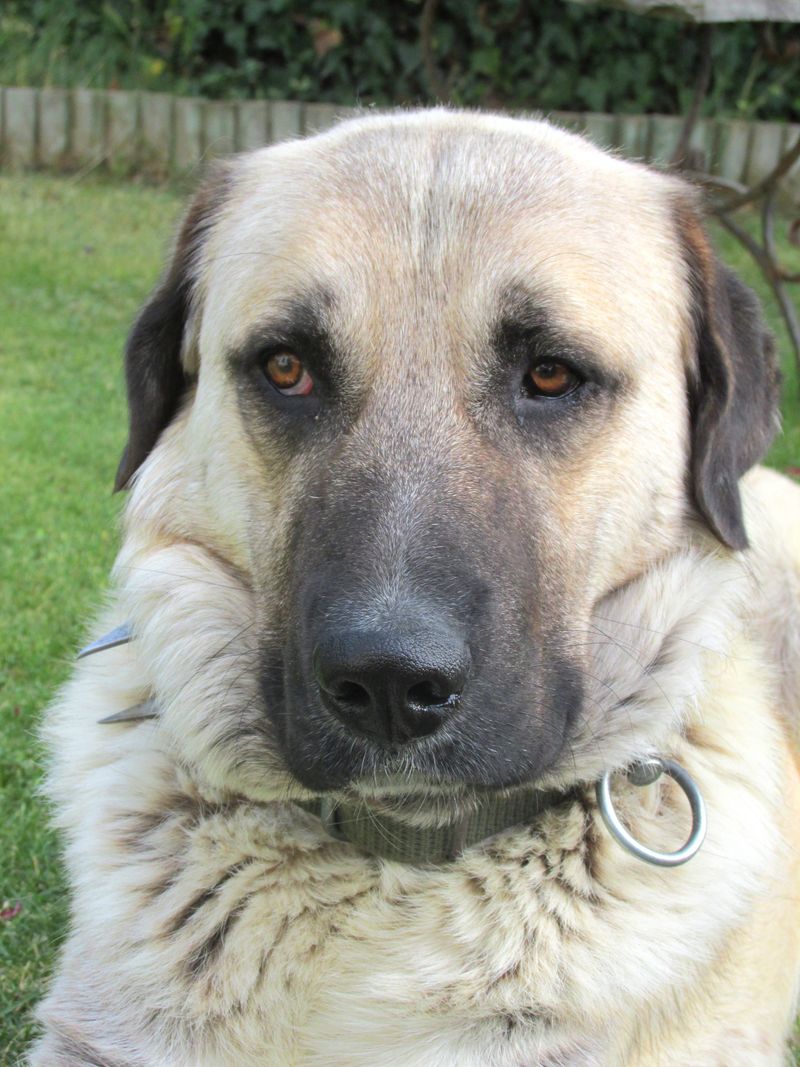
Built to guard with brains, the Anatolian Shepherd Dog is famous for sizing things up. It does not waste effort on every tiny sound.
Instead, it watches, compares, and reacts when the problem seems real.
That independence can surprise first-time owners. Early training, strong boundaries, and proper socialization are essential, especially because this breed grows large and confident.
Given a job and enough space, an Anatolian often proves that patience and judgment can be just as powerful as speed.
Shiba Inu
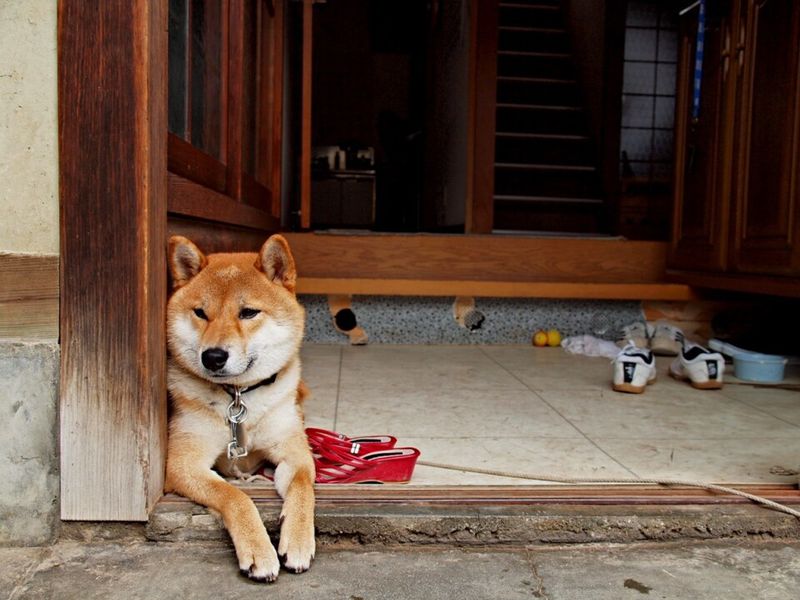
One look from a Shiba Inu can feel like a full review of your life choices. This breed is famous for independence, and that often shows up as careful judgment before joining any chaos.
Owners should expect a dog with ideas of its own. Use rewards, patience, and humor, because force usually backfires.
A well-managed Shiba often avoids pointless drama, choosing instead to observe, think, and then decide whether the situation deserves attention, effort, or a quick turn away.
Saluki
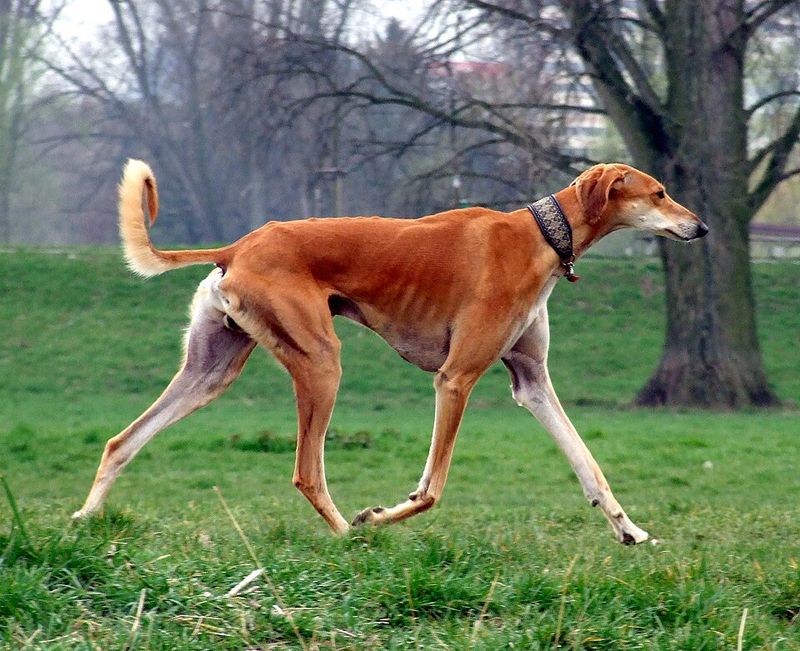
Grace comes easy to the Saluki, but wild impulsive behavior usually does not. Before sprinting after movement, many Salukis take a brief but noticeable moment to lock in, focus, and judge what they see.
Because they are sensitive dogs, harsh correction can shut them down. Gentle training and safe enclosed spaces are better choices.
Owners who understand their quiet style often notice a refined hunter’s mind, one that saves its energy for pursuits that seem interesting, meaningful, or real.
Afghan Hound
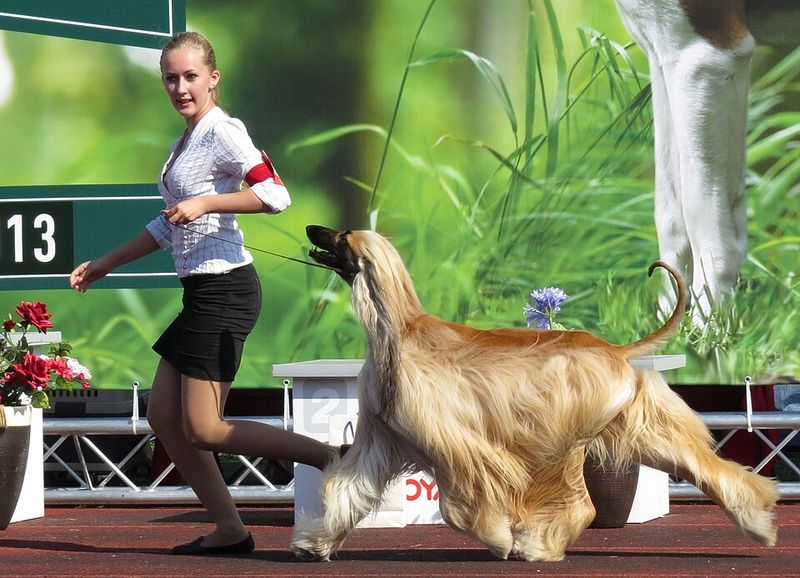
Drama in motion, the Afghan Hound may look fancy, but there is real thought behind that distant expression. Many Afghans seem to weigh a situation carefully before deciding whether it deserves their time, energy, or glorious attention.
Living happily with one means accepting a touch of independence. Keep training upbeat, brief, and interesting, since repetition can bore them fast.
When respected, an Afghan often reveals sharp awareness, surprising sensitivity, and a selective style that keeps it from rushing headfirst into every messy moment.