
Some dogs are fine with a little space, but others really need to feel like part of the family. When certain breeds are left out too often, their mood and behavior can shift in ways owners do not expect.
That can mean barking, chewing, pacing, or acting extra clingy. Knowing which dogs need close daily connection can help families build happier homes for everyone.
Vizsla

Some dogs act like shadows, and the Vizsla is one of them. This lean, lively breed loves being near people and can become worried when left out of daily family routines.
Without enough closeness, exercise, and games, a Vizsla may bark, chew, or pace around the house. Bring this dog into walks, training time, and quiet evenings too.
A connected Vizsla usually stays calmer, brighter, and much easier to live with for everyone at home.
Boxer
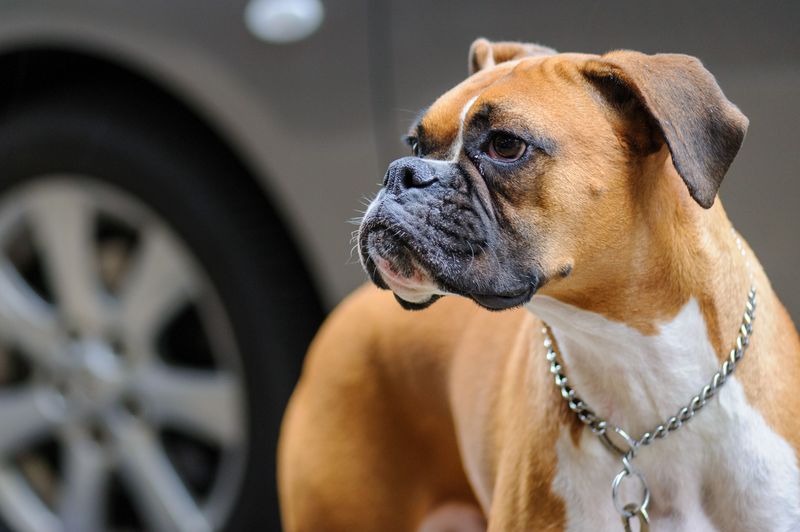
Clownish energy can hide a sensitive side, especially in a Boxer. Behind the bouncing body is a dog that craves shared fun, clear rules, and regular time with its people.
If family life happens around the dog instead of with it, frustration can build fast. A Boxer may jump, mouth, or act wildly to get attention.
Daily play, short training sessions, and calm affection help this breed feel included and settled in the home daily.
English Cocker Spaniel

Soft ears and bright eyes make the English Cocker Spaniel look cheerful, but feelings run deep in this breed. It often notices tension, changes, and long hours of being ignored.
When family contact shrinks, some Cockers grow clingy, noisy, or even snappy from stress. Gentle routines, scent games, and kind attention work better than harsh corrections.
Keeping this dog close to everyday life helps its sweet spirit stay steady through busy seasons at home too.
Doberman Pinscher
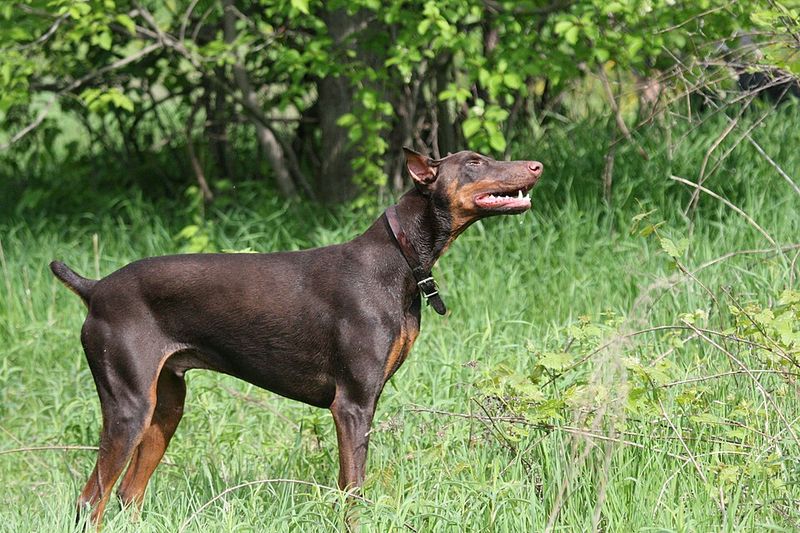
Few breeds watch a room like a Doberman Pinscher. Loyal to the core, this sharp dog wants a job, trusted guidance, and a real place within the family circle.
Shut out from normal home life, it may become overly suspicious or hard to manage. Strong training, regular outings, and safe chances to relax with people matter a lot.
When respect and togetherness are present, a Doberman is often steadier, more confident, and less reactive overall.
Havanese

A Havanese can turn any couch into a party, then melt into your lap five minutes later. This small companion breed was built for close company, not a lonely corner of the house.
When pushed aside too often, it may whine, follow constantly, or start trouble with barking. Short games, family cuddles, and simple tricks keep its busy mind happy.
Include this dog in little daily moments, and behavior problems are less likely to appear.
Labrador Retriever
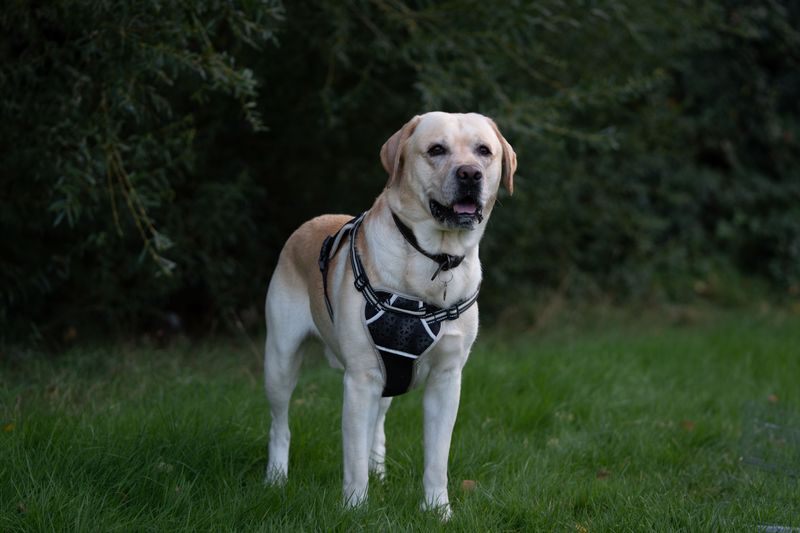
People see the Labrador Retriever as easygoing, yet that friendly image can fool families. Labs thrive on teamwork, movement, and being part of whatever the household is doing.
Left on the sidelines, many find their own entertainment by stealing food, chewing objects, or bouncing through rooms. Steady exercise, fetch, and helpful tasks channel their enthusiasm well.
A Labrador that feels involved is usually more polite, more focused, and happier around everyone during busy family days.
Australian Shepherd
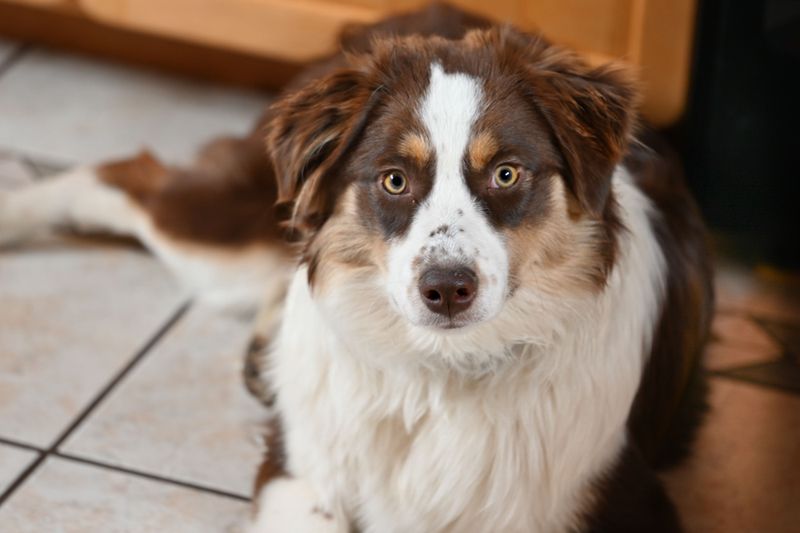
Brains race fast in an Australian Shepherd, and boredom shows almost immediately. Although beautiful and athletic, this breed often struggles when family members forget to give it work and attention.
Aussies may herd children, nip heels, or invent noisy habits if daily life feels empty. Puzzle toys, training challenges, and active outings make a big difference.
Let this dog learn, move, and join the group, and its behavior often becomes much more balanced at home.
Cavalier King Charles Spaniel

Big round eyes give the Cavalier King Charles Spaniel a tender look, but this breed is not made for distance. It bonds closely and often feels safest when people are nearby and life is predictable.
When ignored or excluded, sadness can show up as clinginess, restlessness, or indoor accidents. Cozy routines, gentle play, and plenty of together time support better habits.
A well-included Cavalier usually responds with calmer behavior and a brighter mood each day.
Brittany
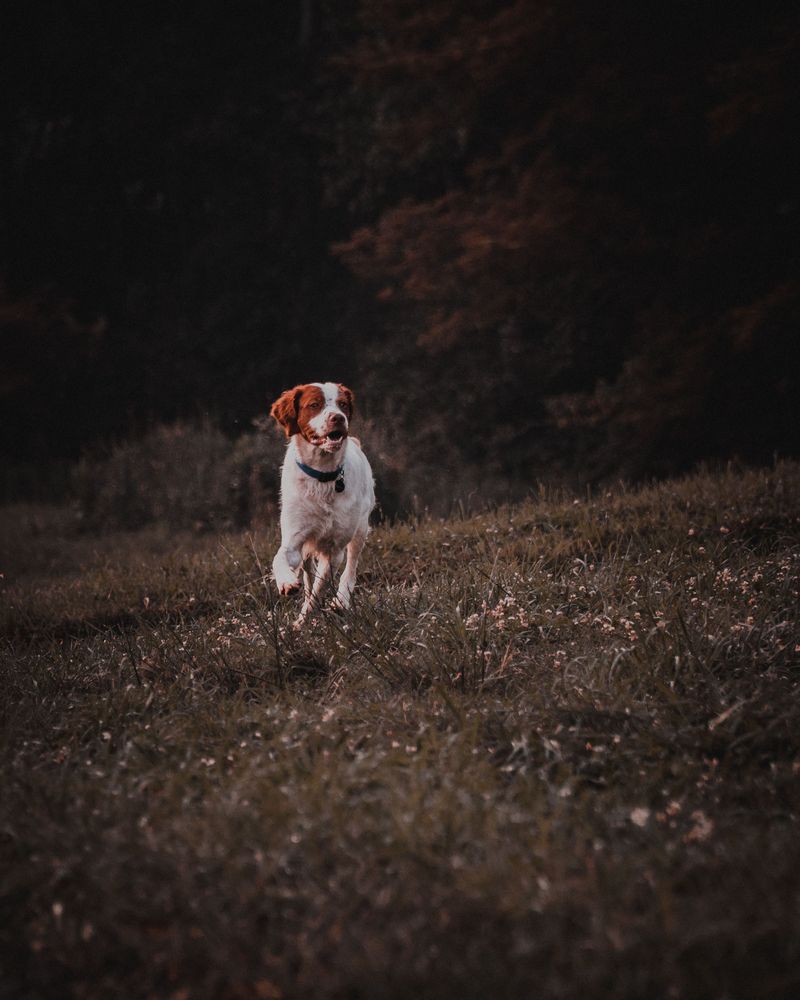
A Brittany seems powered by springs, curiosity, and fresh air. Originally bred for field work, this upbeat dog usually does best when family life includes movement, shared outings, and interesting things to do.
Without enough connection, some Brittanys become restless, noisy, or too wild indoors. Running games, scent activities, and training with praise help use that energy wisely.
Keep this breed busy and involved, and you will often see a more thoughtful, settled companion there.
German Shepherd
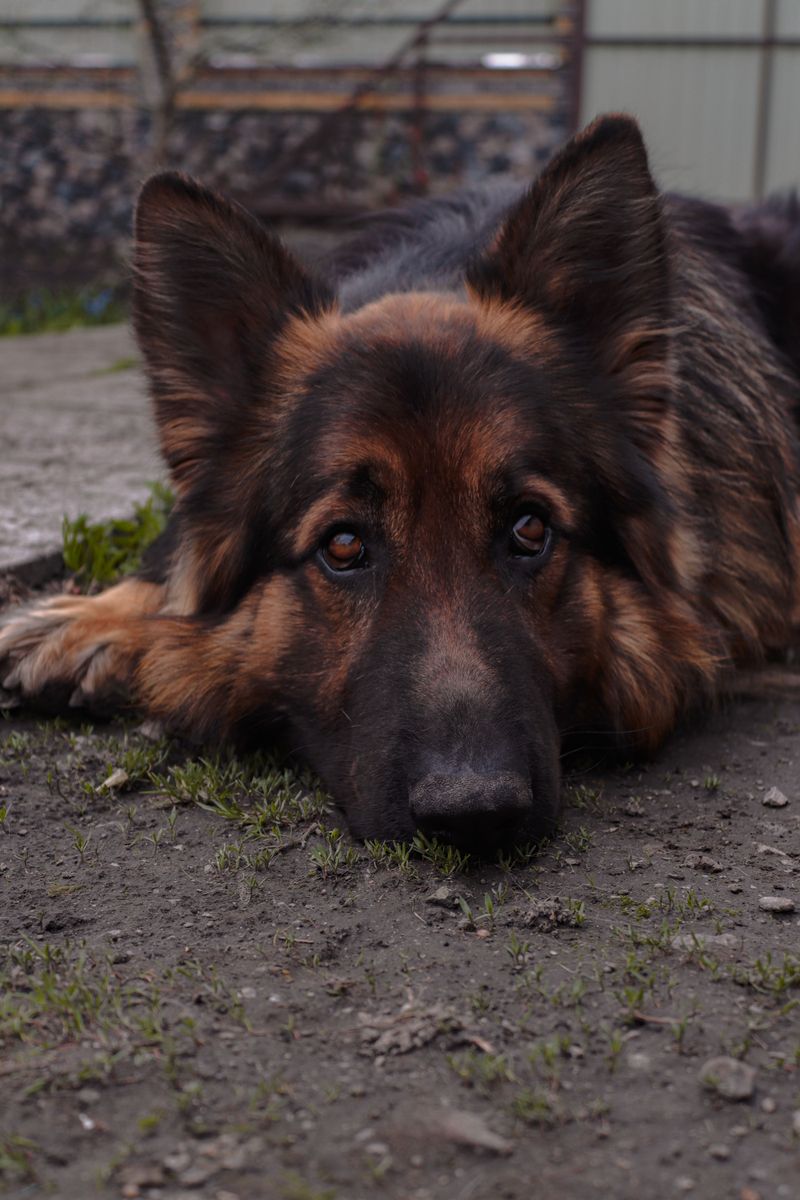
Strong, smart, and deeply loyal, the German Shepherd notices everything. That alert mind needs daily contact with its family, along with training, purpose, and chances to settle in a familiar routine.
When kept apart too much, the breed can grow anxious, destructive, or overprotective. Clear boundaries, jobs like carrying toys, and shared walks help shape better behavior.
A German Shepherd that feels included often becomes more dependable, calmer indoors, and easier for families to understand.