People often blame a dog breed first when they hear about a bite. But breed reputation only shows part of the picture.
Training, daily care, stress, pain, fear, and the situation around the dog can matter even more. Looking at the full story helps families make safer, smarter choices.
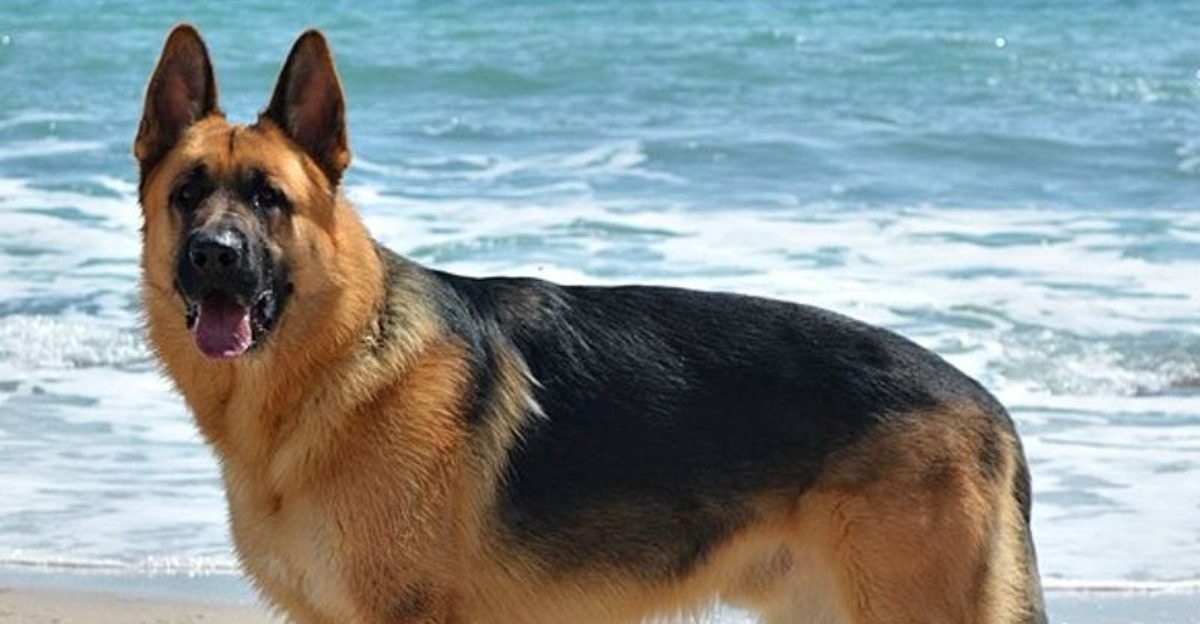
German Shepherd
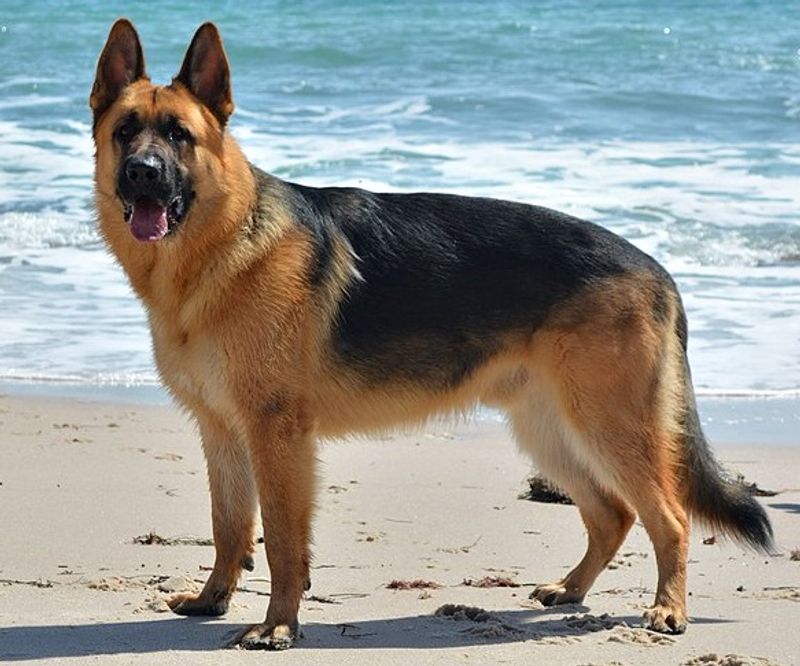
A police-dog image can make German Shepherds seem scary, yet many are steady family pets when guided well. Early social time, calm handling, and clear rules shape how they react around strangers, noise, and stress.
Trouble grows when a strong, smart dog is bored, isolated, or pushed too hard. Owners lower bite risk by rewarding good choices, teaching polite greetings, and watching body language before excitement turns into a bad moment for everyone nearby each day.
Rottweiler
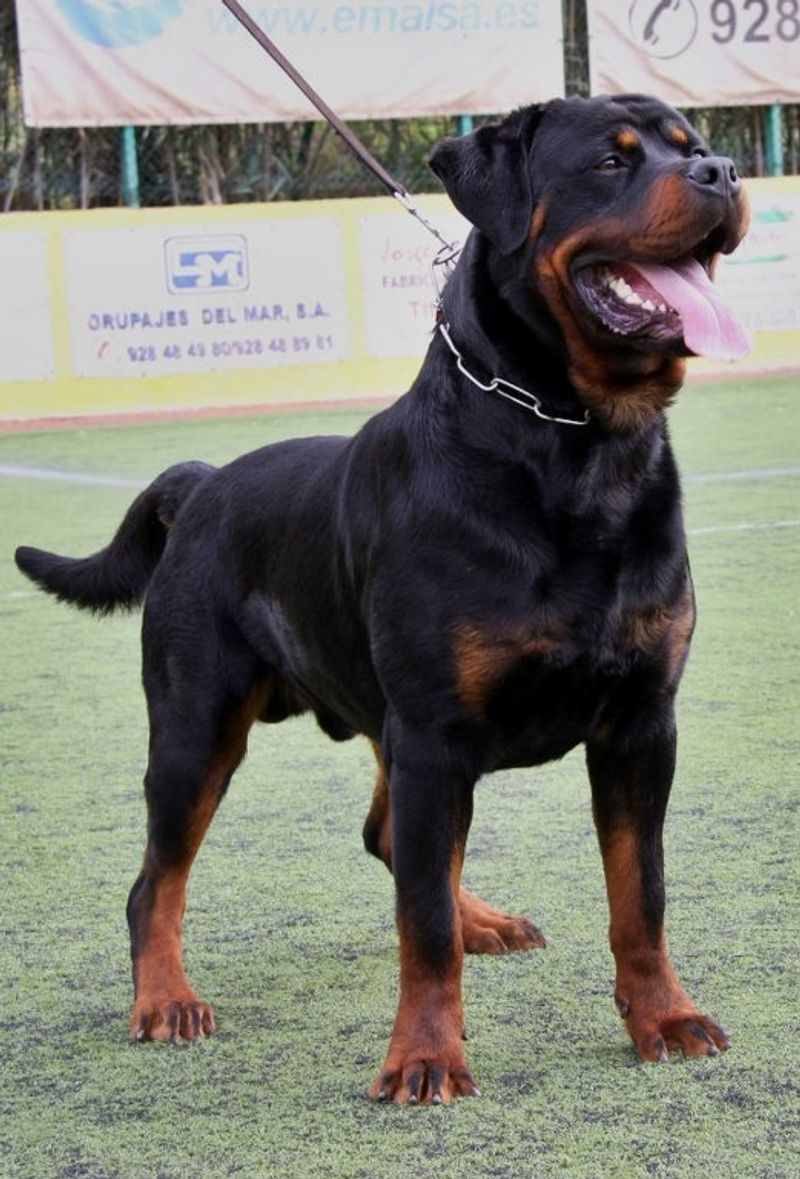
Big muscles often steal the spotlight with Rottweilers, but size alone does not predict a bite. Patient training, daily structure, and kind exposure to people help this breed feel secure instead of defensive.
Problems are more likely when rough play, fear, or guarding is ignored. Families can reduce risk by teaching trading games, managing visitors carefully, and giving the dog a quiet place to relax when life gets loud or confusing for many busy homes.
American Staffordshire Terrier
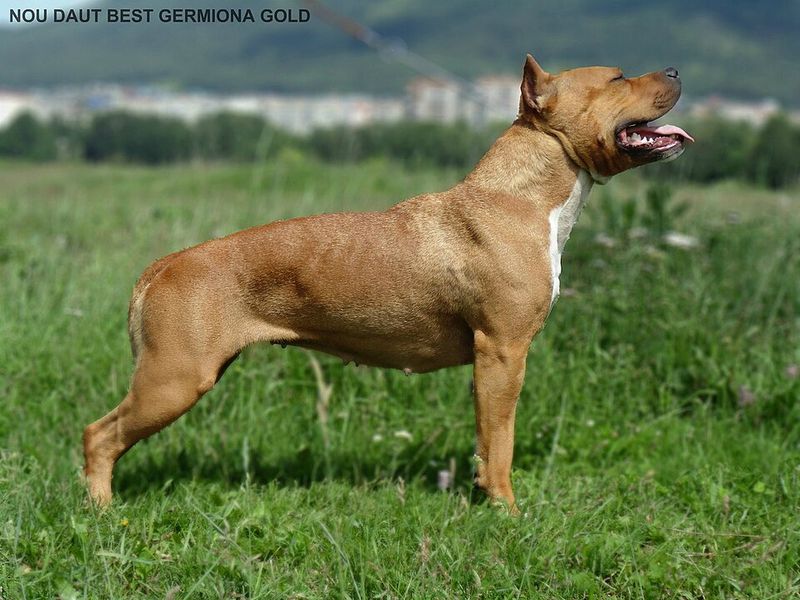
American Staffordshire Terriers carry a heavy reputation, and that can hide the bigger picture. A dog raised with patient guidance, safe social practice, and outlets for energy is far less likely to respond with panic or frustration.
Risk climbs when teasing, chained isolation, or tense handling become normal. Smart owners use leash skills, break from overstimulating scenes, and praise calm behavior so strength is paired with trust, not pressure or fear during hard daily moments.
Chihuahua
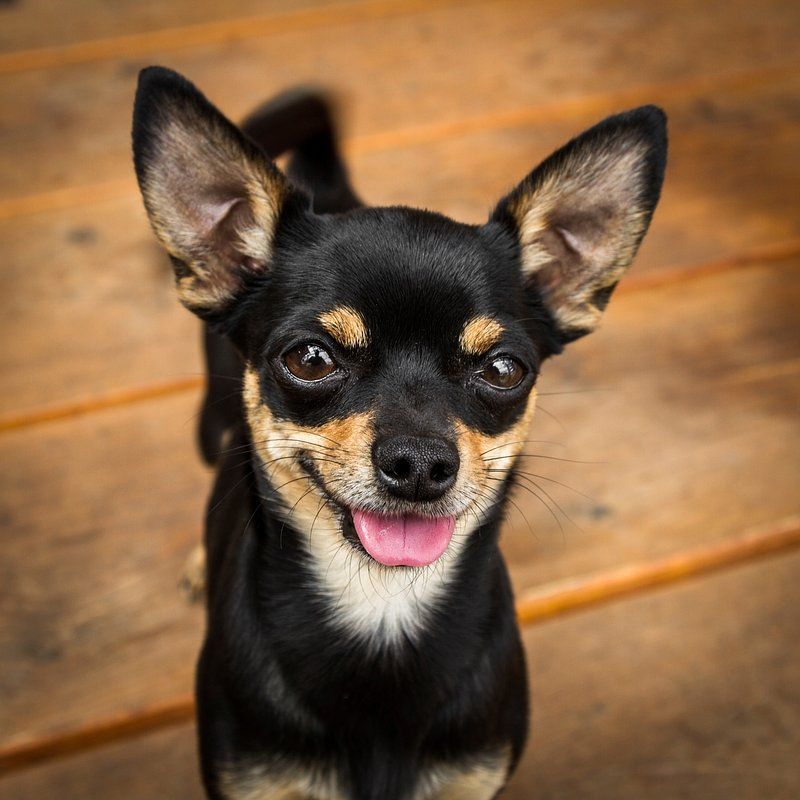
Tiny bodies fool people into laughing off warning signs in Chihuahuas. When growls are ignored or the dog is grabbed like a toy, fear can build fast and lead to a quick snap.
Better habits make a real difference. Respecting space, teaching children gentle touches, and rewarding calm behavior around feet, laps, and busy doorways help this little dog feel safe, which lowers the chance of bites more than breed jokes ever will for owners.
Jack Russell Terrier
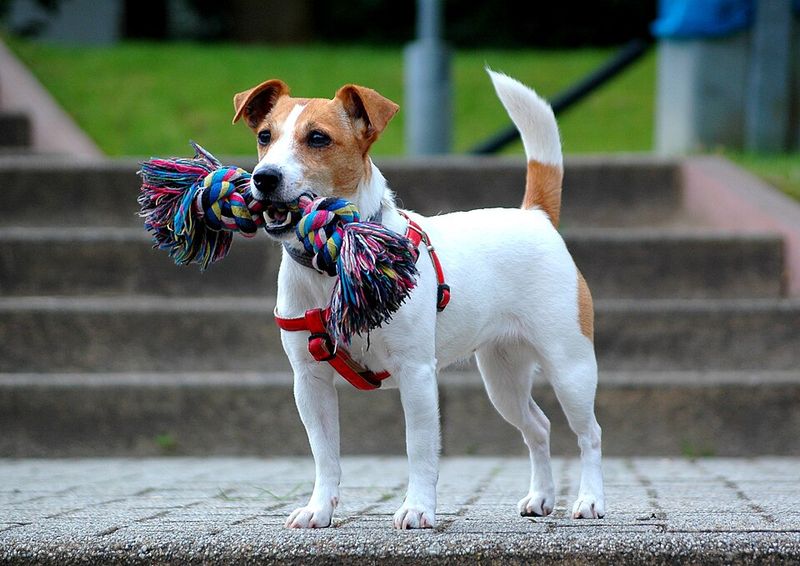
Like a wound-up spring, a Jack Russell Terrier can go from playful to overwhelmed in seconds. High energy is not meanness, but without training and games that use the brain, frustration may spill over into nipping.
Busy households should plan short lessons, safe chew time, and breaks from chaotic chasing. Reading signs like stiff posture or sharp barking helps adults step in early and keep excitement from becoming a bite situation during rough play periods.
Dachshund
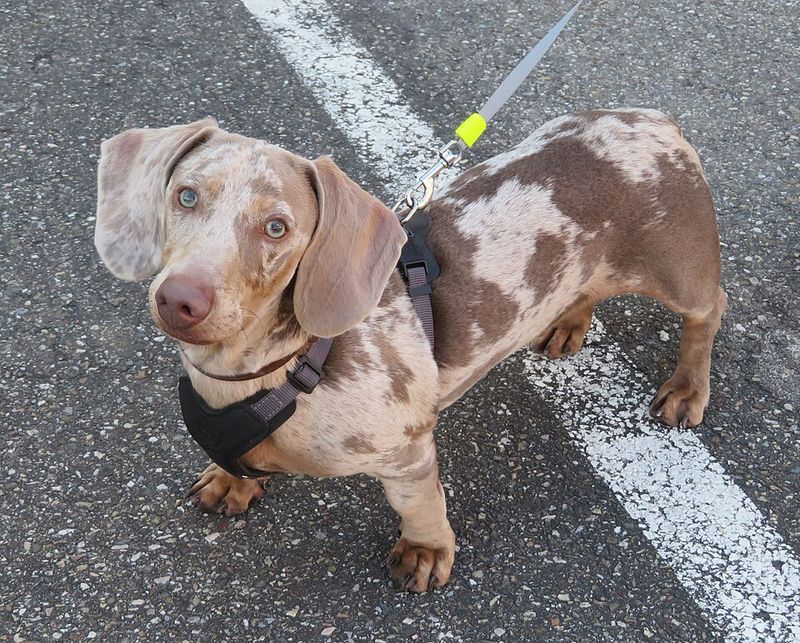
Dachshunds may look funny and fearless, and many act bigger than their bodies. That bold streak can mix badly with pain, surprise, or guarding favorite people, especially if no one teaches calm ways to cope.
Because long backs can hurt, gentle handling matters a lot. Lifting carefully, preventing teasing, and helping the dog move away from stress can stop defensive bites before they happen, showing that comfort and respect often matter more than breed labels.
Siberian Husky
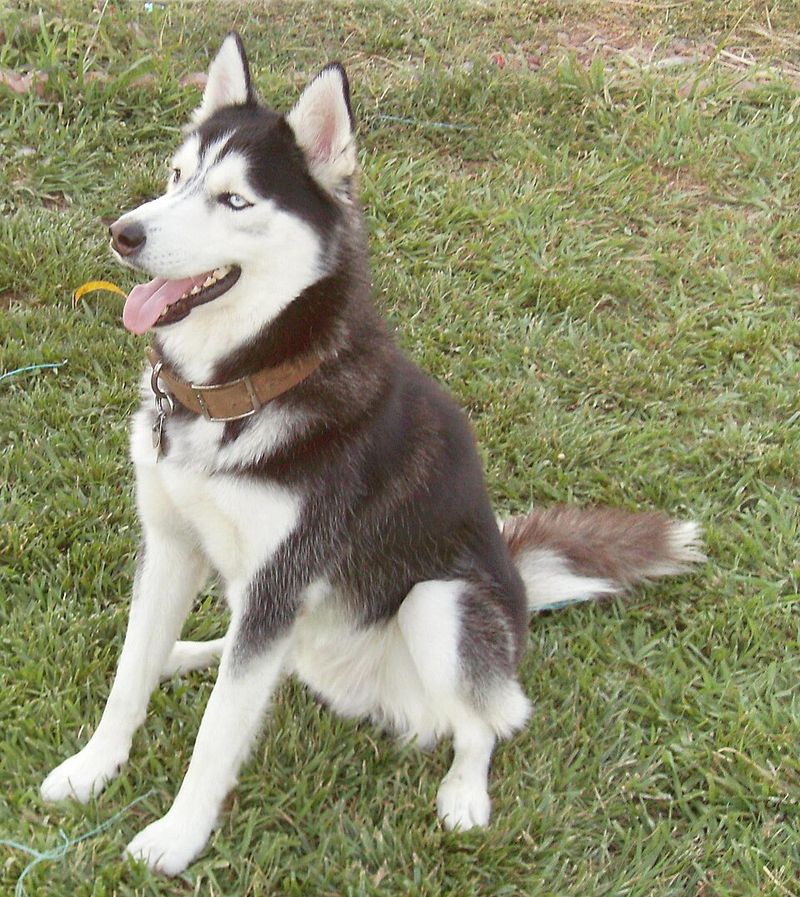
Snow-dog looks give Siberian Huskies a wild, free-spirited charm, yet trouble usually starts with unmet needs. A bored husky that lacks exercise, routine, and calm boundaries may become mouthy, pushy, or reactive when stress piles up.
Good management changes the story. Long walks, puzzle feeders, and practice around handling, food, and guests teach self-control, while secure fences and supervision prevent stressful escapes that can place the dog in risky situations with strangers or other animals nearby.
Akita
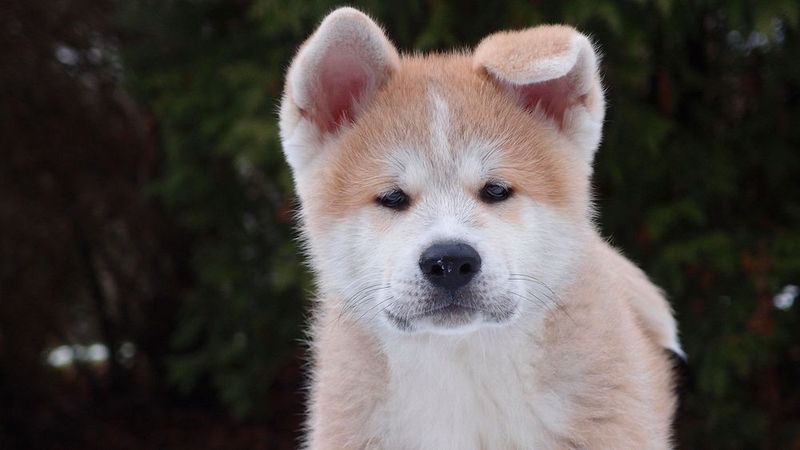
Quiet dogs can be the hardest to read, and Akitas often speak softly with their bodies. Serious guarding instincts need an owner who notices tension early and teaches calm routines around food, toys, doors, and unfamiliar people.
Respect goes a long way here. Pressuring an uneasy Akita, forcing greetings, or skipping training can raise bite risk, while boundaries, introductions, and a safe retreat space help the dog choose distance instead of conflict when feeling unsure.
Chow Chow
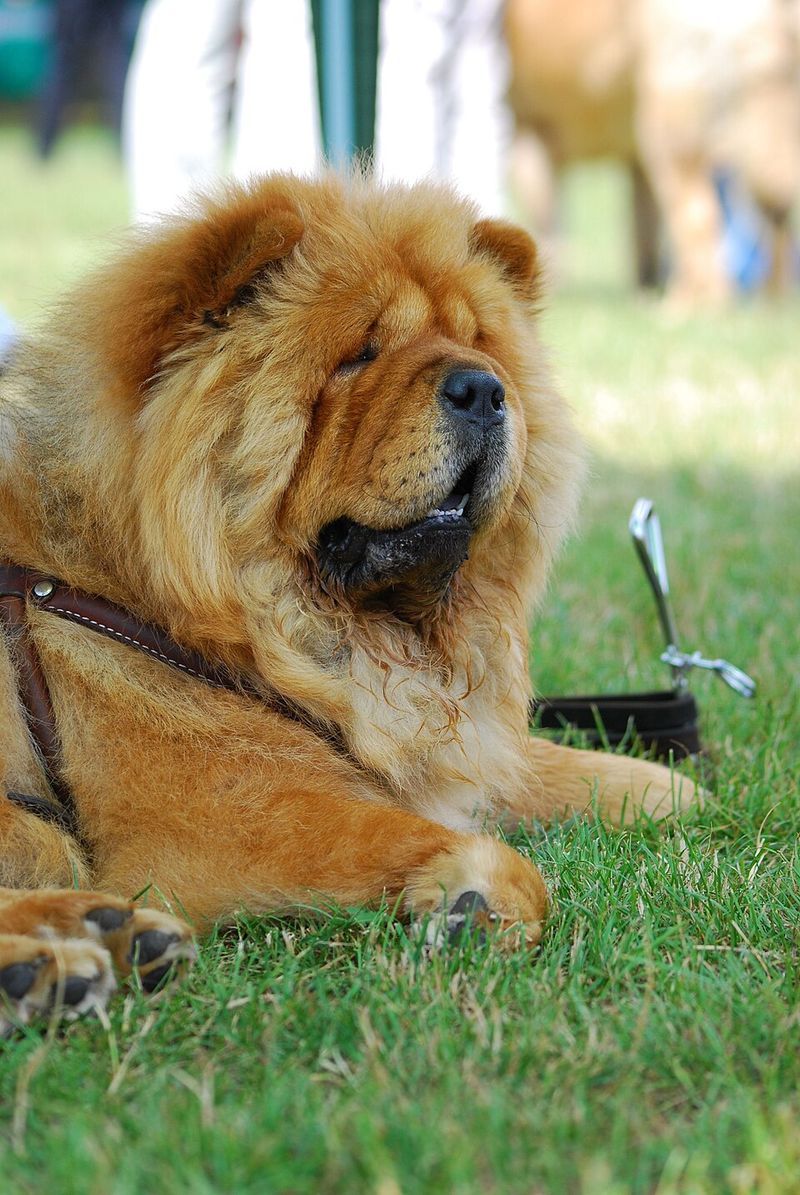
A lion-like coat can distract from the fact that Chow Chows often dislike too much fuss. Many do best when people slow down, skip pushy petting, and let trust grow at the dog’s pace instead of demanding instant friendliness.
Misread signals are a common problem. Families lower bite risk by supervising visitors, teaching kids not to hug or corner the dog, and rewarding calm behavior, proving that manners and space shape outcomes better than stereotypes.
Doberman Pinscher
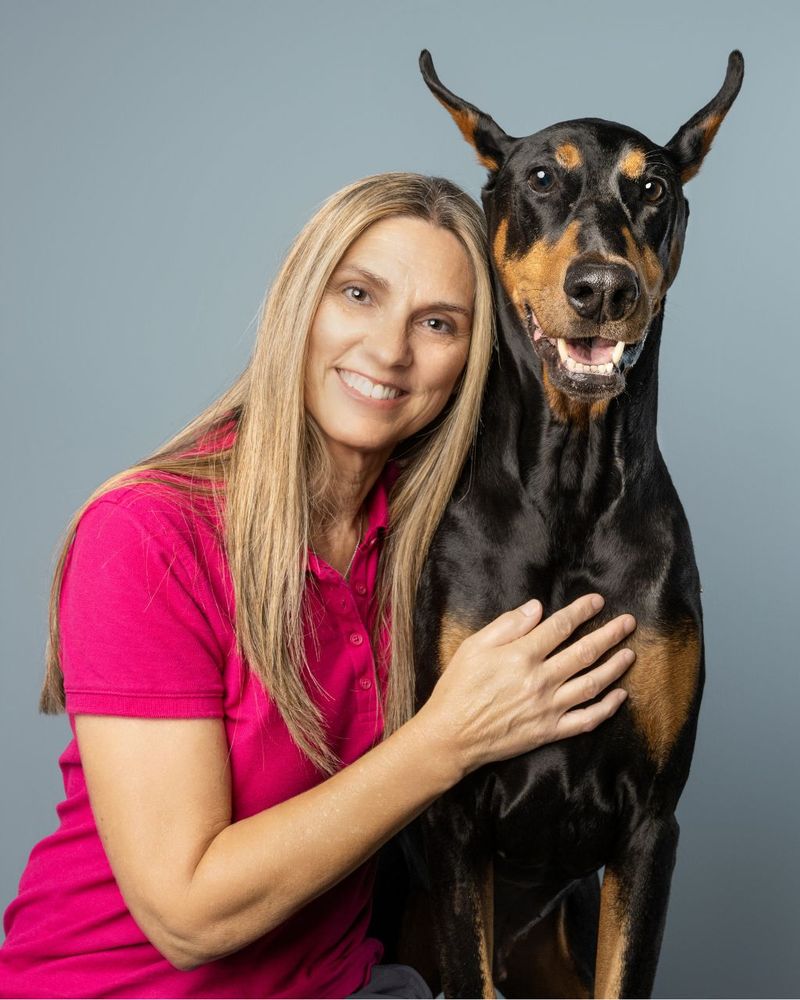
Sleek and alert, the Doberman Pinscher often gets judged before anyone meets the dog. In real life, bite risk depends far more on social learning, steady leadership, and whether the dog feels safe in confusing situations.
Harsh methods can backfire with a sensitive, watchful breed. Clear commands, reward-based practice, and controlled exposure to new places help build confidence, so the dog responds with focus instead of fear when startled, crowded, or challenged by sudden movement.