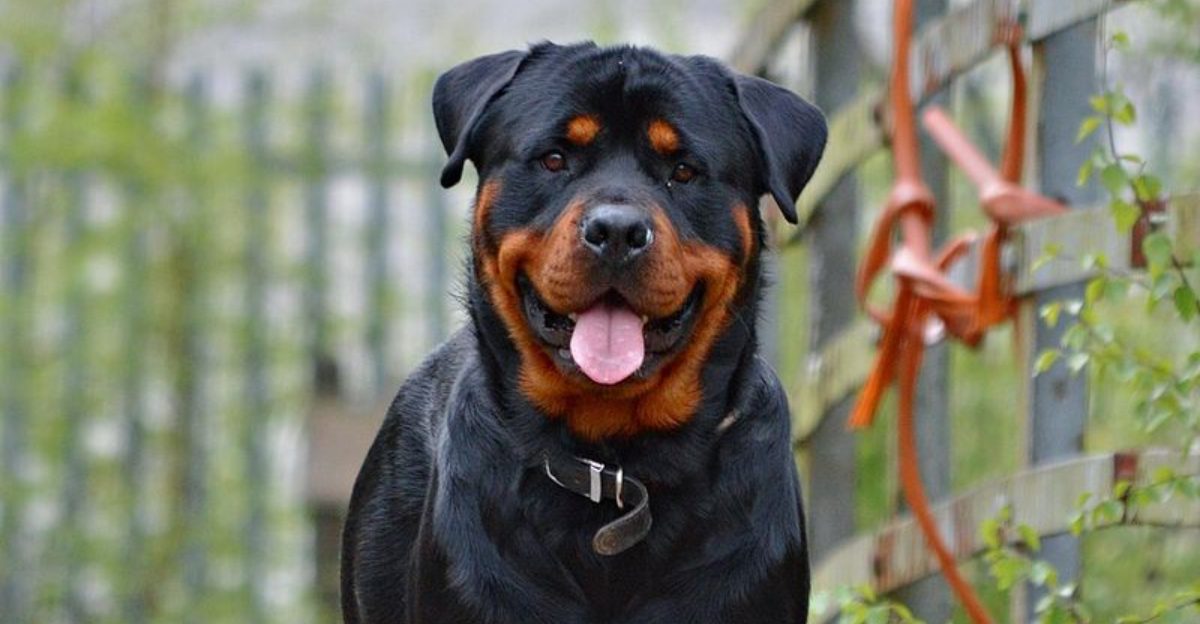
Giant dogs can fill a home with love, but they also bring big needs. Strong bodies, large appetites, and special training make a real difference.
When owners prepare well, these dogs stay safe, happy, and calm. Read on to learn what caring for a supersized friend really involves.
Great Dane
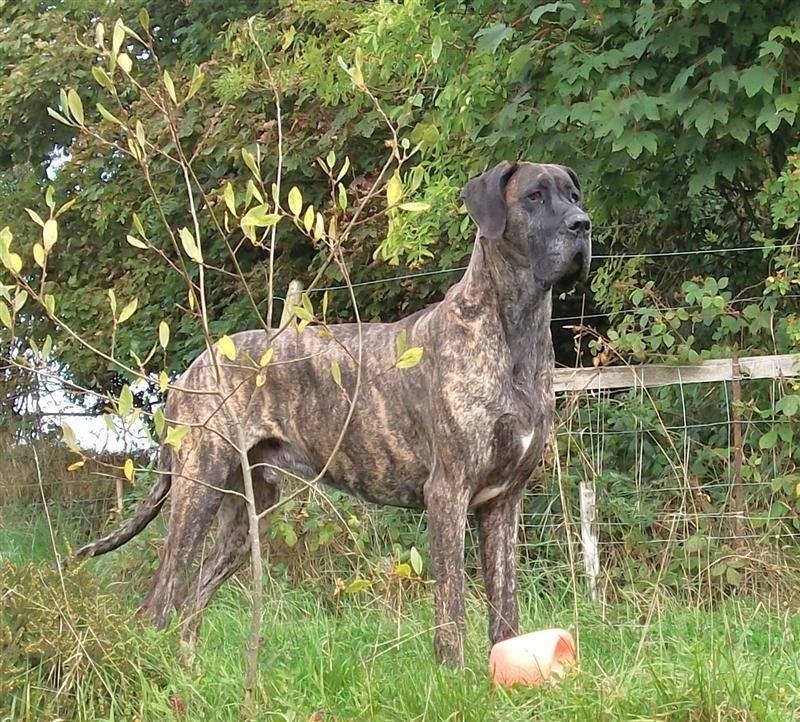
One look at those long legs and you know space matters. Great Danes stretch out on couches, lean on people, and need sturdy gear.
Height also means counter surfing risks and tail level breakage and vase casualties.
Daily walks keep joints happy, while short play keeps excitement in check. Plan for big vet bills, high quality food, and training that builds calm manners early.
Gentle handling and solid boundaries help this soft heart feel safe.
Saint Bernard
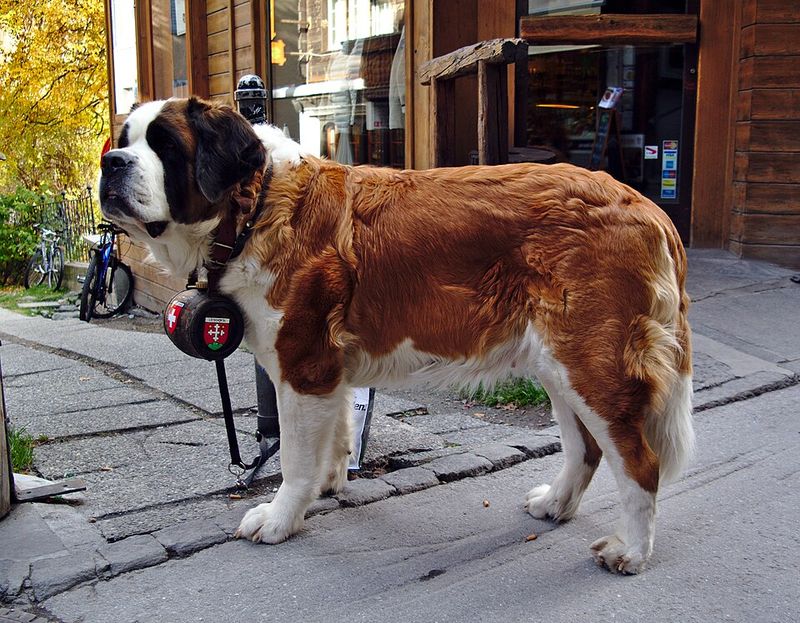
Snow stories made them famous, but drool tells daily life. Families should expect slobber on walls, jackets, and car windows.
Heat management matters, so air conditioning and cool water are must haves in summer.
Regular grooming keeps the coat clean, and steady exercise prevents stiffness. Training with kindness builds trust, while clear rules stop pushy greetings at the door.
Budget for heavy food needs, joint care, and a strong harness for control on city walks.
Mastiff
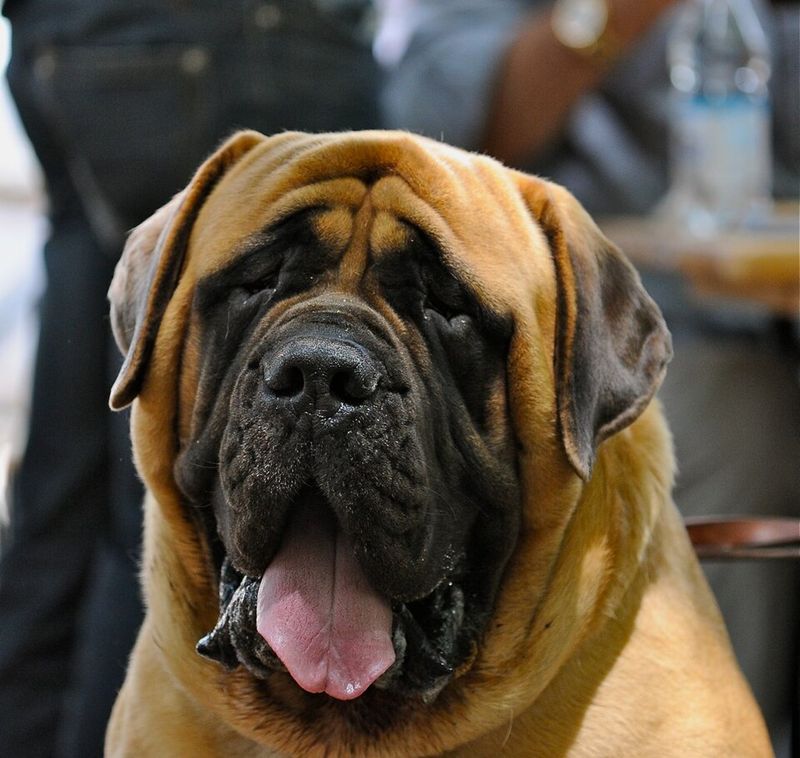
Quiet power lives behind those watchful eyes. Mastiffs are calm indoors, yet their size turns small mistakes into big trouble.
Guests must learn calm greetings and no sudden hugs.
Early social time prevents fear, and short training sessions fit their patient style. You will need durable beds, wide water bowls, and a plan for stairs as joints age.
Veterinary insurance helps when treatment costs rise.
Newfoundland
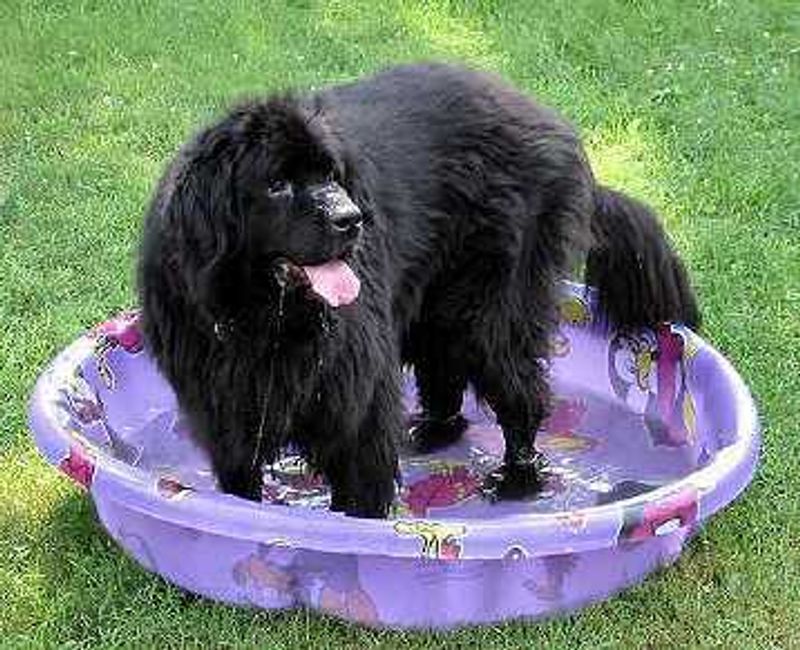
With a heart as big as its paws, the Newfoundland loves to help. Water rescues shaped the breed, so swimming and safety training feel natural.
Drool towels near doors make life easier after walks and car rides daily too.
Thick coats trap dirt and water, meaning frequent brushing and careful drying. Watch heat, keep puddles clean, and teach polite leash skills for crowded parks.
Food plans should balance growth to protect joints during puppy months.
Cane Corso
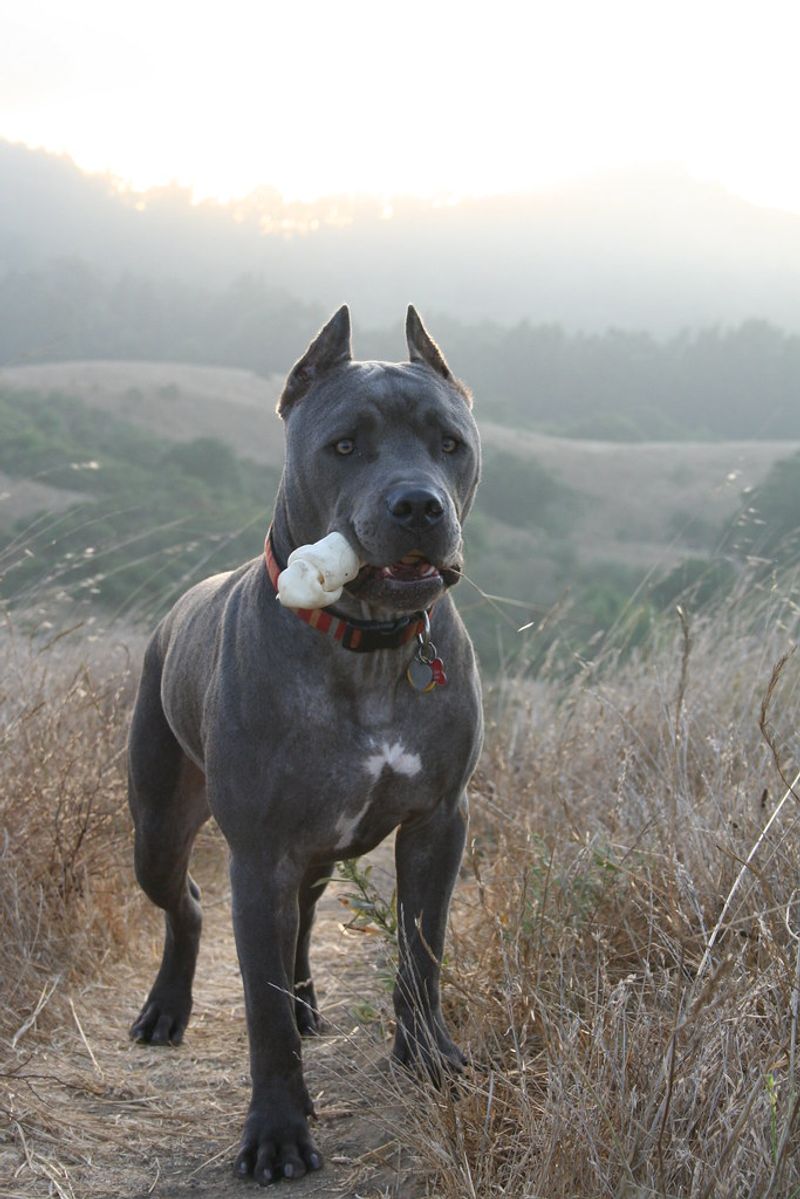
Confidence shows in every step, which means leadership from day one. Cane Corsos thrive with jobs like obedience, tracking, or protection sports under qualified coaches.
Without direction, boredom can lead to guarding or rough play very quickly.
Clear structure reduces reactivity, and controlled social sessions teach polite choices. Invest in strong gates, reliable muzzles for training, and consistent recall practice around distractions.
Health screens and insurance protect your wallet if hips or elbows need care.
Great Pyrenees
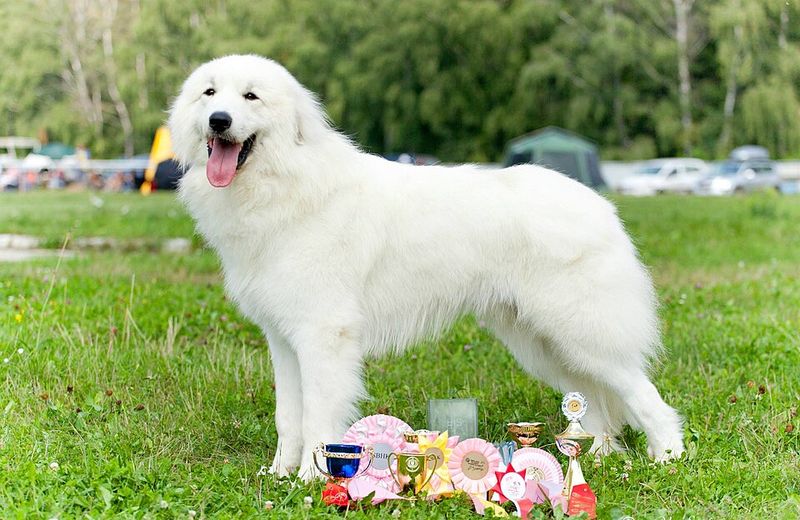
Night singing across a pasture is their idea of work. Great Pyrenees were bred to guard flocks, so barking and patrolling feel normal.
Apartment life can work only with diligent exercise and soundproof patience plus early social lessons outings.
Secure fencing keeps neighbors happy, and calm training channels independence into cooperation. Groom weekly, cool them in summer, and provide honest jobs like carting or scent games.
Expect slow recall, so use long lines during hikes.
Irish Wolfhound
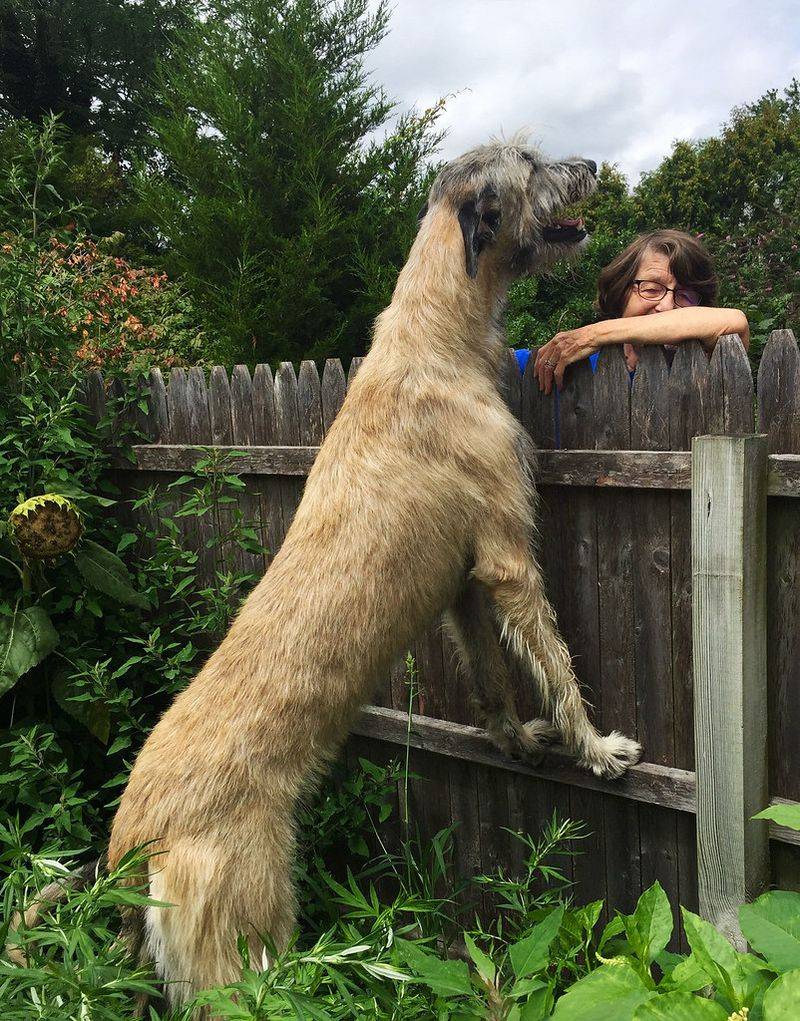
A sprinting giant can reach highway speeds in a few strides. Irish Wolfhounds need safe, fenced areas and careful leash manners around wildlife.
Soft beds and carpet runners help prevent slips on hard floors during senior years.
Short bursts of play suit their bodies, while long naps protect growing bones. Plan gentle training, routine heart checks, and a vehicle that fits their length.
Food should be split into several small meals to lower bloat risk.
Bullmastiff
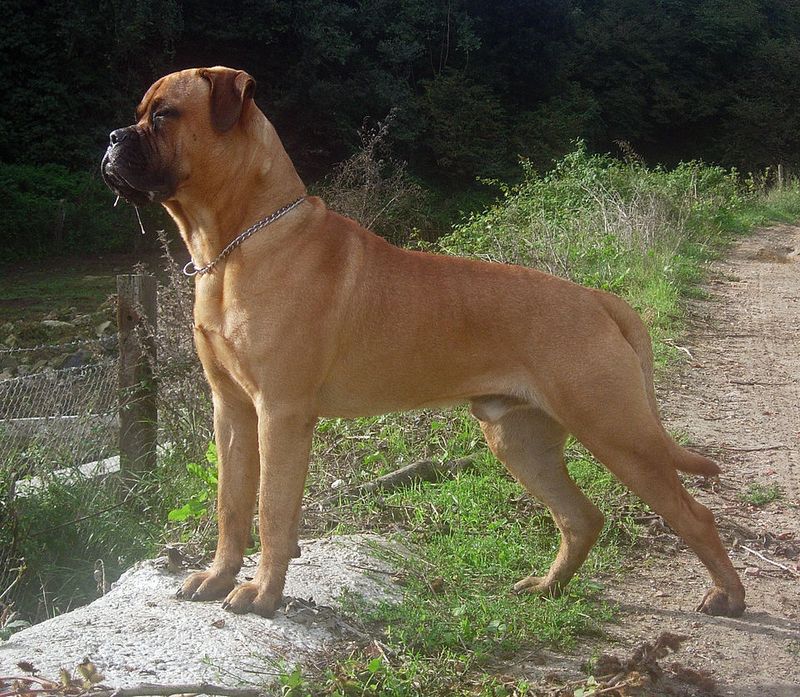
A quiet shadow indoors, the Bullmastiff still packs serious strength. House rules must be crystal clear before full size arrives.
Neighborhood security instincts require management with locks, fences, and training plans.
Focus on impulse control games, doorway patience, and calm meet and greets. Good airflow, joint friendly flooring, and a reliable crate make life smoother.
Expect moderate exercise, firm guidance, and steady affection every single day.
Rottweiler
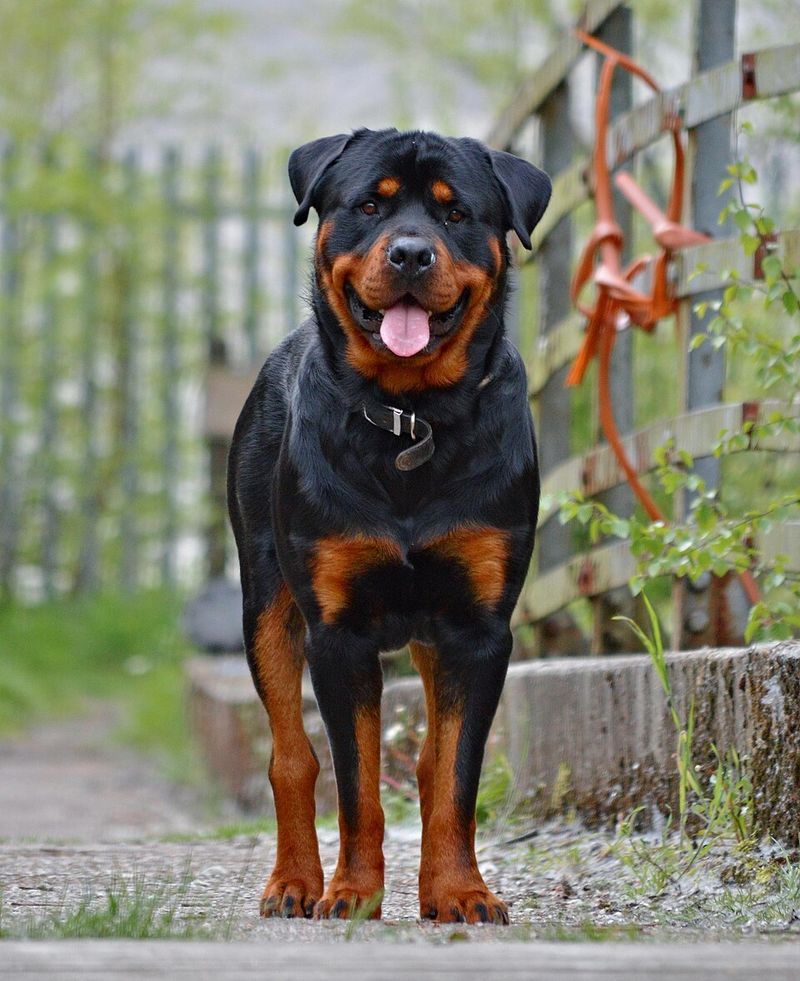
Brains and brawn combine in a dog that loves purposeful work. Rottweilers shine in obedience, tracking, and service tasks with patient handlers.
Confident strangers should still ask permission before greeting.
Structured social time beats chaotic dog parks, and neutrality training pays off. Commit to daily exercise, clear rules, and body language lessons for the whole family.
Health testing and quality breeding reduce joint problems and temperament issues.
Leonberger
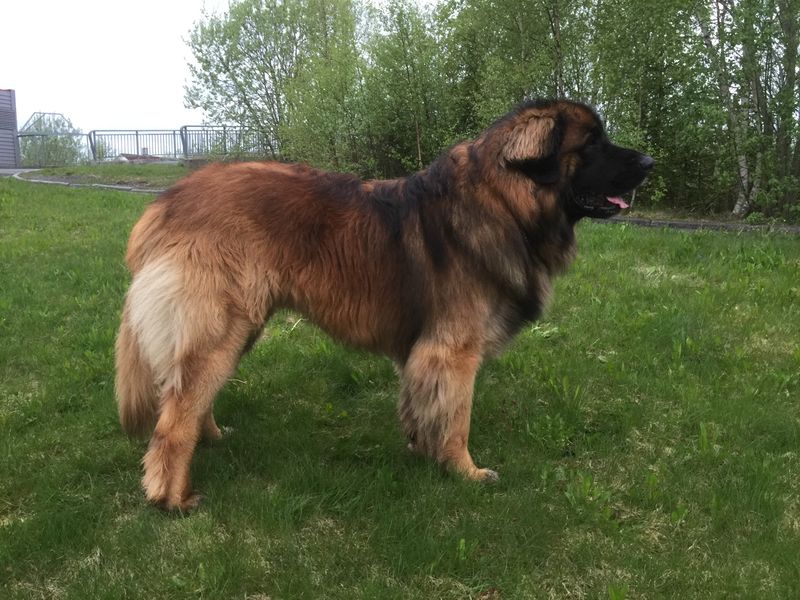
Picture a mountain dog in a lion coat with a friendly, outdoorsy vibe. Leonbergers benefit from swimming, hiking, and cart work to burn energy.
They tend to bond deeply and notice moods during family stress or change.
Thick double coats require regular brushing, blow drying after swims, and tidy feet. Teach soft greetings, protect joints while young, and plan travel with wide vehicles.
Heat can be tough, so aim for shade and cool water breaks.
Dogue de Bordeaux
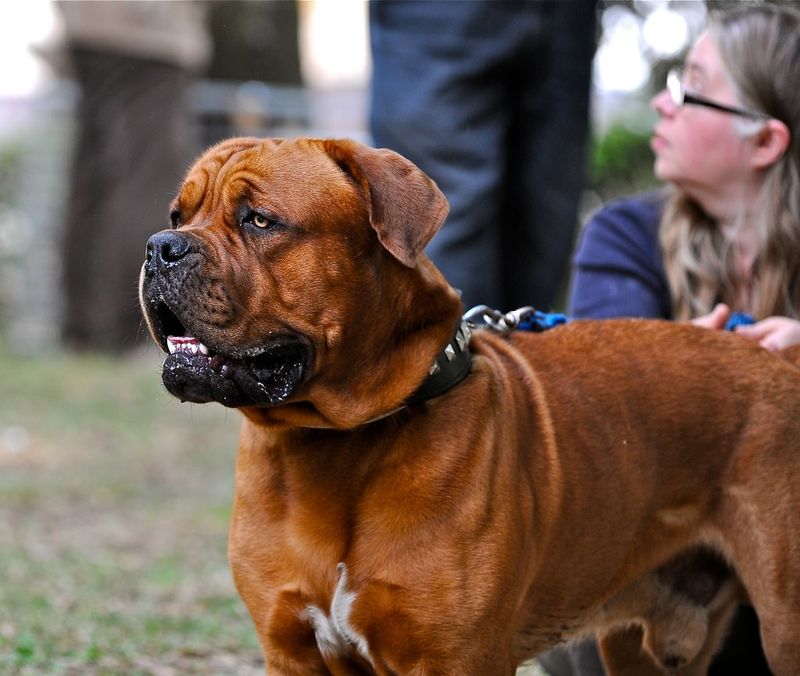
The wrinkled face tells a story of power, loyalty, and comic snorts. Dogue de Bordeaux dogs mature slowly, so patient training starts light and steady.
Early social trips help them stay relaxed in busy places.
Short walks, puzzle feeders, and careful stairs protect heavy frames. Plan for drool control, durable beds, and regular skin cleaning around folds.
Health checks for hearts and hips are vital through adulthood.
Anatolian Shepherd Dog
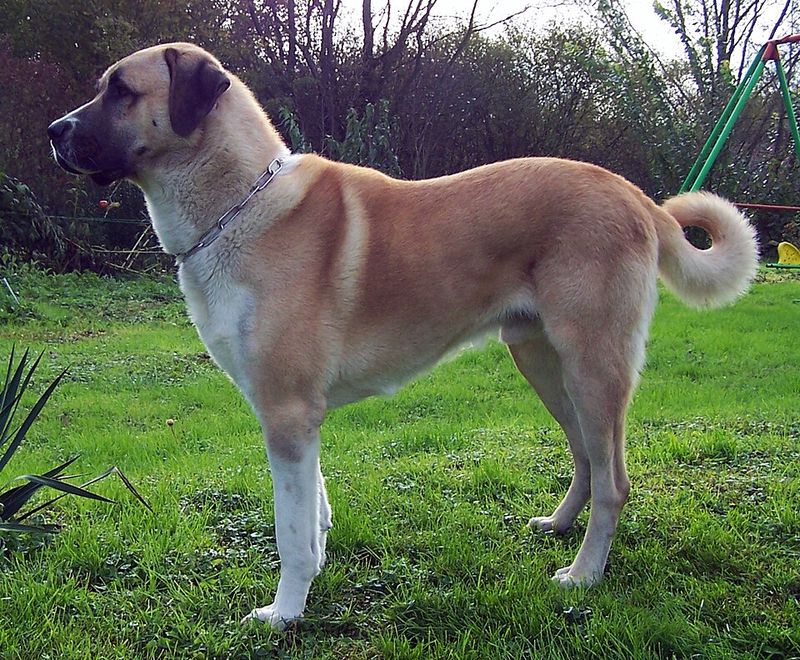
Livestock guardian roots show in their thoughtful scans and steady posture. Anatolian Shepherd Dogs make independent choices, so training must be fair and consistent.
Visitors should wait for calm acceptance rather than rush contact.
Secure fencing, boundary games, and leashed introductions prevent misunderstandings with strangers. Daily patrol walks, balanced diets, and weather shelter support a healthy routine.
Expect a quiet house dog who wakes instantly at unusual sounds.
Bernese Mountain Dog
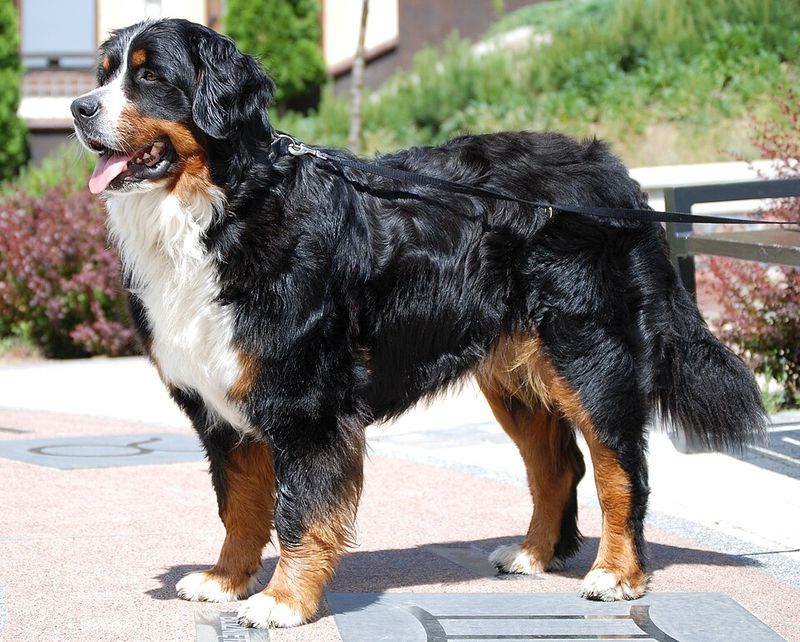
Cheerful eyes and tricolor fluff win hearts fast, but care runs deeper. Bernese Mountain Dogs like cool weather, steady work, and kind voices.
Puppies grow quickly, so protect joints with gentle ramps and low jumps.
Grooming removes loose undercoat, and conditioning hikes build fitness for carting or trails. Watch for heat stress, plan vet checks for cancer risks, and keep training sessions upbeat.
Family schedules should include time for cuddles and quiet togetherness every evening.