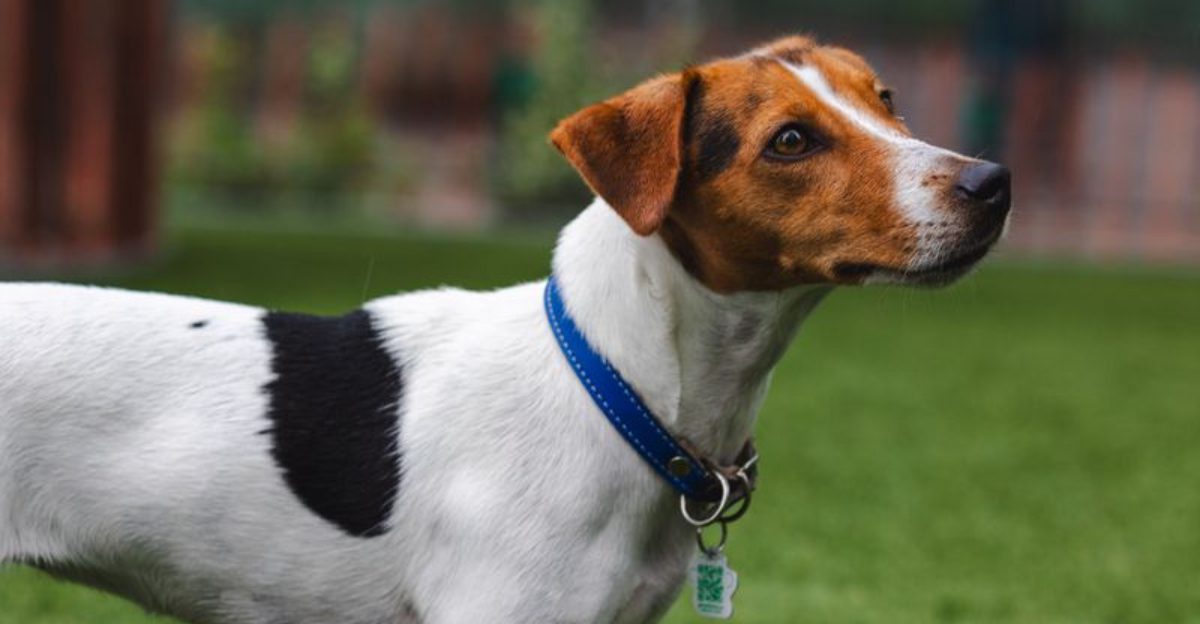
Some dogs get labeled as troublemakers, but many times the real issue is how they were trained and socialized. Breed traits matter, yet daily routines, patience, and guidance shape behavior the most.
With the right start, even high-energy or strong-willed dogs can shine. Let’s explore how upbringing changes the story for many misunderstood breeds.
Staffordshire Bull Terrier
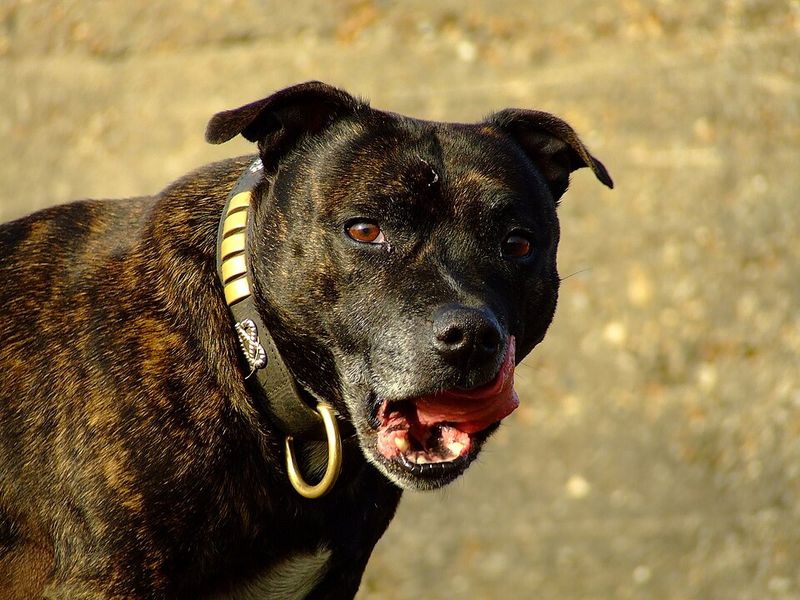
With a grin that could melt stress, the Staffy thrives on connection. Early social walks, gentle introductions to neighbors, and calm crate time help them relax.
Clear rules and short training games turn that power into focus. Chew toys and puzzle feeders keep minds busy.
Because they love people, they respond to praise and touch. Use a sturdy harness for loose-leash practice.
Friendly meetups with stable dogs build confidence and manners that last.
Rottweiler
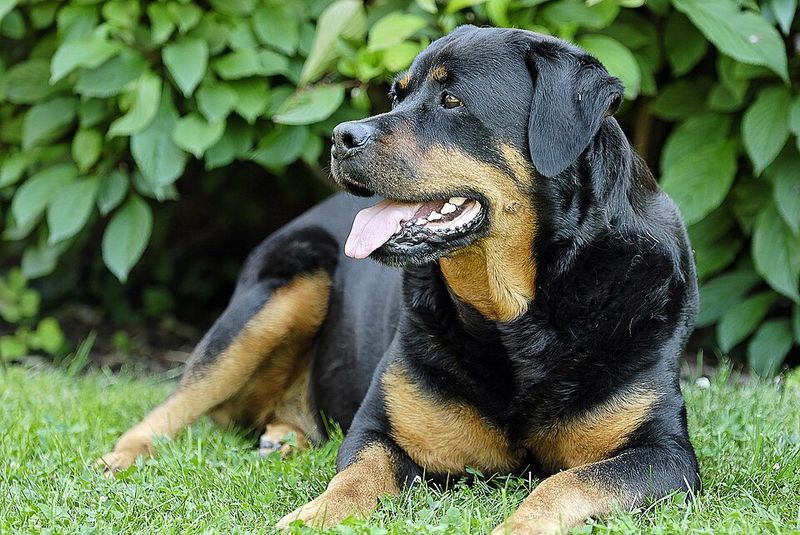
Powerful and thoughtful, Rottweilers need structure like a steady beat. Start with short obedience sessions that end on a win.
Calm greetings at the door and place training teach self-control. Rotate tough rubber toys to satisfy chewing urges.
Positive exposure to kids’ bikes, delivery carts, and friendly strangers prevents guardy habits. Clear boundaries plus daily mental work, such as scent games, channel their brains.
Respect their strength, guide their choices, and they become reliable partners.
German Shepherd
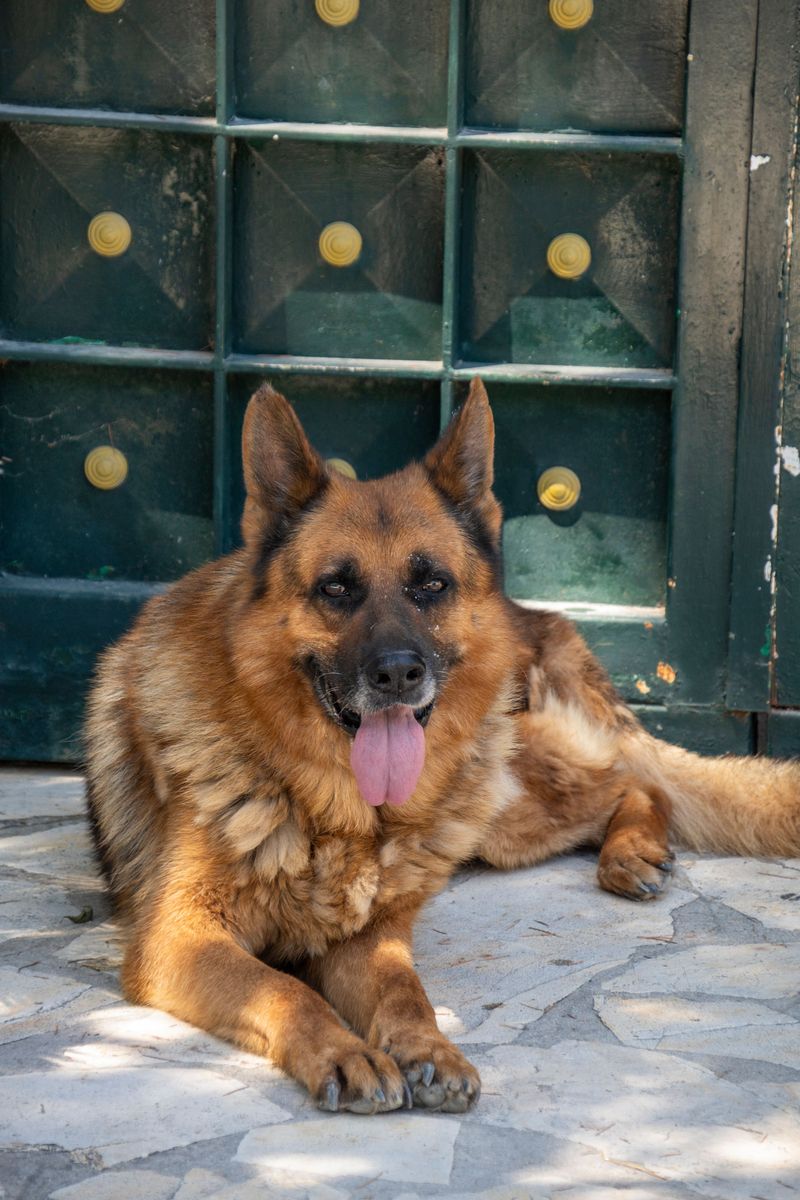
Bred to think and work, German Shepherds crave a job. Without one, they invent chaos.
Rally obedience, tracking games, and daily heel practice satisfy both mind and body. Teach a solid down-stay while you cook or read.
Positive social time around calm dogs and polite strangers keeps nerves steady. Use clear cues and consistent routines.
When their brain feels busy and safe, that intense energy becomes leadership-ready, not lawn-digging mischief.
American Staffordshire Terrier
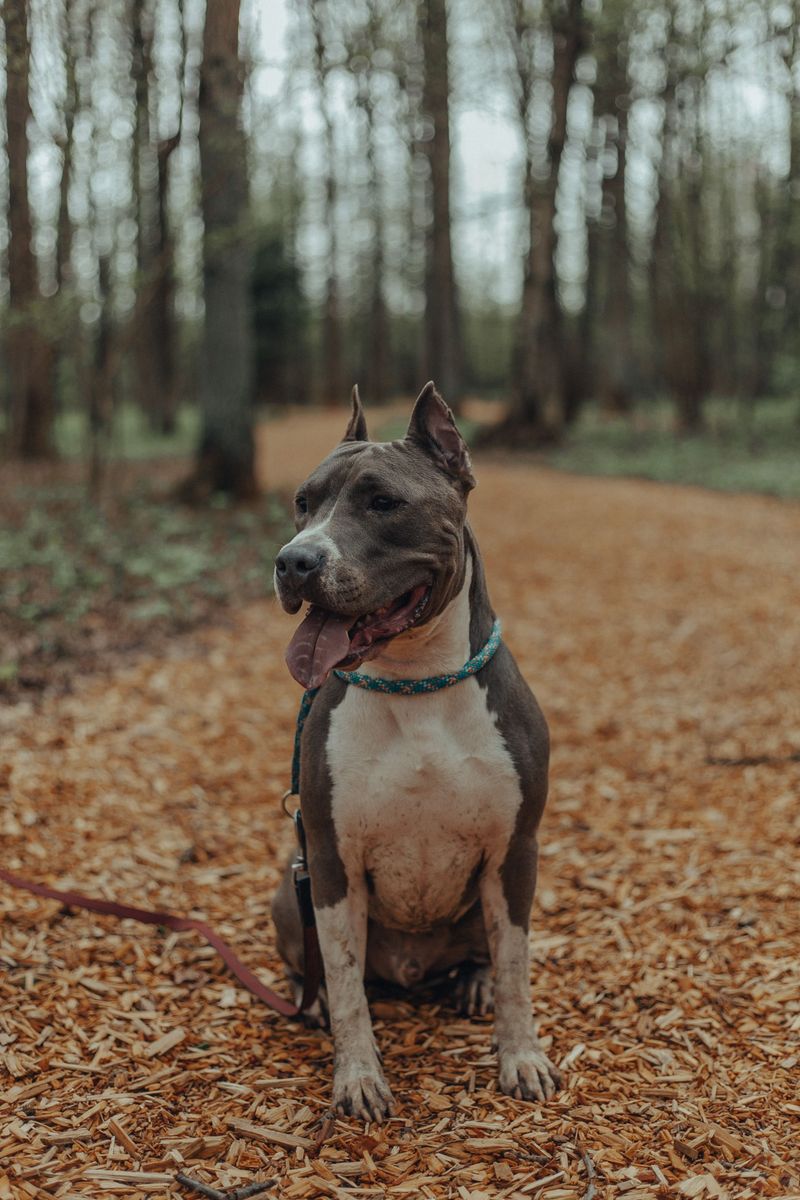
Big personality, bigger heart. Early leash manners and polite door routines shape calm habits.
Keep greetings low-key, reward four paws on the floor, and use puzzle bowls to slow meals. Short training bursts prevent boredom.
Socialize with steady adult dogs and kind people to build trust. Teach a strong recall in a long-line field.
When exercise is paired with mental play, you get a sweet roommate instead of a whirlwind on paws.
Boxer
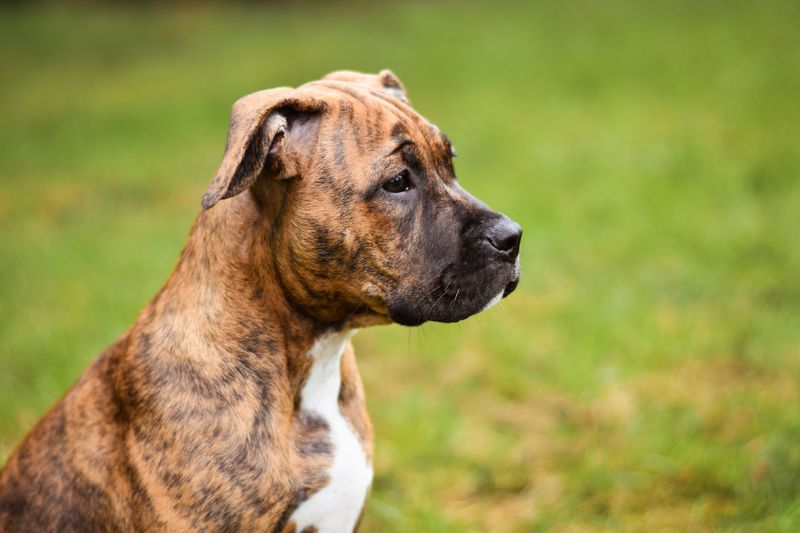
Clown energy meets sensitive soul. Boxers respond best to upbeat training with lots of movement.
Try fetch as a reward for sits and downs. Tether training while you work teaches patience.
Cool-down cuddles help them settle.
Frequent outings to see bikes, wheelchairs, and umbrellas reduce surprise reactions. Build a bedtime routine with a comfy crate and chew.
When their zoomies have a schedule, manners bloom and that goofy charm shines.
Doberman Pinscher
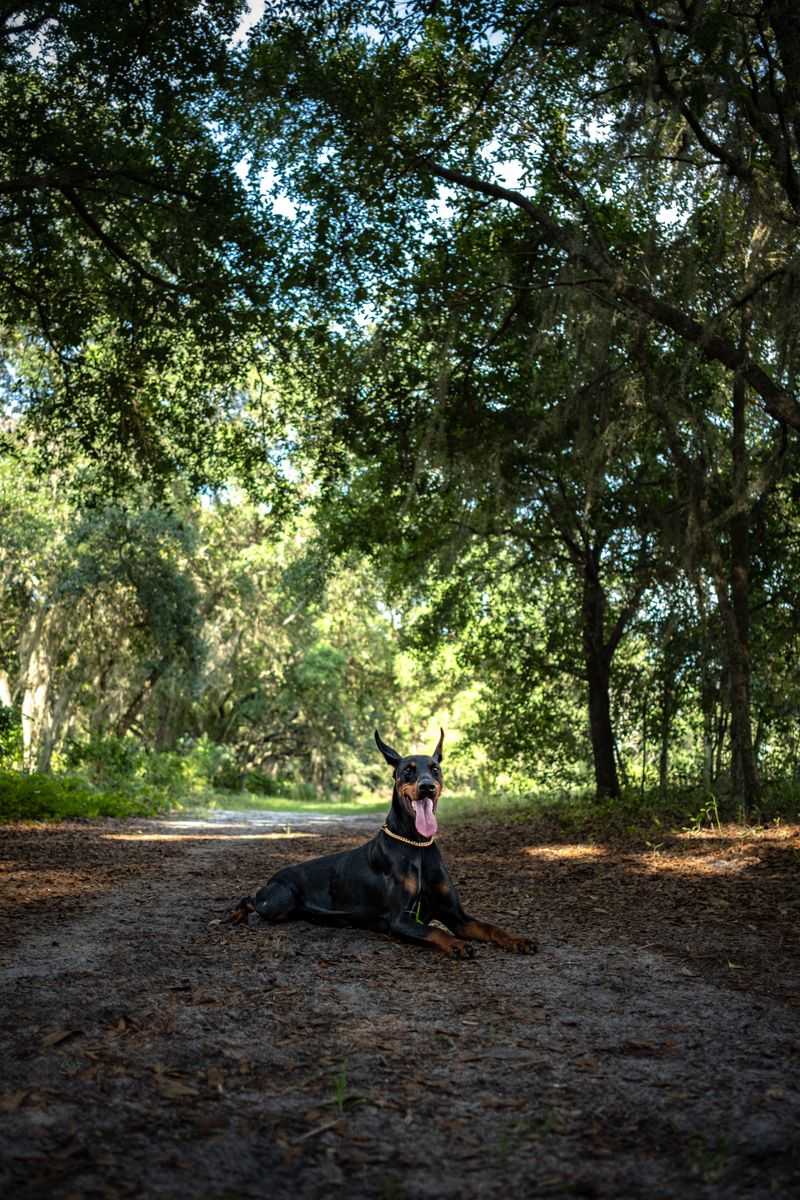
Elegance paired with keen awareness, Dobermans notice everything. Teach focus with hand-targets and calm heeling past distractions.
Rotate brain games like shell games and scent boxes. Quiet confidence from you keeps them steady.
Introduce visitors with structure, then send to a place bed for chill time. Fair rules and predictable routines reduce pushiness.
With guided outlets and kind leadership, that sharp mind becomes a polite guardian, not a hallway hall monitor.
Bull Terrier
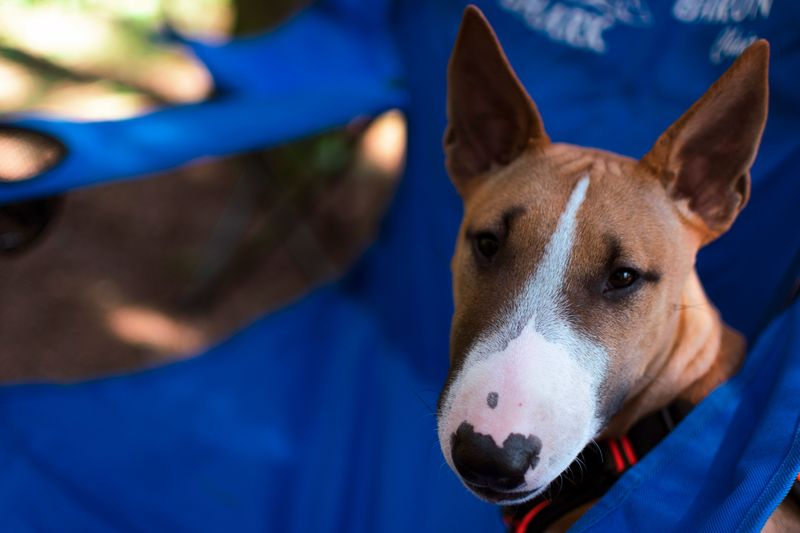
Quirky and comical, Bull Terriers learn best through play. Turn training into games, like find the toy, then trade for a sit.
Use sturdy enrichment, since they love to chomp. Calm leash work before exciting activities reduces jumping.
Short, frequent sessions beat long lectures. Gentle exposure to new places prevents stubborn shutdowns.
Set up quiet nap zones to avoid overstimulation. Nurtured with patience, they become enthusiastic teammates with charm to spare.
Siberian Husky
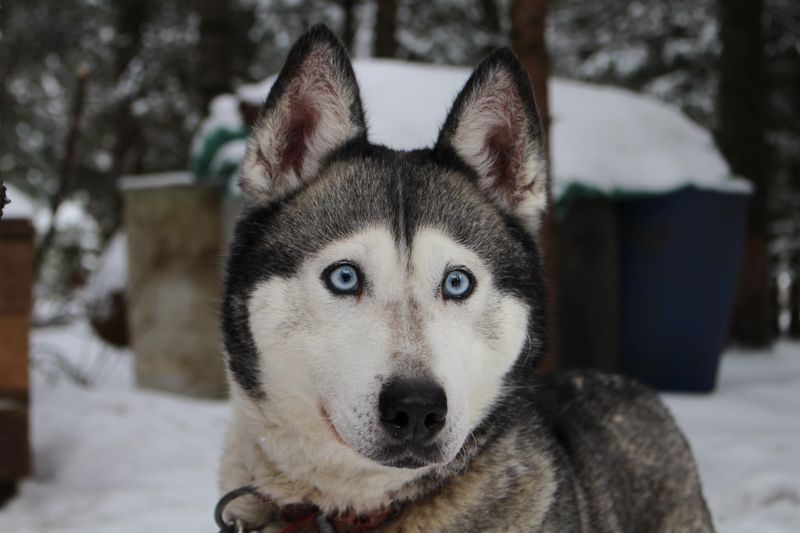
Born to run, Huskies need legal outlets. Try canicross, long hikes, or flirt pole play.
Double up on ID and practice recall on a long line. Give frozen Kongs after exercise to encourage calm.
Frequent social walks teach polite passing, since excitement can spike. A secure yard and puzzle feeders curb escape artistry.
Provide clear routines and warm praise. When their wanderlust is met with structure, they become charming adventure buddies.
Jack Russell Terrier
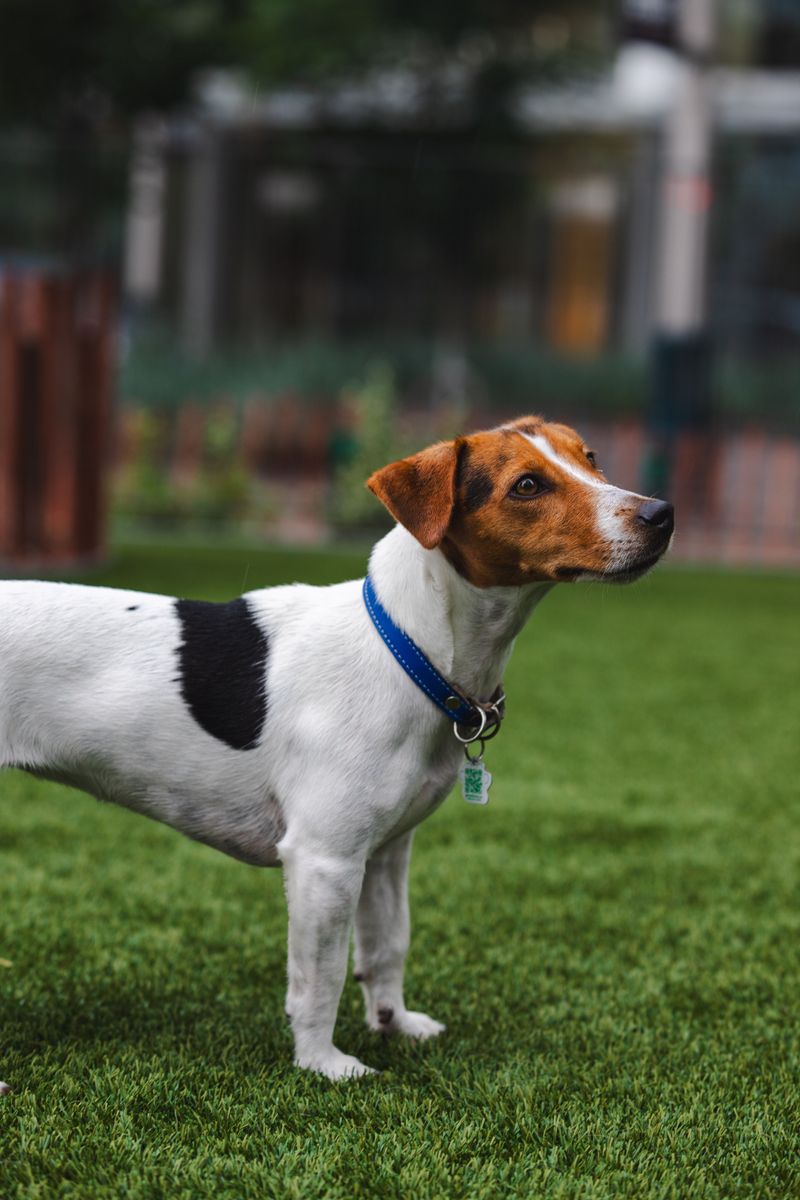
Small body, turbo engine. Jack Russells shine with jobs like agility or trick training.
Use treat scatter games to reduce barking at windows. Practice impulse control with wait games before meals and doors.
Plenty of sniffing walks tire the brain. Rotate tiny chew treats and short fetch rounds to balance energy.
When curiosity gets guided outlets, their spark becomes hilarious fun rather than couch-spring acrobatics.
American Bulldog
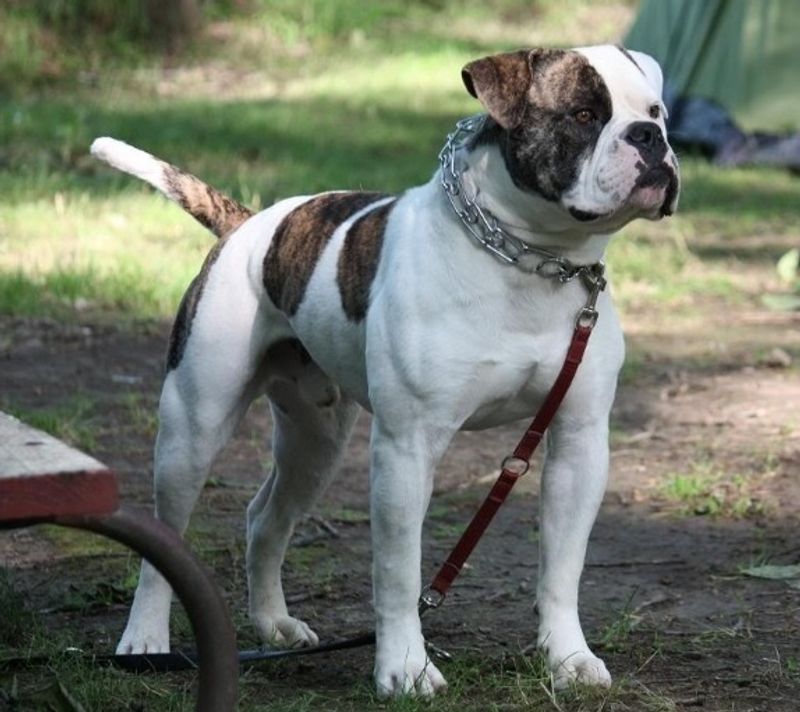
Big, brawny, and surprisingly tender, American Bulldogs appreciate calm leadership. Start with leash skills and polite sits for everything wanted.
Structured play, like tug with clear rules, builds trust. Cooling breaks and joint-friendly activities protect their bodies.
Early exposure to neighbors and friendly dogs lowers reactivity. Teach place command during family meals.
Consistency and kindness turn that muscle into mindfulness, giving you a steady buddy who reads the room.
Australian Cattle Dog
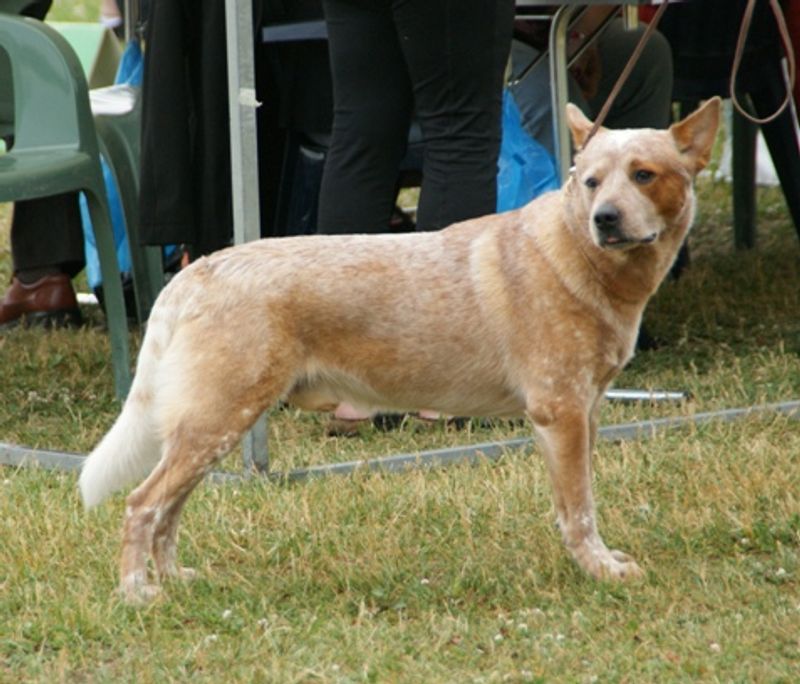
Brains that never clock out. Cattle Dogs thrive on tasks, not just miles.
Teach heel patterns, figure-eights, and target mats. Treibball or frisbee drills feed their working spirit.
Short rests between reps prevent over-arousal.
Social exposure to calm livestock sounds, skateboards, and joggers keeps nerves balanced. Cue a settle on a mat during TV time.
When you provide projects and peace, their grit turns into rock-solid teamwork.
Dalmatian
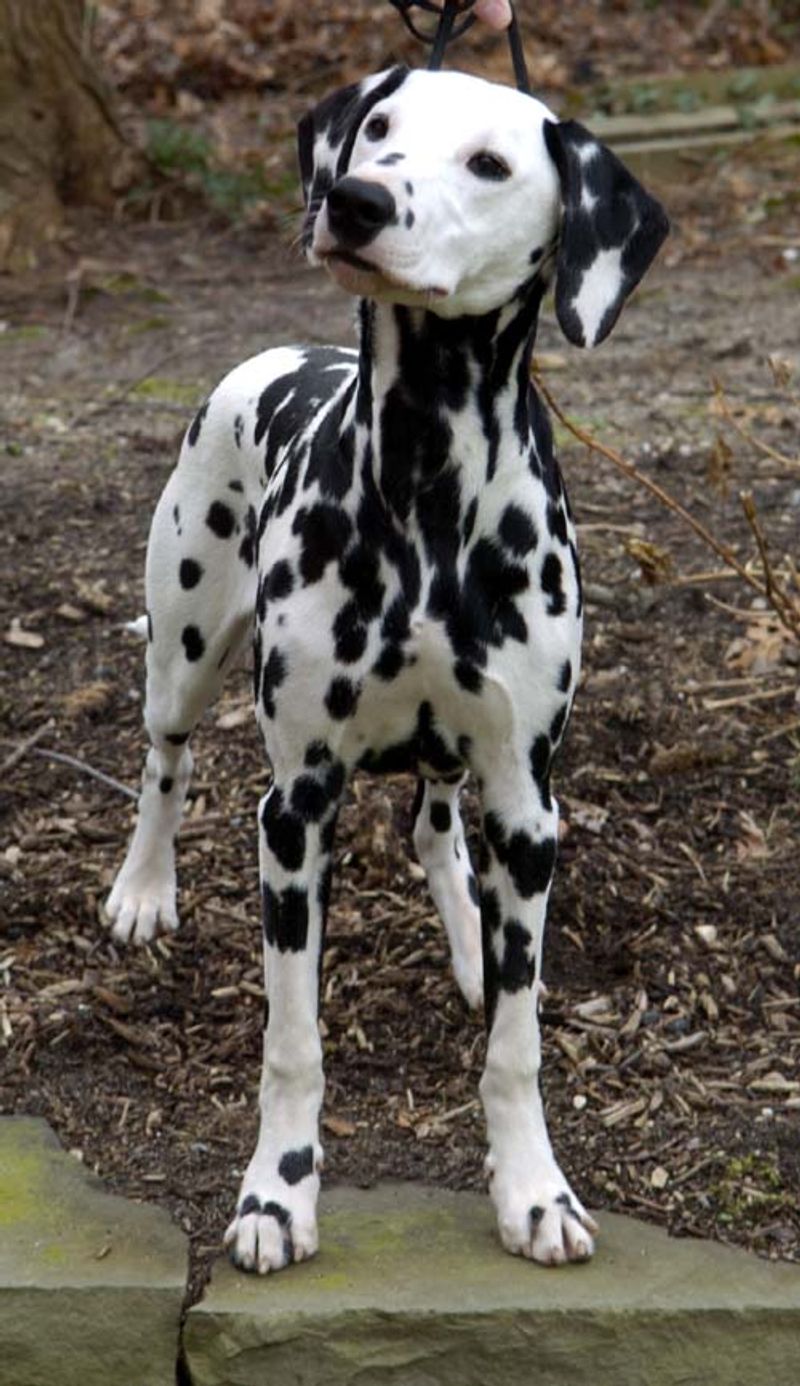
Spots and spark, Dalmatians love routine. Regular jogs or bike trots paired with obedience refreshers keep them settled.
Teach quiet on cue and reward relaxed behavior. Ear care and gentle grooming help them enjoy handling.
Meet friendly people with treats to build social ease. Practice calm stays at cafes, starting with short visits.
When energy is guided and senses feel safe, those famous spots come with polished manners.