
A protective dog does not have to be tense, loud, or hard to live with. Many breeds can watch over their home while still being calm family members.
The key is good training, daily structure, and owners who understand the breed. Here are dogs known for mixing courage with steady everyday behavior.
Boxer
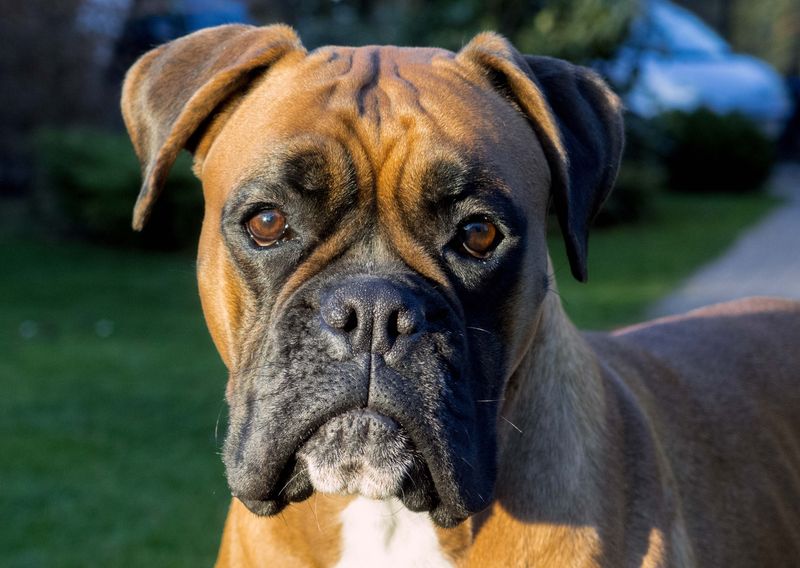
With a bouncy grin and serious eyes, the Boxer can switch from silly playmate to alert watchdog fast. Families often love its goofy energy, but that same dog notices strange sounds and visitors.
Daily exercise matters, because a bored Boxer may invent trouble. Short training games, leash walks, and clear house rules help shape its courage into good manners.
Early social time teaches it when to relax and when to pay attention.
Rottweiler
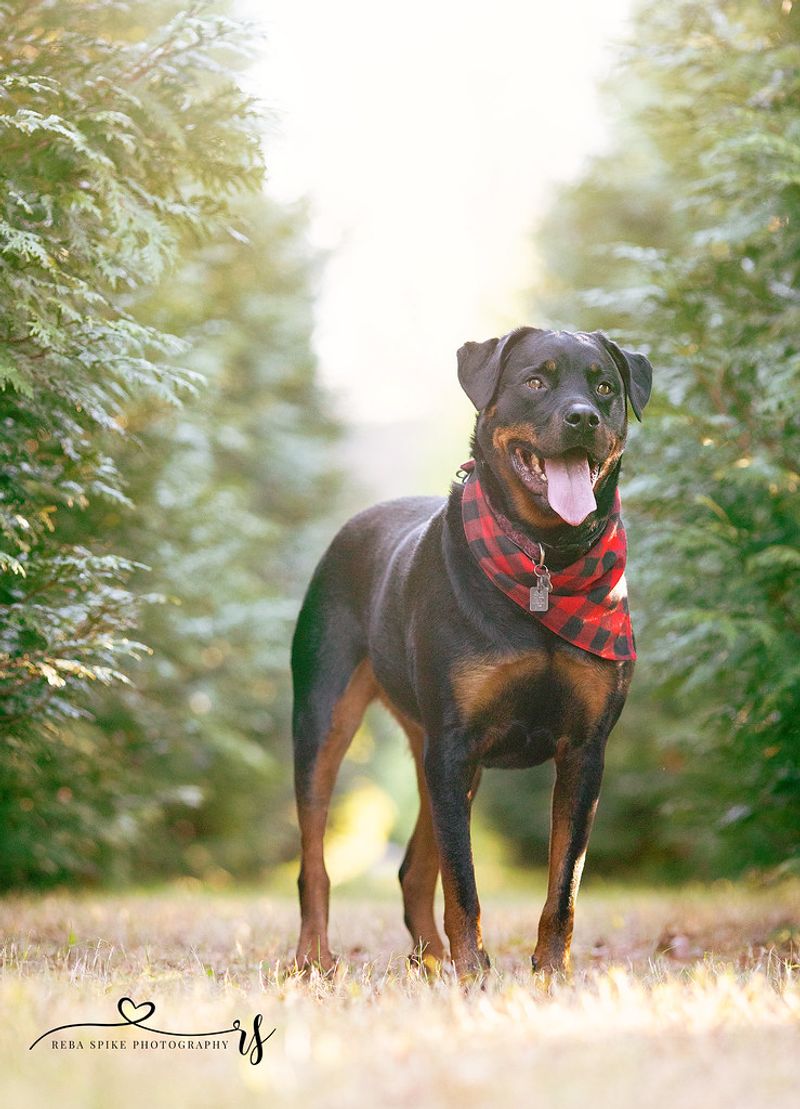
A Rottweiler walks into a room like it already knows who belongs there. That quiet confidence is part of why people respect the breed.
Good owners build trust through steady training, not harsh handling. Rottweilers need jobs, clear limits, and careful introductions to new people.
When raised with kindness and structure, many become calm home guardians who enjoy routine. They often bond deeply with their family and prefer peaceful leadership over chaos.
Doberman Pinscher
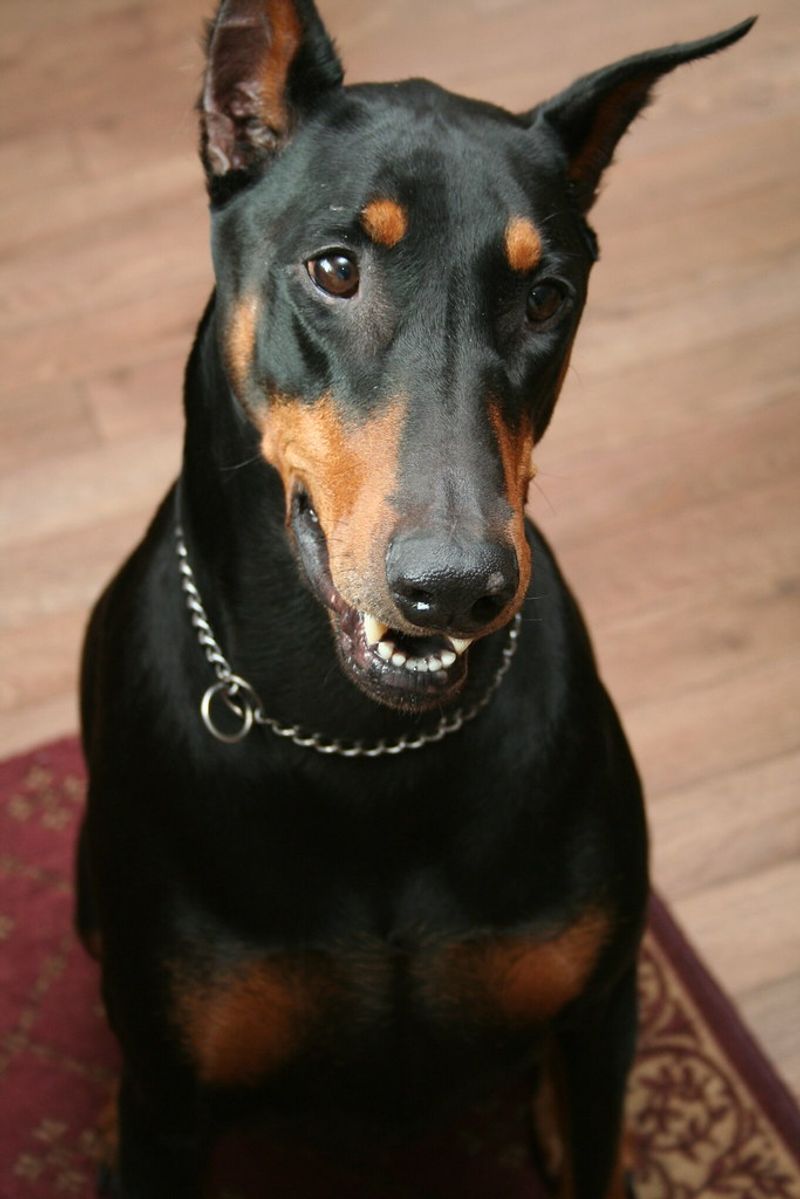
Fast, smart, and elegant, the Doberman often seems to read a situation before anyone speaks. Its alert mind can be a gift in the right home.
This breed needs mental work as much as running time. Obedience practice, puzzle toys, and calm public outings help prevent nervous habits.
A well-raised Doberman is usually affectionate with its people, polite with guests, and ready to respond if something truly feels wrong.
German Shepherd
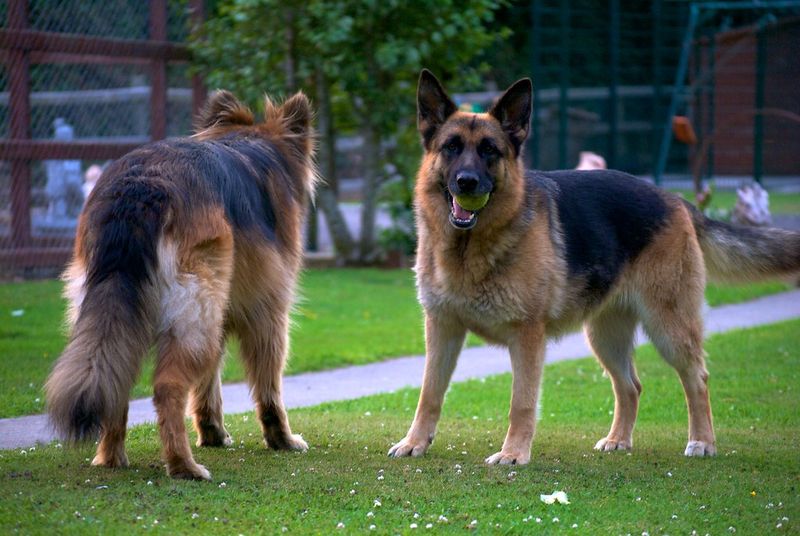
Few dogs look as ready for duty as a German Shepherd watching the yard. Behind that serious face, though, many are loyal housemates who enjoy simple family routines.
Because they learn quickly, training should start early and stay fair. Too little activity can make them restless, so walking, scent games, and basic tasks help.
Choose lines and breeders carefully, since stable nerves matter. With guidance, they can be brave without acting jumpy.
Standard Schnauzer
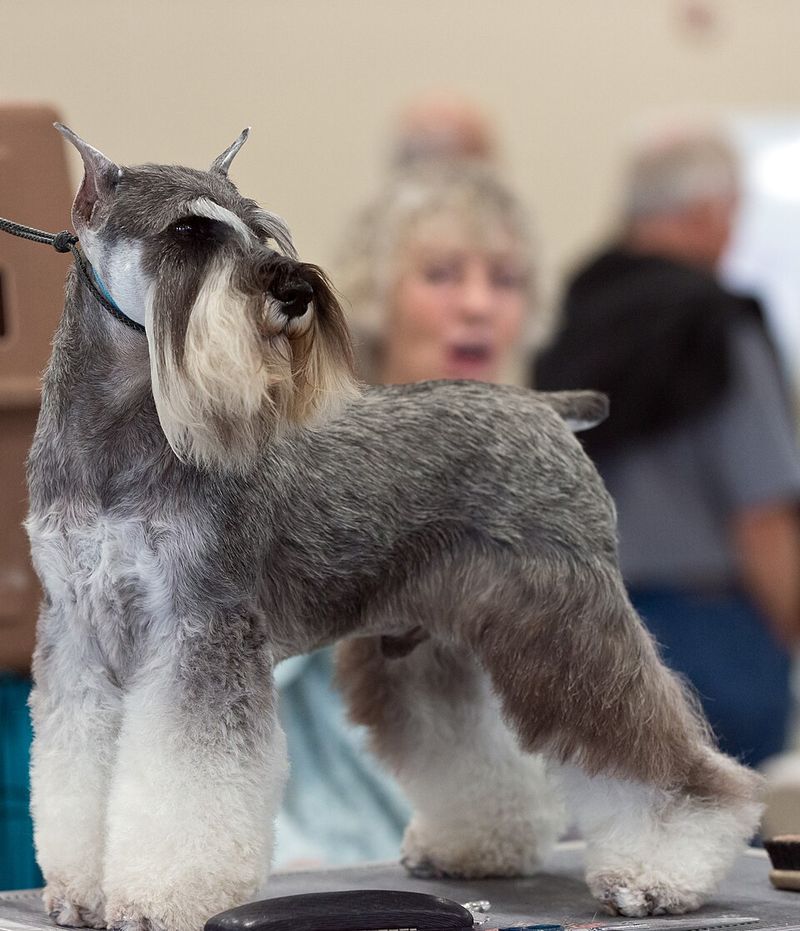
Do not let the beard fool you, the Standard Schnauzer has plenty of watchdog spirit. This medium-sized dog often spots changes before the humans do.
Its sturdy mind needs rules that make sense. Many Schnauzers enjoy training with praise, quick sessions, and a little humor.
They can be vocal, so teach a quiet cue early. With walks, grooming, and social practice, this sharp breed can guard the home without turning daily life into noise.
Bullmastiff
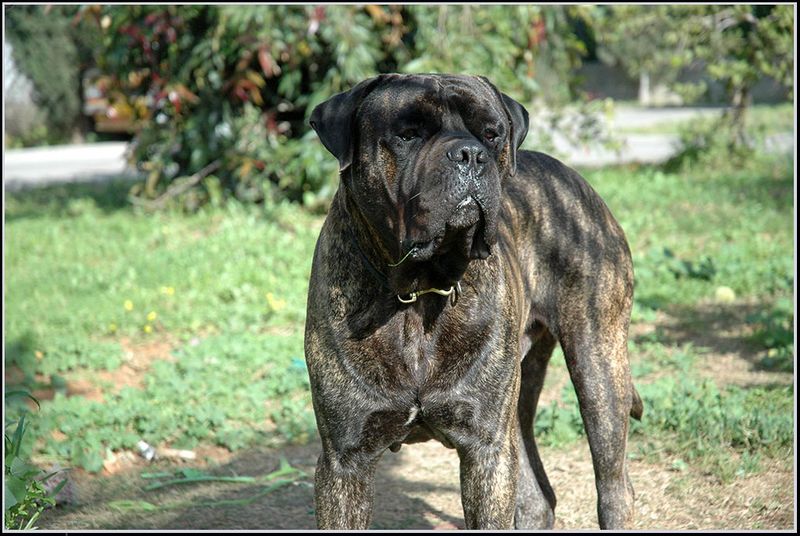
A Bullmastiff may look like a living wall, yet many prefer leaning on their people over pacing the fence. Their history as estate guardians shows in their steady watchfulness.
Because of their size, manners are not optional. Teach leash skills, polite greetings, and waiting at doors while they are young.
They usually need moderate exercise, not endless running. A calm home, consistent leadership, and respectful handling help this powerful breed stay dependable and settled.
Beauceron
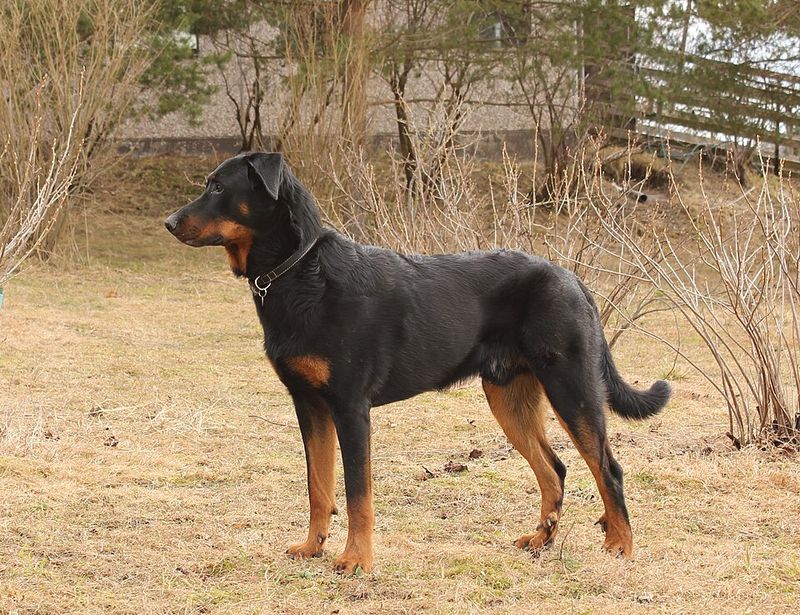
Ever met a dog that seems part athlete, part thinker, and part hall monitor? The Beauceron fits that picture well.
Originally used in France for herding and guarding, this breed likes having a purpose. It is not usually a couch-only dog, so active homes work best.
Training should be patient, clear, and interesting. Give it movement, brain work, and social exposure.
Then its natural protectiveness can stay balanced instead of becoming pushy.
Giant Schnauzer
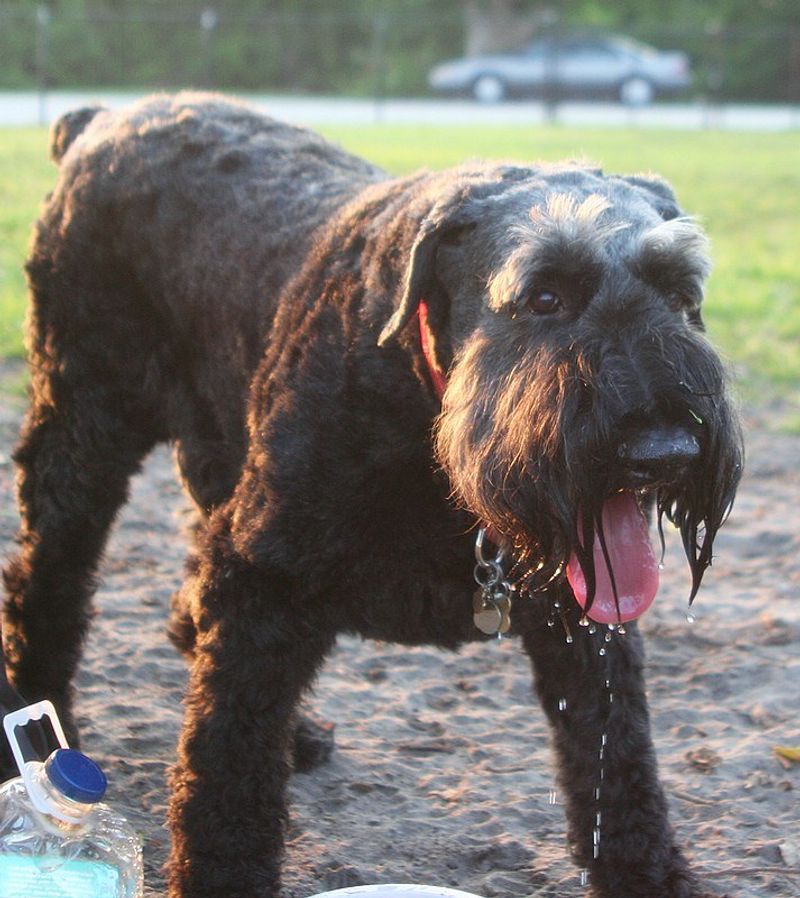
The Giant Schnauzer brings big-dog presence with a busy, clever brain. It can be serious about its people, but it also enjoys being part of family action.
Owners should expect grooming, exercise, and firm but friendly training. This breed may test limits if life feels boring or unclear.
Structured games, obedience classes, and controlled meetings with strangers are useful. When its energy has a healthy outlet, it can be both impressive and steady indoors.
Rhodesian Ridgeback
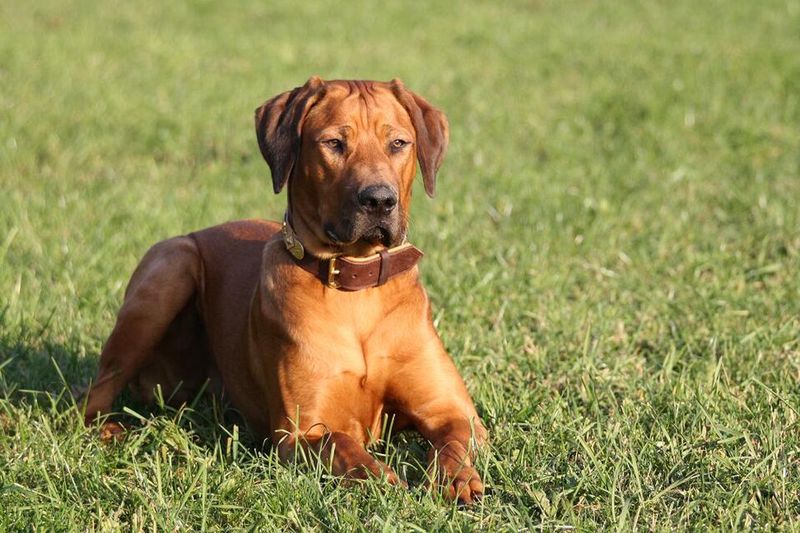
A Ridgeback often protects by staying calm and watching, not by making a scene. That quiet style can surprise people who expect constant barking.
Bred in southern Africa as a hunting and guarding dog, it has courage and independence. Owners need patience, since forced training rarely works well.
Reward-based lessons, steady routines, and safe off-leash outlets where allowed can help. With proper social habits, many Ridgebacks become composed companions who notice more than they show.
Cane Corso
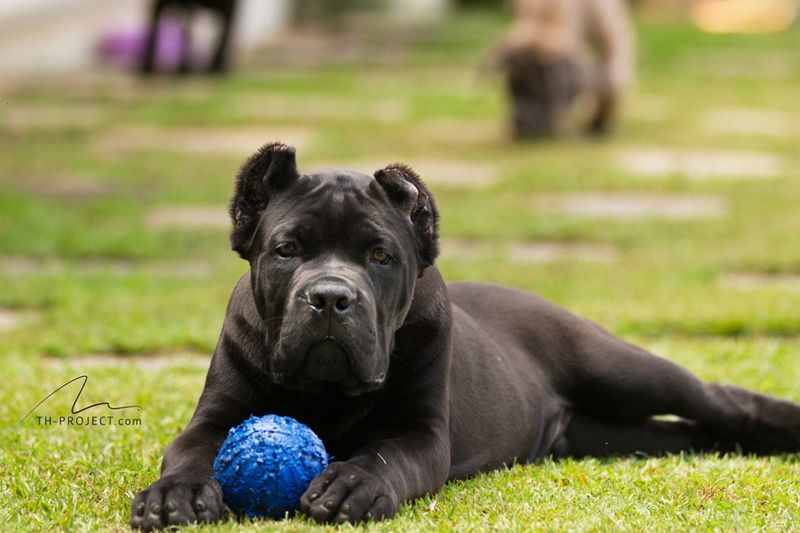
The Cane Corso has a powerful look that can stop a stranger at the gate. At home, though, many are deeply attached and surprisingly soft with trusted people.
This breed needs experienced handling, early social learning, and daily practice with calm behavior. Size and strength mean small bad habits grow quickly.
Teach place, recall, leash control, and polite greetings from puppyhood. With responsible ownership, the Corso can offer serious protection while living by predictable household rules.