Some dogs are friendly with the whole family, but one person still gets the biggest tail wags. They may follow that person from room to room, guard their chair, or save the best cuddles for them.
Knowing which breeds tend to choose a favorite can help families share care, training, and affection more fairly. It also helps everyone understand the dog instead of feeling left out.
Dachshund
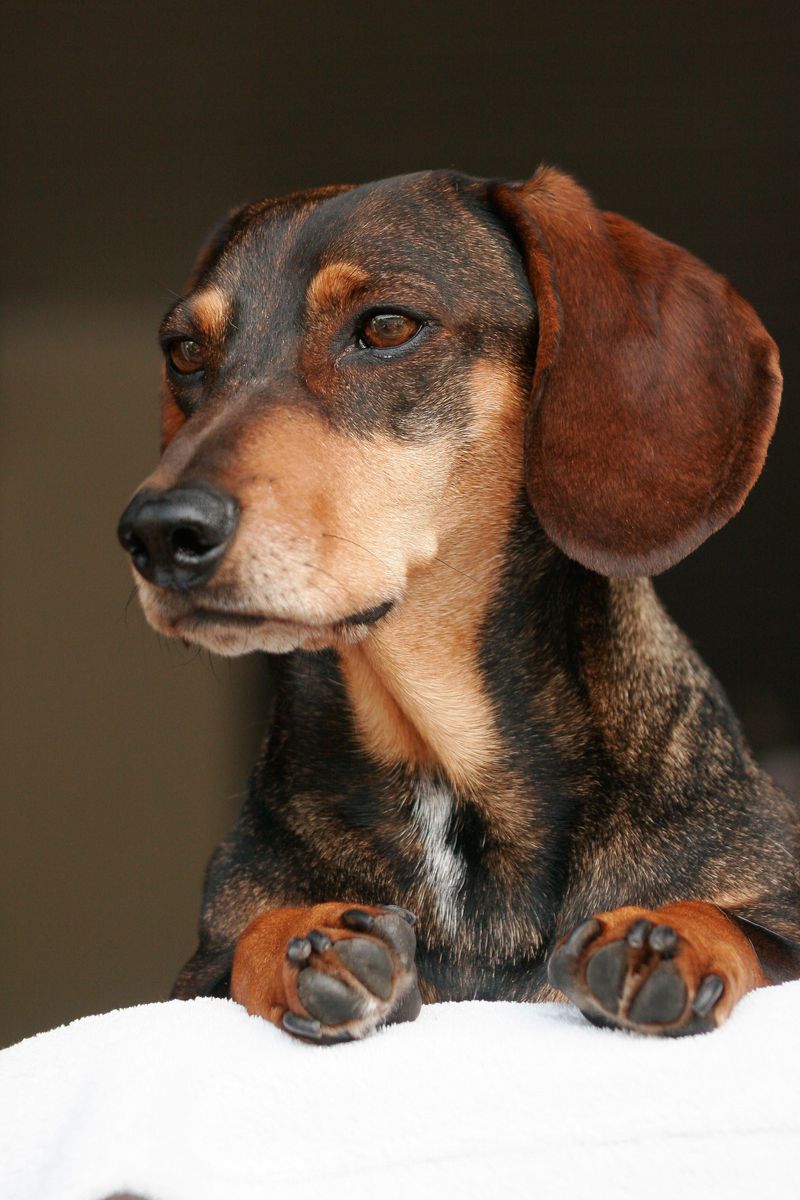
A Dachshund may act like the tiny mayor of the house, but one person often gets the private loyalty badge. Bred to hunt badgers, this little dog can be brave, stubborn, and very tuned in to routines.
If the same person feeds, walks, or shares couch time most often, the bond can grow fast. Let different family members handle treats, training, and play, so the Dachshund learns that love comes from more than one lap.
Chihuahua
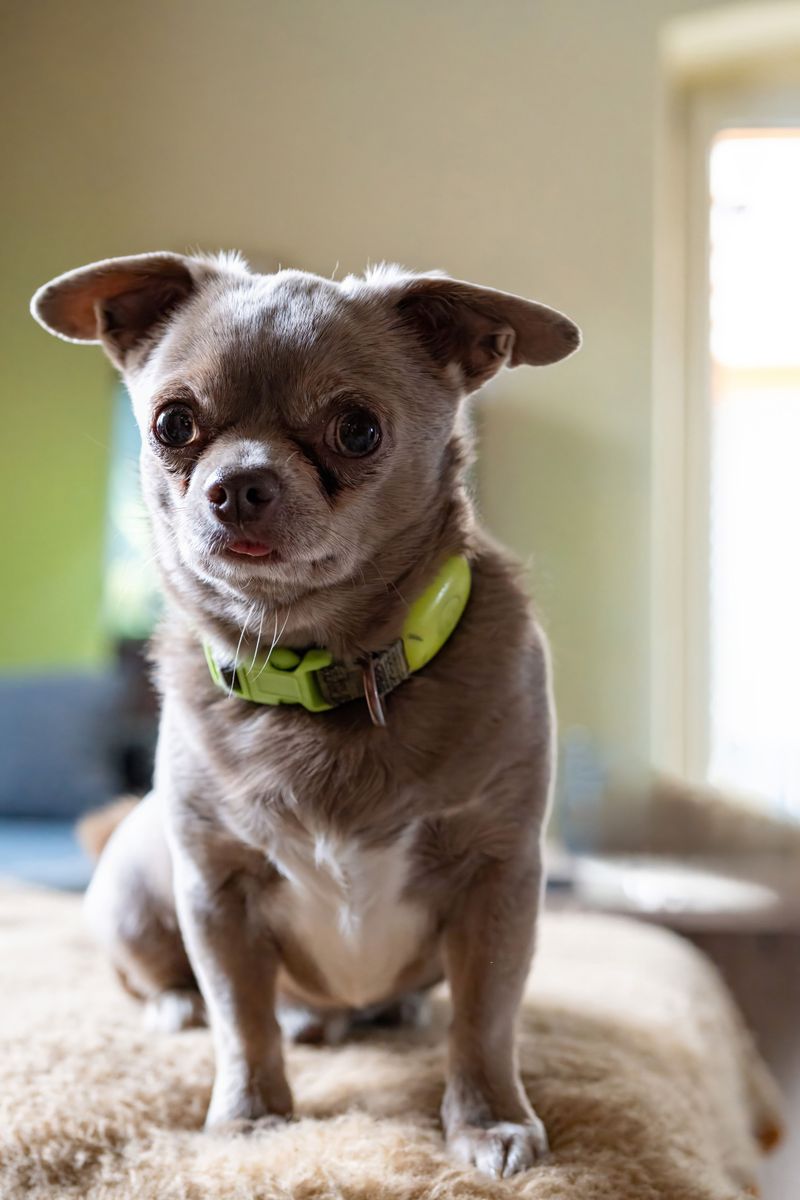
Small body, giant opinions, that is the Chihuahua in many homes. This breed often picks a trusted human and treats that person like a safe island in a busy world.
Because Chihuahuas can be nervous around loud voices or quick hands, calm care matters. Ask family members to use soft praise, slow movements, and tiny rewards.
Over time, the dog may still have a top choice, but everyone can become part of the trusted circle.
Vizsla
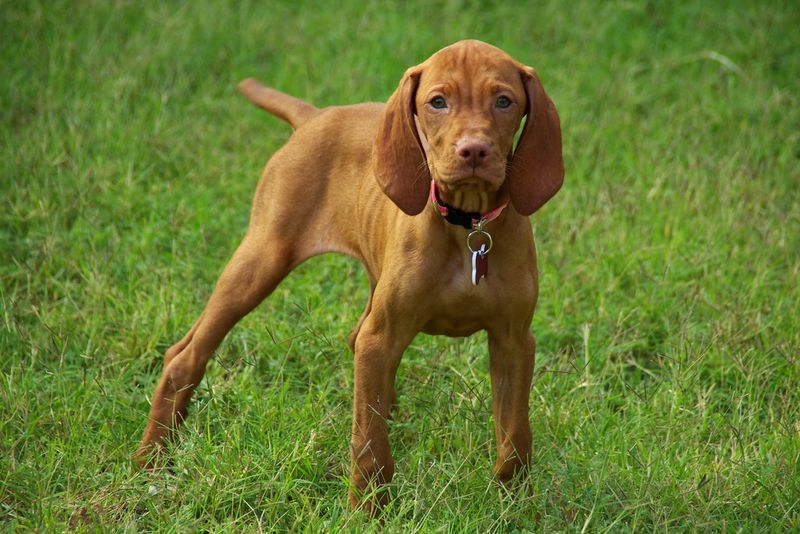
The Vizsla has earned the nickname Velcro dog for a reason. After a run, a game, or even a short trip to the mailbox, many want to press close to their chosen person.
Originally bred as a Hungarian hunting partner, this dog loves teamwork and clear direction. A bored Vizsla can become clingy or restless, so give it jobs.
Rotate walks, training games, and fetch sessions among family members to spread that deep loyalty around.
Doberman Pinscher
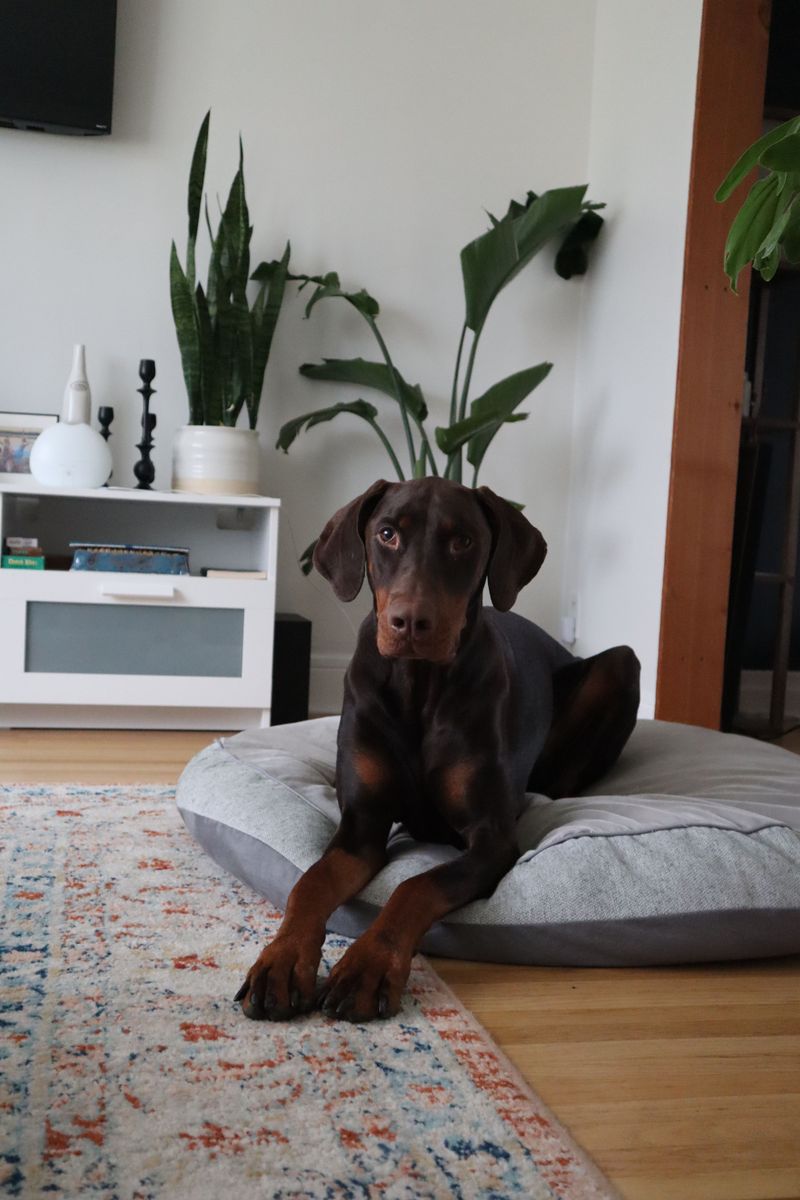
A Doberman does not usually hand out trust like candy. When raised with kindness, this sharp, athletic dog may adore the whole household while quietly watching one person the closest.
That favorite is often the calm leader who trains fairly and stays consistent. Harsh handling can hurt trust, so use rewards, clear rules, and steady practice.
Invite everyone to join obedience work and relaxed walks, helping the Doberman see the family as one reliable team.
Akita
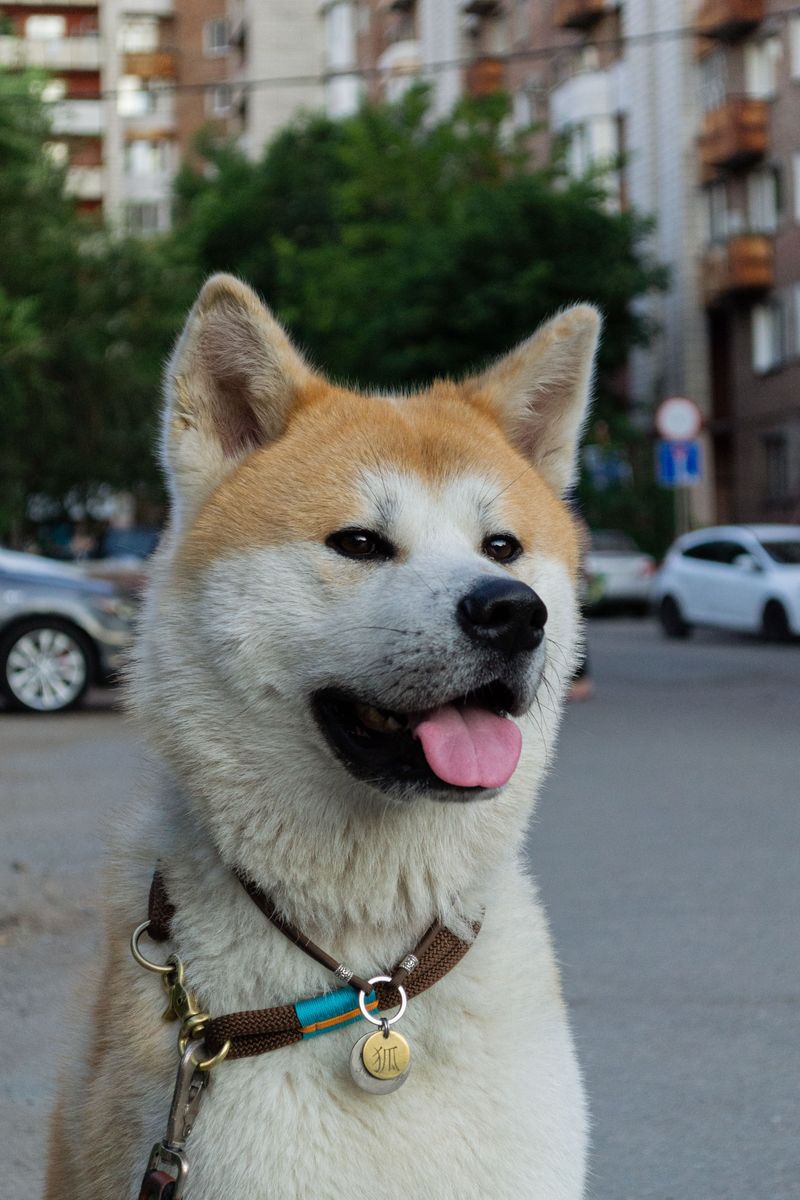
Quiet and noble, the Akita can make affection feel like a rare gift. This Japanese breed is famous for devotion, and once it chooses someone, the loyalty can seem almost storybook strong.
Akitas do best with patient socializing, respectful handling, and firm but fair rules. They may not beg for attention from everyone, yet shared brushing, short training drills, and calm walks can build trust.
Never force cuddles. Let the dog approach at its own pace.
Italian Greyhound
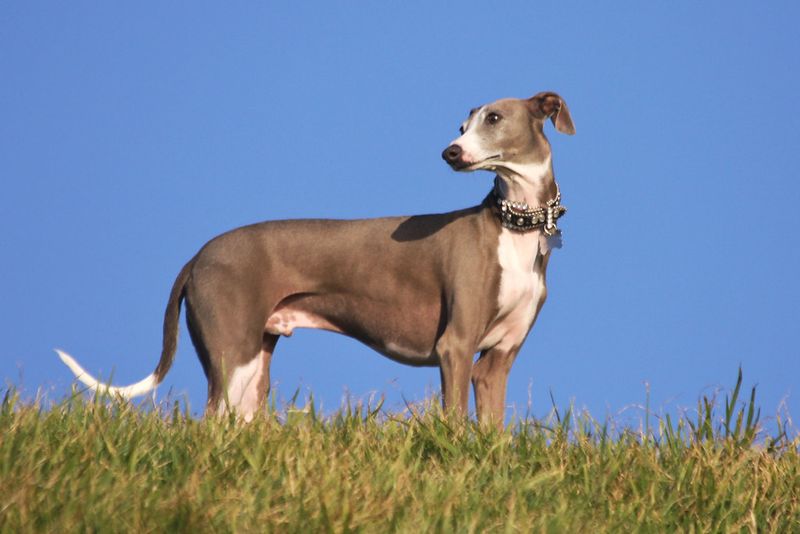
Under a blanket, tucked against warm knees, the Italian Greyhound often finds its happy place. Sensitive and graceful, this slim little hound can bond deeply with the person who feels safest.
Cold weather, noisy rooms, and rough play may make it retreat, so gentle habits matter. Family members can win trust with cozy beds, soft voices, and careful leash walks.
Keep training light and cheerful, because this dog notices moods faster than many people expect.
Brussels Griffon
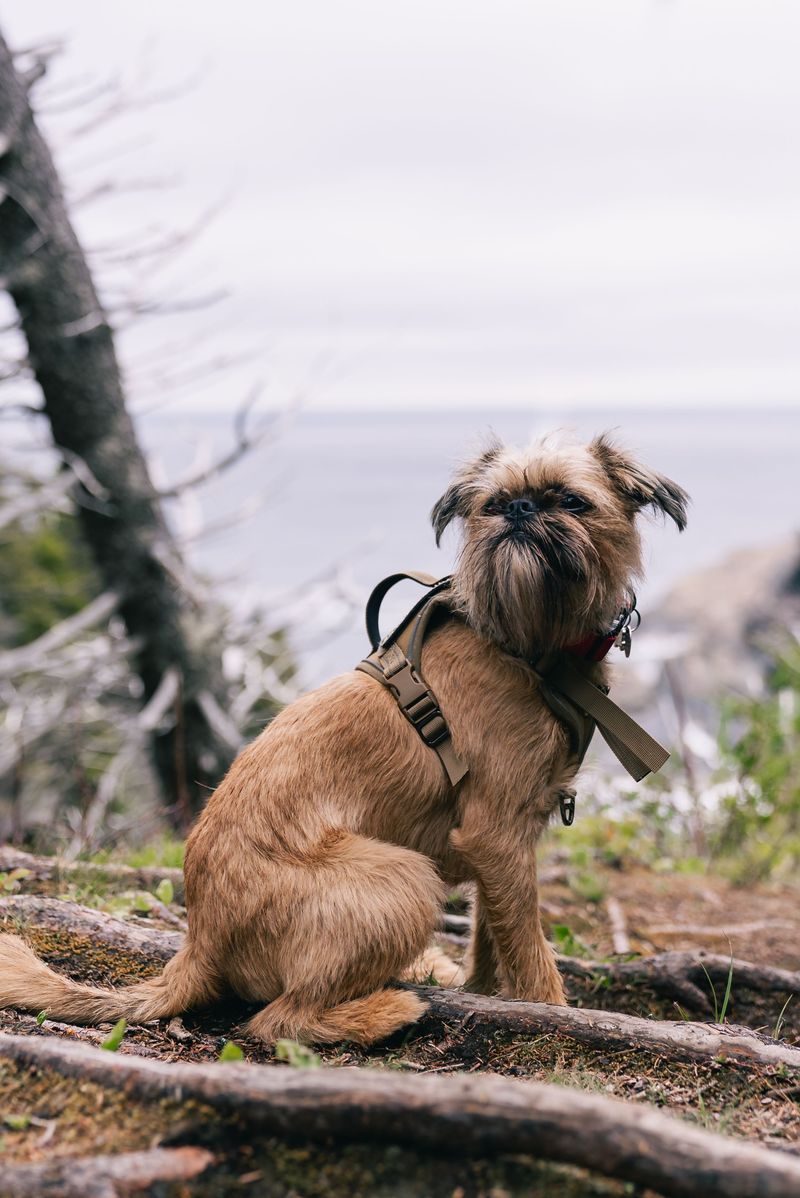
With a face that looks almost human, the Brussels Griffon can stare at its favorite person like a tiny judge. This playful breed often wants to be included in every small event, from breakfast to bathroom breaks.
It may choose the person who talks to it, carries it carefully, or notices its funny moods. To avoid jealousy, teach polite greetings and reward calm sharing.
Short trick sessions with different relatives can make everyone feel important.
Yorkshire Terrier
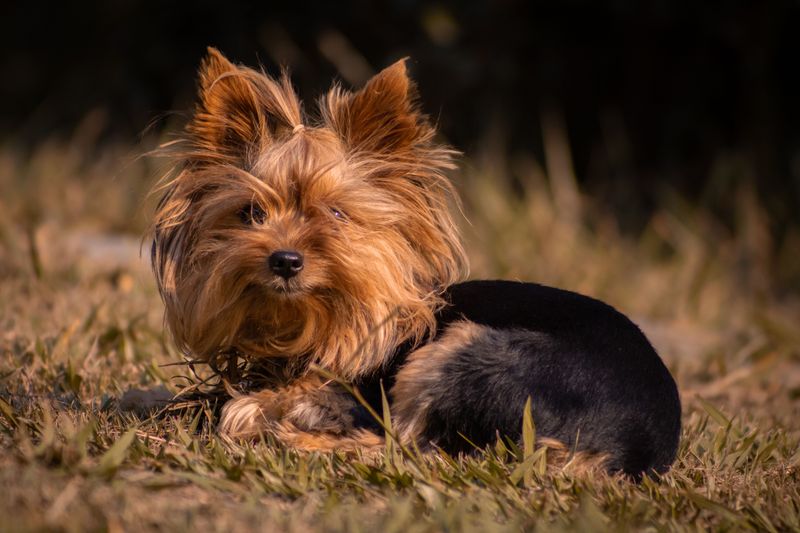
A Yorkie may weigh only a few pounds, yet it can run the household schedule with sparkling confidence. Many choose a favorite person and then patrol that lap like valuable property.
Originally bred to chase rats in mills, Yorkshire Terriers are tougher than their bows suggest. They enjoy attention, training, and little challenges.
Have several people practice sits, recalls, and grooming rewards. When care is shared, the Yorkie can stay devoted without becoming bossy or overly possessive.
Weimaraner
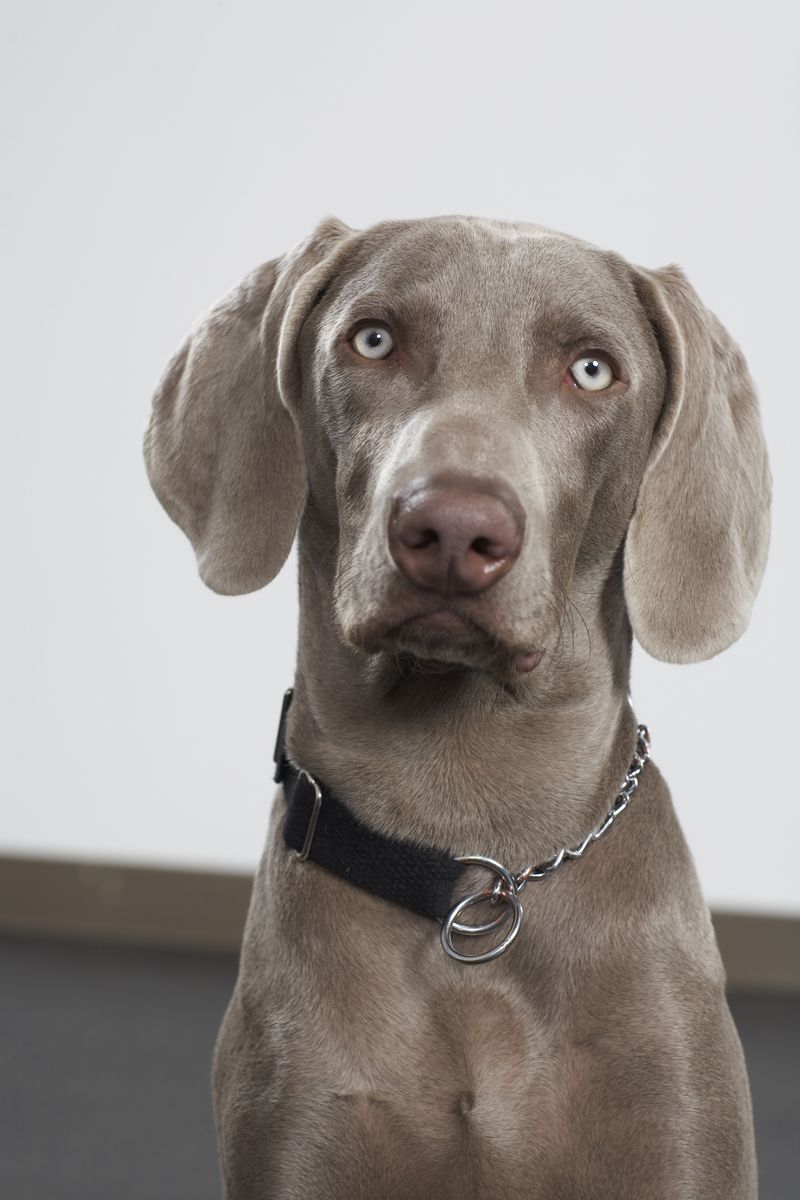
Ever feel watched while making a sandwich? A Weimaraner might be standing right behind its chosen human, ready for the next adventure.
This silver dog was bred for hunting, so focus and closeness come naturally.
Without enough exercise, that attachment can turn into whining, pacing, or shadowing. Plan long walks, scent games, and training that uses its busy brain.
Let each family member lead fun activities, so the Weimaraner learns that excitement has many faces.
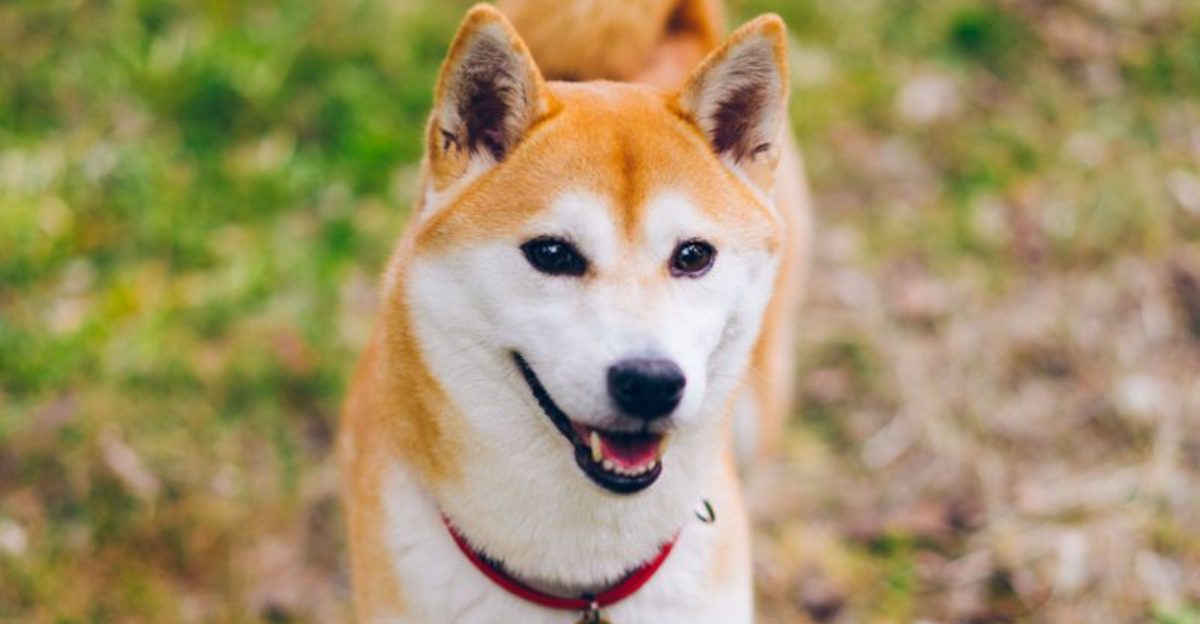
Shiba Inu
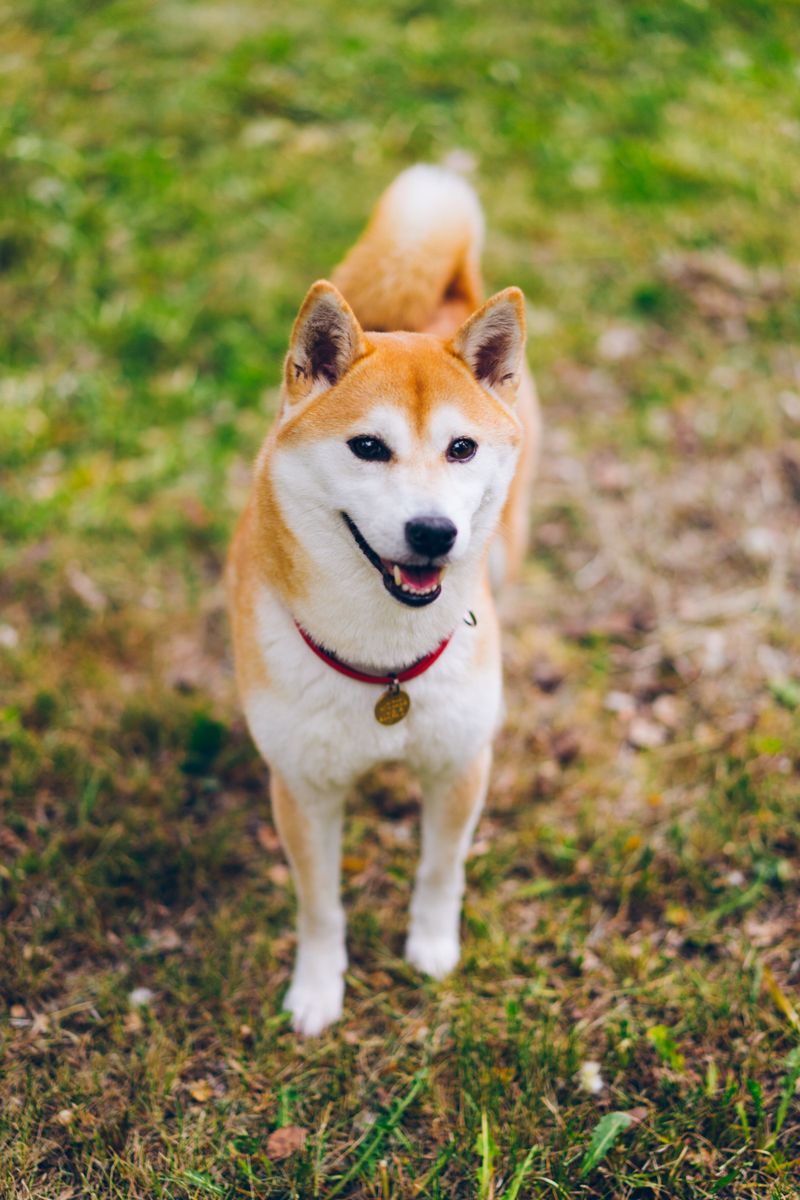
The Shiba Inu may love you, but it might not announce that with sloppy kisses. Independent and foxlike, this Japanese breed often shows favoritism in quiet ways, such as choosing one doorway to guard or one person to follow.
Respect is the magic word. Shibas dislike pushy handling and may ignore people who rush the friendship.
Use tasty rewards, predictable rules, and calm play. When everyone gives space and earns trust, the chosen bond feels less exclusive.
German Shepherd
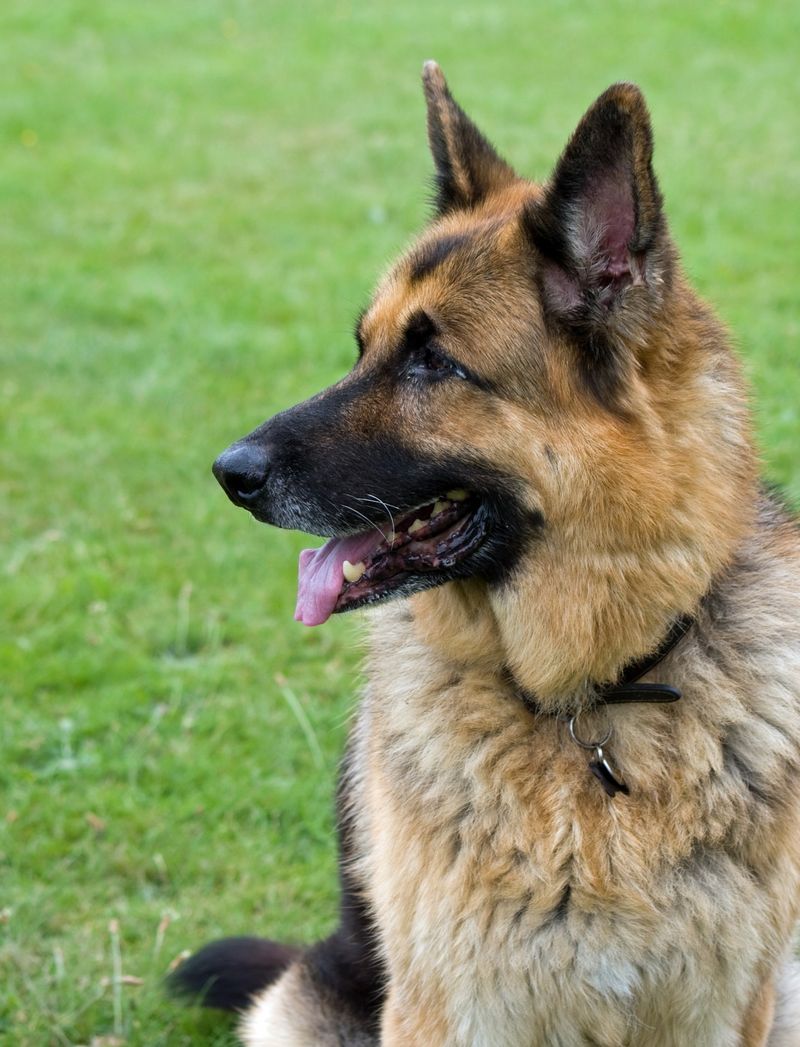
A German Shepherd often looks like it has a mission, even when the mission is watching someone fold laundry. Smart and serious, this breed may attach strongly to the person who provides structure.
Training builds confidence, but it should involve the whole family. Practice simple commands with different voices, reward relaxed behavior, and include safe social outings.
Because Shepherds can become protective, clear boundaries help. A well-guided dog can love deeply without feeling responsible for controlling everyone.
Australian Shepherd
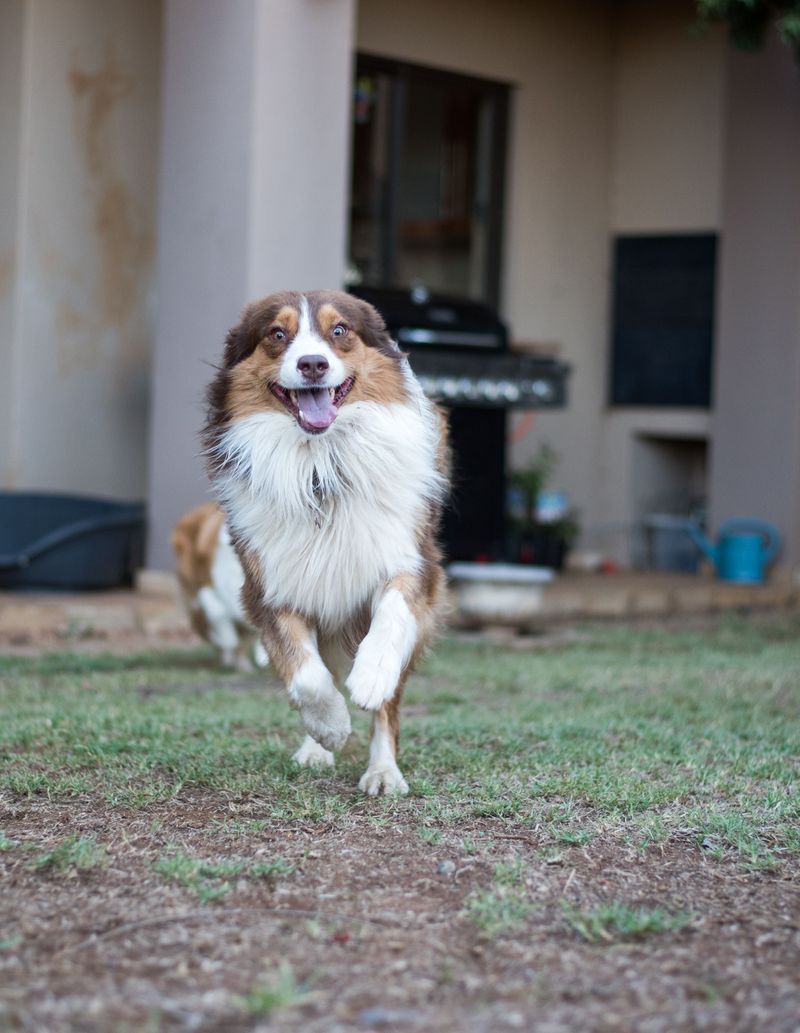
Busy paws, bright eyes, and a plan for everyone, that is the Australian Shepherd. This herding breed may pick the person who gives it the most work, games, and praise.
Aussies notice patterns quickly, including who grabs the leash or starts training. If only one person does everything, favoritism can become intense.
Share puzzle toys, agility-style backyard games, and calm settling practice. A tired, included Aussie is more likely to spread its cheerful devotion across the household.