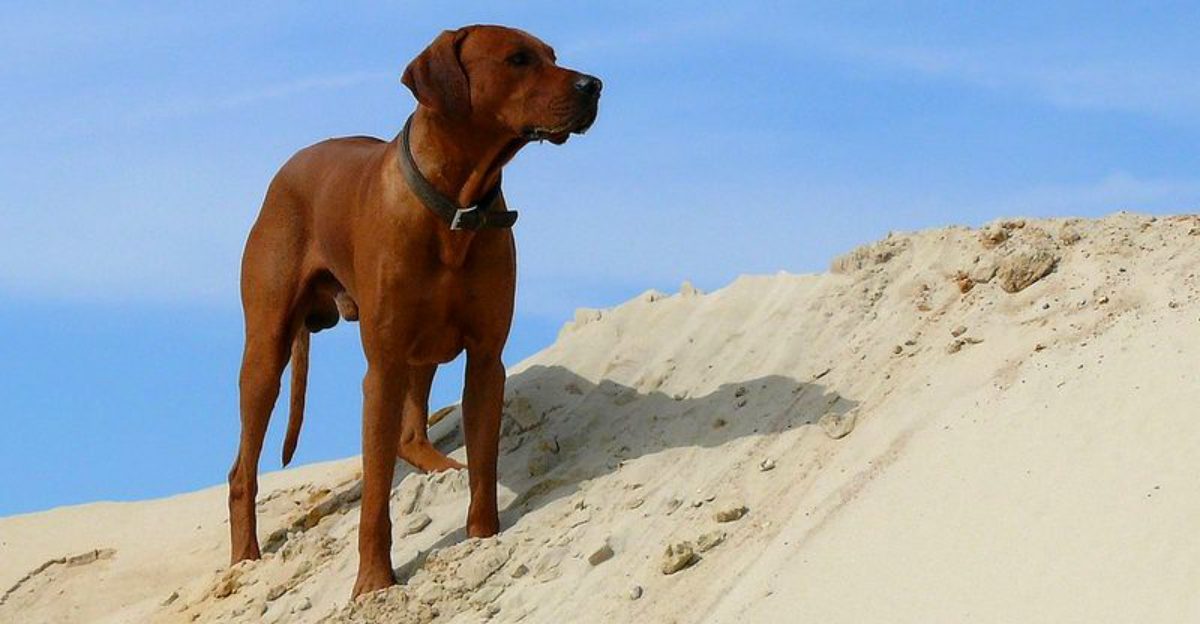
Dogs communicate long before they bite. Small warnings like stiff bodies, hard stares, and tucked tails can mean a dog is stressed.
When we miss those signs, some breeds can be tougher to manage because of their size, drive, or guarding roots. Learning the signals helps everyone stay safer and helps dogs feel understood.
Chow Chow
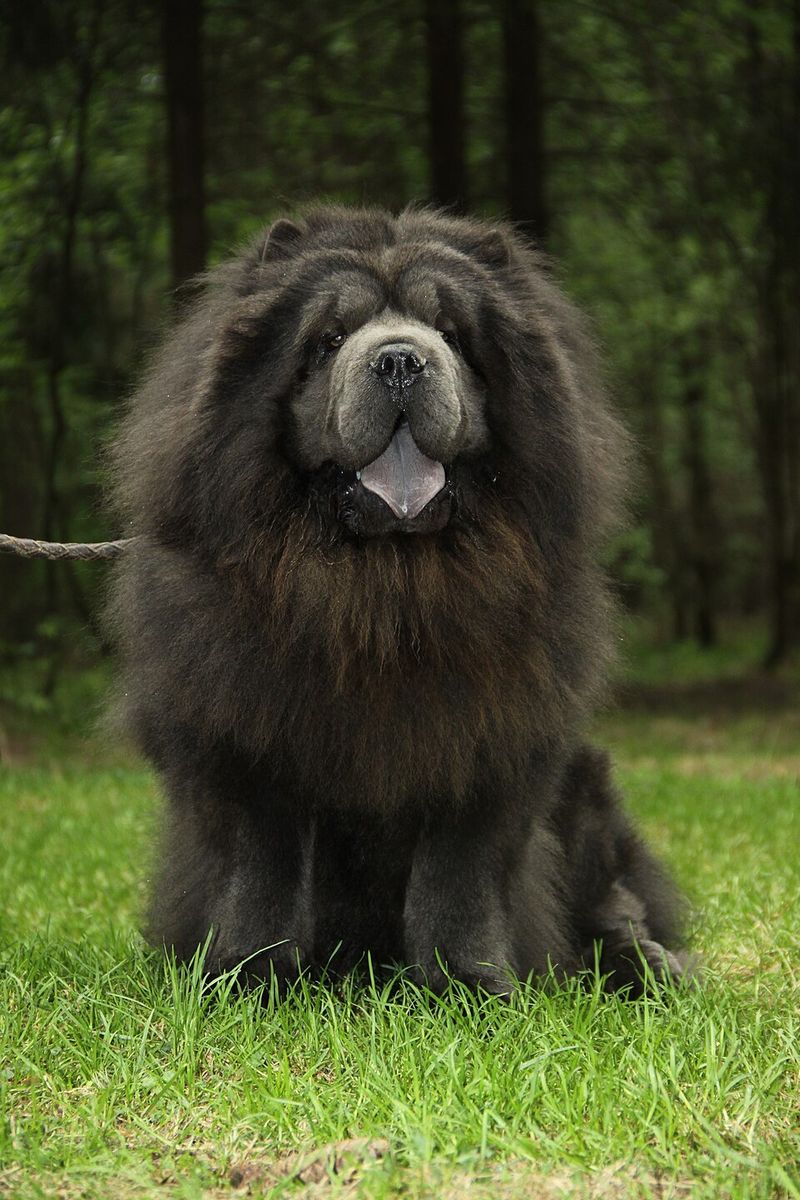
Lion-like fur can make people think a Chow Chow loves surprise hugs. Many are reserved and value space.
You might see a stiff tail, tight mouth corners, and a head that turns away when they feel crowded. Respecting that bubble matters.
Early socialization plus calm handling go far. Ask for simple cues before greetings, reward soft eyes and relaxed bodies, and keep grooming sessions slow.
Fun fact: their blue tongue is a breed hallmark.
Rottweiler
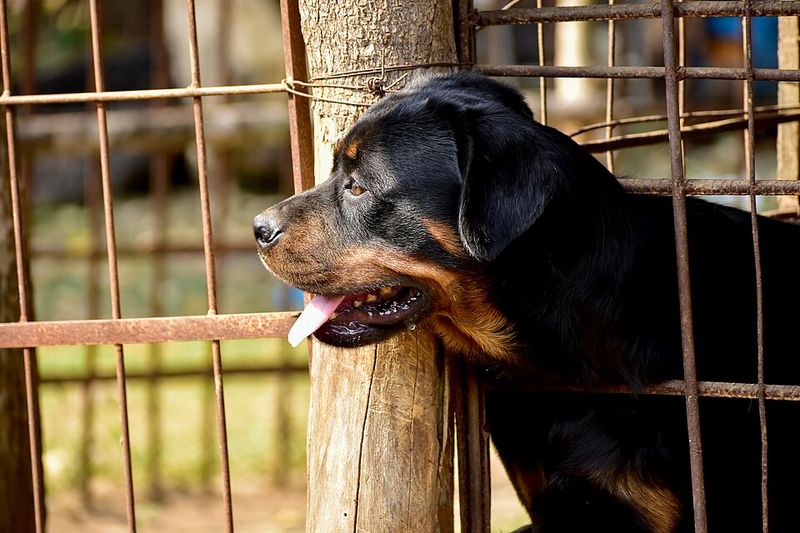
A confident Rottweiler often looks like a bodyguard on duty. That power needs clear rules and kind structure.
Watch for a square stance, a closed mouth, and a deep stare when pressure builds. Those clues mean give space and reset.
Short training sessions with food and play keep their minds busy. Teach a quick check-in cue, practice calm door manners, and use safe management around new guests.
History note: they once drove cattle to market.
Cane Corso
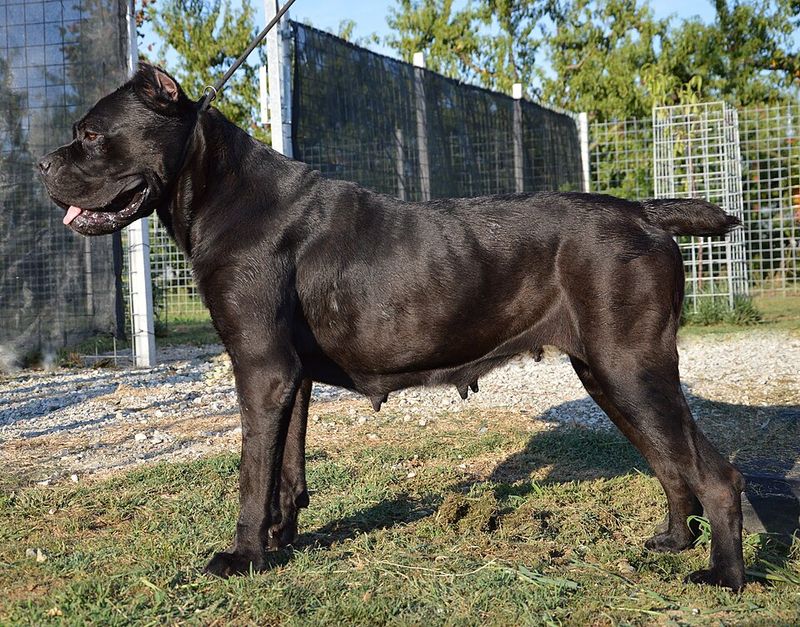
Big frame, bigger heart when understood. A Cane Corso may act watchful around unfamiliar people.
Before trouble, look for a tall posture, tail held high and still, and slow head tracking of movement. Interrupt early with distance and rewards.
Socialize thoughtfully with neutral outings, not forced petting. Teach settle on a mat, reinforce eye contact, and use barriers at windows.
Trivia: the name traces to Latin for guardian dog, which fits their protective spirit.
German Shepherd
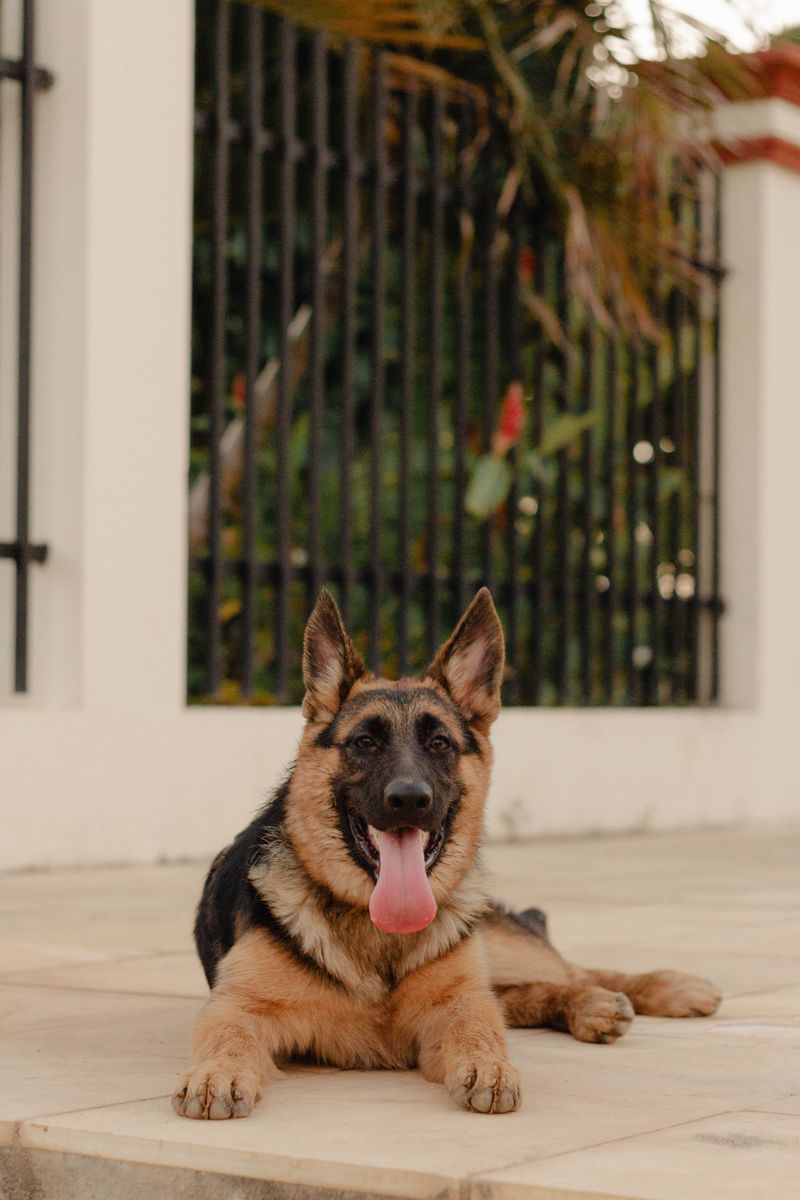
Brains and bravery built the German Shepherd’s reputation. That sharp mind can tip into reactivity when stress stacks up.
Signals can be pinned ears, forward weight, and scanning that never settles. Catch it early with movement breaks and games.
Nose work, obedience, and clear routines reduce uncertainty. Reward loose muscles and soft eyes, not loud displays.
Provide rest away from windows and fences. Fun fact: early dogs worked on German farms guiding sheep between fields.
American Staffordshire Terrier
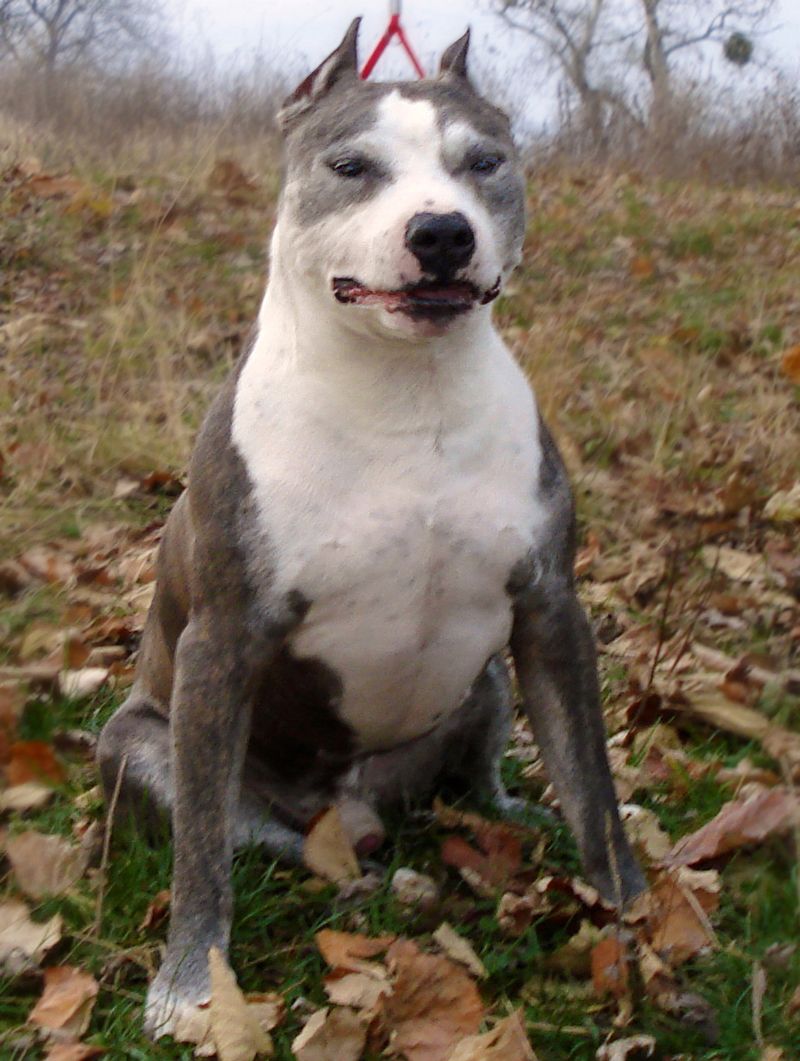
Energy plus enthusiasm defines many AmStaffs. When excitement flips to frustration, warnings can be missed.
Look for a tight tail wag, stiff shoulders, and grabbing for the leash or toy. That is your cue to pause, breathe, and reset the game.
Teach drop, trade, and calm sits before doors or play. Use enrichment like stuffed chew toys to drain steam.
A bit of history: early bull-and-terrier types were bred for grit and stamina.
Doberman Pinscher
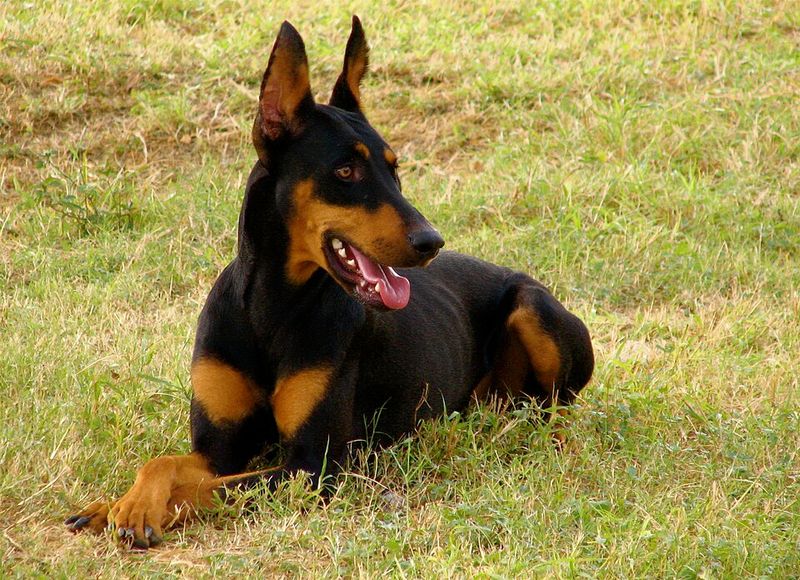
Sleek lines hide a sensitive soul. Many Dobermans read their handler’s mood like a book.
Stress signs include a frozen sit, closed mouth, and tall posture when strangers approach. Step aside, create space, and reward eye contact to lower tension.
Short focus tasks such as heel, touch, and find it build confidence. Rotate calm outings with rest days.
Quirky note: the breed began with a German tax collector seeking a steady guardian and partner.
Shar-Pei
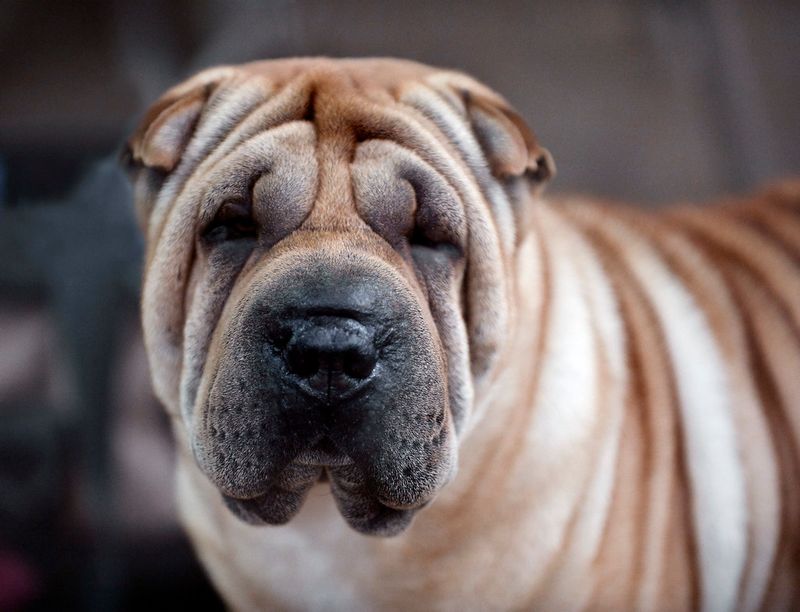
Those famous wrinkles can mask subtle expressions. Shar-Pei often prefer quiet hellos.
When worried, you may see a tight brow, a sideways glance, and a still tail. Give room, turn your body sideways, and toss treats to build trust.
Gentle grooming matters because skin folds can feel tender. Keep visits short, teach chin rest for handling, and reward calm sniffing.
History tidbit: the breed comes from southern China and worked as a multipurpose farm dog.
Giant Schnauzer
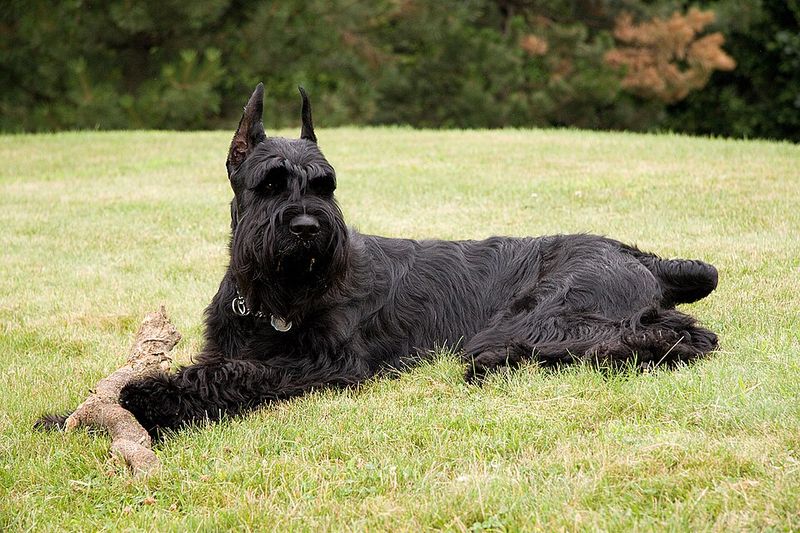
Big eyebrows, bigger drive to work. The Giant Schnauzer thrives with jobs.
Without outlets, watch for pacing, vocalizing, and hard eye contact at passing dogs. Those are early clues to change direction or ask for a scatter of treats on grass.
Daily training, tracking games, and structured fetch help balance energy. Teach a strong recall and a settle on a mat.
Origin fact: they once helped move cattle and guarded breweries in Bavaria.
Belgian Malinois
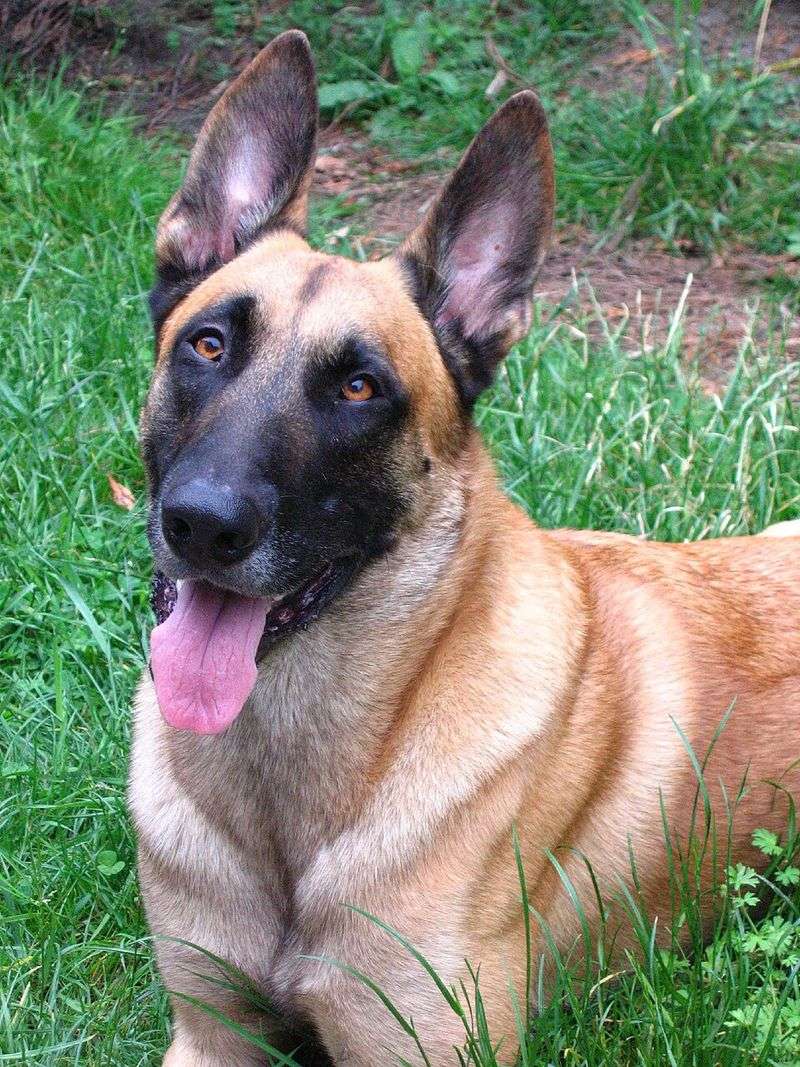
High-octane and laser focused, a Malinois notices everything. That intensity can overflow fast.
Early red flags include jumping to nip sleeves, pupils widening, and spring-loaded bouncing. Switch to scent games or a calm pattern walk before it spikes.
Frequent micro-sessions beat long marathons. Reward stillness as much as speed, and use clear on-off cues for play.
Interesting note: many excel in detection work because sniffing gives their minds a healthy job.
Australian Cattle Dog
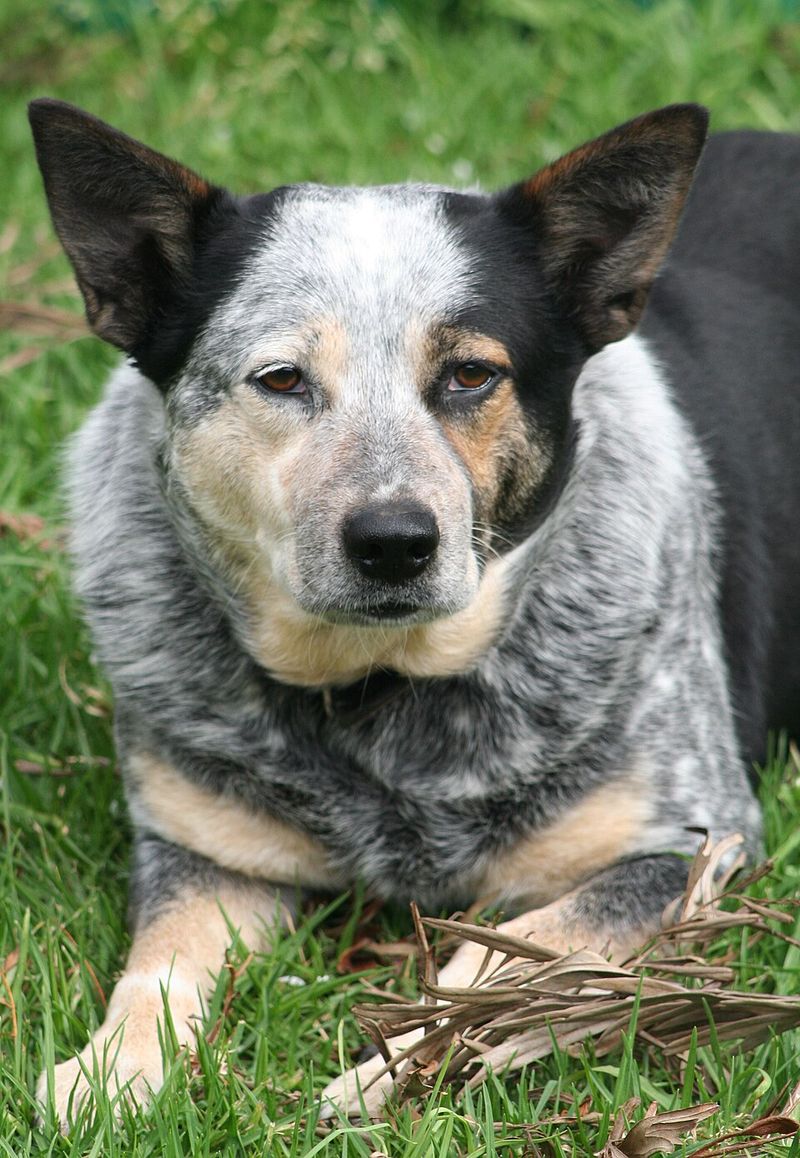
Born to herd, the Australian Cattle Dog has grit to spare. Without tasks, boredom creates trouble.
Watch for heel nipping at joggers, crouched stalking of bikes, and tight, still bodies. Redirect with sniffing, toy fetch on cue, or a quick scatter feed.
Teach controlled herding outlets like treibball or fast recall games. Keep city walks short and purposeful.
Heritage fact: they were bred in Australia to handle tough cattle over long distances.
Rhodesian Ridgeback
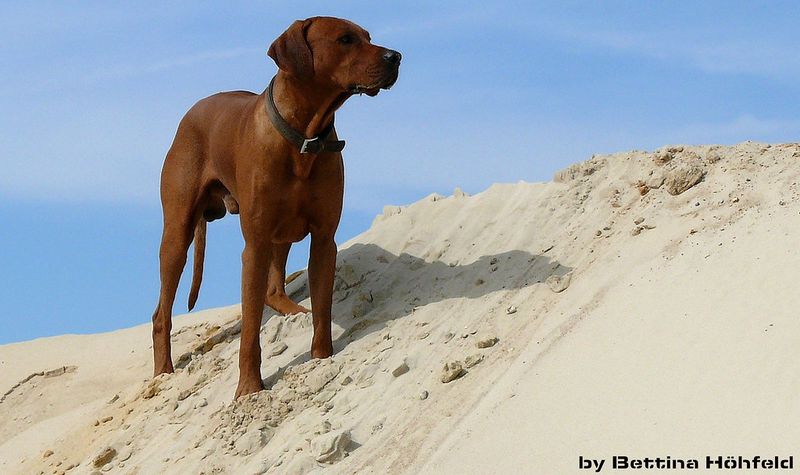
Elegant and independent, the Ridgeback often thinks before acting. Subtle stress shows as a slight tail tuck, lip licking, and a stare into the distance instead of engaging.
Give a curved approach, offer treats behind you, and increase distance from triggers.
Long hikes, recall games, and quiet decompression time keep balance. Practice leave it and easy check-ins.
Fun fact: they were developed in southern Africa to track game and stand firm without rash contact.