Retirement can bring more free time, calmer mornings, and a chance to enjoy fresh air at your own pace. Some dogs are happy with a short stroll, but others still need steady walks, games, and daily movement.
Picking the right breed matters because an energetic dog can keep you healthy, social, and smiling. If your walking shoes are still ready for action, these breeds may gladly join you.
Beagle
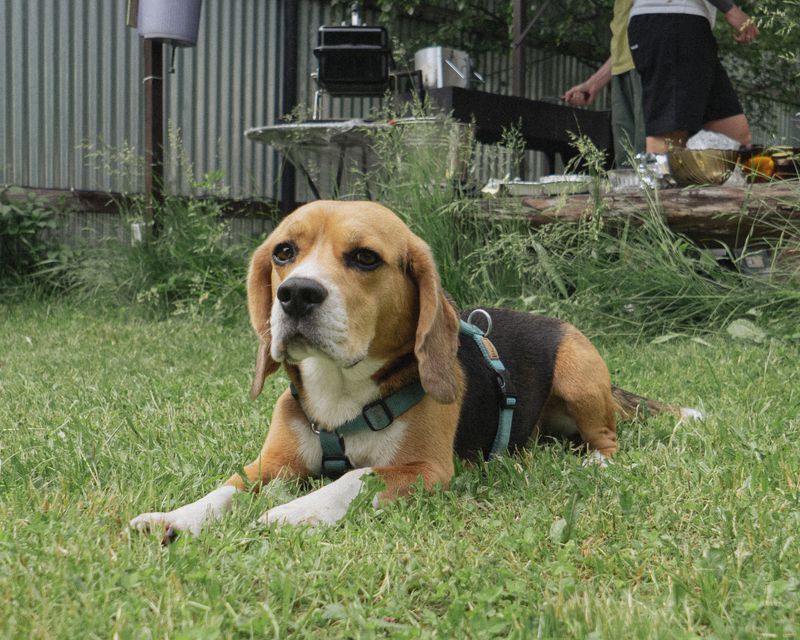
A Beagle follows its nose like a tiny detective on four legs, so every walk can become an adventure. Retirees who enjoy slow exploring may love this merry, sturdy hound.
Plan for daily walks, sniff breaks, and a secure leash, because scent trails can tempt them away. Beagles also enjoy puzzle toys at home.
Keep treats measured, since they can gain weight quickly when those pleading eyes start working.
Miniature Schnauzer
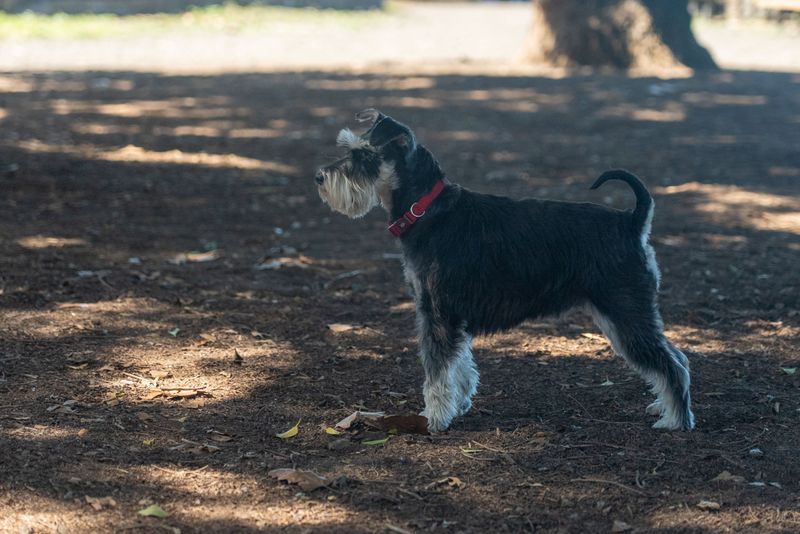
With eyebrows that look ready to judge your pace, the Miniature Schnauzer brings big character in a small package. This bright little dog often enjoys brisk walks and meeting neighbors.
Its wiry coat needs regular grooming, but shedding is usually low. Give it training games, short practice sessions, and chances to sniff.
A Schnauzer can be vocal, so reward quiet manners early. For active retirees, it offers pep without taking over the whole sofa.
Brittany
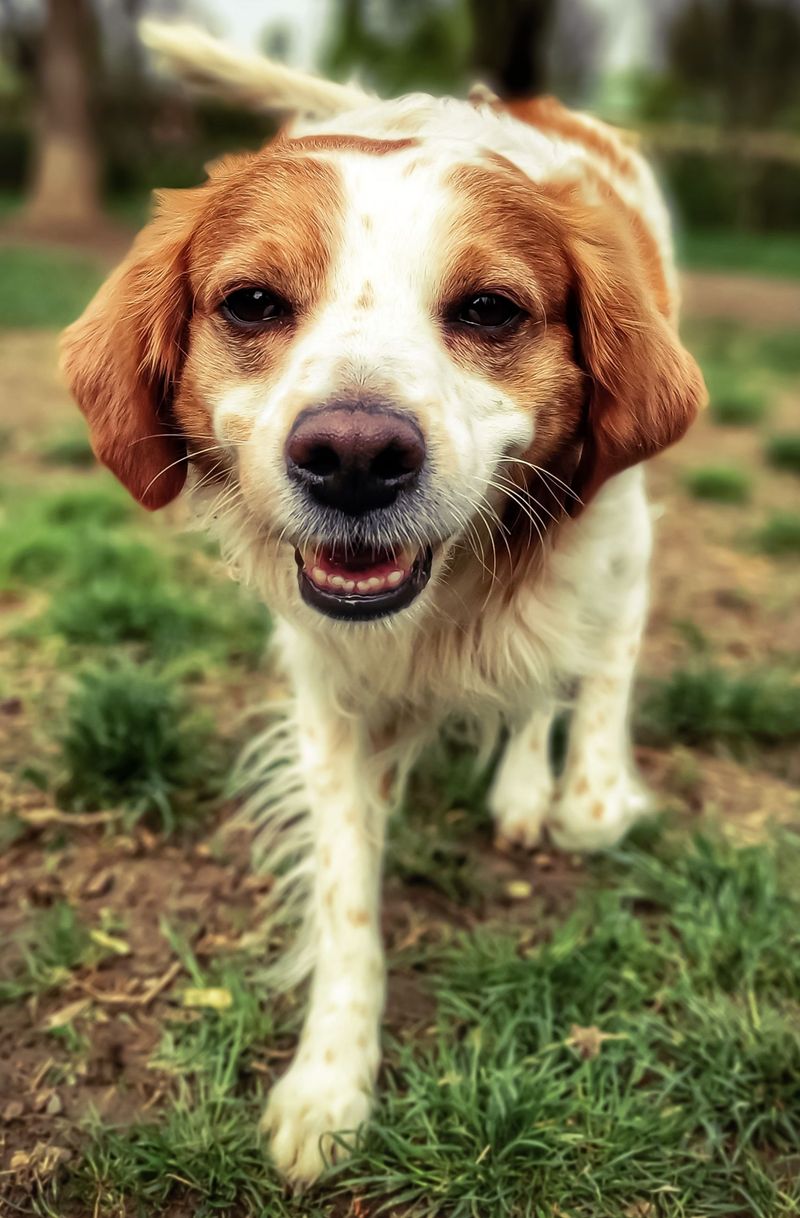
The Brittany moves as if someone turned on a hidden spring inside its paws. Bred as a hunting dog in France, it has stamina that suits people who still like long trails.
A quick lap around the block will not be enough for most Brittanys. Think longer walks, safe off-leash runs in fenced areas, and fetch sessions.
Training should be upbeat and kind. After exercise, many settle sweetly near your chair, proud of a job well done.
Pembroke Welsh Corgi
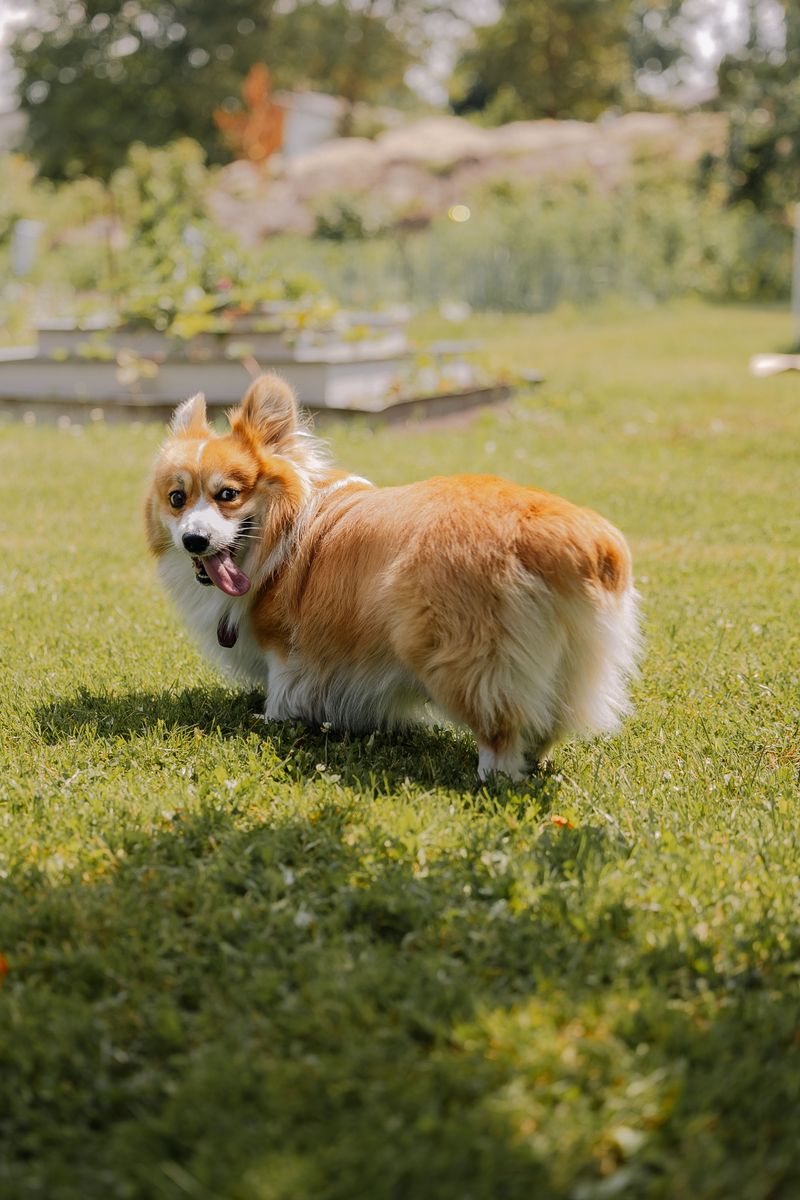
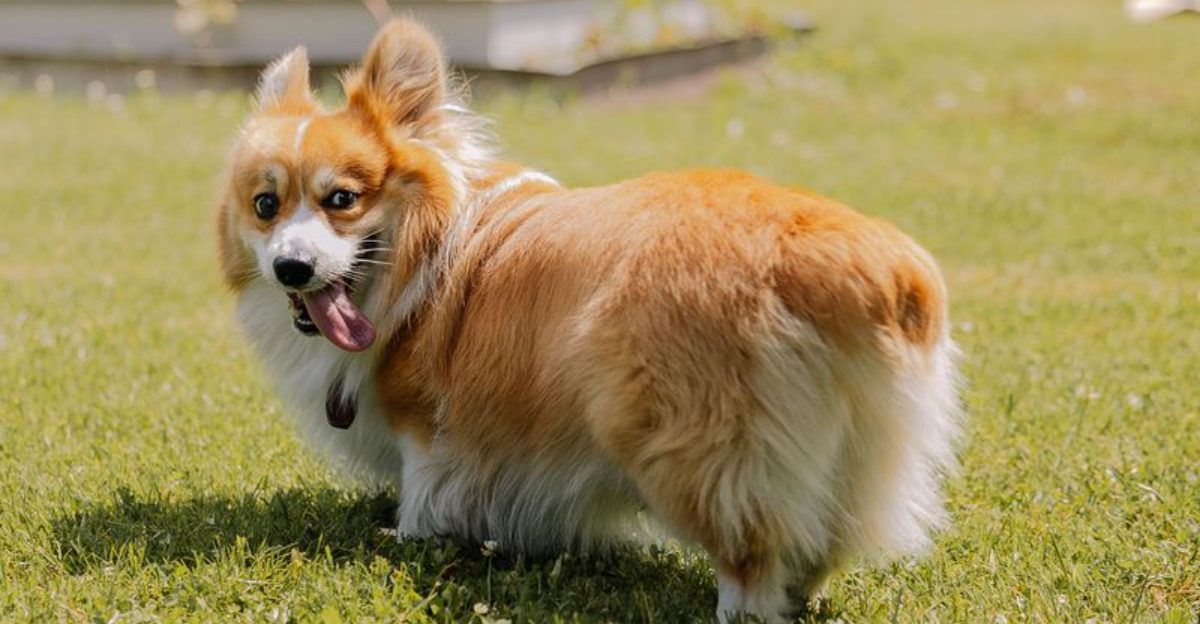
Short legs do not mean a short supply of energy. The Pembroke Welsh Corgi was built to herd cattle, and many still carry that busy, bossy spirit.
Regular walks help keep its body trim, which is very important for its long back. Avoid too many stairs or high jumps.
Corgis often enjoy training, food puzzles, and learning funny tricks. Their cheerful strut can make ordinary errands feel like a little parade around town.
English Cocker Spaniel
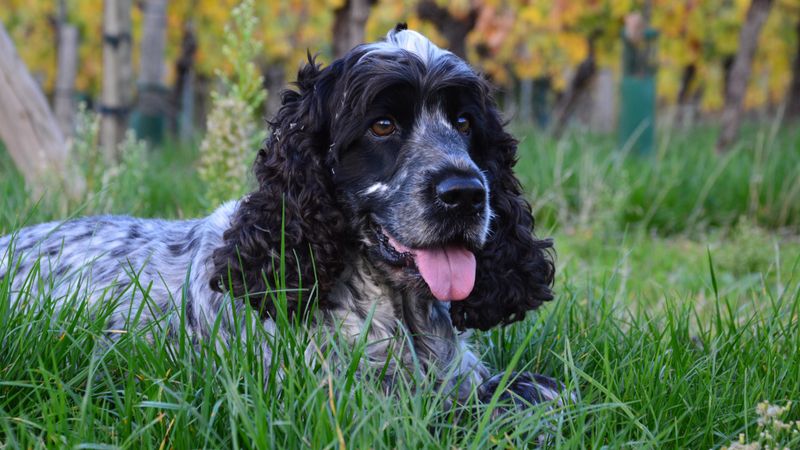
An English Cocker Spaniel seems to wag from nose to tail, especially when a leash appears. This silky-eared breed brings cheer to walks, parks, and weekend visits.
Daily exercise keeps it from getting bored and mischievous. Many enjoy gentle games of fetch, field walks, and scent games in the yard.
Brush those feathered ears and legs often, especially after outdoor fun. For retirees wanting sweetness with steady activity, this spaniel keeps life pleasantly moving.
Standard Poodle
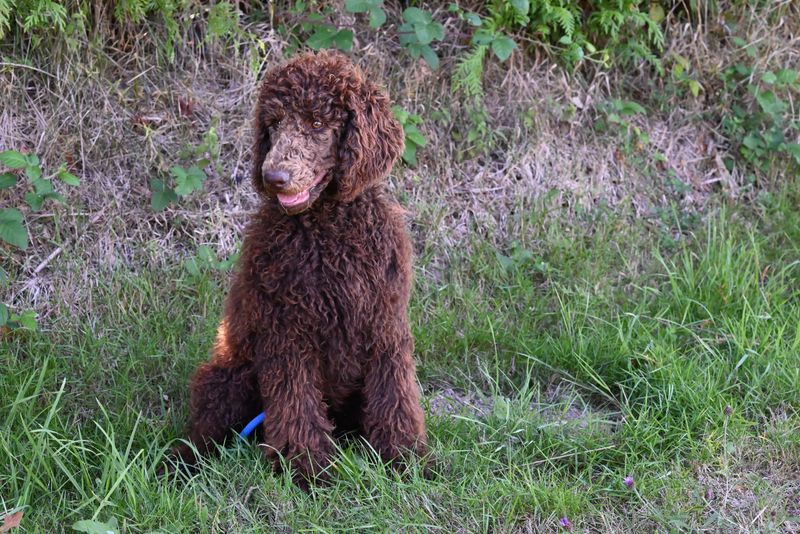
Forget the fancy haircut stereotype for a moment. A Standard Poodle is an athlete with brains, balance, and a surprising love for outdoor fun.
Long walks, swimming, and training games suit this smart breed well. Its curly coat needs regular clipping, but many owners enjoy the tidy look and low shedding.
Poodles learn fast, so keep lessons fresh and fair. For retirees who like both exercise and conversation, this dog may feel almost human.
Border Terrier
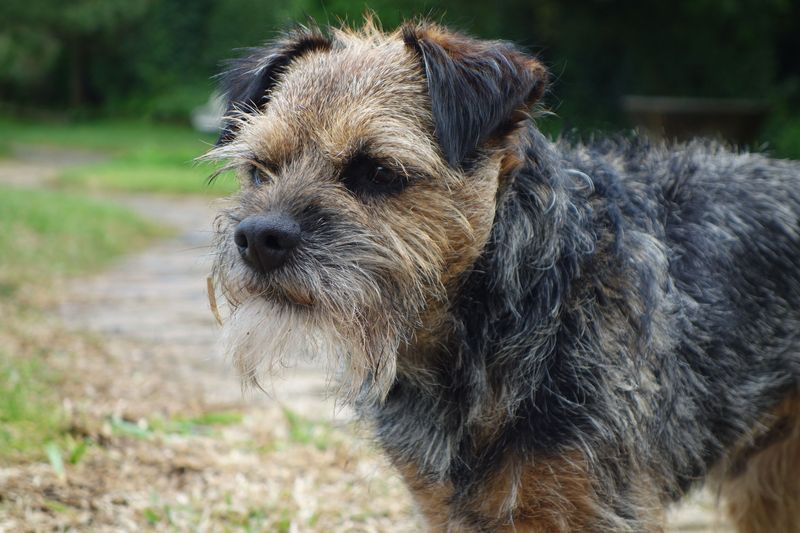
A Border Terrier may look scruffy and mild, but underneath that rough coat is a little engine. Originally used near the border of England and Scotland, it can keep going longer than expected.
This breed enjoys walks, digging spots, and lively play. Use a leash near wildlife, because terrier instincts can switch on fast.
Its size is handy for smaller homes, yet its energy asks for commitment. Give it daily outings, and it will reward you with bold loyalty.
Papillon
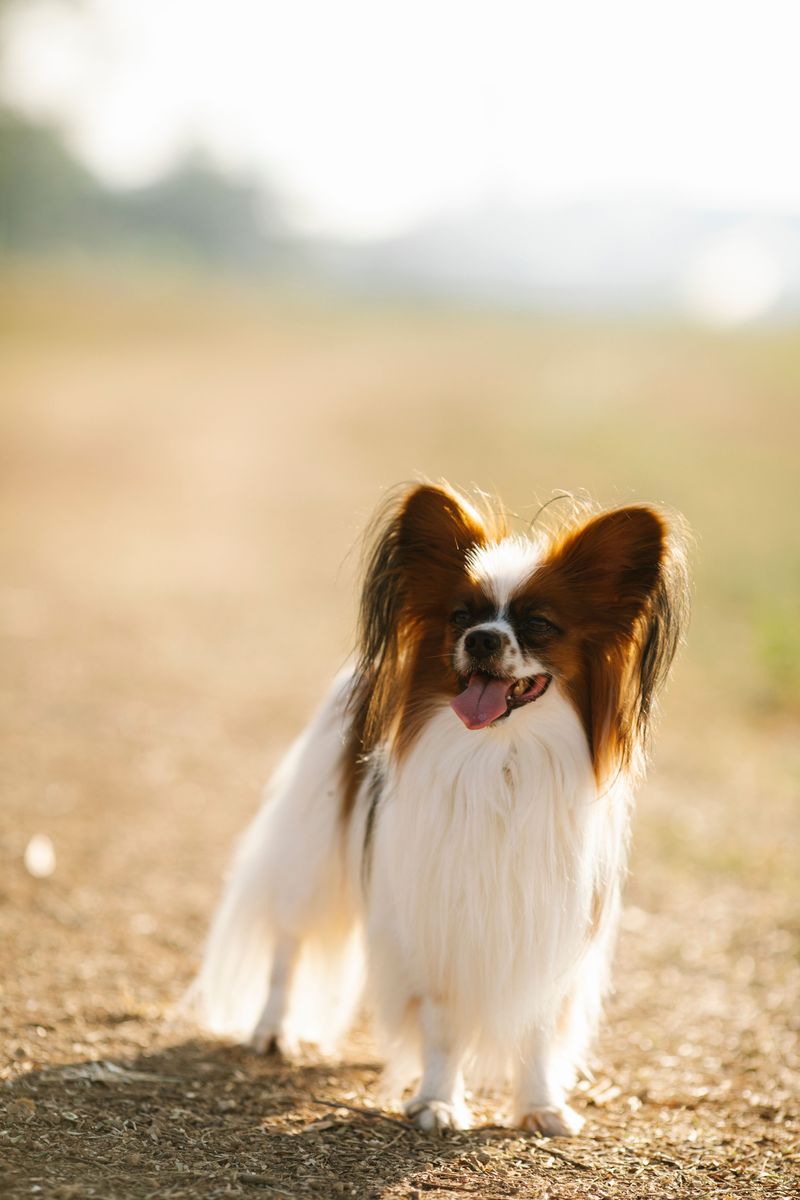
Tiny paws can still make big plans, and the Papillon proves it every day. Named for butterfly-like ears, this toy breed is often lively, clever, and ready to learn.
Several shorter walks may suit it better than one long march. Add trick training, indoor games, or beginner agility to keep its mind busy.
Because it is small, watch for rough dogs and cold weather. A Papillon fits easily into many retired routines while still adding sparkle.
Shetland Sheepdog
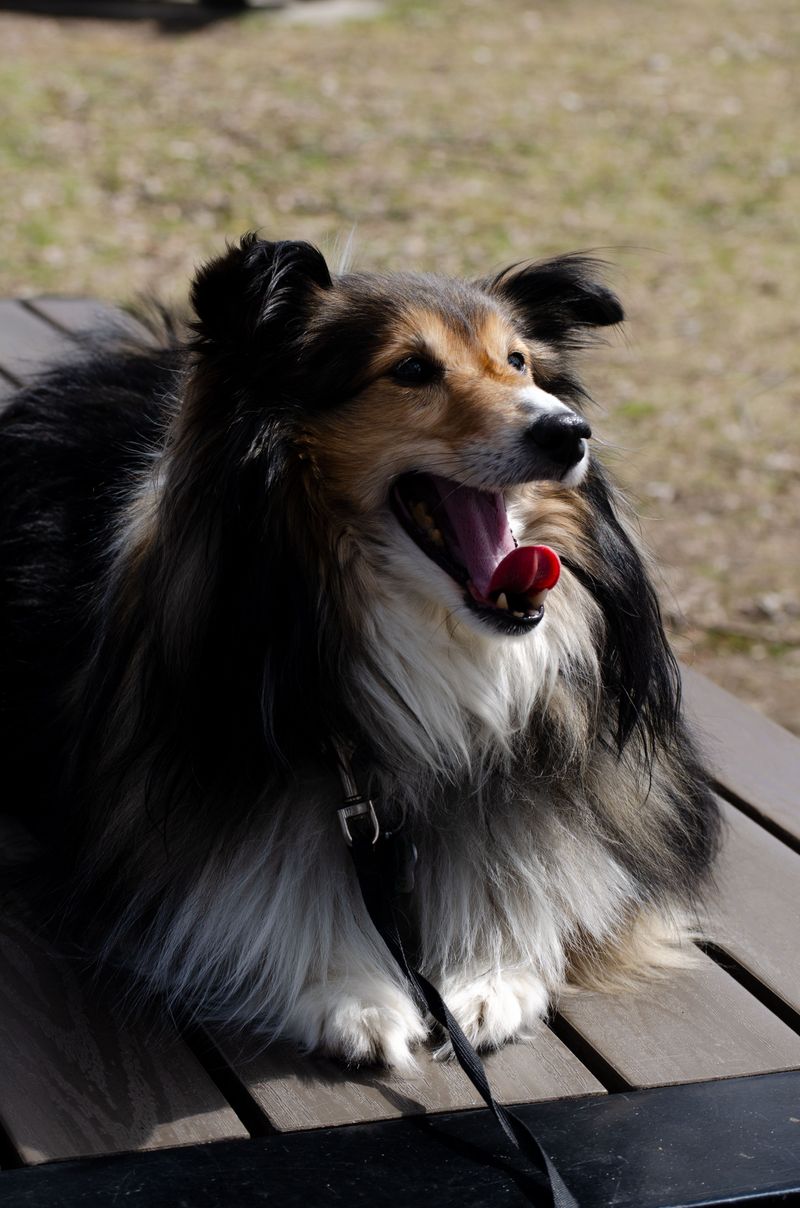
A Shetland Sheepdog often watches its person like a helpful little shadow waiting for instructions. Bred in the Shetland Islands, it is quick, alert, and eager to stay involved.
Walks are only part of the plan. Shelties also enjoy obedience games, gentle herding-style play, and learning routines.
Their thick coat needs brushing, and their voice can be busy, so teach calm cues. For retirees who enjoy teamwork, this breed brings both motion and meaning.
Welsh Springer Spaniel
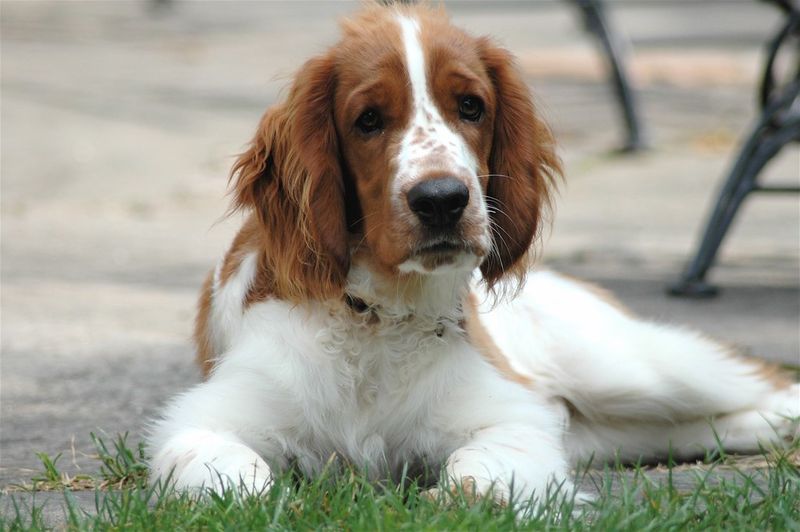
The Welsh Springer Spaniel has a happy bounce that can make a quiet morning feel fresh again. This red-and-white sporting dog enjoys being close to family and out in nature.
It usually needs steady daily exercise, not just backyard time. Woodland walks, sniffing games, and soft retrieves are good choices.
Check ears after damp outings, since spaniels can collect moisture and seeds. Patient training works best.
With kind guidance, it becomes a cheerful reason to keep moving.