
Some dogs act like tiny security alarms every time a leaf moves. Others are much calmer and prefer to watch the world without making a big fuss.
If you live near neighbors, have thin walls, or just enjoy a peaceful home, choosing a quieter breed can make daily life easier. These breeds are often less likely to bark at every sound, though good training still matters.
Basenji
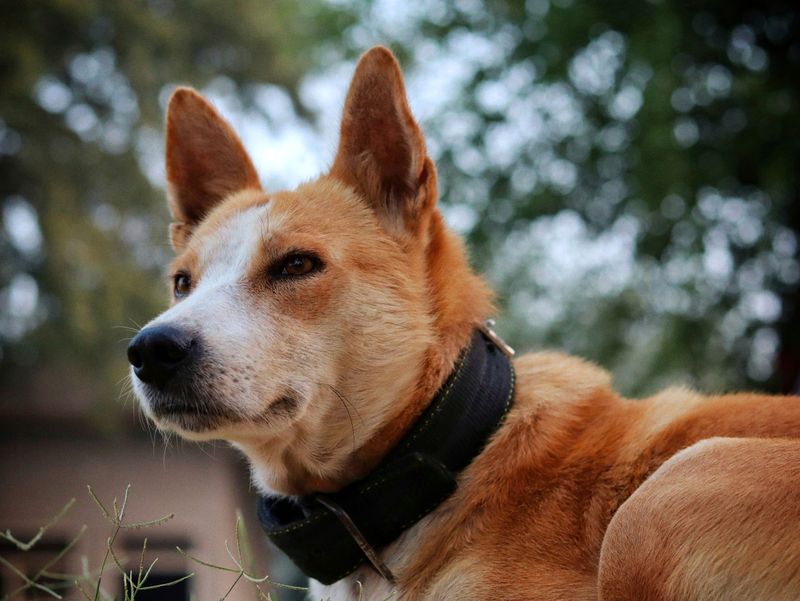
Known as the barkless dog, the Basenji has a funny way of making yodel-like sounds instead of regular barking. That does not mean it is silent, but it usually will not shout at every passing bike or squirrel.
This clever breed came from Central Africa and likes to stay busy. Puzzle toys, walks, and simple training games help prevent mischief.
A tired Basenji is more likely to curl up and quietly judge the neighborhood.
Greyhound
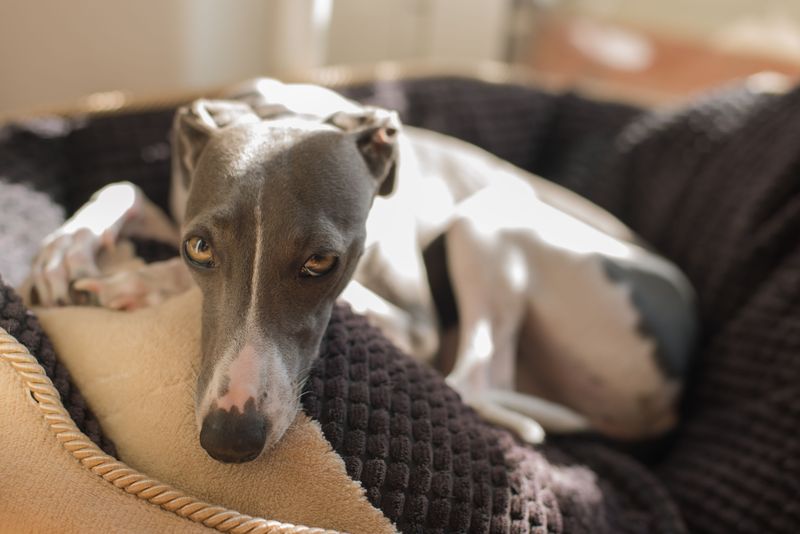
A Greyhound may look like a racing machine, but at home it often turns into a long, sleepy noodle. Many are surprisingly quiet indoors and would rather nap than announce every footstep outside.
Short walks and safe chances to stretch their legs usually keep them content. Because they are sensitive, harsh scolding can make them nervous.
Calm praise works better. Give this elegant dog a soft bed, and it may become the quietest roommate you know.
Whippet
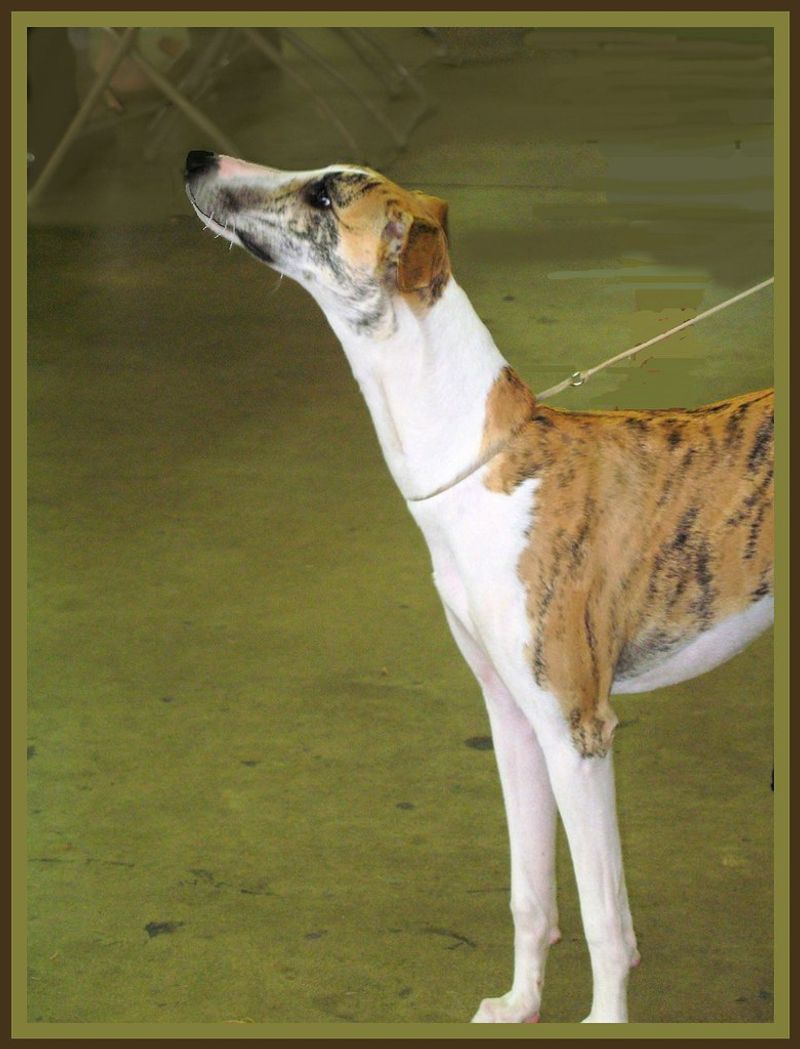
Picture a dog shaped like a question mark, tucked under a blanket and pretending the doorbell never happened. That is the Whippet mood in many homes.
This breed can be watchful, but it is not usually a nonstop barker.
Whippets enjoy quick runs, warm spots, and being close to their people. They do best with kind routines and gentle handling.
If boredom builds, they may whine or fuss, so daily play keeps the peace.
Borzoi
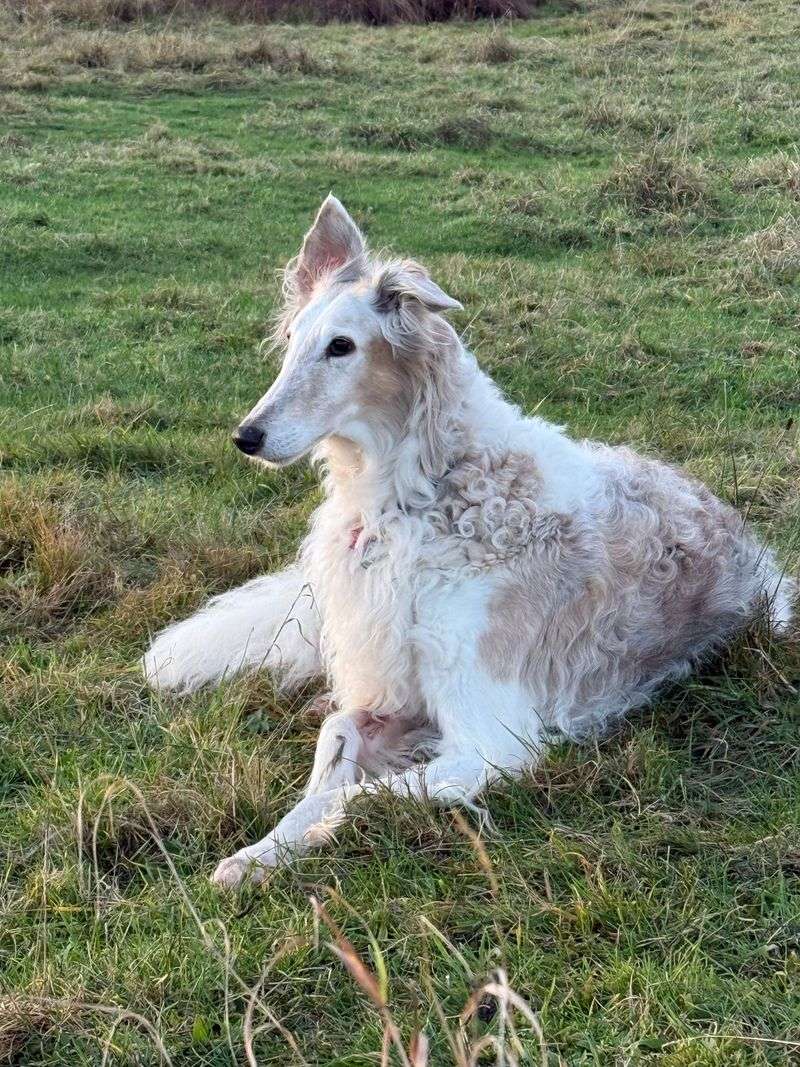
The Borzoi carries itself like royalty walking through a museum, quiet, graceful, and a little mysterious. Originally bred in Russia for hunting, it can be fast outdoors yet peaceful inside.
This breed usually saves its voice for moments that truly matter. A fenced area is important because chasing instincts can be strong.
Indoors, offer space to stretch, a calm routine, and patient training. The Borzoi often rewards you with soft manners and low drama.
Great Dane
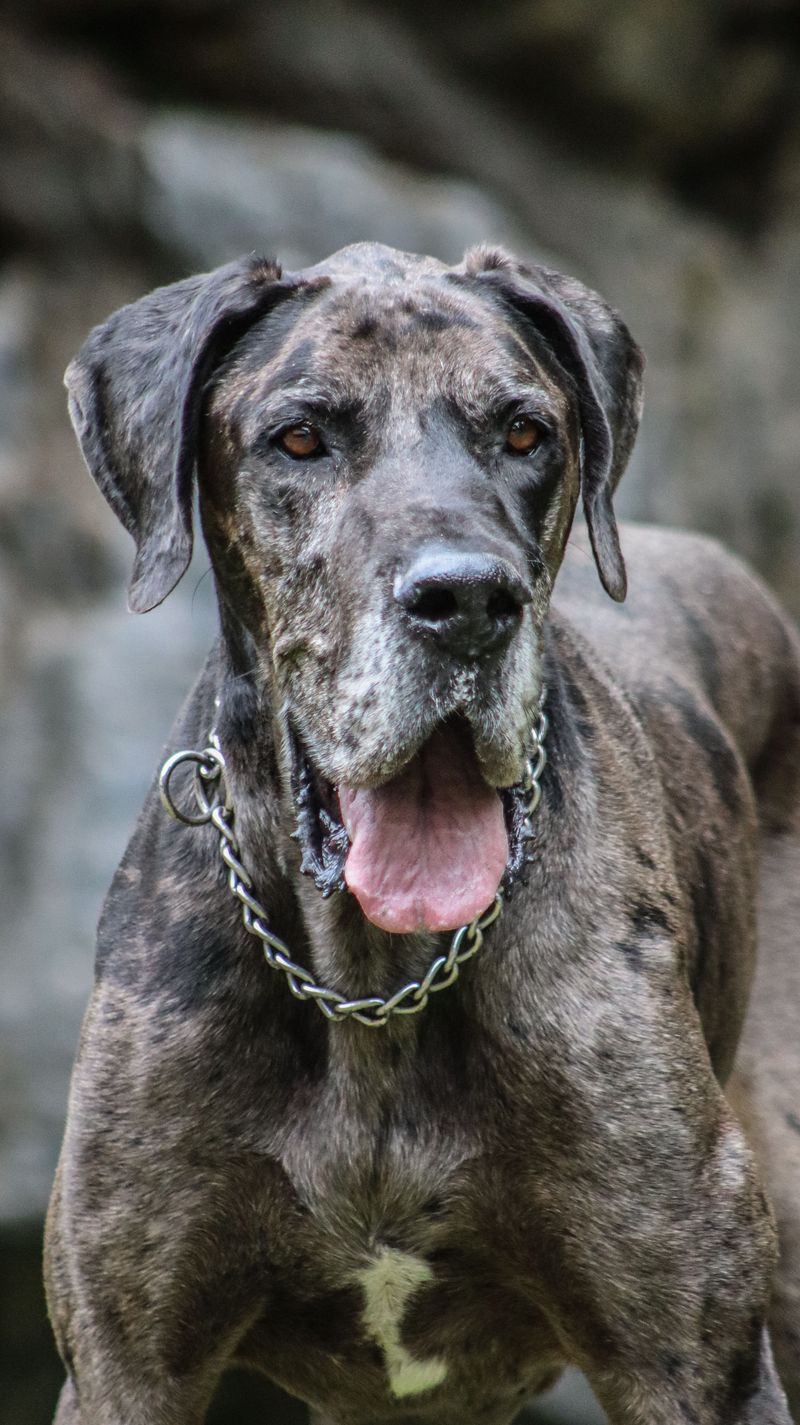
With a body as tall as a small pony, the Great Dane does not need to bark to be noticed. Its size alone can make visitors pause, yet many Danes are calm house dogs.
They may alert you when something seems unusual, but they are often not chatty for no reason. Early manners training is key because a giant dog must learn polite greetings.
Soft bedding, steady walks, and family time help this big sweetheart relax.
Japanese Chin

Small dogs sometimes get blamed for being noisy, but the Japanese Chin often breaks that rule. This little companion has a catlike style, choosing high perches, soft cushions, and quiet observation over constant barking.
Historically loved by Japanese nobility, it still acts a bit fancy. Short play sessions and gentle walks are usually enough.
Since it bonds closely with people, leaving it alone too long can cause stress. A steady schedule helps keep its sweet voice rare.
Cavalier King Charles Spaniel
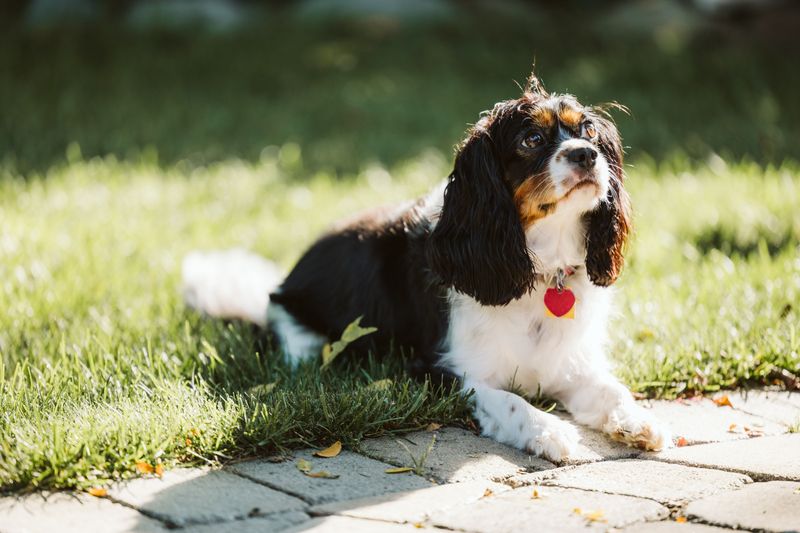
If a dog could say, please sit with me, the Cavalier King Charles Spaniel would say it with big, warm eyes. This breed is usually more interested in people than in yelling at sidewalk traffic.
Cavaliers can still bark when excited or lonely, so do not skip training. Reward quiet behavior when someone passes the door.
Regular brushing, easy walks, and cuddle time suit them well. Their calm sweetness can make a busy home feel softer.
Bullmastiff
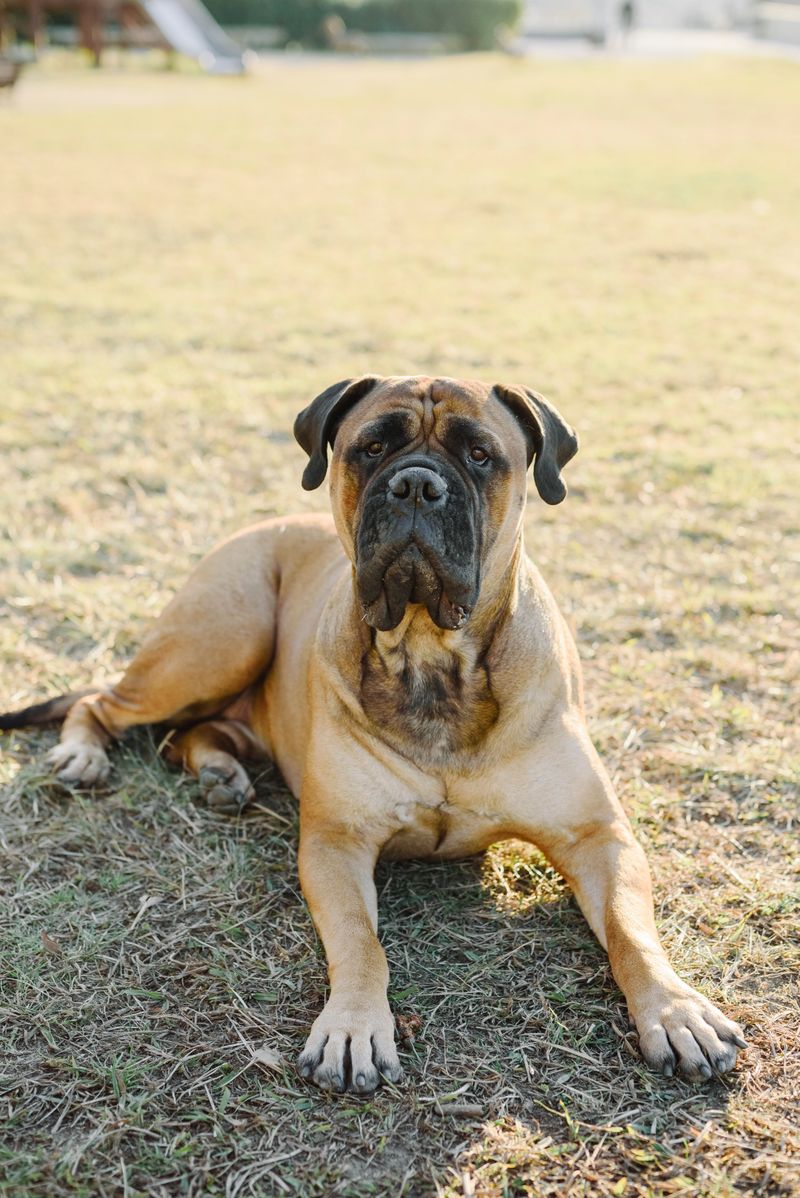
A Bullmastiff often believes one serious look is better than ten loud barks. Bred to guard estates in England, it learned to watch closely and act with control rather than make endless noise.
That quiet confidence needs good leadership from the start. Teach leash skills, doorway manners, and friendly greetings while the dog is young.
Bullmastiffs enjoy moderate exercise, not marathon runs. With structure and affection, they can be steady protectors who do not narrate every delivery truck.
Rhodesian Ridgeback
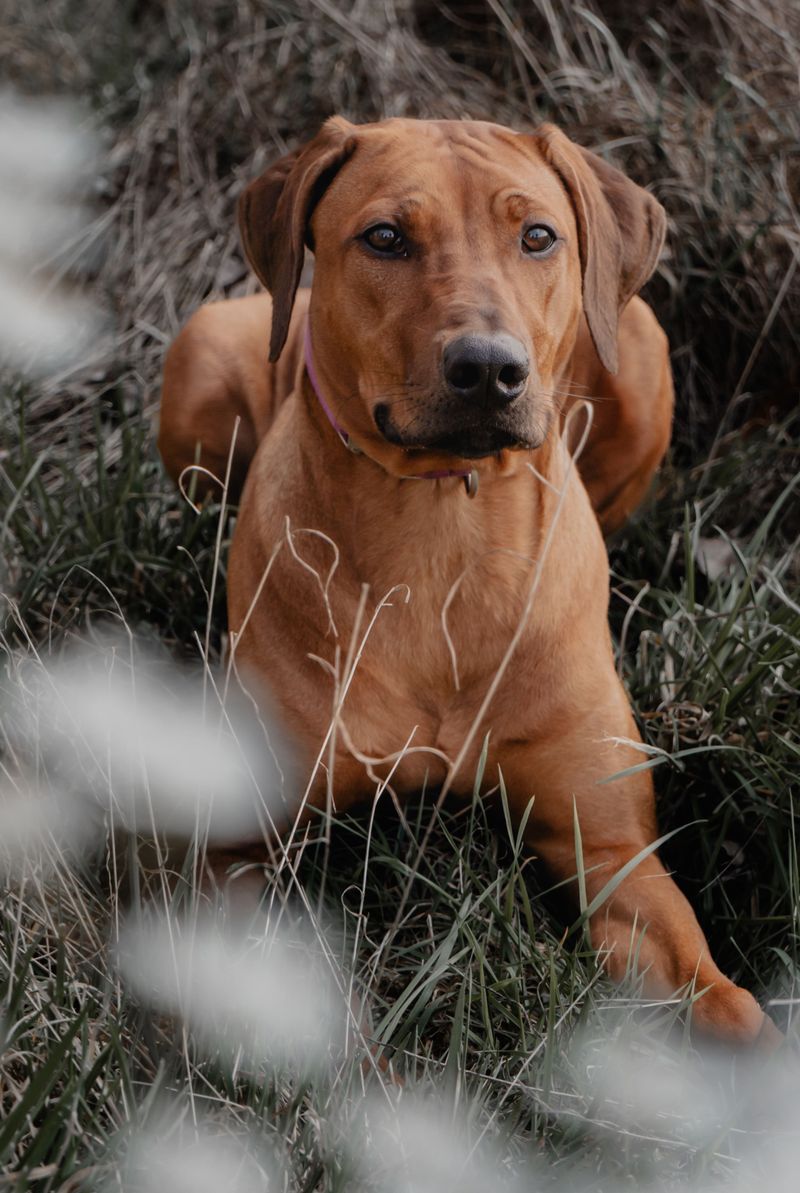
Built for courage under the African sun, the Rhodesian Ridgeback is not usually the type to panic over a neighbor carrying groceries. It tends to be thoughtful, strong, and careful with its voice.
This breed needs exercise and clear rules, because a bored Ridgeback may create its own job. Long walks, scent games, and training challenges work well.
Socialization helps it judge normal sounds better. When raised well, it can be alert without being noisy.
Shih Tzu
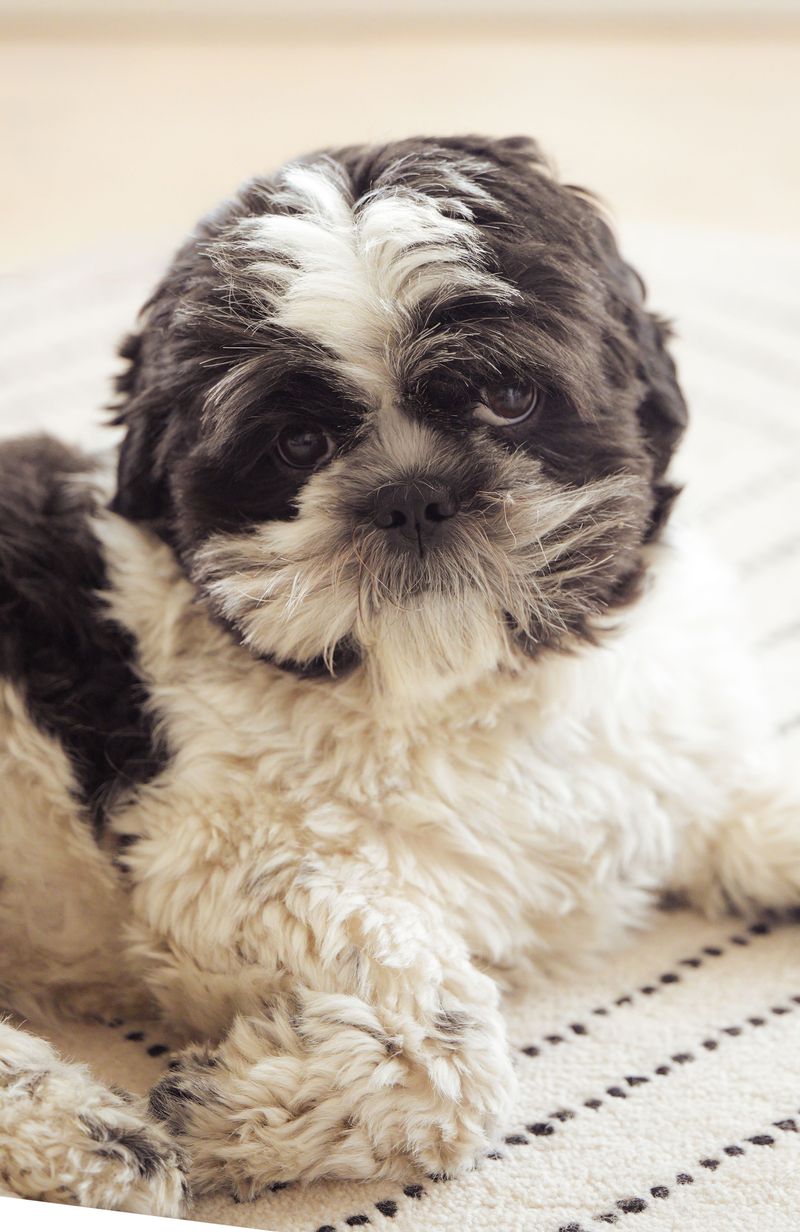
The Shih Tzu was bred for palace life, so it knows a thing or two about indoor manners. Many enjoy company, comfort, and a good lap more than barking at every shadow.
Still, small size does not mean training is optional. Teach a quiet cue and avoid rewarding barking with too much attention.
Daily brushing matters, especially for longer coats. Short walks and cheerful games usually satisfy this bright little dog, making apartment living much smoother.
Irish Wolfhound
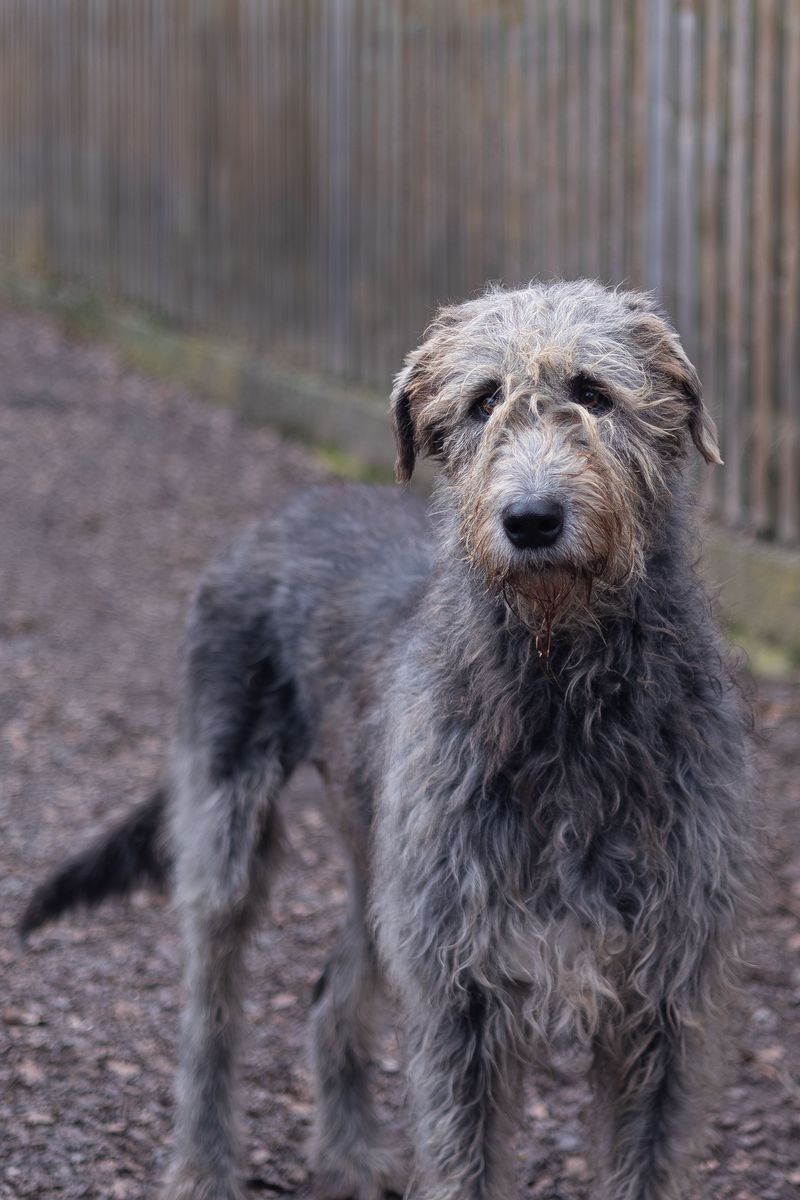
An Irish Wolfhound can fill a doorway without making a sound, which is part of its charm. Despite its huge size and ancient hunting history, it is often calm and thoughtful indoors.
Young Wolfhounds need careful exercise because their bodies grow fast. Adults enjoy relaxed walks, soft resting places, and time with their family.
They may bark at real surprises, but they are not usually busy talkers. Their quiet presence feels more like a friendly giant nearby.