
Some dogs look relaxed on the rug, but they still keep one ear open. A calm dog can be loving, quiet, and watchful at the same time.
Knowing which breeds often have hidden protective instincts helps families train them kindly and safely. With the right guidance, these dogs can be steady friends and smart guardians.
Bullmastiff
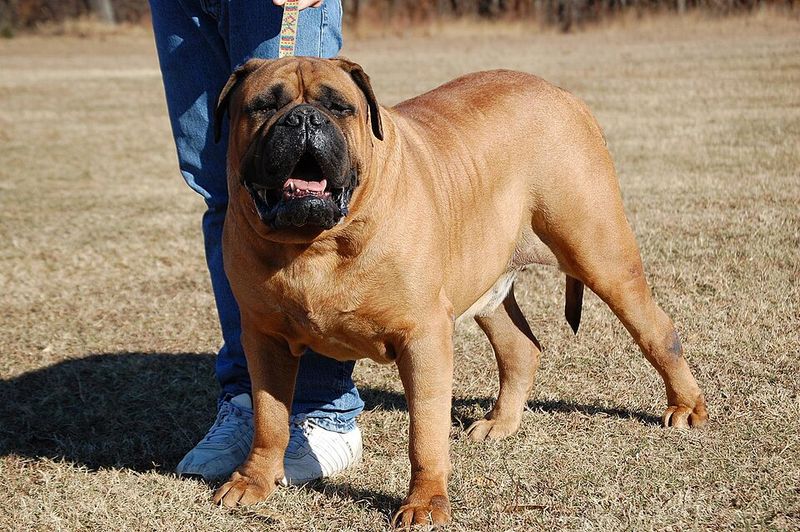
Built like a couch with paws, the Bullmastiff can seem sleepy until something feels wrong. Bred to help gamekeepers stop trespassers, this dog often watches quietly instead of barking all day.
At home, calm rules and early training matter. Teach polite greetings, leash manners, and a solid place command.
Because of its size, even friendly excitement can knock people over. Reward relaxed choices, and your Bullmastiff can become a steady, loyal guardian.
Great Pyrenees
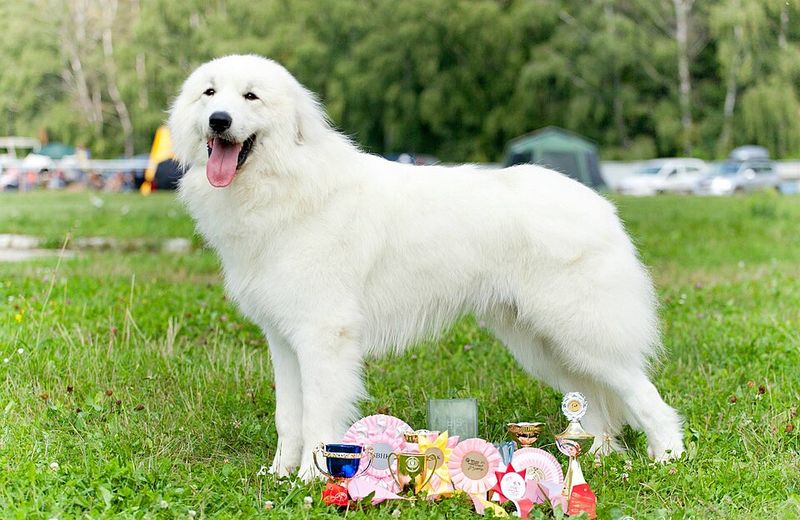
Snowy, soft, and serious about duty, the Great Pyrenees was born to watch over flocks. Indoors, it may sprawl like a white rug, but outside sounds can quickly bring out its guardian mindset.
Patience is key with this independent thinker. Short training sessions work better than bossy commands.
Give it a fenced yard, calm social time, and clear house rules. Expect nighttime barking if it thinks the neighborhood needs checking.
Rhodesian Ridgeback
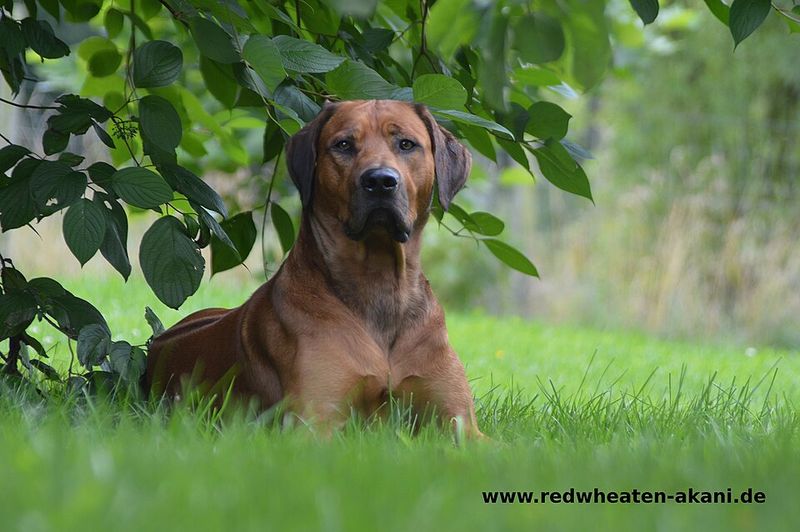
A Rhodesian Ridgeback may nap in a sunbeam like royalty, yet its history is bold. Developed in southern Africa, it helped track big game and guard homes, so confidence runs deep.
This breed needs fair leadership, not rough handling. Daily walks, sniffing games, and safe running time help burn energy before it invents its own job.
Socialize early with visitors and other dogs. A well-guided Ridgeback is calm, clean, and quietly aware of everything.
Rottweiler
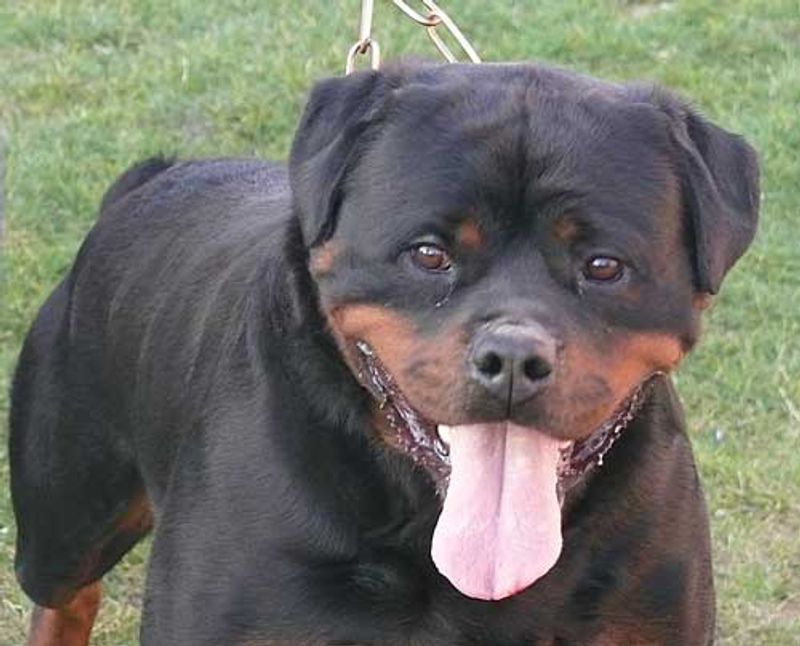
Behind that serious face, many Rottweilers are goofy leaners who adore their people. Long ago, they drove cattle and pulled carts, which helps explain their strength, focus, and watchful habits.
Good manners must start young. Practice calm door greetings, loose leash walking, and waiting before meals.
Invite trusted guests often, so your dog learns normal visitors are not threats. With structure and kindness, a Rottweiler can be steady, affectionate, and impressively self-controlled.
Akita
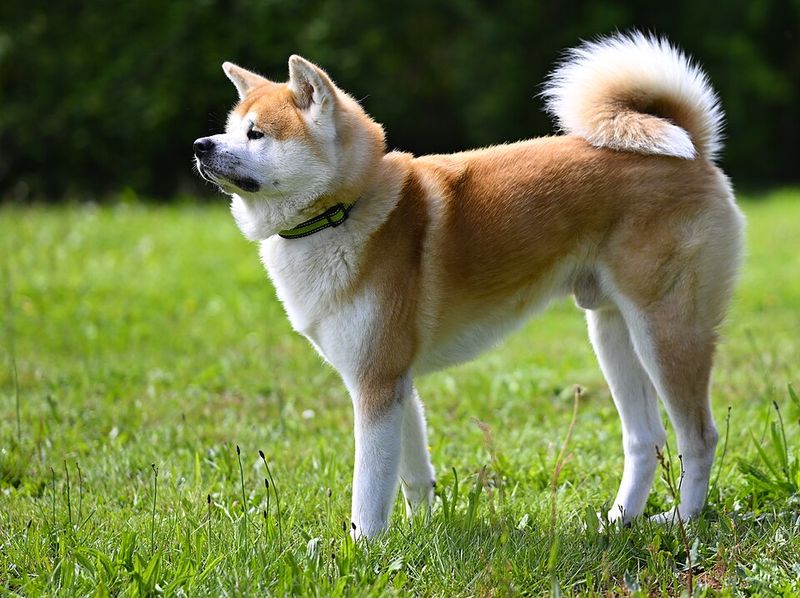
Quiet as falling snow, the Akita often saves its opinions for moments that matter. This Japanese breed has a proud history as a hunter and household protector, which can make it reserved around strangers.
Respect its need for space while building trust through simple routines. Avoid dog parks if your Akita dislikes pushy dogs.
Teach a reliable recall, trade games, and calm handling. Loyal families often love its clean habits, dignity, and deep devotion.
Standard Schnauzer
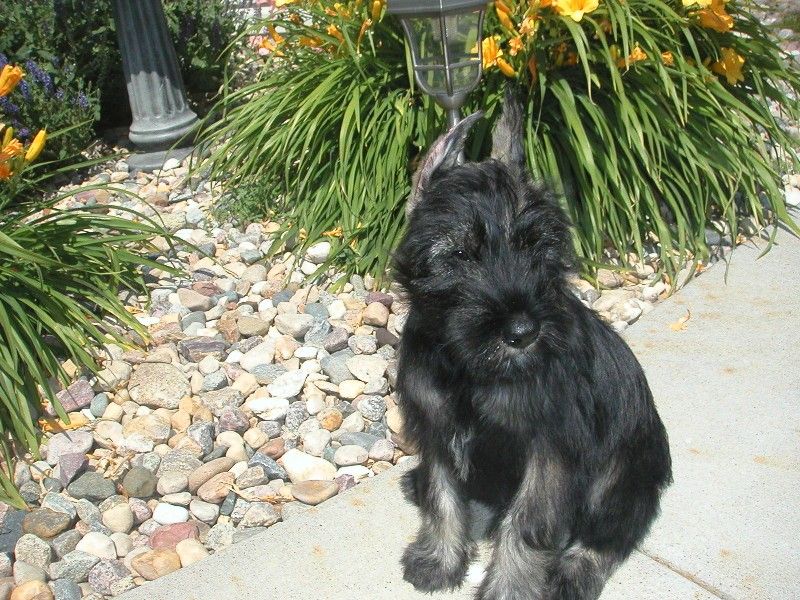
That bearded face can look like a wise little detective on duty. The Standard Schnauzer once guarded farms, killed vermin, and helped with chores, so it enjoys having a purpose.
Mental work keeps this clever breed from becoming bossy. Try puzzle toys, trick training, or hide-and-seek with treats.
It may bark at odd noises, so reward quiet checking instead of nonstop alarms. Consistent limits help its brave spirit shine without turning pushy.
Cane Corso
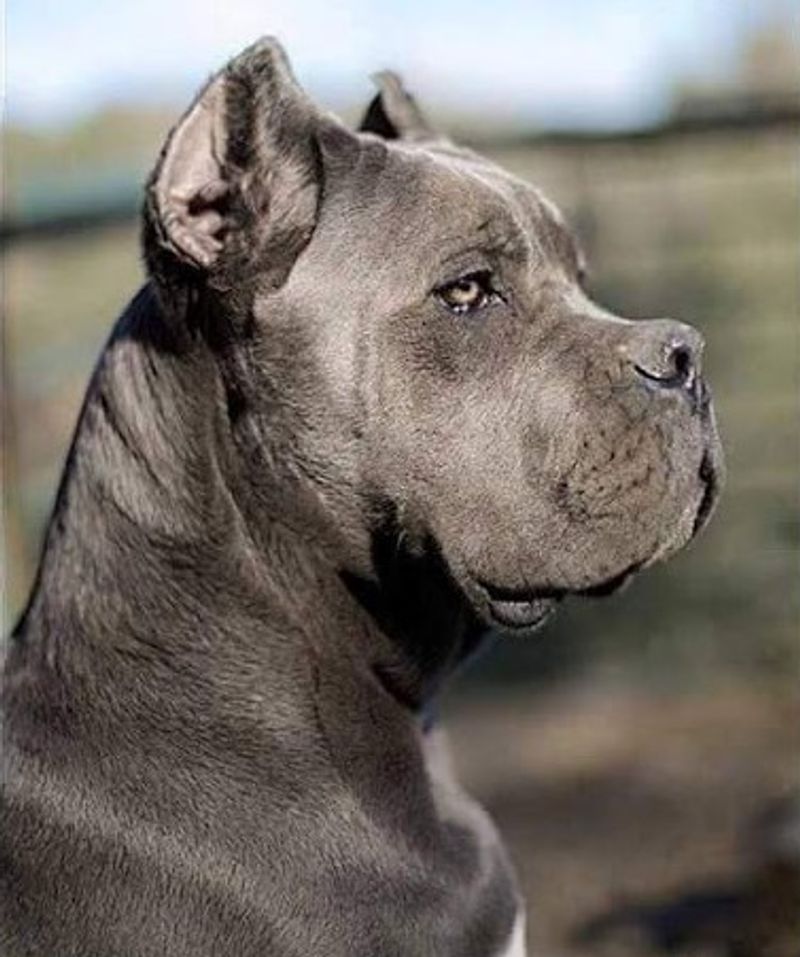
Few dogs can fill a room with quiet confidence like the Cane Corso. With roots in old Italian guardian and farm work, it often notices small changes before people do.
Because this breed is powerful, training should be calm, early, and ongoing. Teach visitors how to enter without wild greetings.
Use rewards for checking in with you, not rushing forward. A Corso needs exercise, clear boundaries, and an owner who enjoys daily practice.
Doberman Pinscher
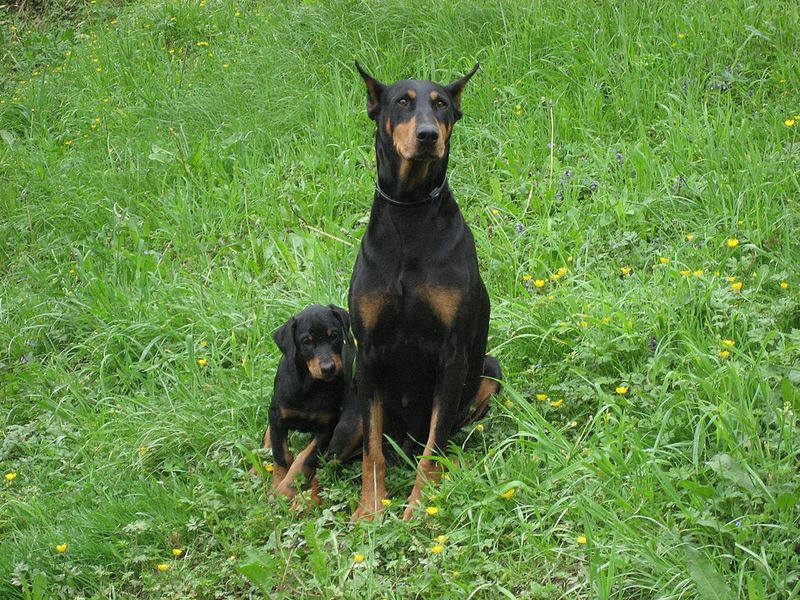
Sleek and sharp-eyed, the Doberman Pinscher can switch from cuddle mode to careful watch mode fast. Created by a German tax collector who wanted protection, this breed is known for loyalty and quick learning.
Do not let boredom run the house. Obedience games, agility, and long walks keep its busy brain happy.
Many Dobermans are sensitive, so harsh training can backfire. Calm praise, steady rules, and social practice help build confidence.
German Shepherd
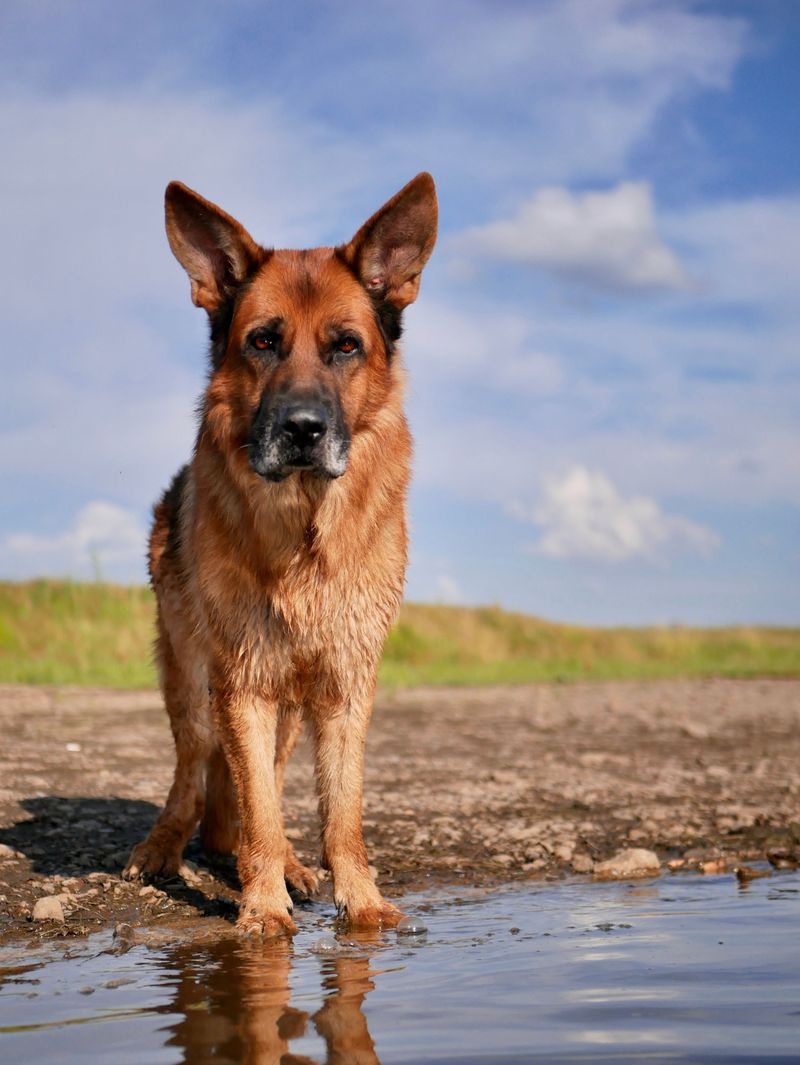
A German Shepherd may rest beside the couch, but its mind is often taking notes. Famous for police, service, and herding work, this breed usually likes tasks and close teamwork.
Channel that focus before it turns into over-watching. Practice sit, down, stay, and come in different places.
Let friendly people offer treats when your dog stays calm. Regular exercise and scent games can lower stress.
A balanced Shepherd feels useful without guarding every tiny noise.
Giant Schnauzer
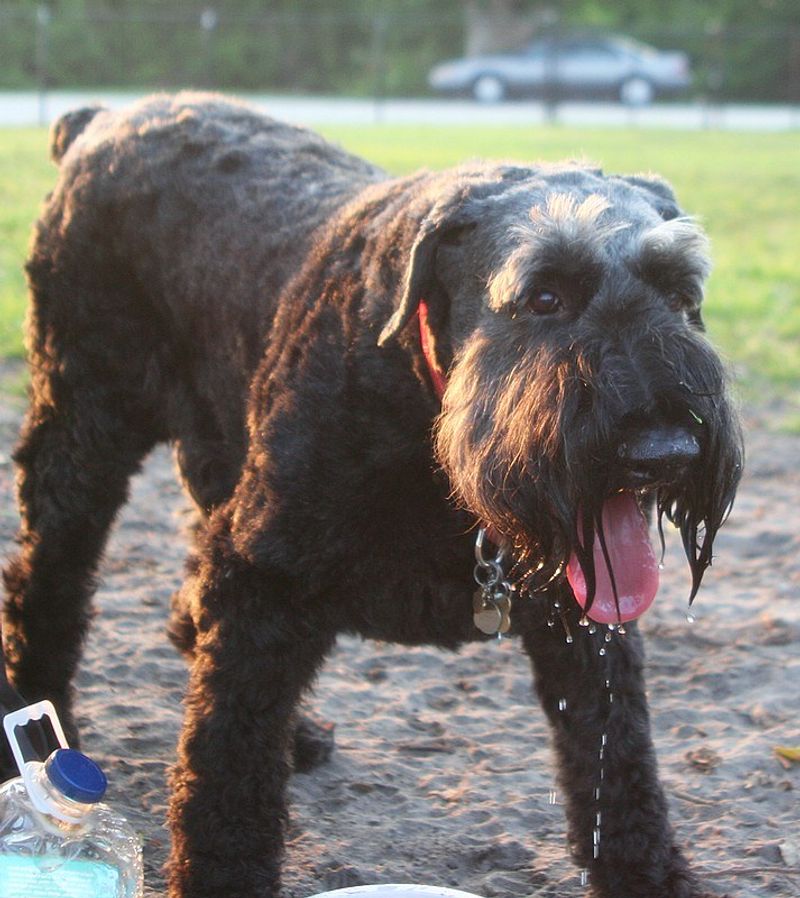
Think of the Giant Schnauzer as a serious worker wearing a shaggy disguise. Originally used for driving cattle and guarding property, it brings energy, courage, and a big personality into the home.
This is not a sit-around-all-day breed. Plan long walks, training drills, and jobs like carrying toys or finding hidden treats.
Grooming also matters because that wiry coat needs care. With enough structure, its protective side becomes thoughtful instead of noisy or pushy.
Anatolian Shepherd Dog
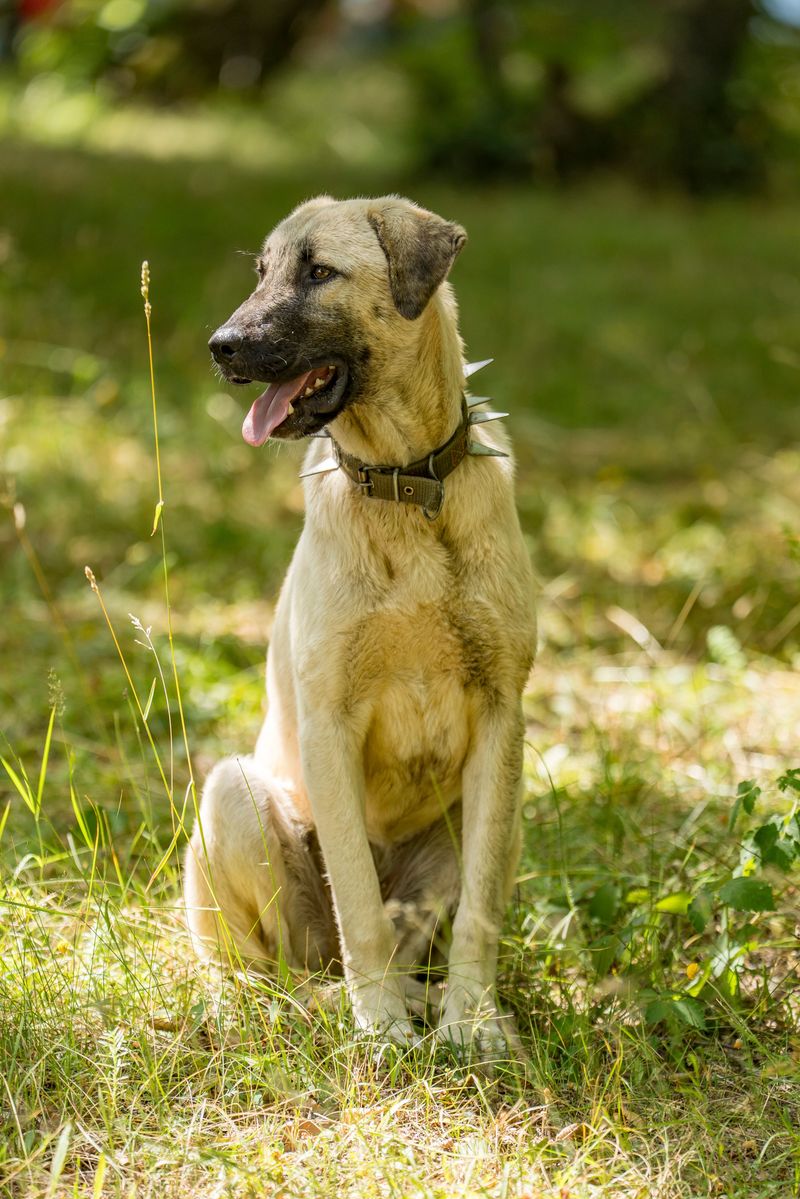
Out on a quiet porch, the Anatolian Shepherd Dog can look almost lazy. Do not be fooled, since this ancient livestock guardian was bred to make decisions while protecting animals from danger.
Independence is part of the package. Secure fencing, early socialization, and respectful handling are must-haves.
This breed may not obey like a robot, but it can learn dependable routines. Give it space, purpose, and calm guidance, and it becomes a watchful household partner.