
Some dogs are happiest when their paws are moving and the trail keeps going. For active owners, the right breed can turn hikes, runs, and weekend trips into shared adventures.
These dogs need exercise, training, and attention, but they give back with energy, loyalty, and plenty of fun. If your favorite view is the one around the next bend, one of these breeds may match your pace.
German Shorthaired Pointer
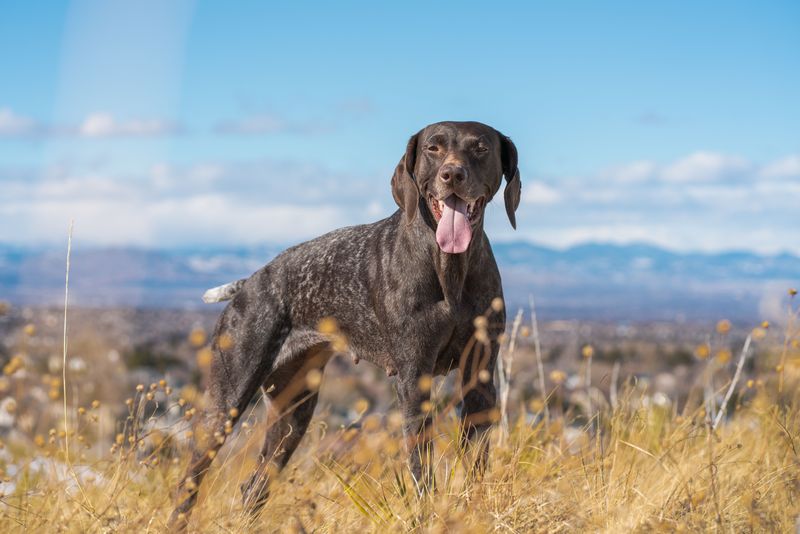
A German Shorthaired Pointer treats every trail like a treasure map with smells instead of X marks. Bred to hunt birds on land and water, this dog has speed, focus, and a cheerful work ethic.
Plan long walks, runs, or field games before expecting calm indoor manners. Puzzle toys and recall practice help keep that sharp mind busy.
A fenced yard is helpful, but daily adventure matters more than space alone.
Brittany
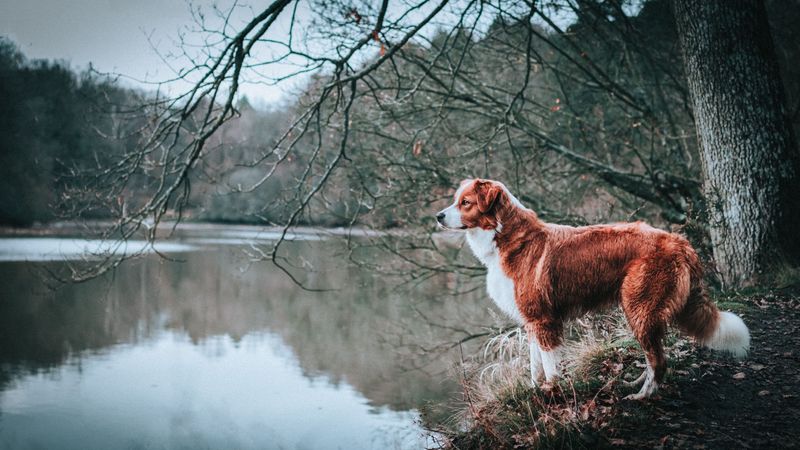
Light on its feet and bright in the eyes, the Brittany seems built for people who pack snacks and leave early. Smaller than many sporting dogs, it still brings big energy to hikes, jogs, and games of fetch.
Kind training works best because this breed is sensitive and eager to please. Keep walks interesting with scent games and short obedience drills.
After enough exercise, many Brittanys curl up sweetly beside their tired humans.
Labrador Retriever
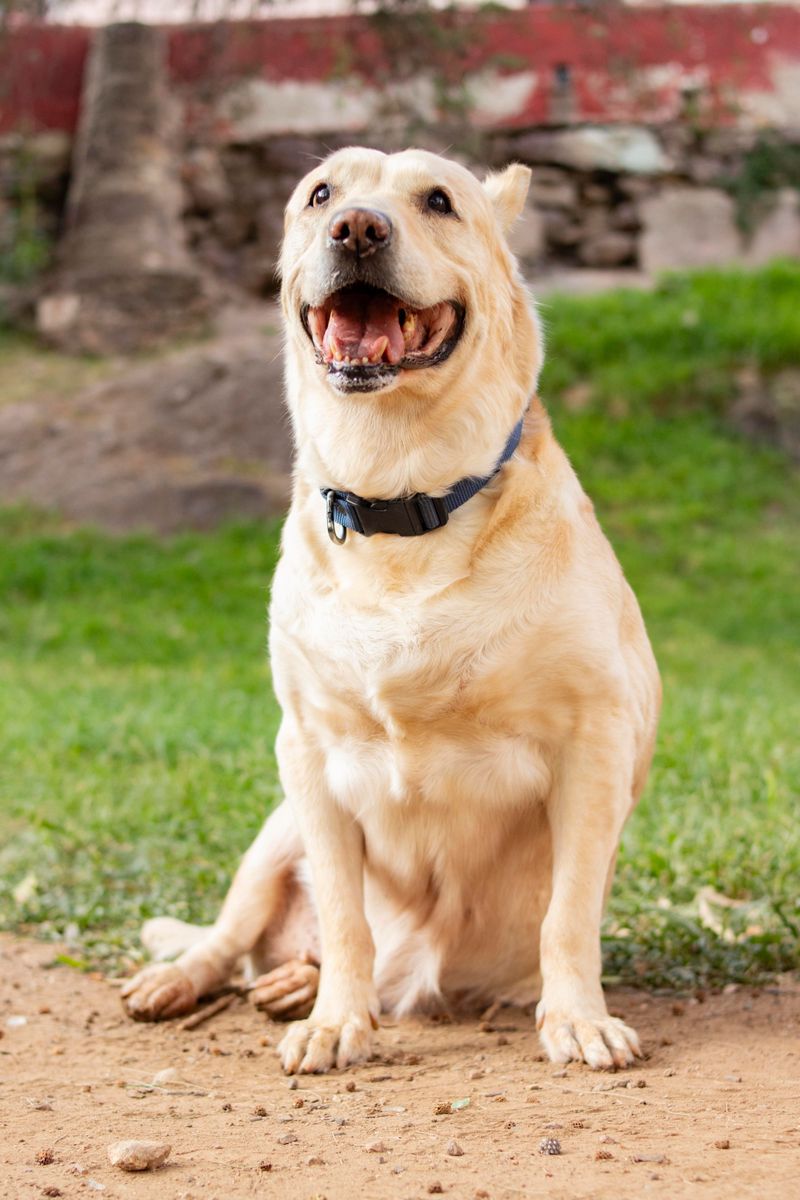
Few dogs say yes to adventure as happily as a Labrador Retriever. Mud puddle, lake path, snowy lane, or sandy beach, a Lab usually wants to join and bring a stick along.
Originally used by fishermen and hunters, Labs have strong bodies and friendly, steady spirits. Watch their food portions, since many love meals as much as walks.
Swimming, fetch, and steady leash hikes can keep them fit, cheerful, and easier to live with indoors.
Weimaraner
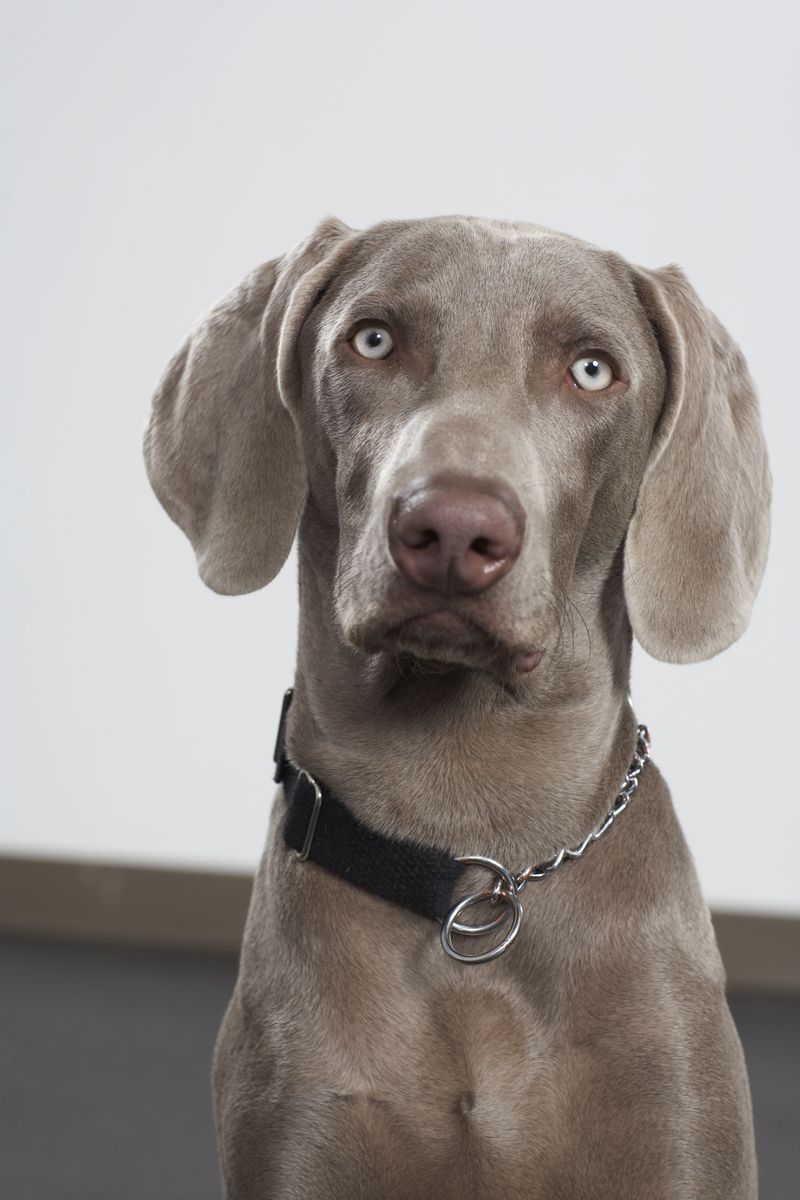
A Weimaraner can look like moonlight with legs, then suddenly sprint like a silver rocket. This elegant breed was developed in Germany for hunting large game, so stamina comes naturally.
Long hikes, runs, and tracking games suit it better than lazy afternoons with no plan. Weimaraners bond closely and may dislike being left alone for too long.
Teach calm greetings early, because that excited body can knock over backpacks, water bowls, and unsuspecting guests.
Siberian Husky
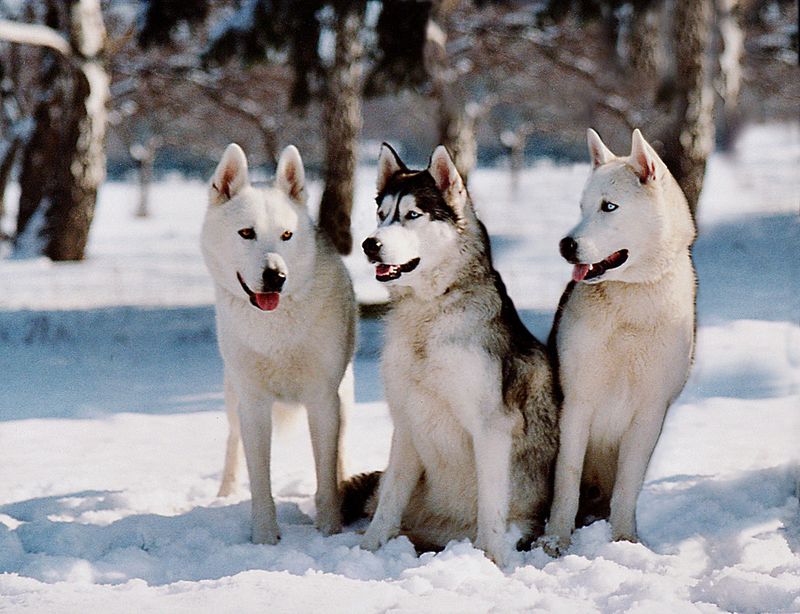
Snow in the air can make a Siberian Husky act like someone turned up its favorite song. Bred to pull sleds across frozen land, this breed loves steady movement and cool weather.
Huskies are famous escape artists, so strong fences, secure leashes, and careful door habits are a must. They can be silly, loud, and independent during training.
Keep sessions short and fun. For trail lovers in colder places, they bring true winter spirit.
Australian Shepherd
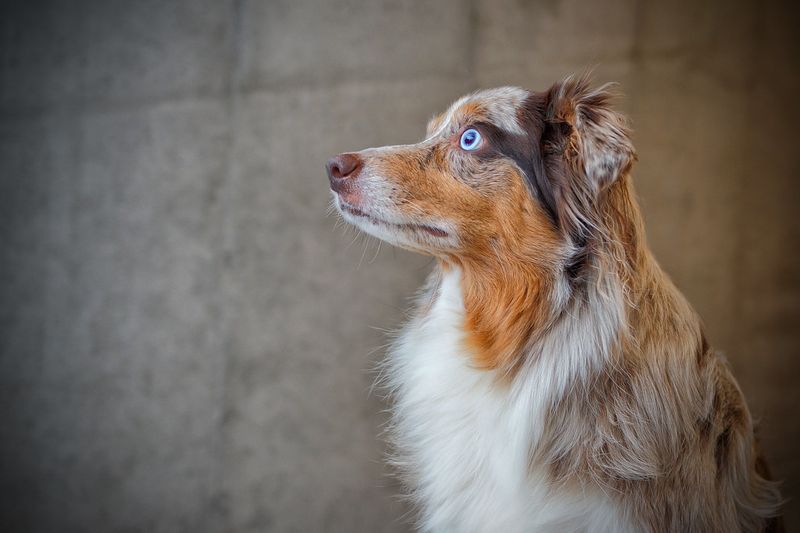
An Australian Shepherd often notices the trail marker, the squirrel, and your mood before you do. Smart and quick, this herding breed likes having a job, even if that job is learning tricks during a rest stop.
Daily exercise is only half the plan. Agility, nose work, and practiced trail manners help prevent boredom mischief.
Aussies may try to herd bikes, kids, or other dogs, so early guidance keeps their busy brains pointed in the right direction.
Dalmatian
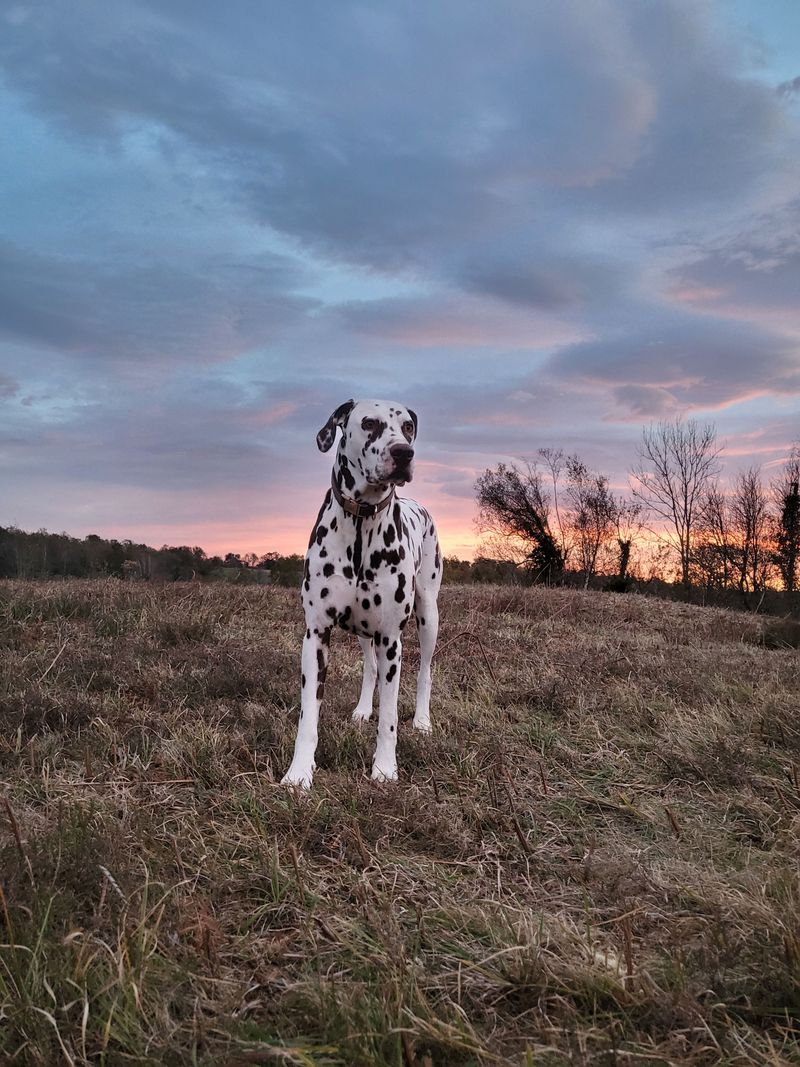
Spots are not the only thing that make a Dalmatian stand out. Once used as carriage dogs, they could trot for miles beside horses, which explains their strong legs and lively pace.
A running owner may find a loyal partner here, but puppies need gentle, age-safe exercise until their bodies mature. Dalmatians can be bold and alert, so social practice matters.
Bring water on warm days, and check paws after long gravel or road stretches.
Rhodesian Ridgeback
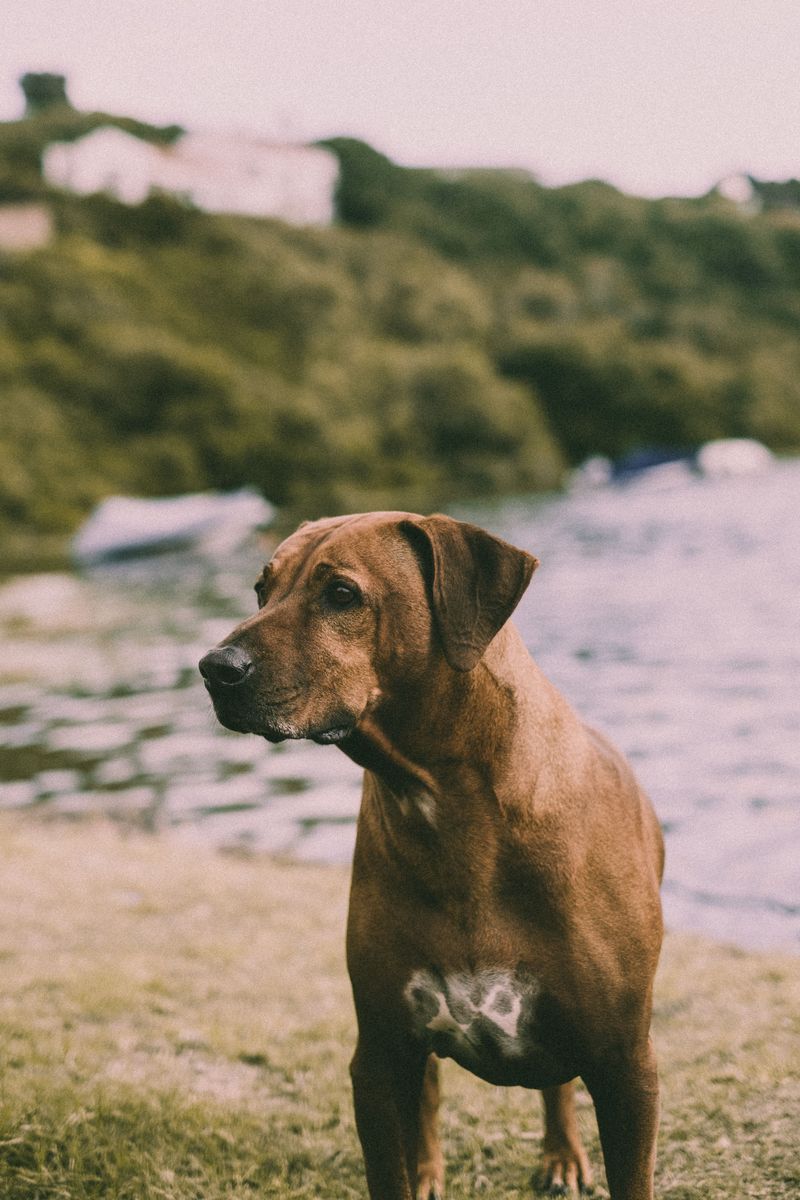
A Rhodesian Ridgeback carries itself like it knows the horizon is waiting. Developed in southern Africa, this strong hound helped track lions, though today it is more likely to track your sandwich.
Ridgebacks enjoy long walks and hikes, especially when they can move at a steady, purposeful pace. They are powerful and independent, so leash skills should start early.
Because of their short coat, protect them from harsh cold and offer shade during hot trail breaks.
English Springer Spaniel
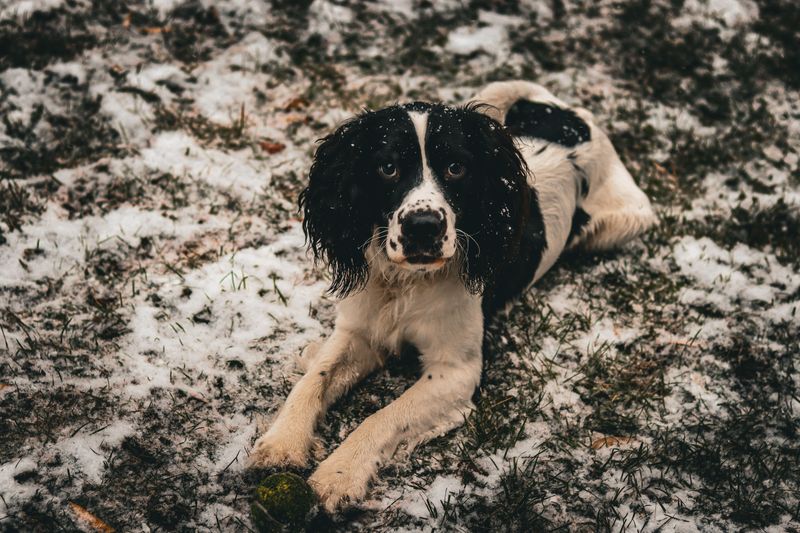
An English Springer Spaniel can turn a simple creek crossing into a full celebration. With wagging enthusiasm and a nose always on duty, this breed brings joy to wooded paths and wet grass.
Springers were bred to flush birds from cover, so off-leash freedom should wait until recall is strong. Their feathered ears and legs collect burrs, mud, and seeds.
After hikes, do a quick coat check. They reward active homes with humor, warmth, and nonstop curiosity.
German Shepherd
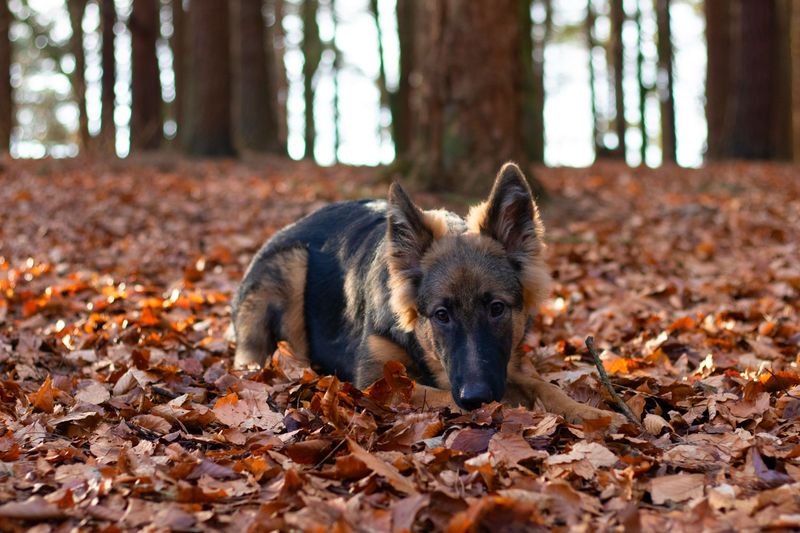
A German Shepherd walks a trail as if it has read the map and assigned itself security duty. Loyal, athletic, and highly trainable, this breed enjoys challenges that mix movement with thinking.
Hiking, scent games, obedience practice, and backpack walks can all suit an adult in good condition. Choose steady training instead of harsh handling, because trust builds better focus.
Watch joints during puppy growth, and ask your vet about safe exercise. A well-guided Shepherd becomes a brave trail teammate.