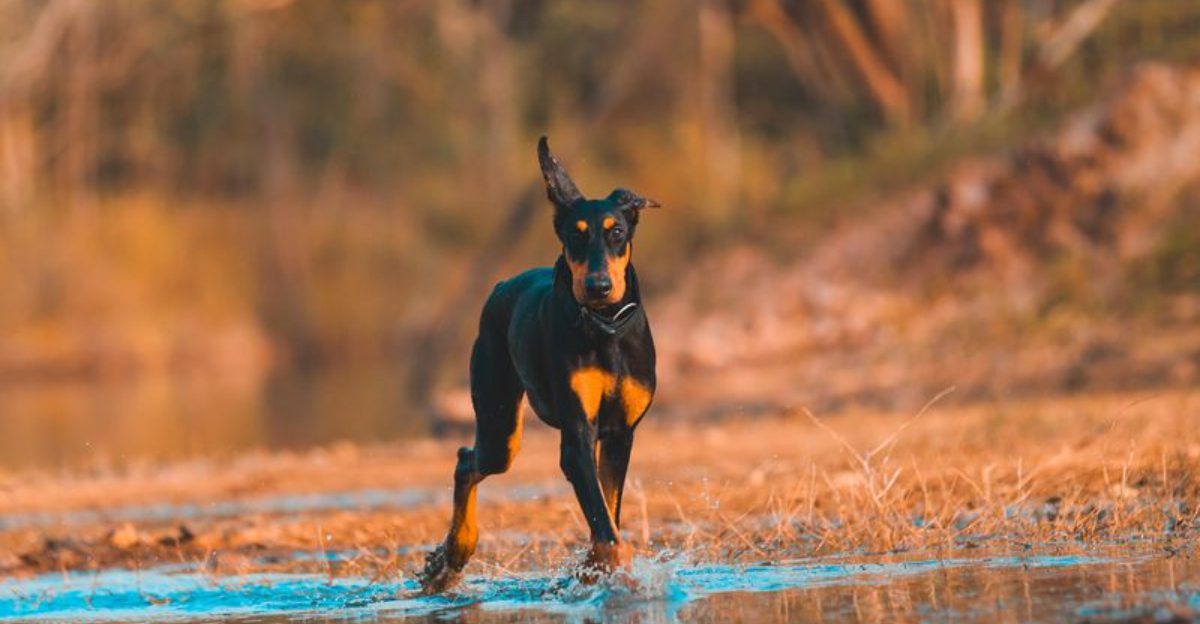
Some dogs look powerful before they even move. But behind their broad chests, strong jaws, and watchful eyes, many were bred to run, guard, herd, pull, or protect.
Their strength is not just for show, and their minds need work as much as their bodies do. Learning what drives these breeds helps owners give them safer, happier lives.
Rottweiler: The Strong Helper With a Steady Heart
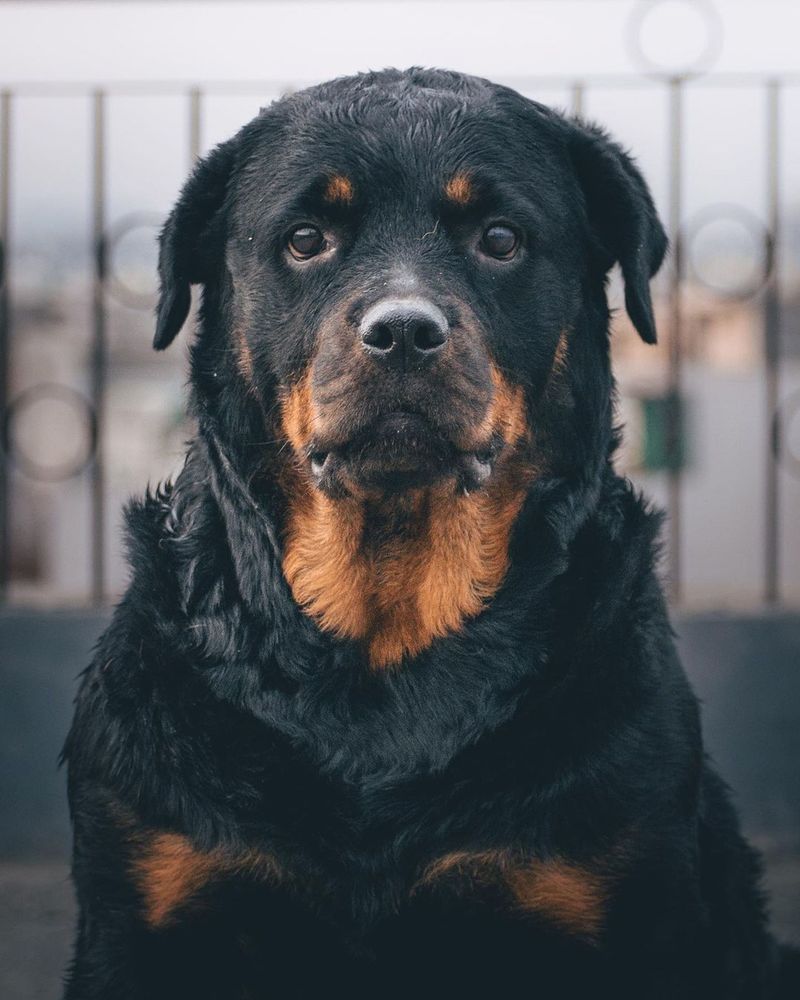
A Rottweiler may look like a tank in a fur coat, but its power was built for real work. Long ago, these dogs helped move cattle and pull carts for butchers.
Daily walks are not always enough for such a capable body. Try obedience games, scent work, or pulling safe, light loads with proper gear.
Clear rules matter too. A well-trained Rottweiler often feels proud when given a job and calm leadership.
Doberman Pinscher: Speed, Style, and Sharp Focus
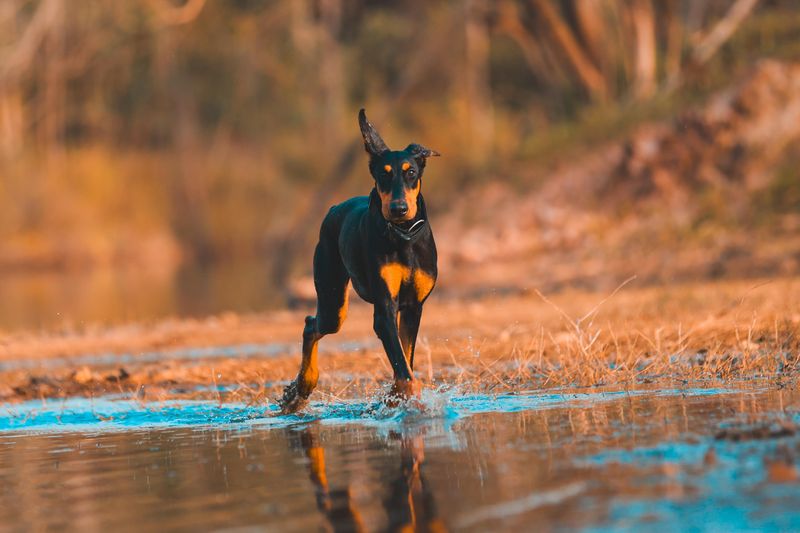
Few dogs can make a sprint look as smooth as a Doberman Pinscher. Beneath that polished, elegant shape is a fast, flexible athlete with a very busy brain.
Originally developed in Germany for personal protection, the breed still loves tasks that mix movement and thinking. Agility, advanced obedience, and tracking can keep a Doberman balanced.
Because they bond closely with people, training should be firm but fair, with praise for smart choices.
German Shepherd: The All-Purpose Athlete
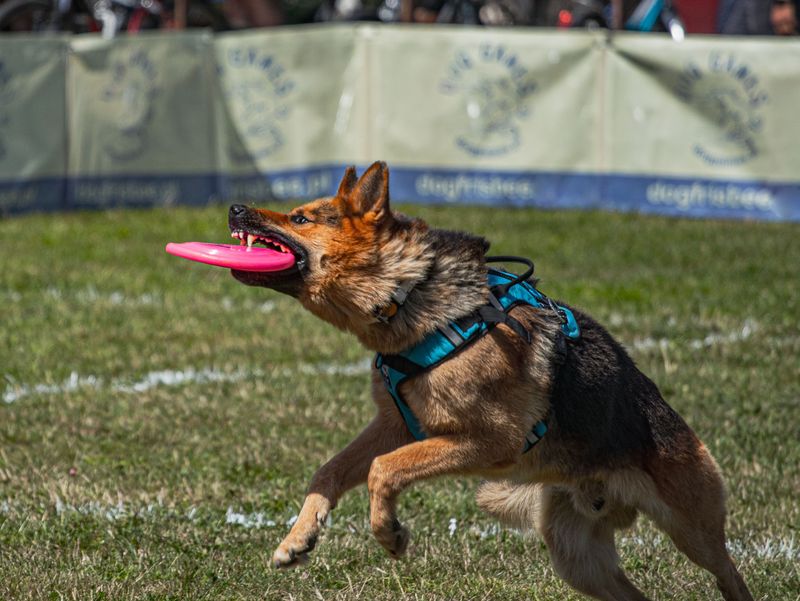
A German Shepherd often seems ready for the next mission, whether it is finding a lost person or learning a new trick. This breed became famous because it can herd, guard, track, and assist with amazing skill.
That talent needs healthy outlets at home. Use puzzle feeders, long sniff walks, and short training sessions to prevent boredom.
German Shepherds can be sensitive, so calm guidance works better than harsh correction. Fitness and trust go together here.
Giant Schnauzer: Big Beard, Bigger Work Ethic
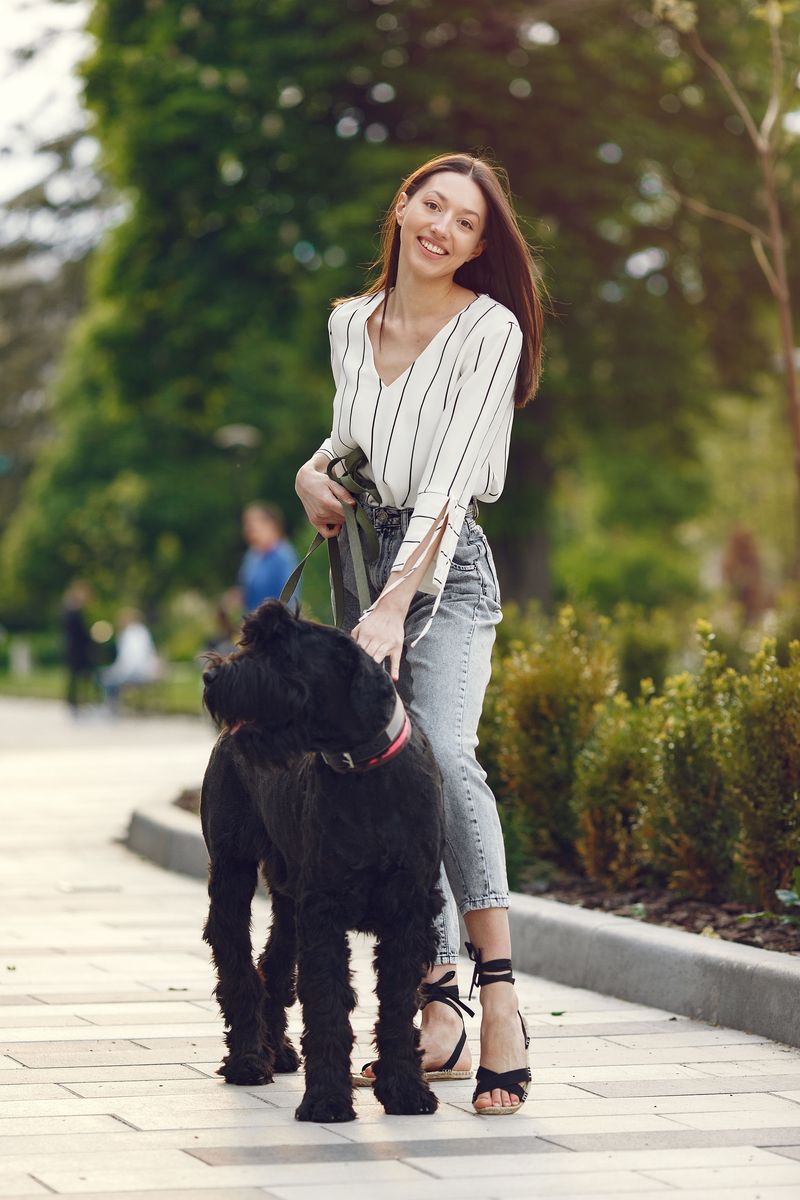
That bold beard gives the Giant Schnauzer a serious face, almost like an old guard at a castle gate. Farmers in Bavaria once used this sturdy dog to drive cattle and watch property.
Modern Giant Schnauzers still enjoy being active partners. They need room to move, steady training, and tasks that challenge their strong will.
Try rally obedience, hiking, or controlled protection sports with expert help. A bored one may invent its own noisy hobbies.
Belgian Malinois: Built Like a Spring
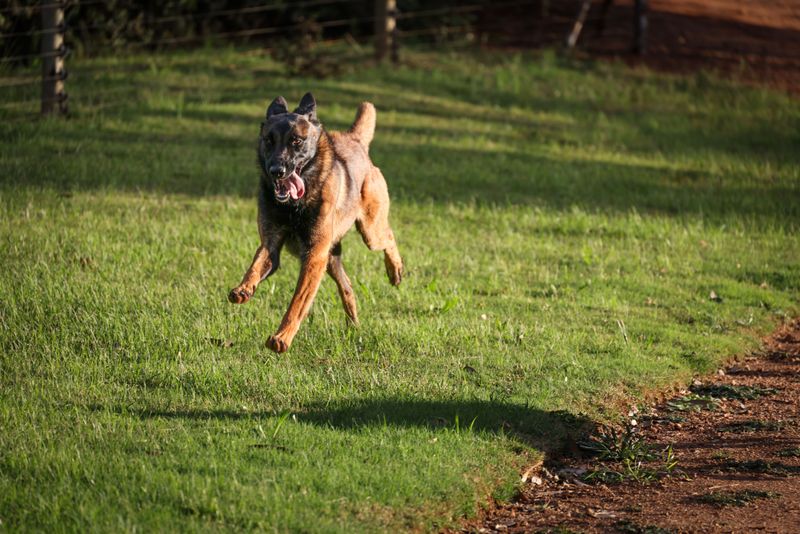
Blink once, and a Belgian Malinois may already be across the yard. This lean breed is famous in military, police, and sport work because it learns quickly and moves with explosive energy.
Life with one is not a casual hobby. Malinois owners should plan daily training, running, tug games, and problem solving.
Without a job, that sharp mind can turn restless. With skilled handling, though, the breed shows amazing teamwork, courage, and control.
Cane Corso: Ancient Muscle With a Purpose
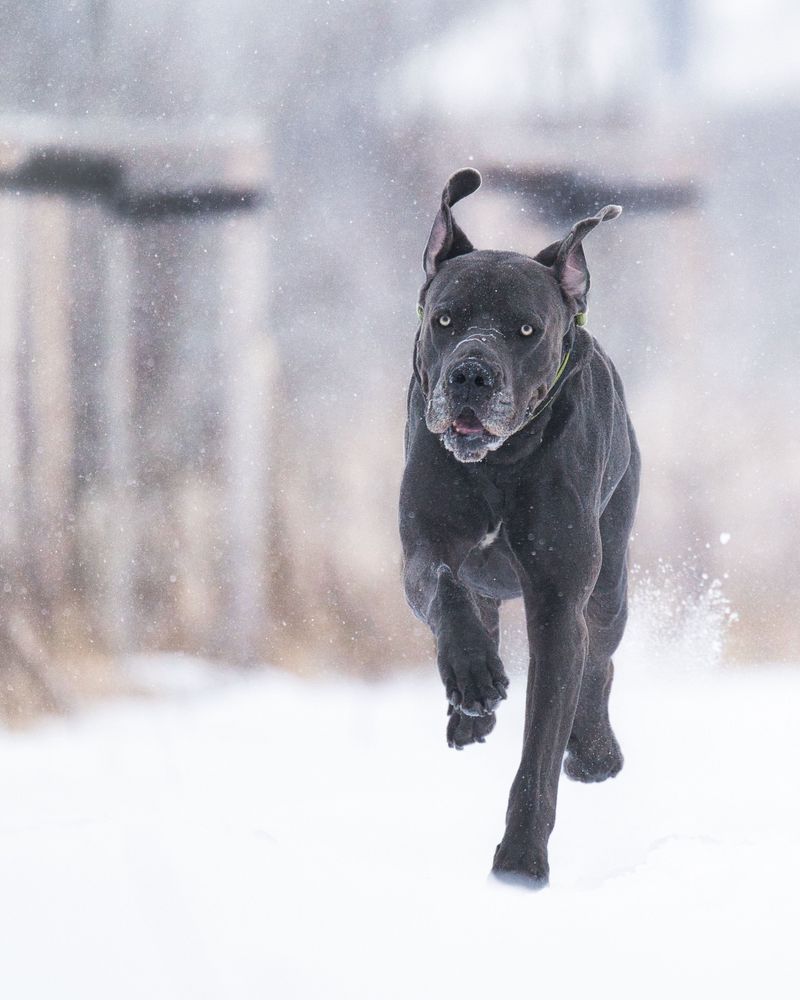
A Cane Corso carries itself like it remembers ancient Rome. Its ancestors guarded farms, hunted large game, and protected families, so that heavy frame is backed by surprising movement.
Owners should build fitness slowly, especially while the dog is young and growing. Controlled walks, basic obedience, and calm social visits are better than wild jumping.
This breed respects confident, patient people. When trained kindly and early, a Cane Corso can become a steady, powerful teammate.
Boxer: The Bouncy Worker in a Serious Suit
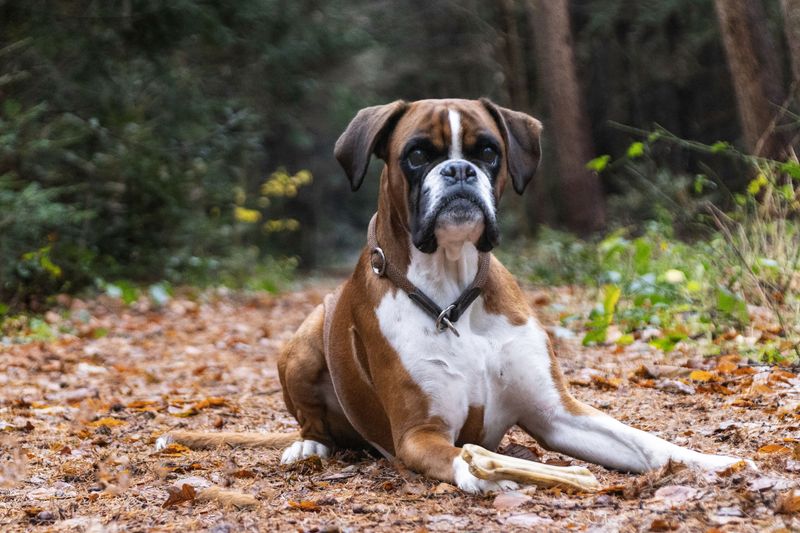
A Boxer can look stern for one second, then wiggle like a clown the next. Do not let the goofy face fool you, because this breed was developed for hunting, guarding, and later service work.
Boxers enjoy action that feels like play. Short training games, fetch, beginner agility, and safe tug can burn energy without boring them.
Watch hot weather, since their short nose can make cooling harder. Fun, upbeat lessons usually bring out their best manners.
Rhodesian Ridgeback: The Desert-Ready Distance Runner
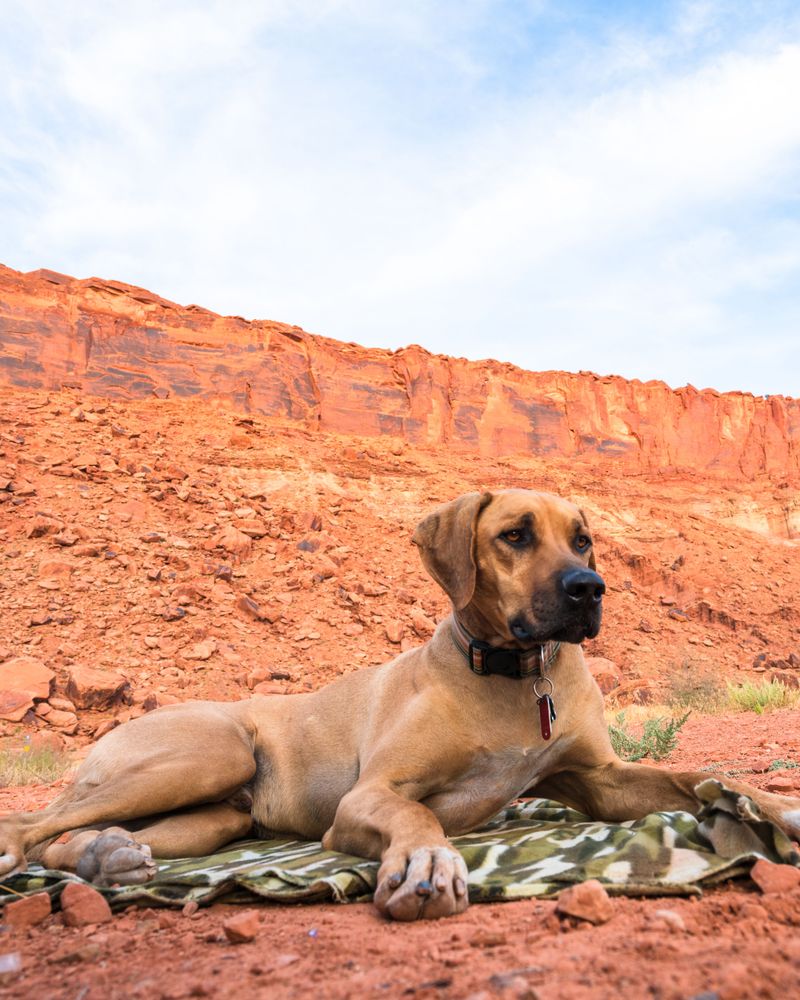
A Rhodesian Ridgeback has a quiet confidence that feels almost royal. Bred in southern Africa, this dog helped hunters track lions and protect homesteads in rough country.
Endurance is one of its strongest gifts. Long walks, jogging after full growth, and scent games suit the breed well.
Because Ridgebacks can be independent thinkers, recall practice should start early in safe areas. Respect, patience, and steady routines help turn that strong spirit into reliable partnership.
American Bulldog: Farm Power With a Big Grin
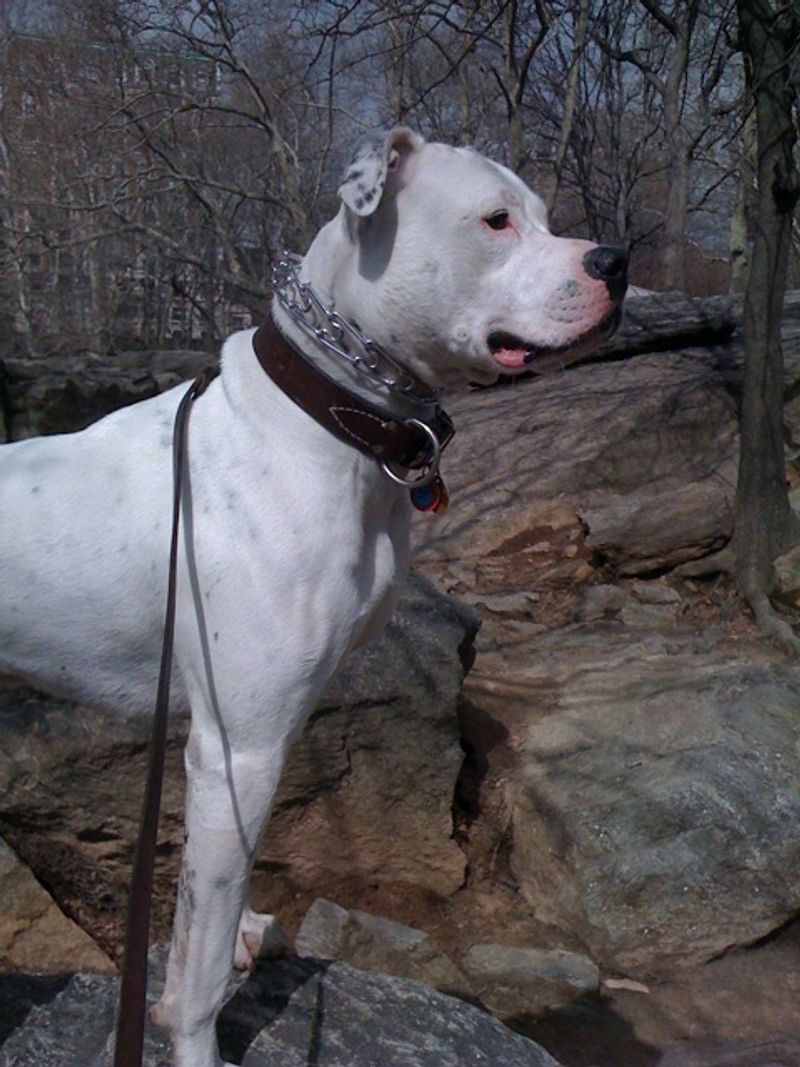
An American Bulldog often greets life with a wide smile and a body made for hard farm chores. In early America, these dogs helped catch livestock, guard land, and handle tough rural work.
Their strength should be guided, not ignored. Practice leash skills, impulse control, and reward-based training before adding harder exercise.
Weight pull sports, hikes, and structured play can be great when done safely. A confident owner and clear habits help this bulldog shine.
Akita: Quiet Strength From the Mountains
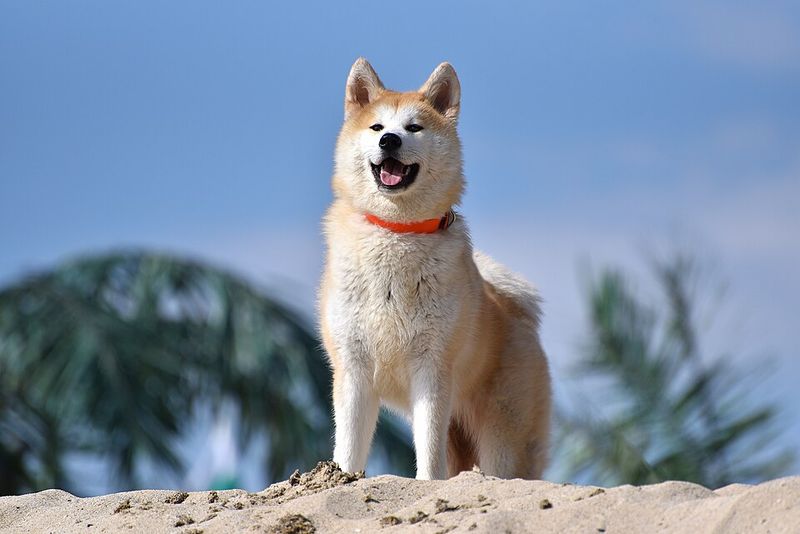
An Akita does not need to bark much to be noticed. This powerful Japanese breed was once used for hunting large animals in cold, rugged regions, including boar and bear.
Under that thick coat is a strong, steady worker with a private personality. Akitas need early social learning, calm handling, and regular exercise that protects their joints.
Brisk walks, training drills, and nose games fit well. Trust must be earned, but it can run deep.