
Choosing a family dog is a big decision, especially when children and first-time owners are involved. Kids can be loud, fast, and surprising, while new owners are still learning the rules.
The right breed can make daily life calmer, safer, and more fun. A good match helps everyone learn together with fewer bumps along the way.
Rough Collie
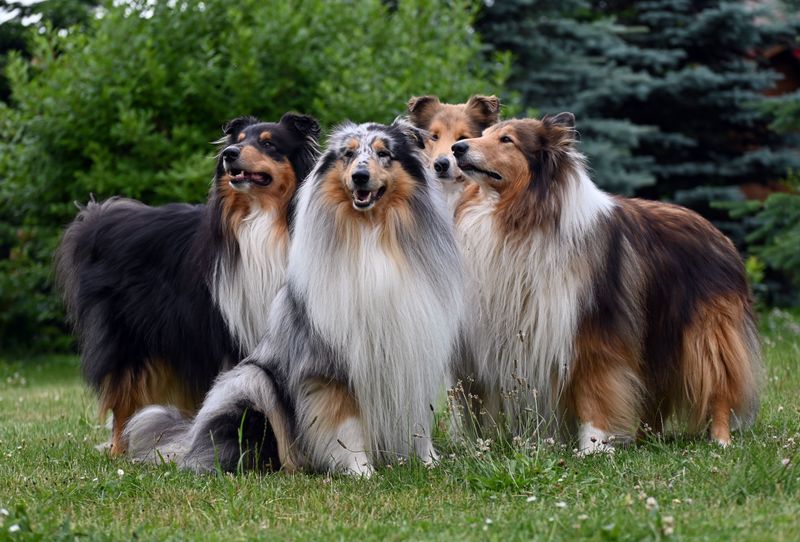
Remember Lassie? The Rough Collie earned that famous role for a reason.
This breed often notices moods quickly, which helps when children get loud, excited, or upset.
Beginners should still teach polite greetings, brushing habits, and quiet rest time. Collies like routine and kind training, not harsh voices.
Their long coat needs steady care, but their watchful, loyal style can help a new family feel more organized and supported.
Beagle

A Beagle turns every walk into a sniffing adventure. Kids often enjoy that silly, busy energy, but families need a fence and a leash because the nose can take charge.
For beginners, short training games work better than long lectures. Use treats, praise, and clear rules about food stealing.
Beagles are sturdy, social, and funny, making them a lively choice for homes ready to guide curiosity with patience.
Boxer

Few dogs can make a backyard feel like a comedy show the way a Boxer can. Their bouncy style delights many children, yet supervision matters because they may forget their size.
New owners should focus on calm greetings, loose-leash walking, and breaks after play. Boxers usually bond closely with family and enjoy being included.
With exercise and simple boundaries, their clownish charm becomes easier to manage around unpredictable kids.
Bichon Frise

Like a little cotton cloud with paws, the Bichon Frise brings cheer without taking over the whole house. Its small size can suit apartments and families with younger children.
Teach kids to handle this dog carefully, since tiny bodies can be hurt by rough play. Beginners often appreciate the Bichon’s upbeat spirit and trainable mind.
Regular grooming is needed, but the reward is a bright, affectionate buddy for gentle family fun.
Standard Poodle
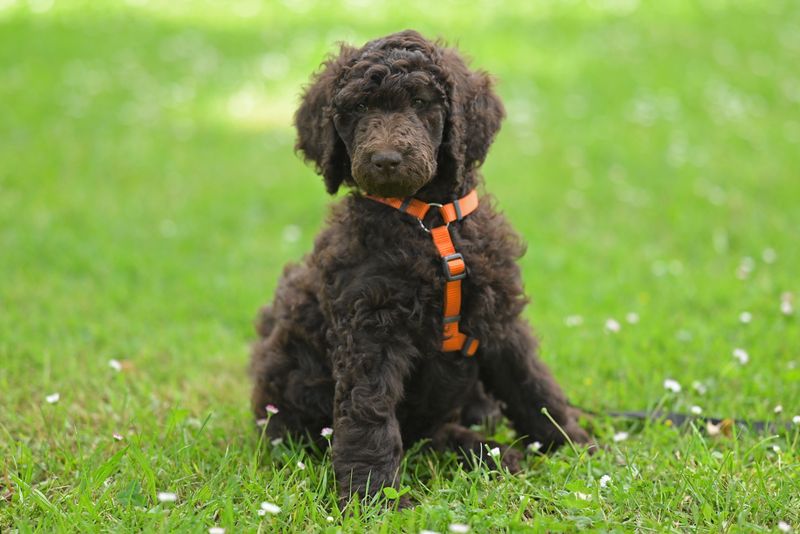
Smart can be helpful, especially when a household is still learning. A Standard Poodle often picks up routines fast, from waiting at doors to settling during homework time.
Children can join training by giving simple cues under adult guidance. Beginners should plan grooming, exercise, and brain games, because bored poodles invent their own projects.
This athletic, clever breed can fit active families that want a dog with manners, humor, and style.
English Springer Spaniel
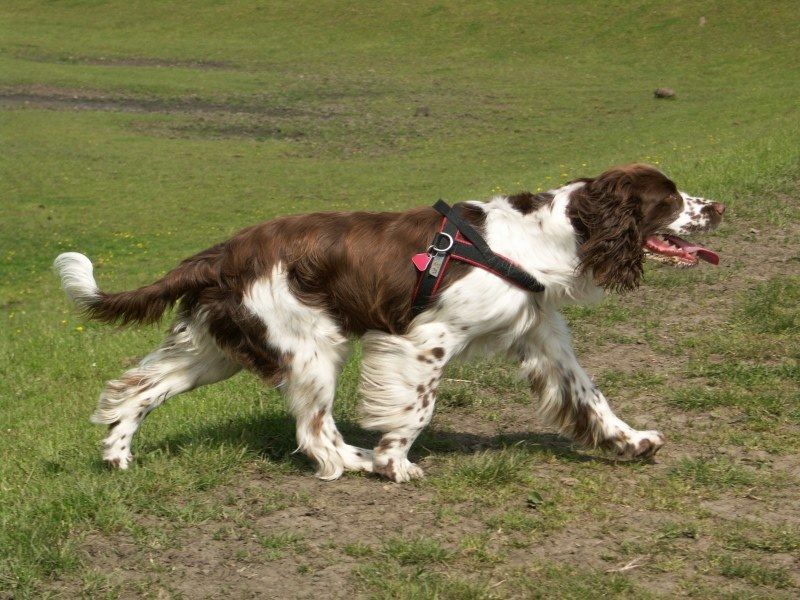
Muddy shoes, flying tennis balls, and happy ears belong in an English Springer Spaniel’s world. This breed can suit families that like parks, hikes, and active weekends.
First-time owners should teach recall early and reward calm indoor behavior. Springers are people-focused, so they do best when included rather than left alone for long stretches.
Give them jobs, like finding toys, and their energy becomes a fun family rhythm instead of chaos.
Newfoundland
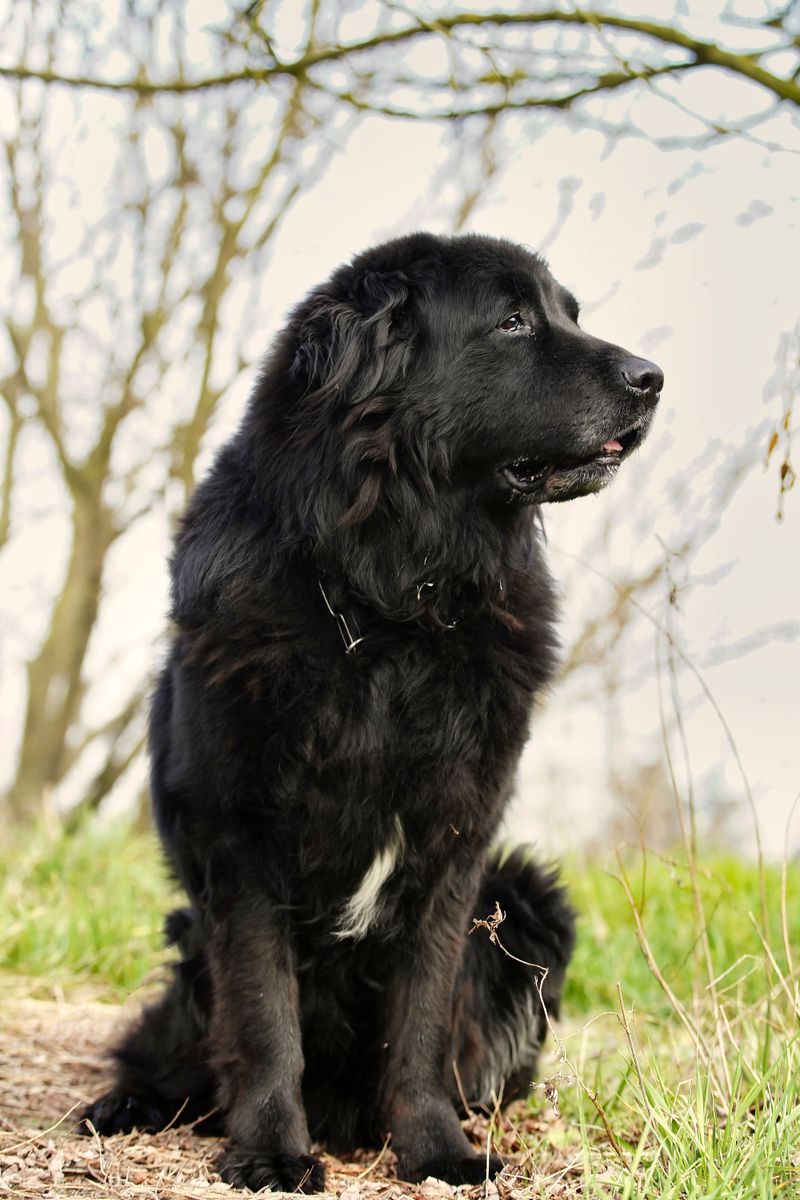
With paws like snowshoes and a heart to match, the Newfoundland can look almost magical to a child. Its calm manner is one reason many families admire the breed.
Size changes everything, though. Beginners must prepare for drool, grooming, food costs, and careful leash training.
Small children should never be knocked over during greetings. When space and care are available, this patient giant can bring a steady, comforting presence to family life.
Cocker Spaniel
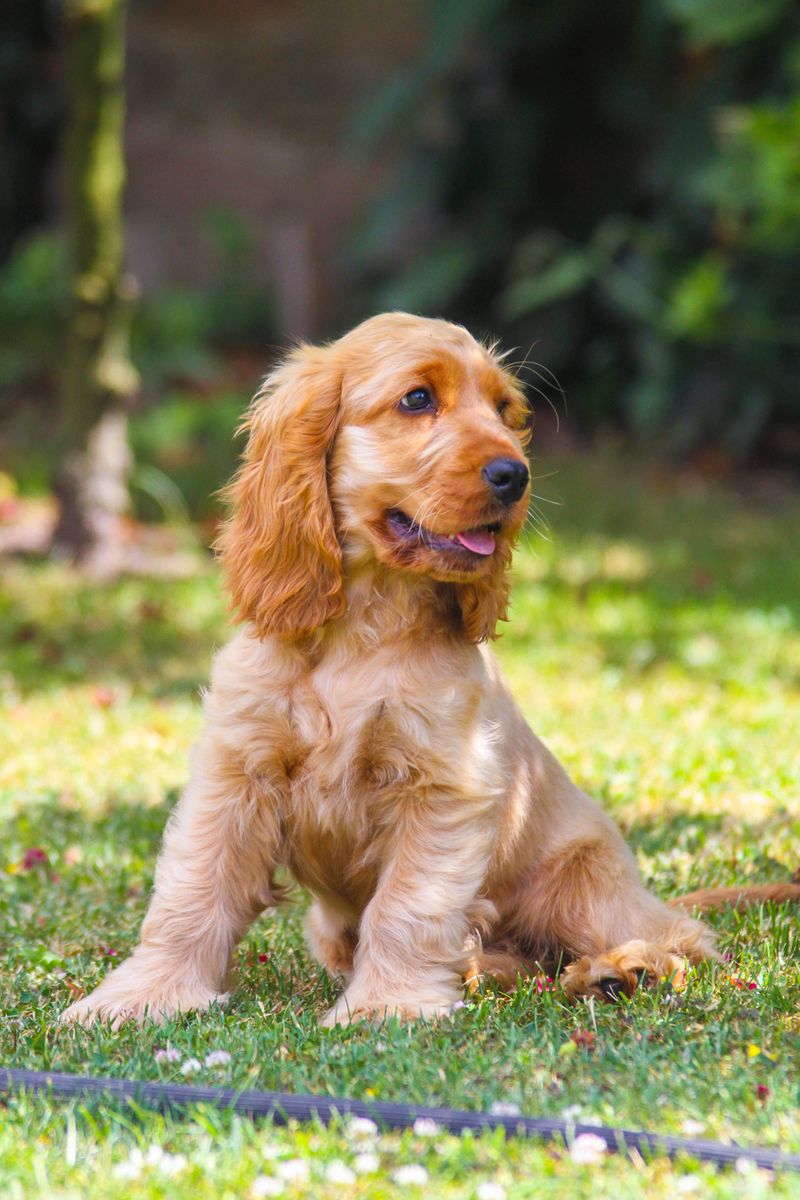
Those silky ears are not just cute, they seem made for storybook afternoons. A Cocker Spaniel can be sweet, playful, and happy to stay close to its people.
Families should teach children not to tug ears or crowd the dog during meals. Beginners need regular brushing, ear checks, and positive training.
Cockers enjoy games and gentle attention, and with clear household rules, they can settle nicely into a busy home.
Havanese
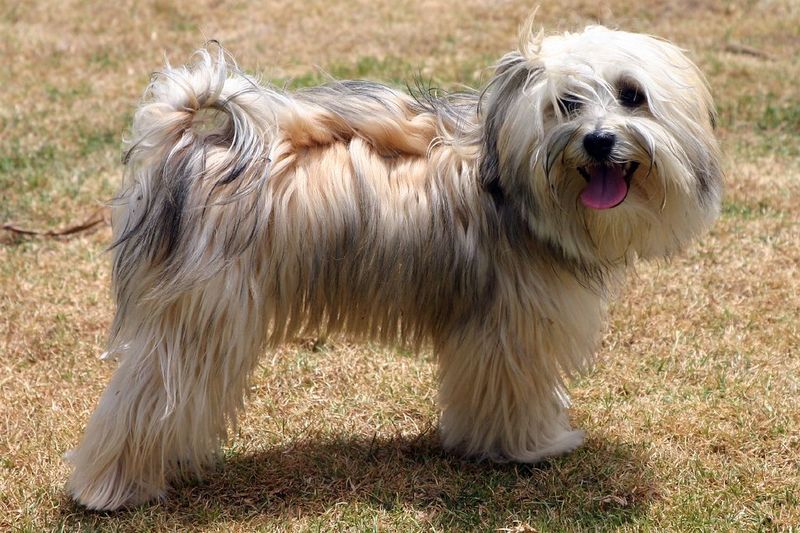
A Havanese often acts like the family entertainer, ready to charm visitors and follow children from room to room. This small Cuban breed was once loved as a companion dog.
Because they crave company, beginners should practice short alone times from the start. Kids can help with brushing, tricks, and calm cuddle sessions.
Their cheerful size and friendly attitude make them easier to manage, as long as rough handling is avoided.
Cavalier King Charles Spaniel

Some dogs feel like warm slippers on a rainy day. The Cavalier King Charles Spaniel is often happiest beside its family, whether children are reading, drawing, or watching a movie.
Beginners may like the breed’s eager, soft personality, but health research matters before choosing a puppy. Teach kids to be gentle with the small frame.
Short walks, kind training, and regular vet care help this loving spaniel stay comfortable in a family setting.