Some dogs like to keep an eye on their people. They wander, play, and explore, but they pop back often just to make sure you are okay.
That habit can make daily life smoother, safer, and more connected. Here are breeds known for turning quick check-ins into part of everyday routine.
Doberman Pinscher
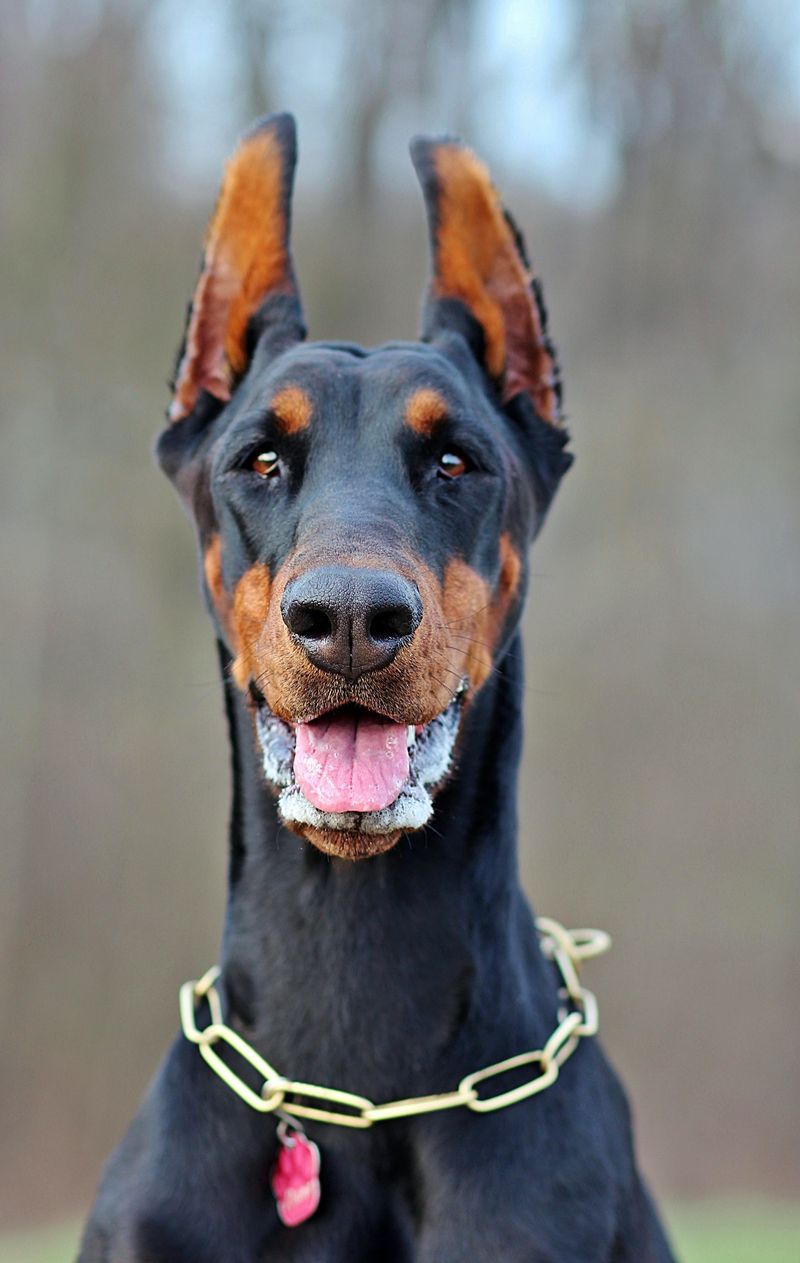
Like a quiet bodyguard, a Doberman often shadows its people from room to room. They are alert without being clingy, checking back with steady eye contact or a gentle nudge.
Training that rewards brief returns, like call-and-treat games, fits their sharp mind.
Daily runs help take the edge off, so home time feels relaxed. Introduce polite door greetings, then practice settle-on-mat while you cook.
Fun fact, the breed was built for personal protection in 19th century Germany, which explains the natural habit of staying nearby.
Boxer
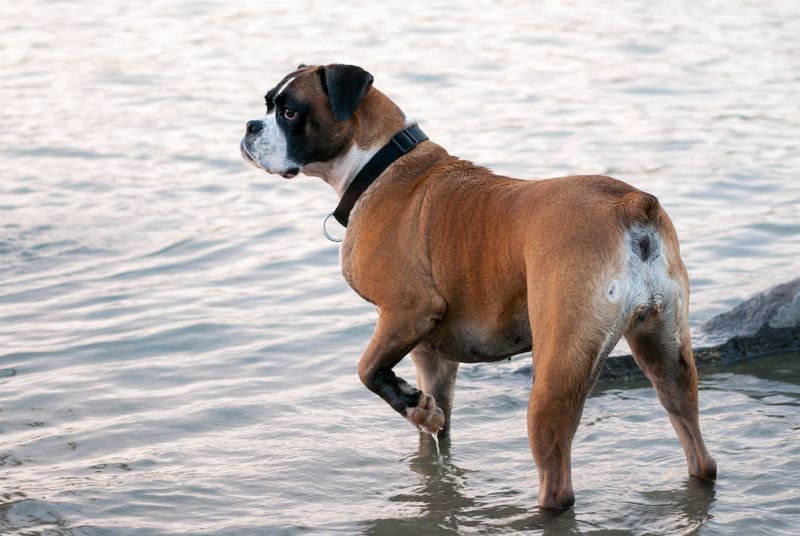
Goofy meets guardian with the lively Boxer. Between bursts of play, they circle back to their person as if asking, What next.
Use short recall games during fetch to turn those check-ins into a fun routine.
Because they thrive on connection, schedule quick training bursts throughout the day. Two minutes of sit, down, and touch keeps their brain busy and body focused.
History note, Boxers once worked as couriers and watchdogs, which shaped their bounce-back habit and watchful attitude.
English Cocker Spaniel
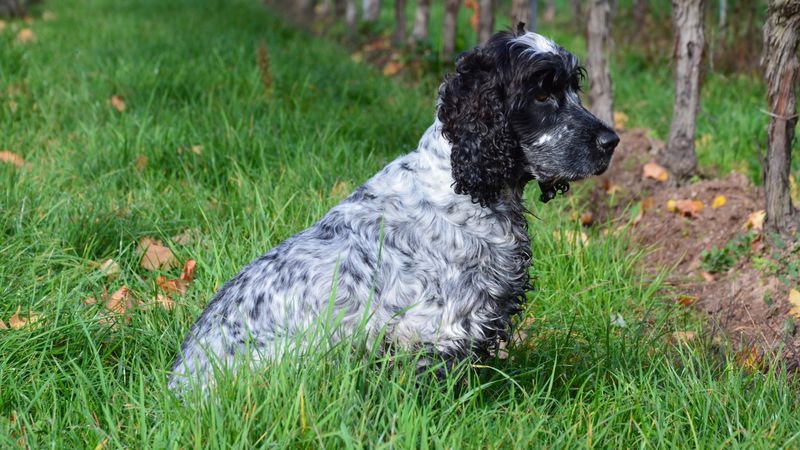
Born to follow scent yet stay in touch, the English Cocker often loops back during walks. A cheerful glance or quick sit by your leg is common.
Encourage it with a click and a tiny treat each time they return on their own.
At home, scatter-feeding and snuffle mats satisfy the nose while keeping the dog nearby. Grooming sessions can double as bonding check-ins.
A few minutes of ear care becomes calm, positive attention that strengthens the habit.
German Shepherd
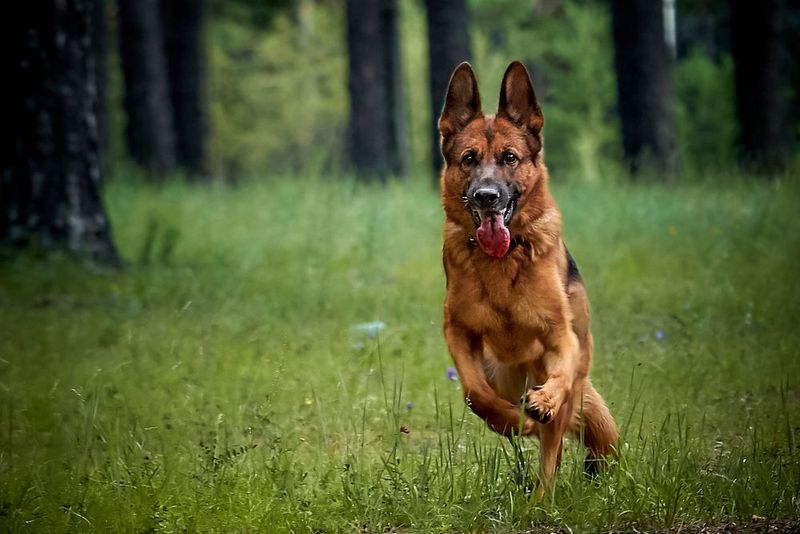
Precision is their thing, and that includes people-checks. On hikes, many German Shepherds naturally pause and look for direction.
Mark those moments with praise and move together, teaching a smooth heel or loose-leash follow.
Mental work solves a lot. Add scent puzzles, place training, and short obedience routines between household tasks.
Herding and protection roots created a dog that wants a job and a team. When the team is you, frequent check-ins become part of daily teamwork.
Staffordshire Bull Terrier
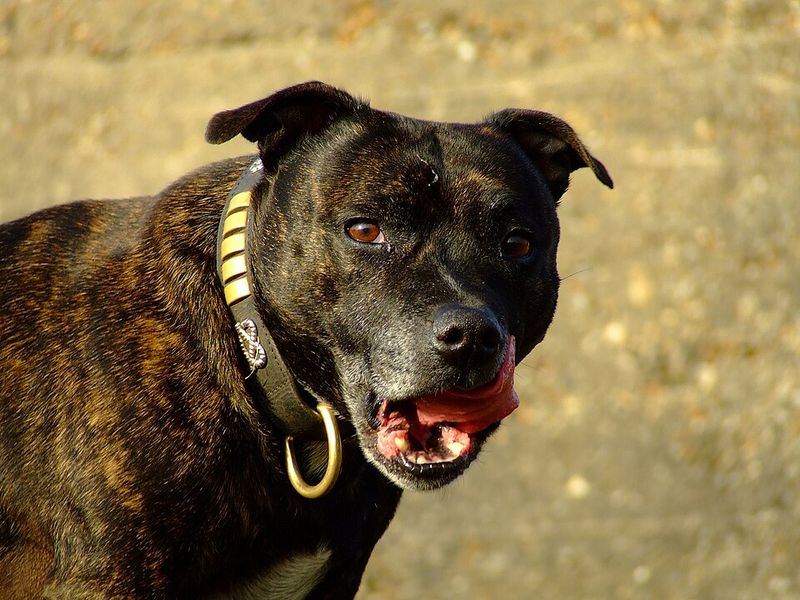
Heart on their sleeve, Staffies like to be where the people are. You may notice steady returns during play, almost as if they are asking for reassurance.
Reward calm sits next to you, and the dog learns that checking in earns quiet praise and comfort.
Short power walks plus tug sessions take the buzz out of their muscles. After exercise, practice a few minutes of place work.
That creates a routine of returning, settling, and staying connected.
Dachshund
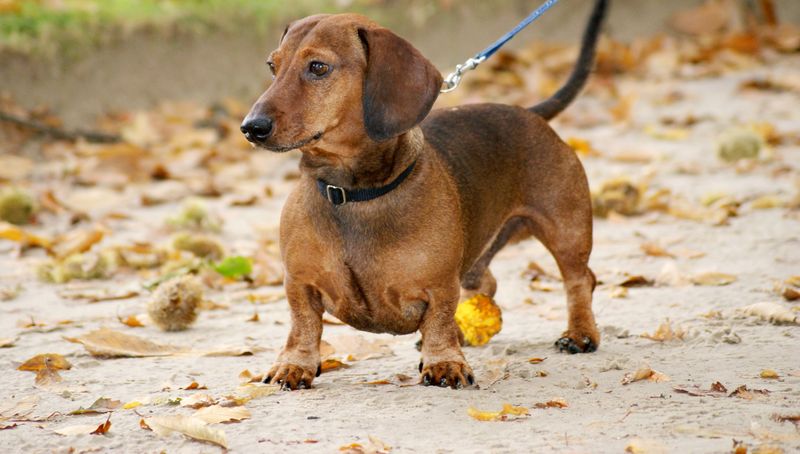
Small body, big opinions, yet a Dachshund often peeks in to report. Nose-led adventures are great, but sprinkle in quick name games so returning becomes rewarding.
If they pause and look, drop a treat at your feet to make closeness valuable.
Because backs are delicate, trade long jumps for gentle puzzle toys. A comfy ramp to the couch becomes a daily checkpoint.
History tidbit, they hunted badgers in Germany, which shaped brave independence balanced with handler awareness.
Pug
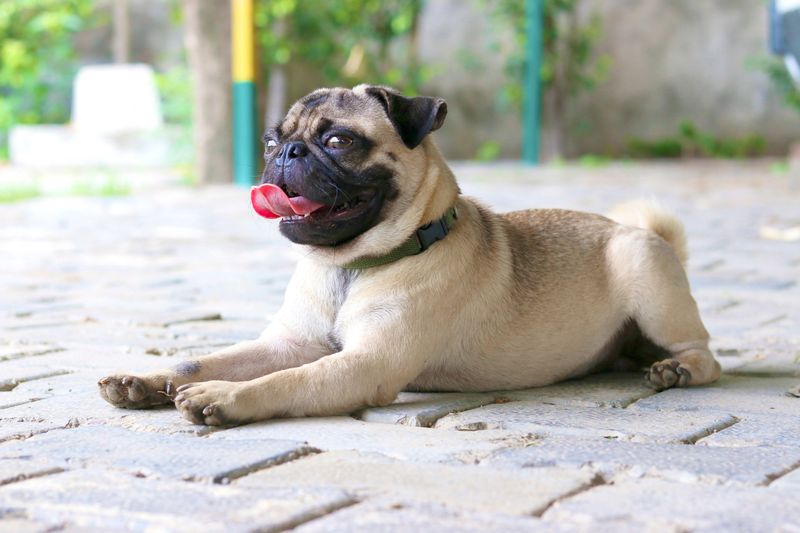
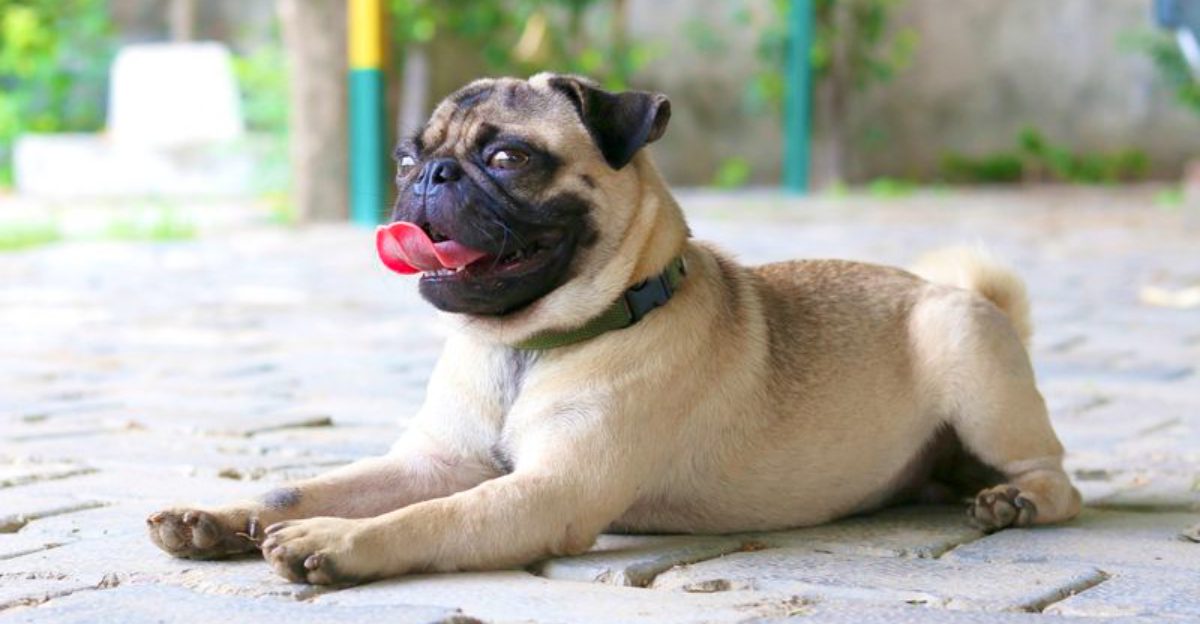
Comedic by nature, a Pug loves to orbit the household and peek at faces. Use that curiosity for training.
Every spontaneous return earns a quiet yes and a tiny snack, building a pattern of friendly check-ins.
Because breathing can be sensitive, choose gentle games like find-it around the living room. Short strolls followed by cuddle time keep the routine calm.
Long ago, these dogs lived in royal courts, so staying near people is practically part of their story.
Australian Shepherd
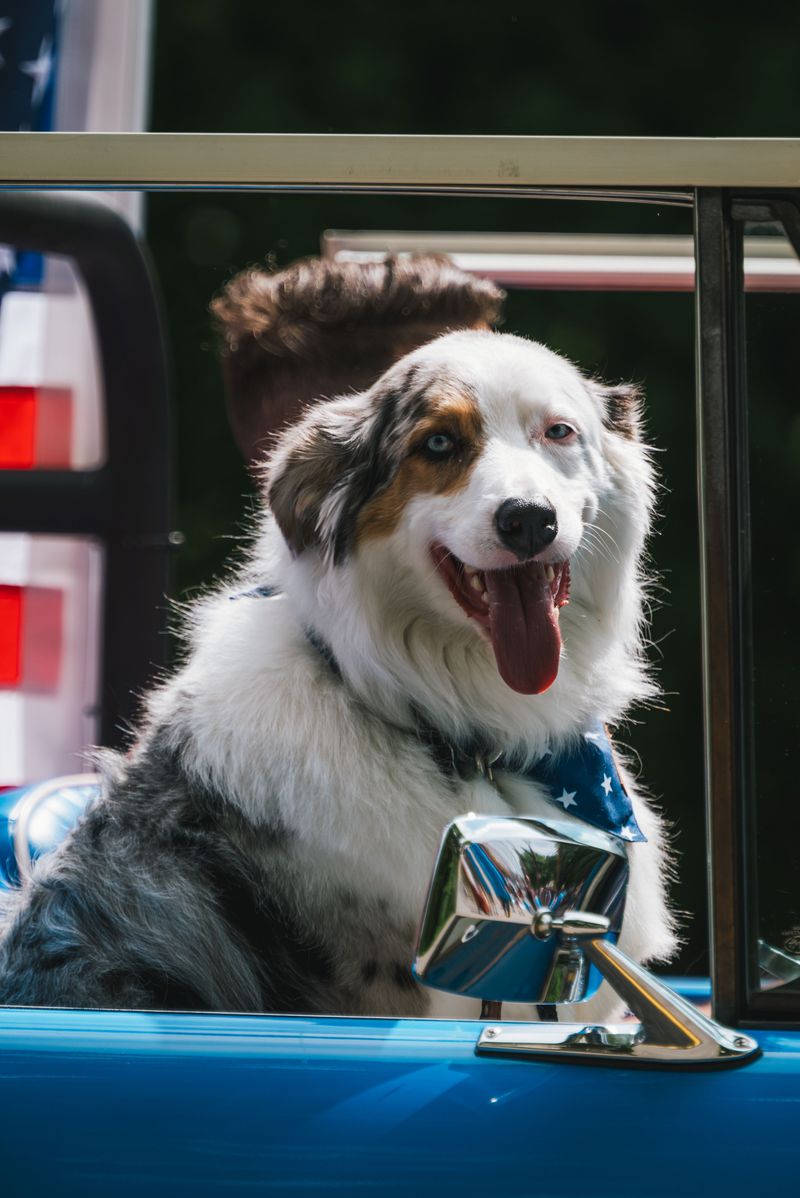
Work first, questions later, yet Aussies love to confirm the plan. On off-leash adventures where legal, many perform natural outruns, then swing back for cues.
Turn that into a job with whistle signals and hand targets.
At home, set up brain workouts like balance pods or trick training. Two or three mini sessions a day channel energy into teamwork.
As a herding breed, checking the group is instinct, and you are the group that matters.
Maltese
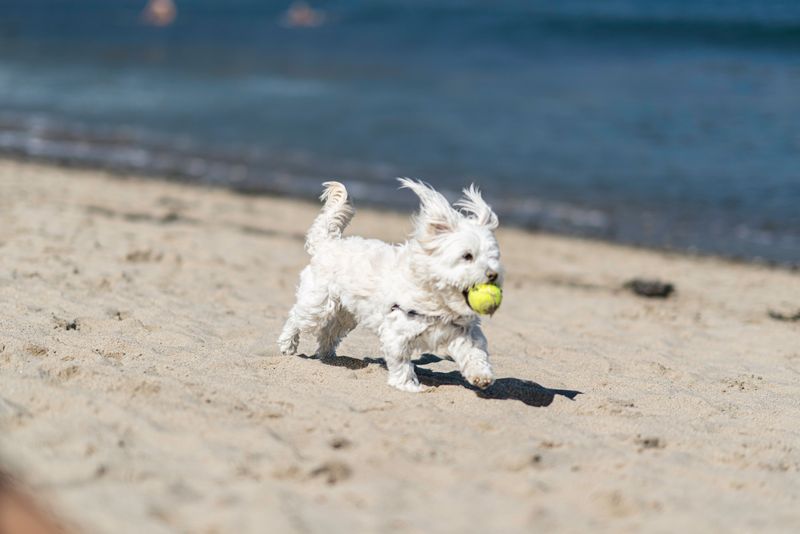
Velcro vibes with a soft touch, the Maltese often pads behind like a cloud. Encourage independence with brief settle times, then invite a cheerful return for a treat.
That rhythm builds confidence while keeping the habit of polite check-ins.
Grooming breaks make perfect bonding moments. Brush for a minute, pause, reward a sit beside you, then release.
Centuries as lap companions shaped a dog that watches people closely and finds comfort in staying near.
Shetland Sheepdog
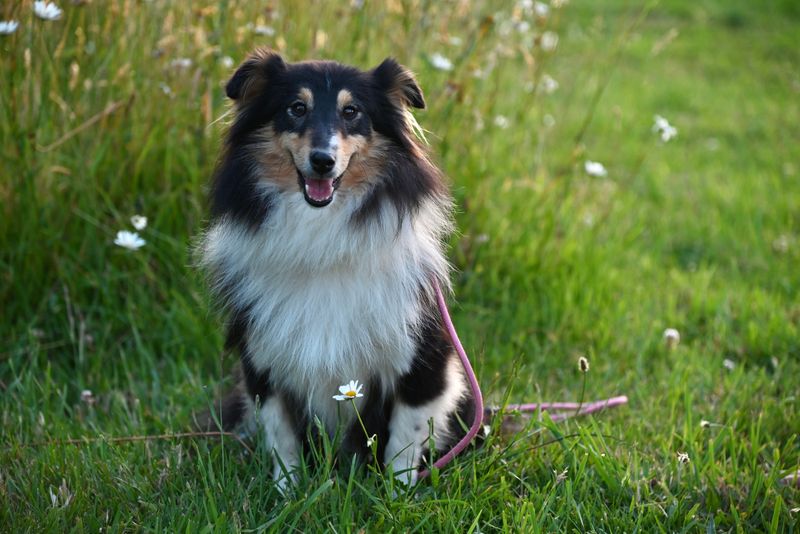
Quick steps and a quicker mind, the Sheltie excels at keeping tabs on the group. During walks, mark each voluntary look with a smile and a yes.
Soon, eye contact becomes your check-in language.
Agility or rally training can structure their need to coordinate with you. Short courses in the yard turn attention into a game.
Originating in the Shetland Islands, they managed small flocks, which explains the habit of scanning, returning, and waiting for direction.
Cavalier King Charles Spaniel
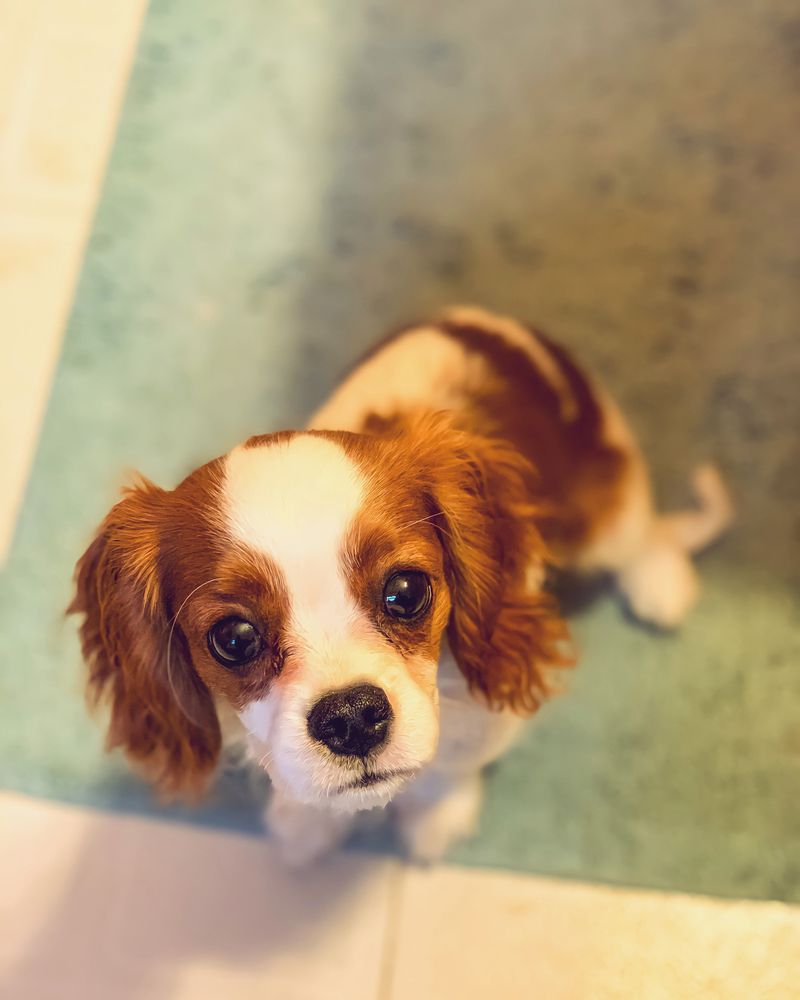
Affection leads the way with the Cavalier. They drift to a window, then return for a soft lean against your leg.
Capture those moments by quietly petting and whispering good, making proximity soothing and safe.
Gentle sniff walks followed by rest time keep the rhythm calm. Puzzle feeders add mental effort without stress.
Bred as companions to royalty, they learned to read people closely, which naturally translates into sweet, regular check-ins around the home.
Miniature Schnauzer
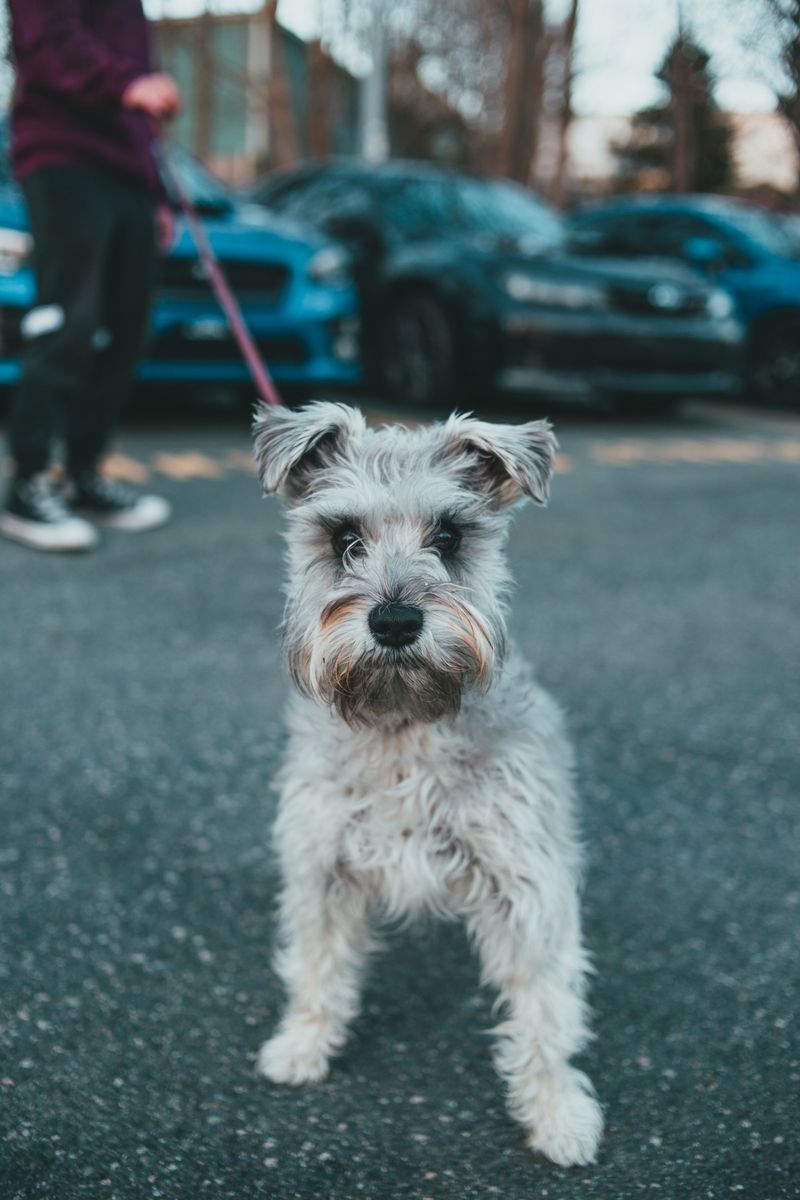
Curious and chatty, the Mini Schnauzer loves to patrol, then verify the human situation. Turn that patrol into a training loop.
Each time the dog checks in, cue a sit, reward, and release back to explore.
Provide jobs like carrying a soft toy from room to room or practicing quiet place during dinner. Terrier roots bring boldness, but the schnauzer side adds teamwork.
That blend creates a steady habit of returning for guidance and connection.