
Dogs meet new people in all kinds of ways. Some bounce with excitement, while others keep a careful distance until they feel safe.
Knowing a breed’s typical style helps you set up better introductions and prevent awkward moments. You can build trust faster, protect your guests, and help your dog feel calm and confident.
Beagle
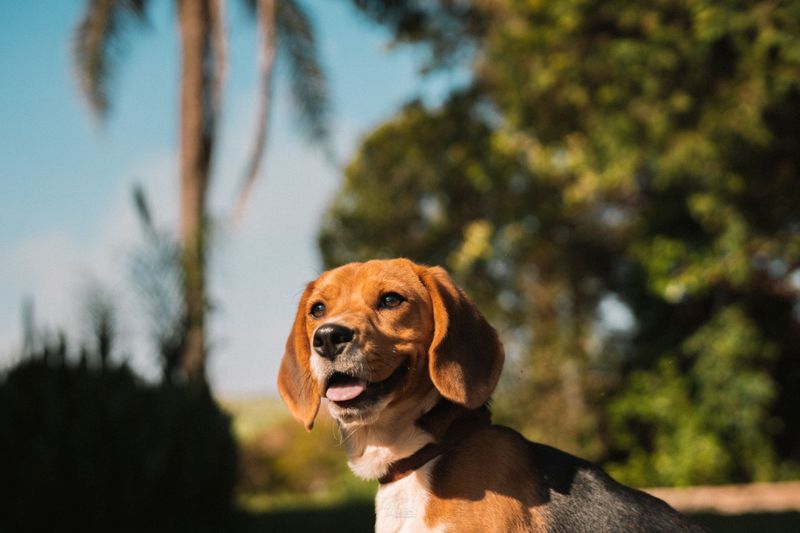
Nose first, questions later. Beagles often greet unfamiliar people with cheerful curiosity because scent is their favorite language.
Many will wag, sniff, and circle, then decide if play might follow. That eager approach can feel sudden to guests.
Keep a short, friendly script: ask visitors to stand sideways, offer a fist to sniff, then drop a treat. A brief sit before petting helps manners.
Walks before company arrives burn energy and make polite greetings easier.
German Shepherd
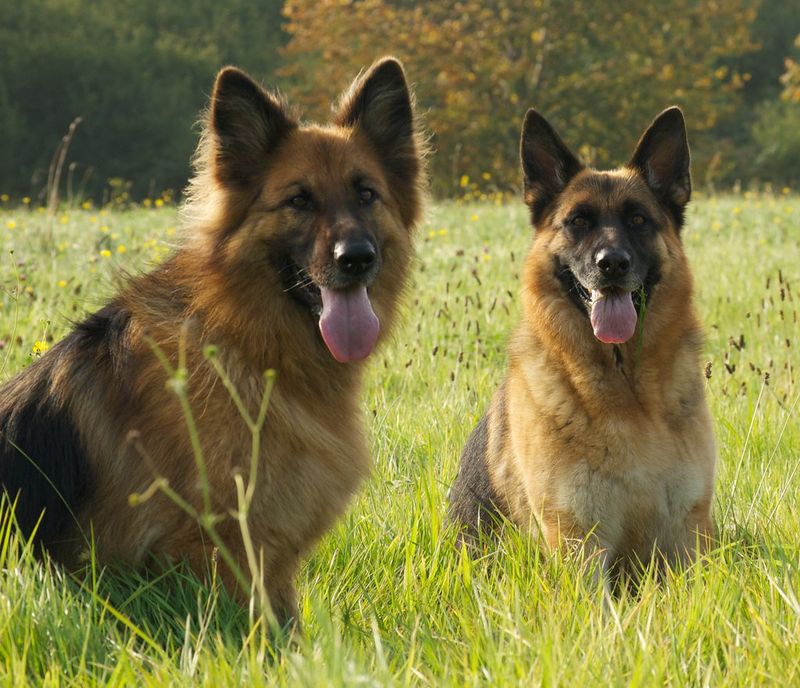
Guard first, then friend. Many German Shepherds take a measured approach with people they do not know.
They read body language quickly and may stay near their owner, watching. Confidence builds when the environment feels predictable.
Set rules for guests: no reaching over the head, no fast steps, and no hugging. Ask for a sit while the visitor tosses a treat to the ground.
Short, positive exposures and clear handler leadership keep greetings calm and safe.
Rottweiler
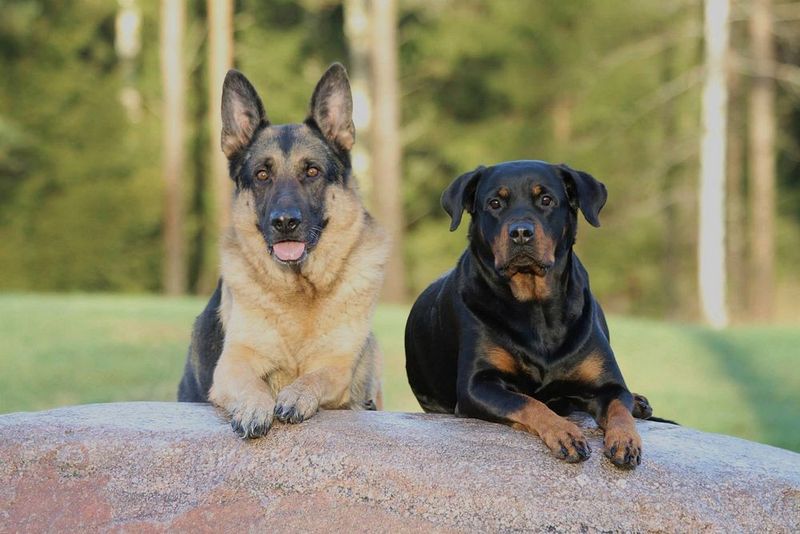
Big frame, bigger heart when well socialized. Rottweilers can be thoughtful with unfamiliar people, often preferring slow introductions.
They read confidence, tone, and posture. Clear boundaries help them relax.
Ask guests to ignore at first. Handler cues a sit or down, then the visitor tosses a treat behind the dog to reduce pressure.
Reward calm choices. Short visits, steady routines, and regular practice with different people shape a polite, trustworthy greeting style.
Akita
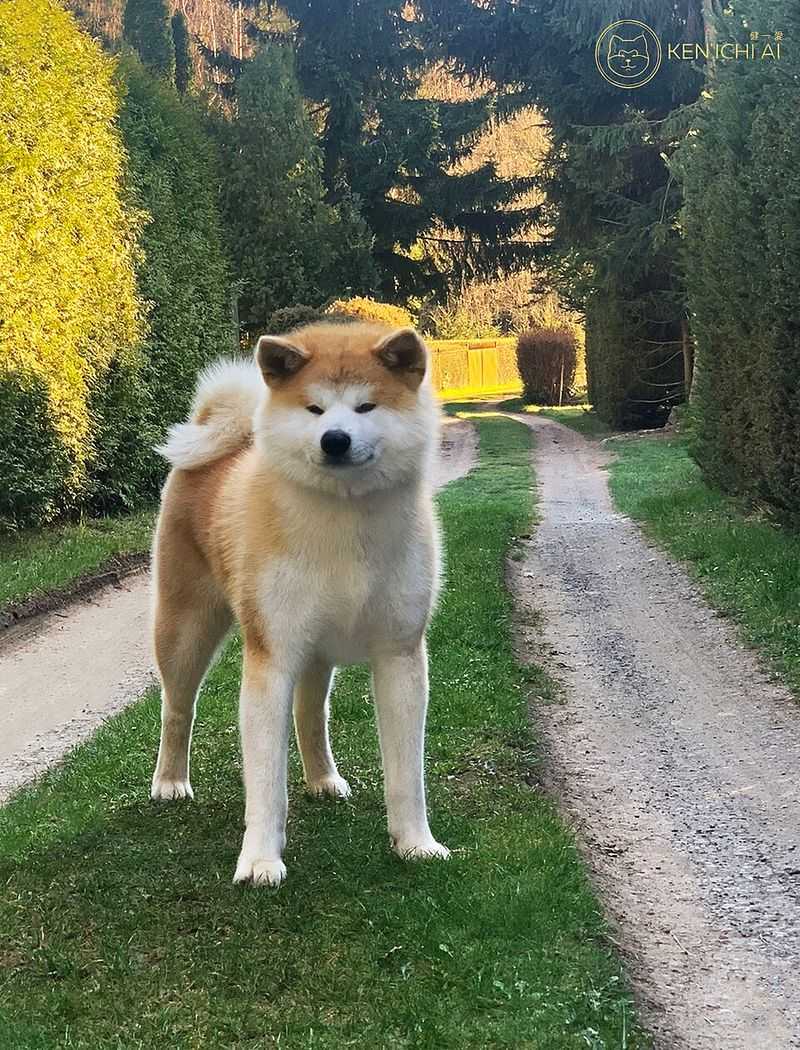
Reserved is the default setting. Many Akitas prefer personal space and show loyalty to their family over friendly meet-and-greets.
They may avoid direct contact or stand still to assess a new person. Respect goes a long way.
Coach visitors to remain calm, speak softly, and avoid staring. Side-by-side walking at a distance builds comfort without pressure.
Keep sessions brief and end on a win, like a successful sniff-and-move. Quality socialization beats quantity for this breed.
Chow Chow
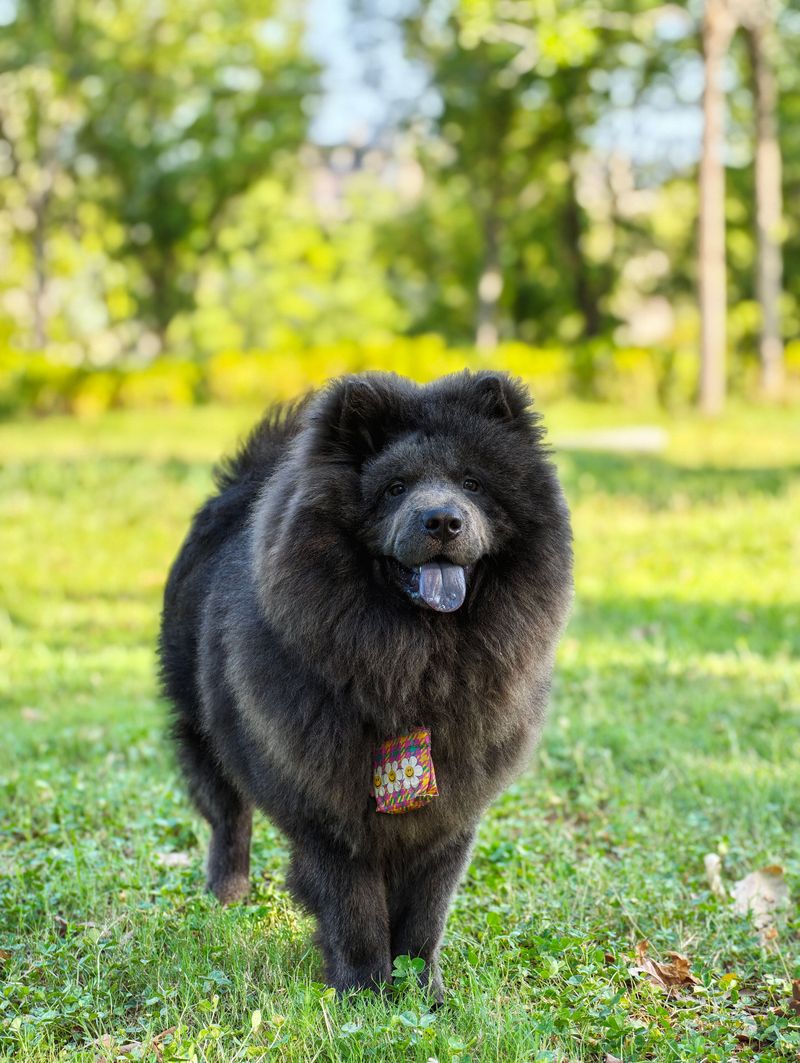
Like a cat in a dog suit, many Chows are dignified and selective. Unfamiliar people may get a cool look instead of a wag.
They value calm energy and clear boundaries over excited chatter.
Ask visitors to keep hands to themselves until invited. A gentle treat toss, then a slow arc approach can help.
Grooming sessions with known friends build trust over time. Keep greetings short, predictable, and quiet to protect the Chow’s comfort zone.
Shiba Inu
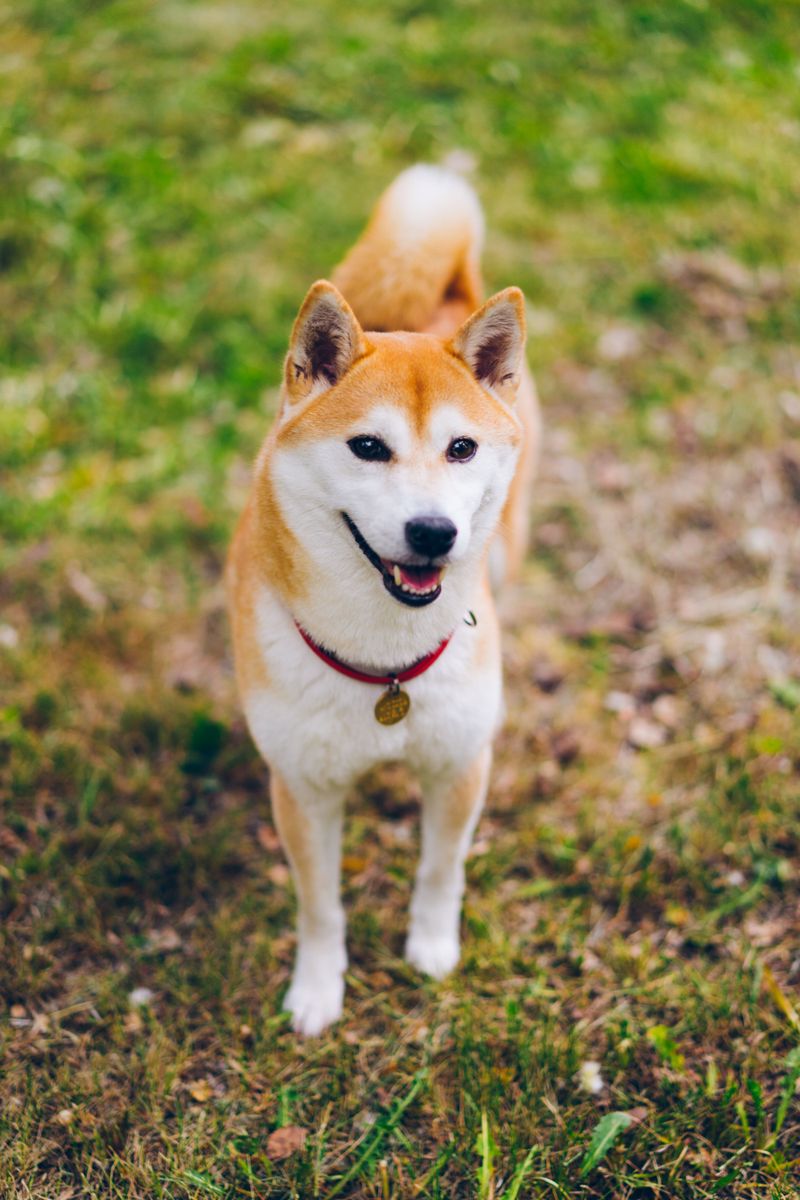
Independent thinkers at heart, Shibas often act like tiny critics of social scenes. Some will accept a brief sniff, then move on.
Others keep a careful bubble and dislike grabby hands. Surprise touches can backfire.
Teach a hand target for consent-based greetings. Visitors can crouch sideways, offer a treat on the ground, and let the dog choose.
A long walk or sniffy session before meetings lowers tension and supports better decisions.
Cane Corso
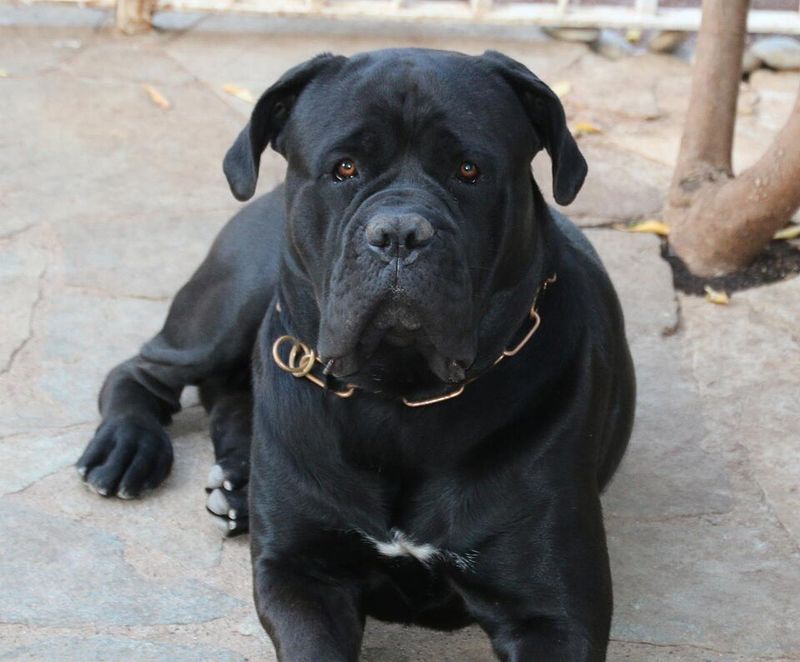
Confidence with a watchful edge describes many Corsos. They can be calm, brave, and loyal, yet wary of unknown people until given direction.
Structure helps them shine.
Plan the script: handler engages first, dog performs a sit or place, and the visitor remains neutral. Reward the dog for staying settled while the person moves slowly.
Keep greetings brief and end with a simple win. Ongoing socialization in varied settings builds a steady, reliable greeting style.
Great Pyrenees
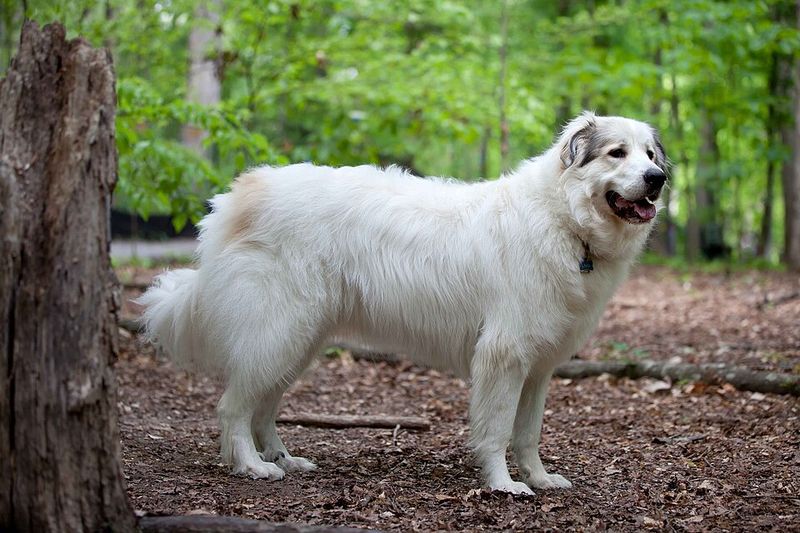
Farm guardian instincts run deep. Great Pyrenees often patrol quietly, then position themselves between family and unfamiliar people.
They prefer slow, steady scenes over busy crowds, and they notice everything.
Use a long leash or a place cot for control during visits. Guests should avoid sudden reaching and speak in a low, calm voice.
Reward relaxed body language. Short practice sessions with known neighbors help shape polite, predictable greetings around the home perimeter.
Doberman Pinscher
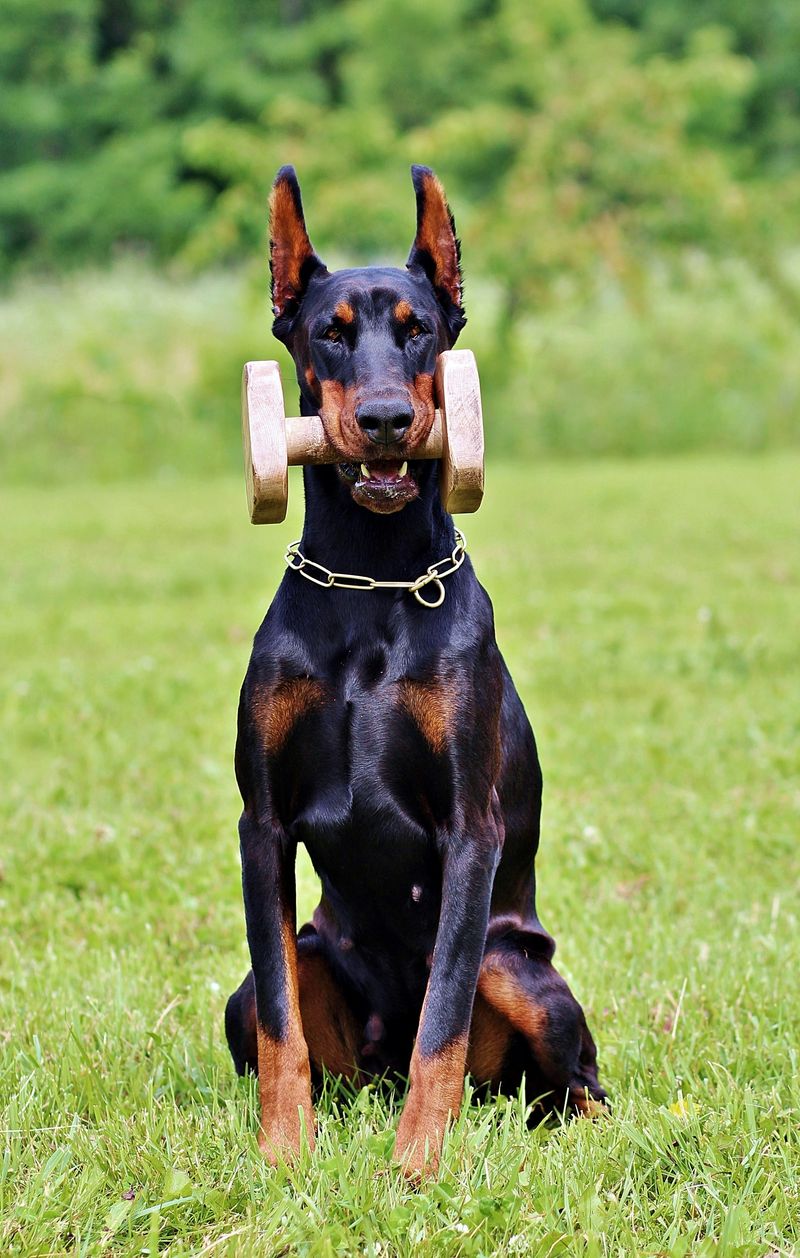
Elegant athletes with sharp awareness, many Dobermans appraise strangers quickly. Some are friendly after a cue from their person.
Others prefer attention only when they are settled and working.
Teach impulse control games like sit, watch, and heel before greeting. Ask visitors to wait while the dog performs a brief routine, then reward with a calm pet on the chest.
Keeping handlers confident and cues consistent makes introductions smooth, even in busy spaces.
Siberian Husky
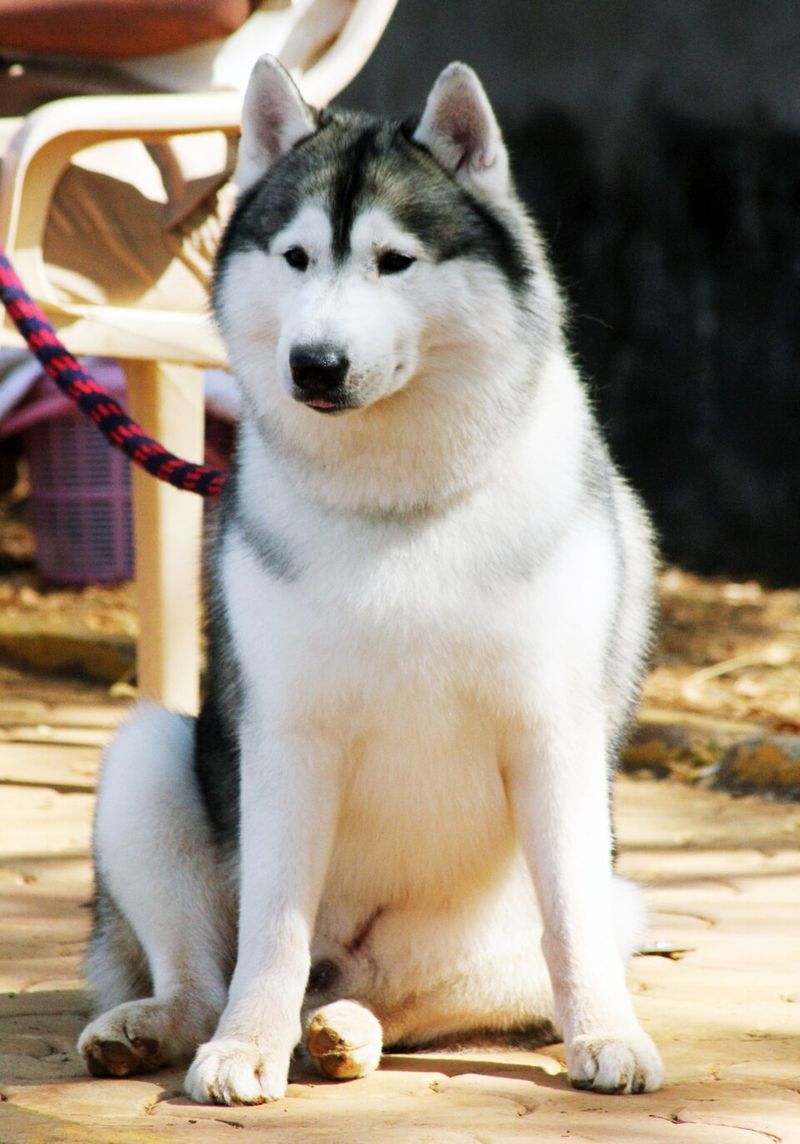
Social butterflies with sled-dog stamina, many Huskies greet new people like potential teammates. Expect bouncing, singing, and dramatic stories.
That excitement is fun but can overwhelm guests.
Channel the party: a quick jog or sniffy walk before visitors arrive, then reward four paws on the floor. Ask strangers to pet under the chin instead of over the head.
A few simple cues and treats help turn that big energy into a polite hello.