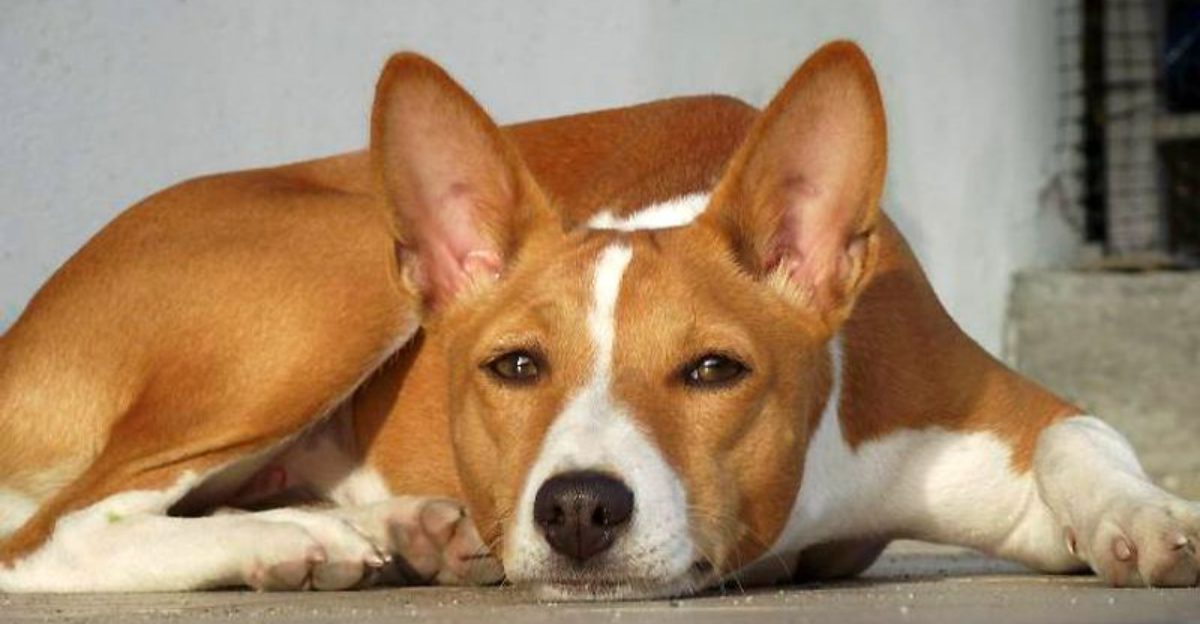
Lots of dog lovers think years of experience means every new breed will be easy. Some dogs were bred to make choices on their own, often far from people.
That means they can ignore commands, test rules, and outsmart daily routines. Learning how their minds work can turn frustration into real teamwork.
Great Pyrenees
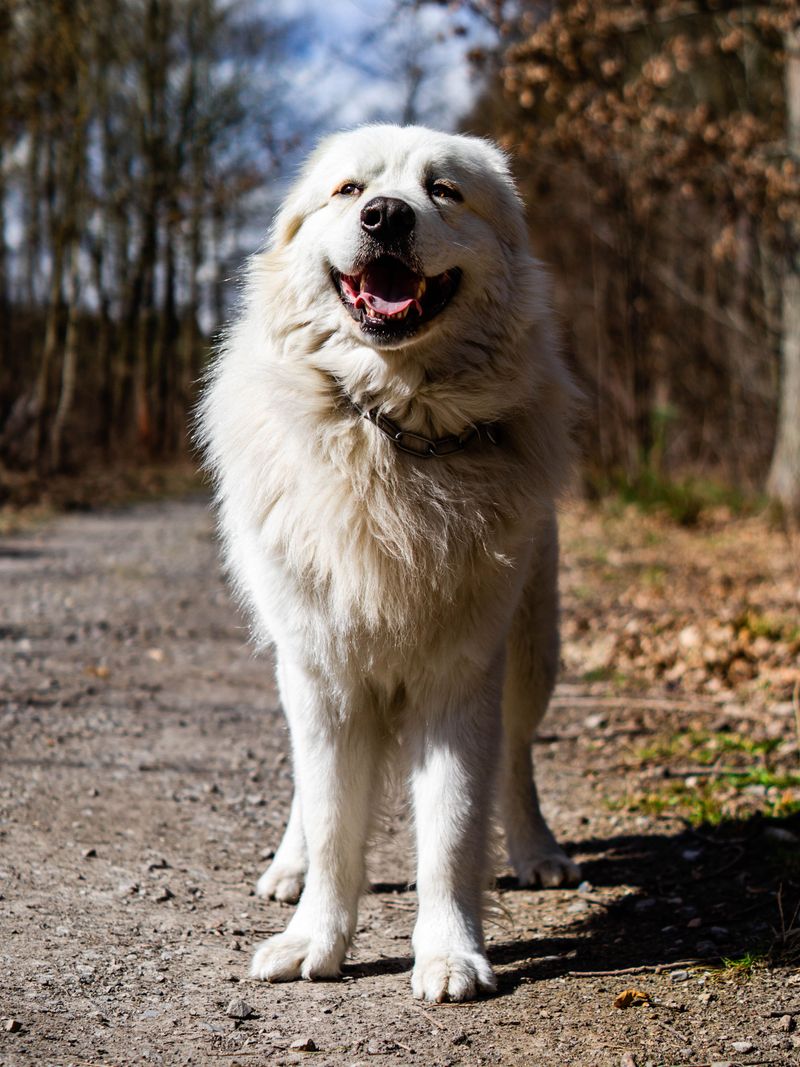
With the patience of a night watchman, the Great Pyrenees guards first and listens second. Bred to protect flocks alone, they decide what is safe before obeying you.
Short drills, strong boundaries, and calm leadership help a lot. Expect slow recalls and a thoughtful stare while they weigh your request.
Use secure fencing, quiet routines, and place training to limit roaming. Reward steady choices over speed.
Night barking needs jobs and structure, not anger.
Beagle
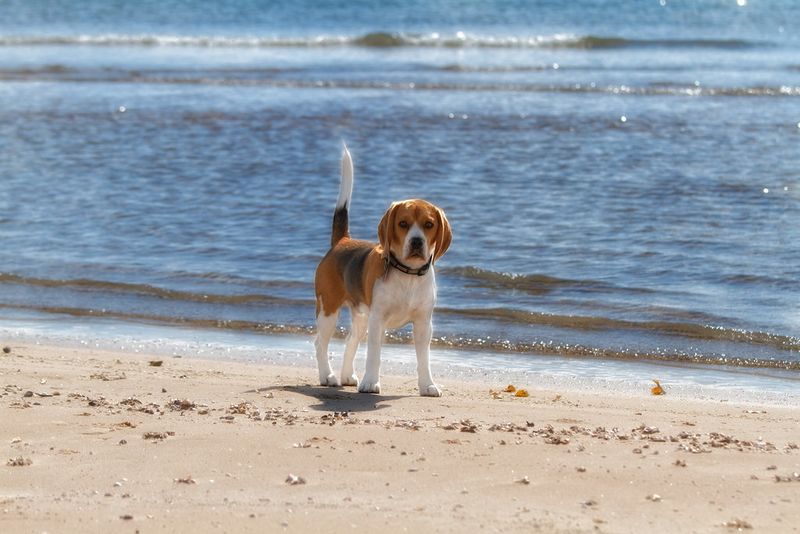
A Beagle follows its nose like a detective on a hot clue. Once scent kicks in, your voice fades to background music.
Build check-ins with a whistle, a jackpot treat, and a long line. Practice nose games that end with a recall party so coming back feels like winning.
Expect friendly, stubborn charm. Manage with secure yards, scent work outlets, and timed breaks.
Use patterns, not pleading, to guide choices.
Alaskan Malamute
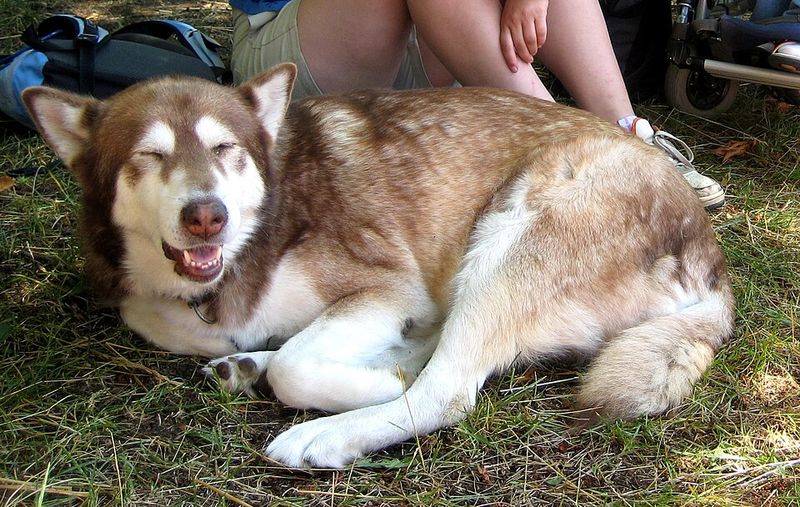
Bred to haul heavy loads with minimal chatter, the Malamute saves energy and questions orders. They thrive when given work, not nagging.
Teach impulse control through weight pulls, structured hikes, and start-stop games. Keep recalls practical, not perfect, and reward generously.
Reliable containment matters, since roaming feels natural. Rotate mental jobs like drag-line walks and puzzle feeders.
Respect their strength with clear rules, soft hands, and firm routines so teamwork beats tug-of-war.
Basenji
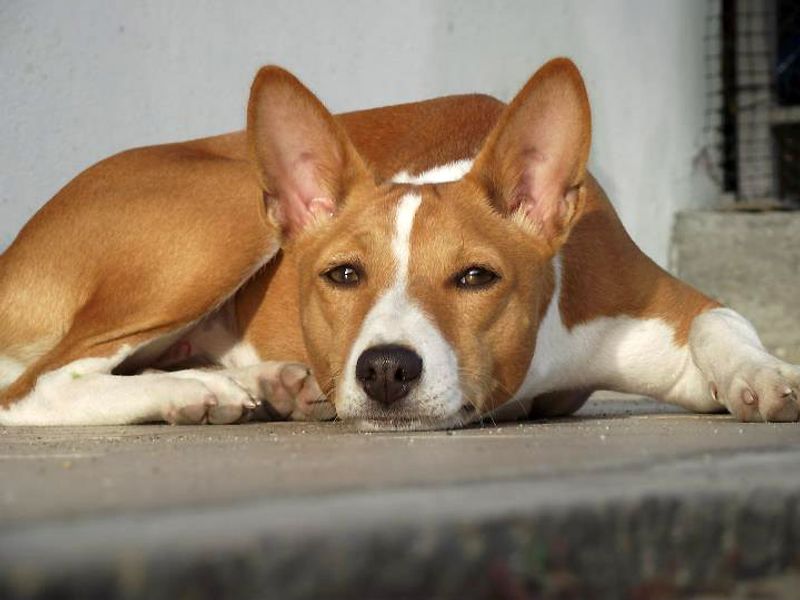
The “barkless” hound has plenty to say through action. Basenjis think quickly, puzzle out rules, and may treat commands like suggestions.
Keep sessions brief, playful, and surprising. Use chase games that end in calm sits, then trade for rewards.
Variety keeps that nimble mind engaged.
Baby-proof the house, since silence can mean mischief. Rotate enrichment, reinforce check-ins indoors, and use light lines outdoors.
Respect their independence while shaping safe choices.
Dachshund
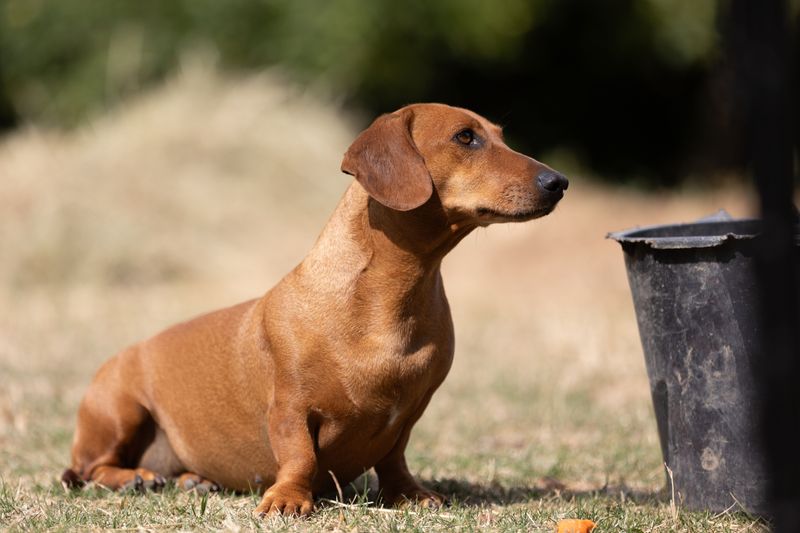
Small body, big hunter brain. Dachshunds were built to go into tunnels without backup, so they trust their own plan.
Channel that grit into nose work, dig boxes, and short obedience bursts. Keep jumping controlled to protect their backs, and teach safe ramps early.
Recall improves when you end scent games with you as the prize. Clear boundaries, cozy crates, and predictable schedules help stubbornness relax into cooperation.
Chow Chow
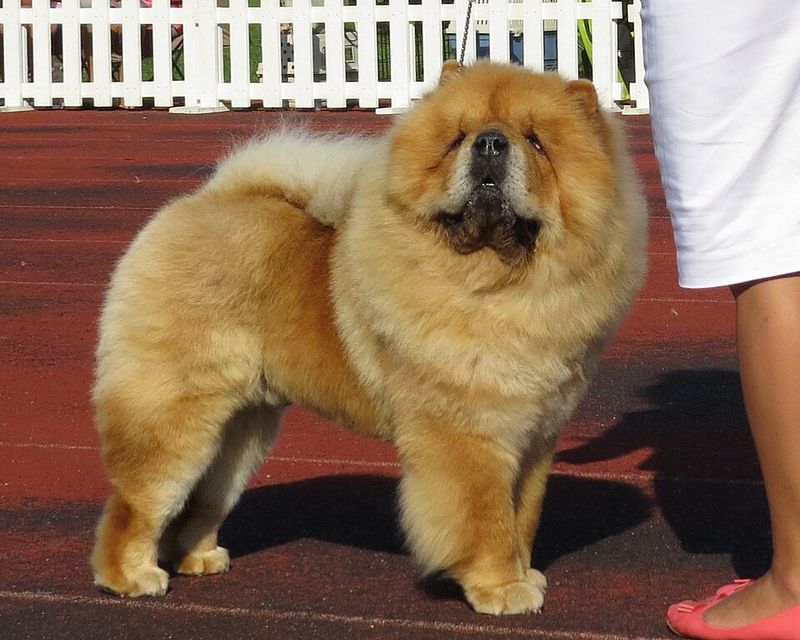
Royal and reserved, the Chow Chow reads the room before deciding anything. Affection is earned, not assumed.
Keep training quiet, respectful, and consistent. Lure into positions, mark calmly, then reward.
Avoid rough handling, since trust is the real currency here.
Early socialization matters, paced carefully and positively. Nail down cooperative care like brushing and paw handling.
Clear house rules, predictable visitors, and polite greetings turn aloof into reliable.
Afghan Hound
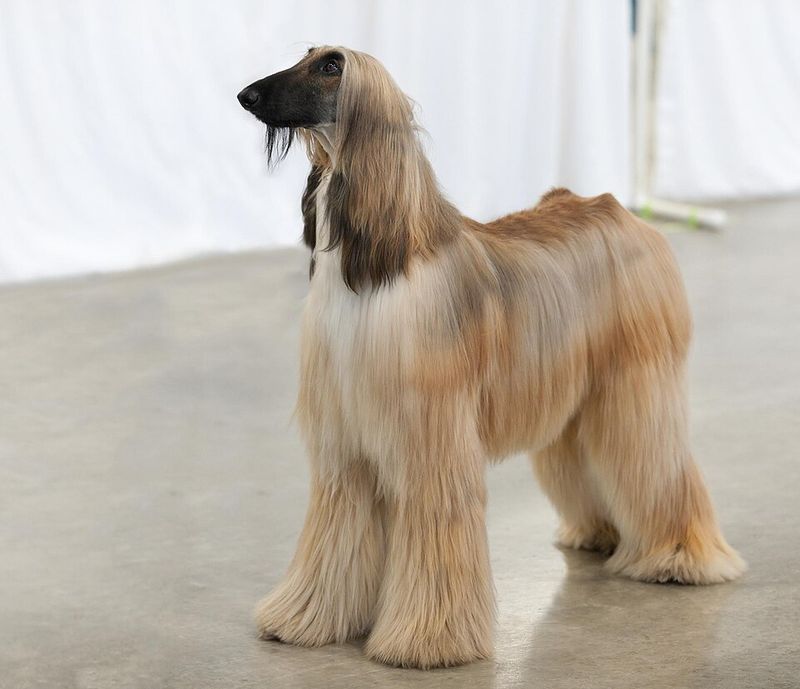
Like a runway model with rocket legs, the Afghan Hound loves to move and choose. Sight hound instincts dominate, so stillness takes work.
Use flirt poles, sprint then settle routines, and brief focus games. Keep training stylish and fun to hold attention.
Grooming becomes teamwork when you trade calm stands for high-value rewards. Long lines in open spaces keep freedom safe.
Ask less often, reward more smartly, and celebrate progress.
Jack Russell Terrier
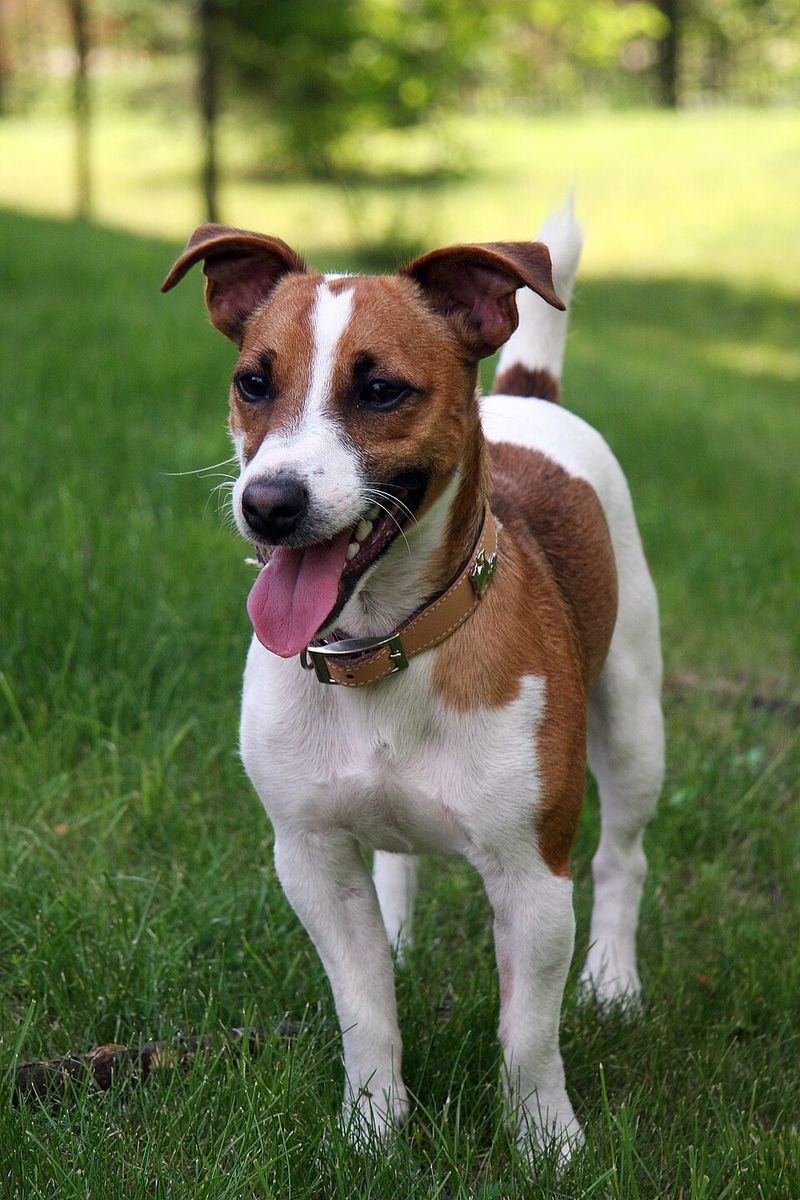
All spark, all day, the Jack Russell wakes ready for a mission. Problem-solving comes naturally, including how to open doors.
Direct that fire into agility, trick chains, and tug with rules. Teach settle mats between action bursts to dial down the engine.
Hunting roots mean critter control and secure fences. Rotate brain games, use whistle recalls, and reward persistence that points the right way.
Boredom writes its own script.
Scottish Terrier
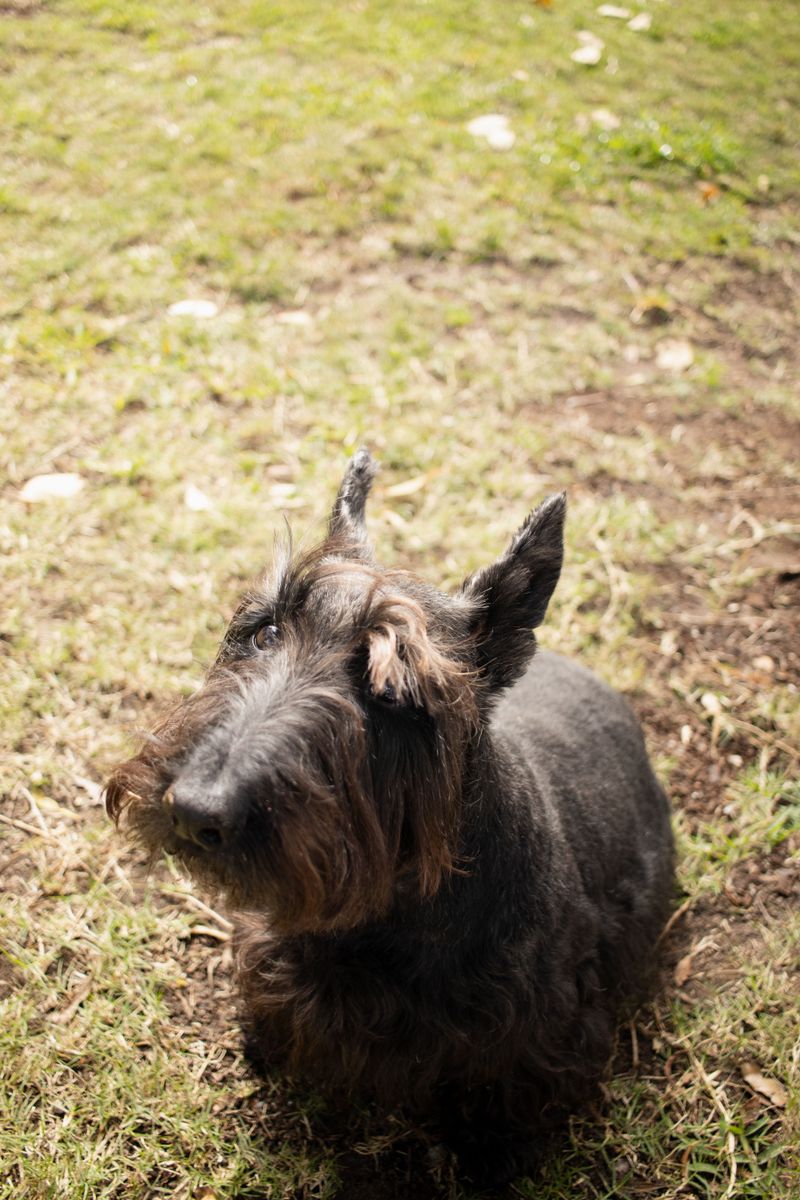
Serious eyebrows, serious opinions. The Scottie was bred to work solo underground, so compliance can feel optional.
Make tasks purposeful: scent trails to a final heel, or tug that ends in a controlled sit. Use short, strategic sessions with clean finishes and calm praise.
Confidence needs boundaries, not battles. Socialize steadily, practice polite door manners, and reward quiet watchfulness.
Structured choices help that brave heart cooperate.
Anatolian Shepherd Dog
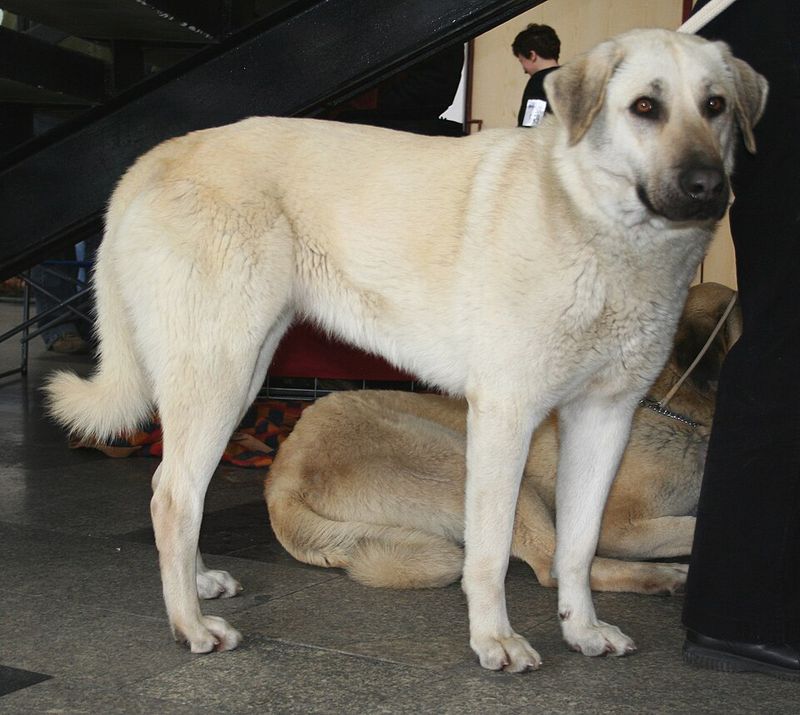
Guardian first, pet second, the Anatolian thinks like a ranch manager. They assess threats and act without waiting.
Build partnership through boundary walks, supervised stock exposure, and low-drama corrections. Reward calm patrols and neutral greetings more than flashy obedience.
Secure fencing, double gates, and structured night routines matter. Visitors need planned introductions.
Keep commands simple and meaningful, and you will earn reliable cooperation when it truly counts.
Airedale Terrier
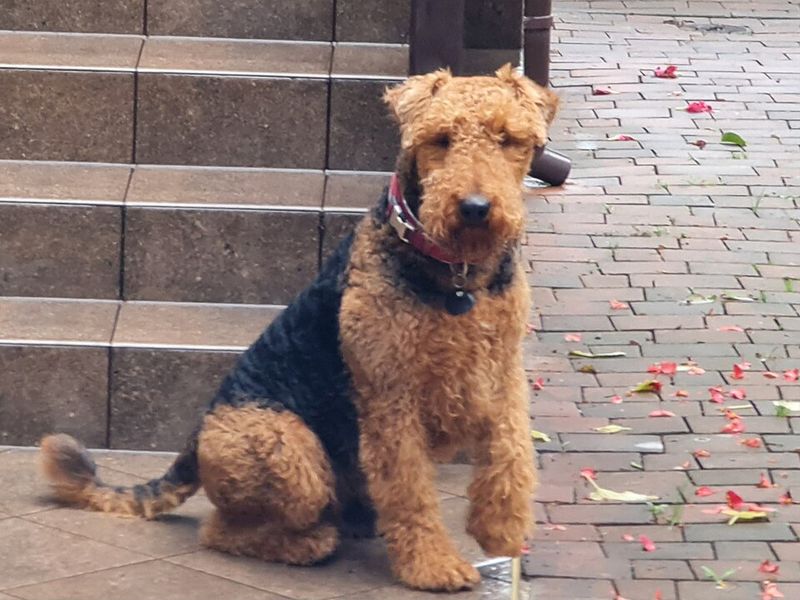
The Airedale is the terrier who asks why, then tries it anyway. That curiosity powers brilliant training or clever mischief.
Use adventure-based lessons: trail etiquette, pack carries, and search games. Mix obedience into exploration so listening leads to more fun.
Grooming, nail care, and calm crate time should be trained like sports. Rotate jobs weekly to beat boredom.
Reward problem-solving that points toward you.
Rhodesian Ridgeback
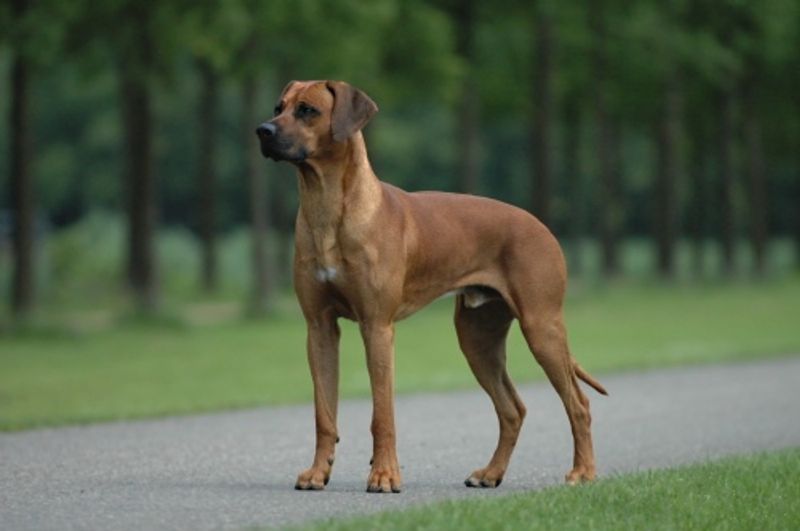
Bred to track and hold big game, the Ridgeback values composure over instant obedience. They read the environment first.
Train calm strength with controlled recalls, boundary games, and endurance runs. Keep rewards high-value and rare enough to matter.
Young dogs benefit from patient socialization and impulse control around motion. Solid fences and consistent routines prevent roaming.
Ask for thoughtful choices, then pay well when they choose you.