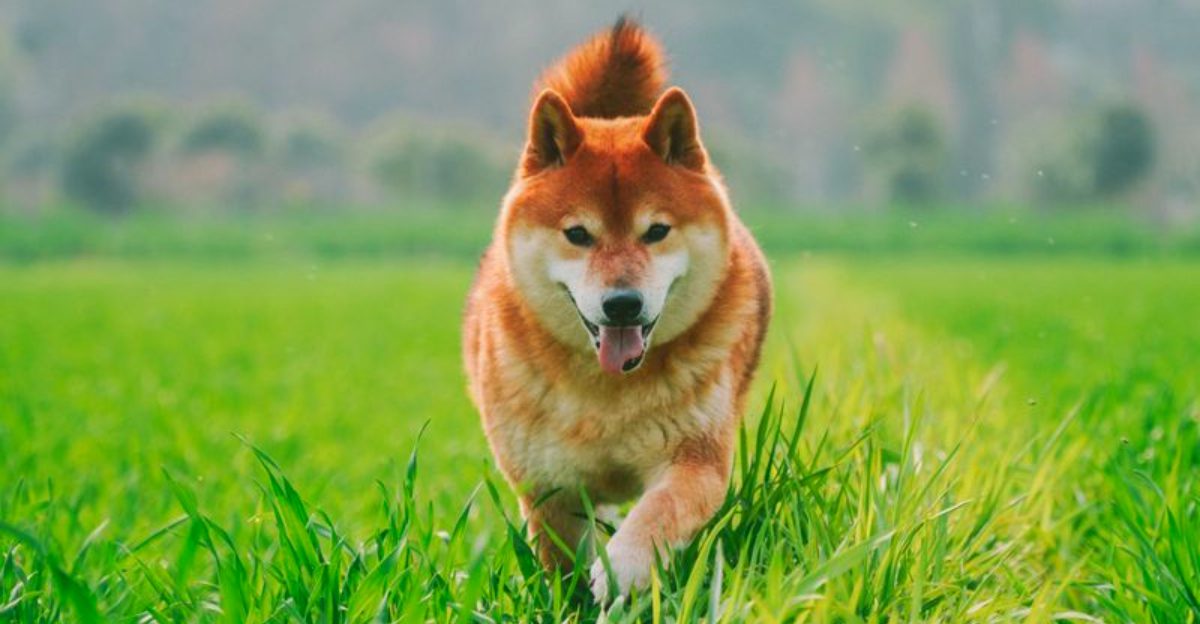
Even the best-trained dogs can get distracted. Some breeds are extra smart, strong-willed, or nose-driven, which can make coming when called a real challenge.
Learning how each breed thinks helps you plan better training and safer outings. If you love a good training puzzle, these pups will keep you honest and sharpening your skills.
Siberian Husky
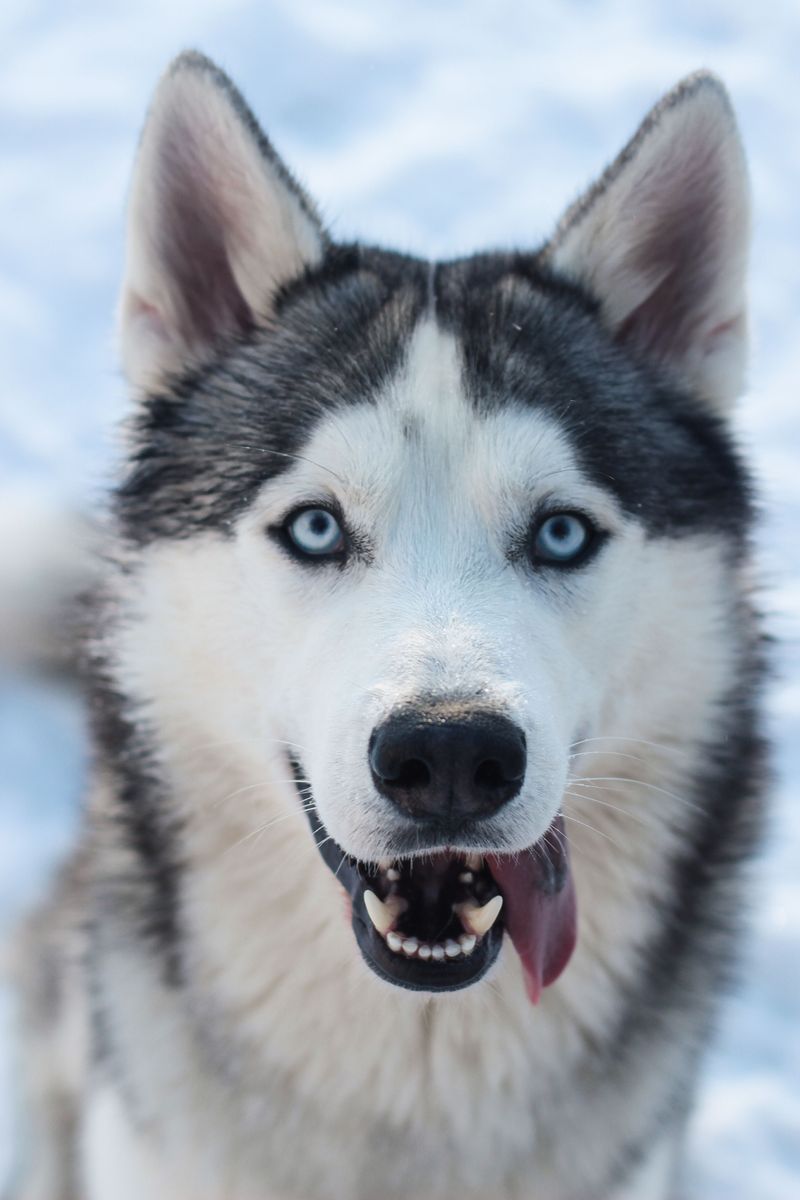
With a sprint like a gust of winter wind, the Siberian Husky hears your recall and weighs it against adventure. Bred to run long distances, they often follow the horizon instead of your voice.
Expect selective hearing when a squirrel darts or the breeze smells wild.
Use long lines, high-value rewards, and frequent direction changes to make following you exciting. Practice in fenced fields, then add distractions slowly.
Tired mind and body equals better choices.
Dachshund
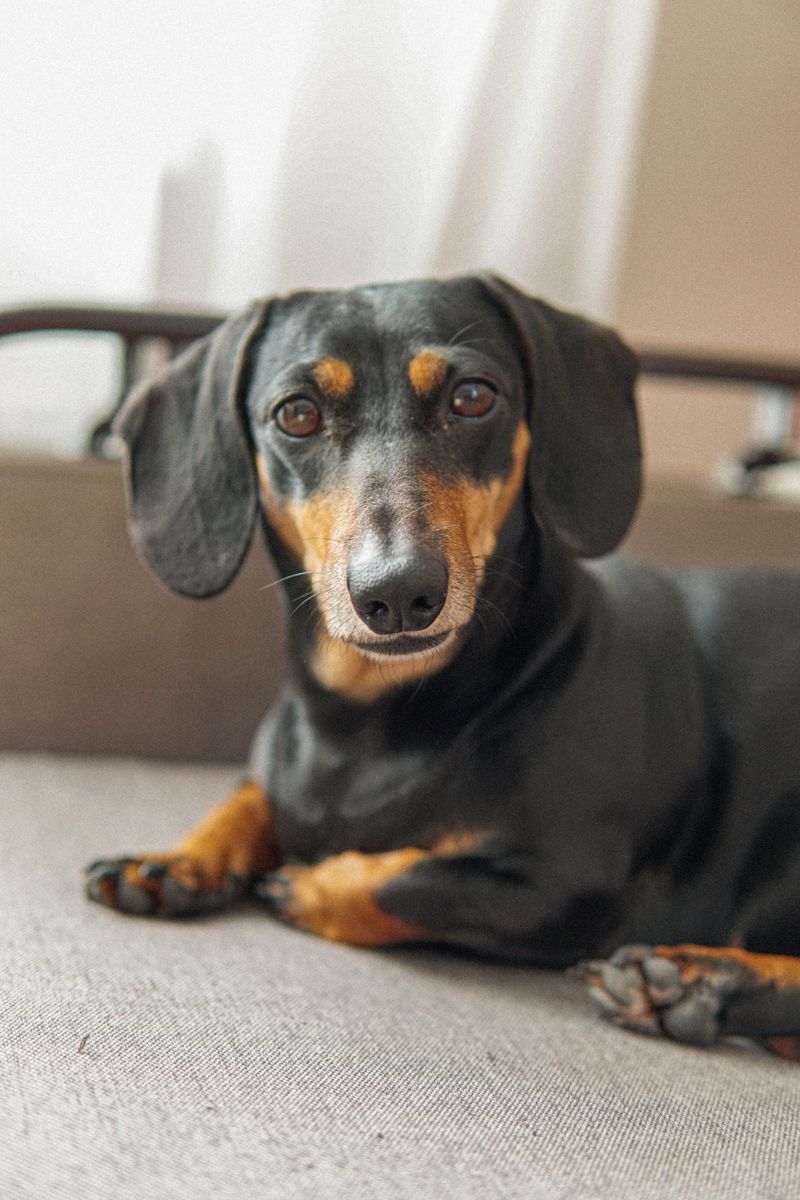
Nose first, everything else later. The Dachshund’s tunnel-vision for scent comes from its badger-hunting past.
When that tiny hound locks onto a smell, your recall can sound like background music. They are bold, curious, and love to investigate brush piles and fence lines.
Make coming back a party with squeaky toys and tiny jackpot treats. Keep sessions short, sprinkle in sniff breaks, and use a lightweight long line.
Teach an upbeat whistle cue for extra clarity.
Shiba Inu
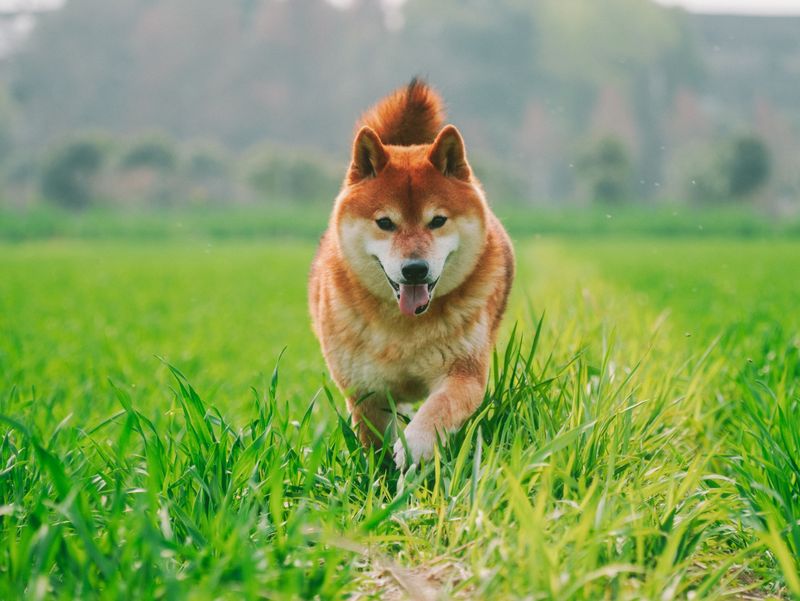
Independent like a tiny fox, the Shiba Inu often asks, what is in it for me. Many owners learn quickly that shouting louder does not help.
A Shiba that spots a moving leaf, bird, or open gate may choose freedom over obedience.
Build trust with games that pay well, like rapid treat chases back to you. Use a cheerful tone, not pressure.
Reinforce check-ins constantly, and practice on a long line before exploring open spaces.
Jack Russell Terrier
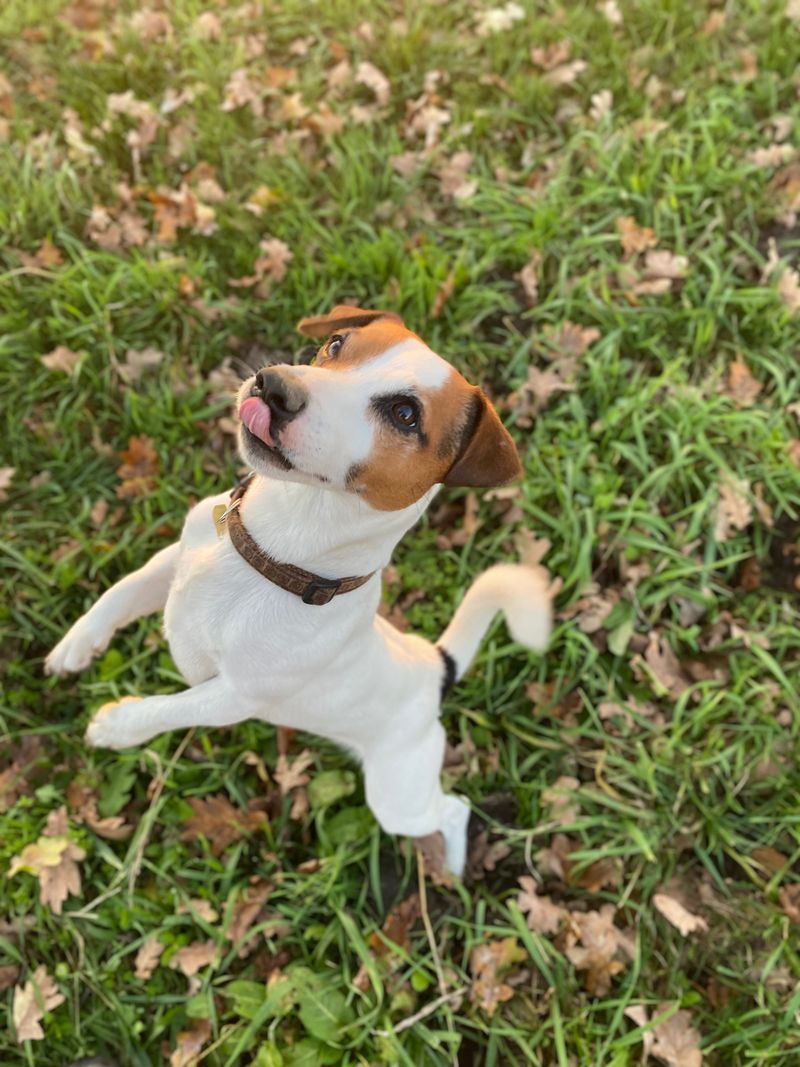
Rocket fuel in a small package, the Jack Russell Terrier was built to hunt and problem-solve. Their brains fire fast, and their legs follow.
Once the chase switch flips, your recall competes with the thrill of motion. Burrows, birds, and bouncing balls are irresistible.
Channel that drive with fetch returns, tug rewards, and quickfire recalls between obstacles. Keep drills snappy and upbeat.
A whistle cue and structured off-leash time in secure fields help a lot.
Basset Hound
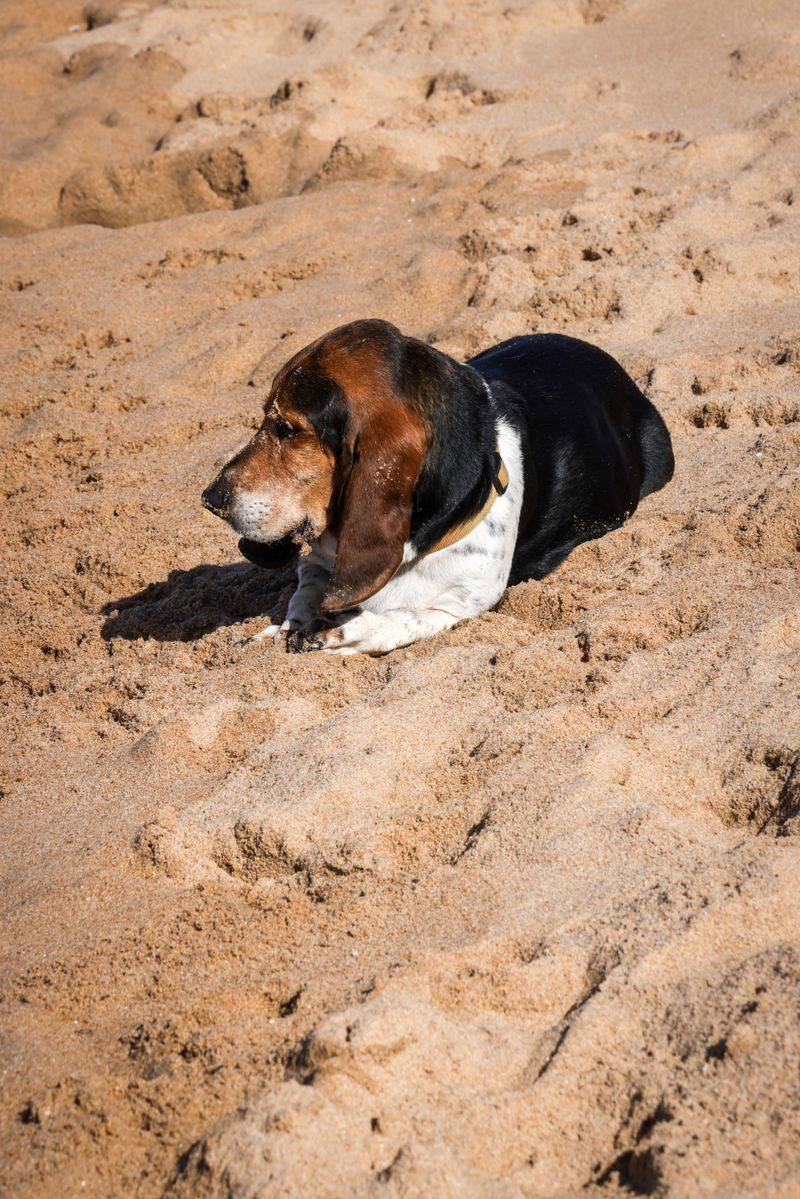
Those mile-long ears are not just cute. They scoop scent right to the Basset Hound’s powerful nose.
Once a smell grabs hold, your call may land second place. Slow and steady does not mean unfocused, it means focused on scent first.
Use cheerful recalls from very short distances, pay with smelly treats, then gradually increase space. Add recall from one scent article to another to make returning part of the job.
Patience truly pays here.
Alaskan Malamute
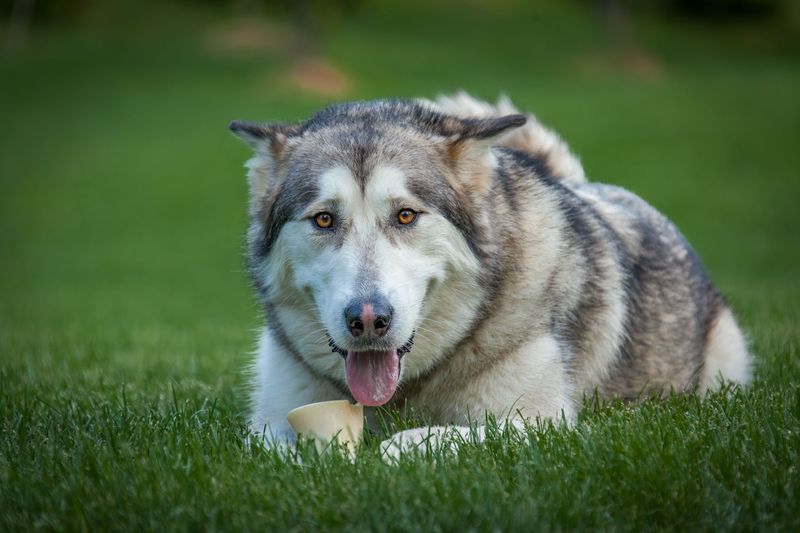
Built for hauling and hard work, the Alaskan Malamute brings grit and curiosity to every outing. They enjoy testing boundaries and exploring terrain.
When something interesting appears, the recall cue must outshine instinct and momentum, which is a tall task without preparation.
Practice structured hikes with planned recall points and generous rewards. Use a long line during new routes.
Teach a strong emergency stop, then release back to fun. Clear routines help this powerhouse listen.
Bloodhound
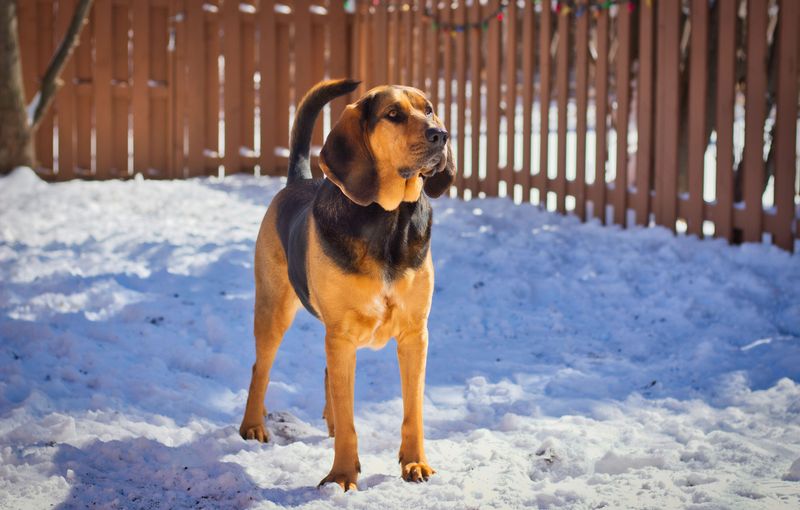
Give a Bloodhound a scent, and the world narrows to that mission. Their recall often fades behind a roaring river of smell.
They are gentle yet unstoppable when tracking, which can frustrate new handlers who expect quick turns and instant returns.
Use scent games that end at you, then throw a big party. Build a strong recall word alongside a distinct release cue.
Manage with long lines and practice in quiet areas before busy parks.
Afghan Hound
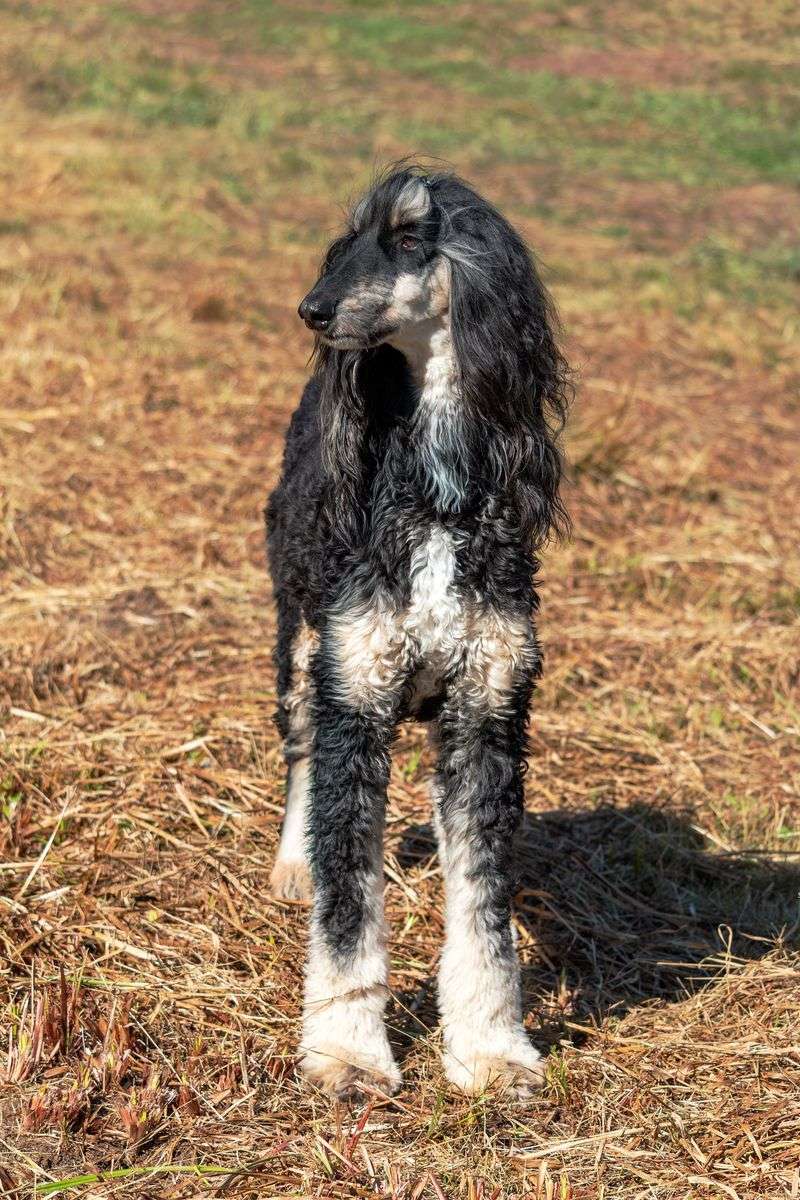
Graceful like a dancer, the Afghan Hound also holds a free spirit. Many enjoy the wind, the view, and their own ideas.
When a lure moves, they follow beauty in motion rather than voices behind them. Aloofness can look like ignoring, but it is simply independence.
Train recall as a refined game with soft tone, tasty rewards, and brief sprints back and release. Whistle cues carry farther.
Safe fenced spaces keep practice confident and consistent.
Greyhound
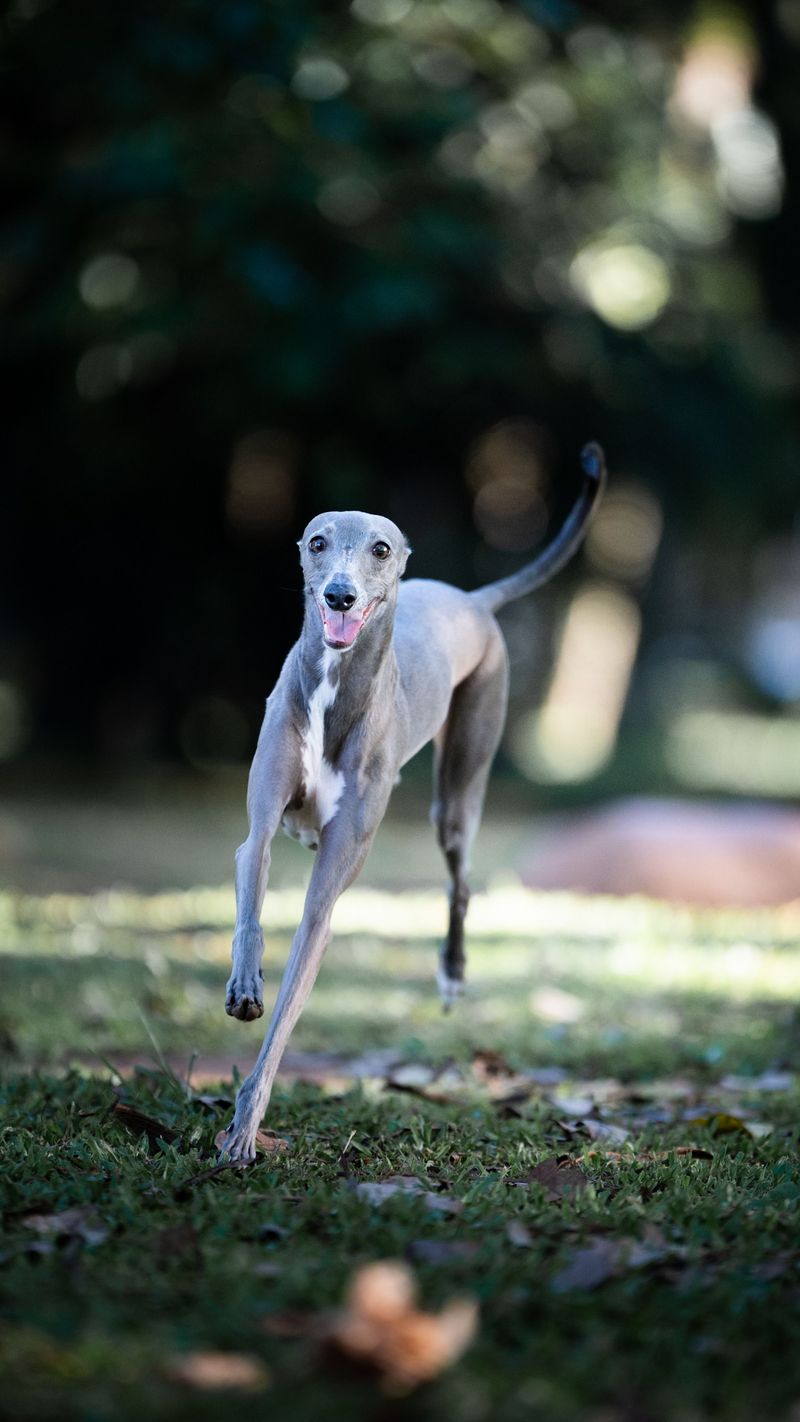
Zero to zoom in a heartbeat, the Greyhound lives for smooth speed. Once moving, the world blurs and your call can too.
Retired racers may default to chasing patterns rather than checking in, especially around fast-moving objects like bikes or rabbits.
Practice recalls from short jogs, paying with a favorite tug or soft treats. Reward calm eye contact between runs.
Use secure areas, avoid surprise off-leash moments, and teach a reliable whistle stop.
German Shorthaired Pointer
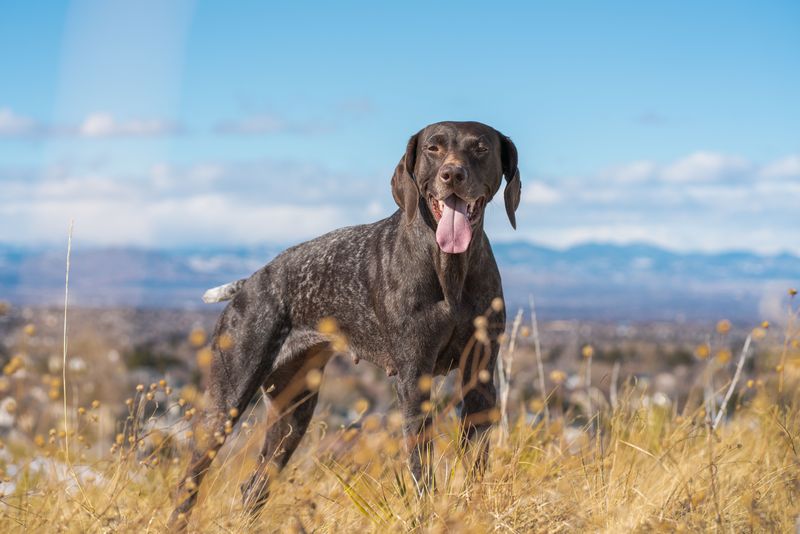
Brains, stamina, and curiosity make the German Shorthaired Pointer a joyful handful. They scan air currents for birds and sprint like athletes.
When the hunt feeling kicks in, recalls must compete with thrilling work. They are eager students, yet distractions arrive fast and often.
Blend field drills with quick recalls to hand, then send back out. Use variable rewards and a crisp whistle.
Rotate toys, food, and short retrieves to keep attention magnetic and fresh.
Weimaraner
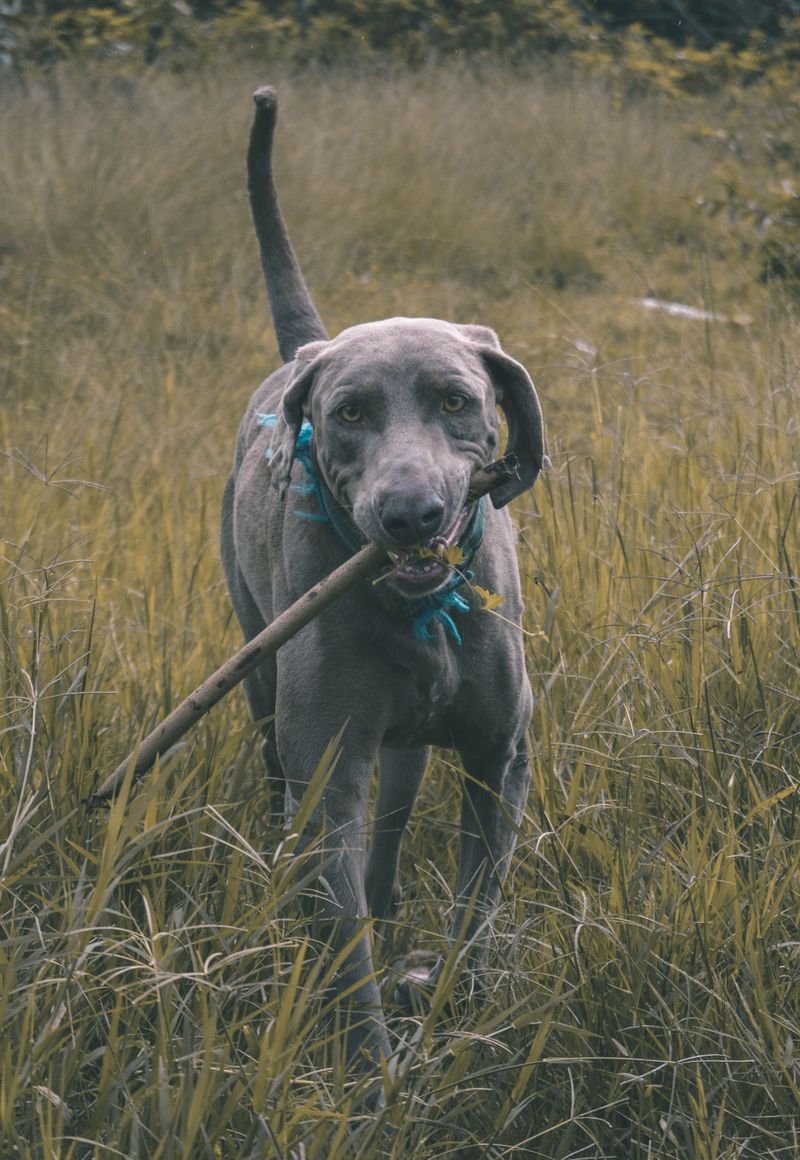
Velcro at home, explorer outside. The Weimaraner bonds deeply yet follows interesting sights and sounds with intensity.
Their athletic bodies and sharp minds crave tasks, not just walks. Without a plan, they may range too far before remembering your call.
Turn recall into a job with fetch-to-hand, hide-and-seek, and surprise treats. Keep sessions brisk and upbeat.
Long lines help polish choices around wildlife. Consistent cues, calm handling, and daily brain games make coming back feel natural.