
Not every good guard needs to shout. The best protectors use calm thinking and steady habits to keep you safe.
They notice what matters, ignore the rest, and act at the right time. Here are level-headed guardians that choose wisdom over noise.
Bullmastiff
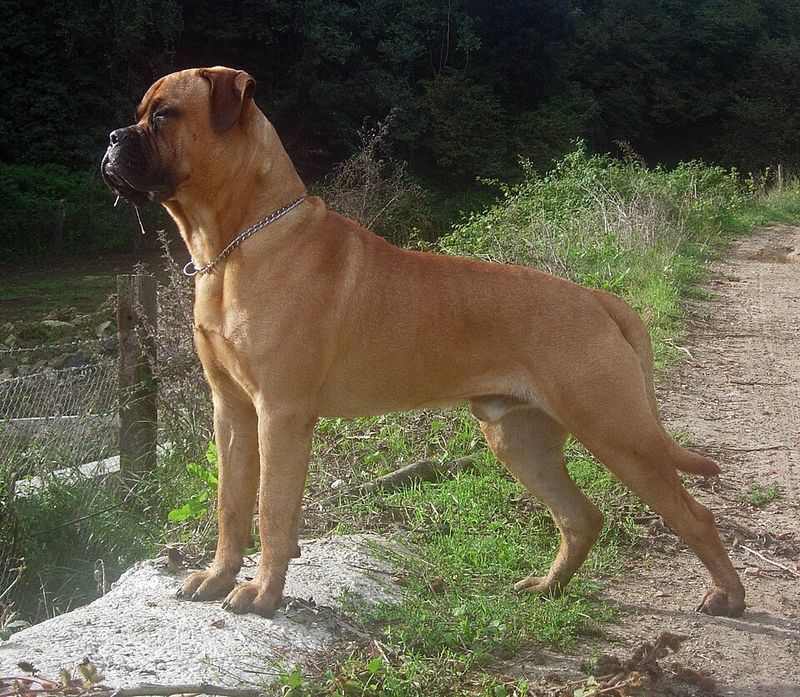
With shoulders like a linebacker, the Bullmastiff looks tough but thinks before acting. Many strangers get a quiet stare instead of noise.
The breed was made to guard gamekeepers, so it learned to control energy and wait for a real problem.
Train calm alertness with short, steady drills and clear rules. Reward silence, not barking, and practice door greetings on leash.
Regular walks, puzzle feeders, and a comfy place by your side keep the Bullmastiff watchful, kind, and ready when it counts.
Great Pyrenees
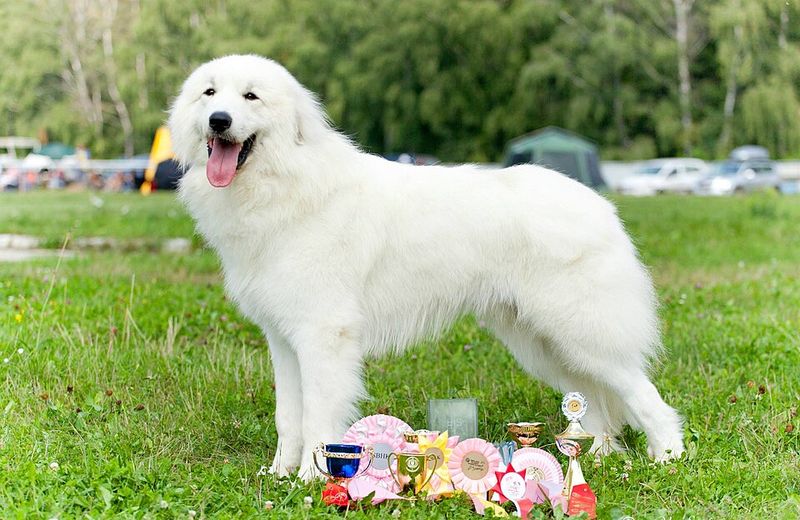
Snowy fur and a patient gaze make the Great Pyrenees easy to spot. On mountain slopes, they guarded sheep by standing still and reading the land.
That history shows today in a calm presence that saves barking for real threats.
Teach boundary games with flags and long lines. Praise steady watch and soft body language.
Provide night walks, secure fencing, and a job like carrying a pack on hikes, and your Pyr will choose quiet confidence while staying ready to block trouble.
Mastiff
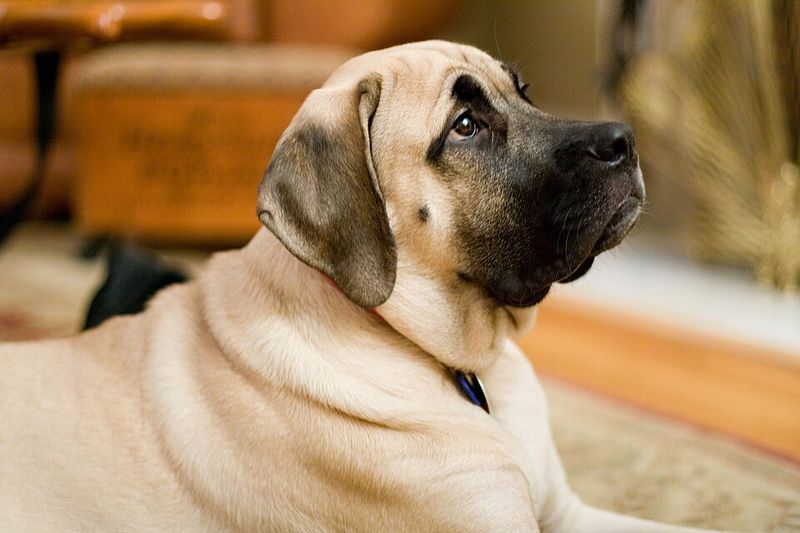
People notice the Mastiff first, but the best part is the pause. Instead of charging, many Mastiffs step between you and the question.
Centuries of estate guarding shaped a dog that shields with size and uses a deep voice only when needed.
Teach a stand-stay, not just sit. Reward body blocking on cue and calm leashed check-ins at doors.
Short strength walks, place training in busy rooms, and polite visitor routines help your Mastiff remain steady muscle with polite manners when the moment matters.
American Bulldog
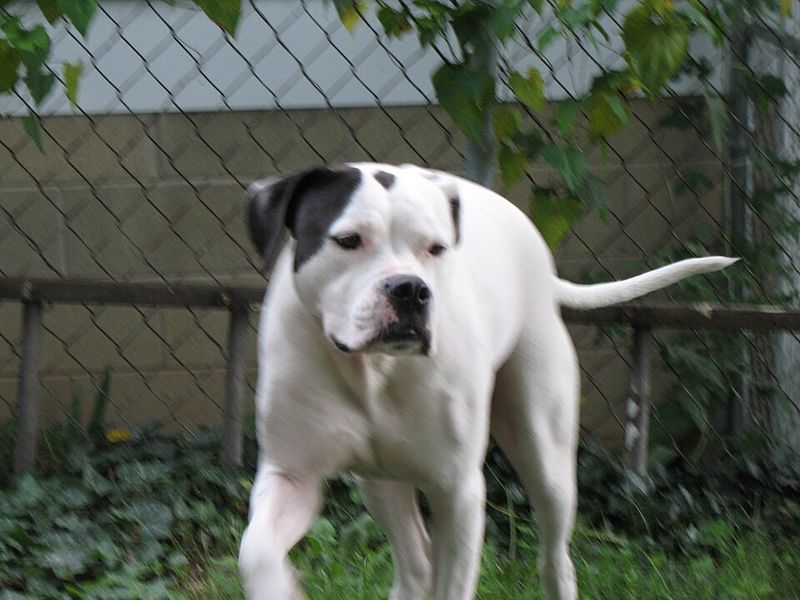
Farm chores built the American Bulldog into a bold helper with a quick brain. Many will watch first, then act with purpose when asked.
The key is giving clear jobs so that energy aims at training, not random barking.
Create a daily pattern of tug, obedience, and restful crate time. Use hand targets to guide choices and reward quiet holds.
Nosework games, stable heelwork around distractions, and chew sessions after exercise keep focus high and volume low without dulling spirit.
Standard Schnauzer
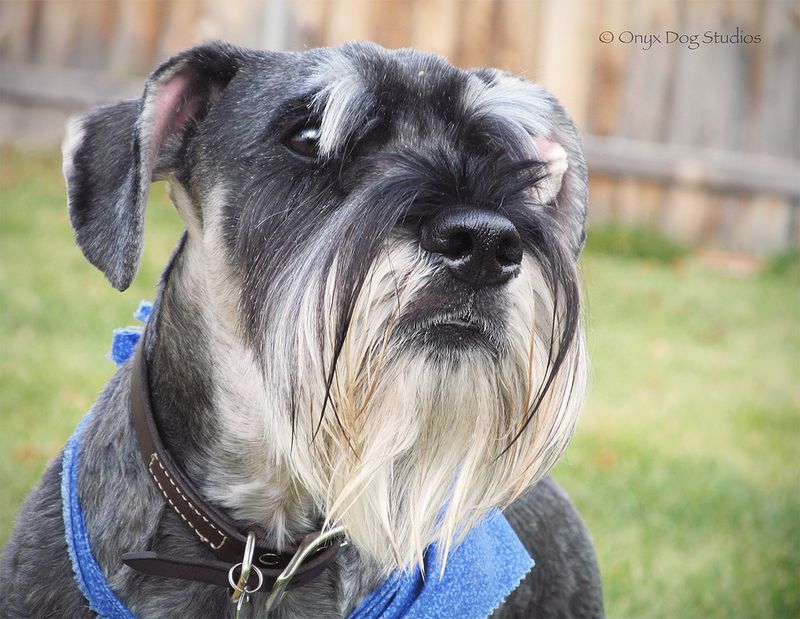
Brisk steps and clever eyes give the Standard Schnauzer a lively vibe. Under that beard lives a planner who likes patterns and family rules.
Instead of yelling at every sound, a trained Schnauzer checks in with you and waits for your call.
Teach a quick look-back cue and a quiet sit for windows. Reward curiosity that stays polite.
Trick sessions, scent puzzles, and brisk urban walks with stop-and-go drills build a cool head, so your Schnauzer flags only the alerts that truly matter.
Beauceron
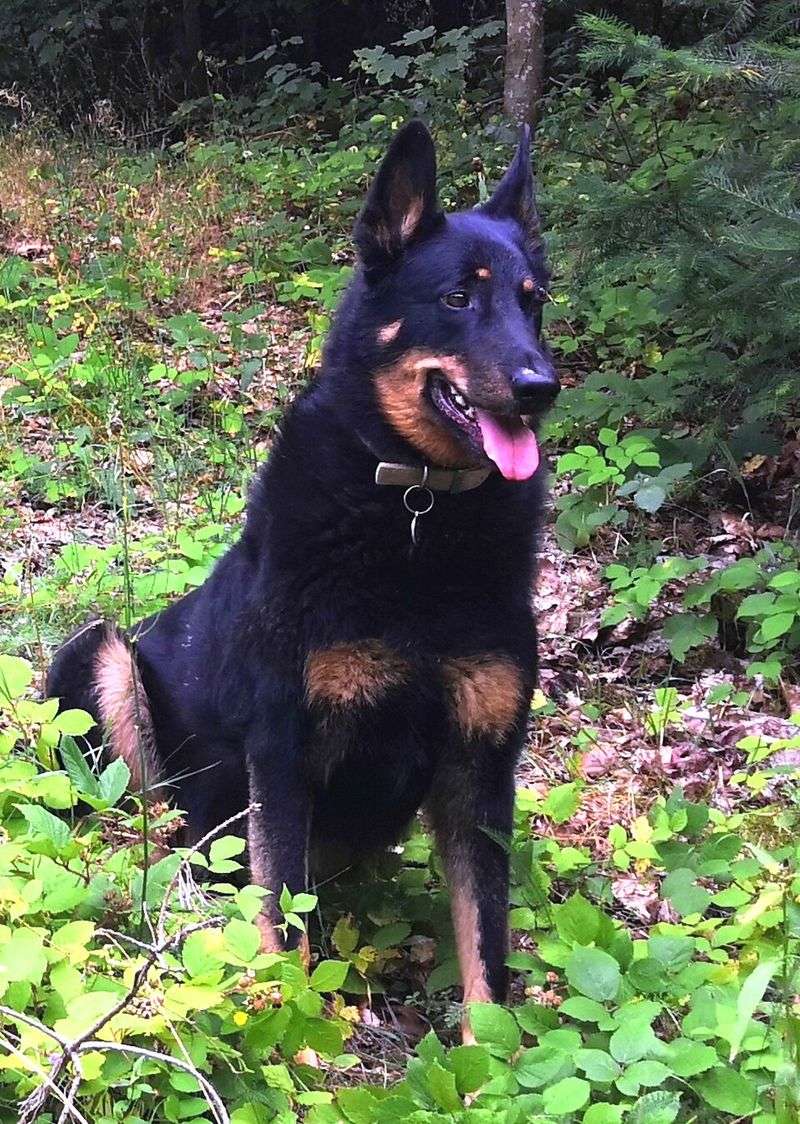
Picture a dark, athletic shadow matching your stride. The Beauceron reads movement like a shepherd and guides with calm pressure.
Many will circle wide, place themselves just right, and only sound off when patterns break.
Build impulse control through herding-style games with cones and fetch rules. Practice silent recalls, then reward with tug.
Hill sprints, balance work on wobble boards, and off-switch naps teach the Beauceron to toggle between action and quiet, so protection stays thoughtful.
Belgian Tervuren
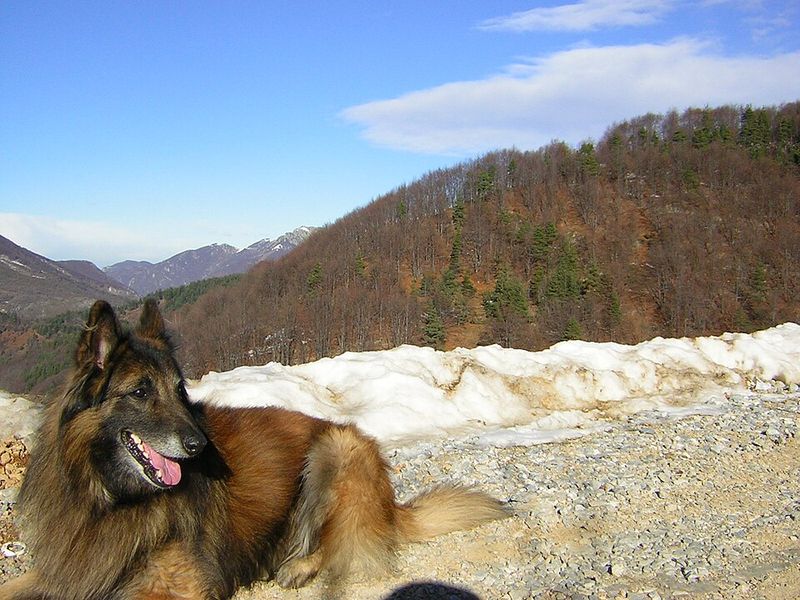
Energy that flows like a dancer sets the Belgian Tervuren apart. Quick to learn patterns, it thrives when the mind works as hard as the legs.
Barking fades when tasks come fast and clear, with you as the center of the game.
Use clicker timing for mark-and-move drills. Teach a chin rest for vet checks and calm focus.
Agility foundations, rally patterns, and place boards in busy parks let the Tervuren scan politely, so the real alert rings like a bell, not a siren.
Black Russian Terrier
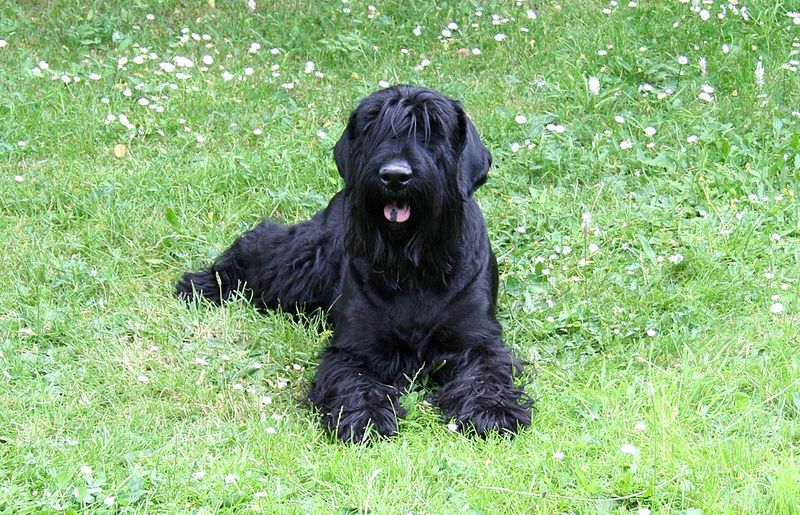
Born in cold labs for serious work, the Black Russian Terrier balances muscle with judgment. Many prefer a quiet close heel that shadows you through crowds.
When trained, the dog becomes a moving fence that talks only when a line is crossed.
Start with loose-leash patterns and slow sit-stand-down ladders. Reinforce eye contact and calm stands during doorstep deliveries.
Weighted vest walks, tracking games, and settle mats by your chair build quiet authority so your BRT saves the deep bark for true concern.
Neapolitan Mastiff
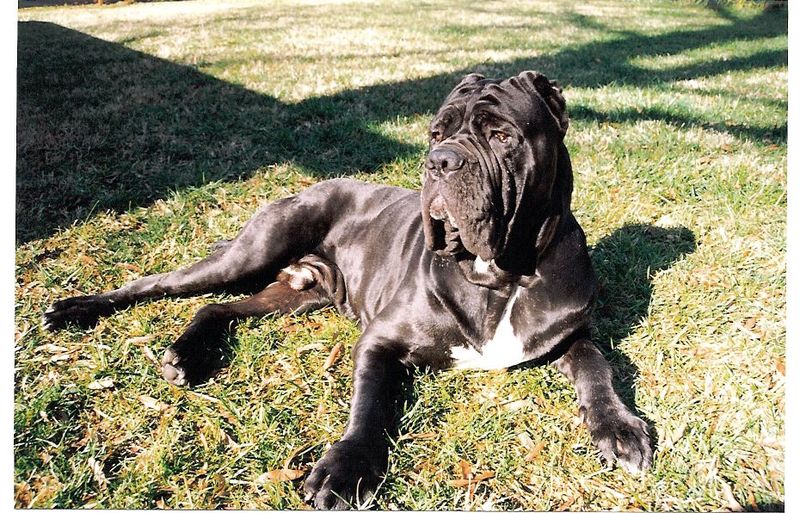
Wrinkles aside, the Neapolitan Mastiff is a thinker with a slow blink. History paints a picture of gate duty and nighttime patrols.
Rather than fuss, many Neo dogs park their bulk in doorways and make strangers reconsider.
Teach a relaxed down-stay with low, steady rewards. Practice calm visitor routines and soft muzzle handling.
Short neighborhood loops, joint-friendly strength work, and shaded porch time keep the Neo comfortable and confident, ready to rise only when something truly crosses the line.
Dogue de Bordeaux
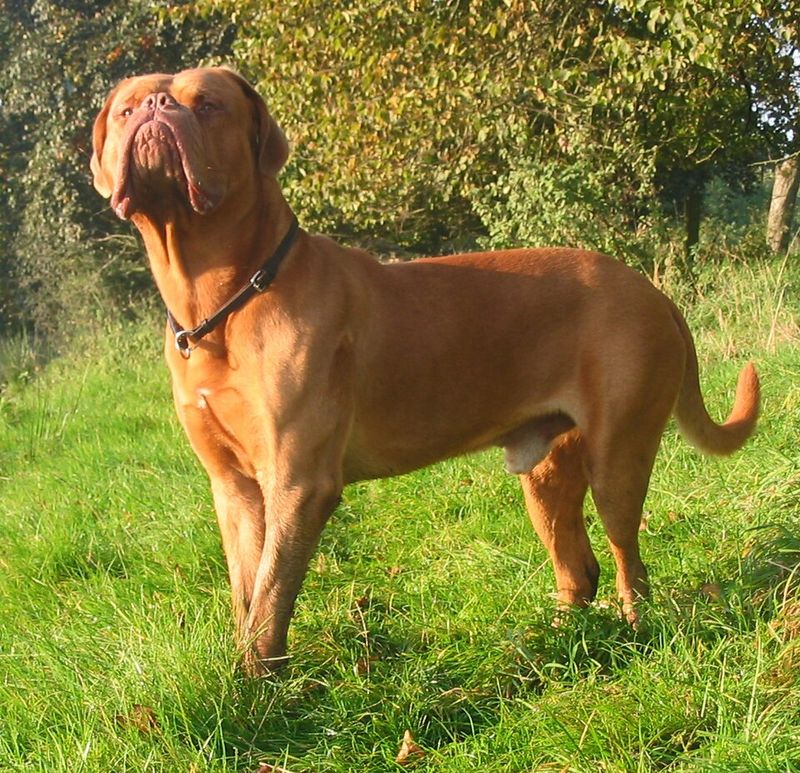
Movie fame aside, the Dogue de Bordeaux carries a steady, loyal spirit. In French yards, it watched gates and stayed near family feet.
Today, the best Dogues keep their cool, using a low rumble only when a situation feels wrong.
Practice slow leash turns and patient sits at every door. Pay for quiet choices and soft eyes.
Gentle hill climbs, cart training basics, and relaxed living room place time help your Dogue become a calm anchor who speaks up only when needed.
Kuvasz
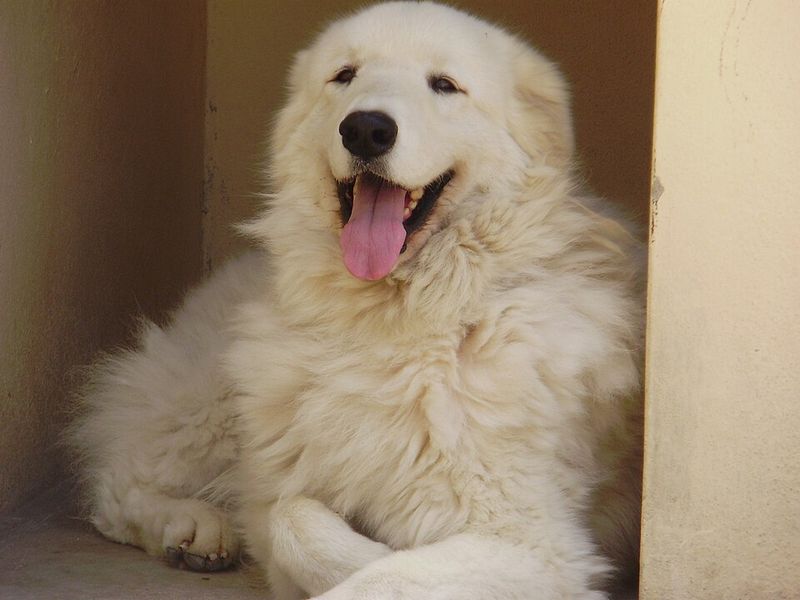
Long nights with livestock shaped the Kuvasz into a noble sentinel. Instead of chasing every rustle, a good Kuvasz watches from a distance and decides.
That patient habit can fit a home when given space, structure, and work.
Create a large, calm zone with fences and clear paths. Train a silent check-in and a strong recall.
Early social walks, supervised yard time, and jobs like carrying light saddlebags give your Kuvasz purpose, so quiet wisdom leads and barking becomes rare.