
Patience in dogs makes daily life easier and safer. A calm pup can wait at doors, handle busy streets, and sit nicely for kids.
It also helps with training, grooming, and vet visits. Meet ten breeds that show how powerful patience can be.
Newfoundland
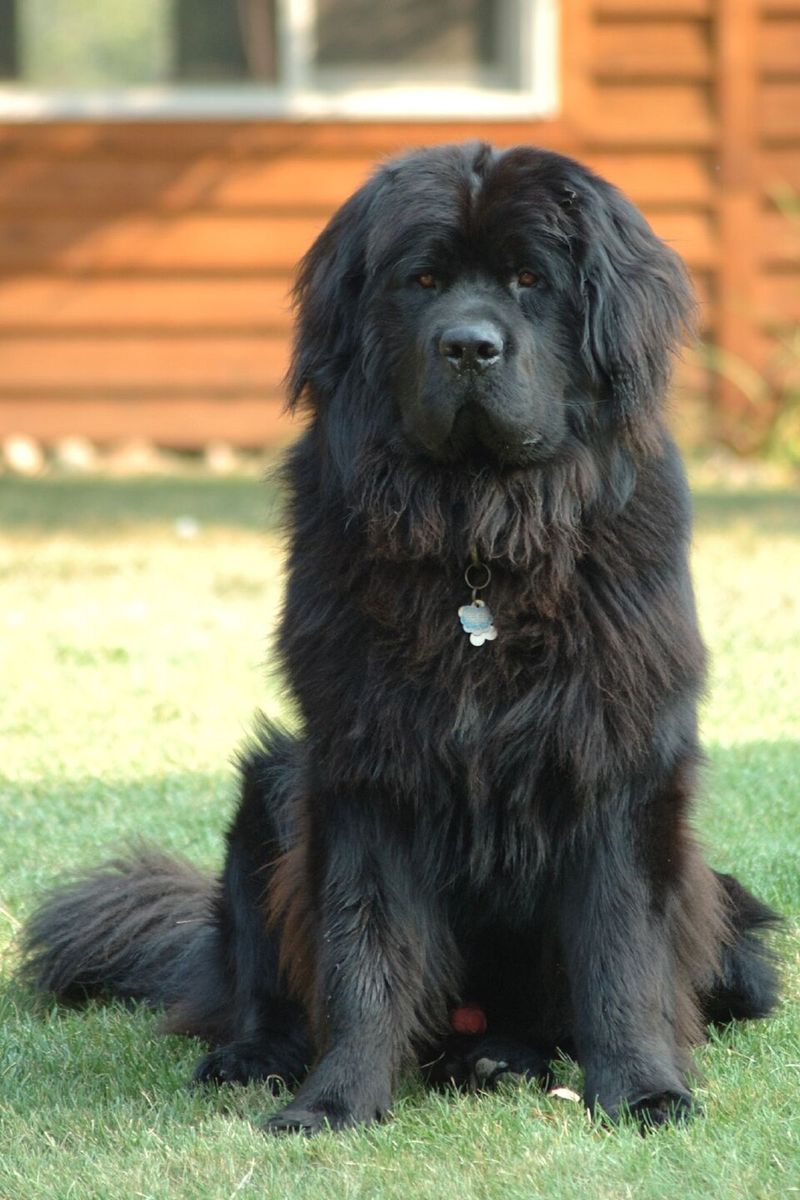
With a heart as big as its paws, the Newfoundland waits calmly even when chaos swirls. Many families notice how they park beside toddlers and simply breathe.
Training goes smoothly thanks to slow, steady practice and kind praise.
Give short jobs like holding a door position or carrying a soft tote during walks. Water rescue roots mean patience around noise, splashes, and nervous people.
Regular brushing, cool rest spots, and clear routines keep this gentle worker relaxed.
Bernese Mountain Dog
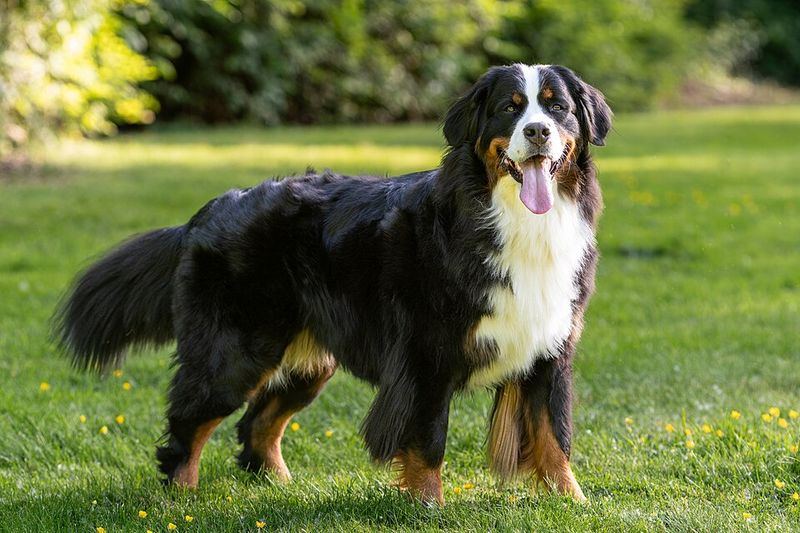
Snow-day vibes fit the Bernese Mountain Dog, who will wait politely for your cue. Instead of rushing, they study faces and listen before moving.
Many owners use hand signals, because the breed watches carefully.
Try cart-pulling practice, one slow lap at a time, with frequent rests. Gentle social outings to markets or parks build focus around distractions.
Soft brushing sessions become bonding moments that reward stillness and trust.
Rough Collie
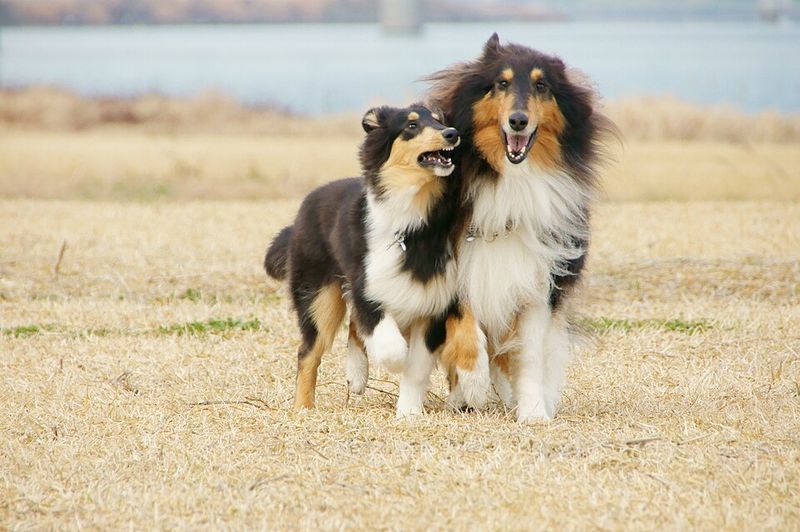
Storybook looks aside, a Rough Collie often chooses patience over pushiness. They wait at gates, check in with eyes, and then proceed.
That pause makes training smoother for families and first-time handlers.
Short herding games teach steady pacing, not chasing. Practice sit-stays near playground sounds, rewarding calm attention and loose leashes.
Brush that long coat while telling a story, and you will see peaceful patience bloom.
Saint Bernard
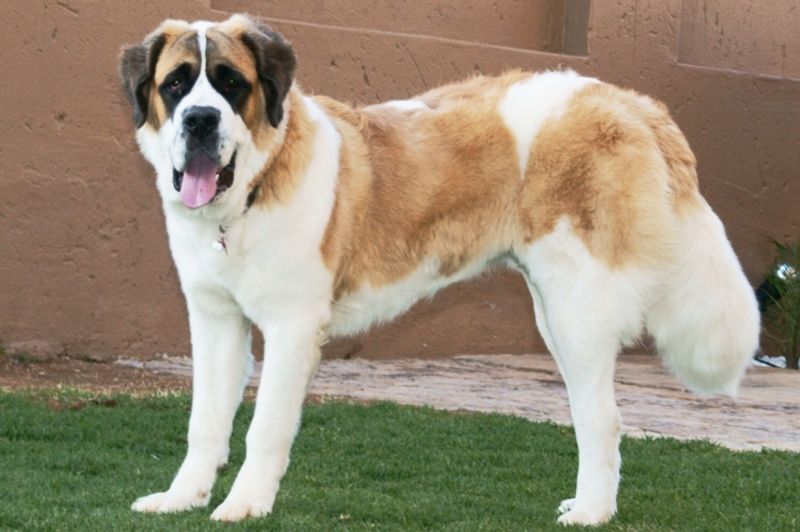
Big heads, kind eyes, and a slow blink give Saint Bernards a steady vibe. In busy homes, they often park themselves and wait for space.
That pause helps prevent accidents with toys and tiny feet.
Teach relaxed leash starts by taking one breath, then one step, then praise. Cool floors, fresh water, and short, calm walks protect comfort in warm months.
Neat fact, they once carried brandy casks in legends, but today they carry patience.
Whippet
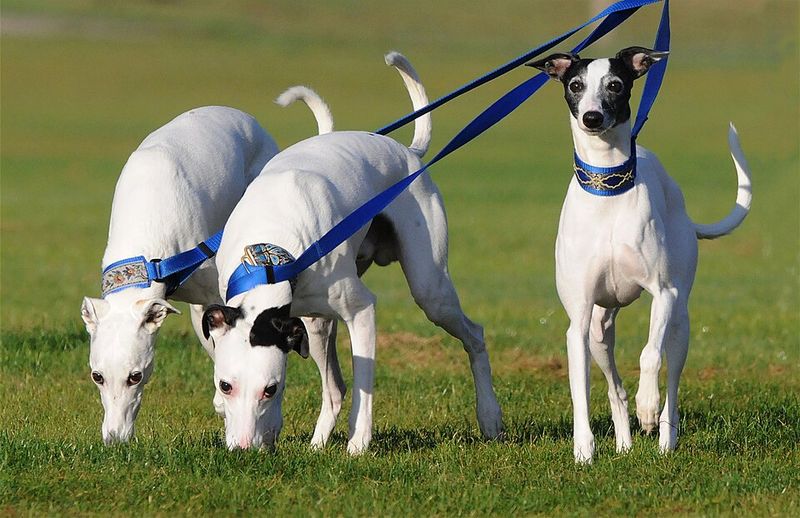
Sprint champion by day, living room statue by night, the Whippet excels at waiting. Between bursts of speed, they settle quietly and watch the world.
That off switch is priceless for apartment life.
Use short lure-coursing drills, then long chill-time on a padded mat. Teach go-to-bed as a cue for patience when guests arrive.
Cozy sweaters, gentle handling, and predictable schedules support their calm spirit.
Samoyed
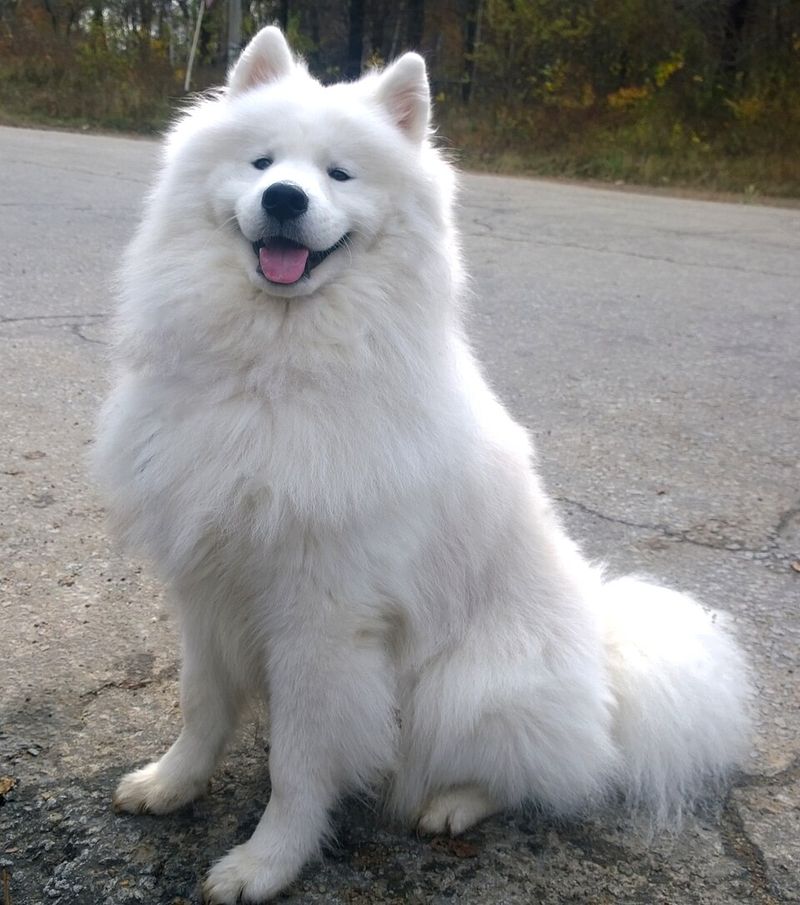
That smiling face hides serious self-control during long winter work. Samoyeds learned to wait near sleds and sleep by tents without fuss.
Today, they channel that patience into family routines and polite greetings.
Practice settle on a mat while the vacuum runs, feeding calm treats. Brisk walks, puzzle toys, and daily brushing take the edge off extra energy.
A fun tidbit, their coats were spun into yarn for warm clothes.
Irish Wolfhound
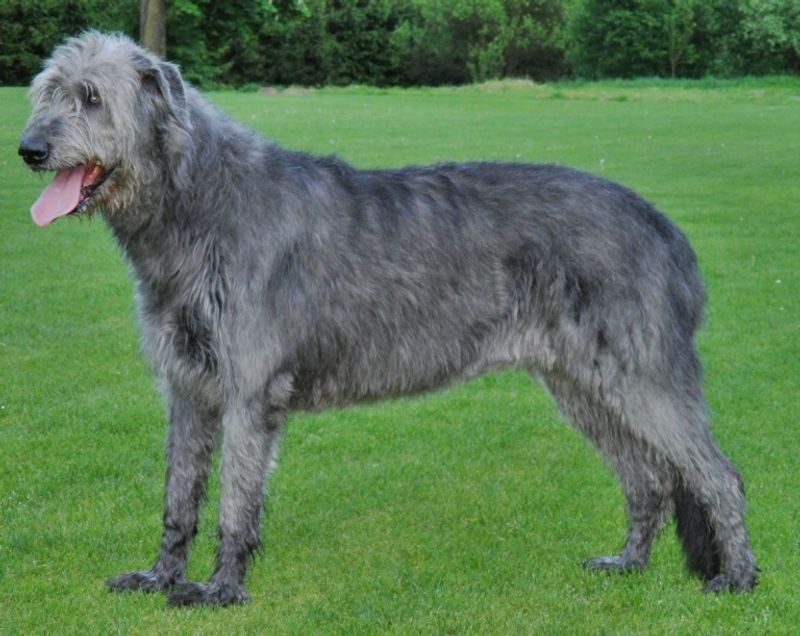
Giants with quiet souls, Irish Wolfhounds move like calm shadows in busy rooms. Instead of crowding, they give space, then look for permission.
That respect makes them easy to guide with light cues.
Gentle stretching after walks keeps those long legs comfortable and patient. Teach place near a window so they can watch, relax, and breathe.
History fans enjoy that ancient poets praised their noble calm.
Leonberger
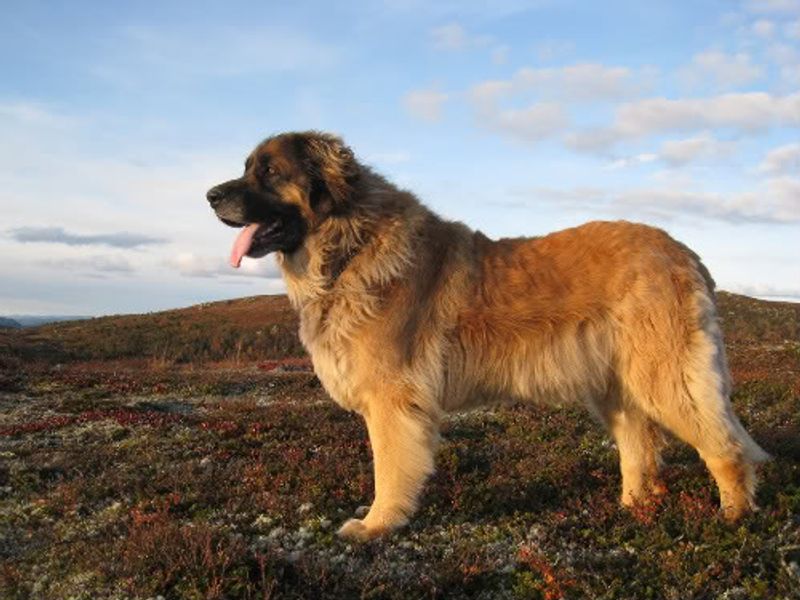
Built like a lion yet patient like a monk, the Leonberger waits for direction. Families notice how they sit during door chaos instead of charging ahead.
That habit comes from draft work that prized calm teamwork.
Practice harness pulling with halts, teaching patience between cues. Weekly swims, nail trims, and blow-dry sessions can double as stillness training.
Friendly by nature, they shine when rules are consistent and praise is warm.
Keeshond
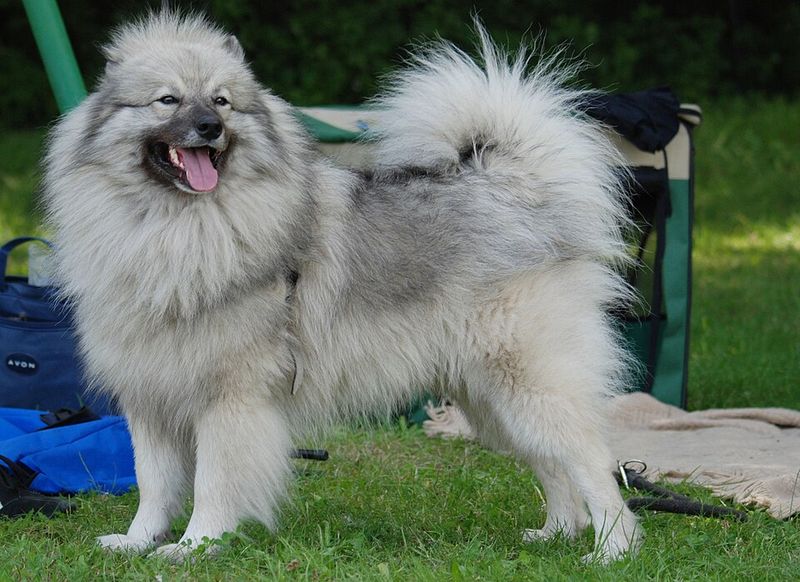
The Keeshond is a cheerful sentinel that can wait quietly while watching everything. On boats and balconies, they learn to sit and study, not fuss.
That curiosity pairs nicely with patient manners when rewarded.
Teach a quiet cue alongside a long wait for treats or toys. Short grooming sessions, paired with praise, turn stillness into a happy habit.
Fun history, they were once Dutch canal companions with steady temperaments.
Eurasier
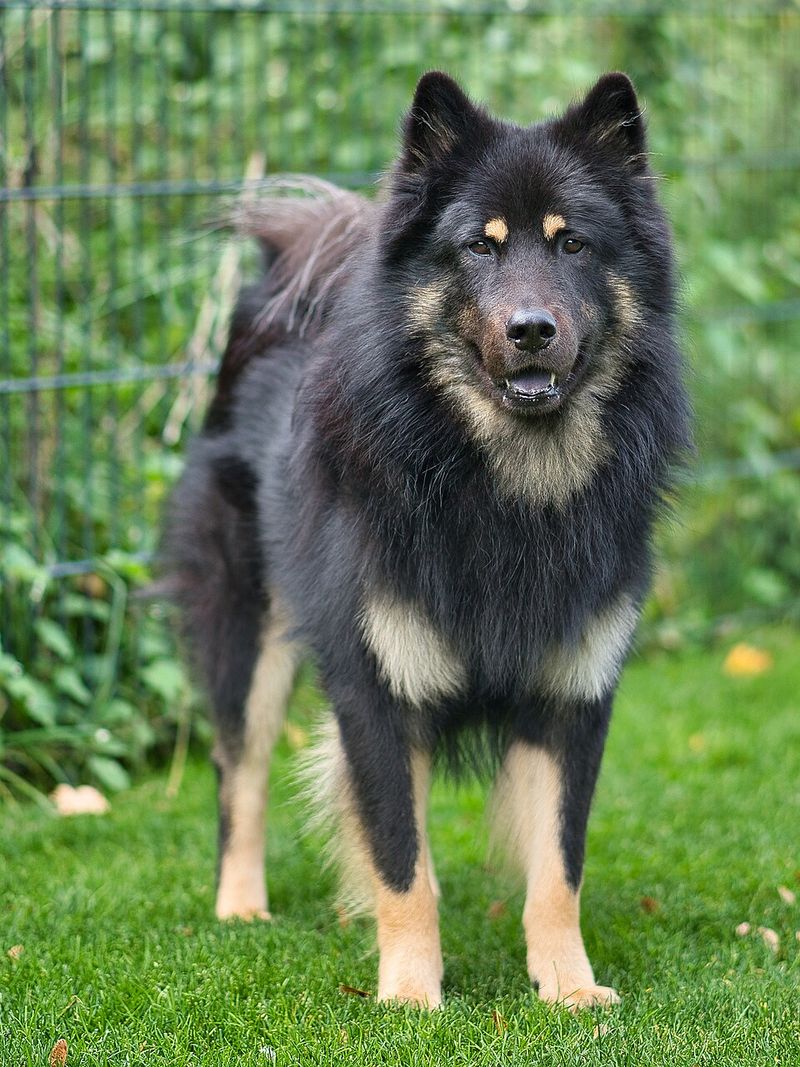
Calm by design, the Eurasier reads the room before acting. Rather than push forward, they prefer to observe, then join at an easy pace.
That approach rewards patient families who value harmony.
Build confidence with slow introductions to new places and sounds. Use food puzzles and relaxed walk-breaks to teach steady problem solving.
Origin notes include Chow Chow and Spitz roots that favor measured, thoughtful behavior.