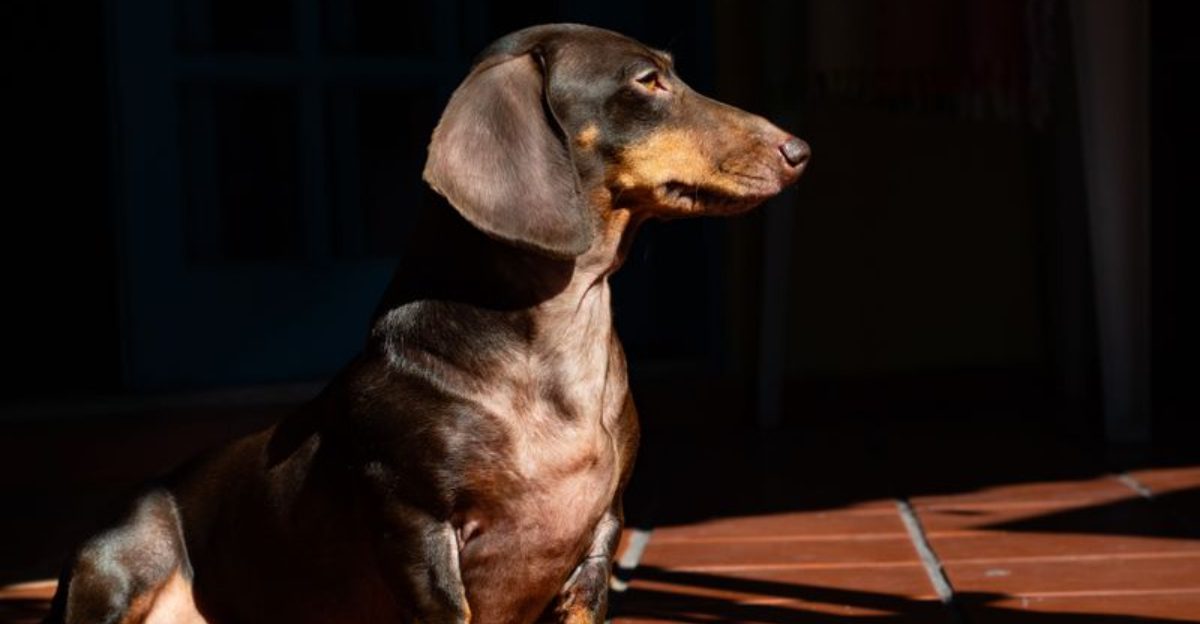
Some dogs were bred to think for themselves on tough jobs. They guarded flocks, hunted far from people, or pulled sleds in dangerous places.
That kind of brainpower can surprise even experienced owners, because the dog may ignore commands if it decides there is a better choice. Learning how these breeds work helps you guide their minds without turning every walk into a power struggle.
Akita
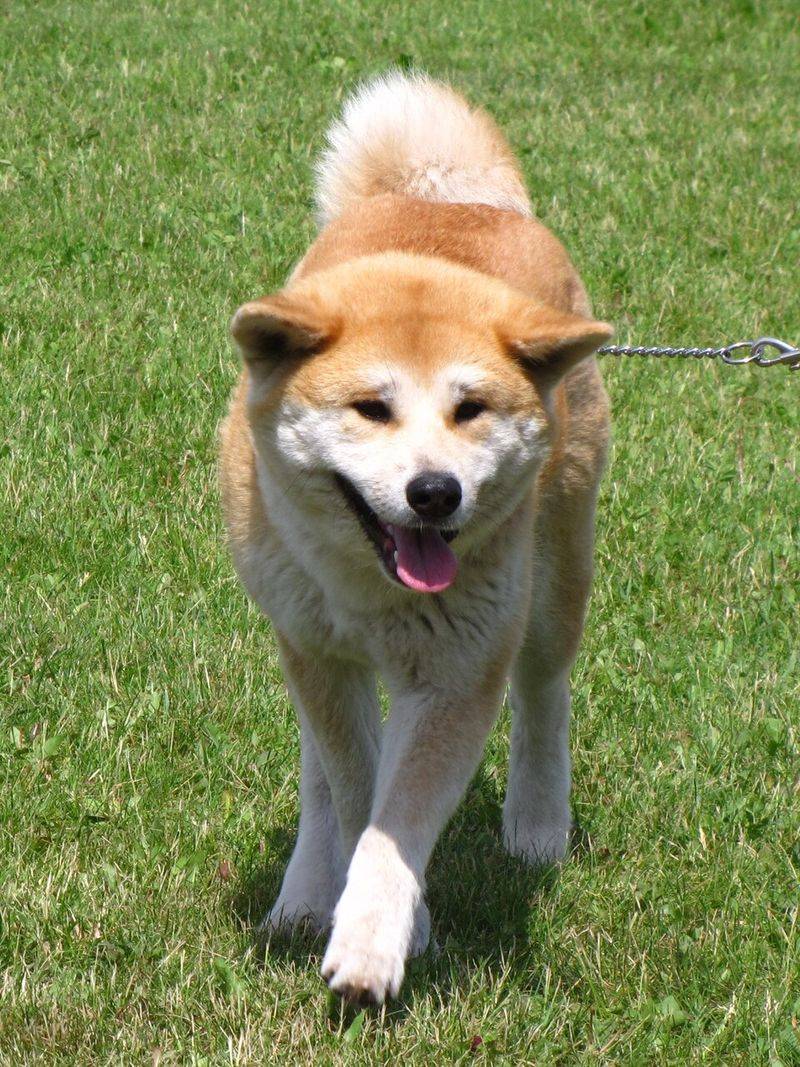
Quiet pride fills an Akita that surveys its yard like a guard captain. Bred to make quick calls about threats, it will often weigh your cue against its own judgment.
Respect goes a long way. Use calm routines, short training sessions, and rewards that feel valuable, like high-value treats or a favorite game.
Early social time matters. Practice impulse control with place training, polite door greetings, and loose leash walks.
Clear rules keep that majestic mind working with you, not around you.
Siberian Husky
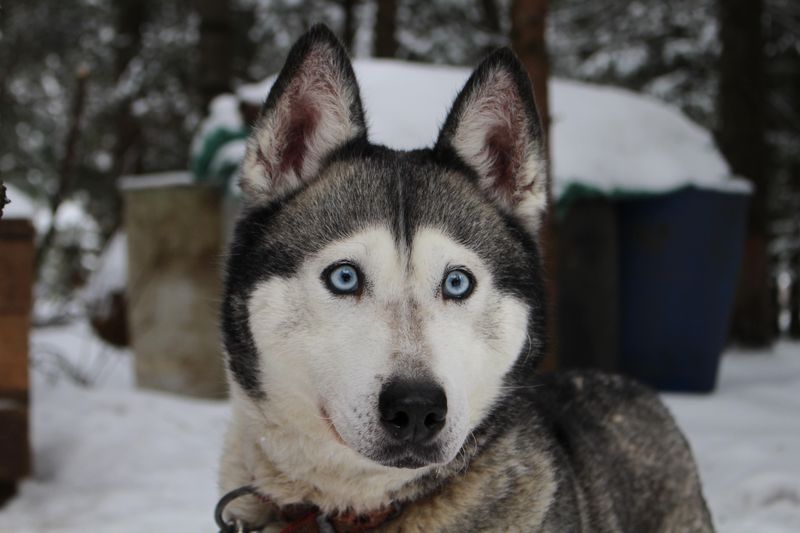
Wind in the fur and a plan in the head, a Husky loves choosing the route. Sled lineage taught them to assess ice, weather, and speed, so they may tune out a command if it seems unsafe or pointless.
Channel that drive with canicross, bikejoring, or long urban hikes.
Escape-proof fences are a must. Teach strong recalls with long lines, build value for coming back, and rotate mental games like scent puzzles.
A busy Husky is a better listener.
Beagle
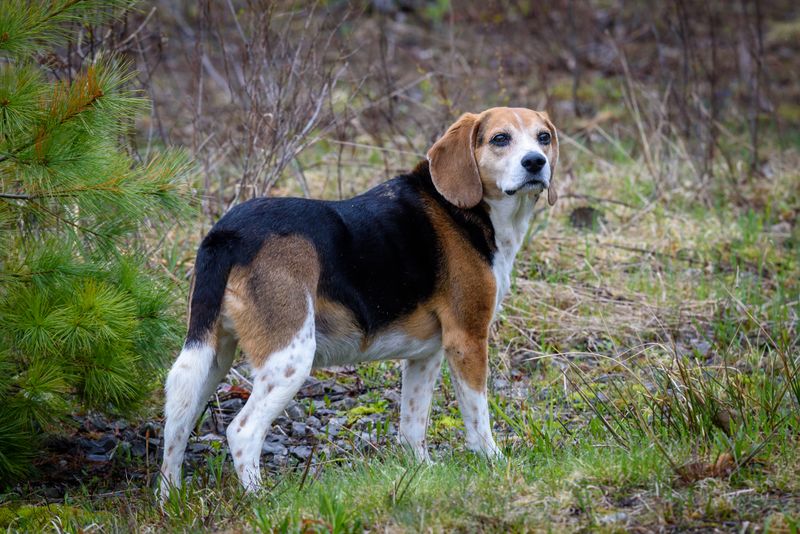
Nose first, everything else second. A Beagle’s hunting background rewards following scent trails without waiting for permission.
That can surprise owners who expect instant sits. Turn scent power into teamwork by scattering treats for searches and using sniff breaks as rewards.
Practice “check-ins” on a long line. Mark and treat when the dog glances back, then release to sniff again.
Short, cheerful sessions teach that paying attention does not end the fun. It actually unlocks more adventures.
Shiba Inu
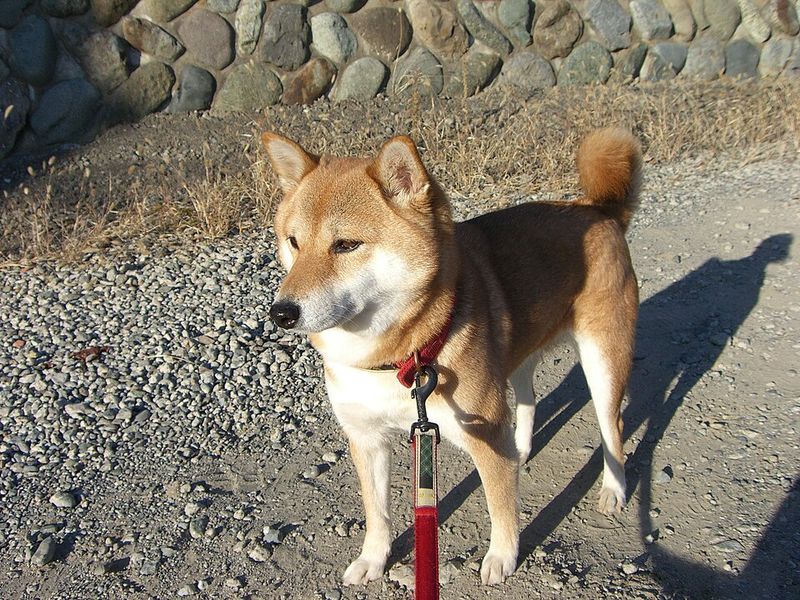
Sly grin, quick mind, and a talent for saying nope. Shibas were developed for nimble hunting in rugged terrain, so they decide fast and dislike repeating commands.
Keep sessions playful and brief. Trade behaviors for jackpots, and let the dog choose between two good options to reduce standoffs.
Secure harnesses are smart. Teach cooperative care with chin rests and consent cues for nail trims.
When the Shiba feels heard, you earn surprising amounts of cooperation.
Great Pyrenees
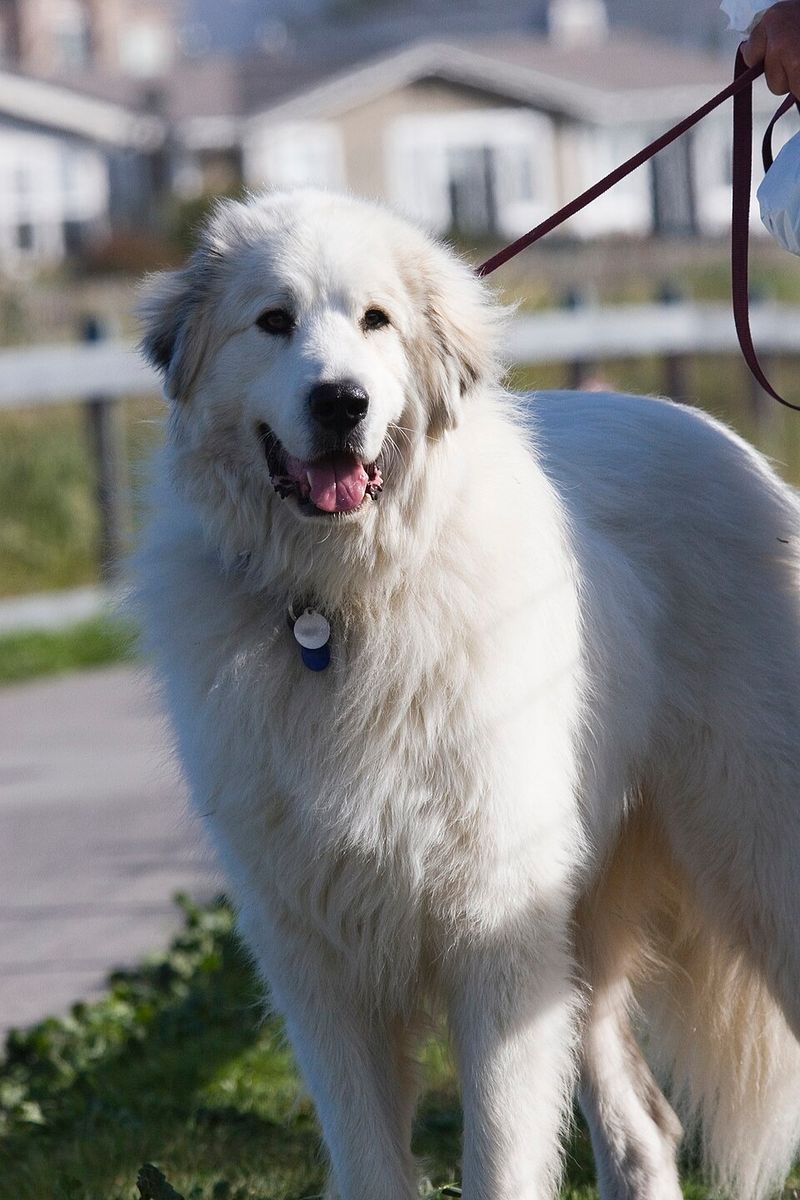
Night watch comes naturally. Great Pyrenees were bred to protect flocks by deciding when to patrol, bark, or stand firm.
That protective brain may ignore sit if a coyote is near. Build trust with quiet leadership, structured yard time, and calm greetings.
Teach boundary awareness using flags or lines, then reinforce with treats and praise for staying within limits. Give meaningful jobs, like carrying a pack on hikes.
Purpose softens stubbornness and guides that guardian instinct.
Dachshund
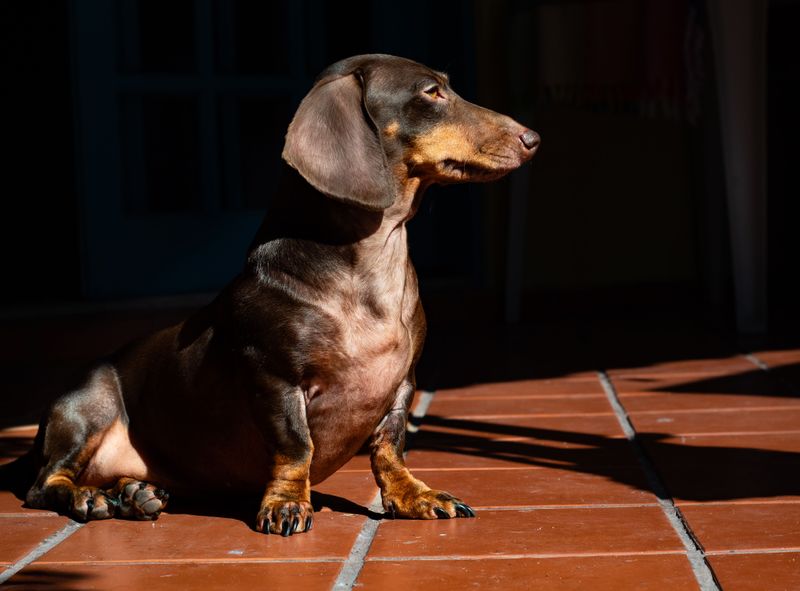
Small frame, big detective. Dachshunds were bred to go underground after prey, choosing paths without help.
Expect bold choices and selective hearing when a scent is hot. Turn that courage into games like hide-and-seek with toys, food puzzles, and tunnel play.
Use upbeat markers and generous reinforcement. Keep sessions short, then let your dog celebrate with a chew or snuffle mat.
Clear routines plus daily sniff time help your Dachshund return focus when you really need it.
Alaskan Malamute
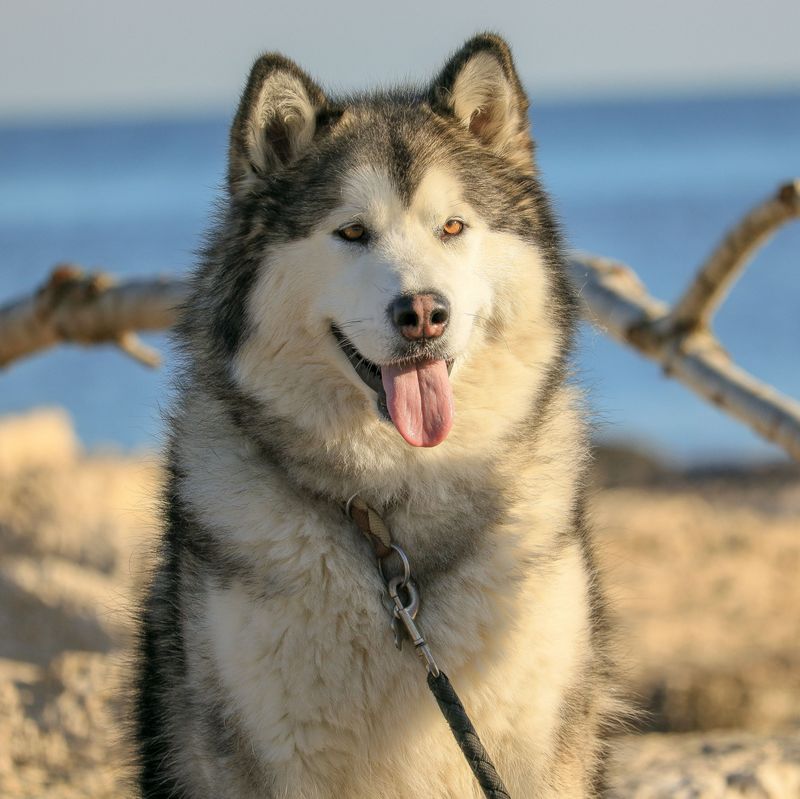
Power meets judgment in the Malamute. Freight work required choosing safe footing and pacing, so they often evaluate a cue before acting.
Heavy exercise is non-negotiable. Try weight pulls, backpacking, or structured runs in cool weather to satisfy that engine.
Use clear, consistent signals and prevent rehearsal of pulling by practicing with front-clip harnesses. Teach settle on a mat after workouts.
When the body is satisfied, the brain becomes far more cooperative and steady.
Basenji
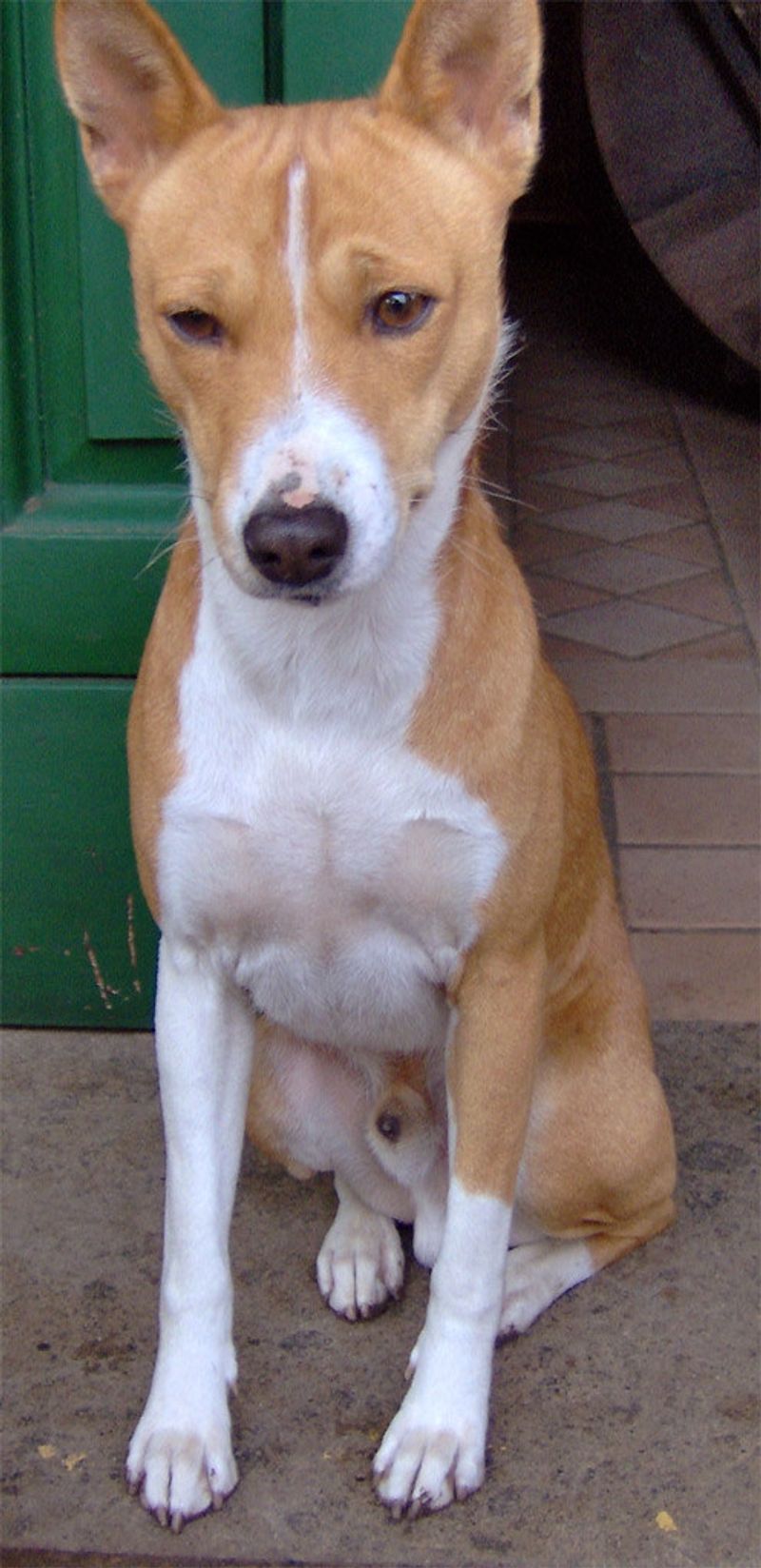
Quiet voice, loud opinions. The Basenji’s hunting roots favor sharp observation and quick choices in brush, which can look like stubbornness at home.
Build skills through movement-based games, not long sits. Reward eye contact with motion, like a quick jog or flirt pole play.
Create a predictable routine with short training bursts. Rotate puzzles and scent games to beat boredom.
Cooperative handling with touch targets helps with care tasks, keeping that clever mind engaged without constant arguments.
Chow Chow
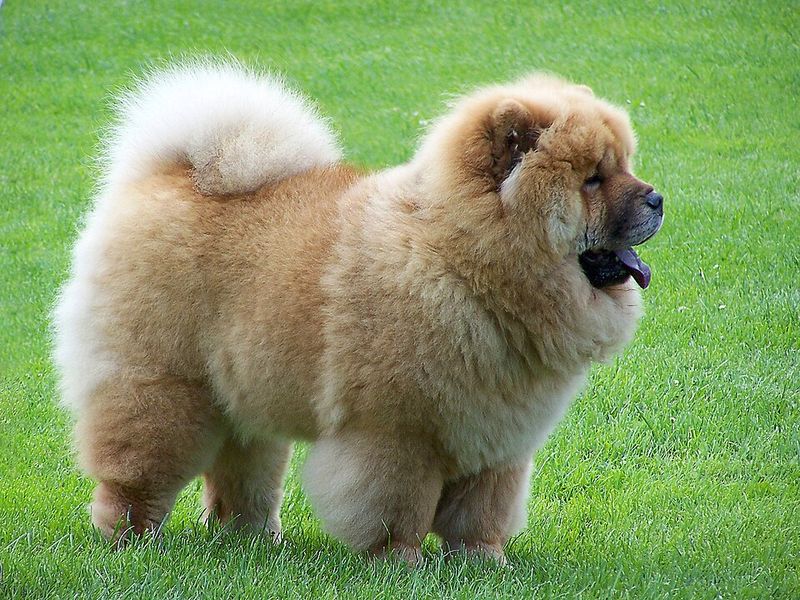
Royal composure is the Chow’s signature. Ancient guardian roles encouraged quiet assessment before action, so repetition will not impress them.
Keep training dignified and clear. Use premium rewards, end sessions early on a win, and allow space when strangers visit.
Grooming becomes smoother with platform training and calm chin rests. Gentle socialization, not forced petting, protects their confidence.
When you honor their thoughtful style, the Chow offers steady cooperation without needing constant chatter or pressure.
Afghan Hound
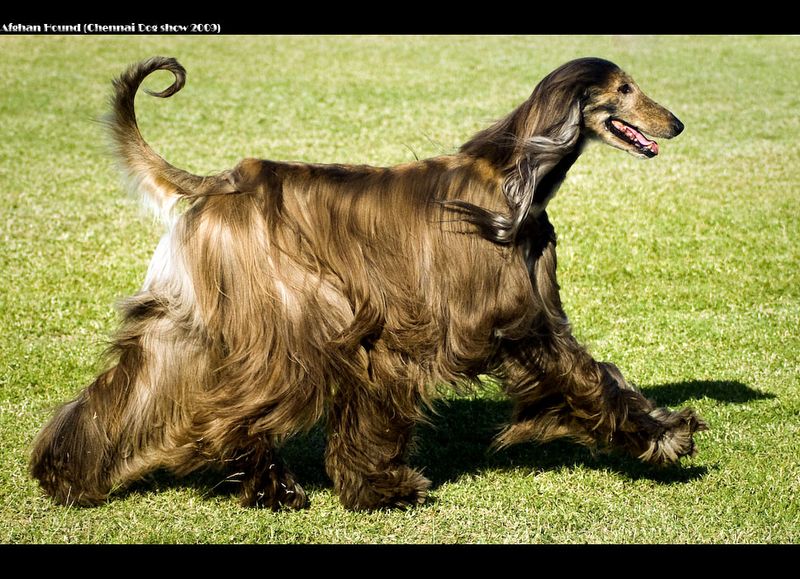
Like silk in motion, the Afghan Hound reads the horizon and decides. Sighthound history trained them to scan and chase at great distances, far from handlers.
Build a solid recall in fenced areas with long lines and generous jackpots. Use flirt poles and sprint sessions to satisfy the chase.
Calm handling helps with grooming. Keep cues brief and avoid nagging.
When you pair freedom to run with respectful training, cooperation arrives with surprising elegance.
Anatolian Shepherd Dog
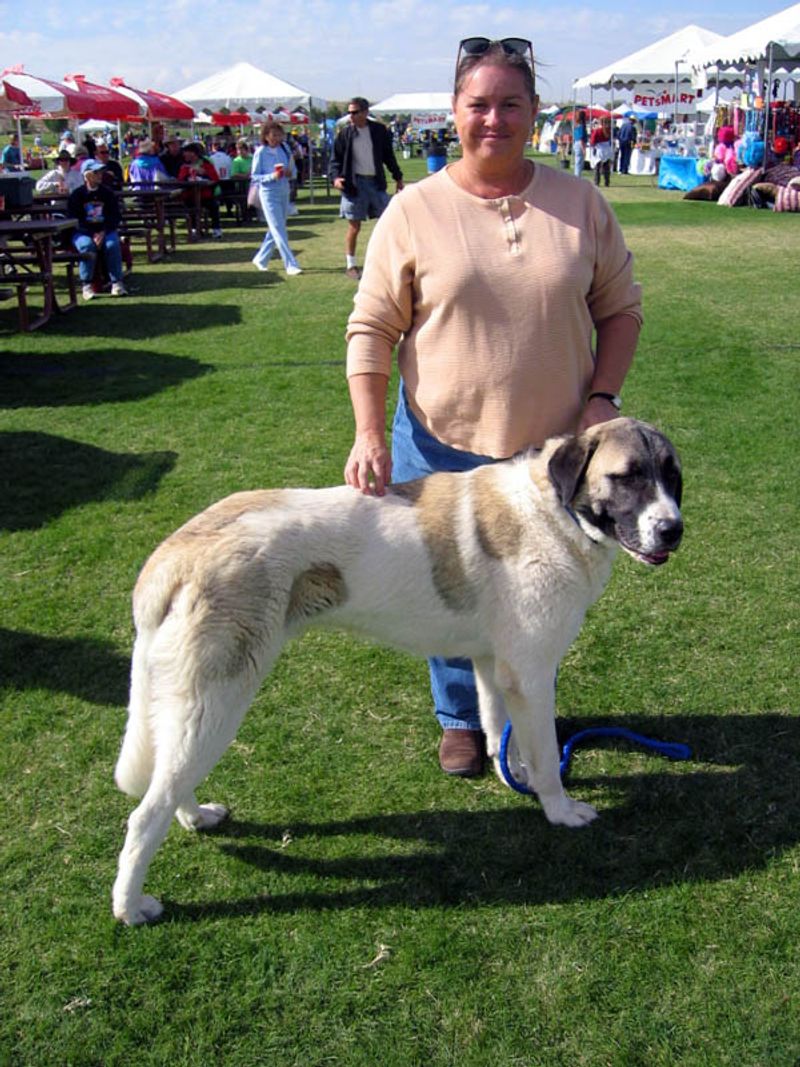
On a lonely hillside, an Anatolian made choices that kept flocks safe. That heritage still guides them.
Expect a calm dog that decides when to intervene, bark, or hold ground. Establish routines, clear property boundaries, and controlled introductions to guests.
Practice place training near doors and reward quiet observation. Meaningful work, like patrolling a big yard or carrying a pack, channels their judgment.
With steady leadership, you gain a thoughtful partner, not just a pet.
Saluki
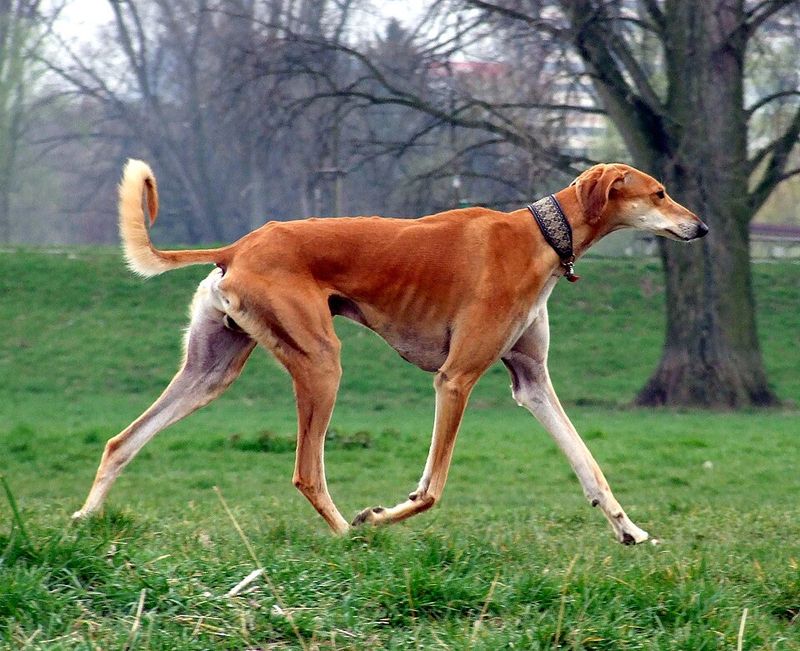
Desert winds suit the Saluki, a hunter that chose lines and speed without waiting. Sensitivity runs deep, so harsh handling shuts them down.
Use gentle guidance, soft voices, and high-value rewards for attention and recall. Safe sprint time in fenced fields satisfies their soul.
Mental work matters too. Teach nose targeting, platform skills, and calm settling after runs.
The more you respect their quiet nature, the more they return with focus and steady cooperation.