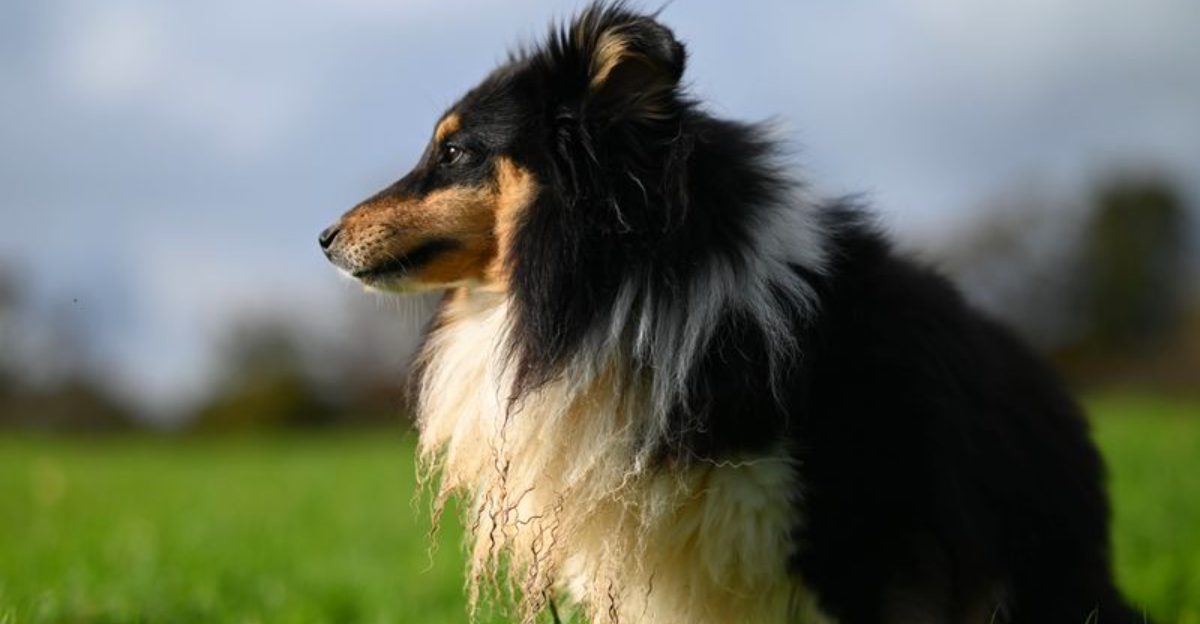
Smart dogs learn fast, but that can bring big challenges at home. When sharp minds do not get enough to do, they create their own work, like barking, digging, or escaping.
With the right plan, you can guide all that brain power toward healthy habits. Here are breeds that shine with training and structure, yet cause trouble when bored.
Border Collie
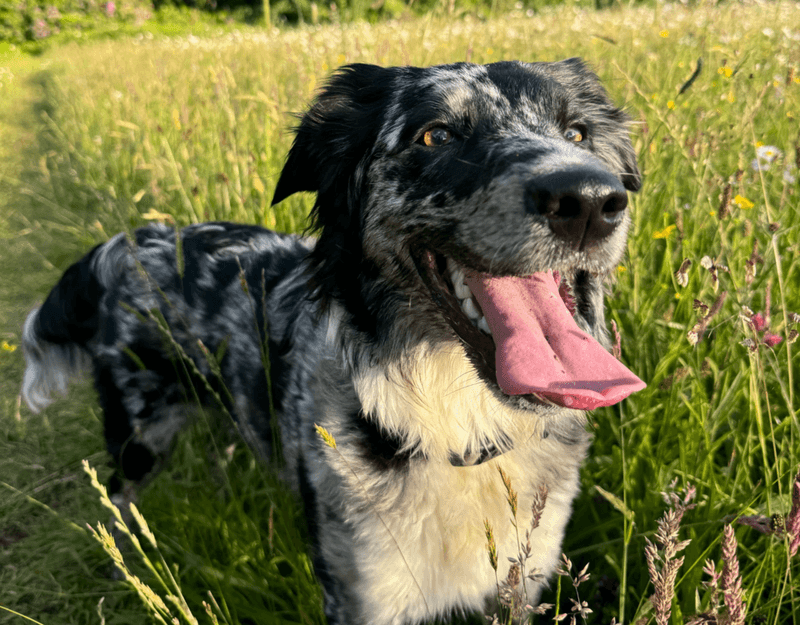
Farm kids like to joke that a Border Collie will herd your socks if sheep are not around. Energy pours out of this brainy athlete, and it needs a job every day.
Without work, it invents one, which often means chasing cars, nipping heels, or chewing trim.
Plan two training sessions, brisk walks, and short fetch bursts. Puzzle feeders, scent games, and trick ladders keep that quick mind satisfied.
Rotate activities weekly, and teach calm cues like settle on a mat to prevent nonstop buzzing.
German Shepherd
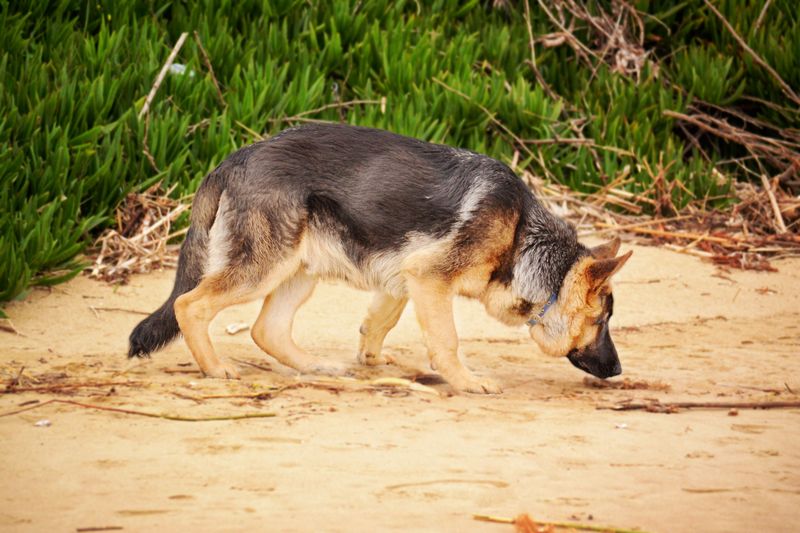
Police trainers admire the German Shepherd for a reason. Loyal, sharp, and brave, it soaks up lessons fast, then looks for more.
Left under-stimulated, it may patrol windows, guard shoes, or bark at every leaf that moves.
Give clear jobs like scent tracking, obedience patterns, and tug with rules. Mix power walks with hill climbs to burn muscles and mind.
Invite friendly strangers during training sessions to practice focus, neutrality, and polite greetings.
Poodle
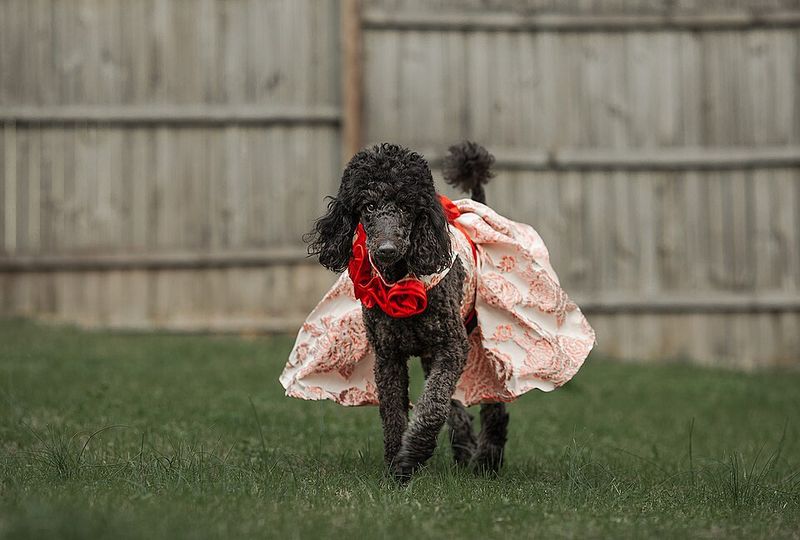
Grooming table star or not, the Poodle is a scientist in curls. Curiosity pushes it to open doors, surf counters, and test limits when bored.
A quiet house can become a laboratory of chaos.
Schedule creative work: retrieving by name, shaping tricks with a clicker, and nosework boxes. Swap slick walks for varied routes, stairs, and balance discs.
For calm, teach settle after play, and use chew projects like stuffed Kongs to meet natural needs.
Australian Shepherd
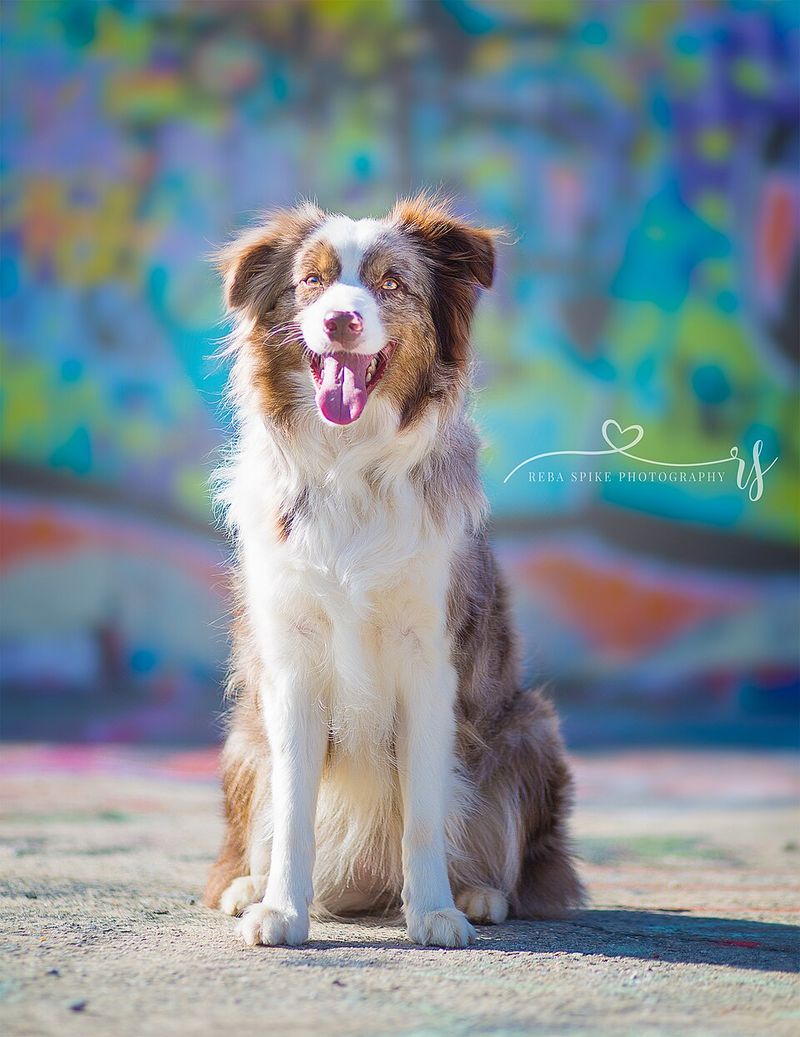
Blink and an Aussie has solved the puzzle, then started a new one. Herding instincts do not switch off, so kids, cats, and joggers may get rounded up.
Boredom can spark fence climbing or creative escape plans.
Channel that fire with agility grids, frisbee sessions, and off-leash recalls in safe fields. Practice impulse control games between sprints.
Rotate jobs like bring the laundry basket, find the TV remote, or target light switches if well trained and safe.
Doberman Pinscher
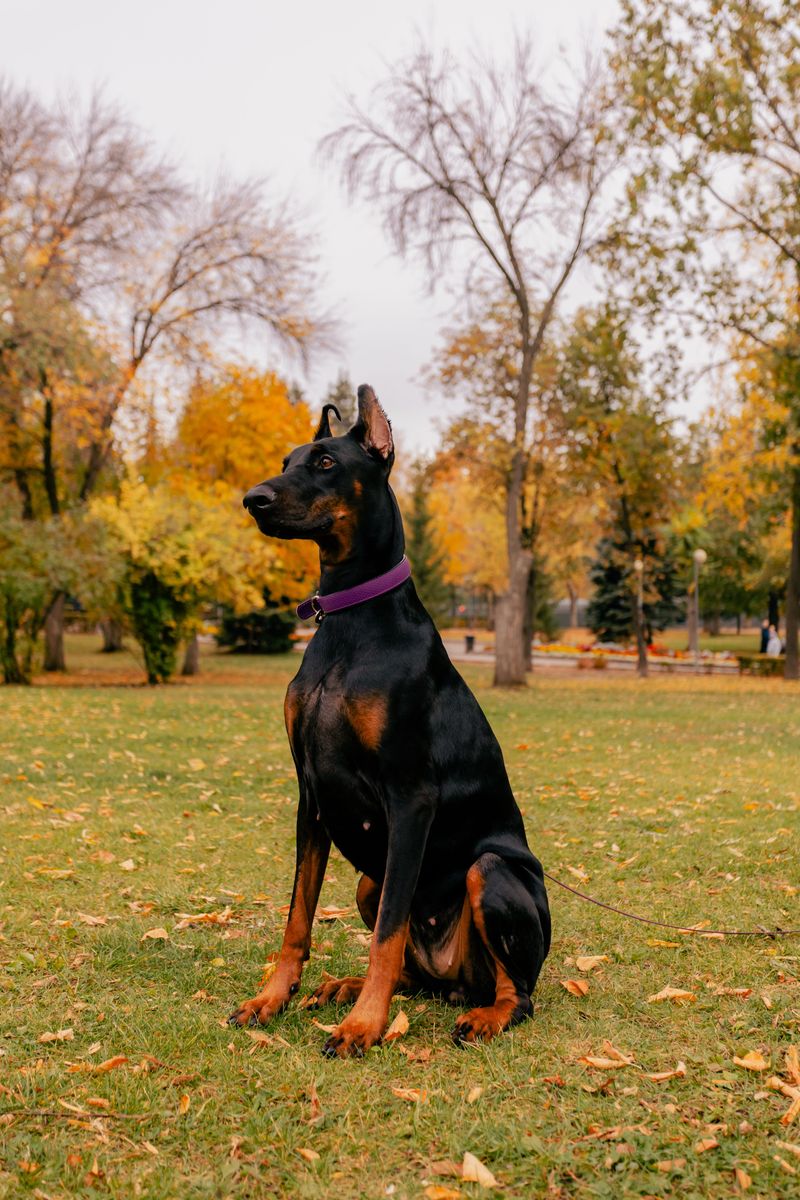
Picture a sleek athlete pacing, waiting for direction. Dobermans read humans closely and get restless when leadership goes fuzzy.
Mental gaps can fill with digging craters, shadow chasing, or pushy behavior.
Keep a steady routine: structured obedience, controlled tug, and brisk bike-pace trots for adults. Teach boundary games at doorways and car exits.
Confidence grows with tracking, rally patterns, and holding a down while life moves around.
Australian Cattle Dog
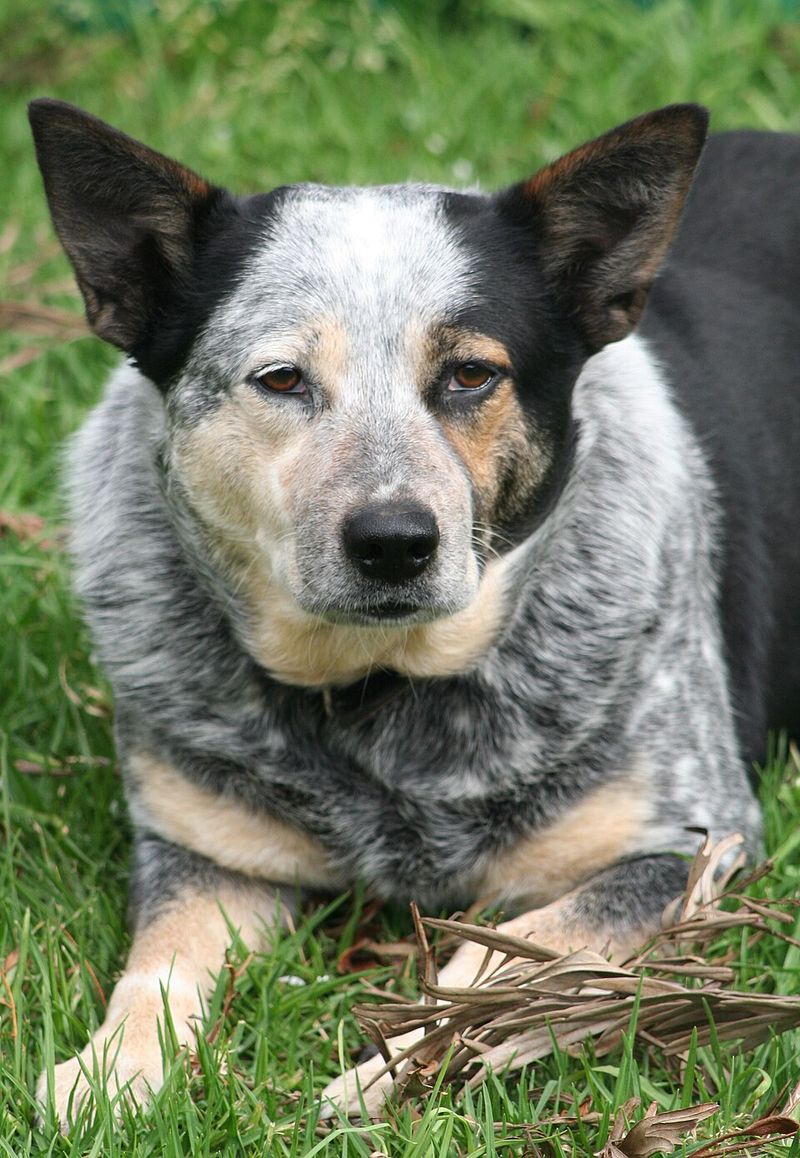
Legend says they could work all day, then ask for more. That drive, packed into a compact body, explodes without direction.
Owners often report heel nips, yard redesigns, and intense staring when needs are unmet.
Set up jobs like carrying a dog backpack, pushing a fitball, or herding exercise balls. Combine trick chains with sprint intervals.
Give a sturdy chew after workouts to promote calm, and teach a place cue so the motor can actually switch to idle.
Miniature Schnauzer
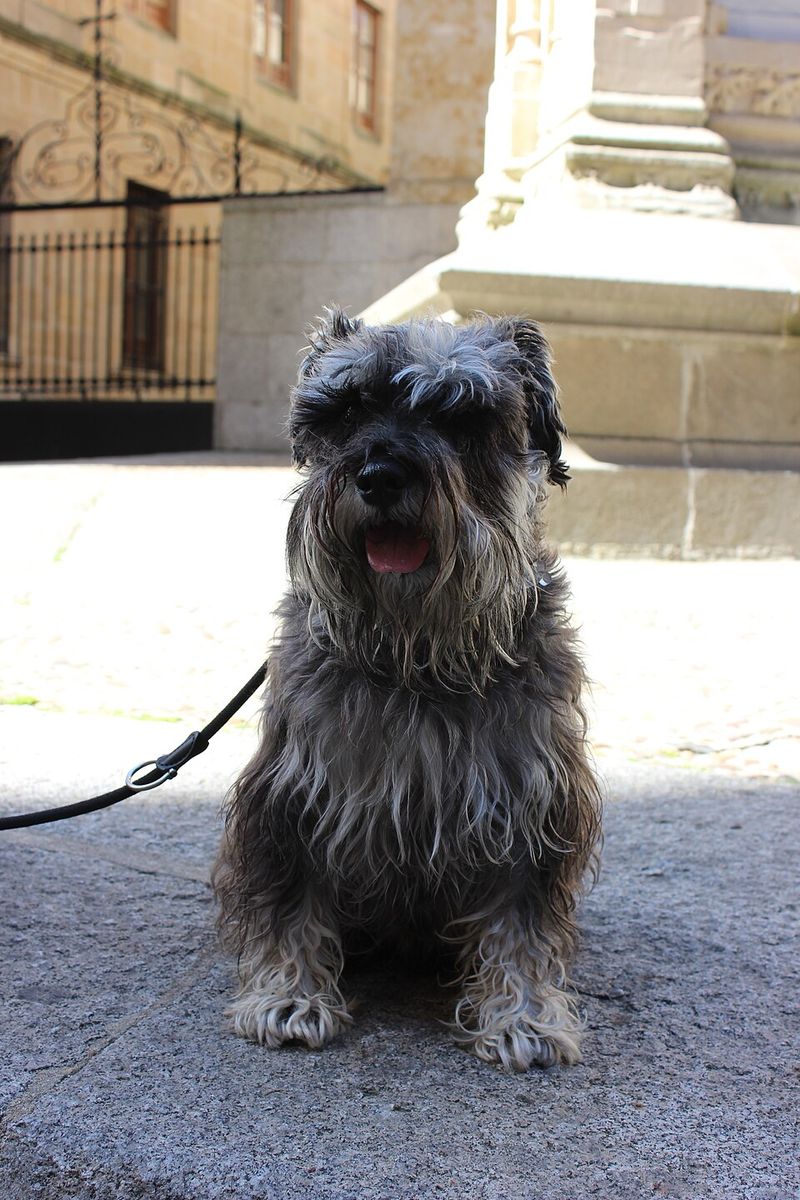
Big eyebrows, bigger opinions. Mini Schnauzers love to announce every squirrel and visitor when their minds are idle.
Without direction, they can become bossy door managers and countertop detectives.
Try nosework hides around the house, plus short obedience bursts mixed with play. Teach a quiet cue and reward calm looking instead of barking.
Hand-deliver meals through training games to keep that clever beard focused on you.
Papillon
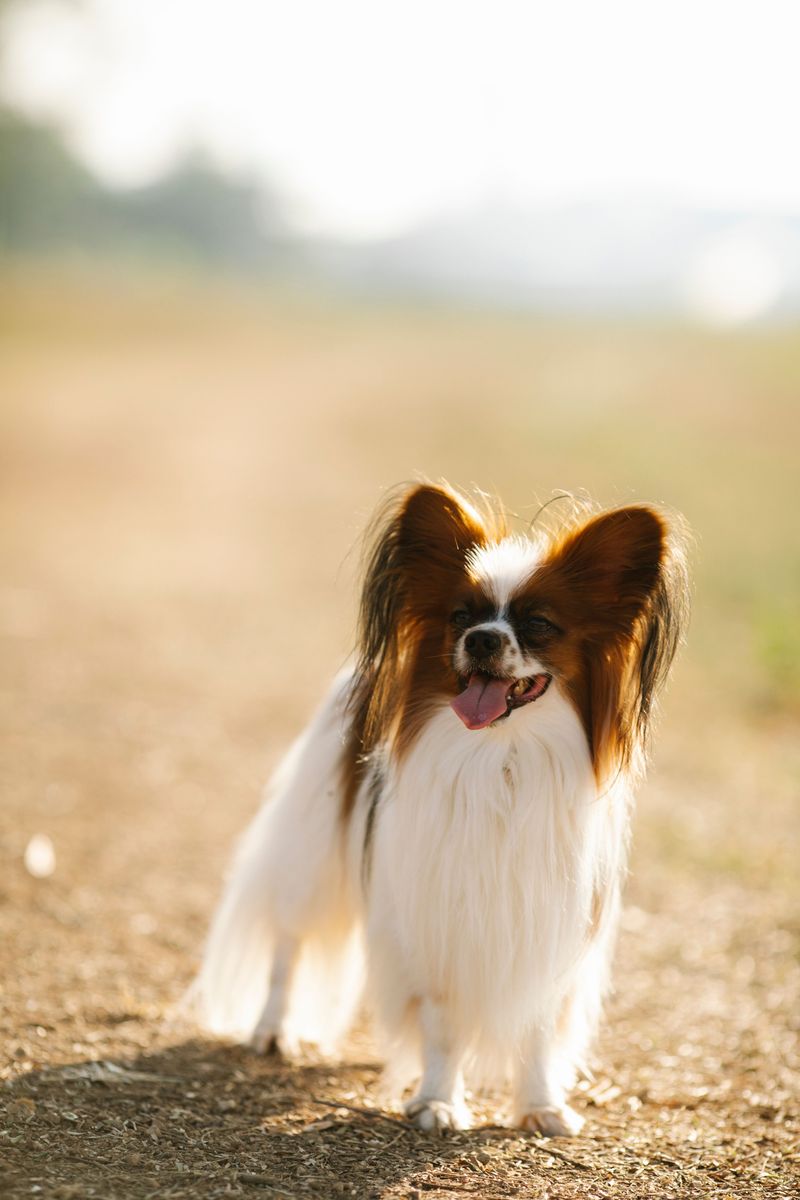
Feathered ears, rocket brain. Papillons pick up tricks so quickly that repeating easy tasks can drive them to invent mischief.
Tiny body, huge curiosity, and surprising stamina.
Build tiny obstacle courses on furniture edges, teach fetch by name, and practice platform sends. Social walks in busy places exercise mind and manners.
Rotate toy types and use micro training sessions throughout the day to prevent that spark from becoming chaos.
Belgian Malinois
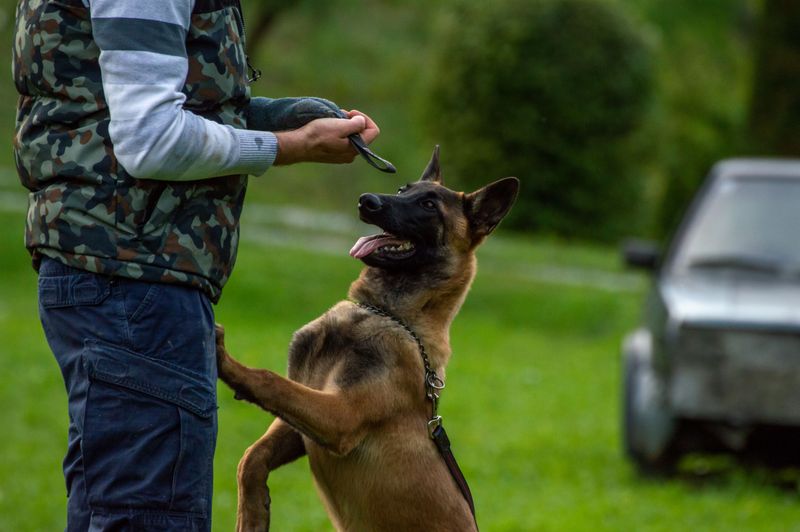
Ask any handler, the Malinois is like a Ferrari that wants a racetrack. Without structure, it may launch at moving objects, shred toys in seconds, or scale fences.
Intensity is part of the package.
Plan sport outlets such as protection sports with a qualified club, spring-pole work, and advanced obedience. Daily grip games and precise heeling drain fuel while teaching control.
Recovery skills like place, out, and chin rest are non-negotiable.
Shetland Sheepdog
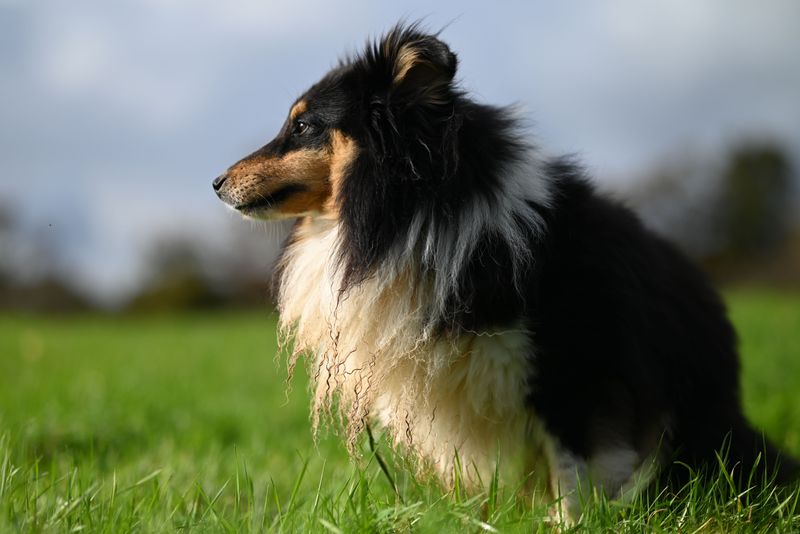
Neighbors might hear the Sheltie before they see it. Highly observant, this breed monitors everything and reports with bark after bark if bored.
Quick learning can turn into rehearsed worry.
Practice quiet watch by feeding for looking at triggers silently. Keep the brain busy with shaping games, rally patterns, and light agility.
Pair play with sniff walks, then finish with a settle cue and a long-lasting chew.
Jack Russell Terrier
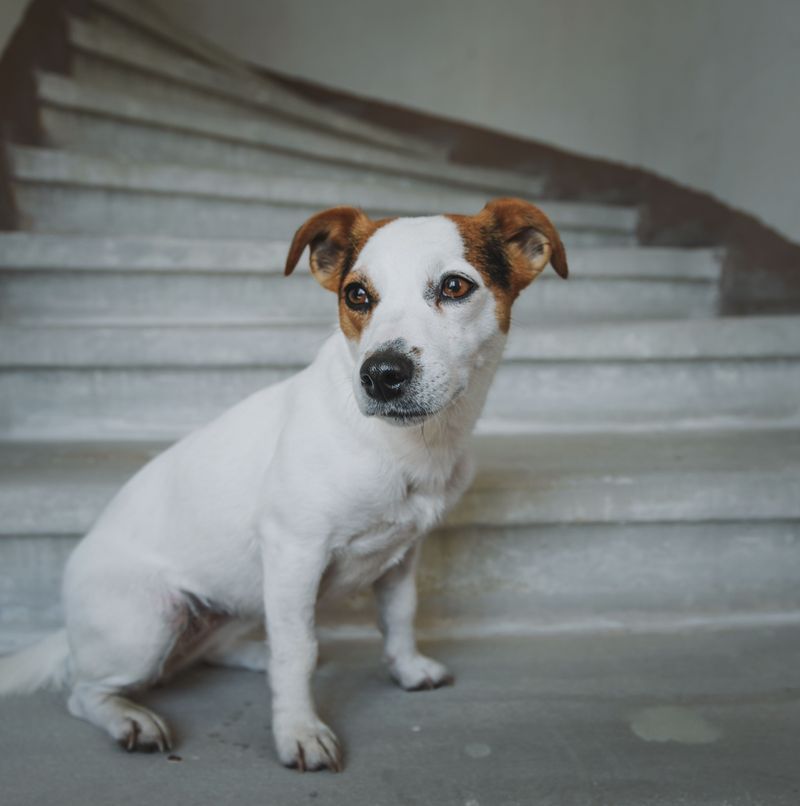
Stories of garden excavations often feature a Jack Russell. Bred for go-go hunting, it thrives on problems to solve.
Bored dogs may tunnel out, shred cushions, or chase anything that twitches.
Offer legal digging zones with sandboxes and hidden toys. Combine fetch with obedience breaks, and add scent trails for treasure hunts.
Trick ladders, flirt pole play, and settle on a mat after exercise help balance that fizzing spirit.