
Big dogs are still part of many American families. They bring comfort, security, and a whole lot of personality.
From farm fields to city parks, these breeds fit right in when owners give them time, training, and care. Meet the big buddies that keep wagging their way into our homes.
German Shepherd
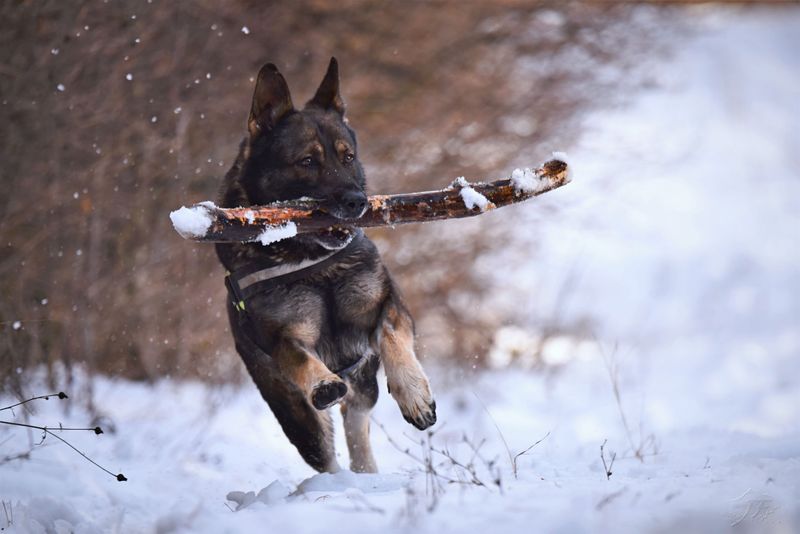
Smart, steady, and always alert, the German Shepherd often becomes the family organizer. Many owners love how easily they learn routines like school drop-offs and weekend hikes.
With regular training games and a sturdy chew, their busy minds stay happy.
Daily brushing helps manage shedding, and long walks burn energy. Families who enjoy activities like tracking or agility find a perfect teammate.
Fun fact: the breed grew popular in America after early Hollywood hero dogs.
Rottweiler
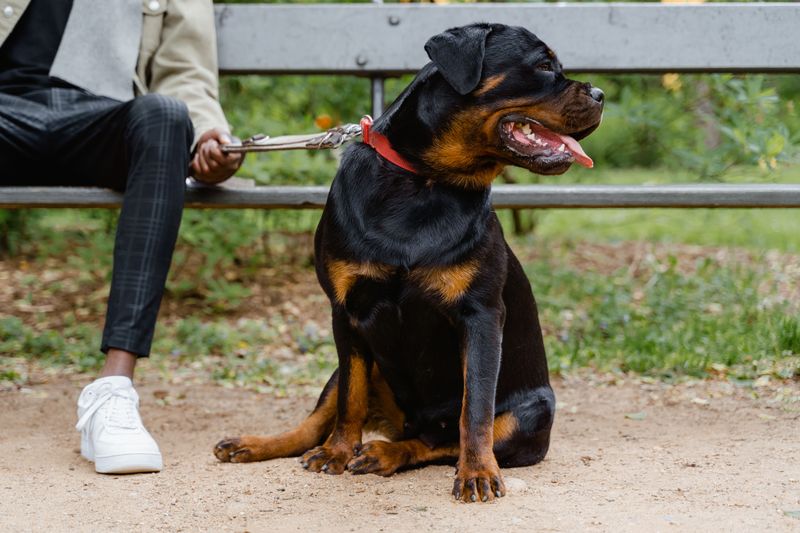
Muscle meets manners when a Rottweiler is raised with structure and kindness. Many are calm housemates, quietly watching over kids playing video games or parents cooking dinner.
Start early with leash skills and polite greetings so their confidence shines.
They appreciate jobs, from cart-pulling clubs to obedience titles. Short, focused workouts keep joints happy, while puzzle feeders fight boredom.
History note: farmers once trusted Rottweilers to drive cattle to market, which explains their steady, purposeful stride.
Great Dane
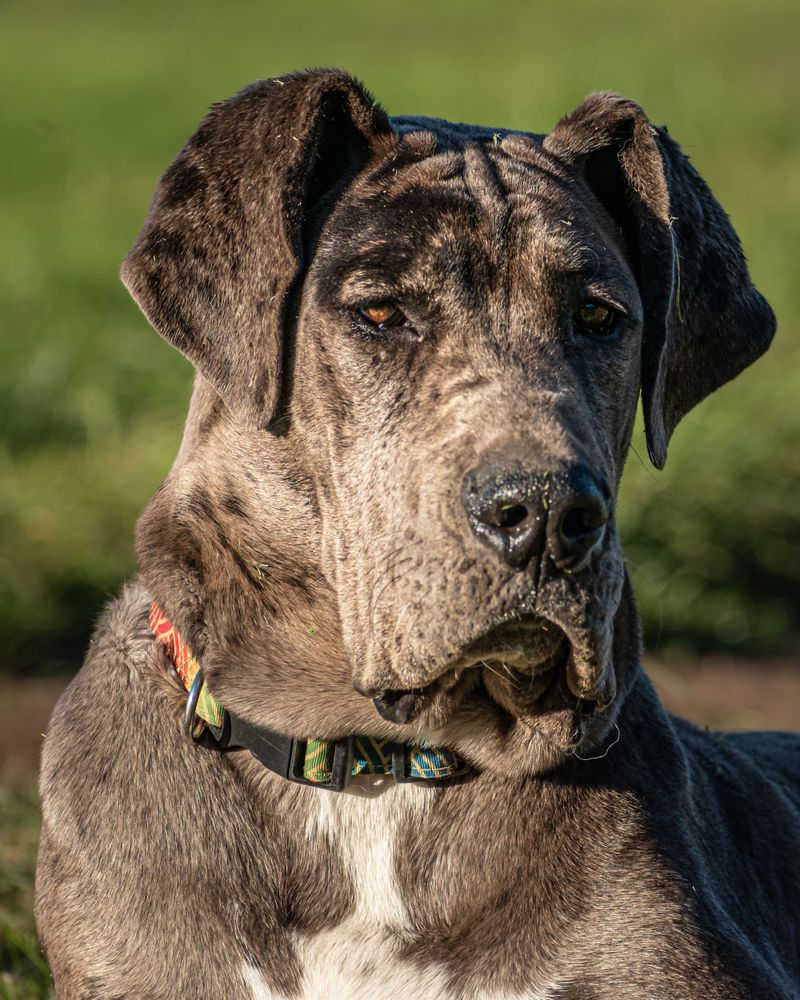
Friends joke that a Great Dane is a couch’s biggest fan. Despite the size, many prefer gentle strolls and long naps beside their people.
Secure training on basic cues like wait and off keeps life smooth in tight spaces.
Invest in tall water bowls and supportive bedding for growing joints. A weekly schedule for nail trims and ear checks helps comfort.
Fun tidbit: Danes were once boar hunters, which gave them courage paired with surprising grace.
Boxer
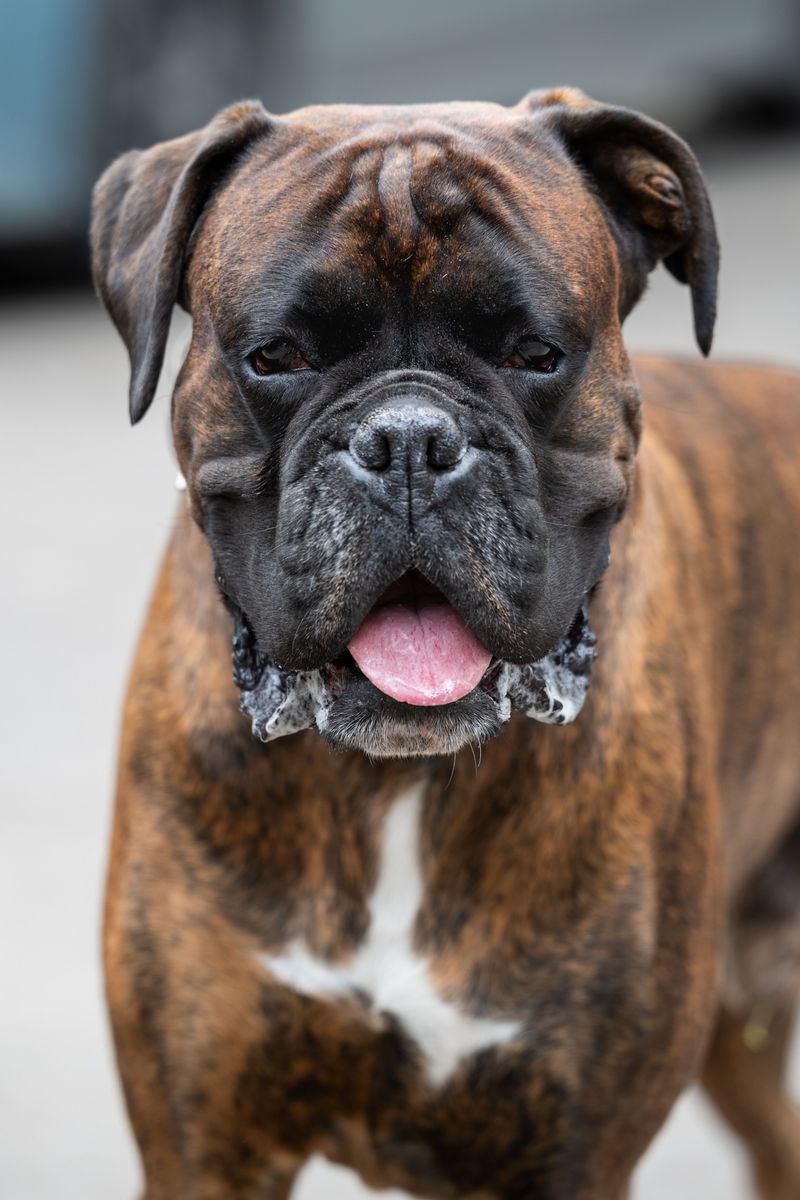
If laughter had legs, it might look like a Boxer doing zoomies. Playful and goofy, they thrive on short training bursts mixed with fetch or tug.
Clear boundaries help that bouncy energy turn into polite manners around guests.
Many families love their expressive faces and eager-to-please hearts. Choose durable toys, schedule vet checks for heart health, and practice daily sniff walks.
A quirky fact: Boxers earned their name from their front-paw sparring style during play.
Doberman Pinscher
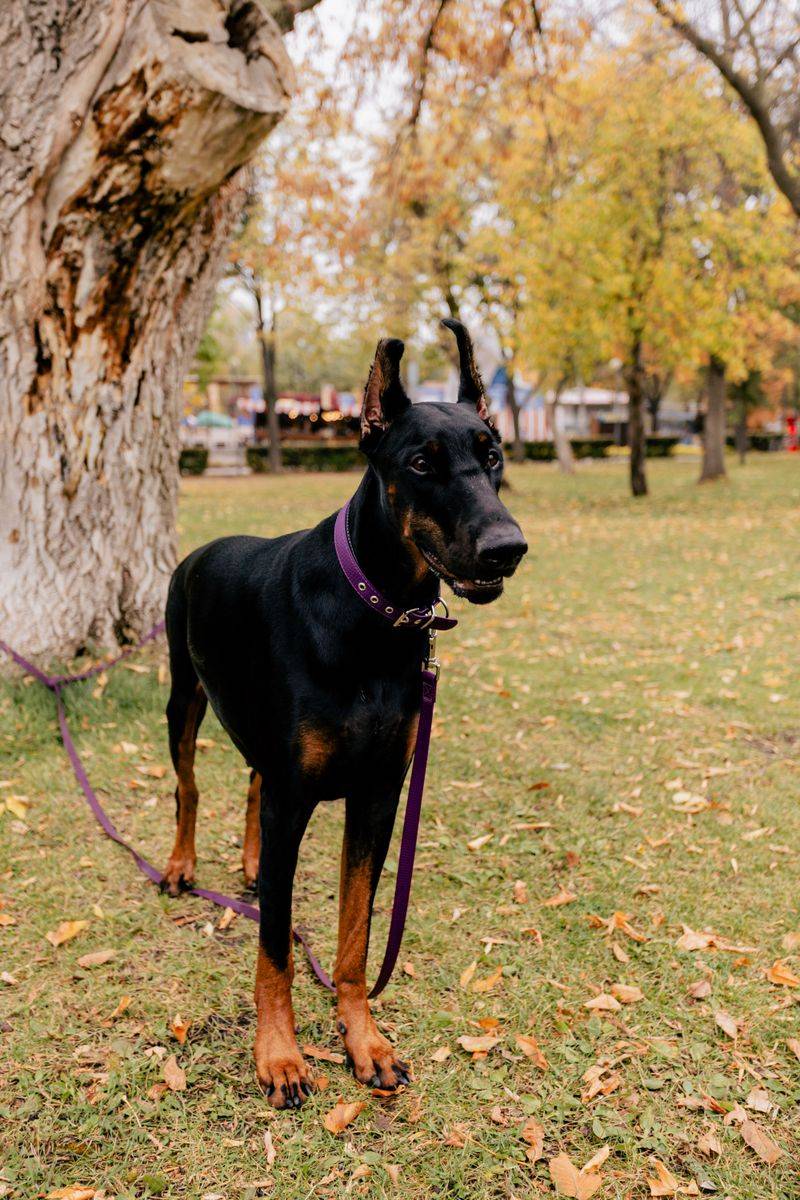
Like a sleek athlete in a tux, the Doberman Pinscher shines with focus and style. Owners who enjoy jogging or structured games often click with them.
Teach impulse control early, and that sharp brain turns rules into routine.
Because they bond closely, quiet crate time prevents clingy habits. Keep training upbeat with markers and treats.
Historical note: tax collector Karl Dobermann developed the breed for protection, which today translates into loyal companionship when given clear leadership.
Bernese Mountain Dog
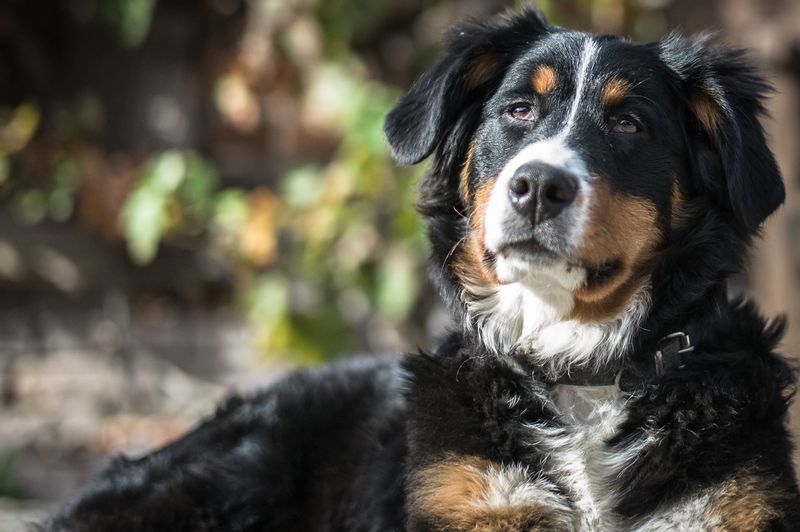
Snow day spirit lives year-round in the Bernese Mountain Dog. Gentle yet sturdy, they enjoy relaxed walks, backyard hangouts, and cool weather.
Regular brushing and a quality diet keep that tricolor coat shining.
Short stairs and non-slip rugs help giant bodies move safely indoors. Many owners try carting or therapy visits to channel their warm temperament.
Origin story: Swiss farmers relied on Berners to pull dairy carts, making them steady helpers with friendly outlooks.
Cane Corso
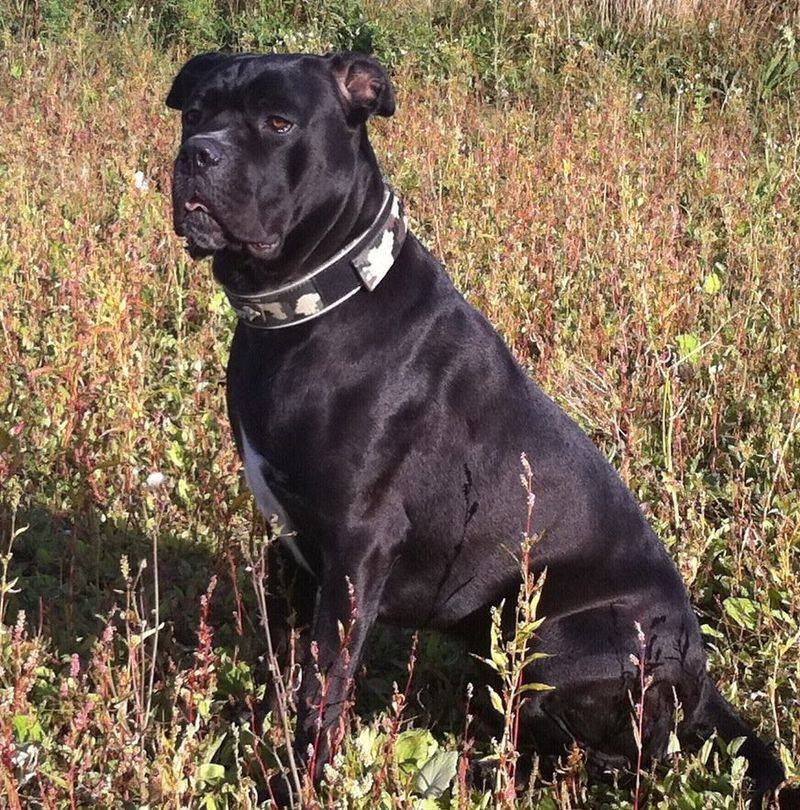
Power with poise describes the Cane Corso at home with a clear routine. New owners quickly learn that structure, socialization, and calm leadership matter most.
Teach place, heel, and quiet to guide their strong instincts.
They flourish with mental work, like scent games or obedience drills. Balanced diets and hip screenings support healthy movement.
Trivia time: ancient Romans used Molossian-type dogs that influenced the Corso, which explains the breed’s guardian mindset paired with modern family potential.
Great Pyrenees
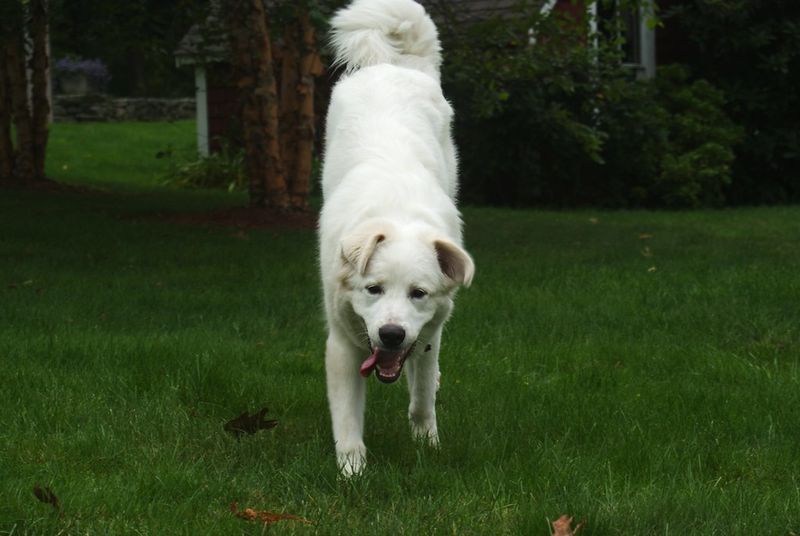
Quiet nights on the porch feel safer with a Great Pyrenees nearby. Bred to guard flocks, they often patrol the yard and notice tiny changes.
Early boundary training and secure fencing help guide those independent habits.
Cool weather suits their thick coats, so provide shade and water in summer. Gentle brushing several times a week reduces mats.
A neat detail: Pyrs worked in the French mountains, partnering with shepherds while thinking for themselves.
Newfoundland
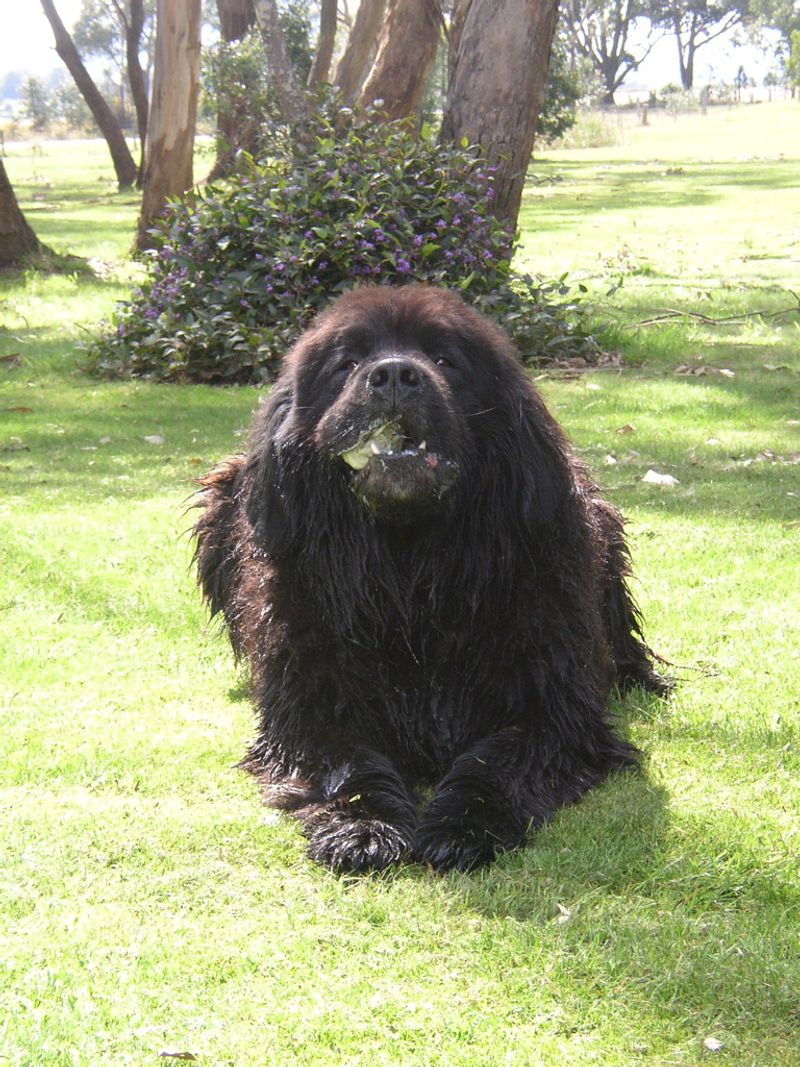
With a heart as big as its paws, the Newfoundland became a legend around water. Calm patience shows up in busy homes, where they sidestep toddlers and greet guests softly.
Swimming sessions and low-impact walks build fitness without stressing joints.
Keep towels handy for drool and splashes, and choose a strong grooming rake. Many families try water rescue clubs for fun.
Seafaring history: Newfoundlands helped fishermen pull nets and, at times, saved people from rough seas.
Mastiff
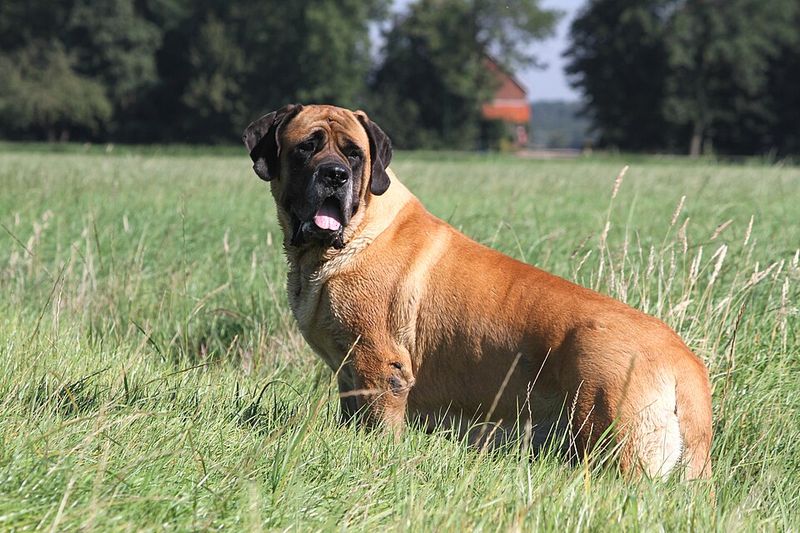
A Mastiff fills a room with calm, steady presence and a big thump of a tail. Most prefer short strolls and long naps near their humans.
Because of size, teach polite doorway manners and slow, careful car loading.
Quality joint support, non-slip flooring, and raised bowls make daily life easier. Keep social outings positive but brief.
Historical flavor: Mastiffs guarded estates in England, which shaped their massive frames and patient attitudes that modern families still appreciate.
Rhodesian Ridgeback
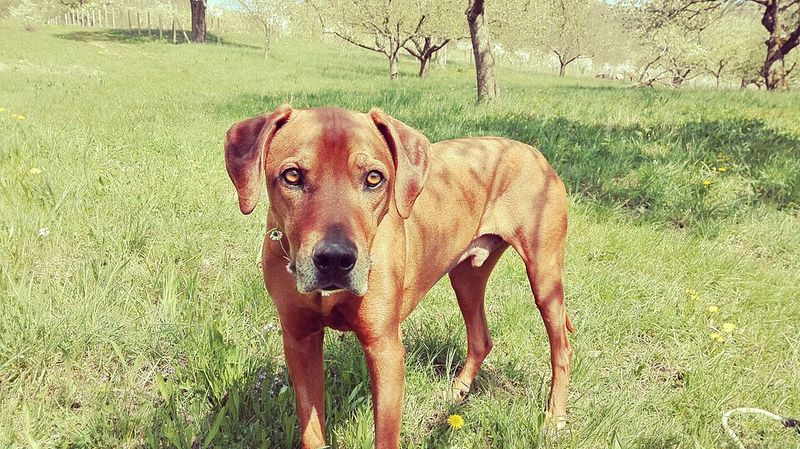
Adventure buddies come tall when a Rhodesian Ridgeback joins the family. Strong yet streamlined, they excel at trail runs and scent work.
Teach a solid recall and practice calm door manners to manage excitement.
Because they are thinkers, food puzzles and tracking games keep minds busy. Regular vet checks and conditioned exercise protect joints.
Origin note: Ridgebacks worked with hunters in southern Africa, relying on stamina and courage that today become athletic energy at home.