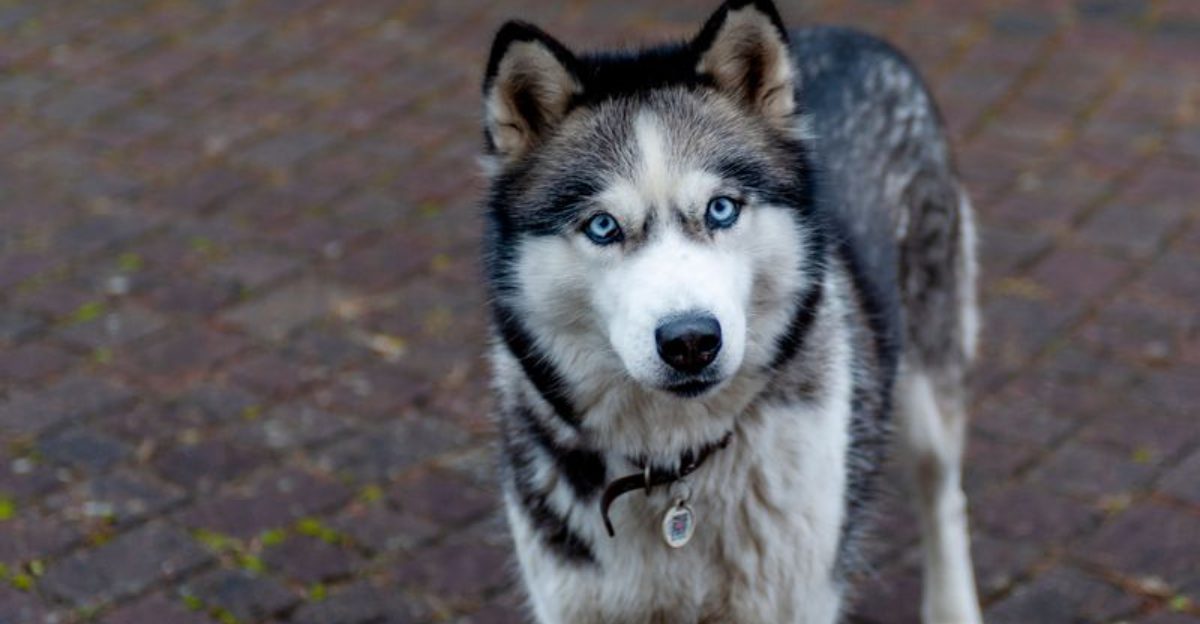
Smart dogs can feel like tiny geniuses in fur. They learn fast, notice everything, and often predict your next move.
That sounds amazing, until your buddy starts running the show at home and on walks. Here are real ways to stay one step ahead while keeping their bright minds happy.
Siberian Husky – The Shortcut Specialist
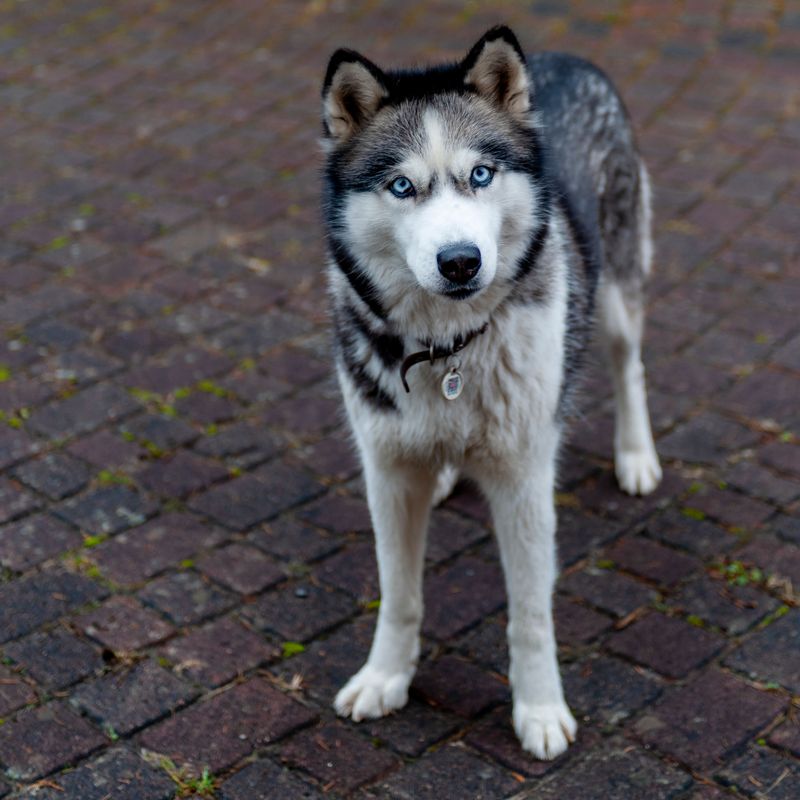
With eyes that seem to read maps, the Siberian Husky plots alternate routes on every walk. You turn left, and suddenly your dog shortcuts through snow banks, arriving first with a proud sit.
Sled heritage built a strategist.
Channel that brain with varied paths, puzzle toys, and recall games. Rotate commands, reward quick focus, and practice impulse control at curbs.
When energy spikes, switch to a pulling harness and give a job like backpack carries.
Beagle – The Nose Knows More
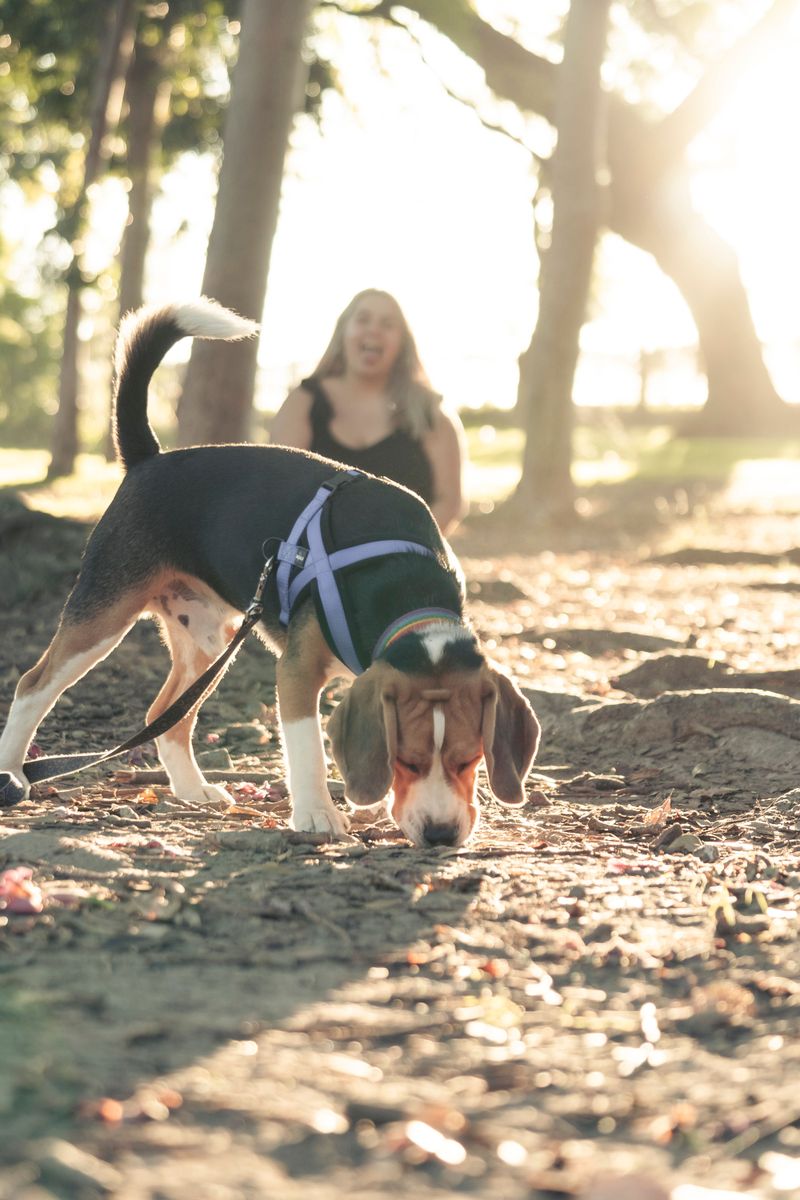
Follow that nose, and the Beagle will already be three clues ahead. A scent trail on the sidewalk becomes a full investigation with sudden stops and confident tail wags.
Detective mode is adorable until recall fails.
Use long lines, structured sniff breaks, and a clear release cue. Hide treats in boxes, then practice calling off the scent for a jackpot.
Teach a strong find it cue at home to satisfy curiosity, so walks feel balanced.
Shiba Inu – The Smooth Negotiator
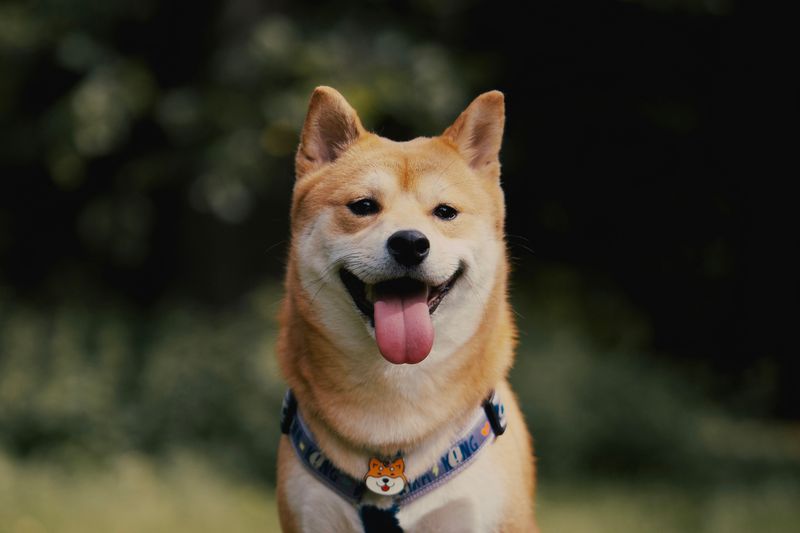
Quiet as a fox, the Shiba Inu watches before acting. One minute you think sit means sit, the next your buddy negotiates with a side glance and a slow turn.
Independence shines bright, and stubborn moments test patience.
Keep requests short, rewards high value, and sessions brief. Use choice training, like pick one toy, to satisfy autonomy without chaos.
Build trust through routines, fair handling, and rules, so your clever partner chooses cooperation over debate.
Border Collie – The Pattern Reader
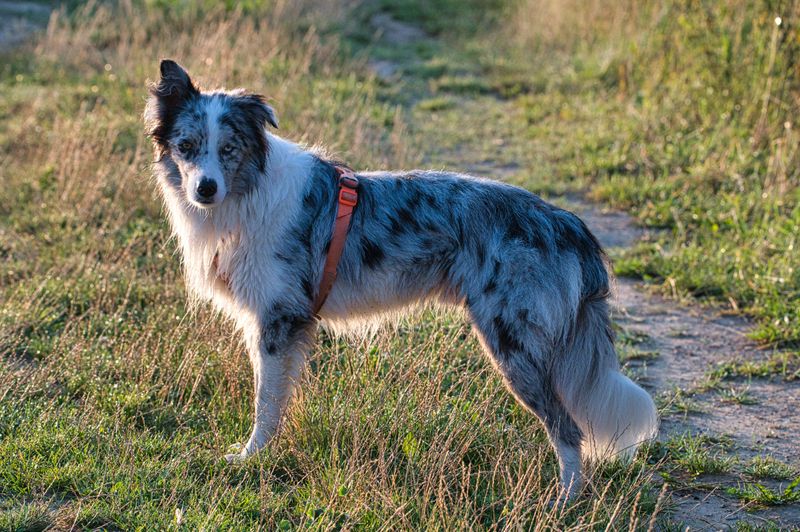
Blink, and a Border Collie has already planned the next five moves. Herding brains notice patterns, predict your path, and then anticipate the ball before you throw.
That sharp focus can tip into mischief if left idle.
Design jobs: heel to mailbox, down-stay during talk, and fetch by name. Use trick chains that build, like spin, bow, and pause, then reward with movement.
Schedule brain games before visitors arrive to prevent door theatrics and watching.
Dachshund – The Tunnel Tactician
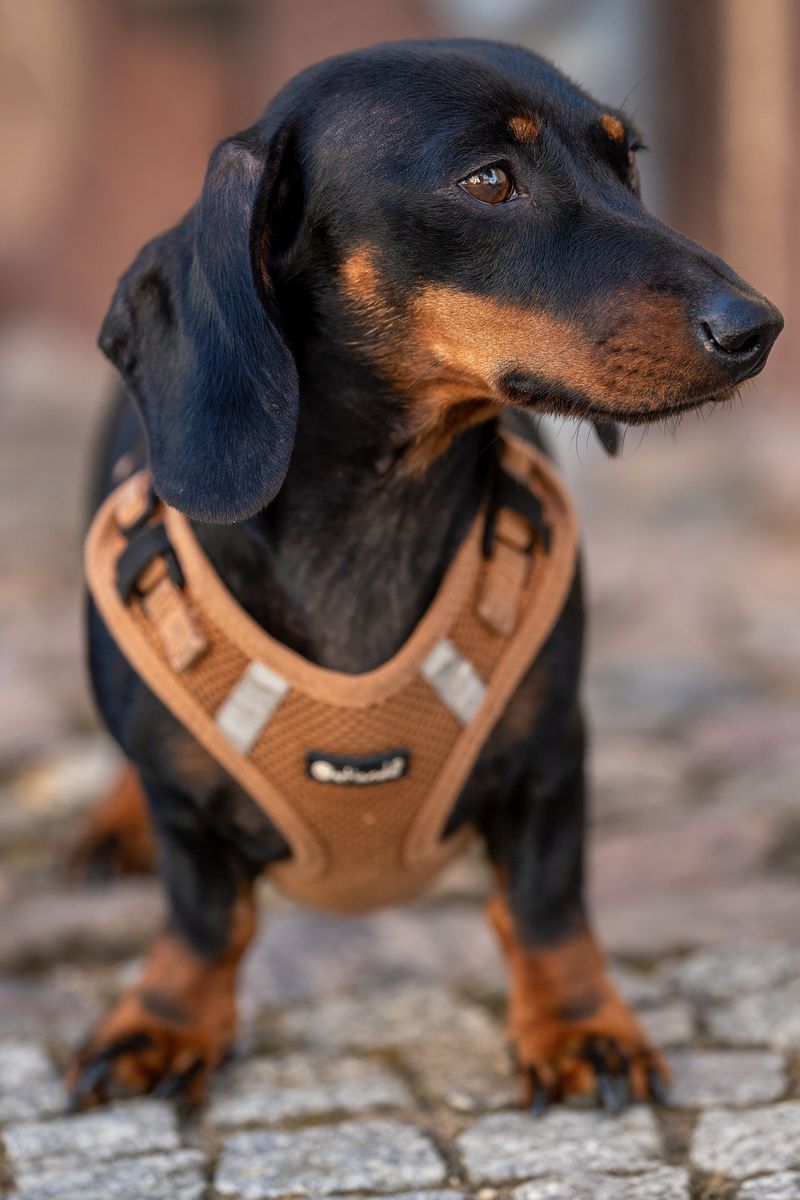
Small body, big plotter, the Dachshund can figure out sofa defenses like a tiny general. Bred for tunnels, they excel at sneaky routes under blankets and behind furniture.
You think the gate works, and suddenly there is a new shortcut.
Create tunnels with cubes, and reward crawling there. Block gaps, but teach settle on a mat with snacks.
Nose work in cardboard tubes tires the clever mind and reduces the urge to jailbreak at bedtime.
Australian Cattle Dog – The Efficiency Expert
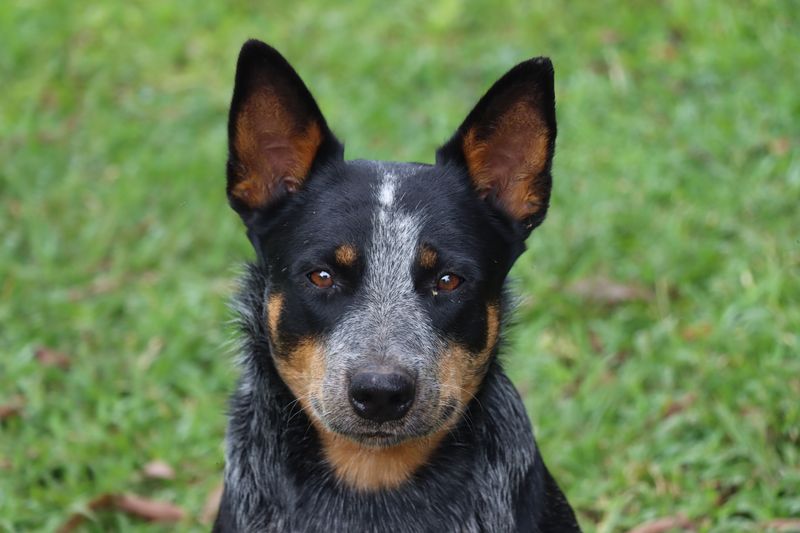
Workaholic by nature, the Australian Cattle Dog clocks every movement in the room. Miss a cue, and you might get a gentle heel nudge toward the door right on schedule.
Efficiency is their love language.
Build routines with tasks like carrying mail, targeting switches, or parking on a mat. Mix agility-style obstacles in the yard, then cool down with tug and a release word.
Prevent bossiness by reinforcing calm greetings and rewarding check-ins over pushing.
Jack Russell Terrier – The Parkour Pro
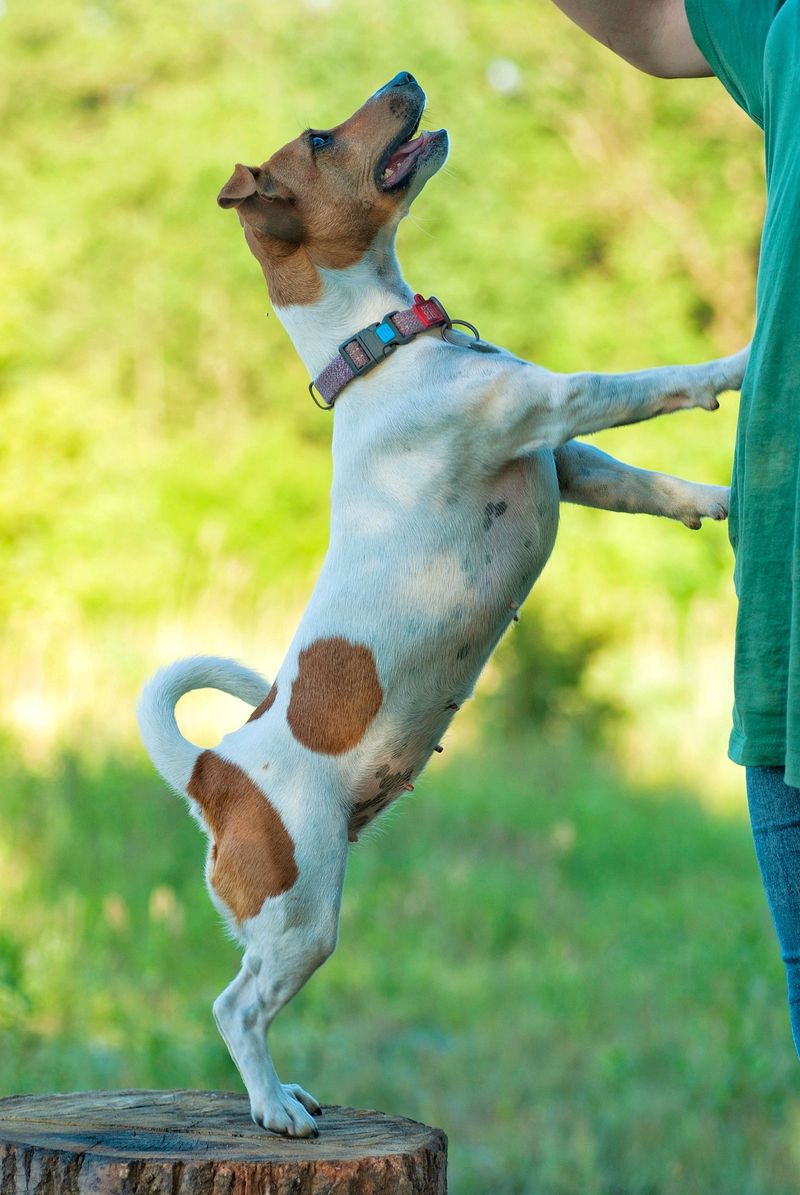
Rocket fuel in a fur suit, the Jack Russell Terrier writes its own schedule. Blink and the couch becomes a parkour course, complete with leaps, pivots, and a victory pose.
Energy without direction becomes demolition.
Trade chaos for missions: scatter feeds, flirt pole practice, and short scent searches in boxes. Cue sprint, then cue settle on a blanket for cookies.
Keep drills crisp, praise responses, and end before the wiggles return so success becomes habit.
Akita – The Calm Commander
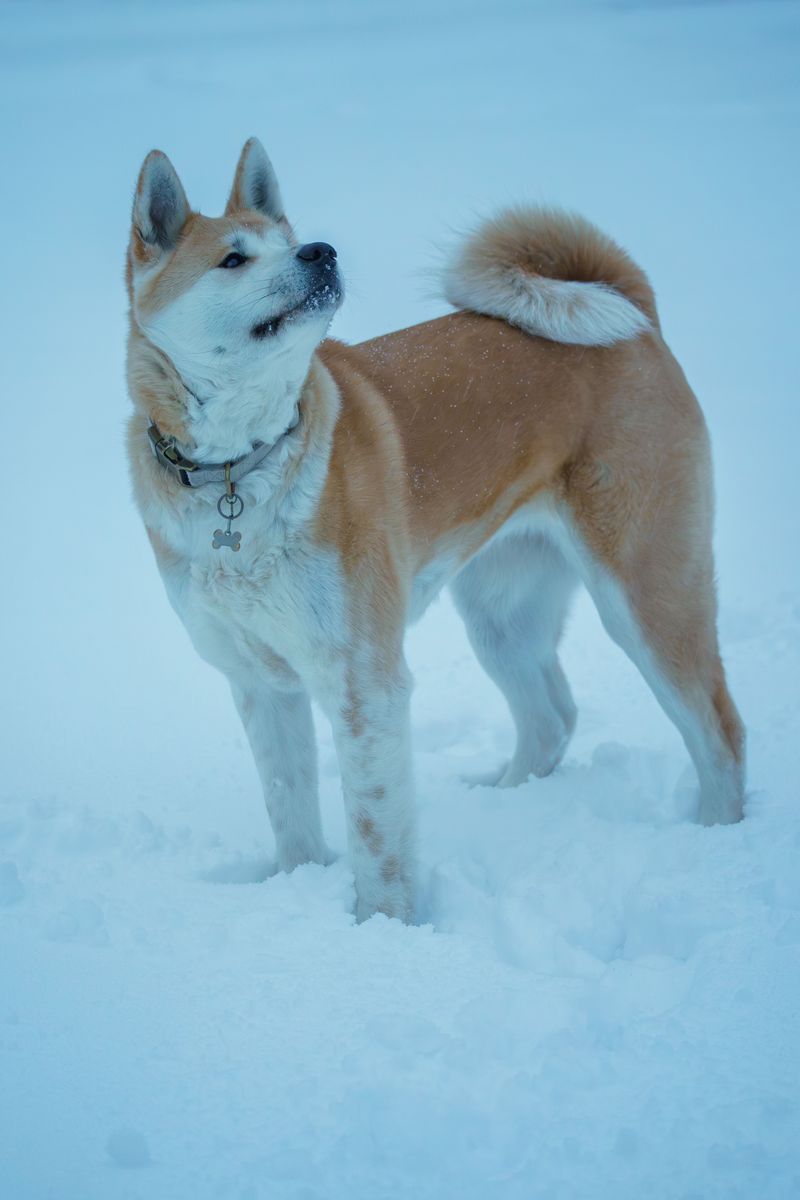
Dignified looks aside, the Akita notices everything and decides carefully. You may issue a command, yet your guardian pauses to assess the scene like head of security.
Confidence can slip into control without steady leadership.
Practice quiet authority: ask once, wait, then reward with warm praise and treats. Teach place near the door, and proof with visitors at a safe distance.
Rotate obedience with structured play so respect grows from teamwork, not bribes or pressure.
Standard Schnauzer – The Schedule Editor
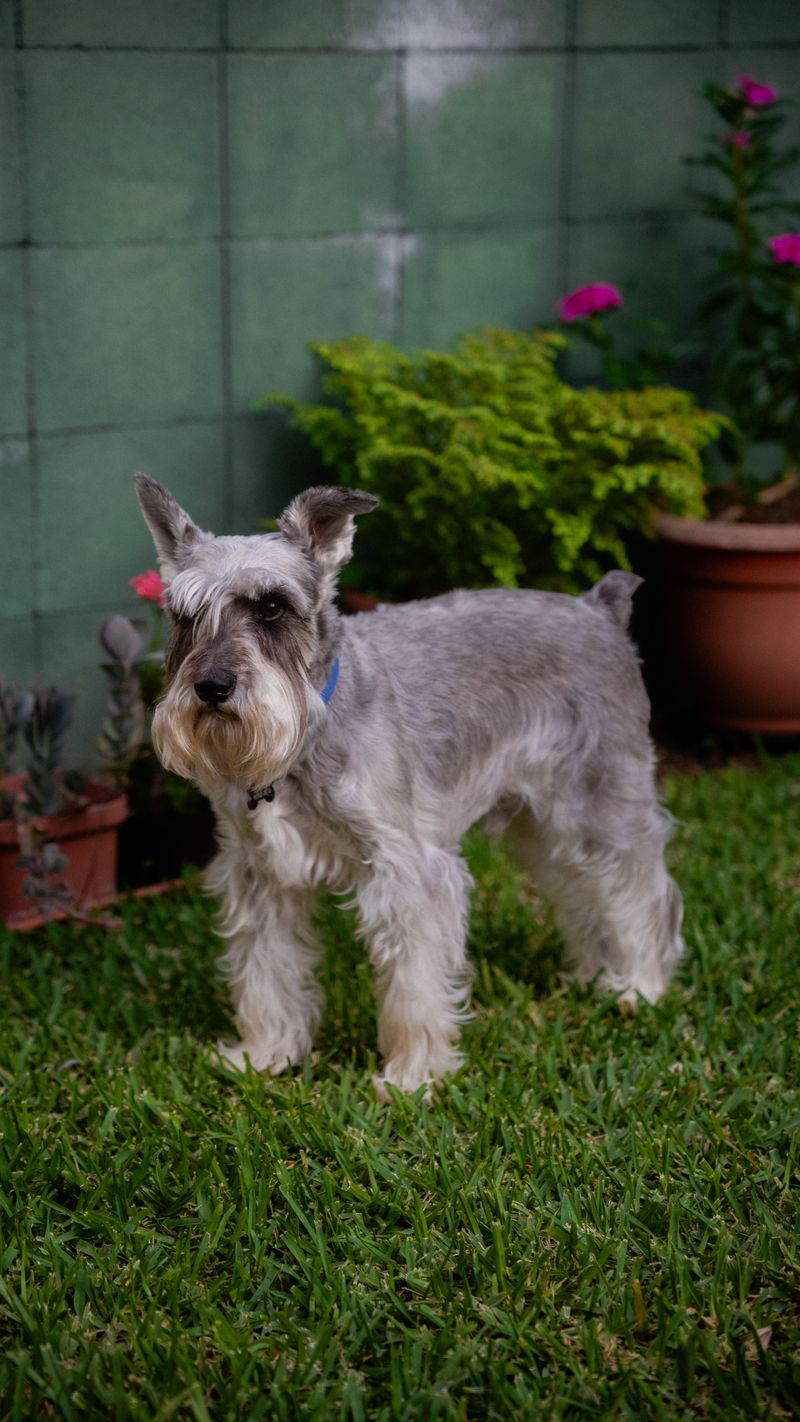
Like a witty neighbor, the Standard Schnauzer learns your schedule and then suggests edits. Miss the alarm, and a bearded nudge arrives with a pointed stare.
Humor helps, but so does structure.
Use calendar cues your dog can predict, like after morning coffee we walk. Teach fetch household, so retrieving slippers or the leash feels useful.
Add weekly novelty, such as new routes or trick-of-the-day, to keep that sharp brain satisfied while manners stay intact.
Alaskan Malamute – The Trail Engineer
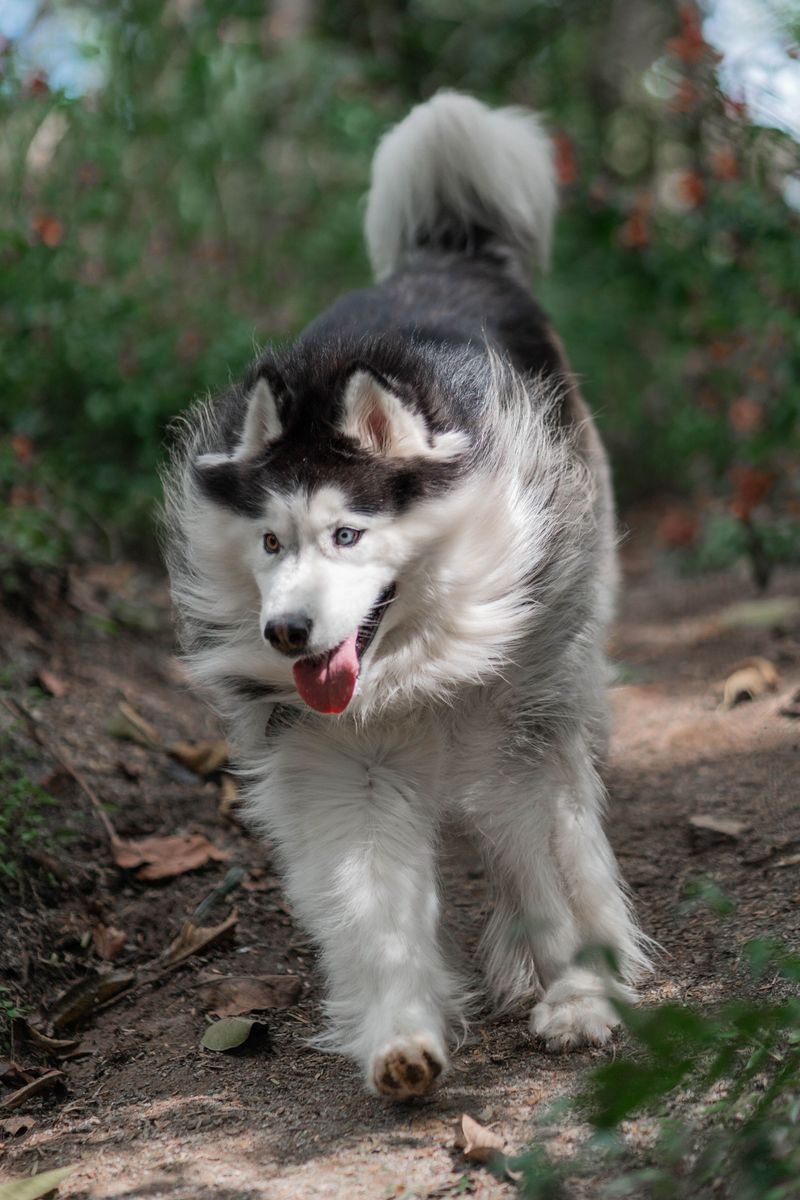
Power and charm combine in the Alaskan Malamute, who often chooses the fun path over the easy one. A simple hike turns into trail engineering as rocks, logs, and snowbanks become invitations.
Leadership must be calm and clear.
Give weight-pulling practice with safe gear, plus stop and go cues. Plan rest spots for check-ins, water, and short obedience drills that reset focus.
Finish while enthusiasm stays high, so listening keeps adventures coming on future outings.