Even skilled dog owners sometimes feel stumped. Some breeds are clever, strong-willed, or full of energy, and they love testing limits.
Learning what makes them tick can turn frustration into progress and fun. With patience, smart plans, and respect for each dog’s nature, you can build a strong partnership.
Siberian Husky
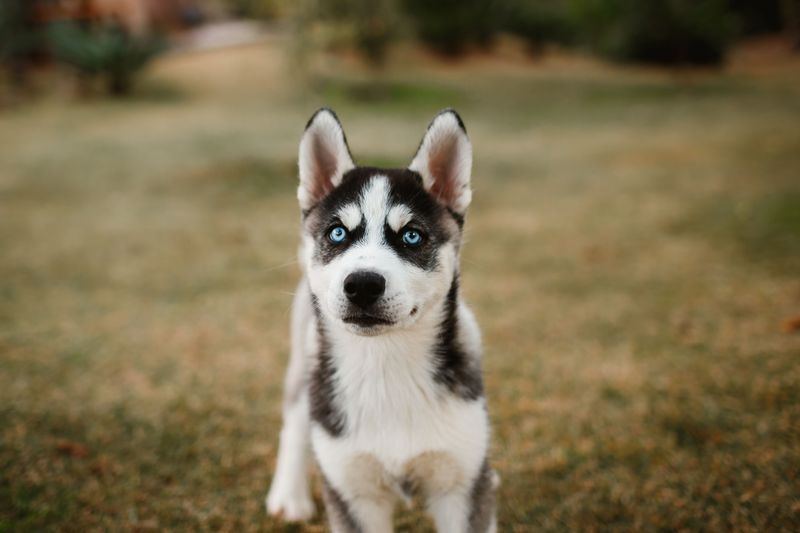
Escape artist is an understatement for this runner. Many Huskies treat fences like puzzles and recall like a suggestion.
Plan for secure yards, long lines, and structured jogs. Mental work matters too, so rotate scent games and sled-style pulls.
Keep training upbeat and brief, mixing high-value food with chase toys. Cold-loving coats need exercise even in winter.
Teach a strong wait at doors and car gates. A tired Husky thinks clearly and argues less.
Akita
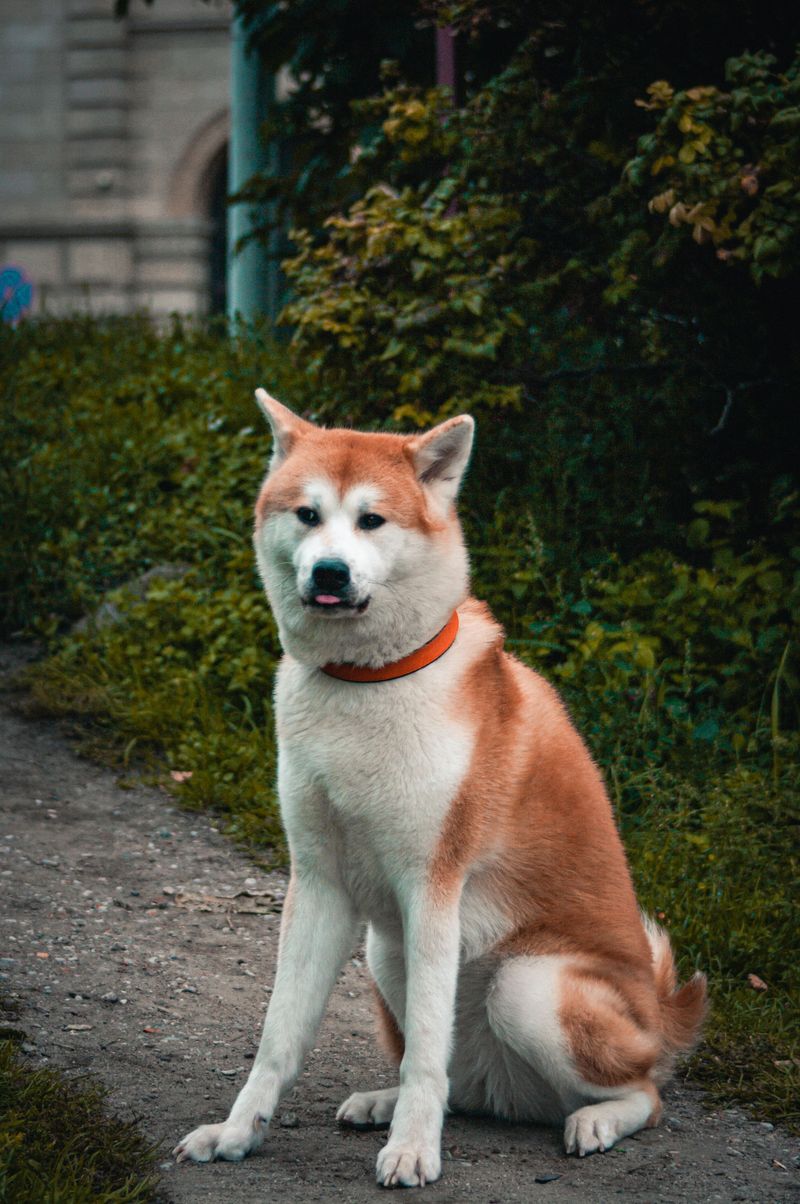
Quiet power wrapped in dignity, the Akita reads the room before you do. Protective instincts can rise fast, especially with strangers.
Start early with calm, controlled introductions and rock-solid obedience. Reward neutral behavior around visitors and practice exits.
Short, focused sessions prevent stubborn standoffs. Use clear cues, generous space, and steady routines.
Respect their independence by giving choices, like multiple resting places. Confidence grows when they feel safe, not pressured.
Belgian Malinois
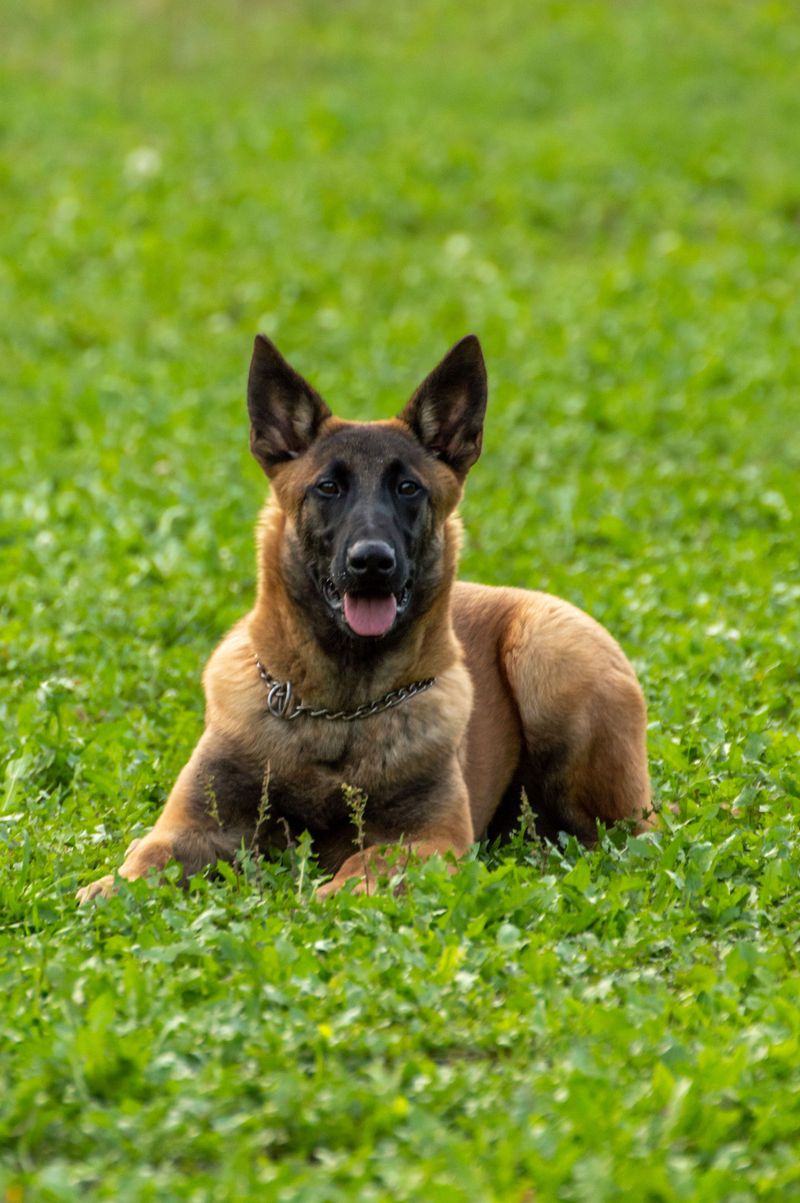
Like a sports car, a Malinois demands skill to handle. Energy pours out in bursts that need a job.
Channel it with structured tug, scent work, and obedience under distraction. Clear markers and fast rewards keep the mind engaged.
Skip endless fetch. Train impulse control using place, heel, and out.
Build rest as part of the routine. When drive is directed into tasks, problem behaviors fade and brilliance shows.
Alaskan Malamute
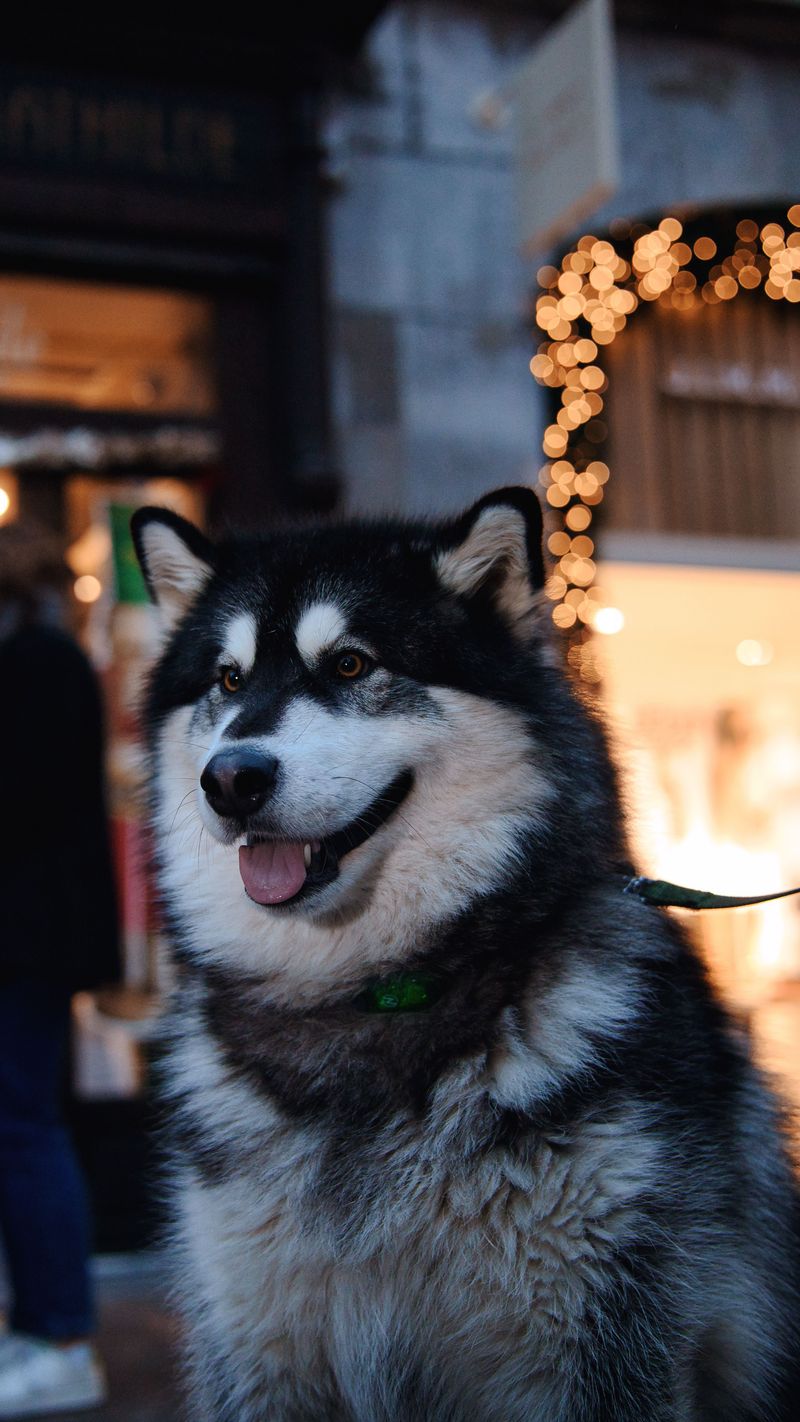
Strength meets stubborn humor in the Malamute. Many outthink simple drills, so slow, consistent practice wins.
Use work they were bred for, like weight pulls or backpacking, to create purpose. Rotate food puzzles to challenge their brain.
Set fair rules for doors, counters, and greeting. Reward calm stands and soft mouths.
Teaching a settle after exercise helps the household breathe. Patience and routine turn raw power into gentle teamwork.
Shiba Inu
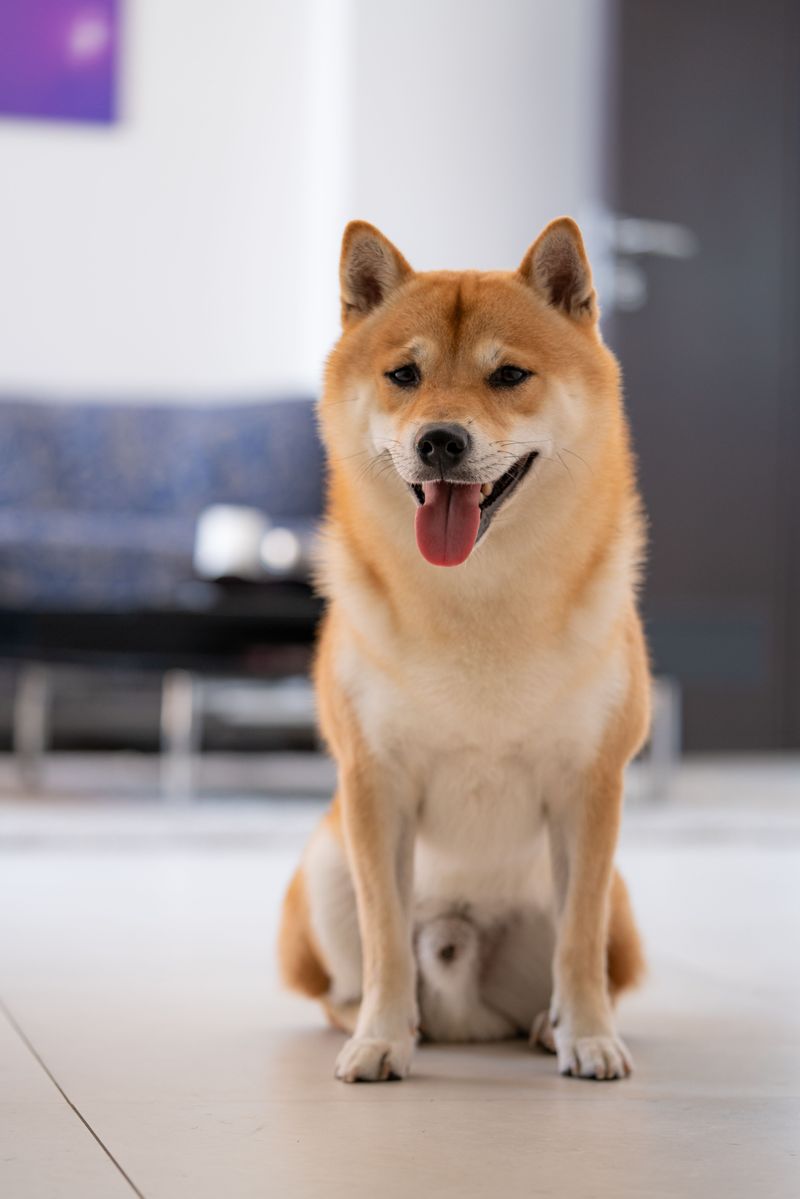
Cat-like manners with a prankster streak, the Shiba decides what is worth doing. Traditional recall often flops.
Use long lines, jackpot rewards, and games like chase-me to build value in coming back. Keep sessions short and playful.
Early handling practice reduces grooming drama. Teach trade for toys and chews to avoid grab-and-go games.
Quiet environments help new skills stick before adding city buzz. Respect earns cooperation here.
Great Pyrenees
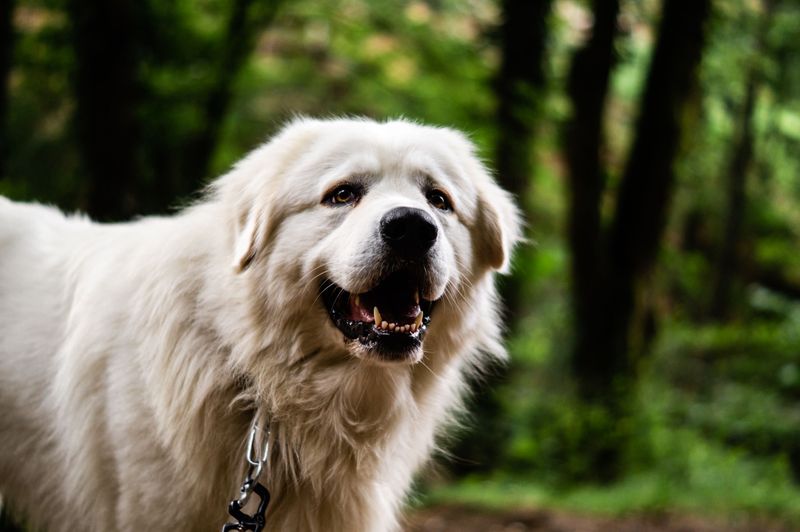
Night watch is in their blood. The Great Pyrenees listens for distant sounds and decides what matters.
Expect slow responses to commands when they are on duty. Teach boundary awareness using flags, long lines, and high-value food at the edges.
Grooming is part of training, so pair brushing with calm rewards. Reinforce quiet alerts, not constant barking.
Gentle repetition beats pressure. Trust builds when jobs and rules align.
Chow Chow
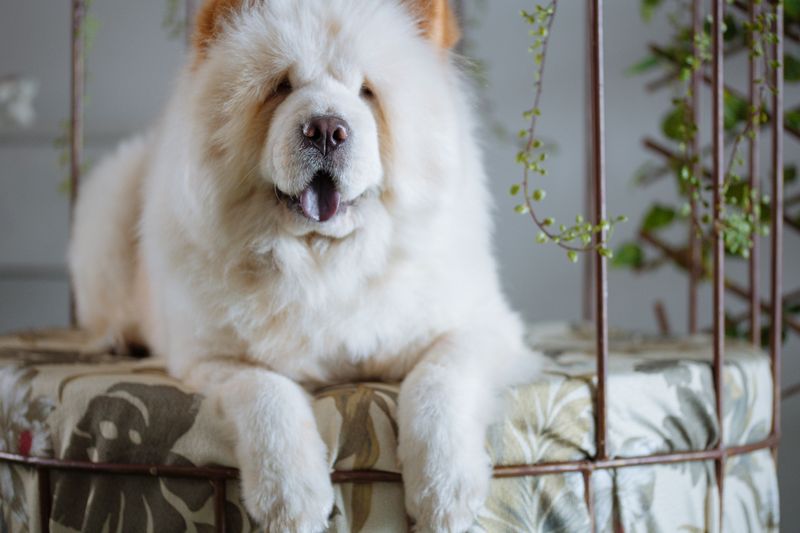
Stoic and stately, the Chow Chow values personal space. Pushy handling backfires.
Use cooperative care, asking for consent with simple cues and paying well for participation. Short grooming rituals teach trust and reduce vet visit stress.
Leash manners stick when training happens in quiet areas first. Invite calm visitors rather than big crowds.
Clear, gentle boundaries make everyone relax. With respect, their loyalty shines without drama.
Jack Russell Terrier
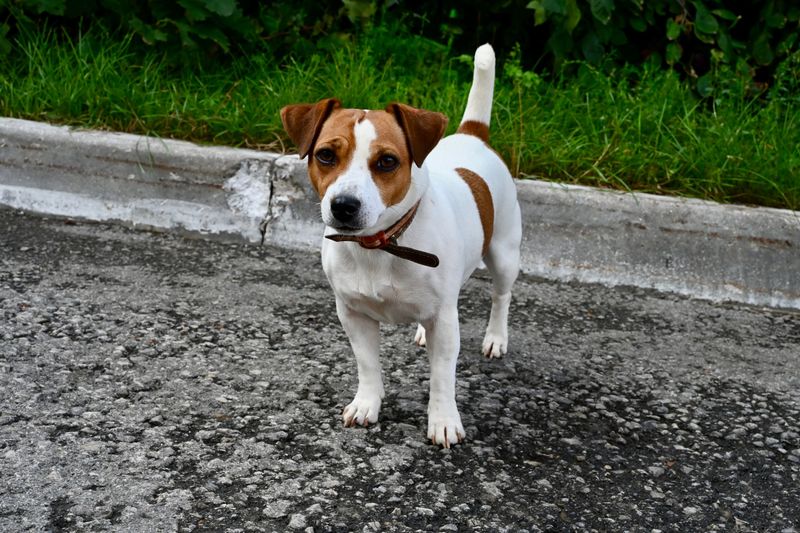
Think rocket packed with giggles. Jack Russells crave action and problem solving.
Without outlets, they remodel your garden. Agility, scent boxes, and trick chains tire the brain and body.
Use rapid-fire rewards to shape focus between bursts.
Impulse control comes from ready, steady, go games. Ask for a sit before releasing to chase toys.
Rotate digging pits and chew stations to protect valuables. Smart fun keeps mischief friendly.
Basenji
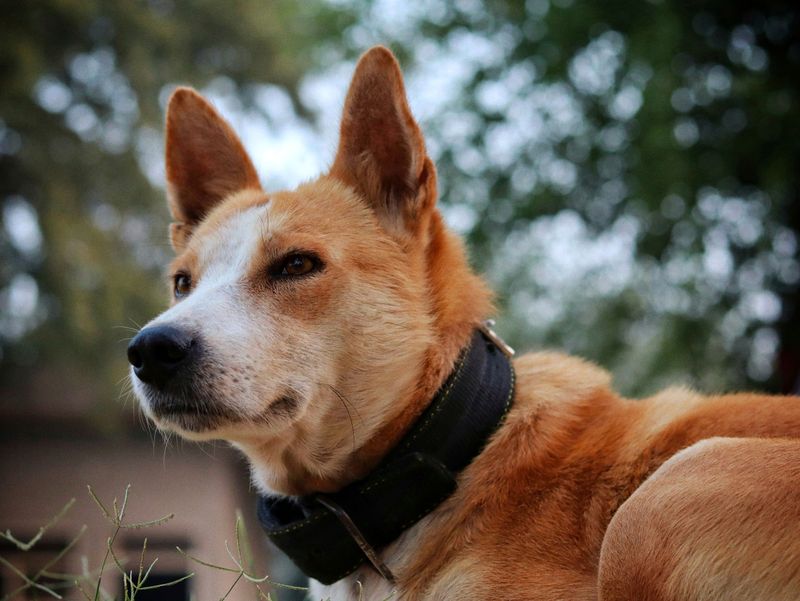
Known for yodels more than barks, the Basenji thinks fast and questions rules. Verbal nagging fails.
Silent hand signals and clear targets make learning crisp. Mix scent trails and lure-reward games to keep motivation high without chaos.
Crate time feels fair when paired with food puzzles and window watching breaks. Rotate novel walks to satisfy curiosity.
Predictable routines prevent shredding sprees, and training stays fun.
Afghan Hound
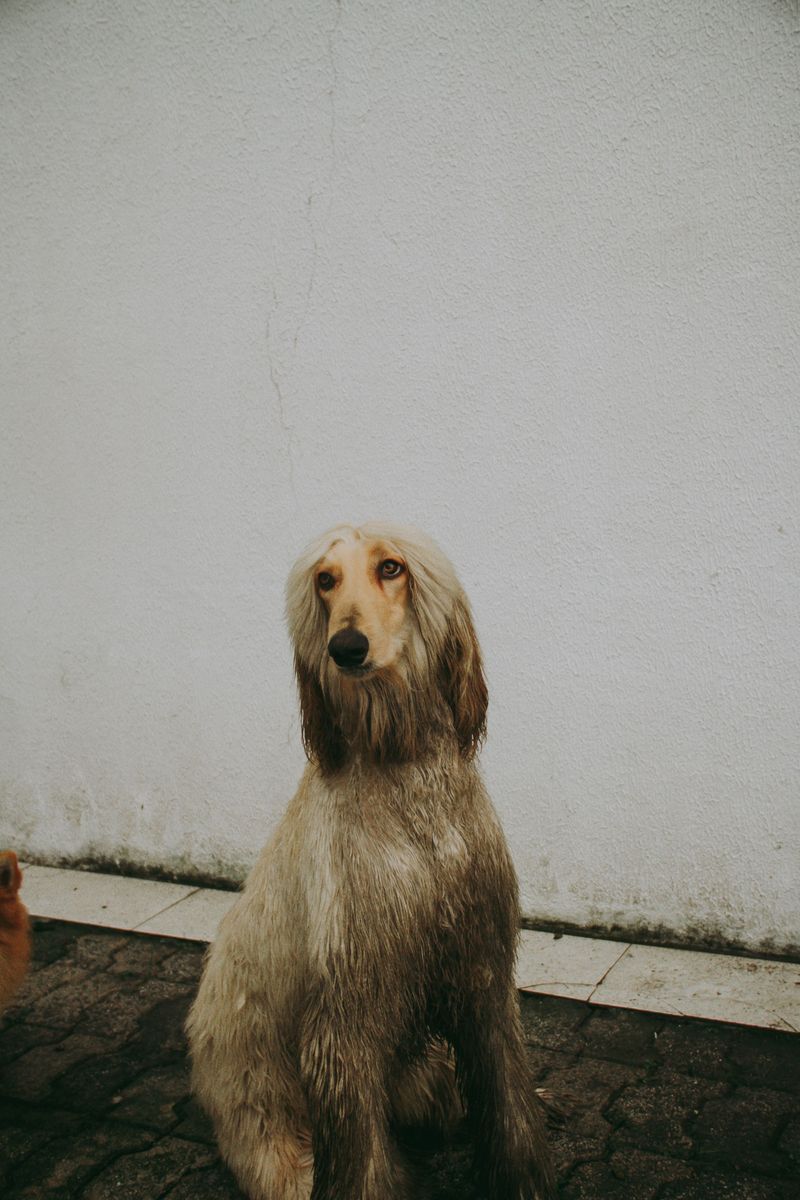
Beauty floats on a breeze, and so does the mind of an Afghan. Scents and sights steal attention.
Practice engagement in low-distraction places first, then add gentle challenges. Use lures sparingly and switch to variable rewards to build reliability.
Coat care becomes bonding when broken into tiny steps with pauses. Teach a chin rest for grooming.
Grace grows when training feels calm, not rushed.
Anatolian Shepherd Dog
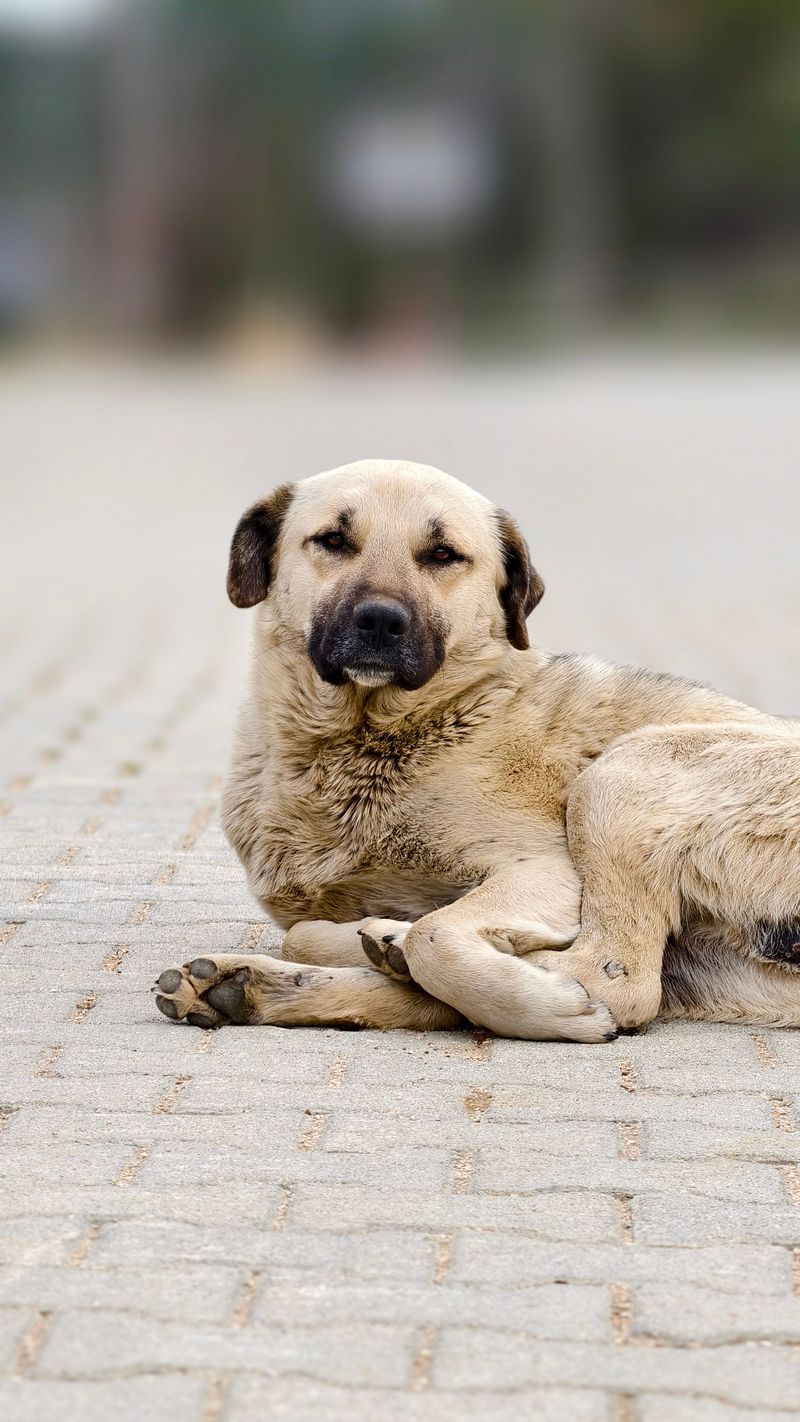
Guardian first, pet second, the Anatolian makes independent calls. Long-range focus challenges city life.
Build a whistle recall with huge rewards paid right at you. Boundary games and supervised yard patrols satisfy instincts without neighborhood drama.
Socialization means quality over quantity. Calm exposure to vetted guests is enough.
Keep training functional, like stand-stay for exams and polite gate exits. When work matches wiring, harmony follows.