
Dogs are a lot like people when it comes to tummy trouble. Some can eat almost anything, while others need gentle food and careful routines.
Breed can influence how a dog handles fat, fiber, and common allergens. Knowing your dog’s background helps you pick the right diet, avoid painful flare-ups, and keep tails wagging.
German Shepherd

With energy to spare and a loyal spirit, German Shepherds can still face delicate stomachs. Many react to high-fat meals or quick diet changes.
Moderate fat and steady fiber, like beet pulp or pumpkin, often keep things calm. Smaller, more frequent portions can help prevent gulping and gas.
Protein quality matters too. Single-source proteins and limited-ingredient recipes reduce guesswork.
Add joint-friendly omega-3s, and watch for signs like loose stools or burping. A food journal makes patterns clear.
French Bulldog

Short snouts and big personalities can come with gassy moments. French Bulldogs often swallow air when eating fast, which can upset digestion.
Slow-feeder bowls and smaller meals ease bloating. Choosing foods with easily digestible carbs, like rice or sweet potato, often reduces wind and discomfort.
Many do better with novel proteins to dodge common triggers. Keep treats simple and low in fat.
Gentle walk-after-meal routines support motility. If itching joins tummy issues, explore allergy testing.
Boxer

Boxers are spirited athletes, yet their guts can be finicky. High-fat diets may trigger loose stools, so lean proteins are often a smarter pick.
Consistent feeding times help stabilize digestion. Some Boxers benefit from prebiotics that nurture helpful gut bacteria and cut down on stool volume.
Watch meal timing around exercise. Vigorous play right after eating can lead to cramping and discomfort.
Try a rest period, then training. Clear labels and portion control make a big difference.
Great Dane

Big frame, big heart, and a gut that prefers a calm routine. Great Danes face special risks with bloat, so slow, measured meals are essential.
Elevated bowls can be helpful if recommended by a vet. Choose balanced formulas with moderate fat and steady fiber to keep stools firm.
Avoid rapid diet switches and heavy activity around meals. Split food into two or three portions.
If you hear loud gurgles or see restlessness, call your veterinarian promptly.
Yorkshire Terrier

Tiny stomach, big appetite for comfort. Yorkies often prefer frequent, small meals to avoid tummy rumbles and bile vomiting.
Gentle, small-bite kibble paired with easy proteins like turkey can keep digestion smooth. Watch fat levels, since rich treats may cause quick flare-ups.
Because of their size, portion errors add up fast. Use a gram scale for accuracy.
If tearing or itchy ears appear alongside soft stools, consider exploring possible food sensitivities with your vet.
Irish Setter
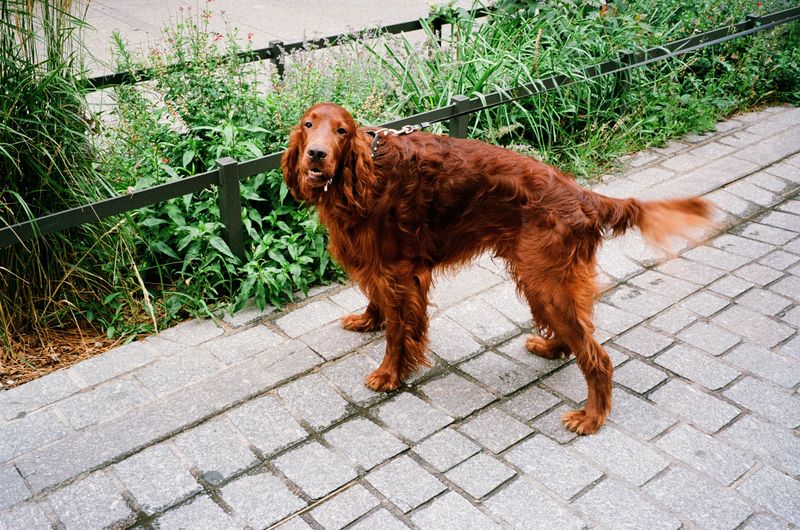
All that graceful motion masks a gut that likes consistency. Irish Setters can react to sudden changes with loose stools.
Slow transitions over 7 to 10 days keep peace. Fiber sources like oats and psyllium often firm things up, while keeping calories suitable for active dogs.
Hydration matters after long runs. Offer water breaks and feed after cooldowns.
If stress shakes up digestion during travel, bring familiar food, and consider a vet-approved probiotic for trips.
Miniature Schnauzer
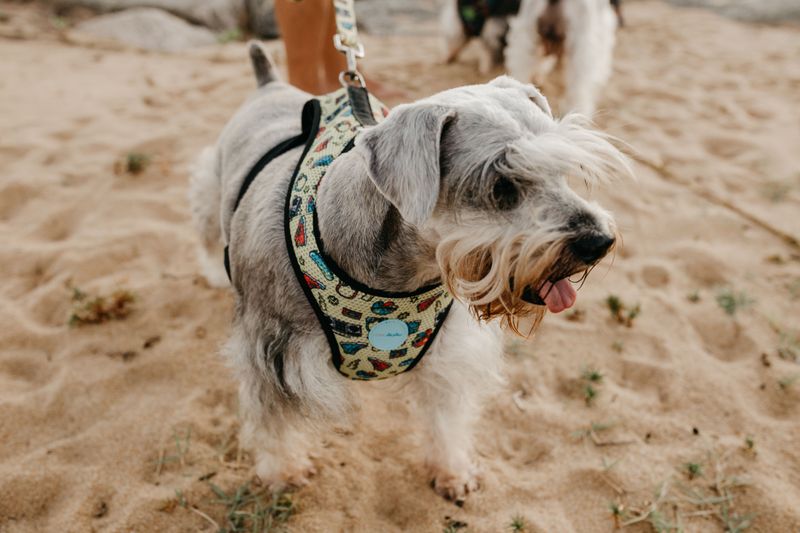
Known for a sharp look and sharp mind, Miniature Schnauzers can be sensitive to fat. Keeping meals lean helps avoid digestive upset and supports healthy weight.
Choose clear ingredient lists with named proteins. Add crunchy, low-fat snacks like green beans for variety without stress.
Daily walks and a steady schedule keep the gut on track. If stools swing between hard and soft, review treats and table scraps.
A food diary often reveals the culprit.
Labrador Retriever
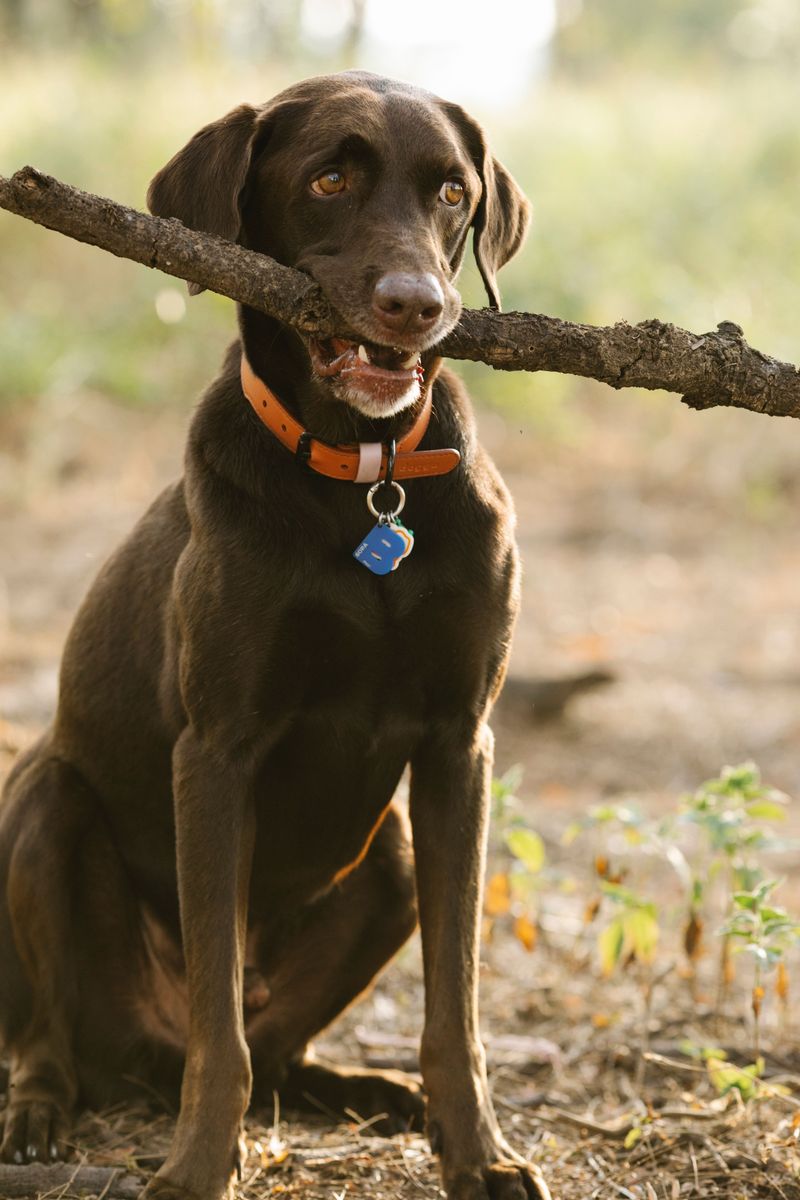
Big appetite meets a sometimes tender tummy. Labradors often thrive on structured portions to prevent overeating and reflux.
Balanced fiber and quality protein support stable stools. A spoon of plain pumpkin can help regulate digestion, but keep extras modest to avoid excess calories.
Because many Labs love water and mud, watch for gut upsets after pond play. Rinse, and keep parasite prevention up to date.
Regular weigh-ins keep portions honest and bellies happy.
Soft Coated Wheaten Terrier
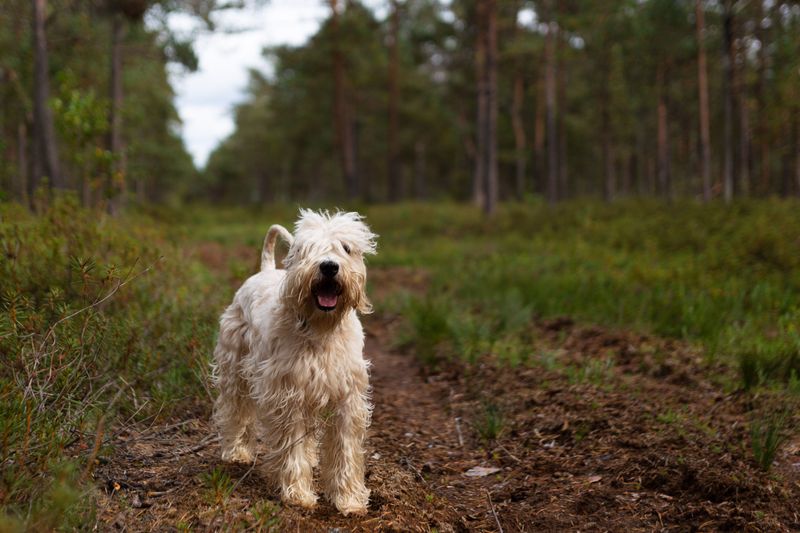
Silky coat, cheerful grin, and sometimes a delicate gut. Wheatens may react to certain proteins or grains, so single-protein, limited-ingredient diets help narrow triggers.
Careful introductions prevent confusion. Keep toppers simple, like plain cooked turkey or squash, when needed.
Regular grooming can reveal skin signs that hint at food sensitivities. If ears redden or paws lick raw, review the menu.
Probiotics designed for dogs can support balance while you fine-tune the plan.
Shar-Pei

Those famous folds hide a thoughtful soul, and sometimes a fussy belly. Shar-Peis can be prone to food sensitivities that show up as tummy upset and skin irritation.
Hypoallergenic or novel-protein formulas reduce guesswork. Keeping wrinkles clean lowers secondary irritation that can confuse the picture.
Track reactions in a simple journal to spot links between meals and symptoms. Serve steady portions at fixed times.
When in doubt, ask your vet about supervised elimination trials.
Basenji
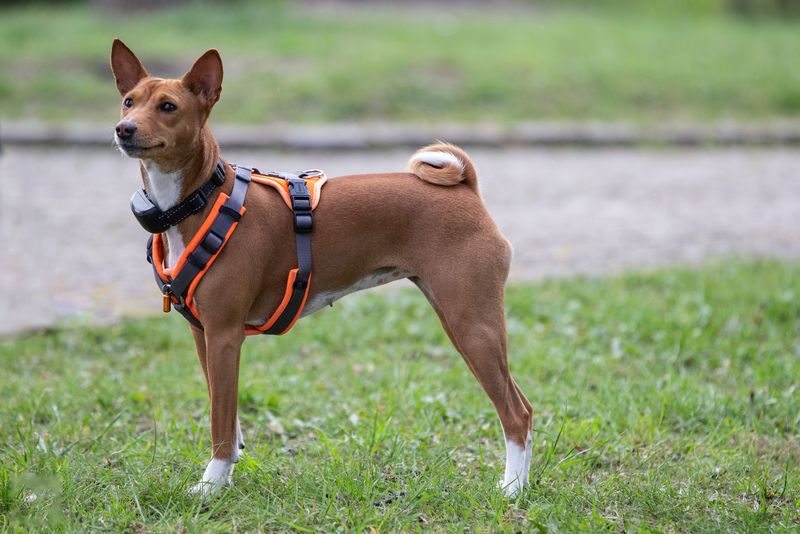
Quiet by nature and nimble on the move, Basenjis often do best with simple, clean formulas. Sudden changes or rich table scraps can trigger upset.
Keep meals predictable and modest in fat. Some respond well to grain-free options, though quality and balance matter more than labels.
If your Basenji travels often, pack pre-measured meals to avoid gas station snacks. Offer fresh water and familiar treats.
A calm feeding space keeps sensitive stomachs steady.