Ever feel like your dog forgets you exist the moment you step outside? Their nose is guiding them through a world we cannot see.
Smells paint stories about who passed by, what happened, and where to go next. When you understand that hidden map, your walks get smoother, happier, and way more fun for both of you.
Beagle – the sidewalk detective
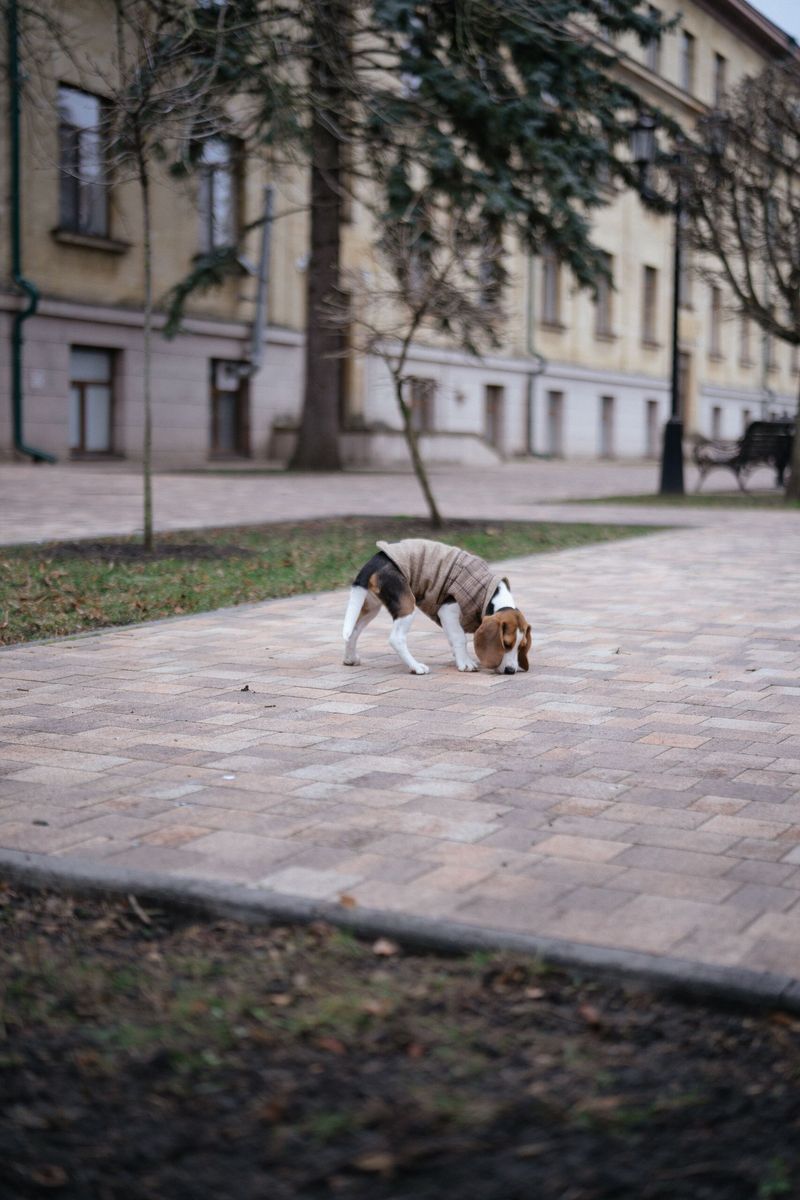
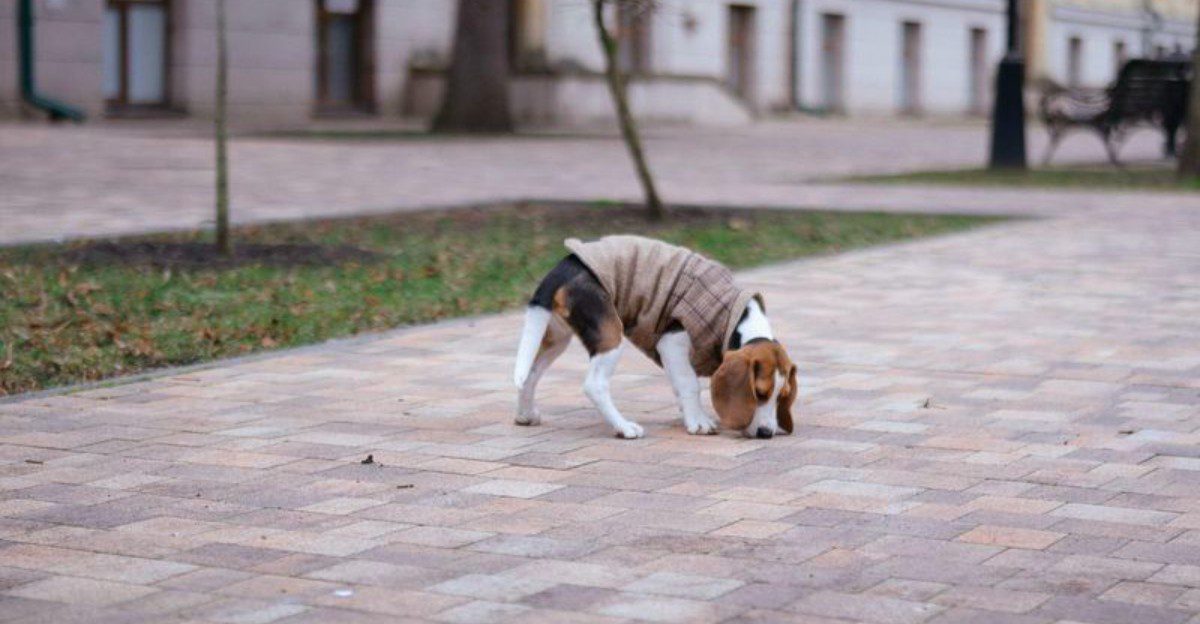
Like a tiny detective, a Beagle can read a sidewalk the way we read a book. Each sniff tells a clue about squirrels, neighbors, and last night’s rain.
Let your Beagle pause at key spots, then cue a gentle let’s go. Reward quick check-ins with soft praise.
Try short sniff breaks followed by a brisk walk to keep balance. A long line in safe areas gives freedom while keeping you connected.
Watch that tail swing.
German Shepherd – the focused tracker
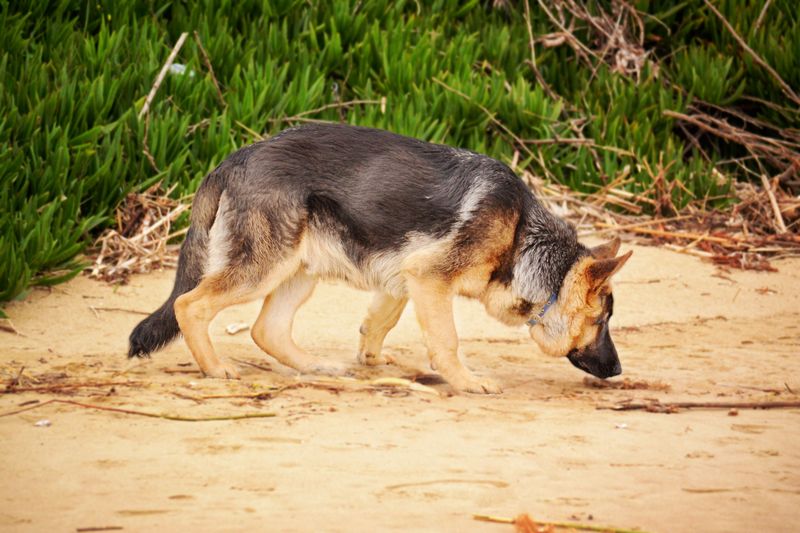
Bred to track and guide, German Shepherds can lock onto a scent trail like a laser. Use that power on purpose.
Pick a starting scent, like a dropped glove, and let your dog lead to it. Then switch to heel, praise, and move on.
Structured sniff time builds calm. Teach a cue like search to start and finish to end.
Clear signals channel their big brain and big nose into a job that feels satisfying.
Labrador Retriever – the joyful sampler
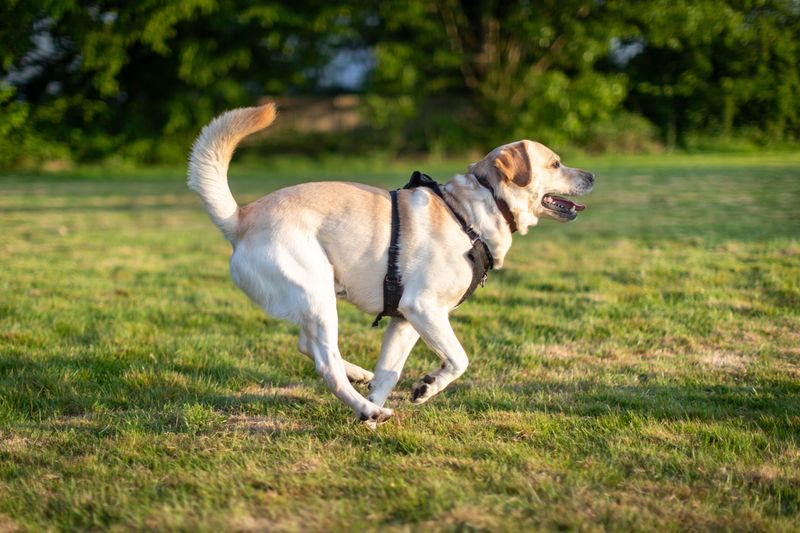
Labs love to taste the world with their noses, sampling every breeze like a buffet. Turn that excitement into a game.
Scatter a few treats in grass, let the Lab sniff and find, then continue the stroll. Short, planned sniff stops help prevent endless zigzags.
Carry a favorite toy to trade attention when needed. Mix sniff zones with steady paced walking between landmarks.
That rhythm keeps curiosity high and pulling low.
Dachshund – the tunnel historian
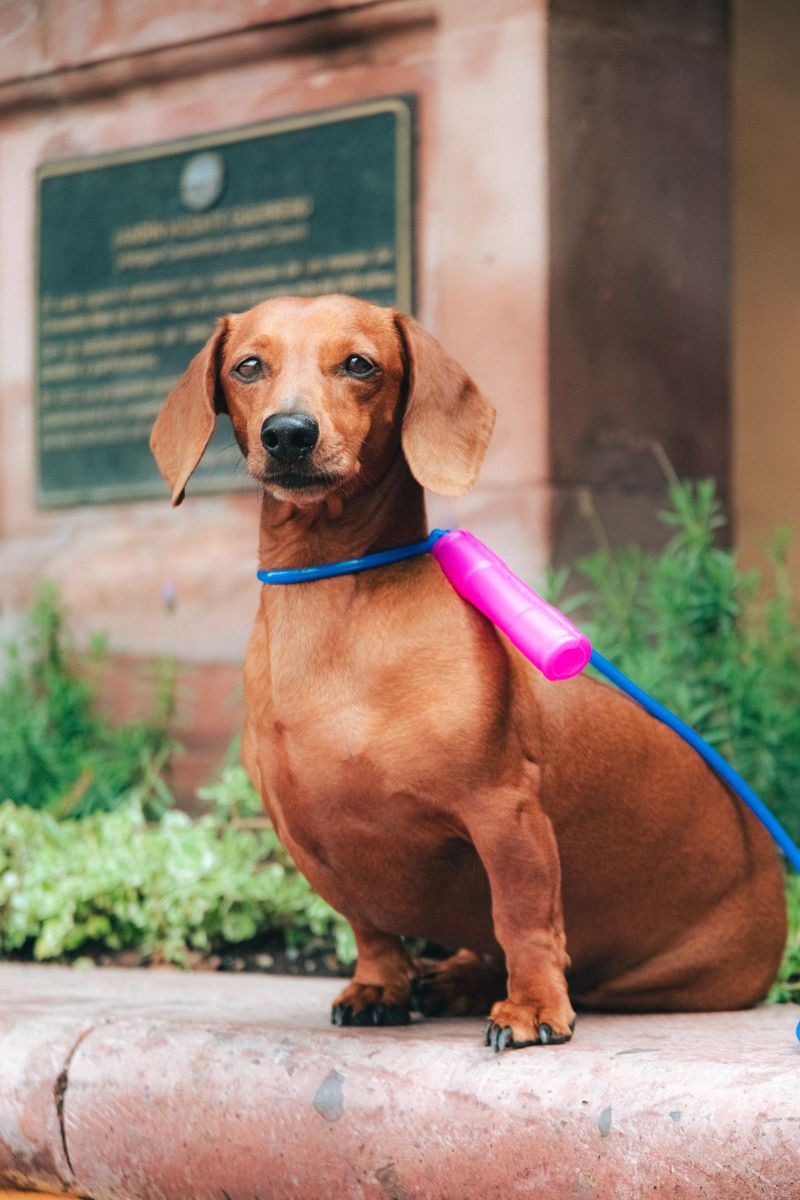
Close to the ground, Dachshunds catch stories that float right past taller dogs. Burrows, chipmunks, and hidden roots call to them.
Give a minute at interesting holes, then guide with a happy voice. Keep the leash short but comfortable to avoid tangles.
For extra fun, make tiny scent trails with a cheese crumb. Let your Doxie follow and win.
A satisfied sniffer is more likely to stroll politely afterward.
Basset Hound – the low-slung librarian
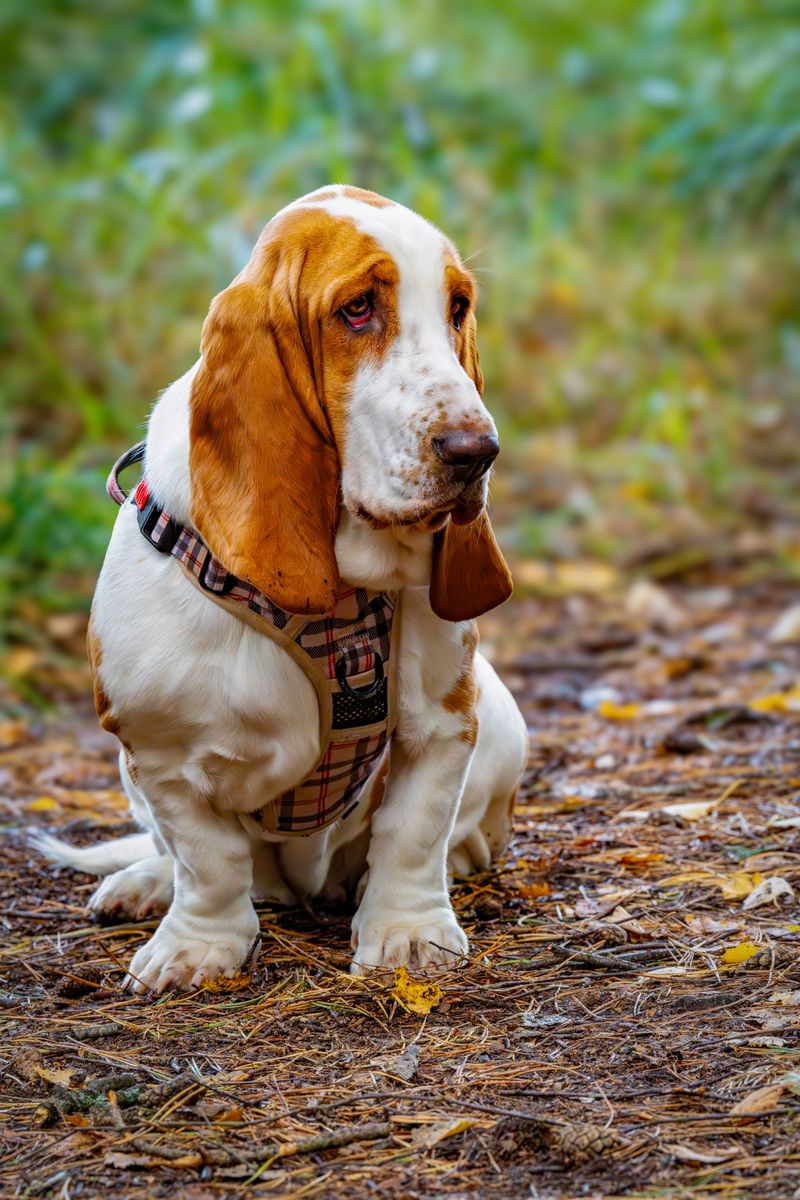
Those famous ears sweep scent toward a Basset’s powerful nose, like bookmarks gathering pages. Plan extra time.
Let the Basset catalog key smells, then invite movement with a gentle tap of the leg and a cheerful cue. Patience brings better manners than pulling away.
Use a well-fitted harness to protect the neck. End the walk with a short sniff jackpot area.
That closing ritual helps them leave satisfied and calm.
Bloodhound – the scent legend
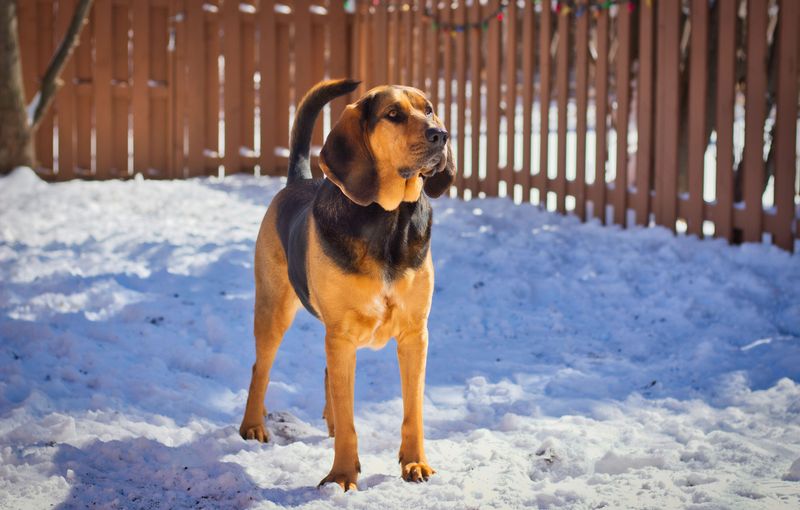
Few noses are as famous as a Bloodhound’s. They can trail scent that is hours old.
Offer controlled freedom with a long line in safe spaces. Start a simple find friend game with a family member hiding nearby.
Let the hound follow that scent story.
Balance high-intensity tracking with short rest pauses. Calm breathing, a drink, then a relaxed stroll back.
Respecting their gift brings better cooperation on normal walks.
English Springer Spaniel – the field scout
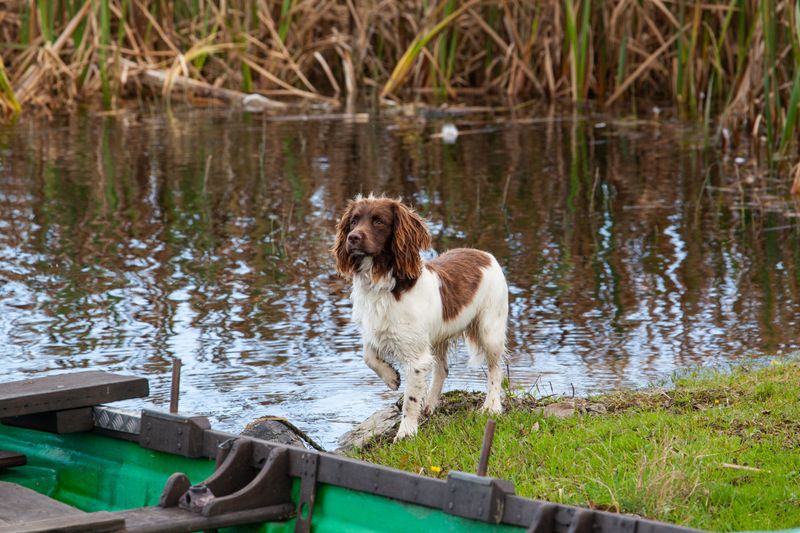
Springers read the breeze like sailors, catching air-borne scent from birds and rabbits. Try wind checks.
Pause facing the breeze, let your dog sample, then move across the wind in gentle arcs. That pattern satisfies the hunting brain without chaos.
Add a brief sit after each big sniff to reset focus. Quick reward, release, and go.
The stop-and-go rhythm keeps energy channeled and your leash relaxed.
Cocker Spaniel – the cheerful forager
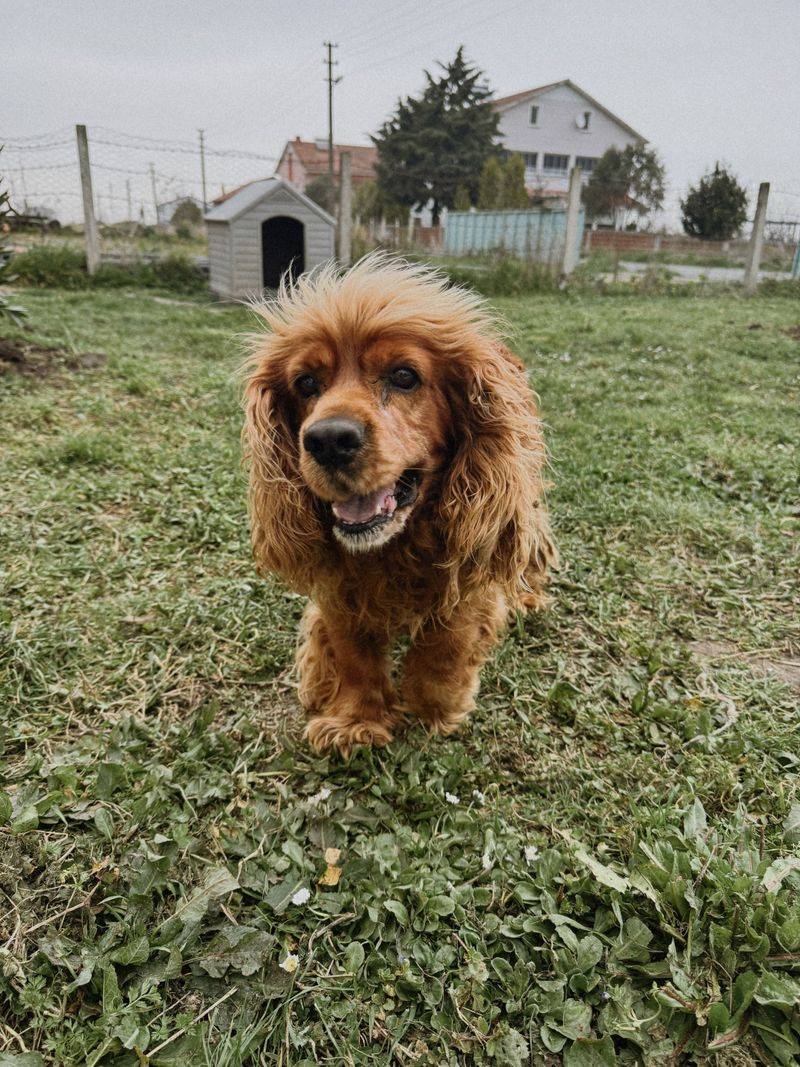
With a bubbly spirit, Cockers love nose-led treasure hunts. Turn planters and grassy verges into mini foraging spots.
Toss a few kibble pieces, cue sniff, and let your dog search. After a minute, cheerfully move on to the next block.
Keep sessions tidy by avoiding busy doorways. Use hand targets to regain attention between sniff zones.
That happy back-and-forth keeps your Cocker engaged and walking politely.
German Shorthaired Pointer – the scent athlete
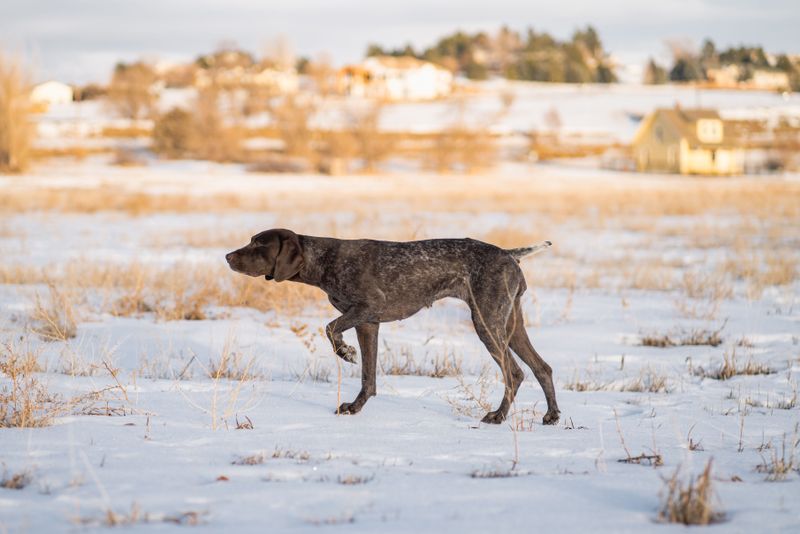
Built for speed and scent, GSPs thrive when work meets movement. Use interval walks.
One minute of steady heel, then thirty seconds of sniff freedom, repeated several times. Clear start and stop cues help their sharp mind switch gears smoothly.
Include a pointing pause game. When your dog freezes at an interesting smell, whisper good, wait, then release to explore.
Control plus freedom equals fewer yanks and happier miles.
Jack Russell Terrier – the tiny sleuth
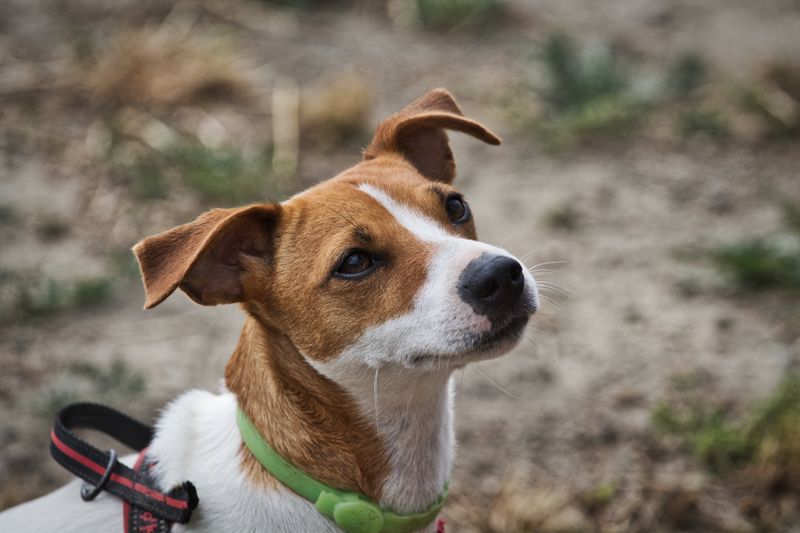
Big curiosity in a small package, Jack Russells chase scent puzzles with serious grit. Offer brain work before motion.
Hide two treats behind different rocks, cue find, then celebrate the win and walk on. Brief sniff missions drain extra energy.
Rotate routes often to refresh the smell library. A focused start keeps sudden lunges lower.
Praise calm sniffs, practice short check-ins, and watch that spark turn into teamwork.
Weimaraner – the silver scout
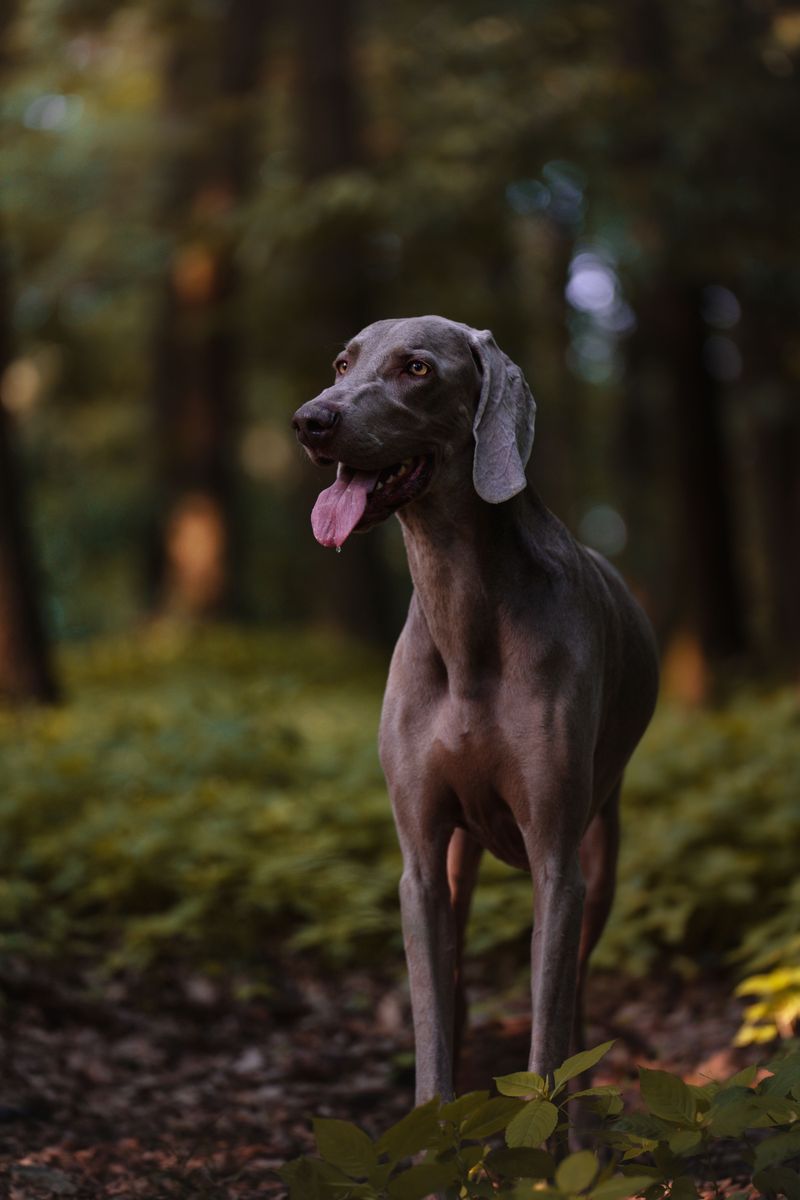
Elegant and driven, Weimaraners love open air where scent carries far. Try a zigzag pattern across the path.
Let the nose search left and right for a few steps, then straighten out. That structure satisfies scanning urges without wild pulling.
Bring high value snacks for quick attention resets. Pair a watch me cue with a short sniff release.
With practice, the silver scout trades chaos for connection.