Big cities are full of dogs with different looks and personalities. Some breeds thrive in tiny apartments, while others love long runs in busy parks.
Owners pick dogs that fit their routines, from office commutes to weekend hikes. Get ready to see which breeds are winning hearts at urban dog parks, and why they might not be the ones you expect.
Labrador Retriever
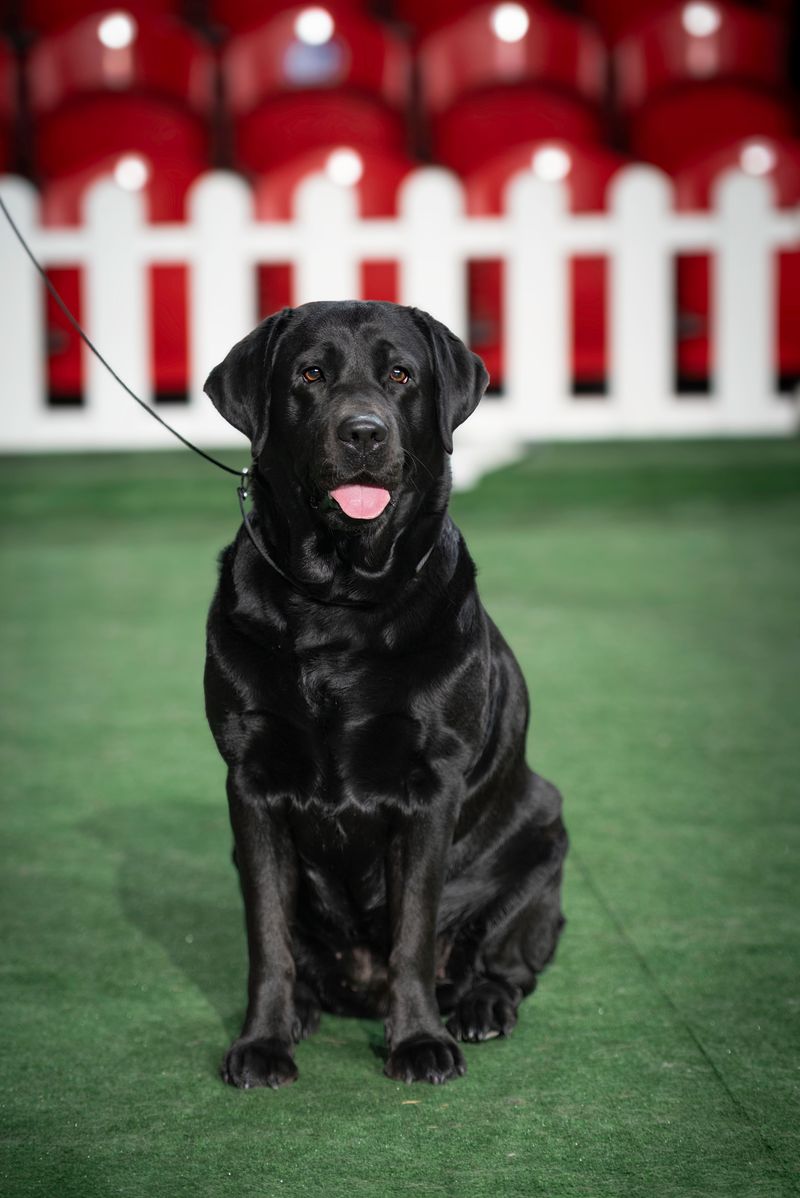
A Lab’s wag can turn a crowded sidewalk into a welcome party. City owners love their easygoing manners, steady trainability, and enthusiasm for fetch.
Even in small spaces, a daily park run and puzzle feeders keep minds and bodies happy.
Want a tip? Schedule two brisk walks and one focused training game.
Labs think with their noses, so scent games around benches or trees burn energy. Bonus fact: despite the name, their roots trace to Newfoundland.
Golden Retriever
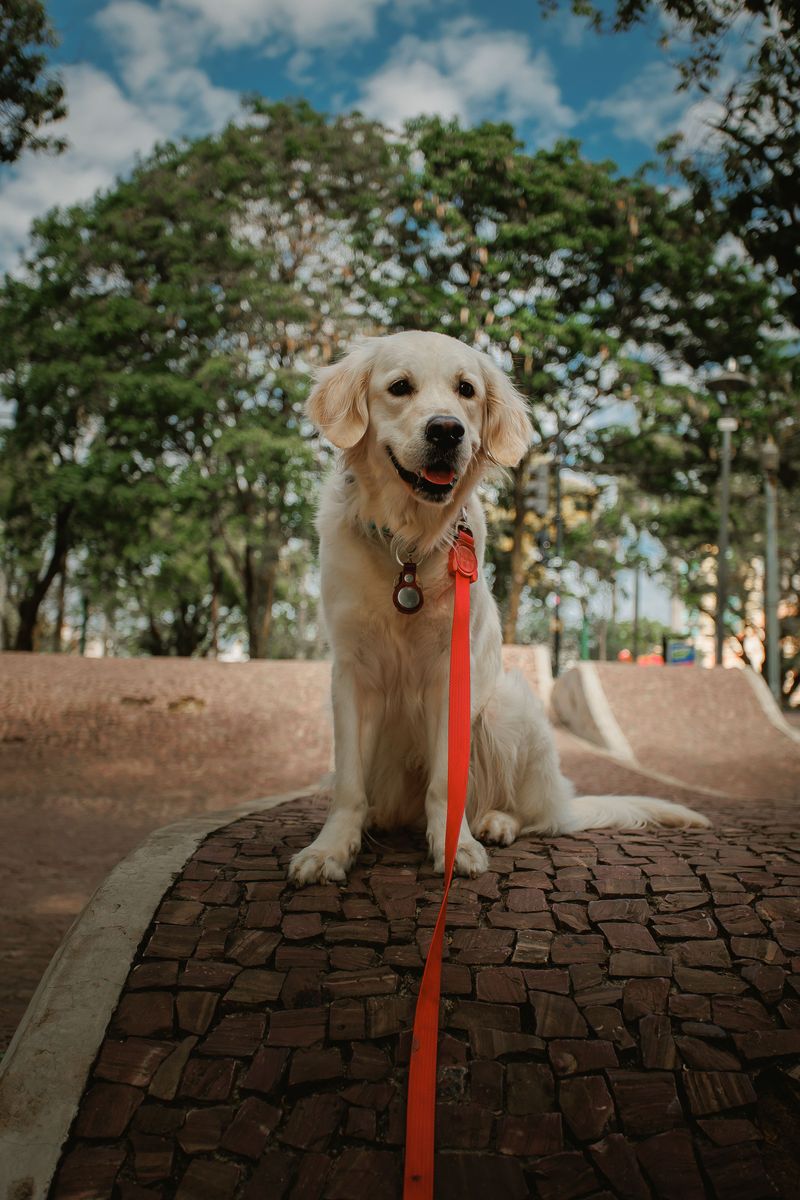
Sunshine seems trapped in their fur, and city folks notice. Goldens bring patient energy to elevators and sidewalks, then light up during off-leash fetch hours.
Their steady temperament makes them favorites for families in condos with shared spaces.
Keep them balanced with calm leash manners and short bursts of play. Grooming matters too, since urban dust collects fast.
Fun tidbit: Goldens were developed in Scotland for retrieving, which explains their love for carrying toys home.
French Bulldog
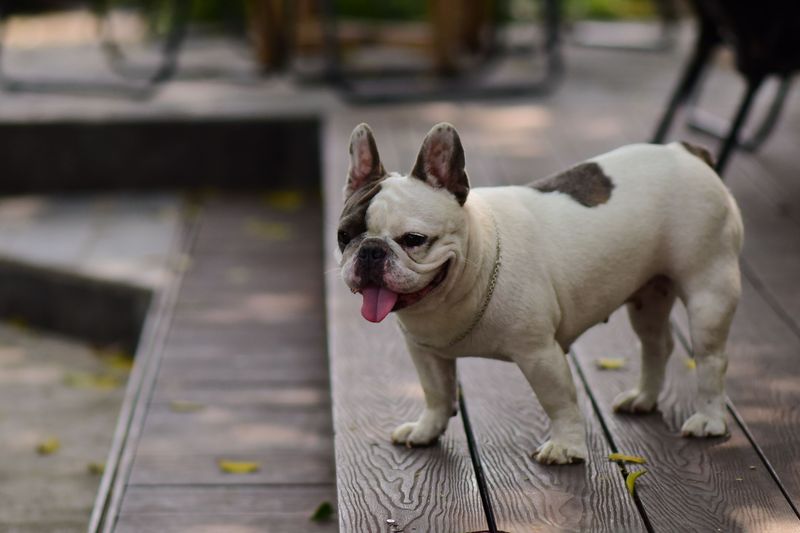
Short stairs, cozy laps, and short walks suit the Frenchie life. Apartment dwellers praise their quiet charm and clownish faces.
They do not need marathon runs, just consistent strolls and gentle playtime. Many buildings welcome them because they are compact and social.
Watch for heat and heavy exercise, since short snouts can overheat quickly. Choose shady routes and carry water.
A soft bed by a window turns a tiny studio into their kingdom.
German Shepherd
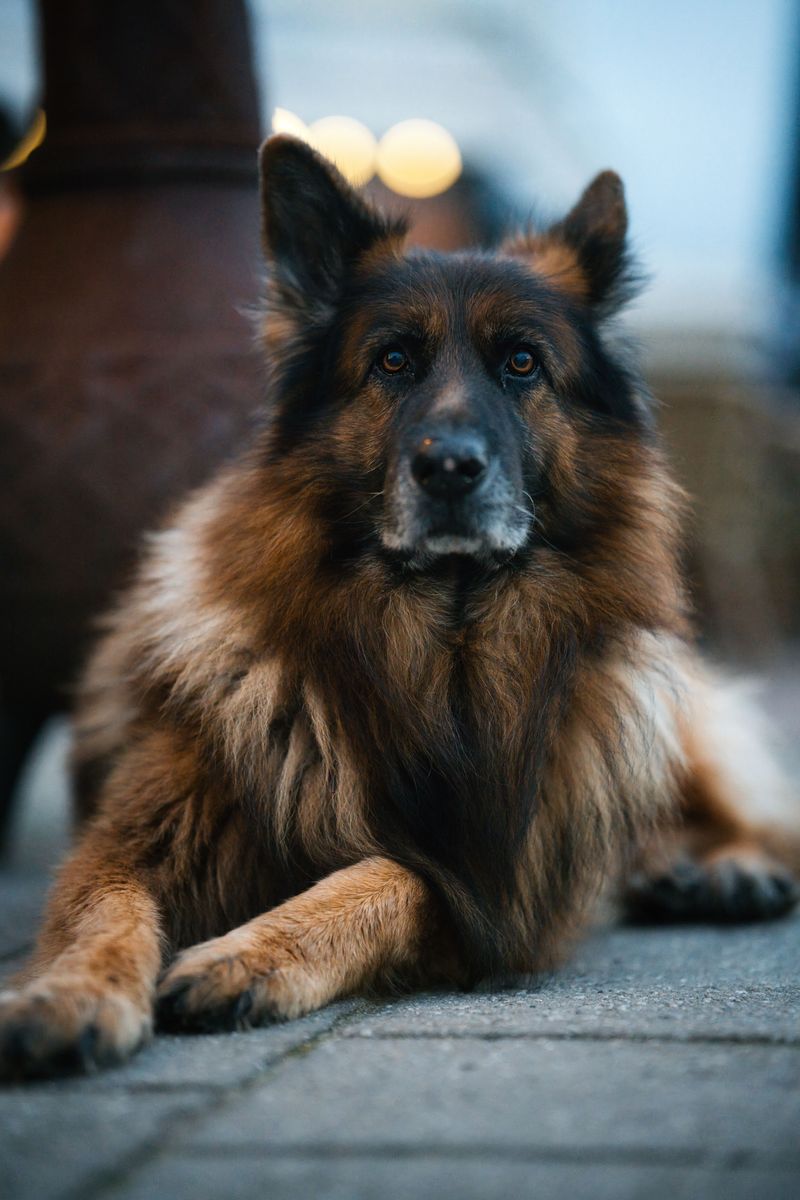
Orderly minds in busy places can shine. German Shepherds bring sharp focus to city life when training stays consistent.
Many owners enjoy structured routines like heel walks to coffee shops and obedience drills by the fountain. They thrive when given jobs and clear cues.
Plan mental workouts, such as scent tracking along hedges or platform games on benches. A well-exercised Shepherd relaxes at home.
Historical note: they rose in popularity through police and service work.
Dachshund
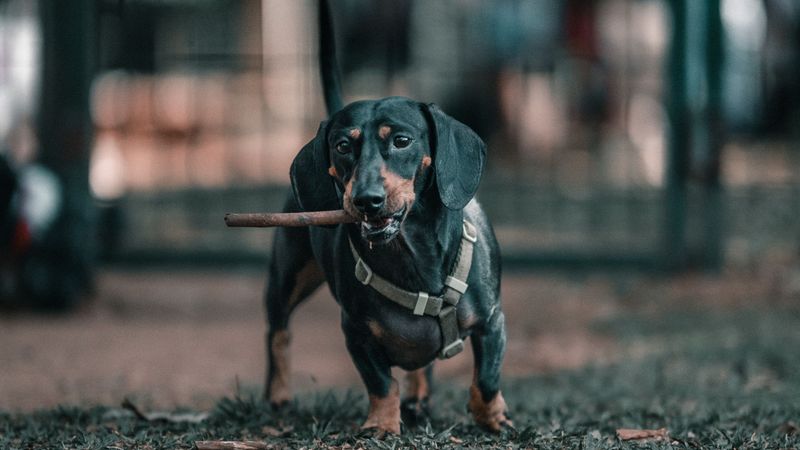
Small body, giant attitude. Dachshunds carry detective noses that love slow, curious walks along storefronts.
City owners enjoy how easily they fit into apartments and rideshares. Stairs can be tricky, so ramps or lifts protect long backs.
Short, frequent outings help them burn off energy without overdoing it. Nose-work games using hidden treats in park grass are a hit.
Fun fact: they were bred to hunt badgers, which explains their brave, tunnel-loving spirit.
Poodle
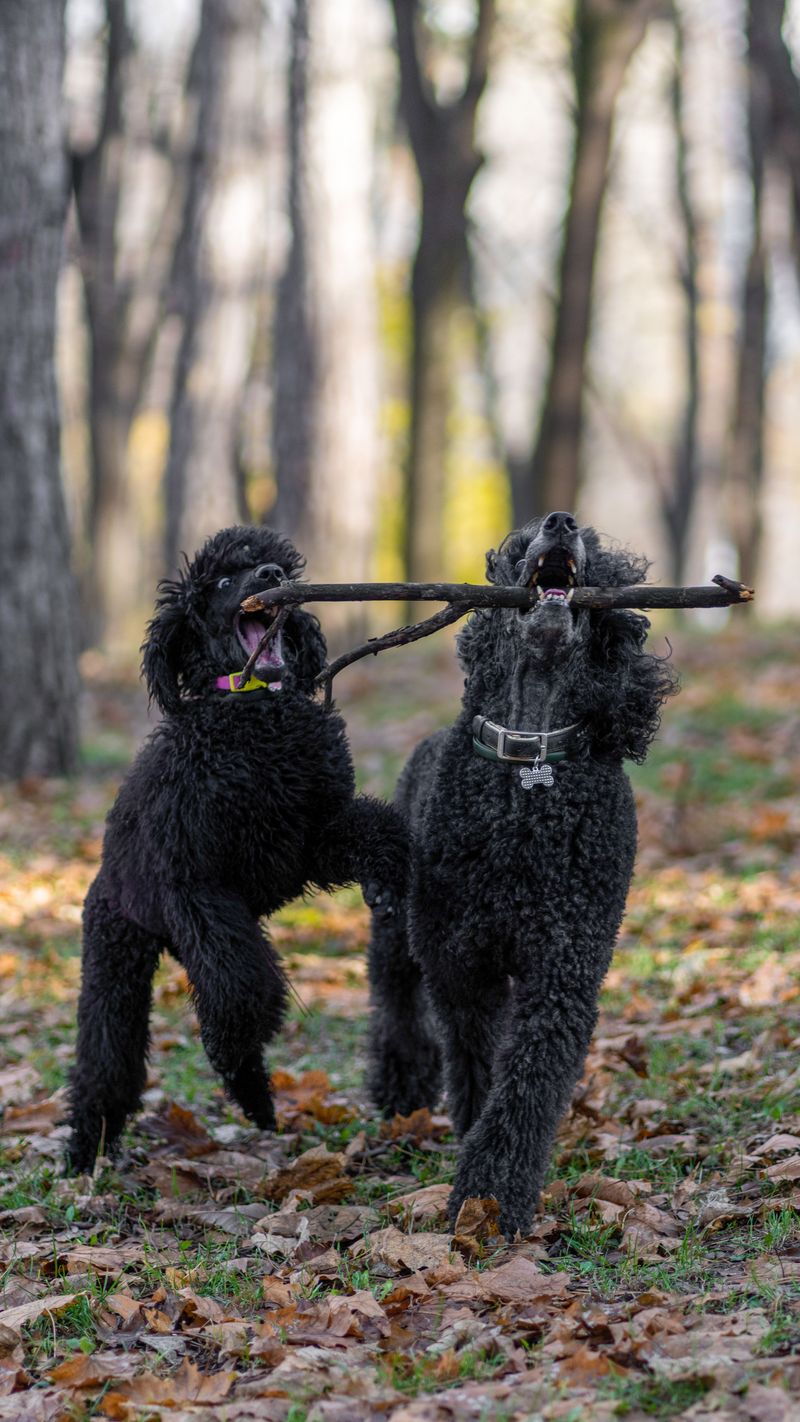
Brains meet bounce with Poodles, and city routines benefit from both. From Toy to Standard size, they adapt well to elevators and structured days.
Hypoallergenic coats help in shared spaces, though regular grooming is key.
Rotate brain games: shape discrimination, platform targeting, or short agility sessions using benches. A quick sprint followed by calm mat training keeps energy balanced.
History nugget: Poodles began as water retrievers in Europe, which explains their athletic grace in any setting.
Australian Shepherd
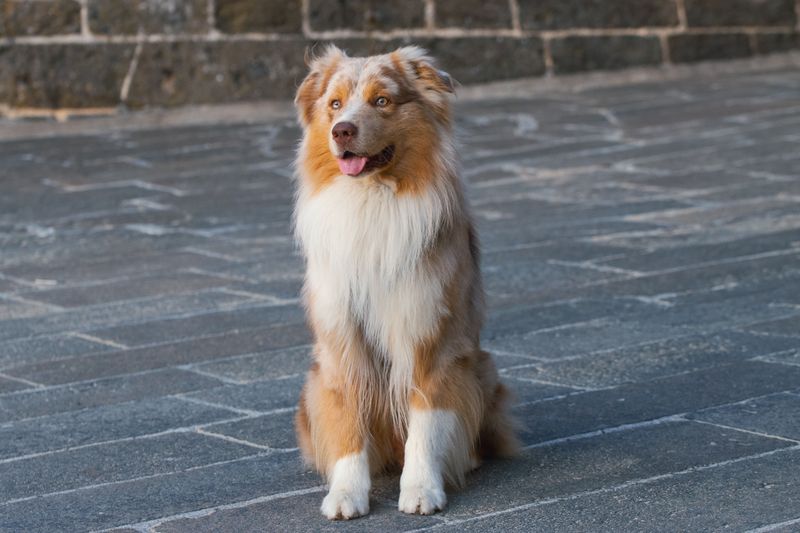
Spin, sprint, think, repeat. Aussies are city rockets who crave puzzles and motion.
Owners who bike, run, or hike on weekends often choose them. With smart handling, even a loft can work if daily training fills their busy brains.
Try city-friendly herding outlets like frisbee, urban agility, and trick chains. Teach a solid off switch with mat work.
Many have striking merle coats, drawing attention at the park and extra smiles from neighbors.
Siberian Husky
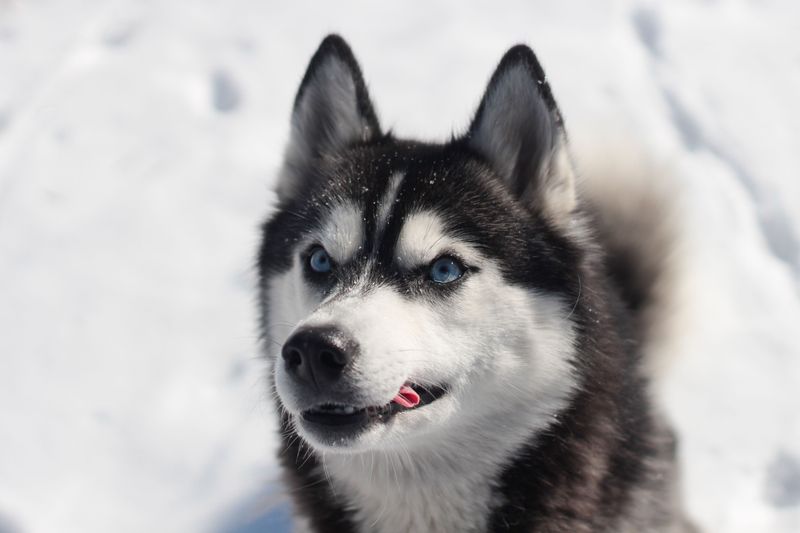
If your park echoes with playful howls, a Husky might be leading the chorus. City owners who love morning miles appreciate their stamina.
They need secure leashes and plenty of exercise to channel that wanderlust.
Cold days are prime time. In warmer months, take earlier walks and bring water.
Mental exercise matters too, like canicross practice or pulling a light scooter in approved areas. Origin note: bred in Siberia for sledding across long distances.
Pembroke Welsh Corgi
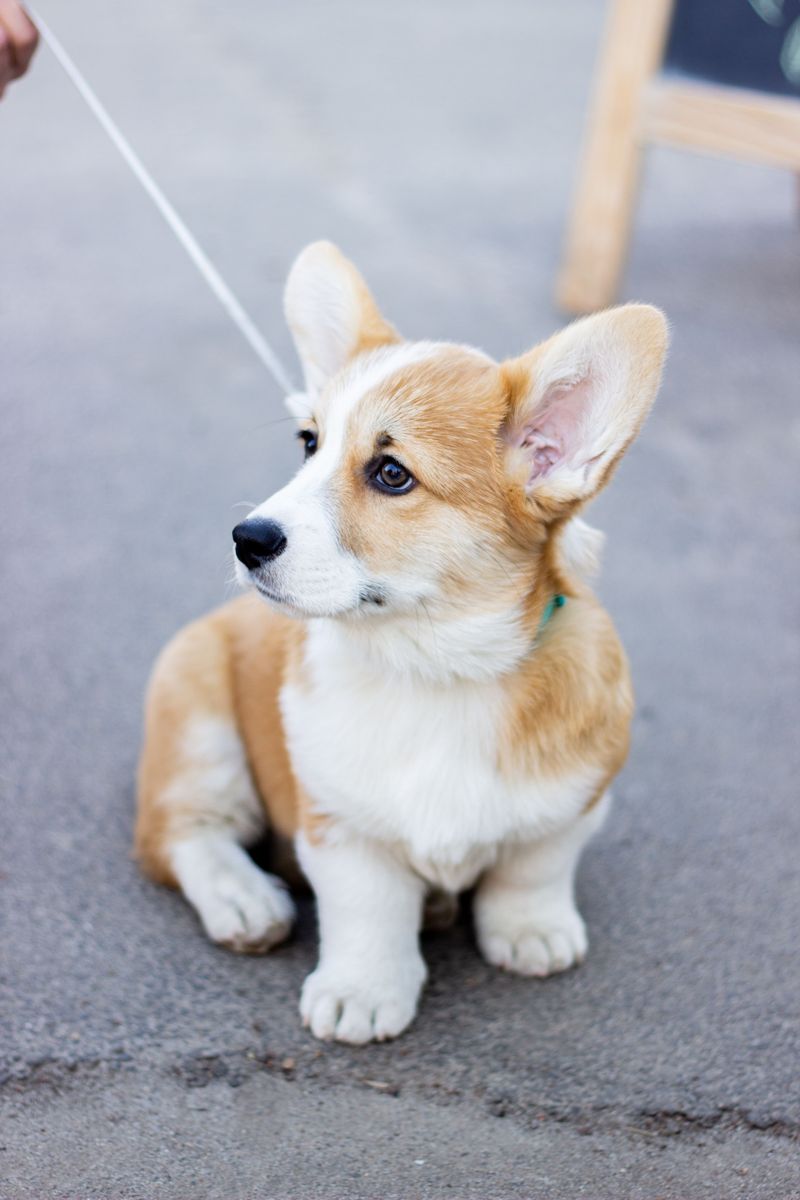
Short legs, tall charisma. Corgis win city hearts with bold personalities and expressive ears.
They handle elevators just fine and enjoy structured play breaks between naps. Watch the snack jar, as urban treat culture can add pounds fast.
Daily walks paired with short training bursts keep them sharp. Step-back recalls and pivot turns are Corgi favorites.
Fun history: they worked as cattle herders in Wales, which explains their quick feet and keen herding instincts.
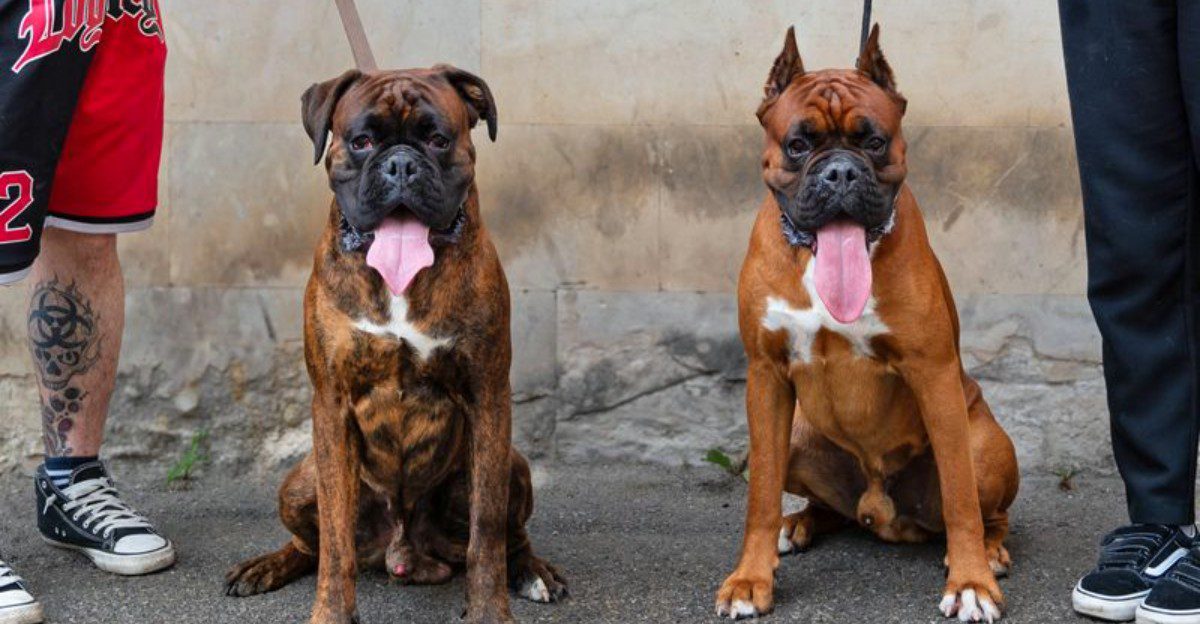
Boxer
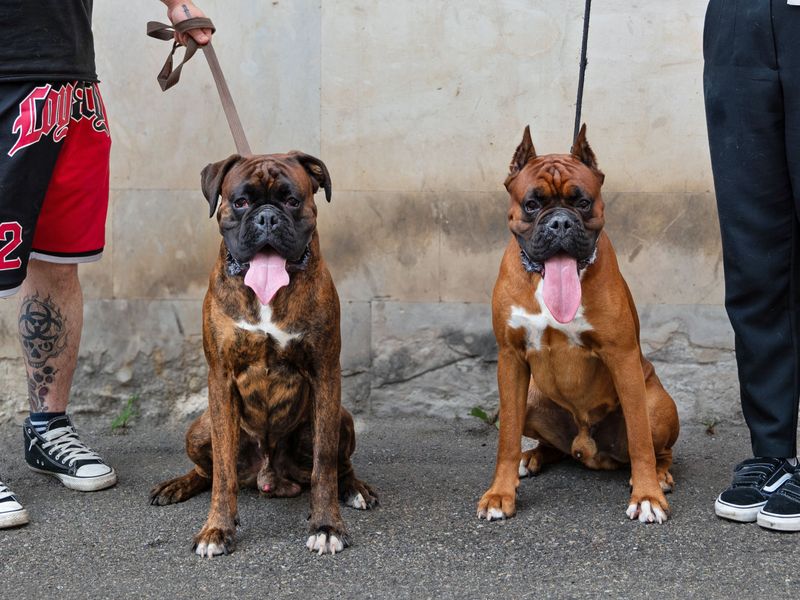
Play first, nap later. Boxers bring joyful goofiness to urban greens, greeting friends like a neighborhood mayor.
Their athletic build loves structured games that tire muscles and mind. Many city owners say the silliness brightens stressful days.
Plan intervals: fetch, obedience, then calm sniffing walks. Consistent socialization helps them shine around strangers and scooters.
A quick grooming routine fits busy schedules. With clear boundaries, Boxers settle nicely in apartments after active park time.
Beagle
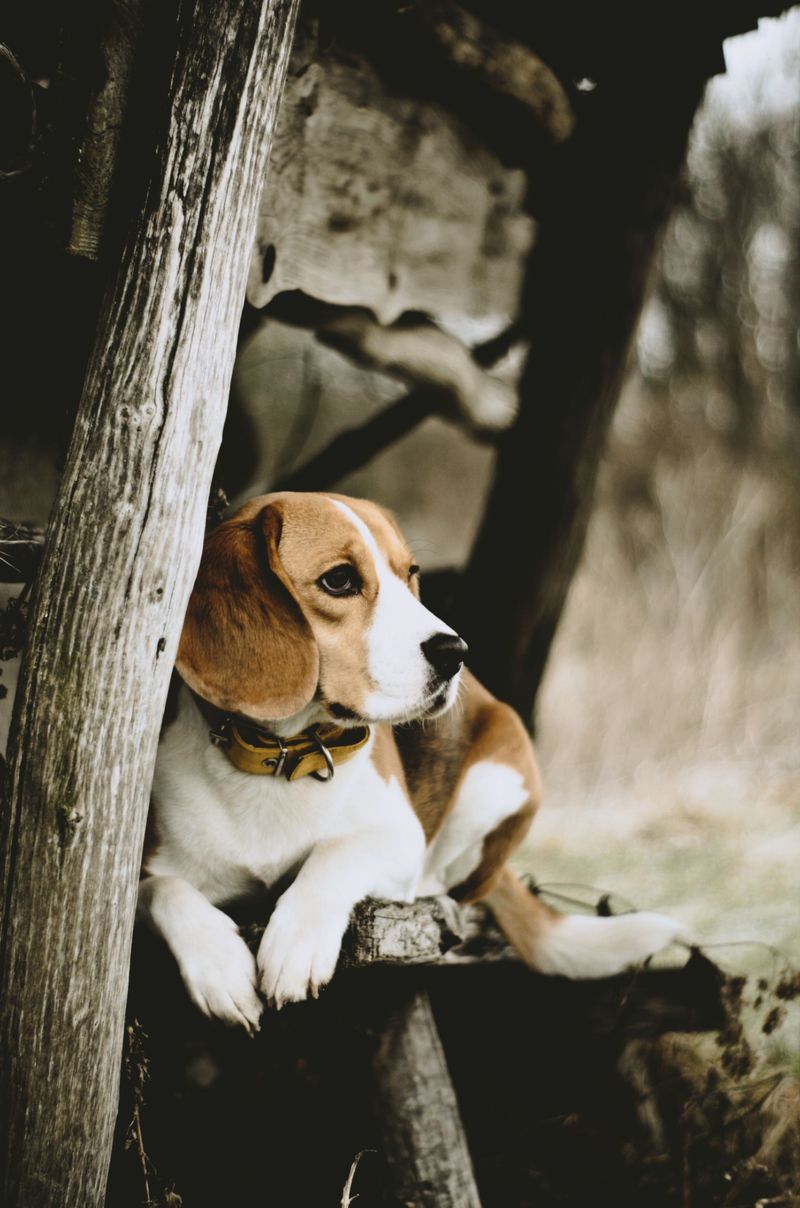
Nose to the ground, story in the air. Beagles make urban life an adventure with every scent trail.
They are compact, friendly, and love group play. Apartment folks appreciate their size, but plan for voice training since they can be vocal.
Use long-line sniff walks to satisfy instincts. Scatter-feed kibble in safe grass patches for enrichment.
Trivia: Beagles were bred for tracking rabbits, which explains their detective-level interest in every breeze and planter box.
Miniature Schnauzer
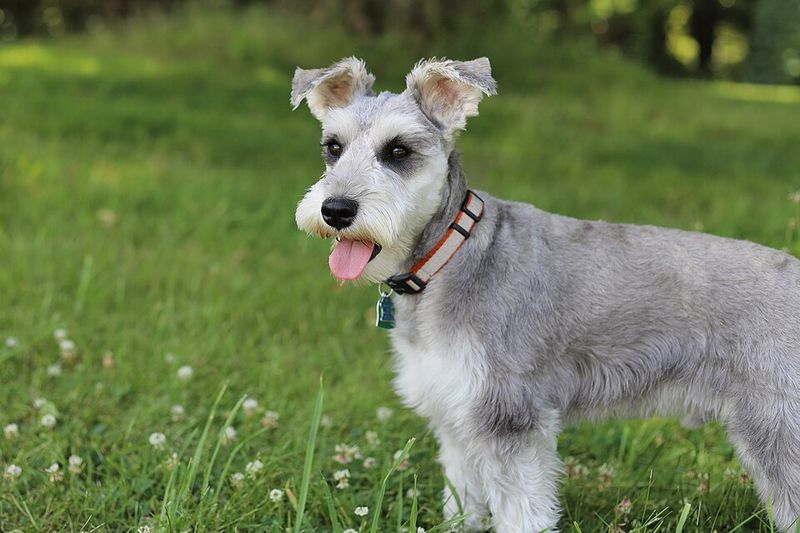
Sharp eyes, sharper wit. Mini Schnauzers thrive on routine and conversation-level barks that announce deliveries.
City owners like their manageable size, sturdy build, and low-shedding coat. Grooming days keep them photo-ready for sidewalk cafes.
Challenge their minds with trick chains, neighborhood treasure hunts, and polite greeting practice. A steady trot around the block followed by quiet crate time balances energy.
Origin fact: developed in Germany as farm ratters, which fuels their alert, businesslike stride.