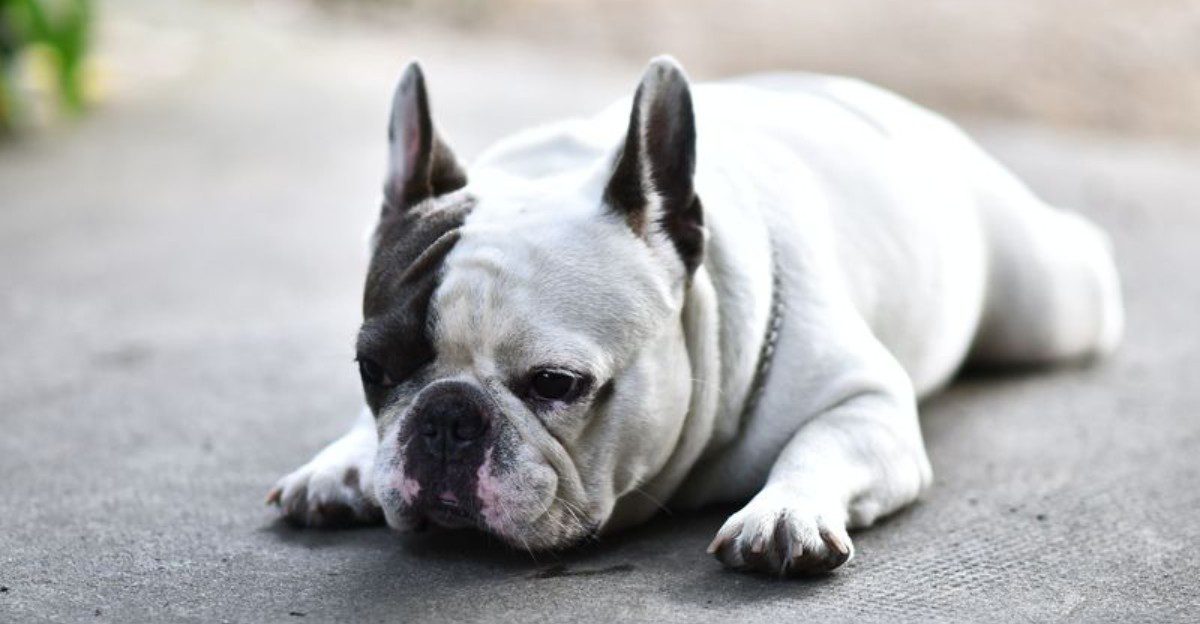
Summer can feel fun for us, but some dogs struggle more than we think. Breeds with short noses or thick coats can overheat quickly, even on days that seem mild.
Knowing how your dog’s body is built helps you plan safer walks, cooler rest spots, and better hydration. Small changes can protect your best friend when the temperature climbs.
English Bulldog
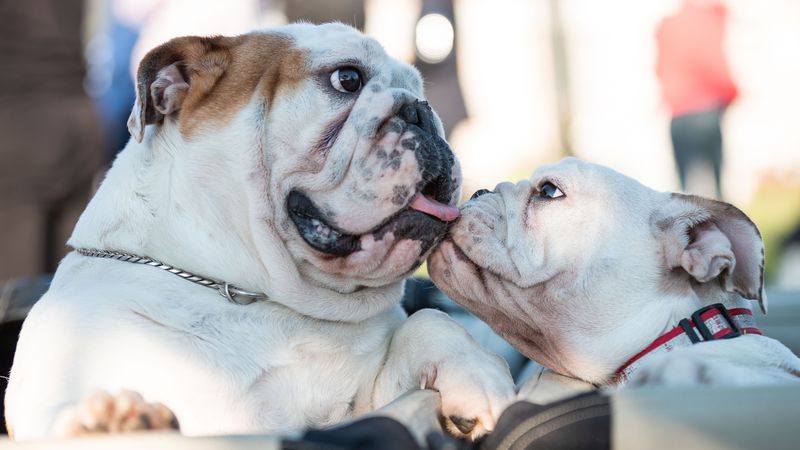
Built like a tank, the English Bulldog carries extra heat in its thick body and short muzzle. Even a slow stroll at noon can be too much.
Keep outings short, choose grassy routes, and pack water with ice cubes.
Crate a cool zone at home with a fan, shade, and non-slip mats over tile. Watch for wobbliness, heavy panting, and pale gums.
A cool bath on paws and belly can drop temperature quickly without scaring the dog.
Pug
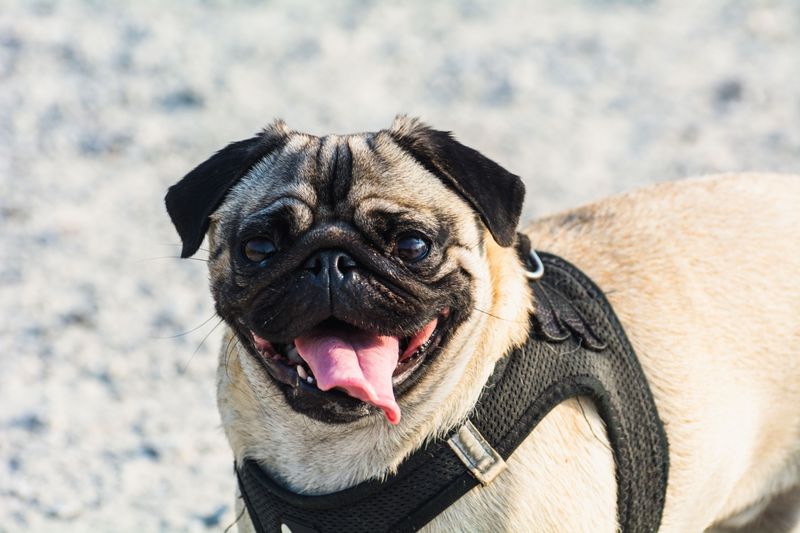
Big personality, tiny airway. Pugs can overheat in a parked car within minutes, even with windows cracked.
Plan potty breaks at dawn or dusk, and bring a collapsible bowl on every trip.
At home, choose breathable harnesses over tight collars. Keep treats cool, like frozen banana slices or vet-approved pupsicles.
If the tongue turns bright red or the dog gets glassy-eyed, move to shade, offer small sips of water, and call your vet promptly.
Boxer
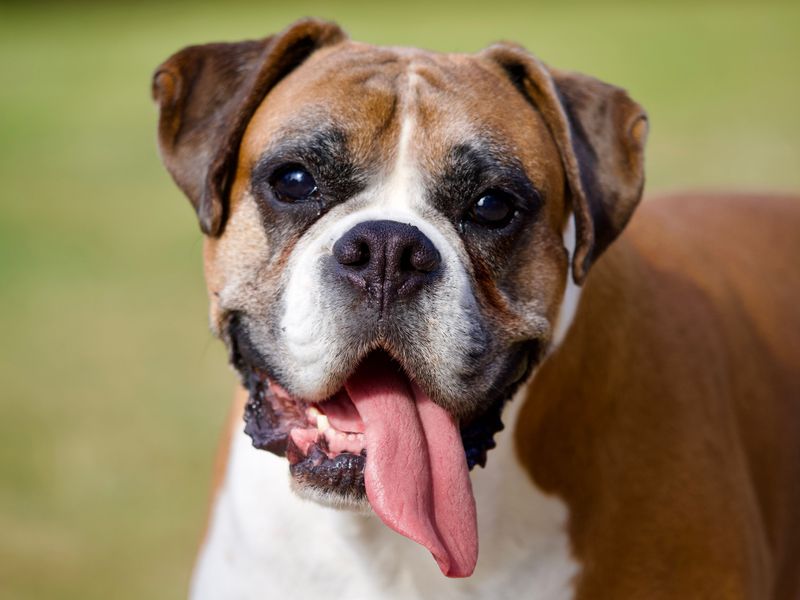
All go, little quit. Boxers love to push hard, but they also have shorter snouts and can ignore early heat stress.
Train a slow pace in summer and build in drink breaks every 10 minutes.
Switch to early morning workouts, choose shady trails, and use a breathable harness. Watch for slowing steps or a sloppy gait.
A cool-down routine helps: stop in shade, wet the chest and groin with cool water, then rest until breathing steadies.
Chow Chow
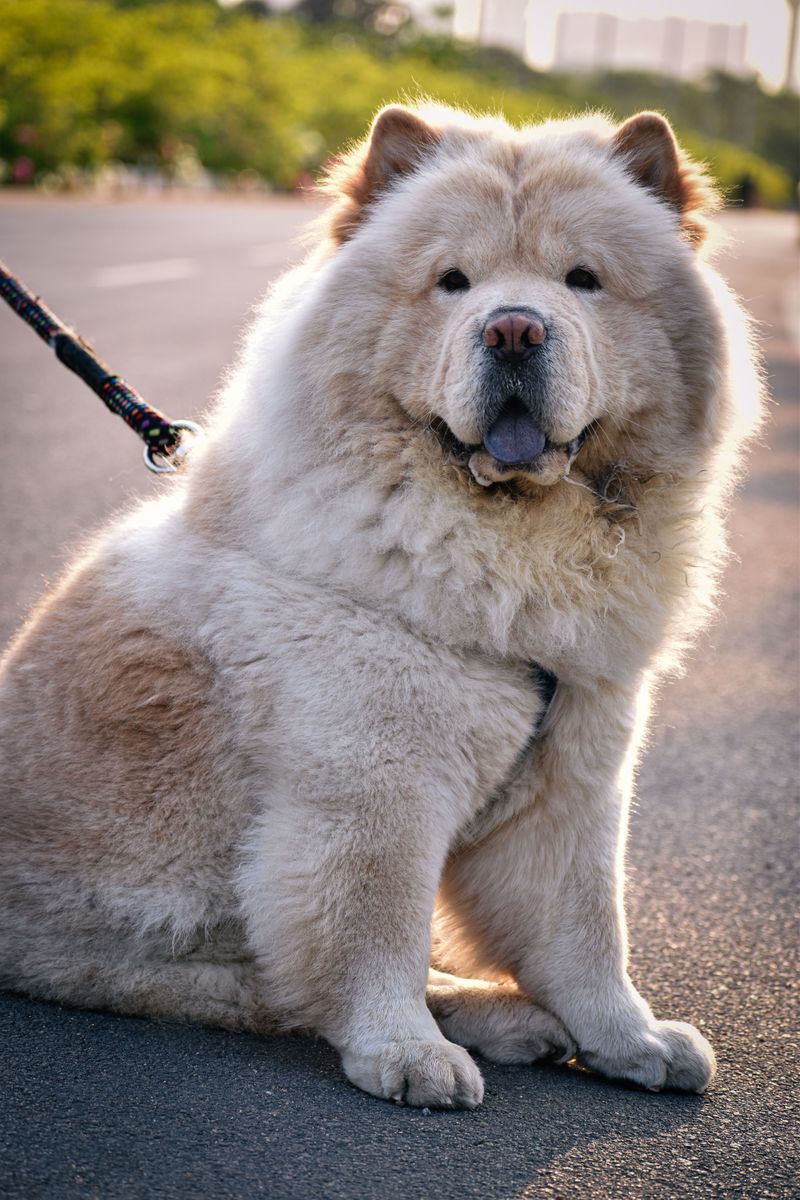
Lion-like fur looks majestic, but that dense double coat traps heat. Chows can feel hot even when you do not.
Regular brushing removes undercoat fluff that blocks airflow. Shade, cool floors, and steady water access are musts.
Choose slow, shady walks and avoid dark asphalt that burns paws. A cool mat and a misting bottle help a lot.
Fun fact: many Chows have blue-black tongues, which is normal and not a heat warning sign.
Bernese Mountain Dog
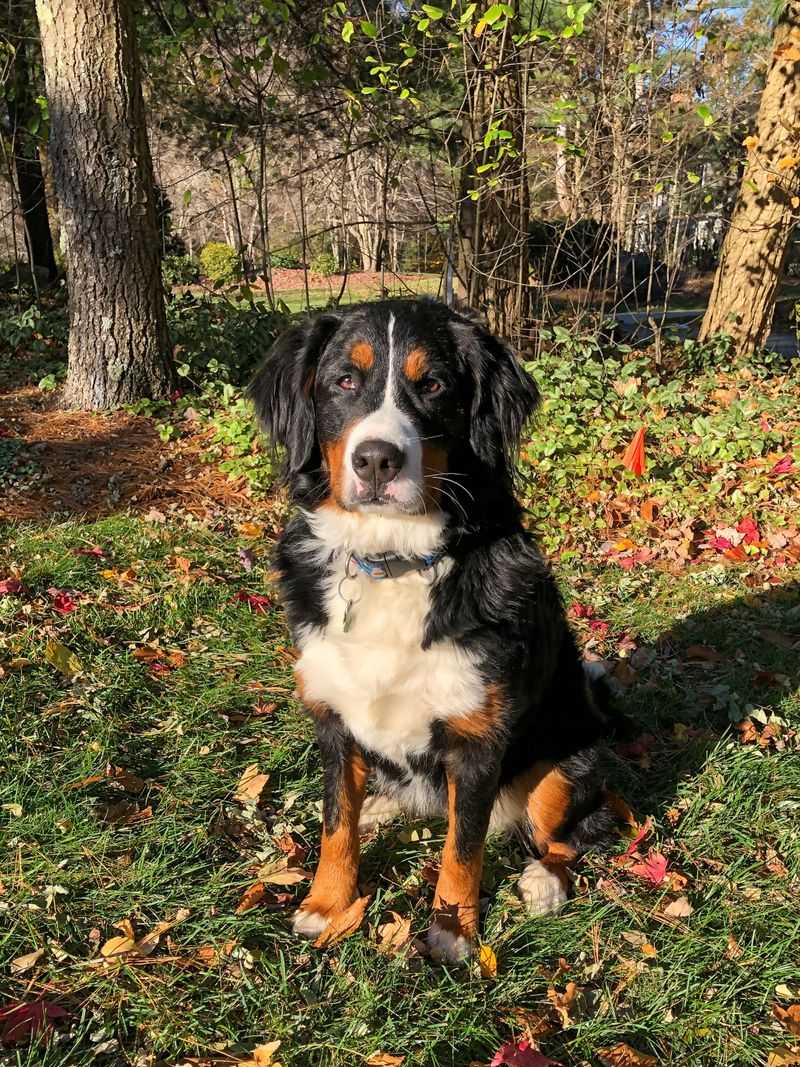
Bred for cool Alpine air, the Bernese wears a heavy coat that turns summer days into a challenge. Midday adventures are better saved for fall.
Keep walks short, pick forested paths, and rest often.
Hydration matters, so refresh bowls with cool water multiple times daily. Groom out loose undercoat, but avoid shaving, which can hurt skin and reduce sun protection.
If panting becomes harsh or the dog seems disoriented, move inside quickly and contact your veterinarian.
Newfoundland
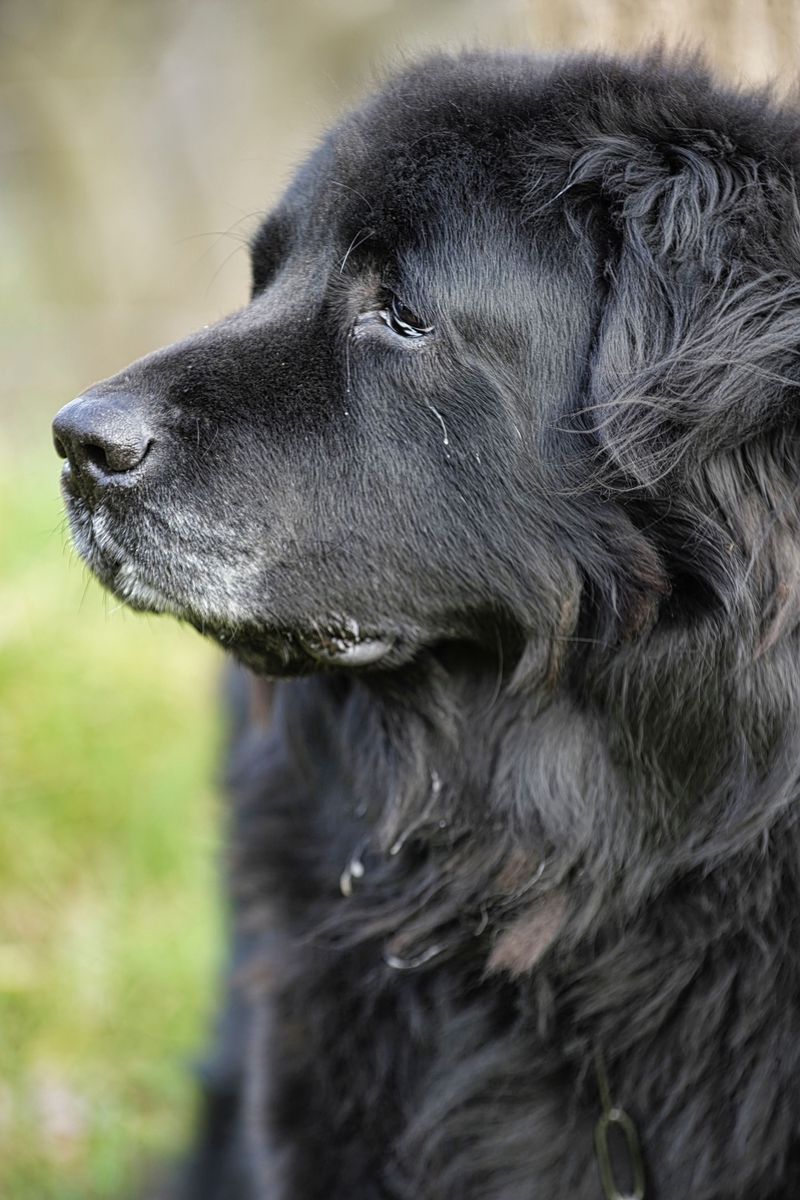
With a heart as big as its paws, the Newfoundland prefers cool water to blazing sun. Swimming can help beat heat, but choose shaded shores and keep sessions short.
A life vest and a long line keep safety first.
Rinse and dry the coat to prevent hot spots. Indoors, provide fans and a cool mat.
Watch for drooling and heavy panting after mild effort. Short, frequent breaks protect this gentle giant from overheating.
French Bulldog
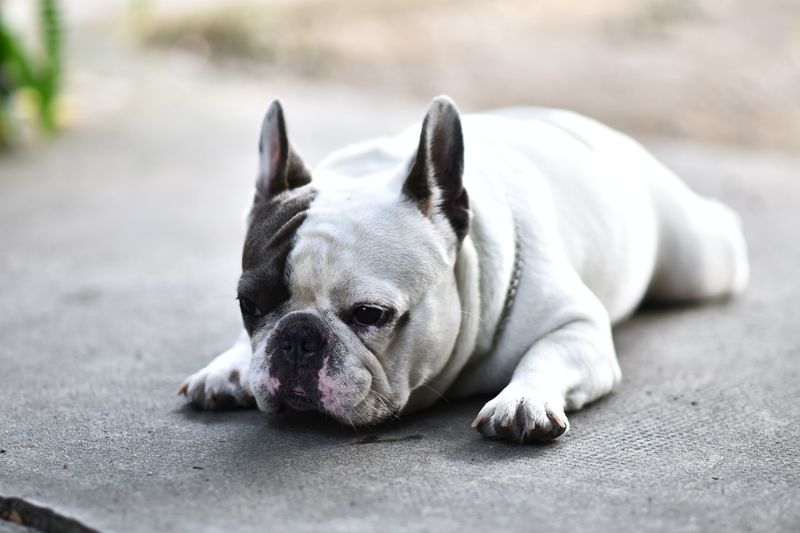
With a cute snore and tiny nose, the Frenchie overheats fast. Their short airway struggles to cool air, so even short play can be risky in warm weather.
Walk early or late, keep shade nearby, and bring cool water.
Skip heavy exercise and watch for labored breathing or a bright red tongue. A cooling vest, wet towels, and indoor breaks help.
Did you know? Many Frenchies do better with a fan and a tile floor during hot afternoons.
Saint Bernard
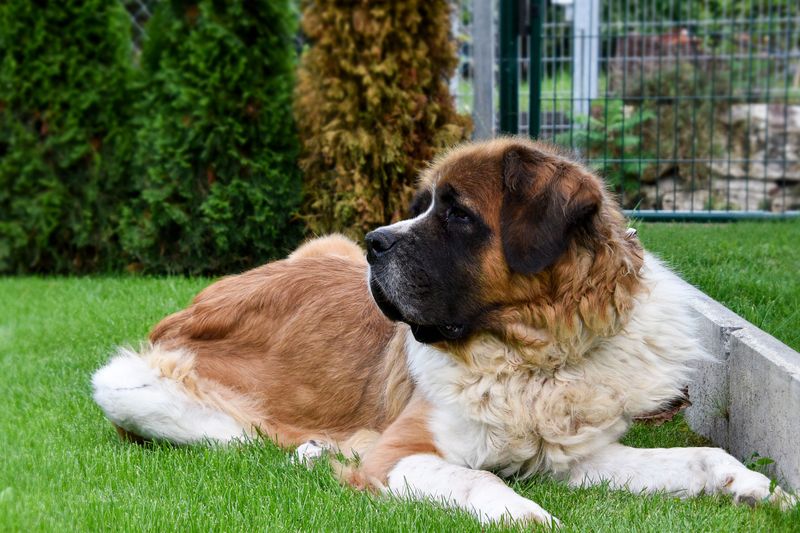
Famous for snowy rescues, the Saint Bernard often wilts in warm climates. Heavy mass and thick fur make heat linger.
Create a cool retreat with a raised cot, shade, and good airflow. Offer small, frequent drinks instead of one big gulp.
Schedule grooming to manage shedding, but do not shave. Watch for confusion, drooling, or collapse, which are emergency signs.
Early walks, grassy routes, and calm playtime keep this friendly dog comfortable.
Siberian Husky
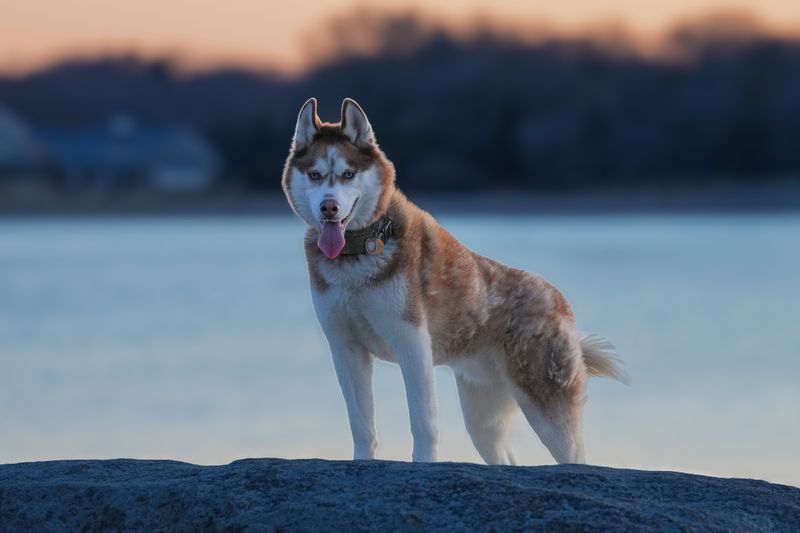
Born for snow runs, the Husky can handle activity but not hot sun. Their efficient coat insulates well, yet high heat still overwhelms.
Run at dawn, choose wooded paths, and avoid humid afternoons.
Brush the undercoat regularly to improve airflow. Provide a kiddie pool or cool tiles for lounging.
Avoid shaving, which can damage coat function. If the dog lies down suddenly or pants with wide eyes, stop, cool with water on paws and belly, and rest.
Alaskan Malamute
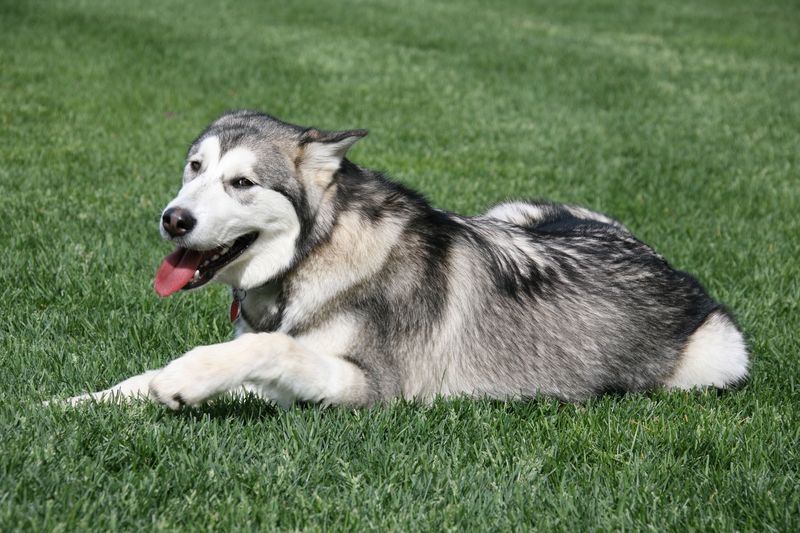
Powerful and proud, the Malamute carries a thick double coat that turns sunshine into a sauna. Activity should be thoughtful and short in summer.
Portable shade, a canopy at the park, and frequent cooling breaks help a lot.
Use a grooming rake to remove shed undercoat without stripping protection. Offer chilled water and rest on grass rather than hot pavement.
For travel, plan AC stops and never leave the dog in a car. Heatstroke can happen quickly.