
Some dogs act like quiet guards around new people, but turn into goofy lovebugs at home. That mix can feel confusing at first, yet it often comes from strong loyalty and steady instincts.
Understanding how these breeds think helps families build trust and create safe boundaries. Here are loyal protectors that warm up into the sweetest housemates once they know you are their people.
Rottweiler
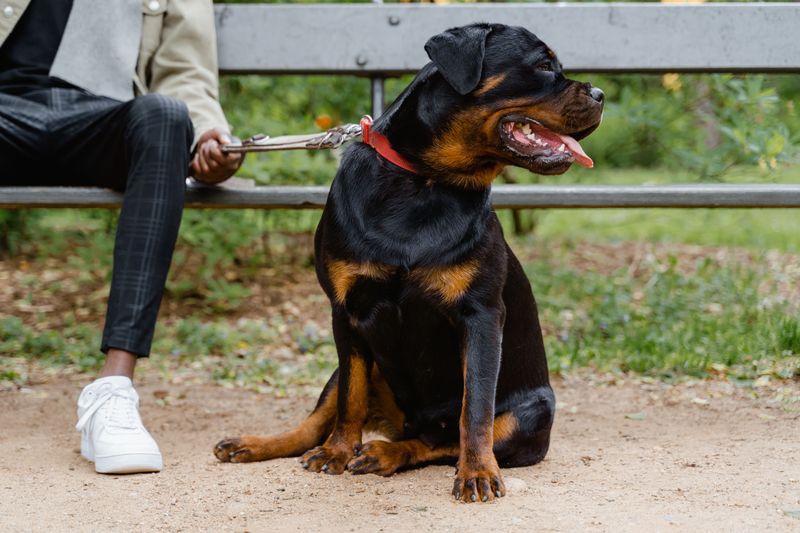
Neighbors may get a serious stare, but at home a Rottweiler often melts into a warm shadow at your feet. Training built on calm rules and fair rewards helps this powerhouse relax and trust your lead.
Clear routines ease worry.
Give daily jobs, like carrying a backpack on walks or practicing stays during dinner. Mental work burns as much energy as fetch.
With steady social time, they learn who is part of the circle and who is not.
German Shepherd
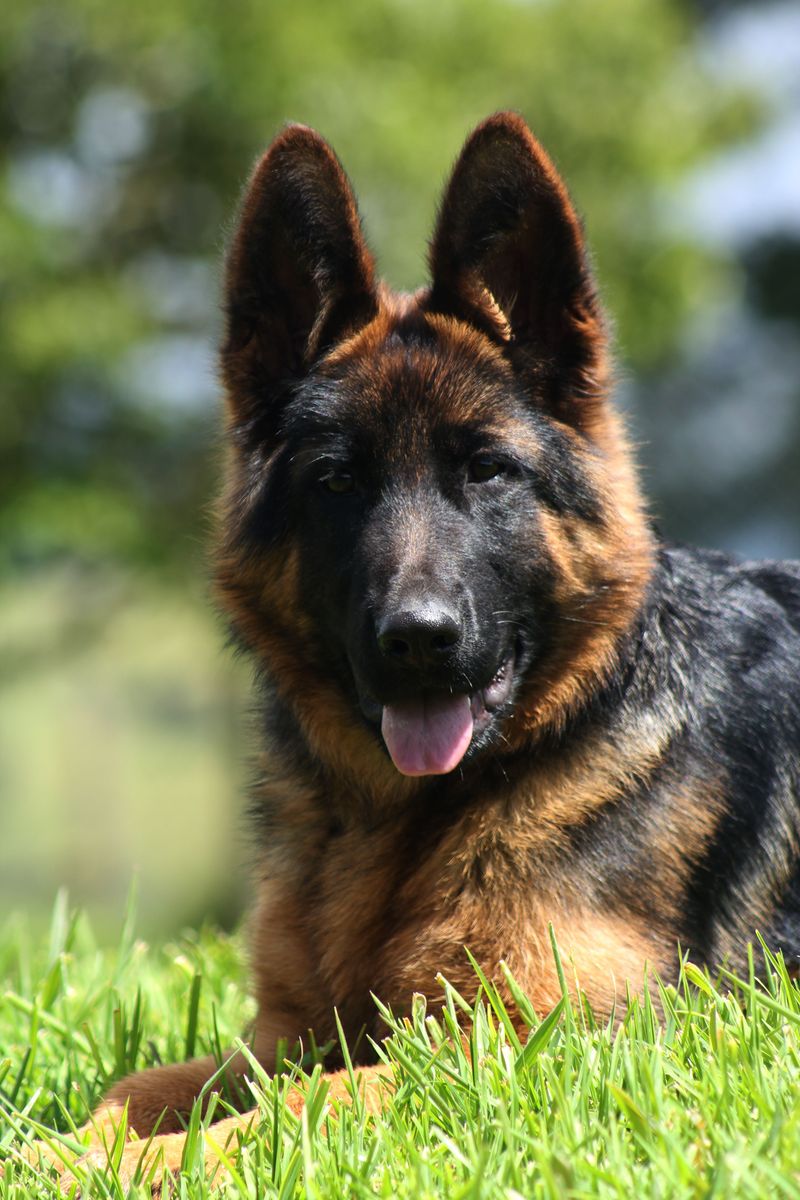
First impressions suggest a serious worker, yet a German Shepherd can be the family comedian after hours. Smart and quick to learn, they read body language like a book.
Consistent cues and fun games prevent anxious guessing.
Rotate training: one day tracking games with treats in the yard, the next day obedience with short, upbeat sessions. Invite trusted friends to greet calmly at a distance.
Gradual exposure builds confidence without flooding their senses.
Doberman Pinscher
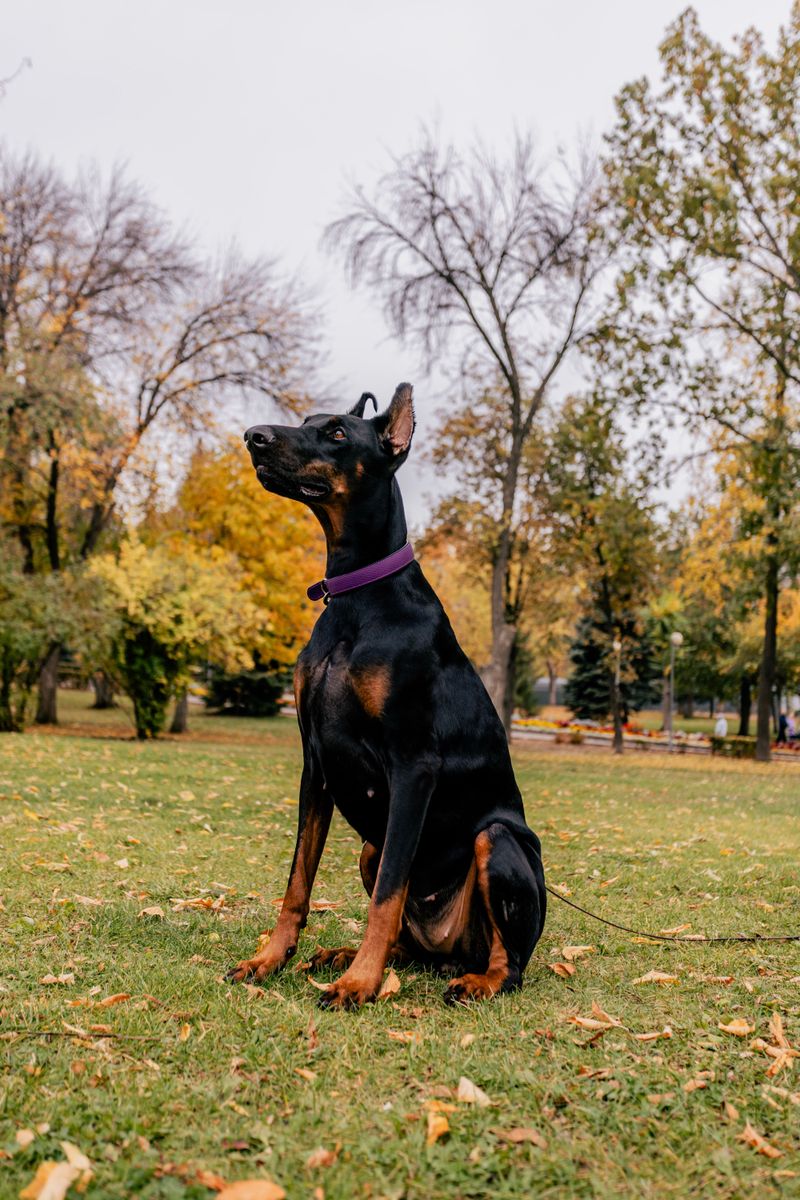
Like a polished athlete, the Doberman scans the scene, then curls up like a lap cat with family. Sensitive and tuned to emotions, they thrive on clear feedback and gentle hands.
Rough handling shuts them down.
Short daily sprints, nose work, and trick training keep their mind busy. Teach a reliable place command near the door to manage greetings.
When visitors arrive, structure brings calm, and your sleek guardian can relax.
Akita
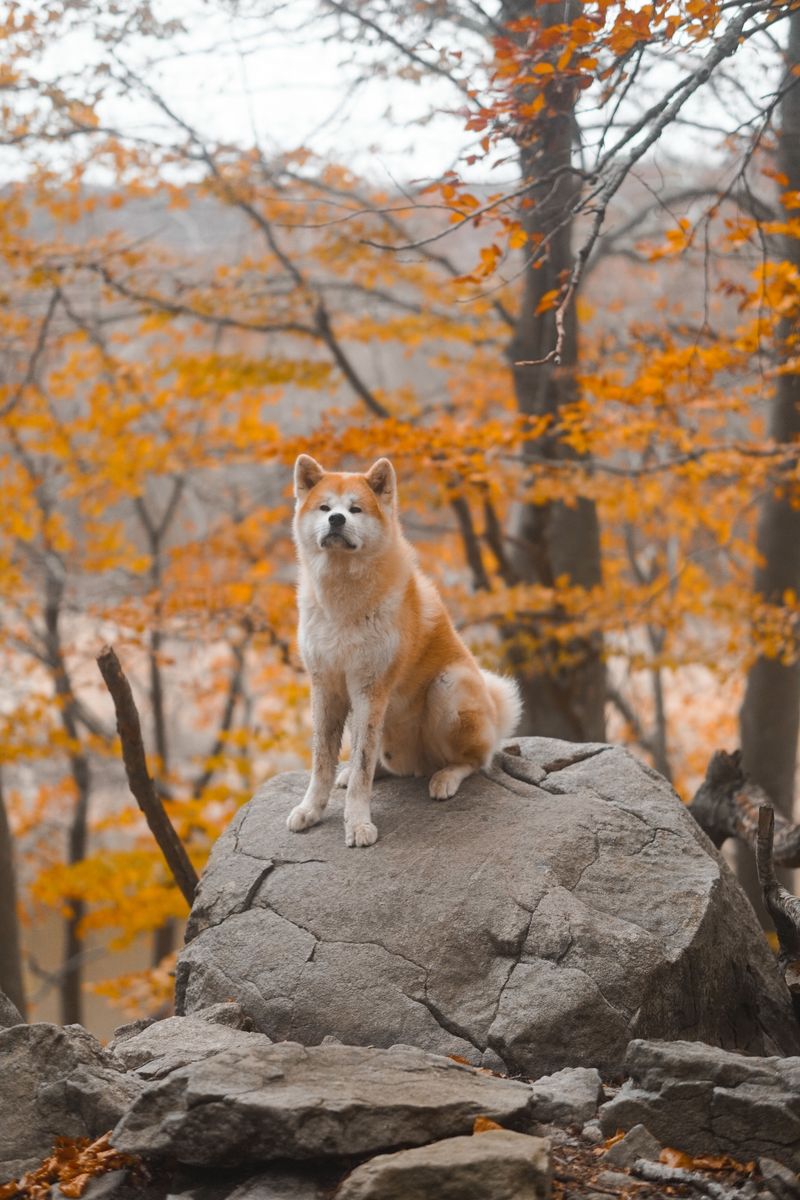
Silent like snow, the Akita watches first and decides later. With family, the serious face turns playful and gently goofy.
Respectful handling matters with this independent thinker. Pushing too hard can backfire.
Practice calm leash skills and polite door routines. Give puzzle feeders to build patience.
Keep introductions slow, one person at a time, letting the Akita choose closeness. Tradition traces to Japanese guardianship, and that steady loyalty still shines at home.
Cane Corso
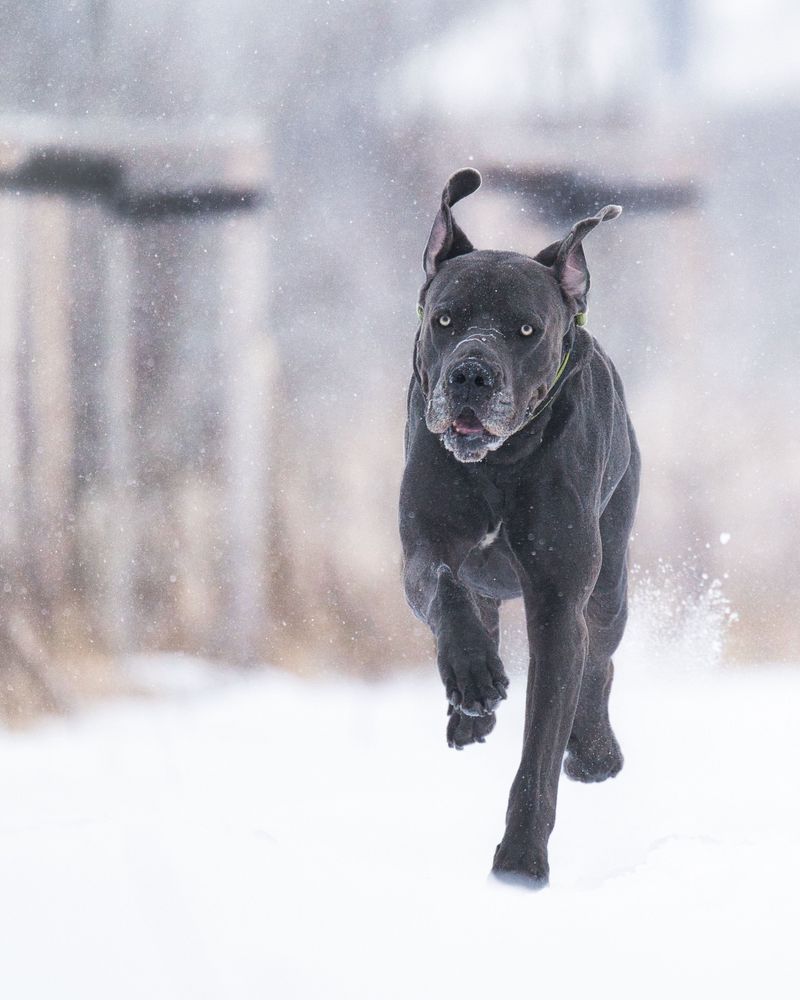
Neighbors might see a fortress of muscle, but family gets a gentle nudge for cuddles. The Cane Corso values calm leadership and predictable rules.
Clear boundaries free them to relax around loved ones.
Short obedience drills, steady leash walks, and supervised yard time prevent boredom. Teach a strong recall and a quiet command for front-yard peace.
Early, respectful social exposure forms the difference between alert guardian and anxious barker.
Chow Chow
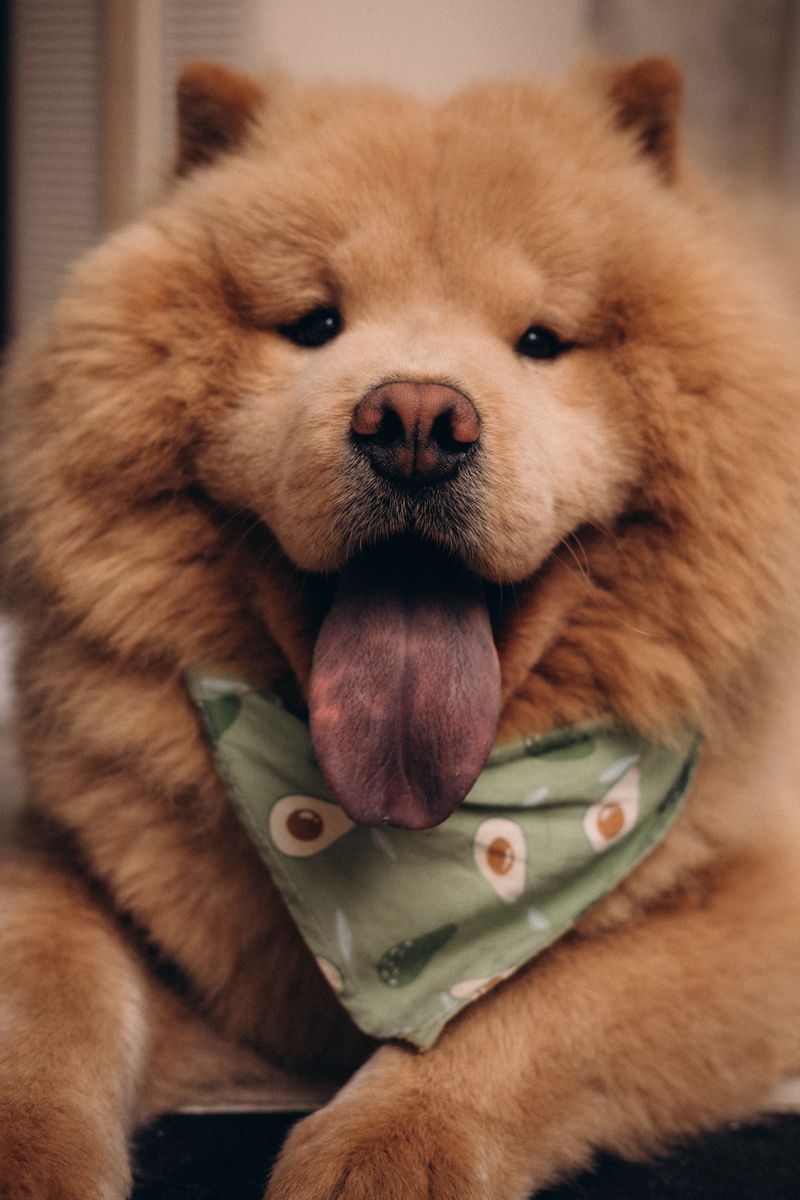
Fluffy like a teddy bear, yet as private as a cat, the Chow Chow keeps a polite distance from newcomers. With family, a calm lean or quiet tail wag feels like a grand speech.
Patience wins trust.
Brush gently, keep training brief, and reward eye contact. Teach a bed command by the window so they can observe safely.
Controlled hallway greetings in apartments help them practice calm confidence.
Great Pyrenees
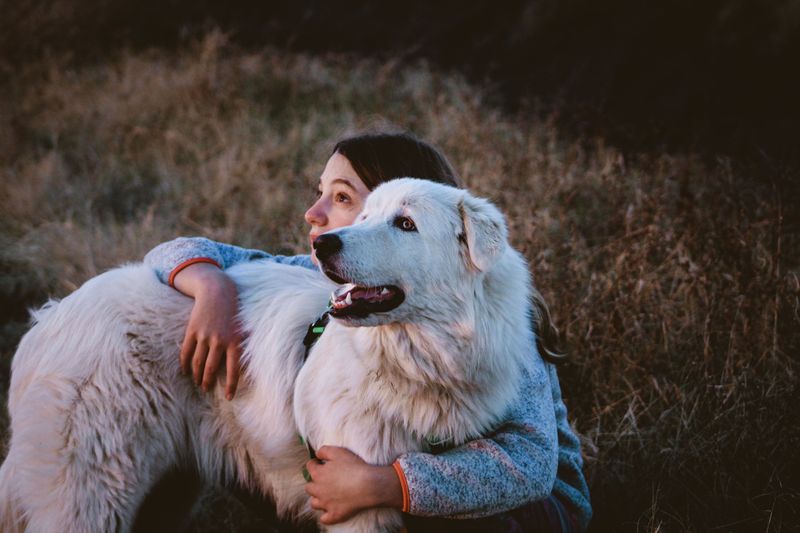
Out in the yard, the Great Pyrenees acts like a moonlit sentinel. Indoors, you might find a soft head resting on your knee.
Bred to think independently, they choose their moments.
Night walks and boundary training tap into their guardian roots. Keep greetings low-key and allow space.
A solid stay and watch-me cue reduce unnecessary alerts. With steady guidance, they become peaceful clouds that watch over everything you love.
Giant Schnauzer
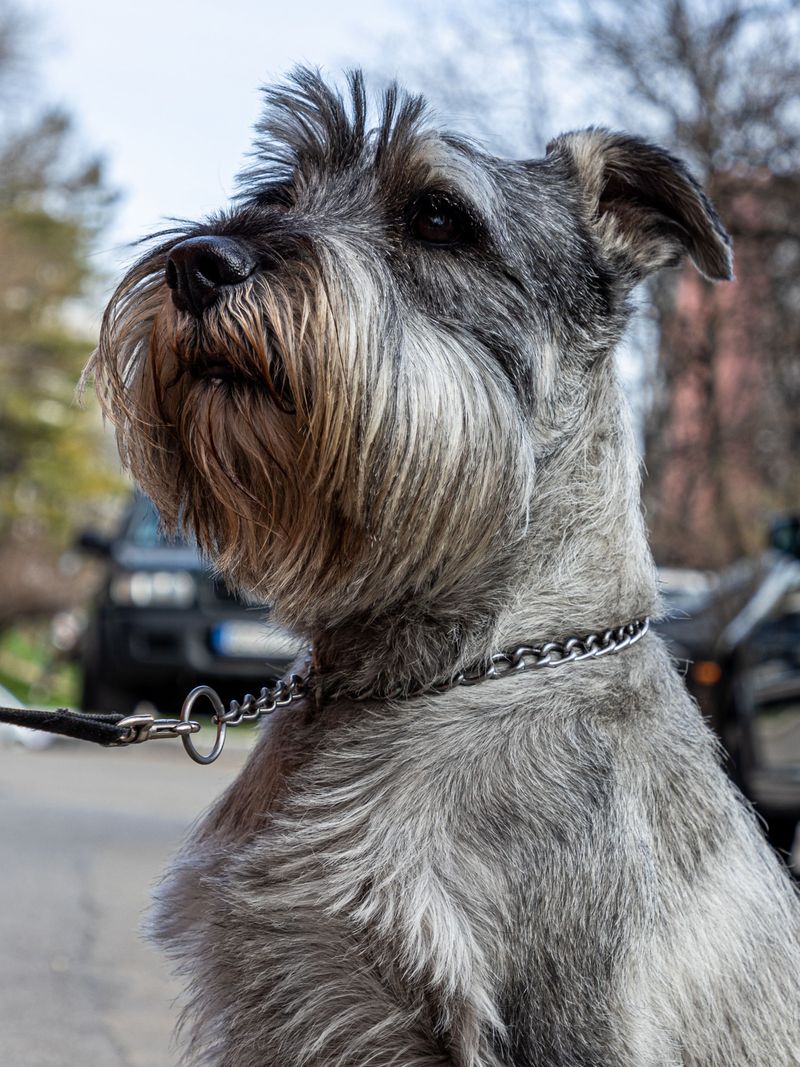
That confident trot says business, yet at home the Giant Schnauzer brings silly, bearded charm. Sharp minds need meaningful work, not just miles.
Without it, they invent trouble.
Rotate jobs: carry mail from the box, hold a down-stay during coffee time, then practice scent games. Meet strangers on neutral ground, starting with parallel walks.
A strong settle mat near the door turns chaos into order when guests arrive.
Rhodesian Ridgeback
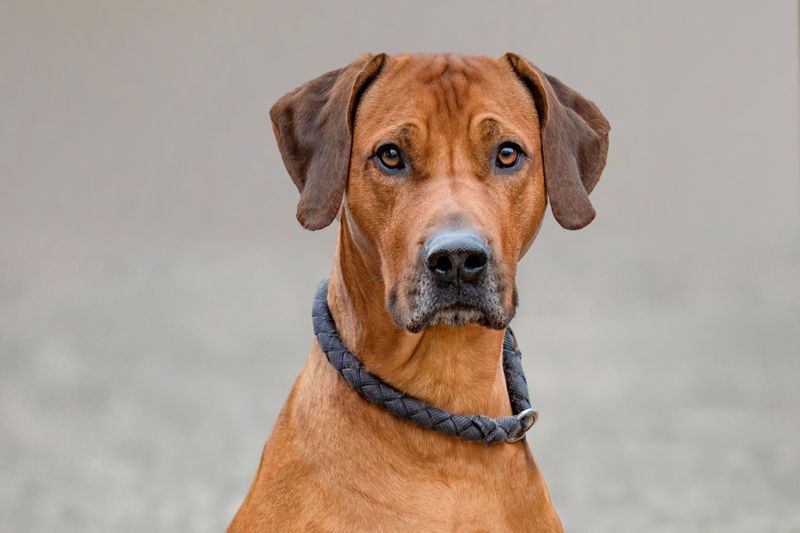
Born to track, the Ridgeback prefers to evaluate newcomers from a safe distance. With family, they sprawl like a warm blanket on the couch.
Gentle humor and patience go far with this thoughtful athlete.
Give purposeful exercise, not endless fetch. Try jogging, scent trails, and controlled meet-and-greets.
Teach a clean recall and leave-it to manage impulses. Clear expectations create a calm guardian who can switch off indoors.
Shar-Pei
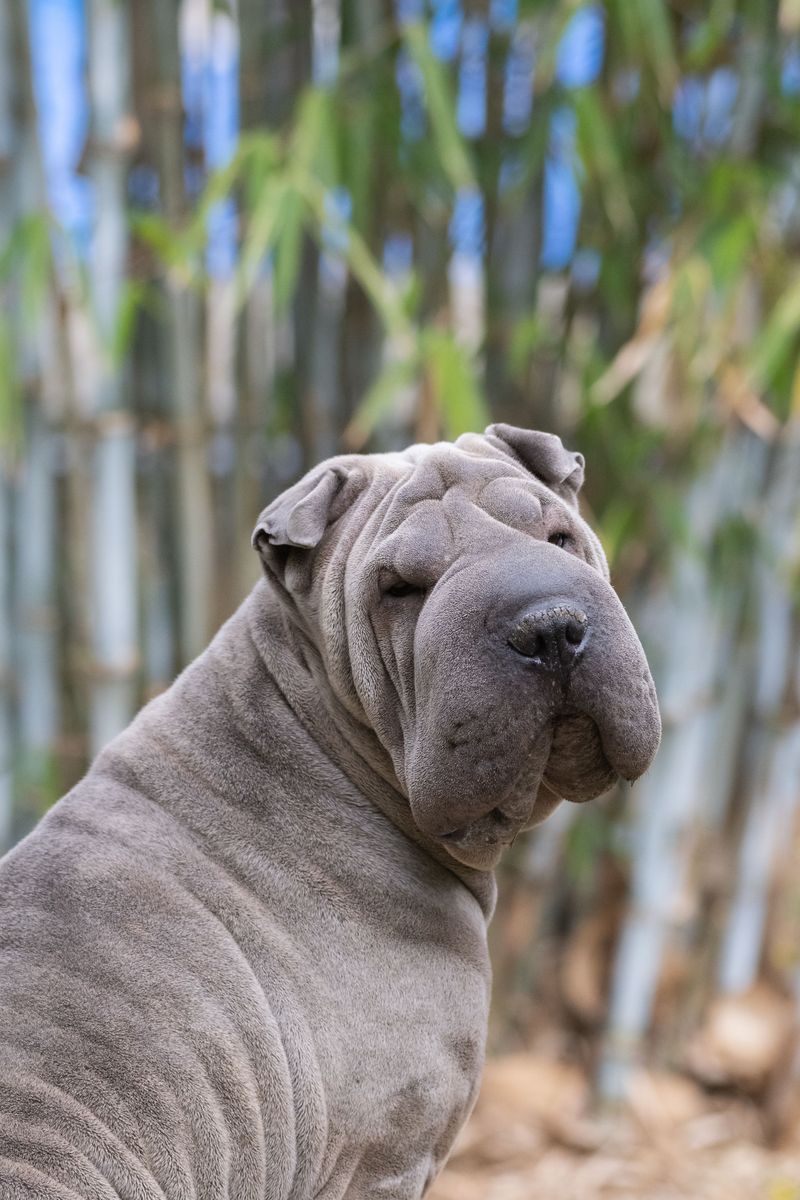
Those thoughtful eyes take everything in first. A Shar-Pei often prefers a small circle and slow introductions.
With family, their loyalty runs deep and steady. Quiet praise goes further than loud cheers.
Keep training simple and consistent, focusing on leash manners and polite door behavior. Provide comfy rest spots to support joints and build relaxation.
Short, positive visits from friends help them practice calm confidence without pressure.
Scottish Terrier
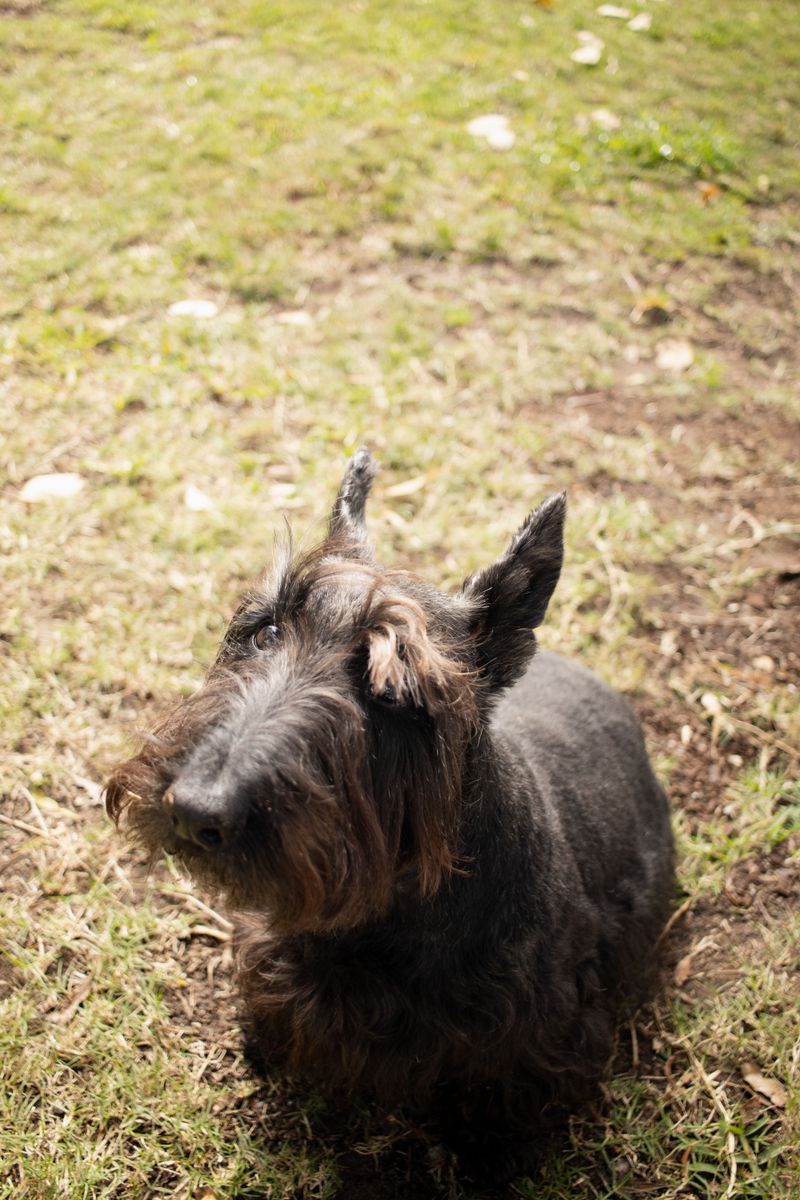
Small body, big spirit. The Scottie may greet strangers with dignified distance, yet beams with pride around family.
Independent by nature, they appreciate choices and clear rules.
Short training bursts with tasty rewards keep them engaged. Teach doorbell routines using a mat and calm sit before greeting.
Regular sniff walks satisfy their hunter roots without overwhelming them. Scratch that wiry chin afterward and you will see the royal heart shine.
Bullmastiff
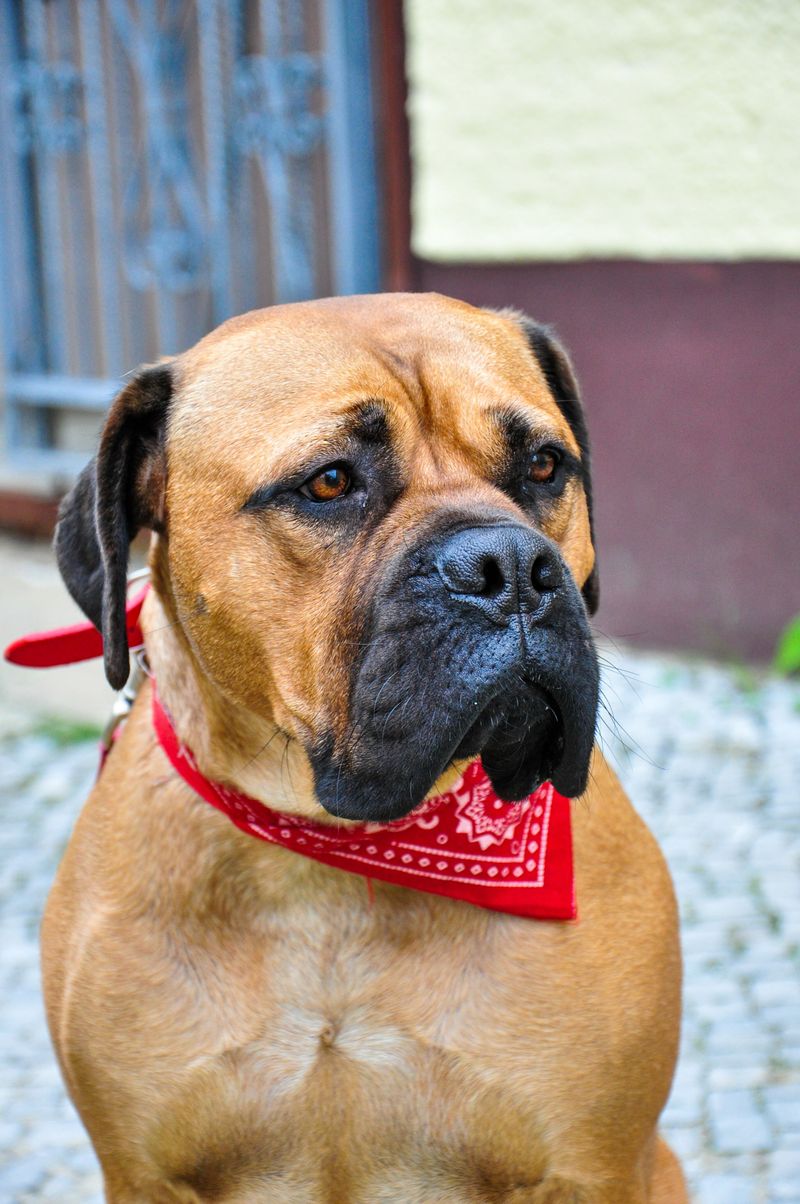
Like a quiet bouncer, the Bullmastiff observes first, then settles back down with a sigh. With family, they are tender and steady.
Gentle guidance suits their sensitive side.
Keep exercise moderate and purposeful. Practice loose-leash walks, impulse control with doorways, and a strong stay.
Introduce trusted guests in calm stages, using space and snacks. The result is a reliable guardian who prefers peace over noise, yet stands ready when needed.