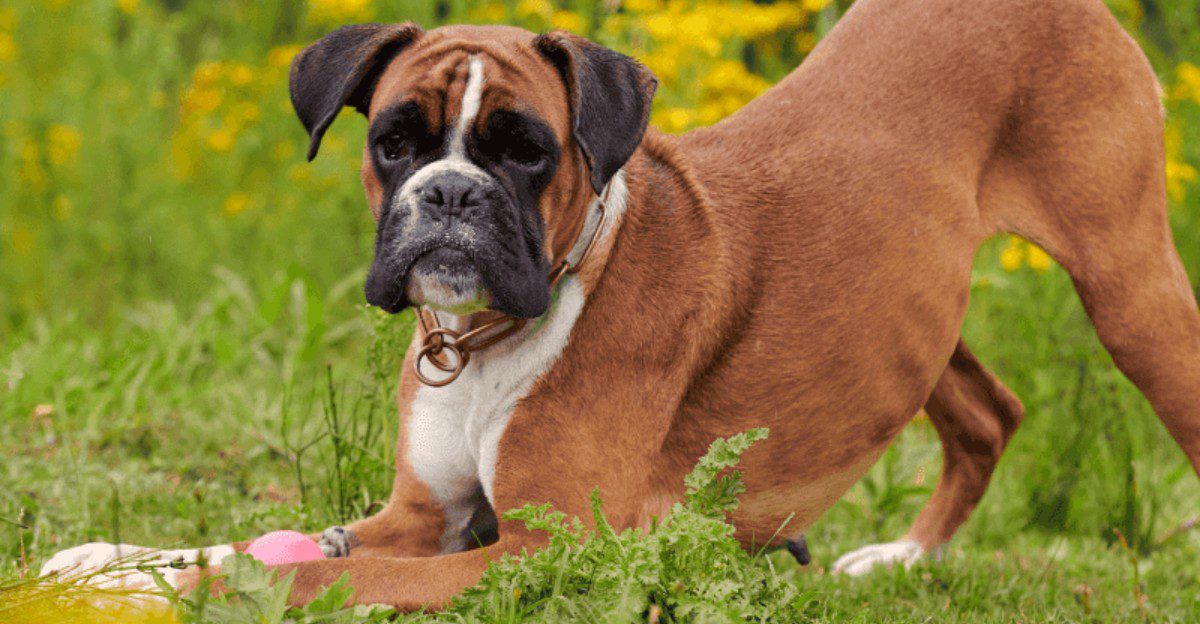
A loud dog can seem brave, but constant barking does not mean real safety. The best guardian knows when to act and when to relax.
Calm thinking keeps stress low, helps neighbors stay friendly, and lets real threats stand out. The right training and the right breed make all the difference.
Rottweiler
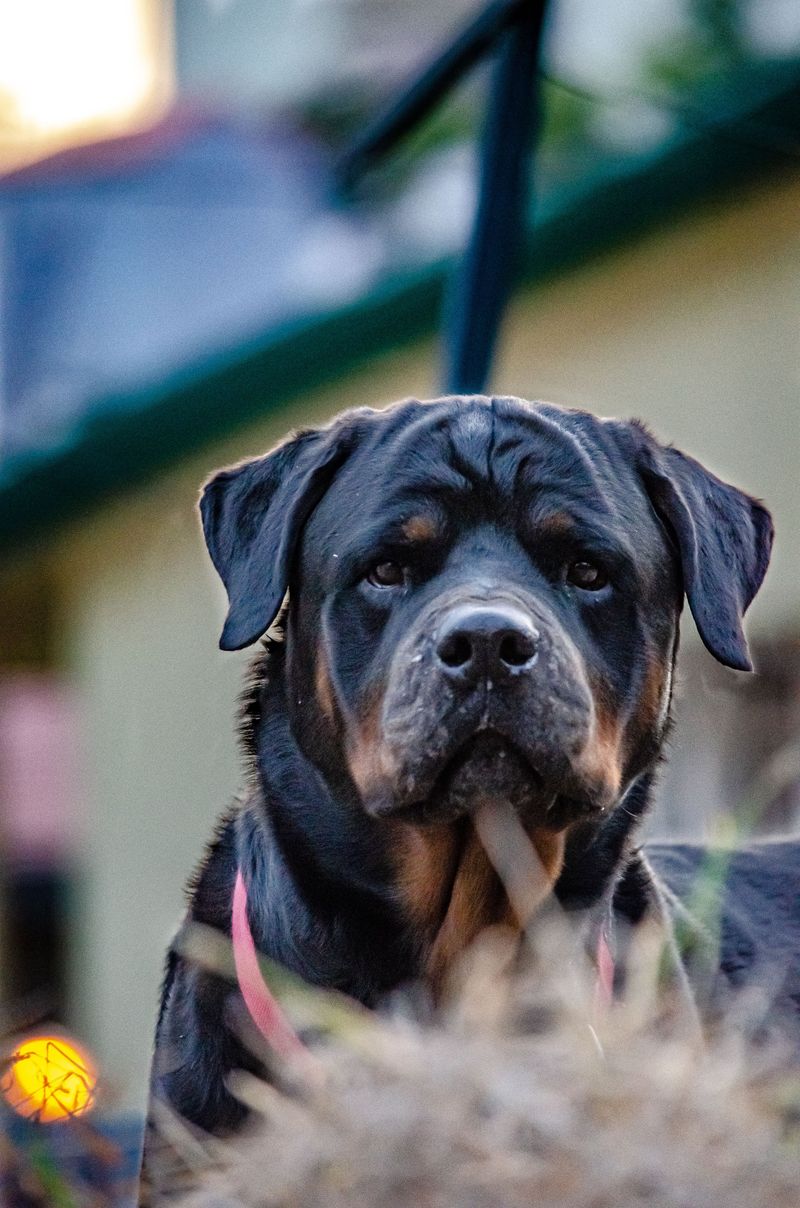
With a steady gaze and slow tail wag, the Rottweiler reads a room before acting. Big power is there, but it lives under control.
Neighbors slamming car doors will not set off a storm.
Training that rewards patience builds a watchdog who warns once, then waits. Pair clear boundaries with calm social time, and you get reliable courage.
When trouble is real, the dog steps forward. When it is wind or a squirrel, the dog saves energy.
German Shepherd
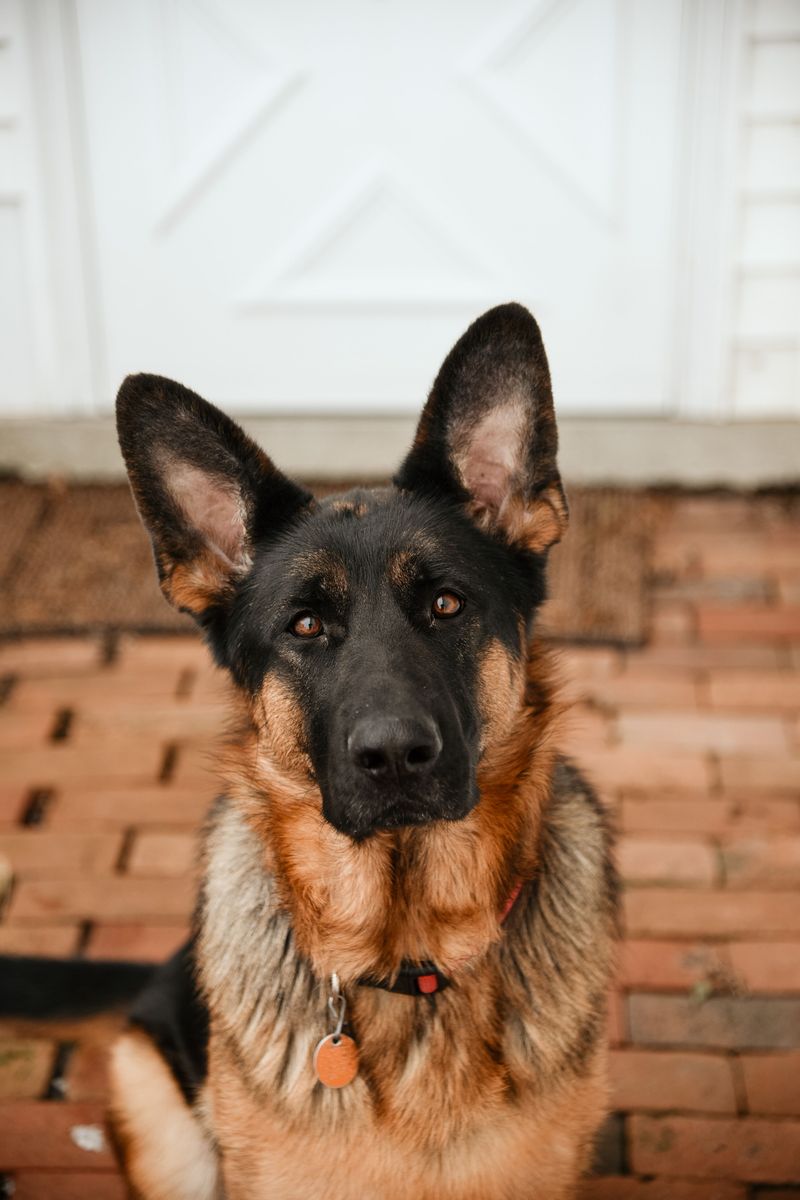
Stories from handlers often praise the German Shepherd for focus that feels like a switch. Noise happens, the ears flick, and then the dog checks the handler.
That pause matters more than a bark-a-minute habit.
Build that pause with impulse games, like sit-to-greet and door manners. Add scent work or tracking walks to drain busy minds.
A confident Shepherd protects by choosing wisely, not by shouting at every breeze. Real threats draw a strong stance and a clear warning.
Everyday life stays peaceful.
Doberman Pinscher
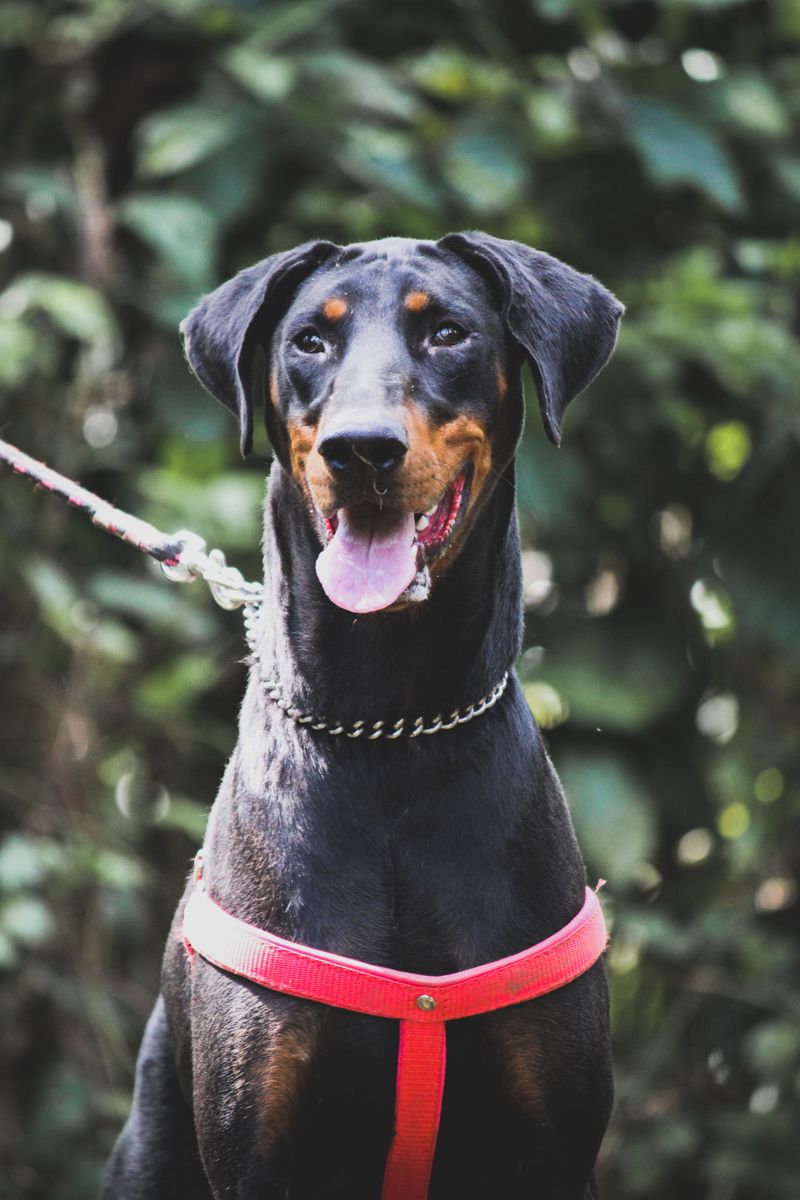
Sleek and quick, the Doberman is like a tuned instrument that plays only when asked. Startle noises might get a head tilt, not a meltdown.
Because of that cool, owners can read smaller signals.
Daily structure keeps the edge polished. Short obedience bursts, calm leash work, and place training teach on-off control.
Include friendly visitors to practice relaxed greetings. When a stranger pushes a boundary, the Doberman shifts from polite host to firm guardian.
That change is what real protection should look like.
Bullmastiff
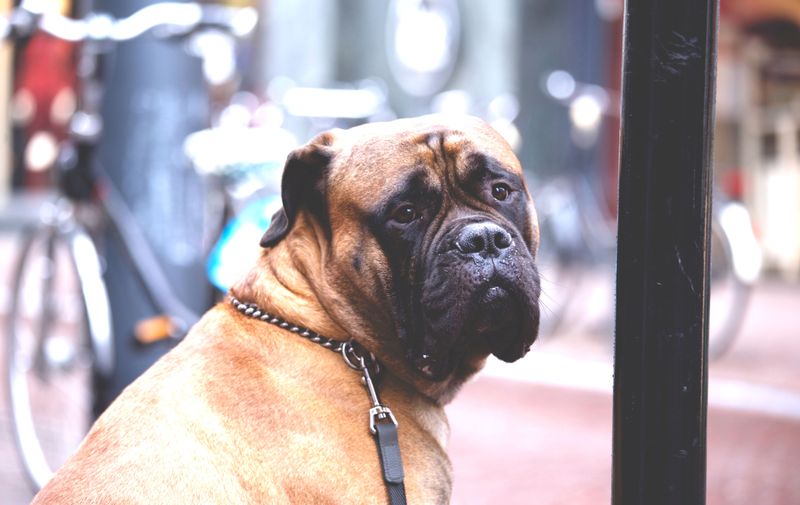
The Bullmastiff’s superpower is quiet confidence. Footsteps on gravel might earn a low rumble, yet the dog rarely spins up over small stuff.
Many families appreciate the unhurried way decisions happen.
Teach body blocking, not frantic chasing, to guide the response. Practice standing between the dog and a gate, then release calmly.
Short neighborhood walks with sit-and-watch moments build judgment. If a gate swings open at night, the Bullmastiff will plant, hold, and wait for direction, which keeps everyone safer.
Cane Corso
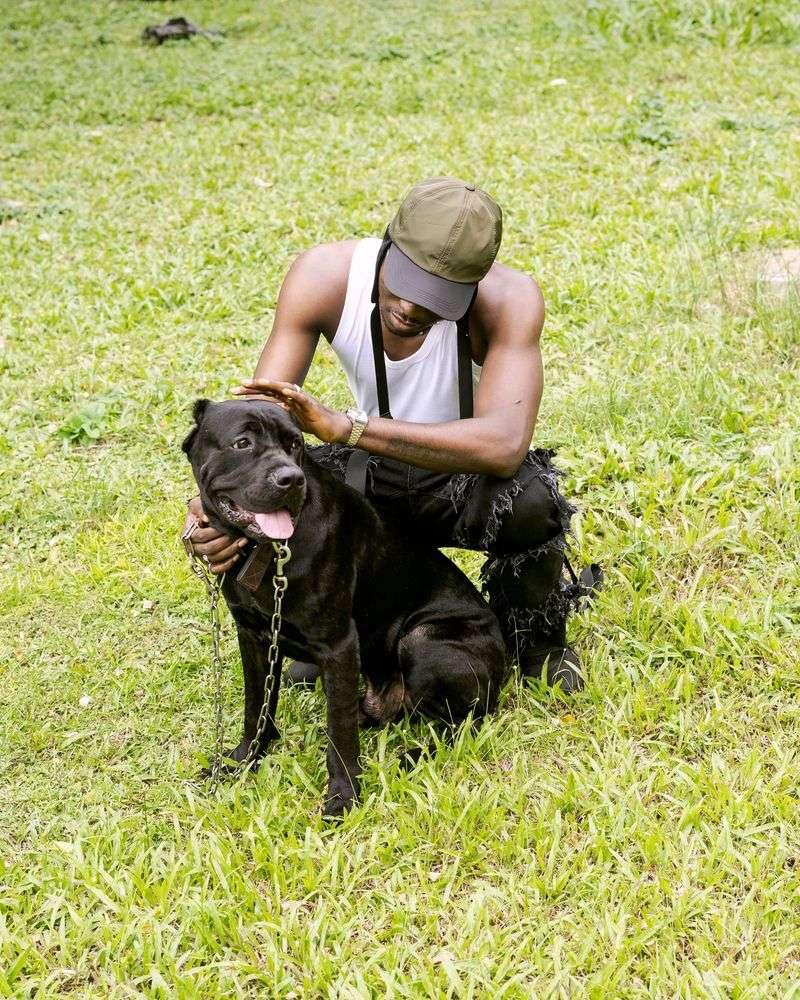
Farmers once counted on the Cane Corso to guard barns and think on its own. That history shows in a steady outlook.
Sudden clatter from tools or bikes should not flip a switch.
Shape that outlook with place training near mild distractions, then slowly raise the bar. Reward quiet watching more than loud alerts.
Add crate time and structured play to prevent overarousal. When a true risk approaches a fence or door, the Corso presents a strong posture and a deep warning, then awaits instruction.
Great Pyrenees
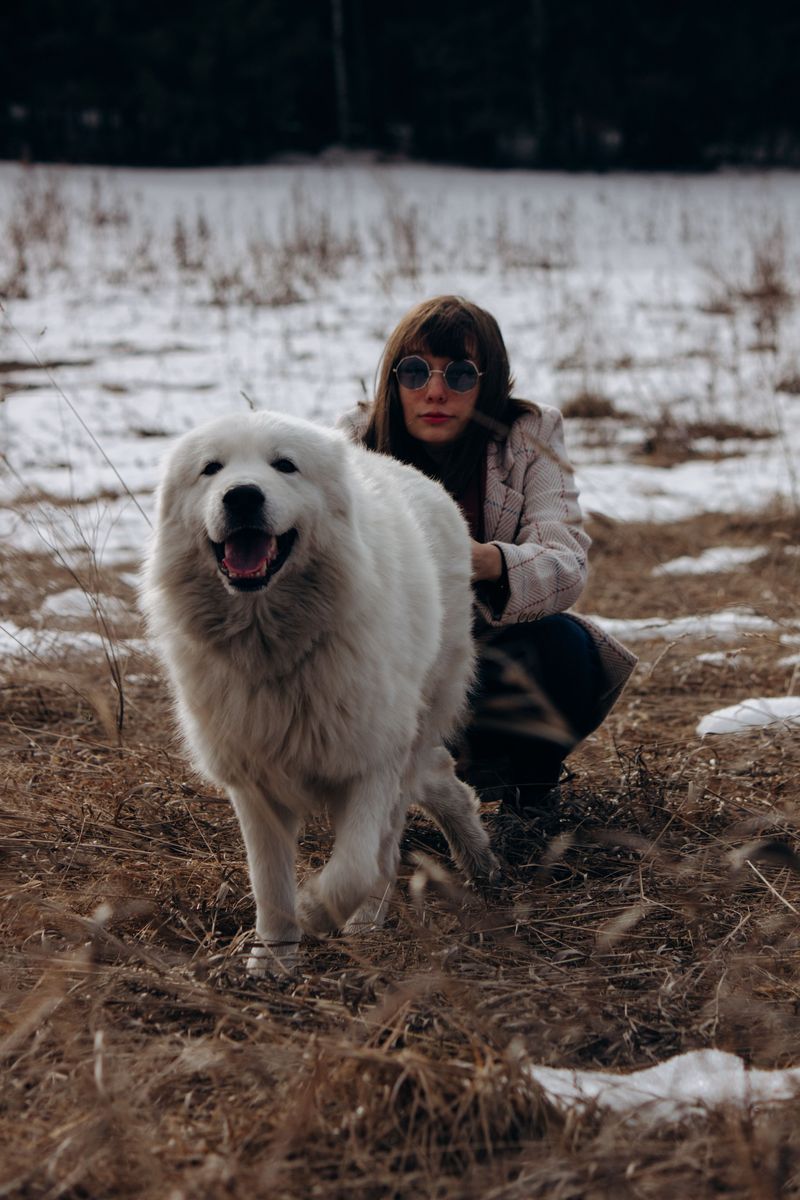
Snowy fur, calm eyes, and a patient stroll set the Great Pyrenees apart. Livestock roots made them thinkers first.
A leaf blower may get a side glance, then a return to watch duty.
Guarding a home works best when owners respect independence while shaping boundaries. Use long-line walks, relaxed recall, and quiet praise to keep cooperation high.
Schedule yard patrols on cue. When a stranger lingers, expect a massive presence and a measured bark, not frantic pacing.
That balance keeps stress low.
Boxer
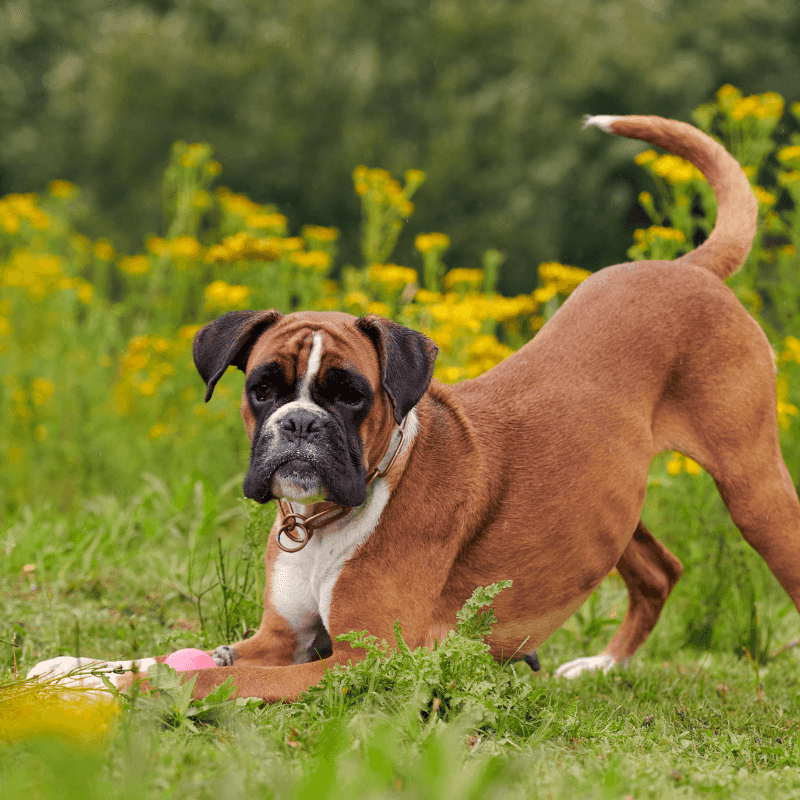
Clownish at times, the Boxer also carries a wonderfully honest alarm. Playfulness can become noisy if unmanaged.
With the right plan, that spark turns into clear, short alerts and quick recovery.
Focus games like nose touches, middle position, and settle on a mat build control. Invite friends over to practice calm greetings after a quick game of fetch.
Then, teach a release word. Real threats get a firm bark and a square stance.
Normal life returns fast, which protects your nerves too.
Akita
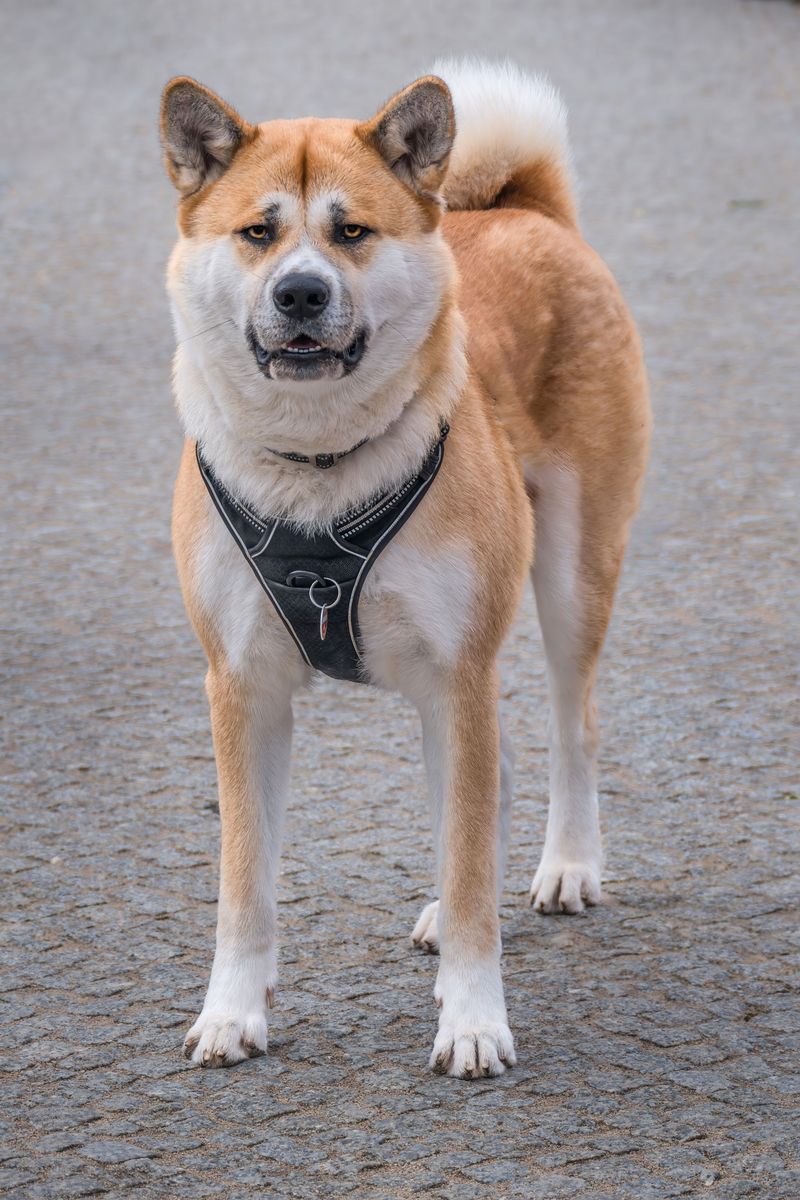
Quiet like a snowfall, the Akita often says plenty without sound. Strangers may receive a level stare instead of chaos.
That restraint can be guided into rock-solid home manners.
Socialize thoughtfully, one calm meeting at a time. Teach a strong leave-it and a confident heel so choices stay simple.
Provide brain work, like pattern games and food puzzles. When pressure rises at the door, the Akita chooses posture over racket and holds position.
That choice is protective without needless drama.
Rhodesian Ridgeback
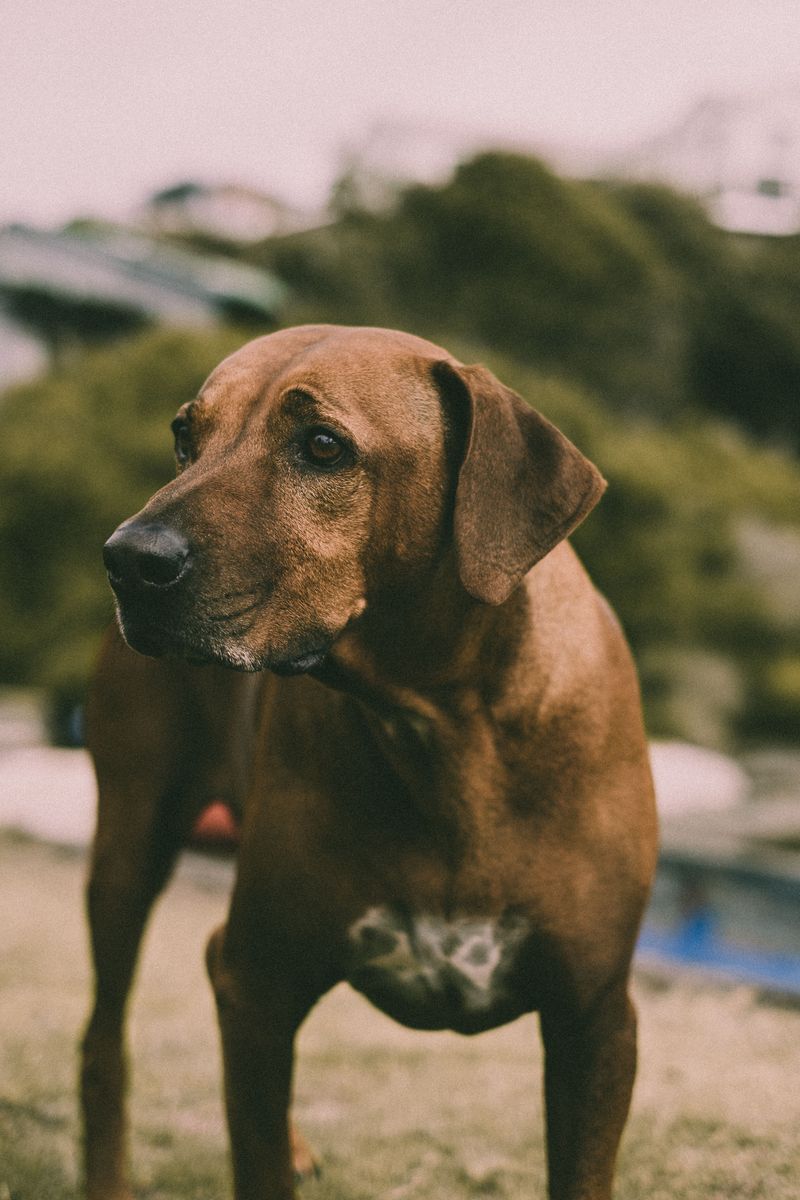
Hunters once relied on the Rhodesian Ridgeback to track and then wait. That patience survives in many lines today.
Sudden motion from scooters or cats should not turn into chasing when impulse skills are strong.
Leash walking beside a bicycle at low speed builds rhythm. Practice sit, look, and heel around moving distractions, then rest on a mat.
Reward calm watching heavily. True risk at a gate brings a low growl and a steady body, not frantic lunging.
That is thoughtful protection.
Giant Schnauzer
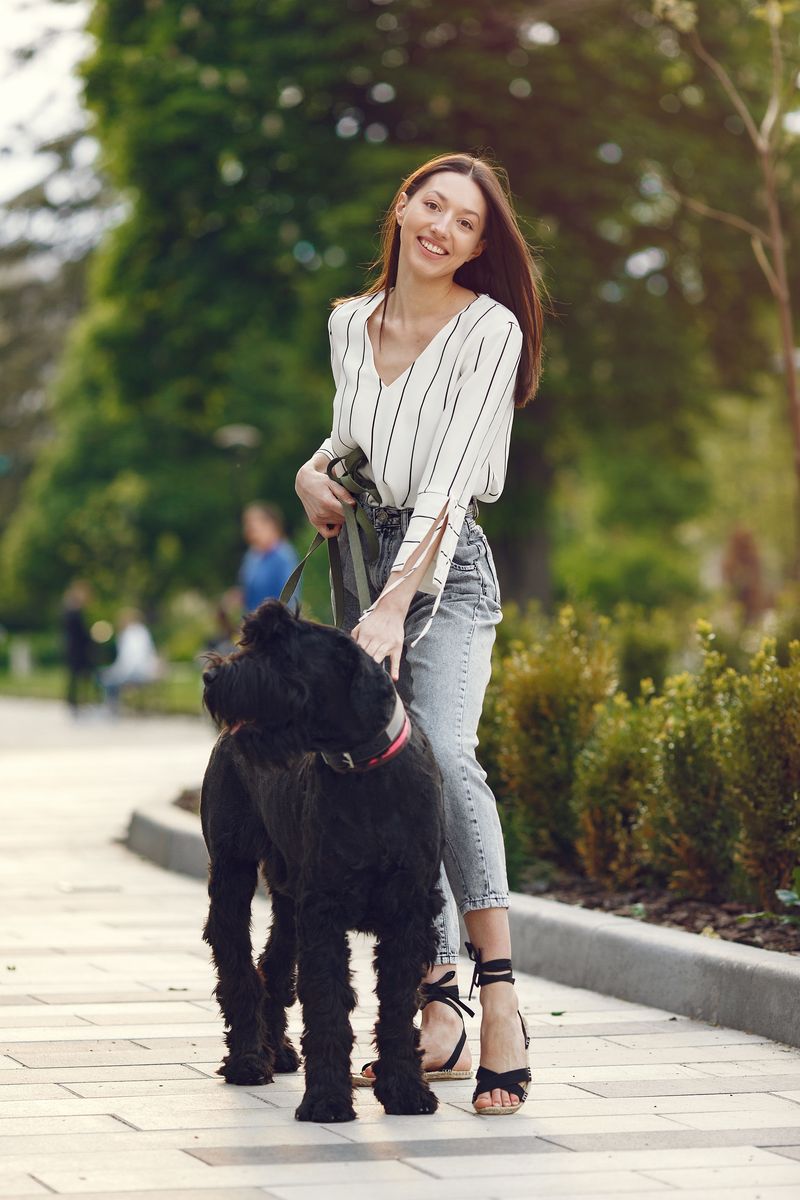
Imagine a bright student who loves a challenge. That is the Giant Schnauzer in a home.
Sound sensitivity can appear if energy has no job, which is why structured work matters.
Channel drive into bite pillows, tug rules, and pattern drills, all with clear start and stop. Mix in errands with place time near doors and delivery trucks.
The result is a guardian that turns on only when told. Everyday noise turns into background, while real problems get focus and power.