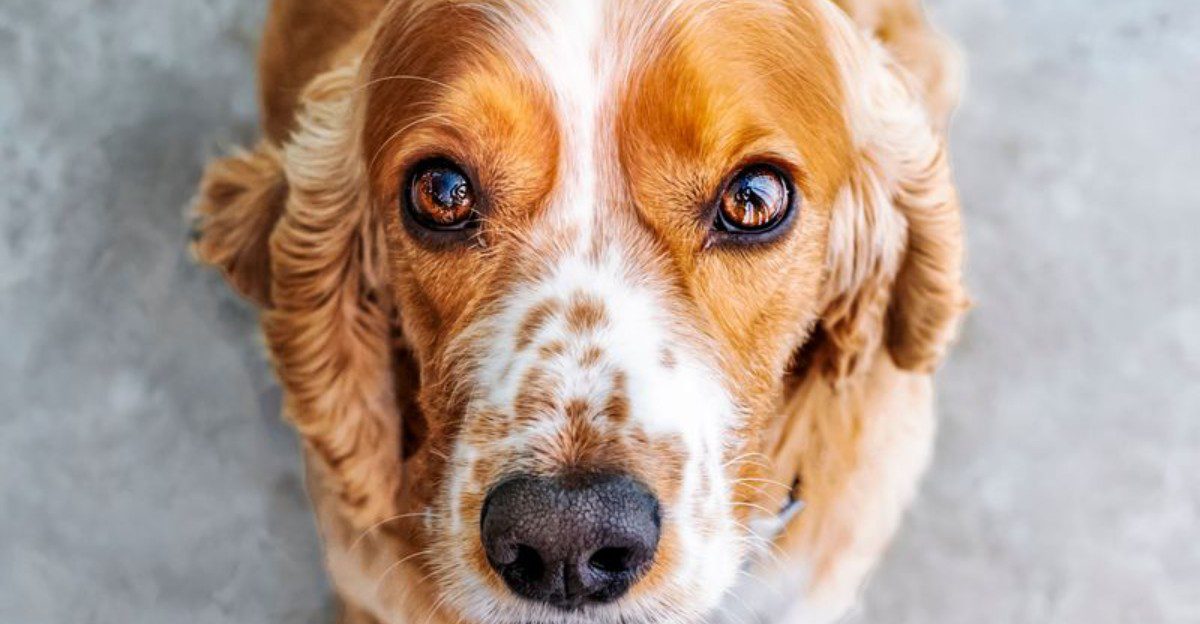
Dogs notice more than many people think. While we listen to words, some breeds are busy reading faces, hands, posture, and mood.
This skill can make training easier and help families understand their pets better. Meet the sharp-eyed dogs that may catch your quiet signals before anyone else does.
Poodle
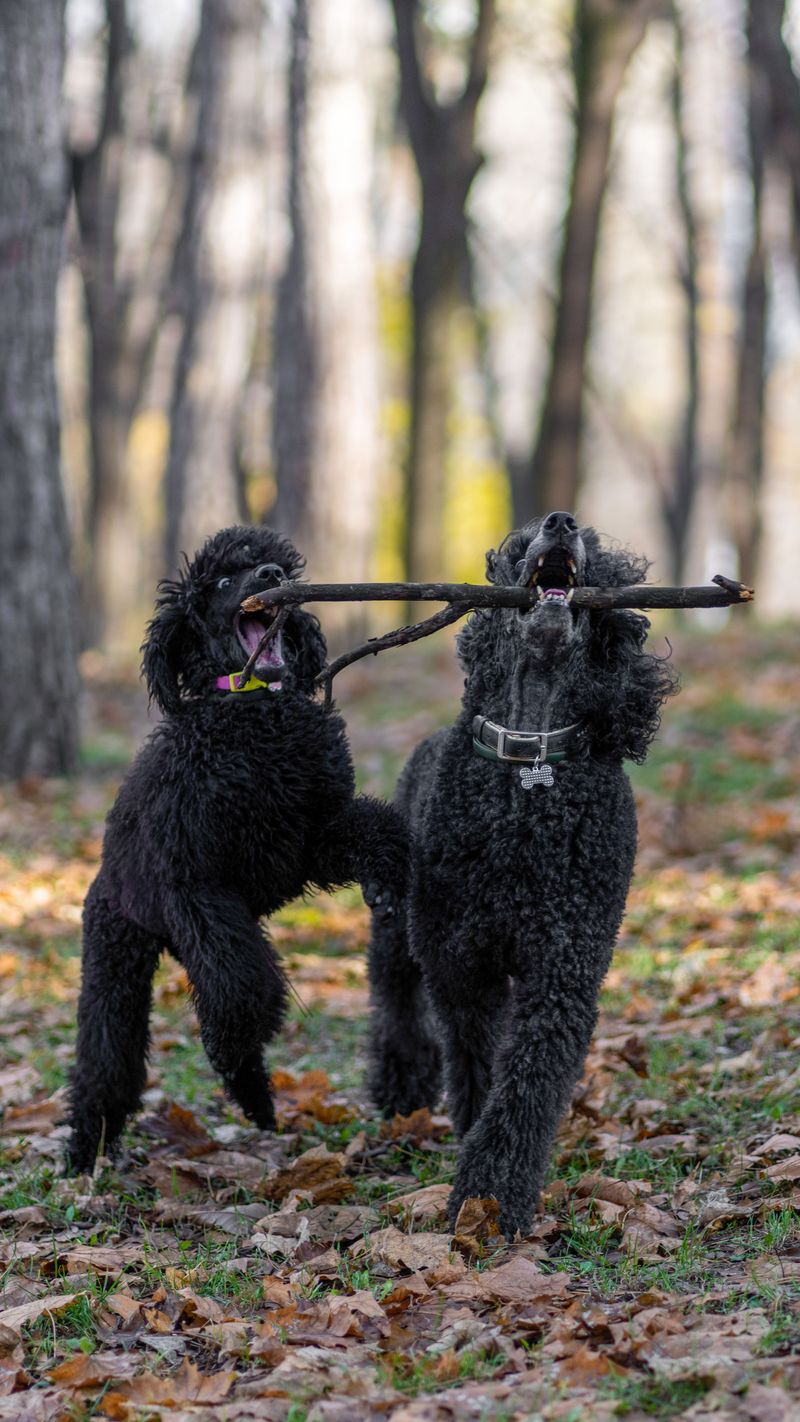
A Poodle can spot a raised eyebrow like it is a flashing sign. Bred as clever water retrievers, Poodles are quick thinkers who often study people closely.
Use clear hand signals with spoken cues, because this breed may learn both fast. Keep training upbeat, short, and playful.
If your Poodle seems restless, check your own body language. Tense shoulders or rushed movements can send a message long before your words do.
Rough Collie
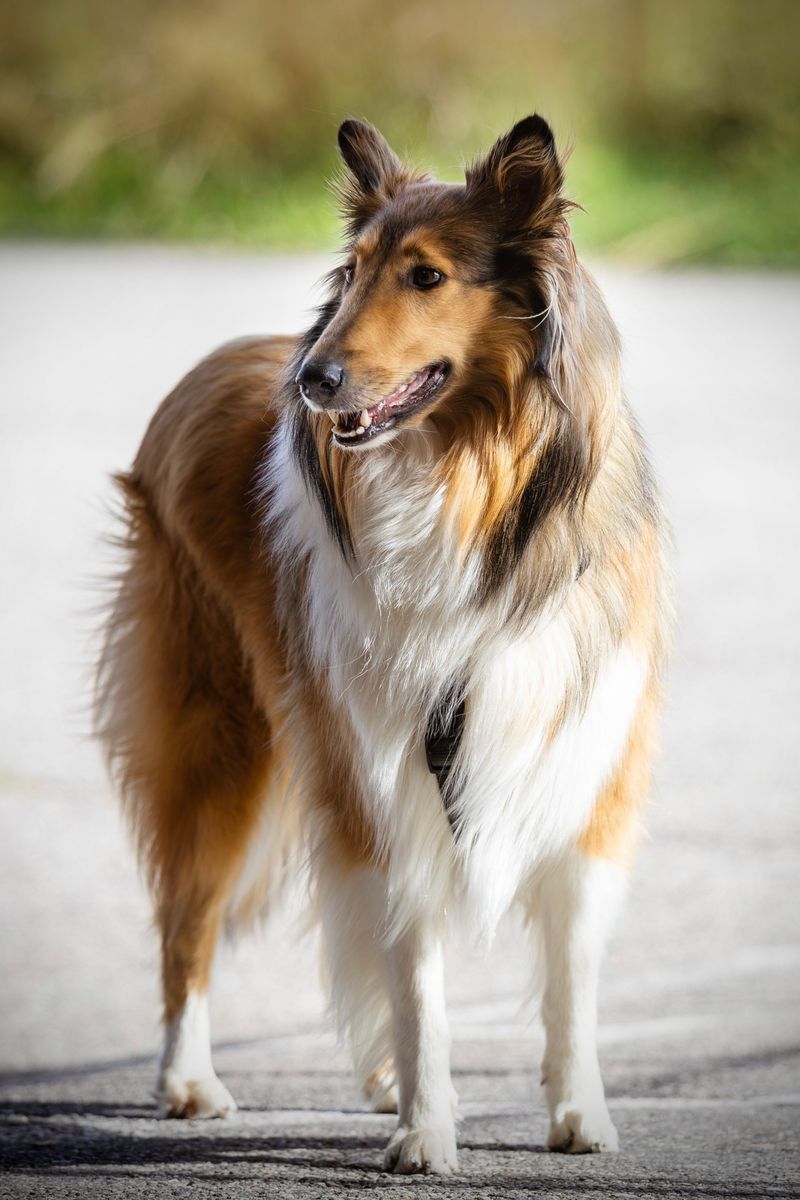
There is something almost storybook-like about a Rough Collie quietly watching the room. Famous for loyalty, this herding breed was built to notice movement, mood, and small changes.
Collies often respond well to calm voices and soft gestures. Harsh actions can worry them, so guide with patience.
Try using steady routines, gentle praise, and simple signals. When your face relaxes, your Collie may relax too, making teamwork feel natural.
Boxer
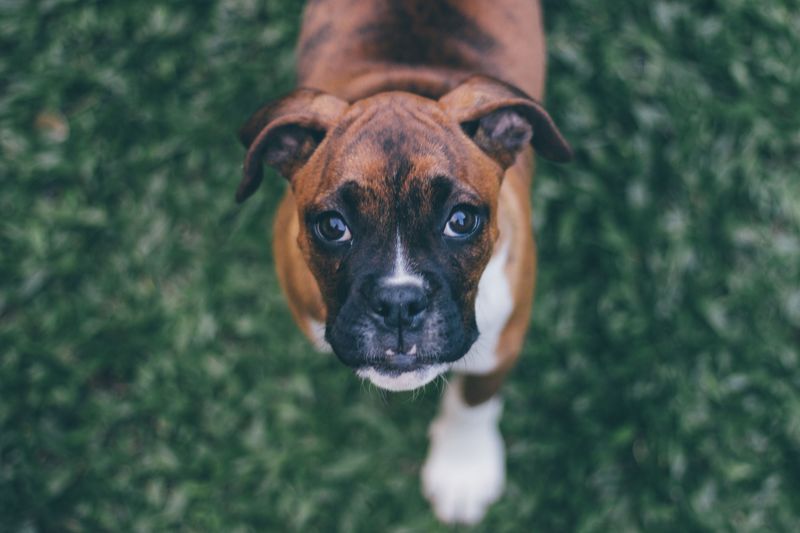
A Boxer may look like the class clown, but do not miss the careful eyes behind that silly grin. This bouncy breed often watches faces to decide when playtime is welcome.
Because Boxers are energetic, your posture matters. Stand tall and calm when asking for manners, then reward good choices quickly.
Waving arms or excited shouting can turn training into a game. Clear signals help your Boxer understand when to wiggle and when to wait.
Cocker Spaniel
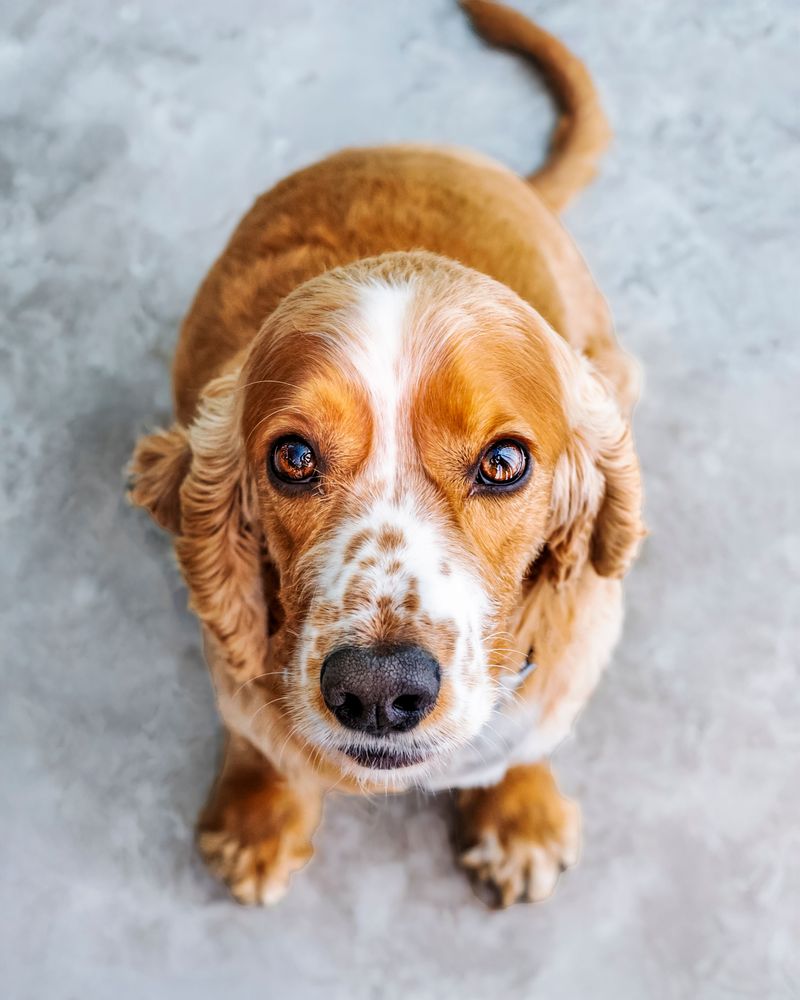
Soft eyes and swinging ears can make a Cocker Spaniel seem all sweetness, yet this dog is also a careful people-watcher. Many were bred to work close to hunters, so checking human cues came in handy.
At home, they may notice sadness, excitement, or frustration quickly. Speak kindly, move smoothly, and avoid confusing signals.
A simple point, open hand, or cheerful nod can help your Cocker feel sure about what comes next.
Shetland Sheepdog
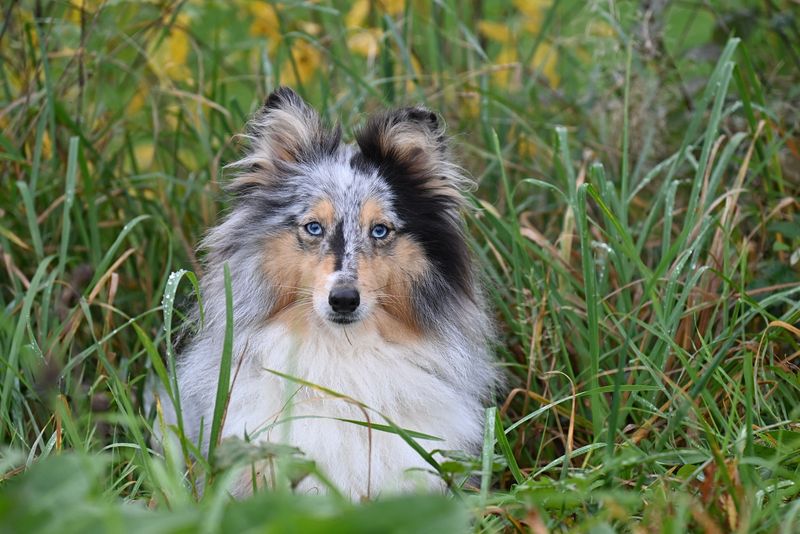
Quick as a spark, the Shetland Sheepdog often notices tiny movements others miss. Shelties come from Scotland’s Shetland Islands, where small, alert herding dogs helped manage livestock.
Their sharp focus can be a gift during training. Use quiet hand cues, clear steps, and plenty of praise.
Sudden noise or mixed messages may overwhelm them. If your Sheltie stares at you, it may be trying hard to read the next clue.
Doberman Pinscher
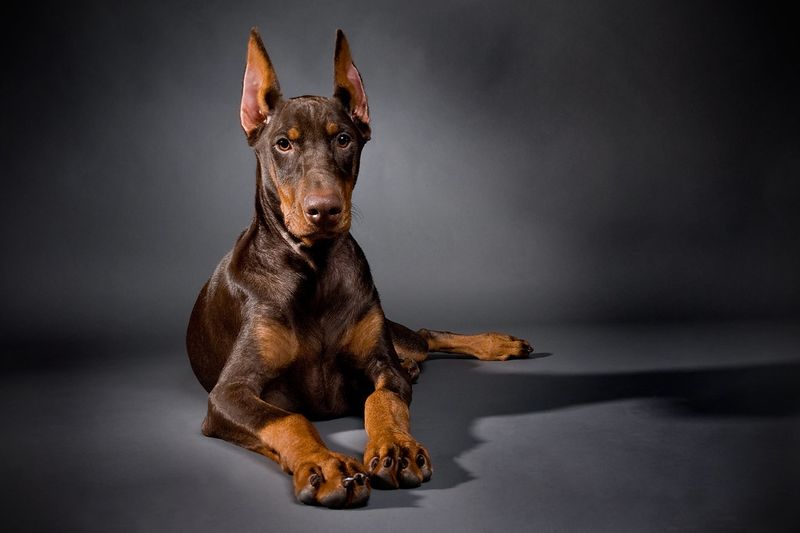
A Doberman Pinscher can read a room with the focus of a security guard. Developed in Germany as a protection and working dog, the breed often pays close attention to posture and direction.
Confident handling helps a Doberman feel safe and steady. Give cues with purpose, not panic.
Practice eye contact, heel work, and calm greetings in short sessions. When your actions match your words, this loyal dog usually understands the plan faster.
Australian Shepherd
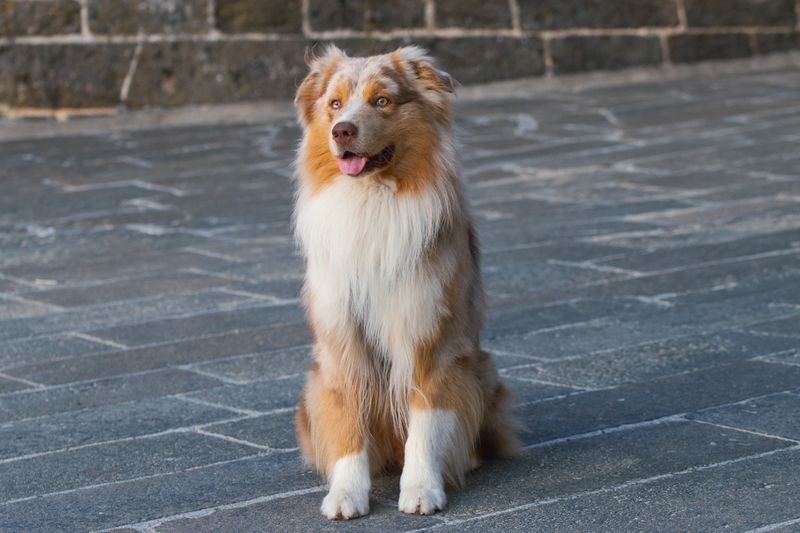
Ever feel like an Australian Shepherd knows your plan before you say it? This busy herder is famous for reading movement, especially when work or games are involved.
Aussies need jobs for both brain and body. Try agility, fetch with rules, or trick training using hand signals.
Be careful with nervous pacing or pointing without meaning to. Your Aussie may treat every motion as useful information, so make your cues clear and fair.
Papillon
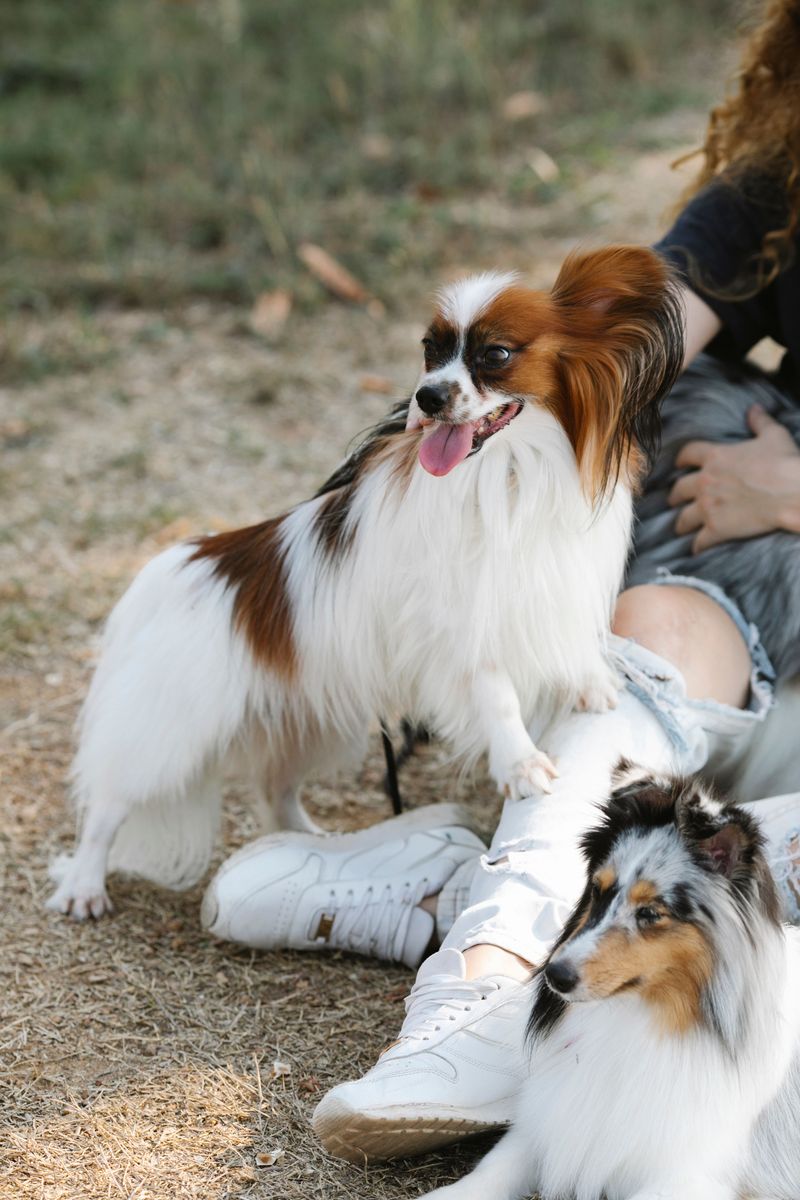
Tiny body, giant awareness. The Papillon, named for its butterfly-like ears, often acts like it has a front-row seat to every human feeling in the house.
Do not let the small size fool you. Papillons can shine in obedience and trick work when cues are clear.
Use light, happy training and reward quick responses. If you slump, rush, or act unsure, this little dog may notice right away and change its behavior.
English Springer Spaniel
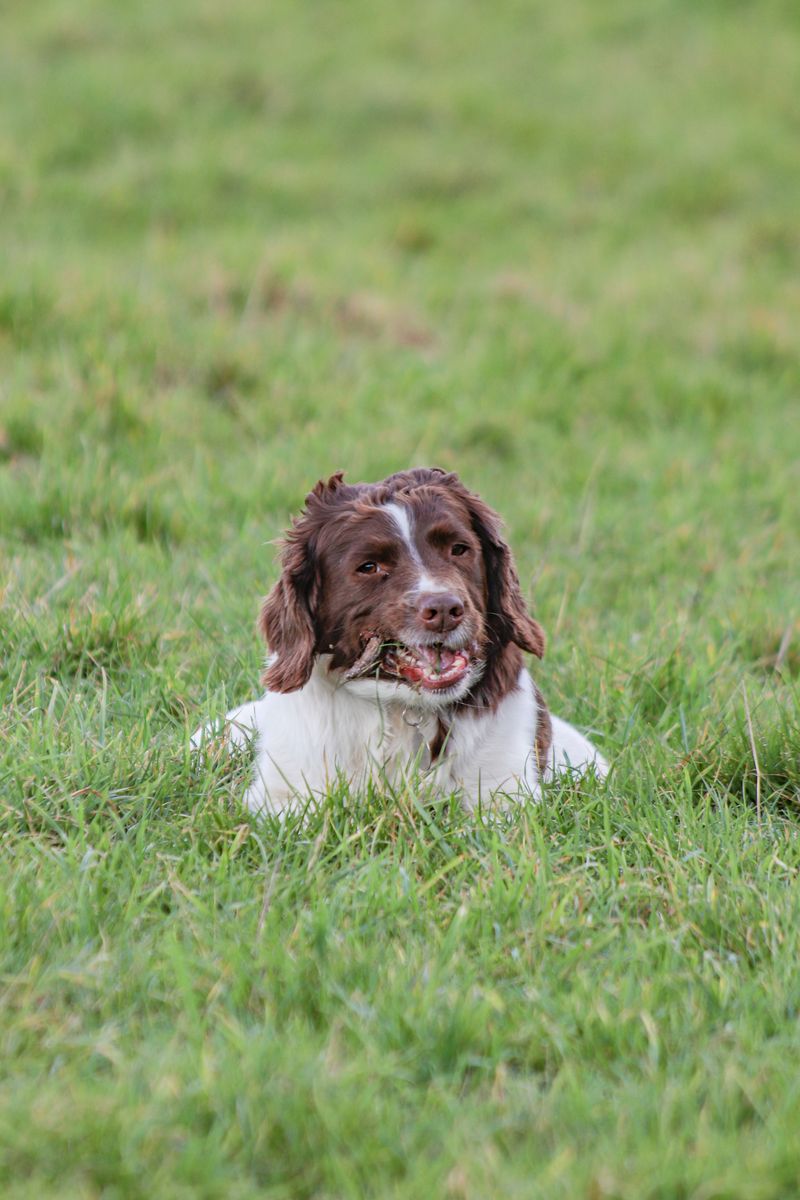
A happy English Springer Spaniel may bounce through life, but its eyes often stay tuned to its person. Bred to flush birds from cover, this dog learned to follow direction while staying eager and ready.
Springers enjoy clear teamwork. Pair voice commands with hand signals during walks, games, and recall practice.
Keep your movements friendly, not frantic. When excitement rises, pause, breathe, and reset.
Your Springer may mirror that calm faster than you expect.