
Some dogs do not need tidy paths to shine. They work with their noses, their brains, and strong bodies to handle wild ground and tough jobs.
Knowing which breeds thrive off the grid helps you plan better exercise and training. Meet ten standouts that stay confident when the pavement ends.
German Shepherd
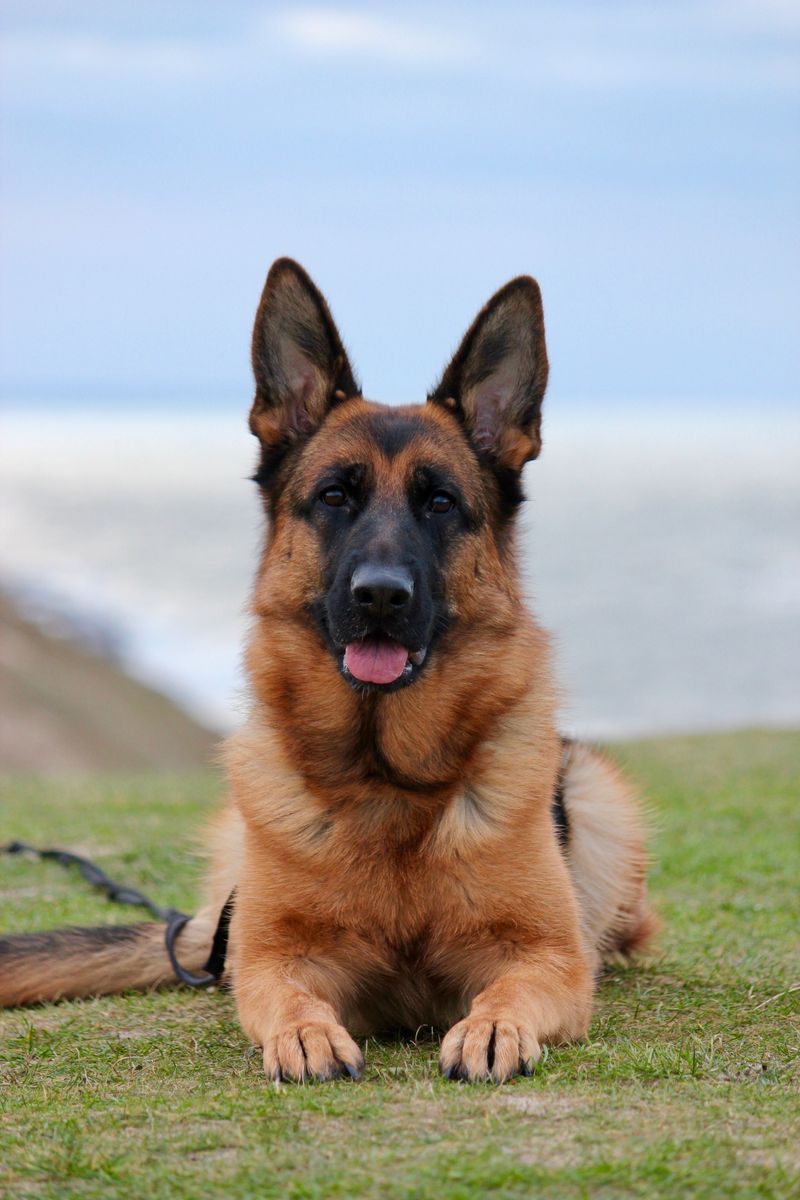
Built for work, the German Shepherd keeps calm when the trail gets tricky. Keen nose, nerves, and a sharp mind help it track, guard, and guide without city clues.
Farmers, hikers, and search teams rely on that drive.
Training sticks when chores feel like games. Try scent puzzles, boundary walks, and carry tasks to burn energy.
Strong leadership, clear rules, and structure let this powerhouse relax at home while staying ready for the next challenge.
Australian Shepherd
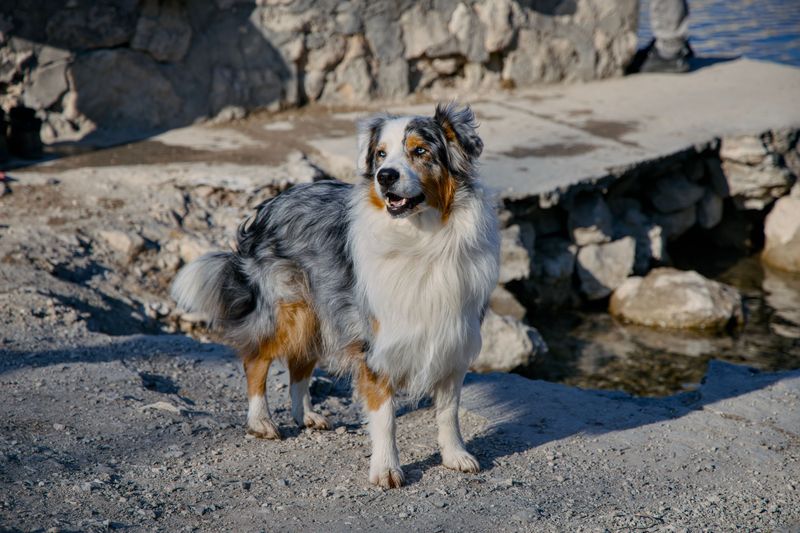
Watching motion thrills the Australian Shepherd, whether that is sheep, kids, or wind-blown leaves. Agile feet and quick eyes make it a problem solver on rough ground.
Roots taught it to read pressure, circle wide, and move without fences.
Give jobs, not just miles. Try figure-eight herding drills with cones, hide-and-seek with toys, and obedience chains that build focus.
A cool-down and a chance to watch the yard reward intense brain while keeping manners solid.
Border Collie
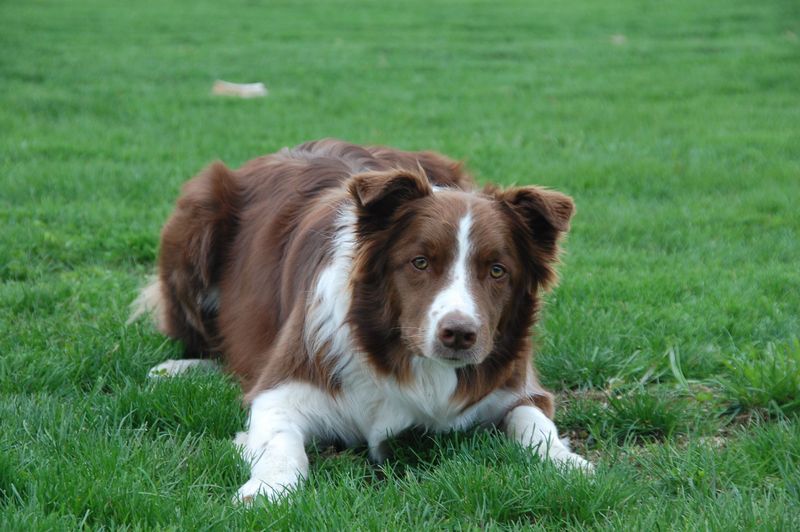
Stories say a Border Collie can move sheep with a stare. That focused eye, paired with footwork, lets it handle gullies, creeks, and cluttered fields a pro.
It maps patterns fast and adjusts angles without needing lines pavement.
Work the mind first, then legs. Scatter scent tokens, run recalls, and set flank turns with poles.
Keep sessions short, end with a down and a sigh, you will see calmer behavior at home plus eager eyes.
Labrador Retriever
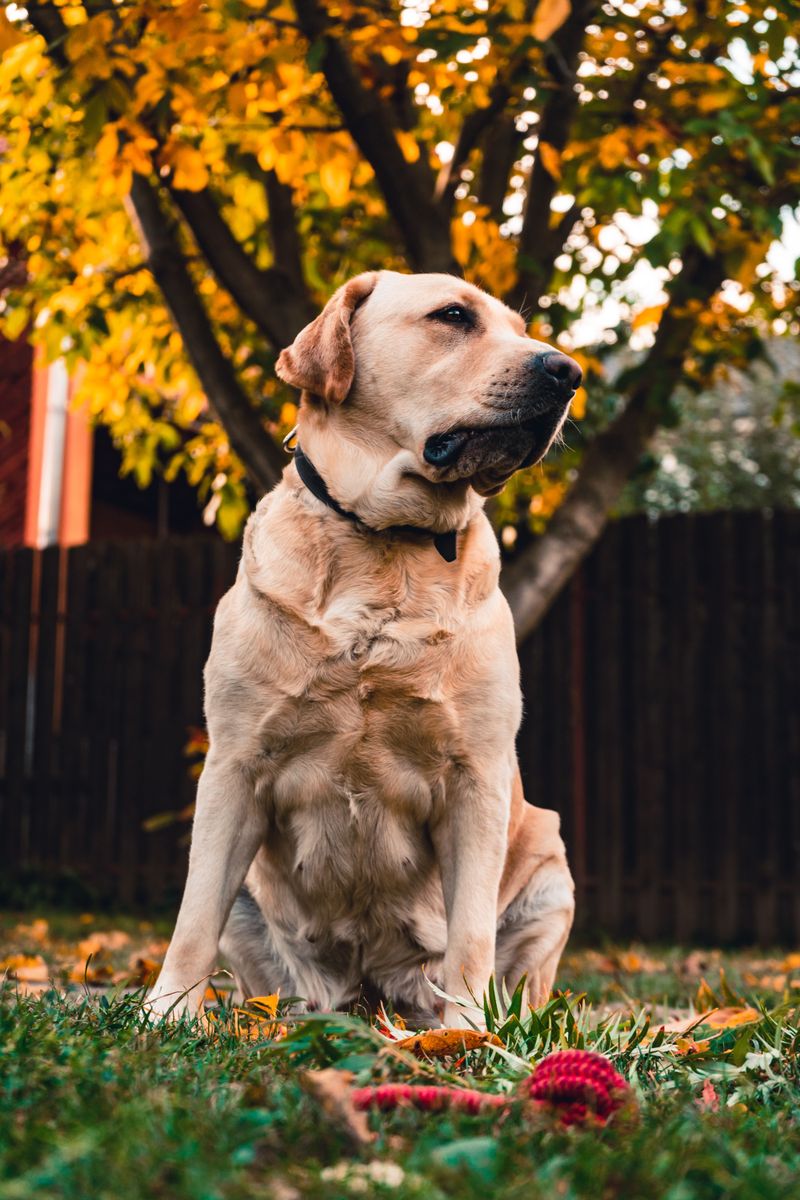
Rain, mud, or chill, the Labrador Retriever keeps going. Bred to fetch nets and birds from cold water, it handles banks and brush with steady feet.
Friendly does not mean soft, because tail can power strong pulls and a steady heart.
Make workouts playful. Try water retrieves, ladders and walks carrying a dummy.
Rotate obedience with nose games to curb chewing and begging, finish towel rubs and a nap, keeps joints warm and moods bright.
Australian Cattle Dog
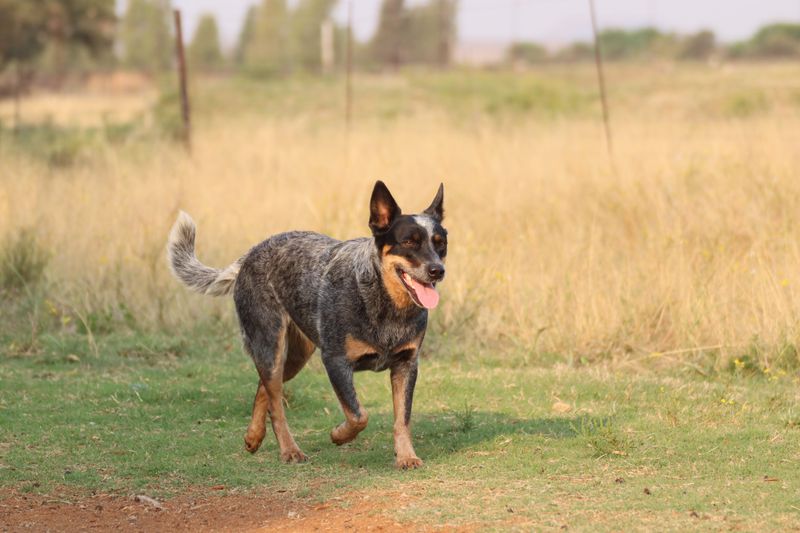
Give it a job and the Australian Cattle Dog turns into a teammate. Compact muscle, feet, and concentration keep it moving through scrub, puddles, and heat.
It watches stock shoulders, not faces, so it predicts turns before they happen.
Short bursts work best. Try fence-line fetch, figure-eight runs trot, and heelwork barrels.
Reward with tug and shade breaks, keep nails trimmed, and teach an off switch indoors so brain stops spinning when chores are done.
Siberian Husky
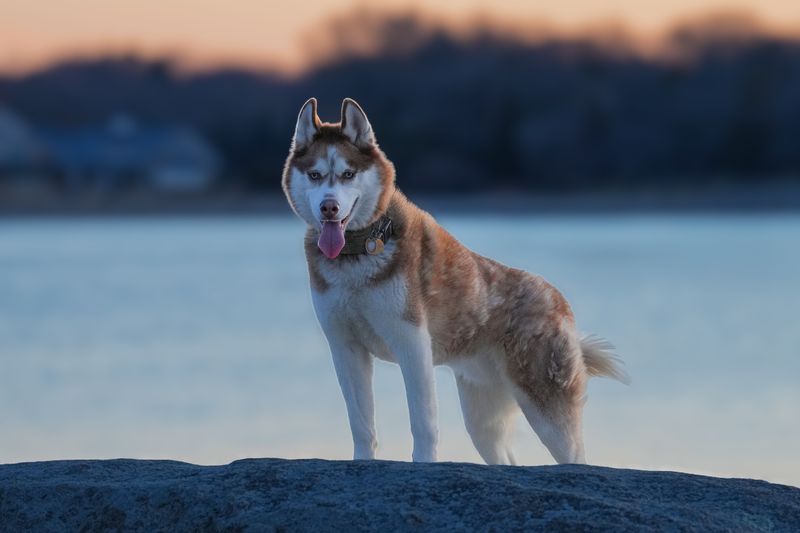
When the wind bites, the Siberian Husky looks excited, not worried. Bred for travel over snow, it paces itself, reads ice, and follows trails.
That mix of endurance and independence can confuse beginners, but it saves energy for the whole route.
Work with nature. Drag a tire strength, and practice gee and haw turns on quiet paths.
Secure harness fit, teach a come, and offer broth treats so coat stays glossy and spirit stays kind.
German Shorthaired Pointer
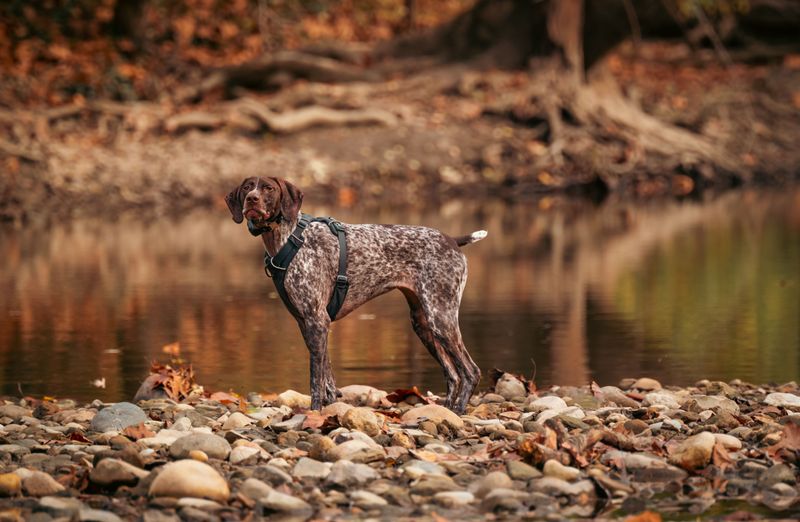
One sniff of wind, and the German Shorthaired Pointer snaps to attention. Built to hunt fields and marsh, it trots tirelessly, marks birds, and holds a point.
Even without groomed trails, it navigates cover with springy steps and a nose.
Keep work varied. Plant wings for pointing drills, add water retrieves, and end with steady-to-flush practice.
Whoa training, check-cord walks, and a crate teach impulse control, dog delivers gifts without losing manners or burning out.
Brittany
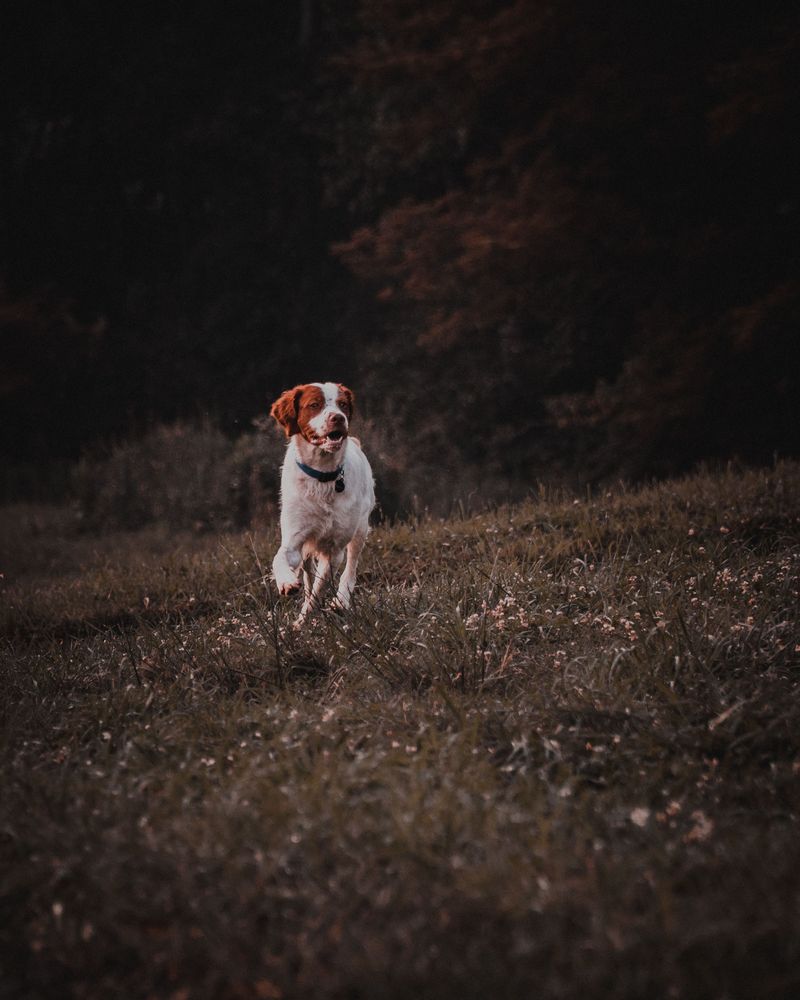
Joy seems to bubble in the Brittany, when trails twist and tangle. Light frame, quick brain, and a birdy nose help it cover ground and check back.
Called Brittany Spaniel, it blends pointer style with spaniel zip in the field.
Lean into fun. Set quartering patterns with flags, toss bumpers into cover, and use whistle peeps for check-ins.
Short sprints, kind corrections, and a crate keep sparkle while teaching patience around guests, gear, and gates.
Great Pyrenees
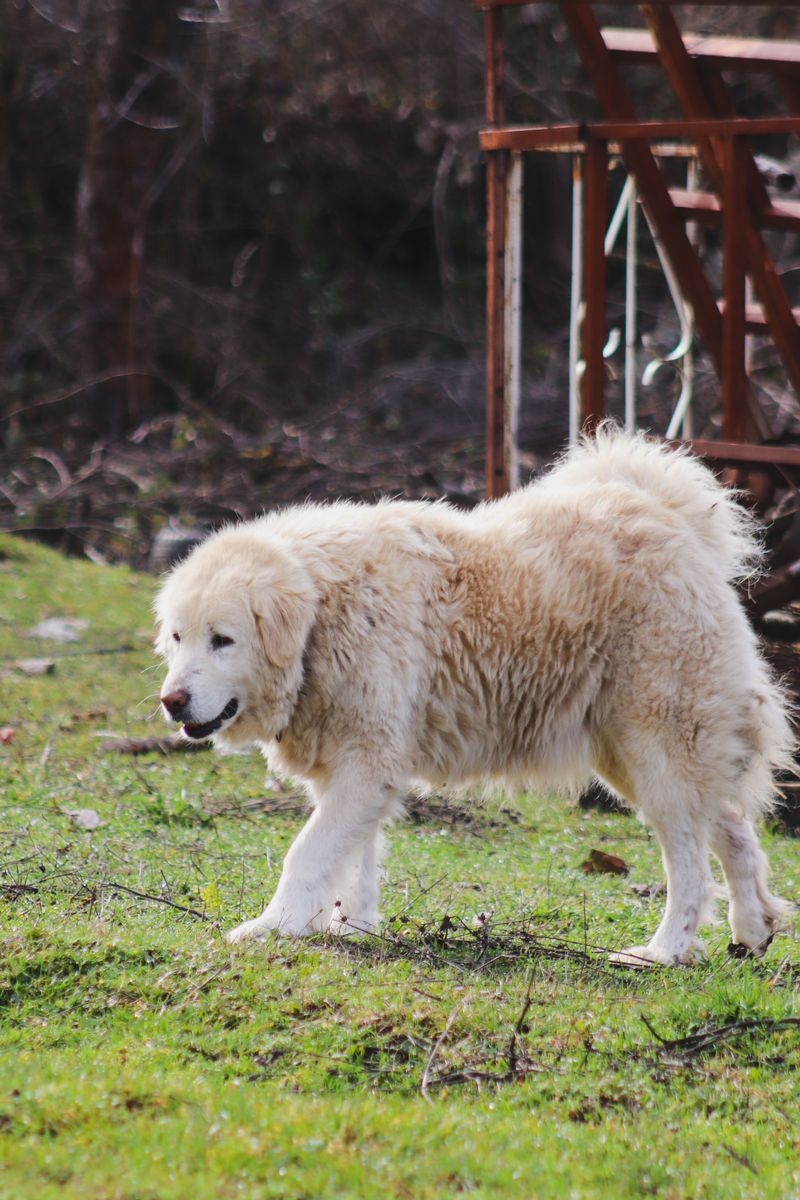
Night duty suits the Great Pyrenees. Bred to watch flocks in rough mountains, it plants itself between danger and home, scanning calmly and using a voice.
Snow, rocks, and lonely hours do not scare this steady guardian.
Boundaries matter. Walk fence lines daily, practice quiet alerts, and teach visitors protocols at the gate.
Offer chew toys, give rest alone, and keep grooming so burrs do not tangle, helps the dog stay thoughtful instead of reactive.
Jack Russell Terrier
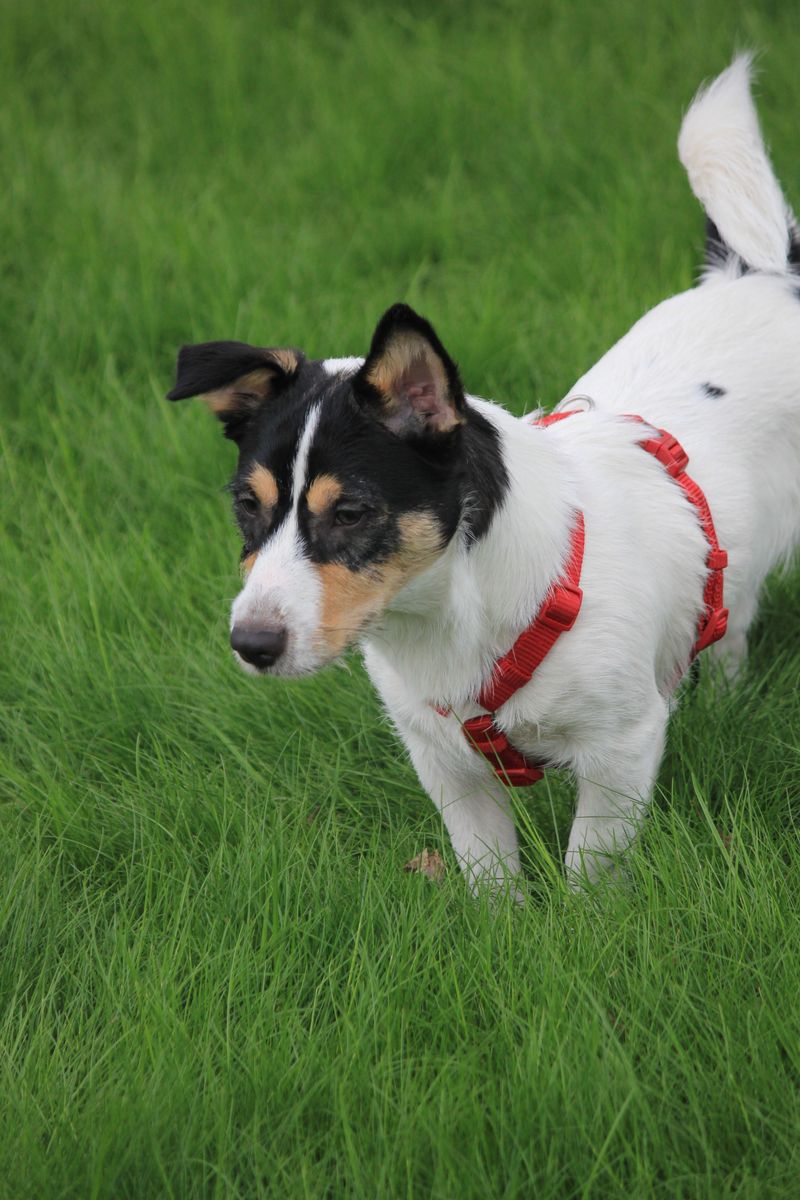
Sized small, wired big, the Jack Russell Terrier attacks puzzles with gusto. Bred for fox work, it squeezes through brush, listens for tiny sounds, and digs with fierce joy.
Lack of sidewalks is no problem when curiosity points the way.
Channel the spark. Build tunnel courses, hide squeakers under pots, and practice go-to-mat for resets.
Leash manners, games like wait for food, and a sandbox protect plants while letting brain stay busy, happy, and polite.