Some dogs handle alone time just fine, while others feel stressed when their favorite person is gone. If you work long hours, choosing the right breed can make life easier for you and your pet.
Dogs that need lots of attention may bark, chew, or pace when left alone. Knowing which breeds are more sensitive helps you plan better care and keep your buddy happy.
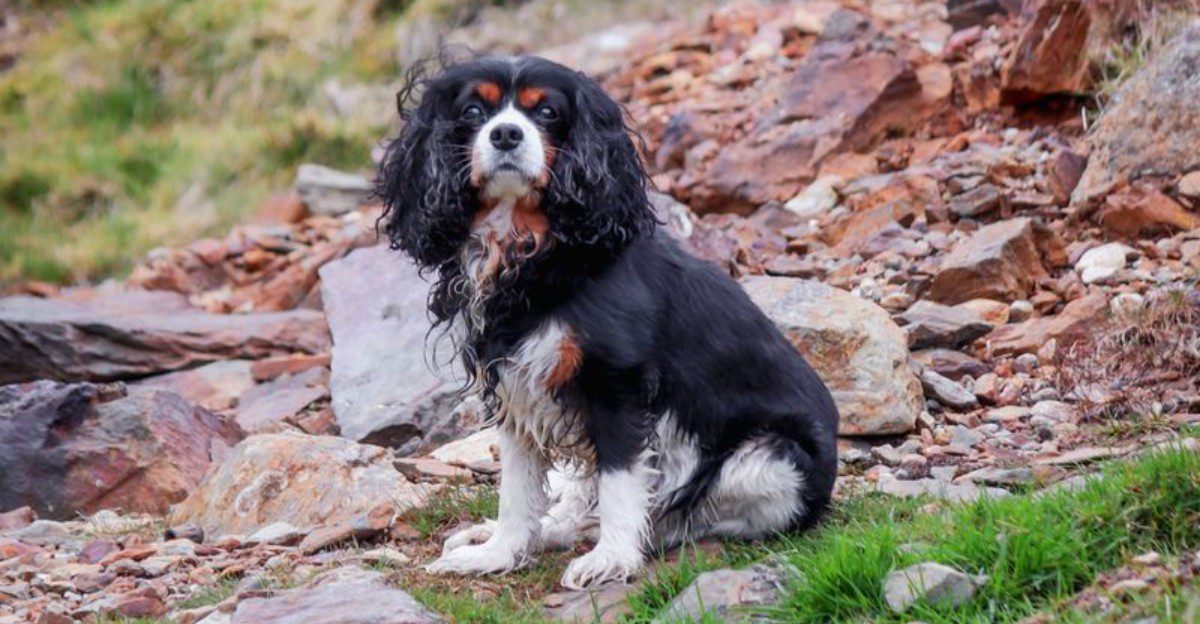
Cavalier King Charles Spaniel
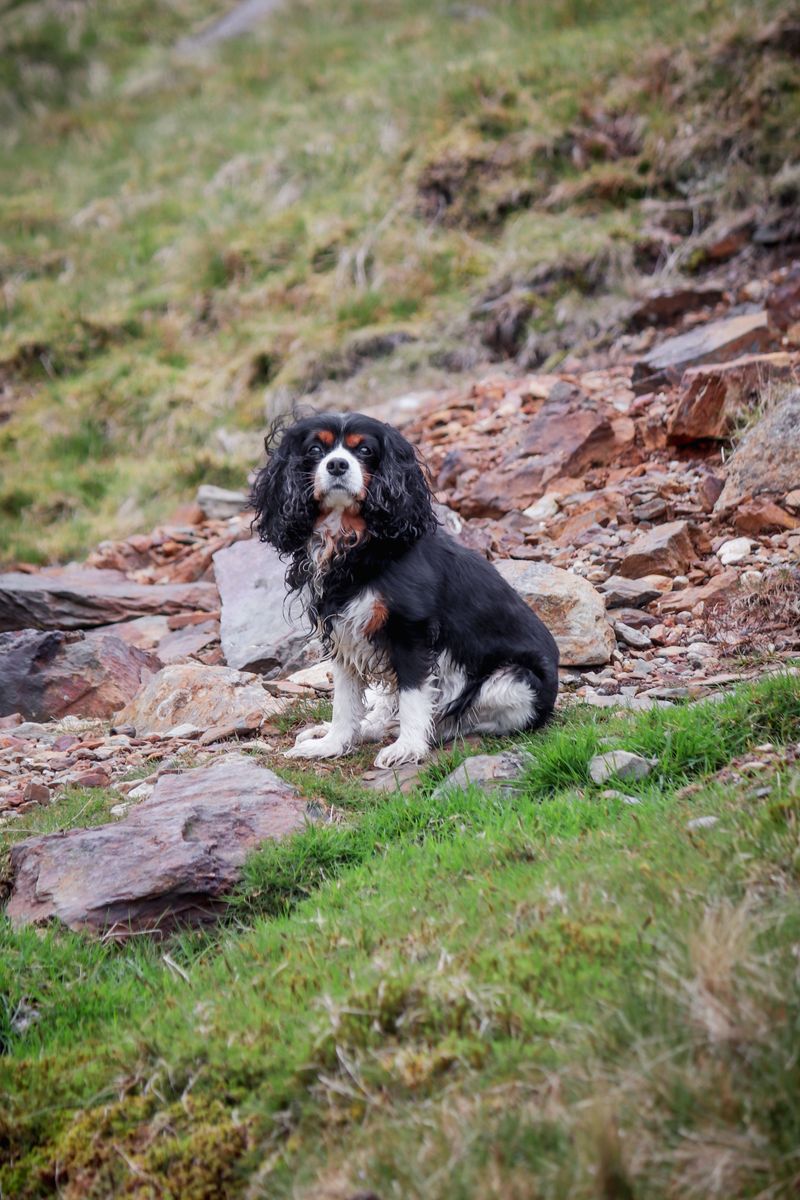
With eyes that look like they can read your mind, the Cavalier wears its heart on its sleeve. Many crave steady closeness and may whine or pace when the house goes quiet.
A pet cam and calming music can help.
Short, frequent walks before and after work ease nerves. Food puzzles and a snuffle mat stretch their brain.
If hours are long, consider a midday sitter, gentle crate training, and a predictable goodbye routine.
German Shepherd
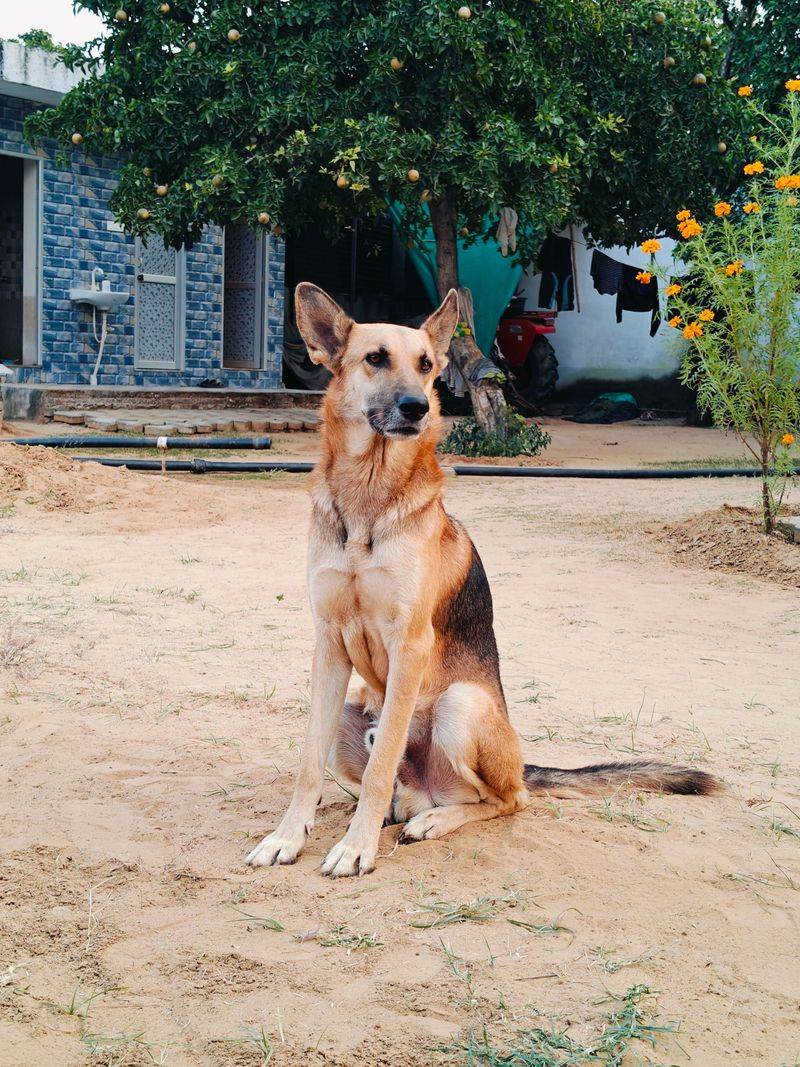
Bred to work and think, German Shepherds often invent their own jobs if left alone too long. That might mean guarding the window or chewing the mail.
Mental workouts matter as much as walks.
Try scent games before leaving, then rotate puzzle feeders to keep focus. A sturdy crate that feels like a den can provide comfort.
Professional training and doggy daycare a few times a week can curb stress and channel energy.
Dachshund
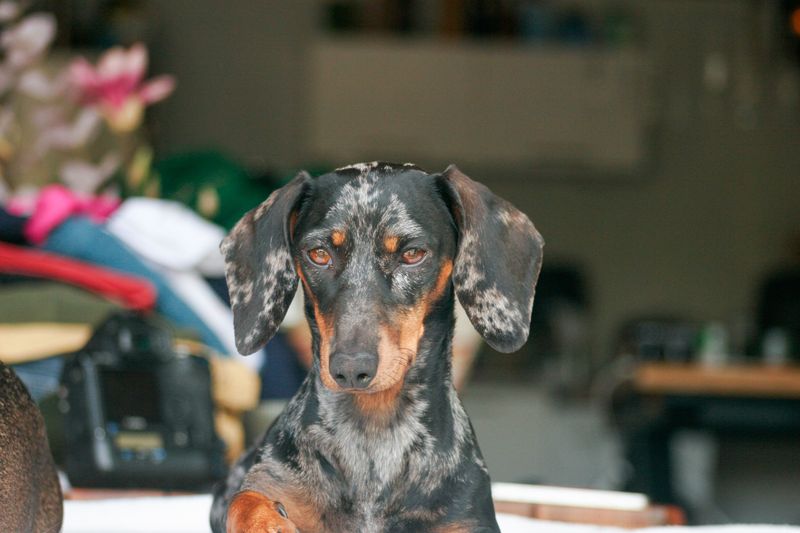
Small body, big feelings. Many Dachshunds form tight bonds and protest with dramatic barks when left solo.
They also love to dig, so boredom can turn into couch archaeology.
Give a digging box filled with safe fabric strips, plus a long-lasting chew. Practice tiny departures, like stepping outside for a minute, then returning calmly.
Consistent routines, window film to block triggers, and a walker at lunch can make your sausage-shaped friend more relaxed.
Australian Shepherd
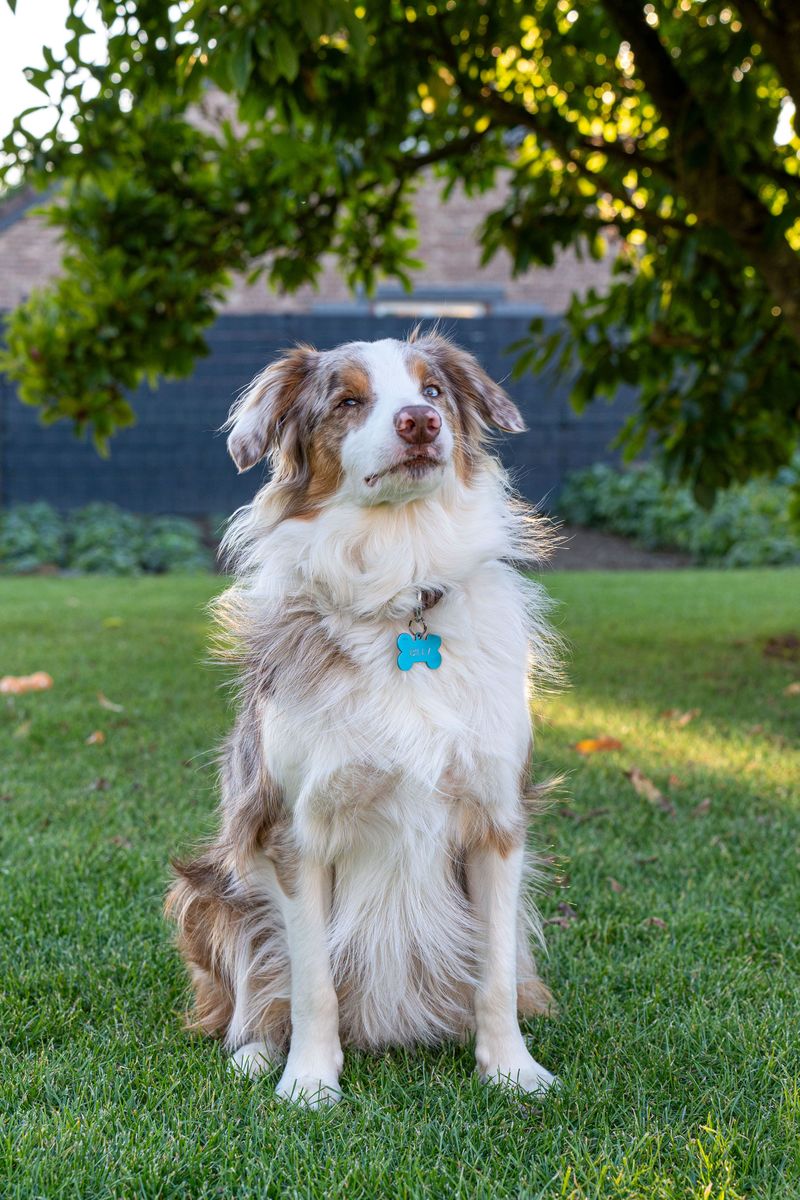
Built for action and teamwork, Aussies can get antsy when the day holds no mission. Restless energy may show as herding kids, chasing shadows, or nibbling furniture corners.
Front-load mornings with a brisk jog or a flirt pole session. Then offer challenging toys like frozen stuffed Kongs and a rotating puzzle lineup.
Consider dog sports classes on off-days. For long shifts, a trusted walker or daycare prevents boredom from boiling over.
Boxer
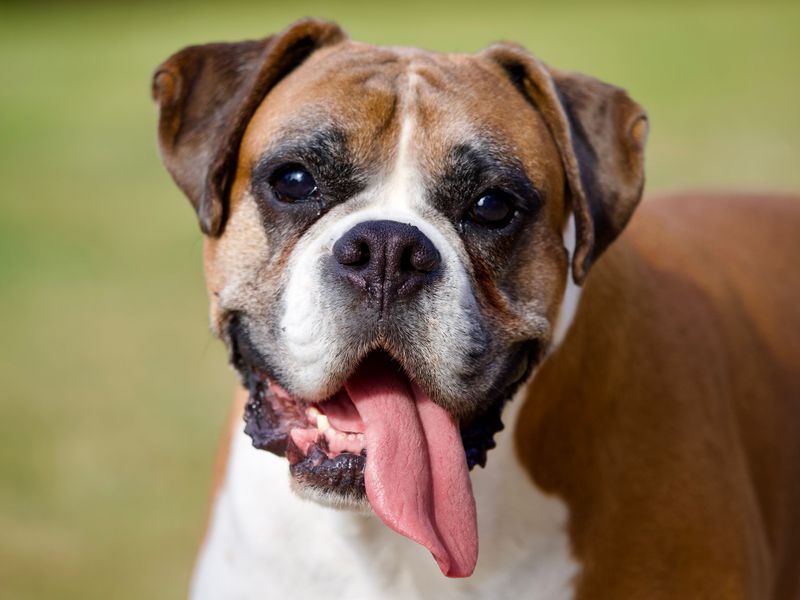
Goofy, social, and expressive, the Boxer often wants to be where the fun is. Long lonely stretches can lead to loud vocals or zoomies that end in knocked-over shoes.
Before work, mix cardio, like a fast walk, with short obedience drills to tire brain and body. Leave behind tough chews and a treat treasure hunt.
Calm exits, scent-infused blankets, and occasional companionship from a neighbor or sitter help keep spirits steady.
Weimaraner
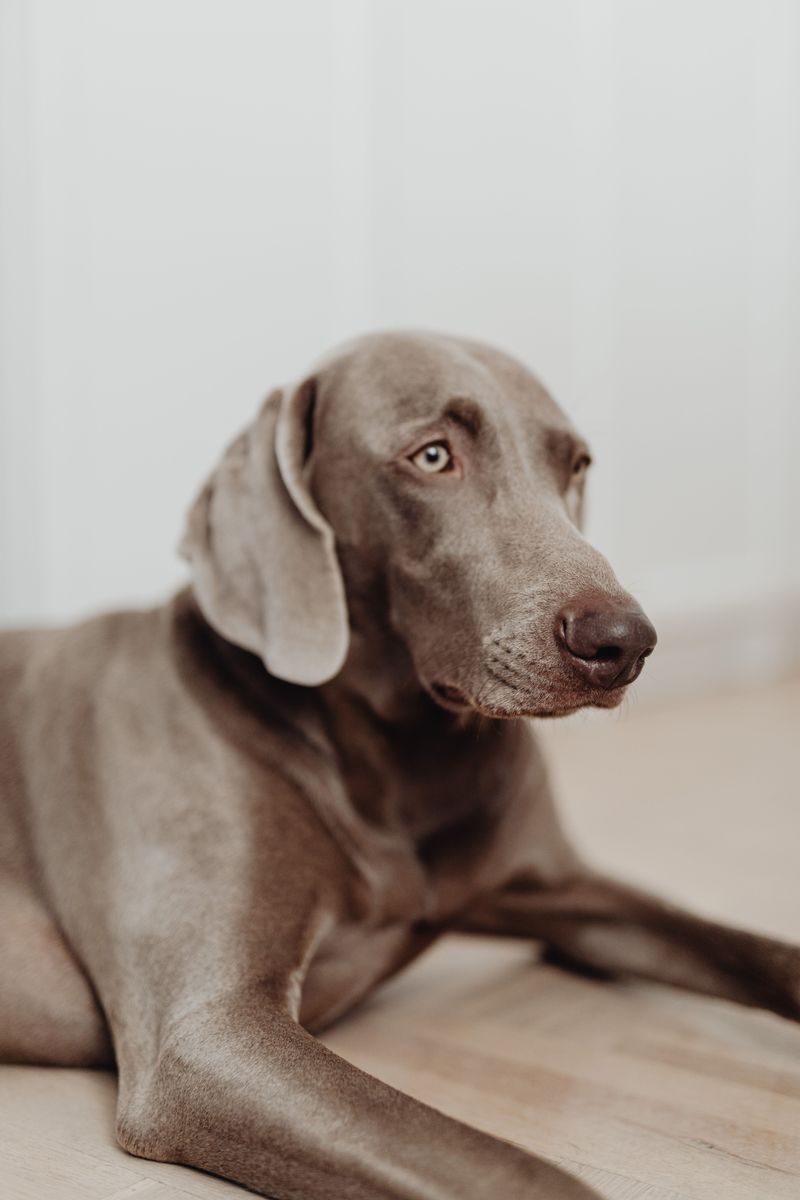
The shadow-like Weimaraner often follows its person from room to room. When that shadow disappears all day, tension can bubble up as pacing or escape attempts.
Channel their drive with structured exercise, like interval fetch, and nose work. A lick mat, frozen toppers, and slow feeders lengthen calm time.
Crate conditioning with soft lighting and white noise can soothe. If schedules are tough, plan help at midday and keep evenings rich with training games.
Vizsla
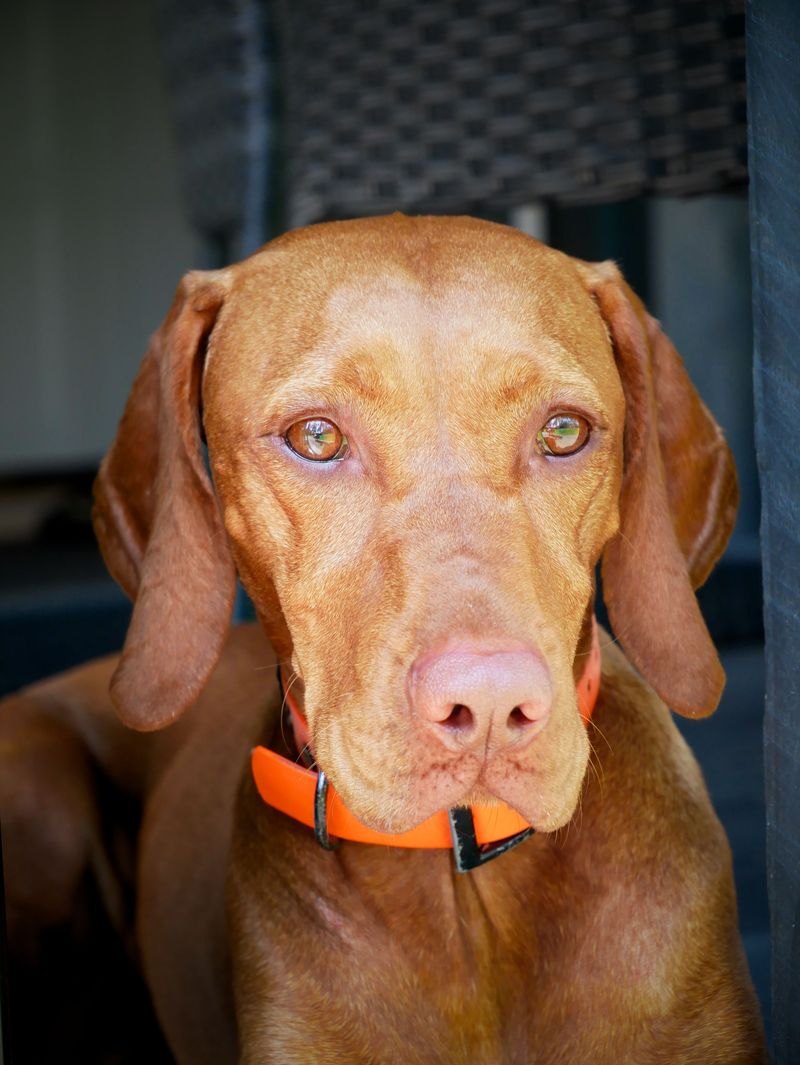
Nicknamed the velcro dog, the Vizsla loves full-contact cuddles. Long absences can feel like a bad plot twist, leading to whining or door scratching.
Build independence with place training and short practice separations while you are still home. Morning sprint sessions help, but so do brain games like hide-and-seek with scents.
Rotate enriching chews, keep departures low-key, and arrange a runner or daycare on heavy workdays. Evening snuggle time restores their cheerful spirit.
Cocker Spaniel
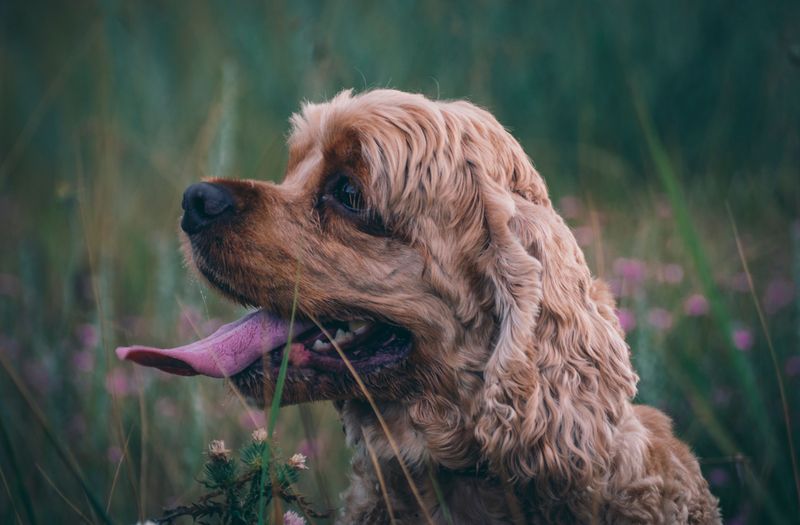
Soft eyes and a soft heart often come together in the Cocker. Sensitive by nature, they may fret when routines shift or rooms go quiet for hours.
Shape confidence with gentle independence games, like settling on a mat while you move around. Provide mellow chew options and calming playlists.
A brisk walk plus a few scent drills in the morning set a peaceful tone. Friendly neighbors or sitters can split the day and prevent anxious spirals.
Bichon Frise
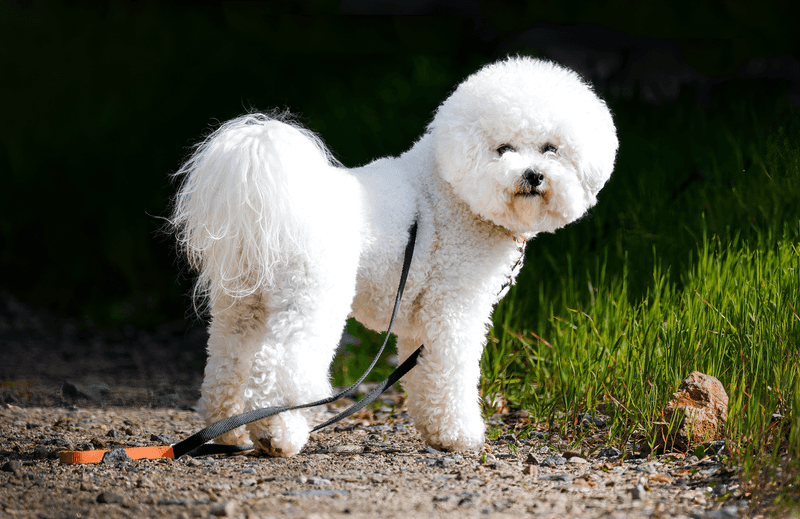
Social butterflies at heart, many Bichons feel lonely faster than you expect. That can show as barking at hallway sounds or nibbling at pillows.
Keep curtains partly closed, use white noise, and offer rolling treat balls. Practice calm departures without big speeches.
Short training bursts after work rebuild connection. If grooming appointments fill your weekends, pair them with enrichment at home so weekdays are less dull.
A reliable walker adds a happy checkpoint.
Maltese
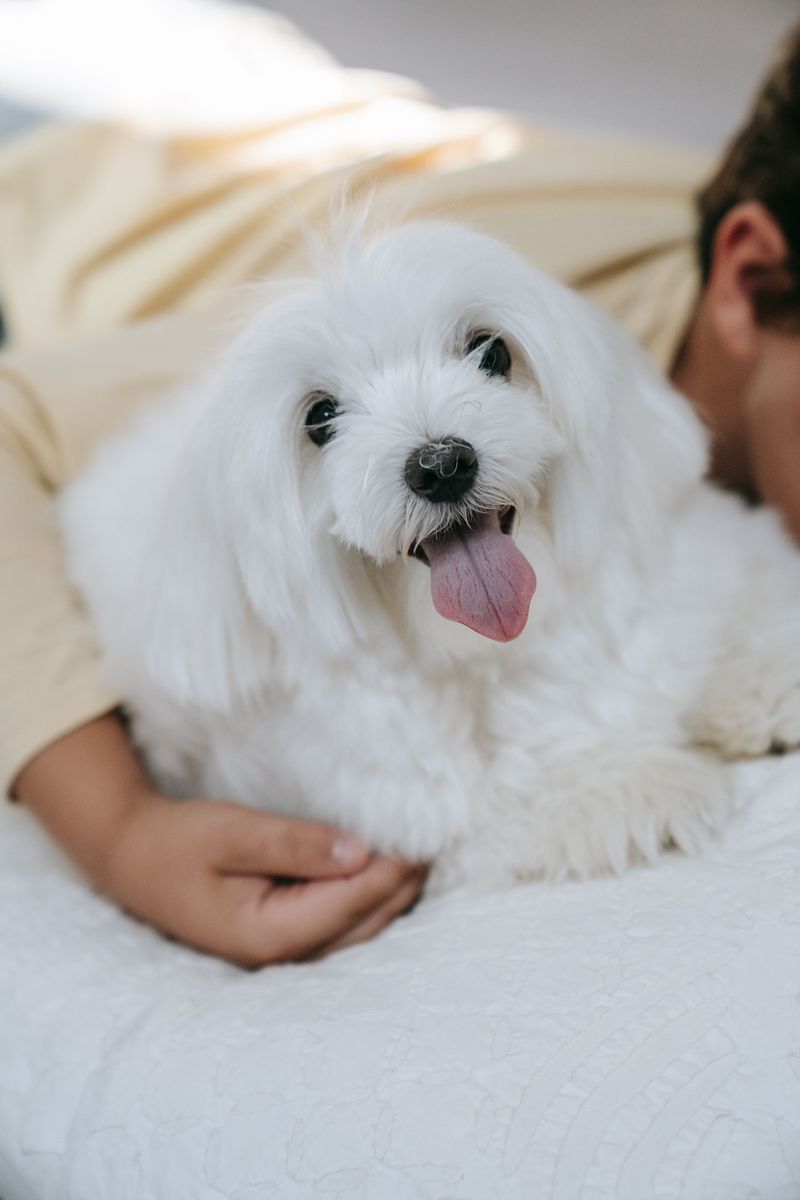
Delicate and people-focused, the Maltese often prefers a lap to an empty room. Without company, some develop clingy habits or yappy protests.
Teach calm independence by rewarding quiet moments on their bed while you cook or read. Offer gentle chews and a lick mat to lower arousal.
Keep exits simple, and return without fanfare. A friend stopping by or a safe playdate midweek breaks up the silence and keeps their cheerful sparkle alive.
German Shorthaired Pointer
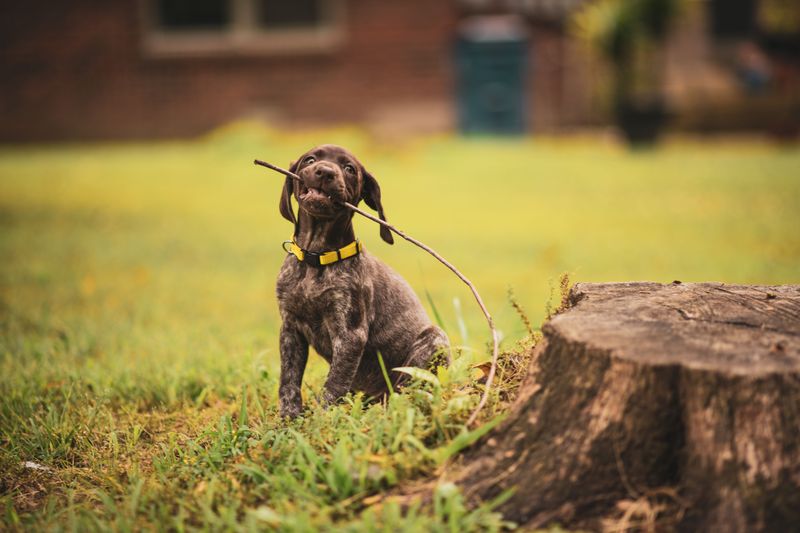
Built for miles and missions, many GSPs struggle when the schedule offers neither. Restless minds can translate into counter surfing or backyard excavation.
Start the day with a hard run or structured fetch, then switch to nose work or scatter feeding. Leave robust puzzle toys and rotate them to stay fresh.
Crate rest after exercise teaches off-switches. When shifts run long, a jogger or daycare can keep your athlete balanced and content.
Havanese
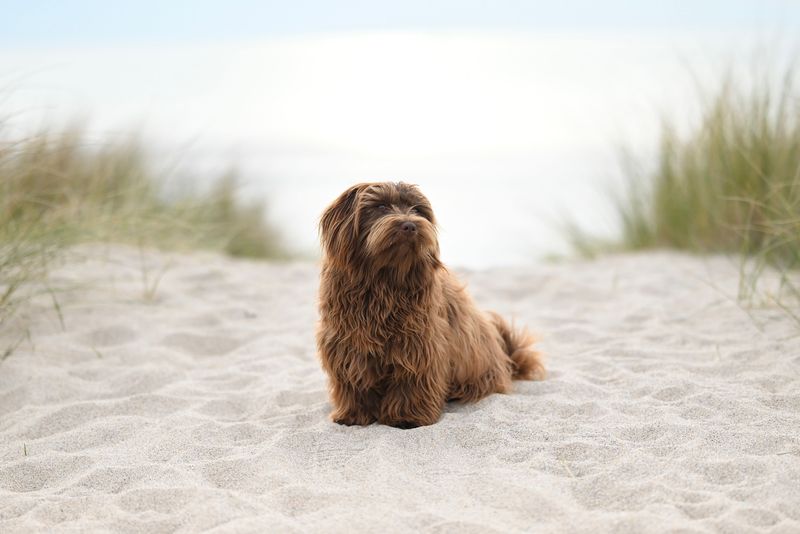
Often called little entertainers, Havanese love being part of daily scenes. Silence can make them fretful, leading to door watching or pacing tiny figure eights.
Train a cozy station, like a bed near a window with the blinds partly closed. Play soft background sounds and offer varied textures to chew and lick.
Keep departures routine, then reconnect with trick training in the evening. A midday visit from a neighbor can reset their cheerful mood.