Hot weather changes how dogs feel, breathe, and play. Some breeds stay comfortable, while others struggle fast in the sun.
Picking the right dog for your climate can prevent scary emergencies and big vet bills. Learn how different breeds handle heat and what you can do to keep them safe and happy.
French Bulldog
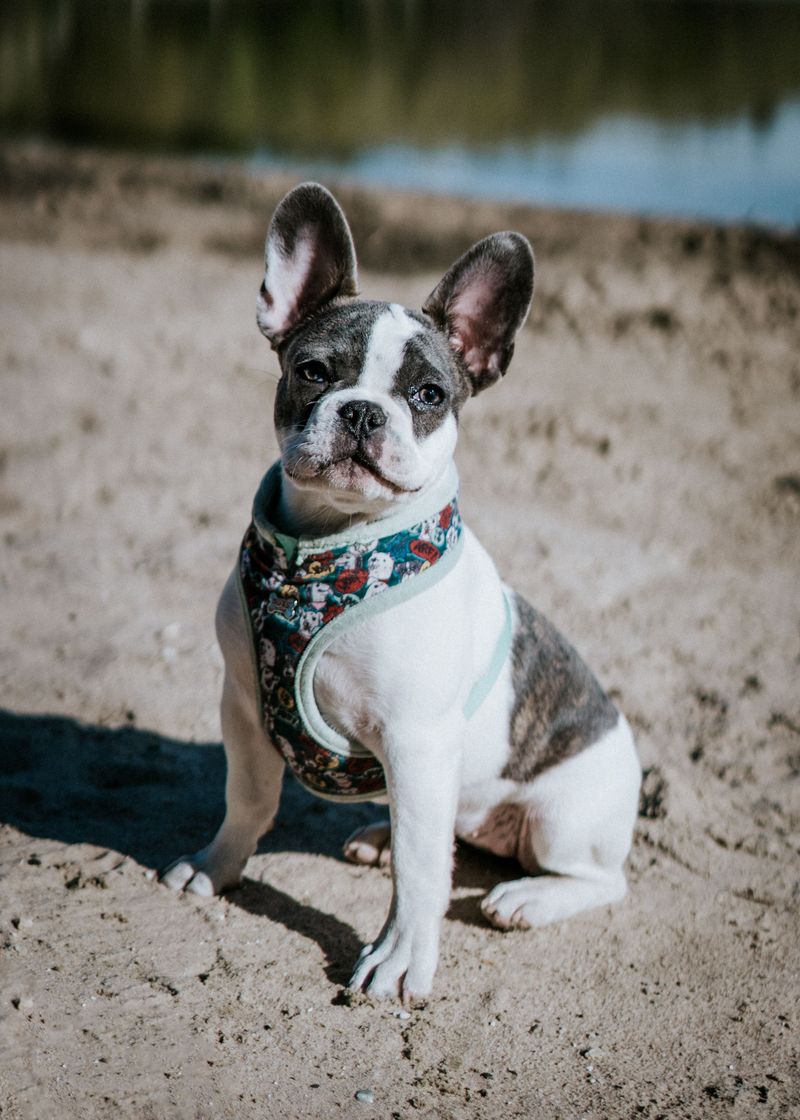
“Two blocks at noon and he’s done,” many Frenchie owners say. Short noses make breathing hard in heat, and stocky bodies trap warmth.
Plan potty breaks at dawn and dusk, use a cooling vest, and skip crowded, humid parks.
Indoors, fans and AC help, but avoid overexertion after meals. Teach a settle cue, keep water bowls everywhere, and choose breathable harnesses.
A pet-safe kiddie pool can be magic for short, supervised dips.
English Bulldog
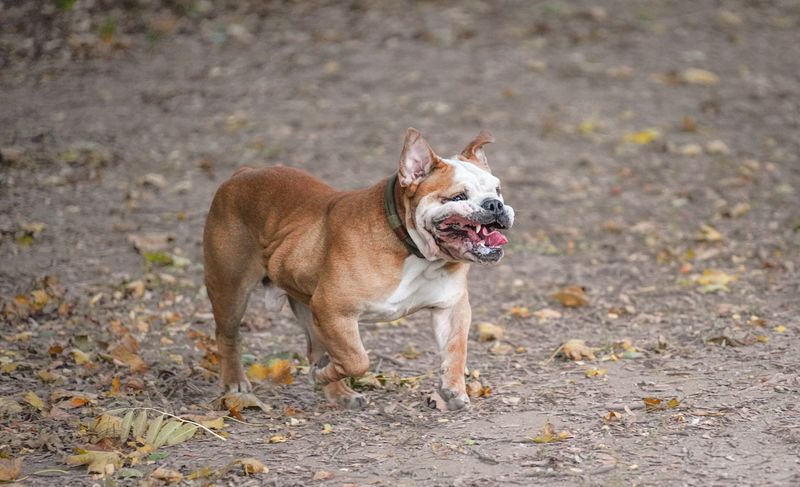
Big heart, bigger heat risk. English Bulldogs have very narrow airways, which makes panting less effective.
Midday walks are a no-go in sweltering cities. Choose grassy routes, stick to short strolls, and bring water and a spray bottle for quick cool-downs.
A raised, breathable bed helps airflow during naps. Watch for glassy eyes, wobbling, or noisy breathing.
If you spot those signs, get inside fast, wet the paws and belly with cool water, and call your vet.
Pug
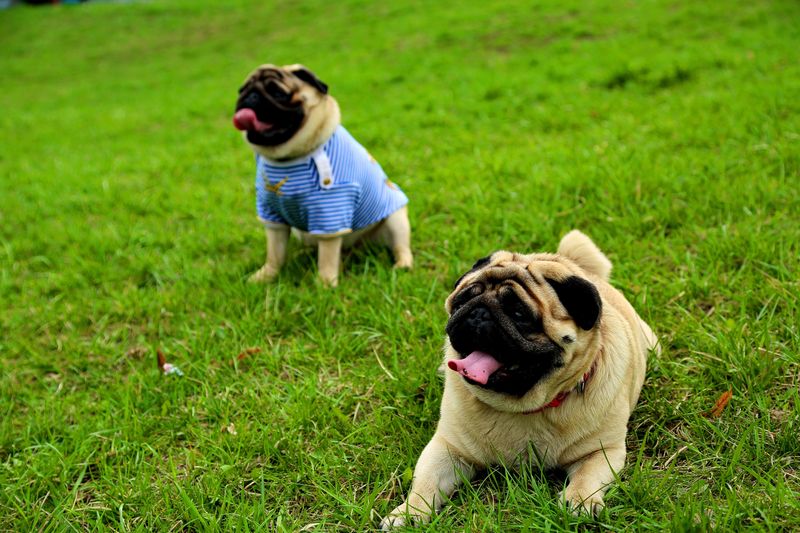
Those adorable snorts can signal a rough time in hot air. Pugs overheat quickly, especially in humidity.
Keep activity playful but brief, try scent games indoors, and rotate frozen lick mats to burn energy without raising body temperature.
Grooming matters too. Brush lightly to reduce loose hair, but never shave.
Use sun-safe turf or shaded sidewalks to protect sensitive paws. A reflective cooling bandana and a quiet, cool room may be your best summer combo.
Siberian Husky
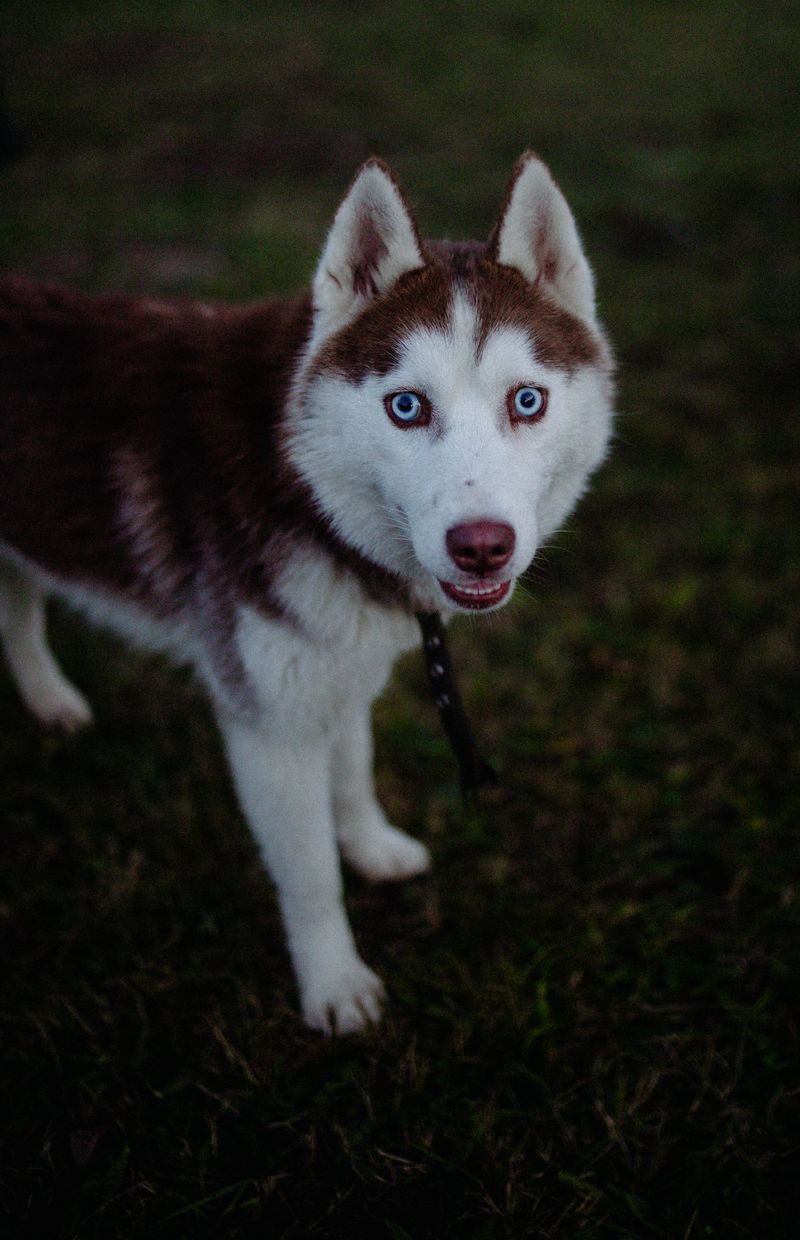
Bred for snow, yet surprisingly adaptable if you respect the coat. Huskies have an insulating double layer that can block heat from reaching the skin.
Early morning runs, steady pace, and long shade breaks keep them comfortable.
Never shave the coat. Instead, de-shed with the right rake to improve airflow.
Offer cool resting spots, like tile or shaded decks, and provide constant water. Heat waves still demand rest days, even for high-energy dogs.
Alaskan Malamute
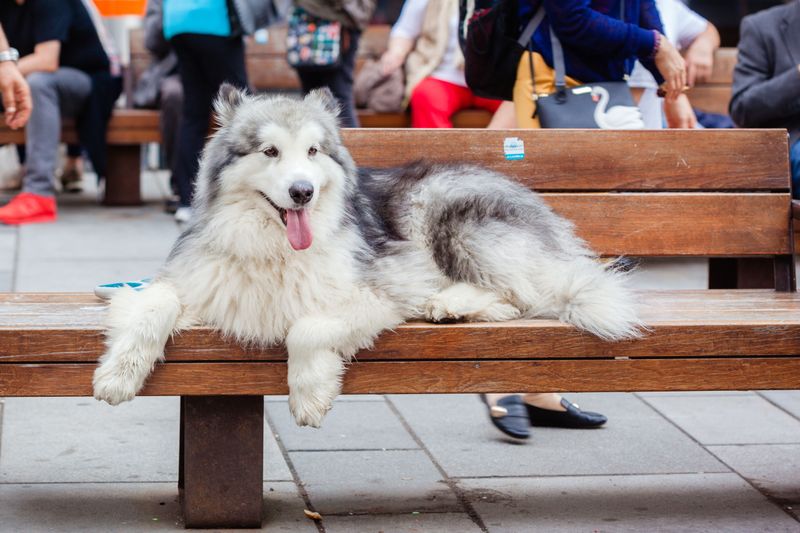
Imagine a winter athlete on vacation. Malamutes excel in cold, so hot climates require pacing and planning.
Long hikes become sunrise strolls, and rest becomes part of the workout. Water breaks every fifteen minutes are smart during warm spells.
Keep coat maintenance regular, never shaved, to prevent sunburn and heat penetration. Use a cooling mat after activity and choose calm mental games on the hottest days.
Watch closely for tongue darkening and heavy panting, then stop immediately.
Chow Chow
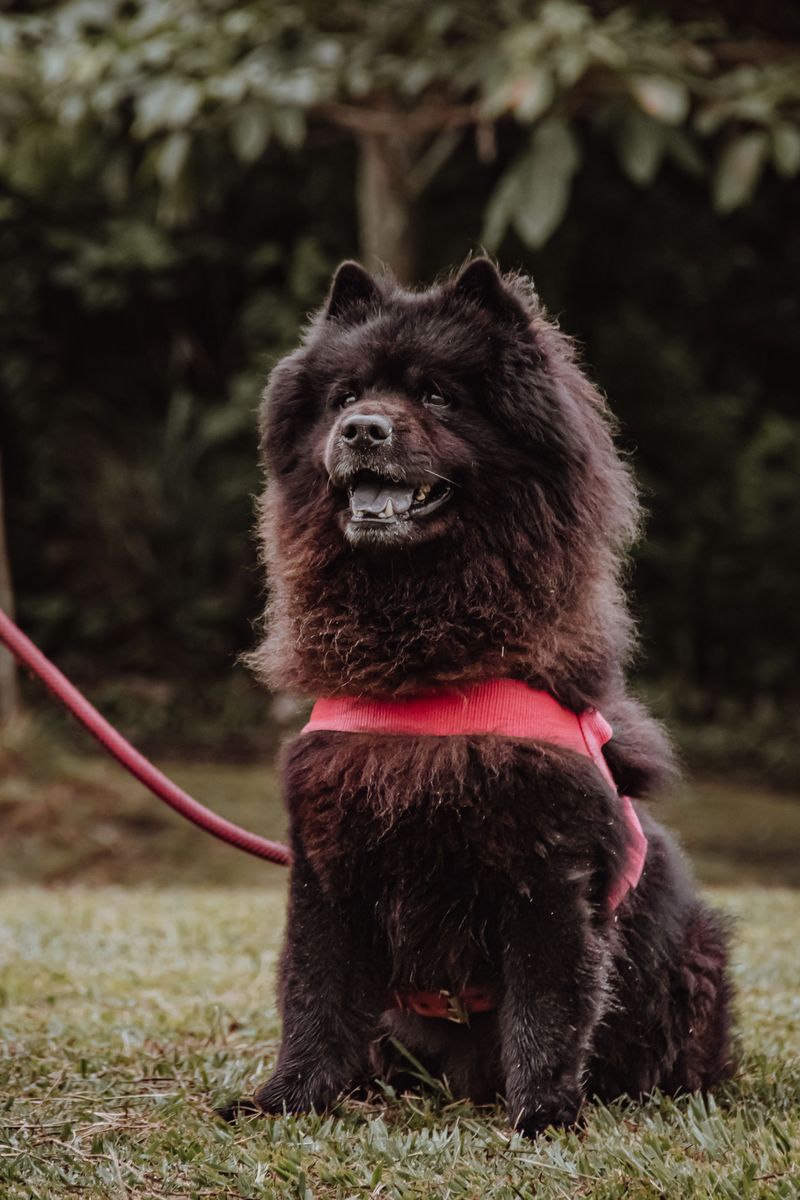
Regal looks come with a thick coat and a serious need for shade. Chows can struggle in muggy heat and often prefer quiet, cool spaces.
Short, calm walks work best, followed by brushing to remove loose undercoat and improve airflow.
Choose a harness that does not bury into the ruff. Keep a fan near the favorite resting spot and offer chilled broth treats for hydration.
Midday yard time is better swapped for indoor training games.
Bernese Mountain Dog
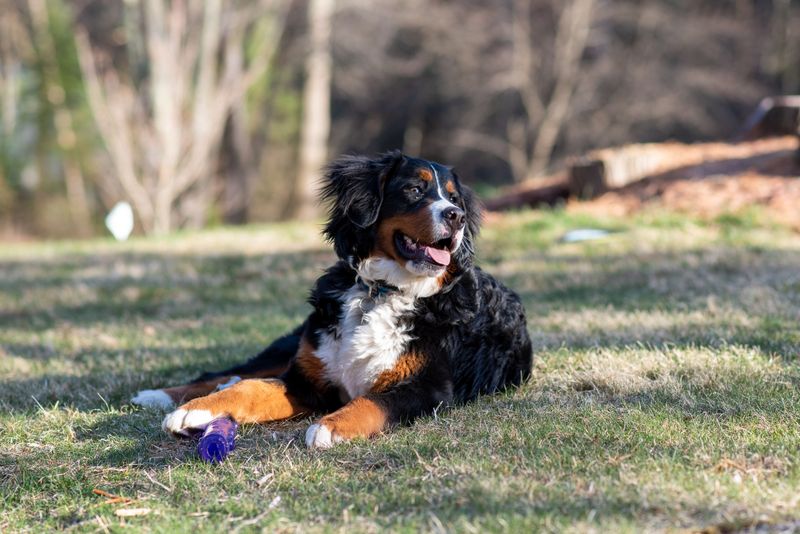
Farm-born for alpine work, Berners prefer cool breezes. Heat can sap their energy and strain joints.
Plan swimming sessions in safe, clean water and keep land exercise short and smooth. Slower, shaded walks protect their heavy build from overheating.
Brush often to clear dead undercoat. Pack a towel to wet the belly if temperatures spike.
Older Berners especially benefit from non-slip indoor games on hot afternoons to reduce panting and joint stress.
Newfoundland
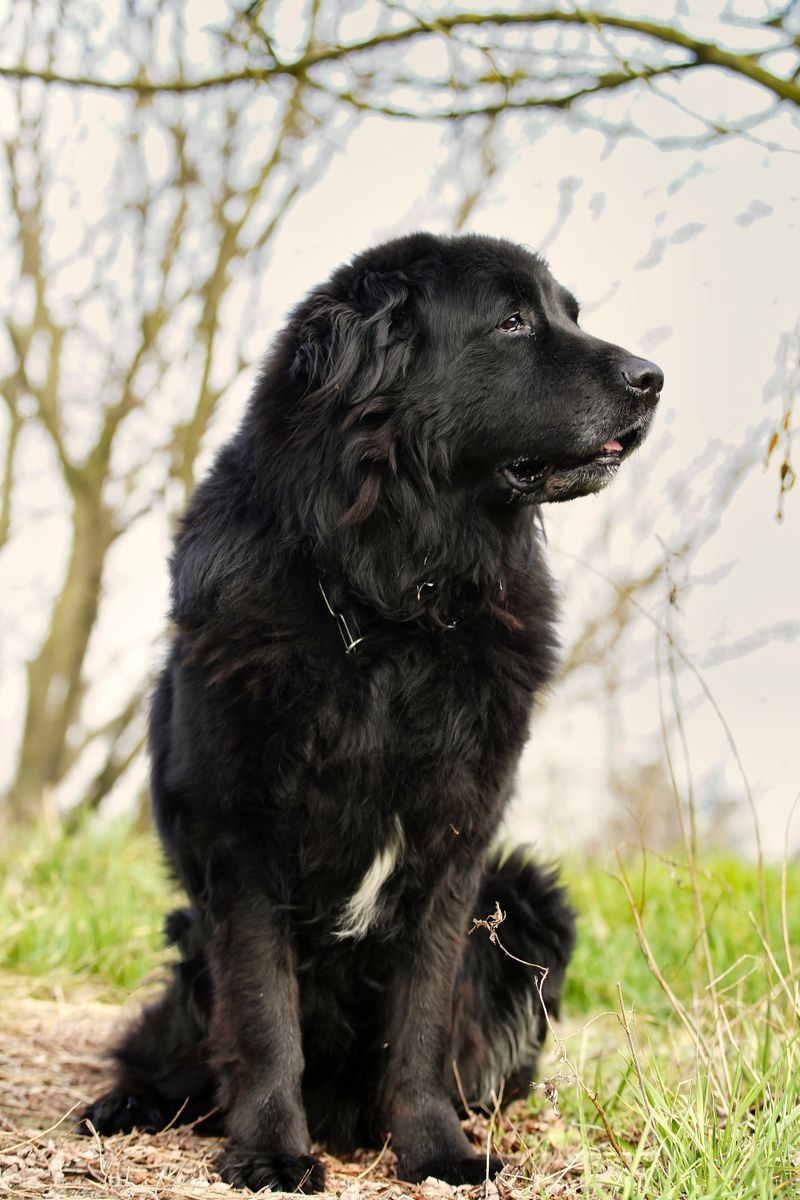
With a heart as big as its paws, the Newfoundland often finds relief in water. That dense, water-resistant coat holds heat on land.
Choose aquatic exercise early in the day, and dry thoroughly to prevent skin issues afterward.
Car rides require strong AC and frequent breaks. At home, a cool basement or tiled area is gold.
Offer slow puzzles and chews when outdoor time feels unsafe. Keep a digital thermometer to assess pavement temperatures.
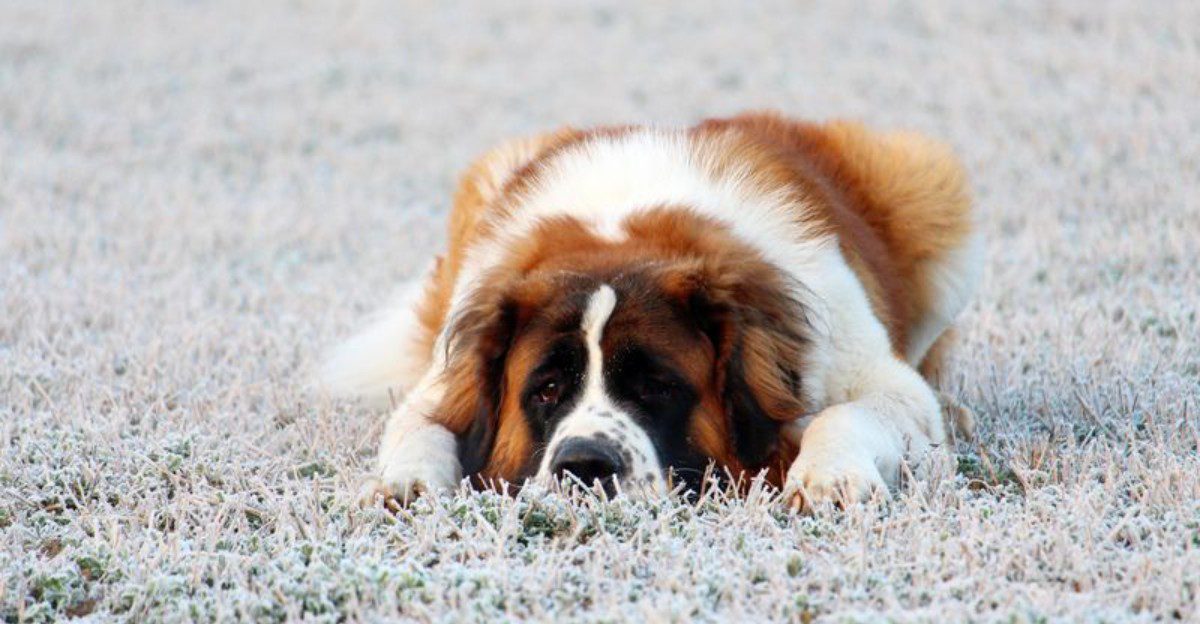
Saint Bernard
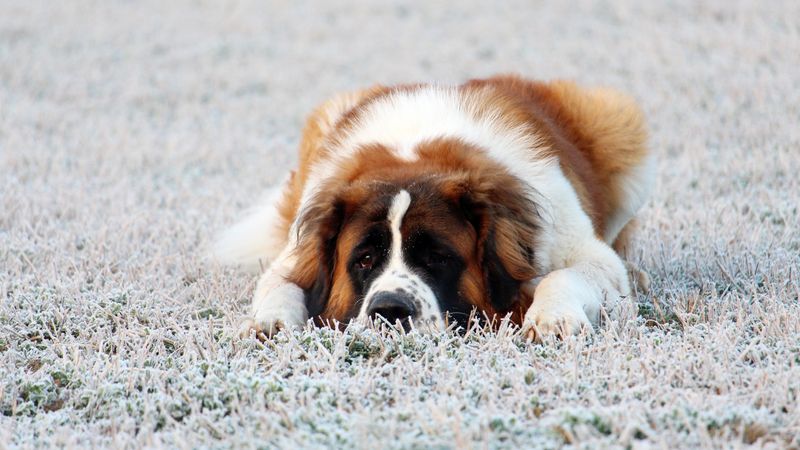
Legendary for mountain rescues, Saints can wilt in scorching towns. Heavy bodies and thick coats demand careful pacing.
Walk on soft ground, schedule rests, and carry plenty of water. Many do best with two short outings and indoor enrichment later.
Trim feathering for cleanliness, but never shave the coat. Use a cooling collar during supervised naps.
Saliva can increase dehydration risk, so refresh water often and add ice during heat alerts for tempting sips.
Boxer
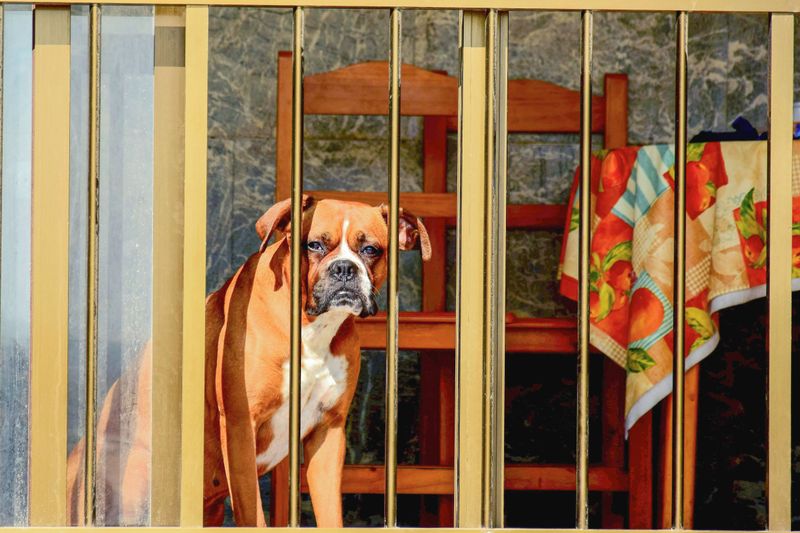
All gas, no brakes is a Boxer mood, but hot pavement says slow down. Their short muzzle reduces cooling efficiency, so conditioning matters.
Shift workouts to morning, add interval rests, and sprinkle in nosework to burn energy without heat buildup.
Choose mesh gear and avoid asphalt on blazing days. Watch for sudden drooling or sluggish steps.
A quick rinse of paws and belly with cool water after exercise helps recovery without shocking the system.
Bullmastiff
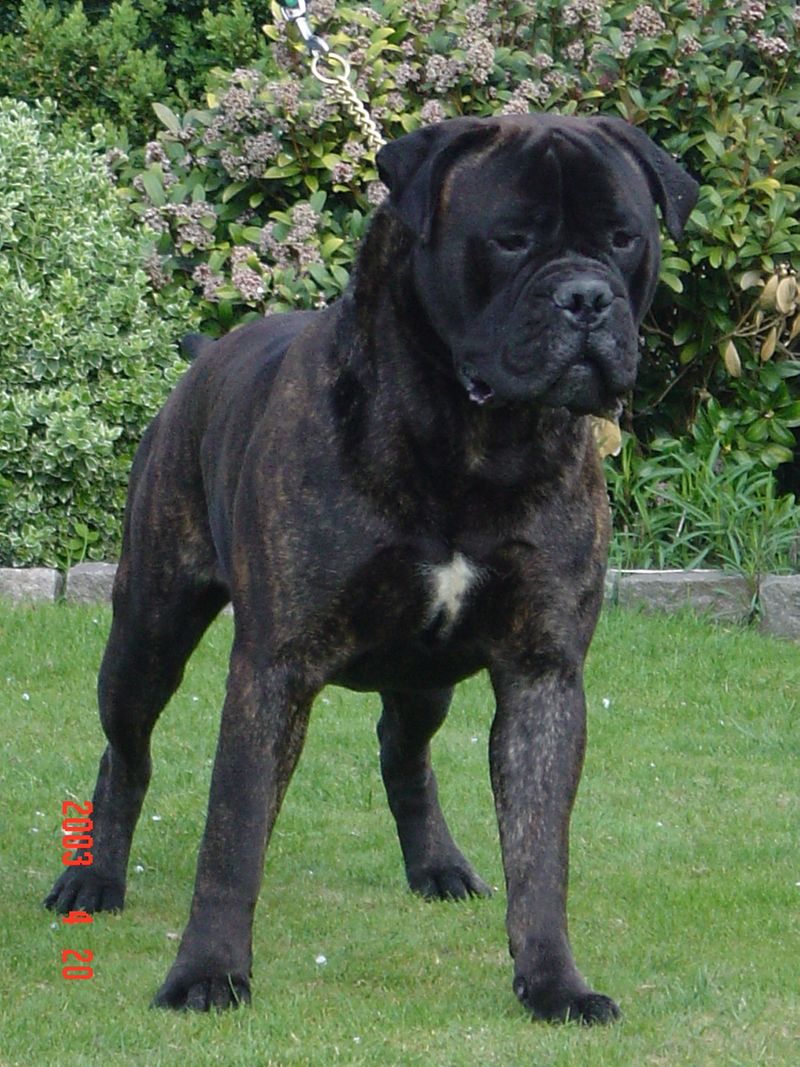
Big frame, short snout, and a calm vibe can hide brewing heat stress. Bullmastiffs often prefer lounging, yet they warm up fast.
Keep walks short, pick routes with trees, and avoid steep hills in humid weather.
At home, a cooling mat and a slow feeder reduce panting after meals. Train a strong recall so you can end play when breathing sounds rough.
Check gums for bright red color, which can signal overheating.
Cavalier King Charles Spaniel
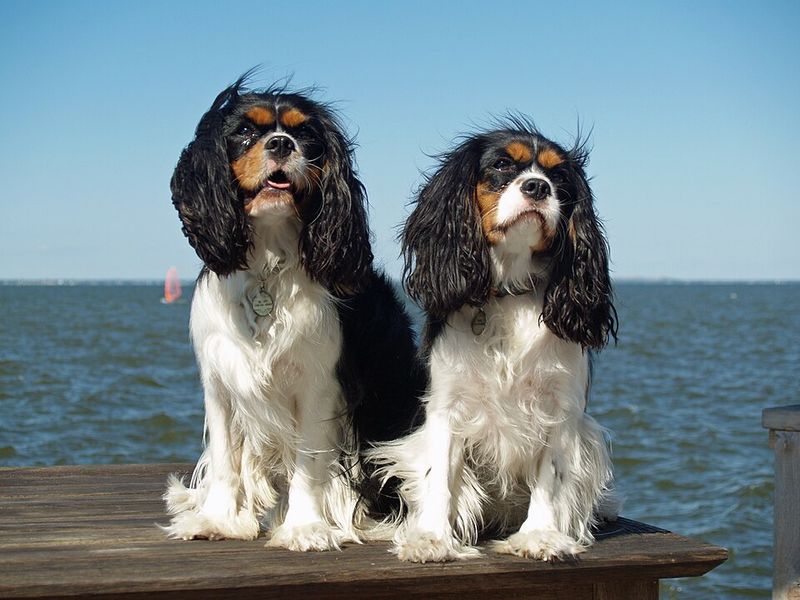
Sweet and social, Cavaliers follow you everywhere, even into sweltering rooms. Their silky coat and sensitive hearts mean gentle routines work best.
Keep playtime indoors during peak sun, and add short fetch bursts at dusk when sidewalks cool.
Regular brushing reduces matting that traps heat. Travel with a shade cover and seat-belt harness near the car’s AC vents.
A cooling bandana and quiet puzzle toys can turn a hot day into a cozy one.