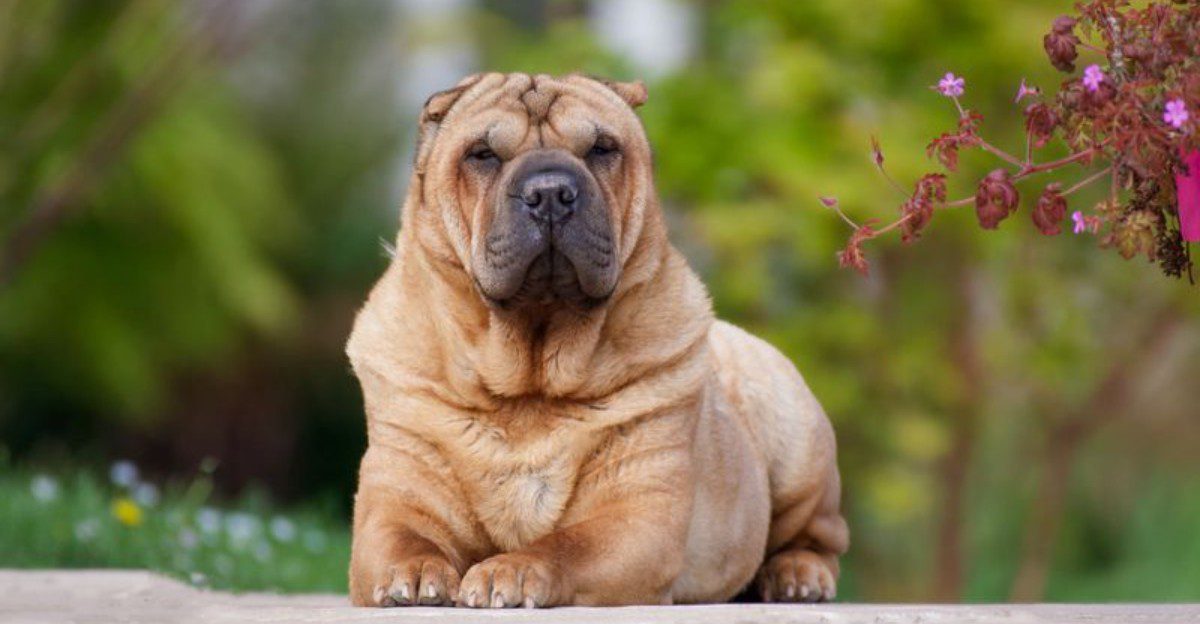
Some dogs love to be the center of attention. Others prefer to hang back, watch quietly, and choose their moments carefully.
Knowing which breeds lean toward calm or cautious behavior can help families match energy levels at home and in public places. Meet twelve breeds that often save their sprints for later, while they study the scene first.
Greyhound
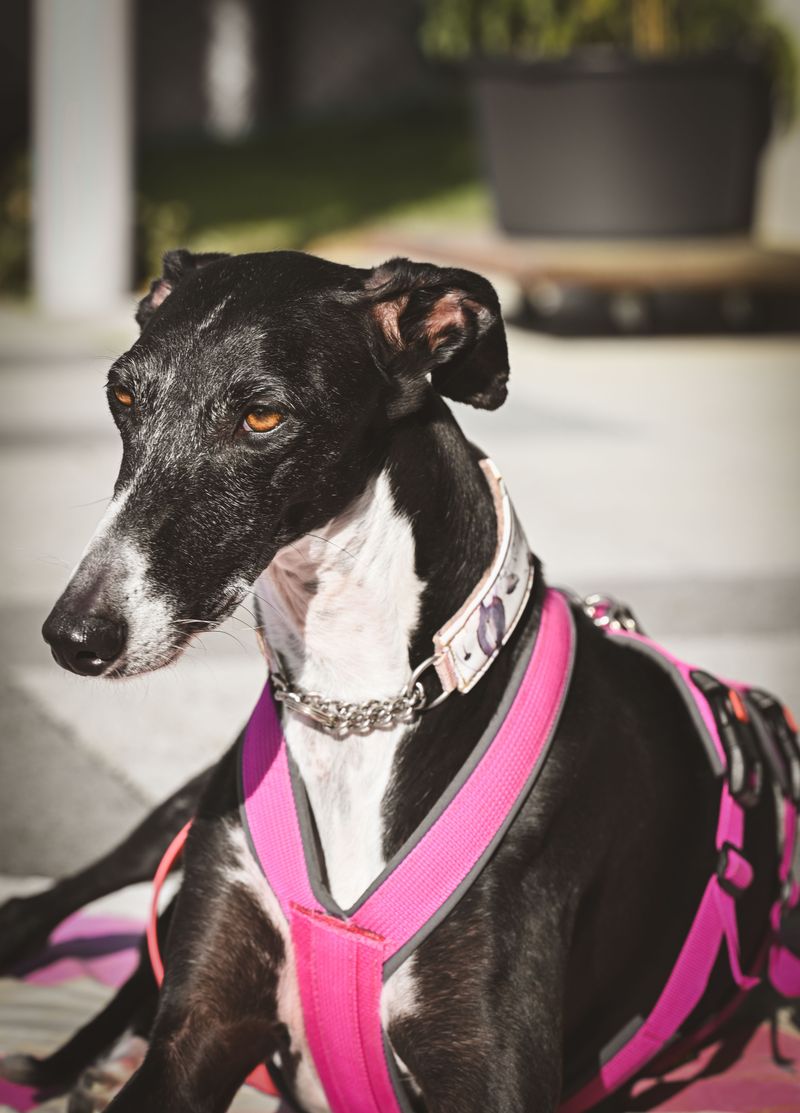
Quiet like a whisper, a Greyhound often waits for the right time to move. Built for speed, yes, but famous for couch time, they love a soft bed and a peaceful room.
Short bursts of exercise followed by long naps suit them perfectly.
Keep walks steady and surfaces gentle to protect lean joints. A cozy sweater in cool weather helps, and calm introductions at dog parks keep stress low.
They read the room before they race.
Akita
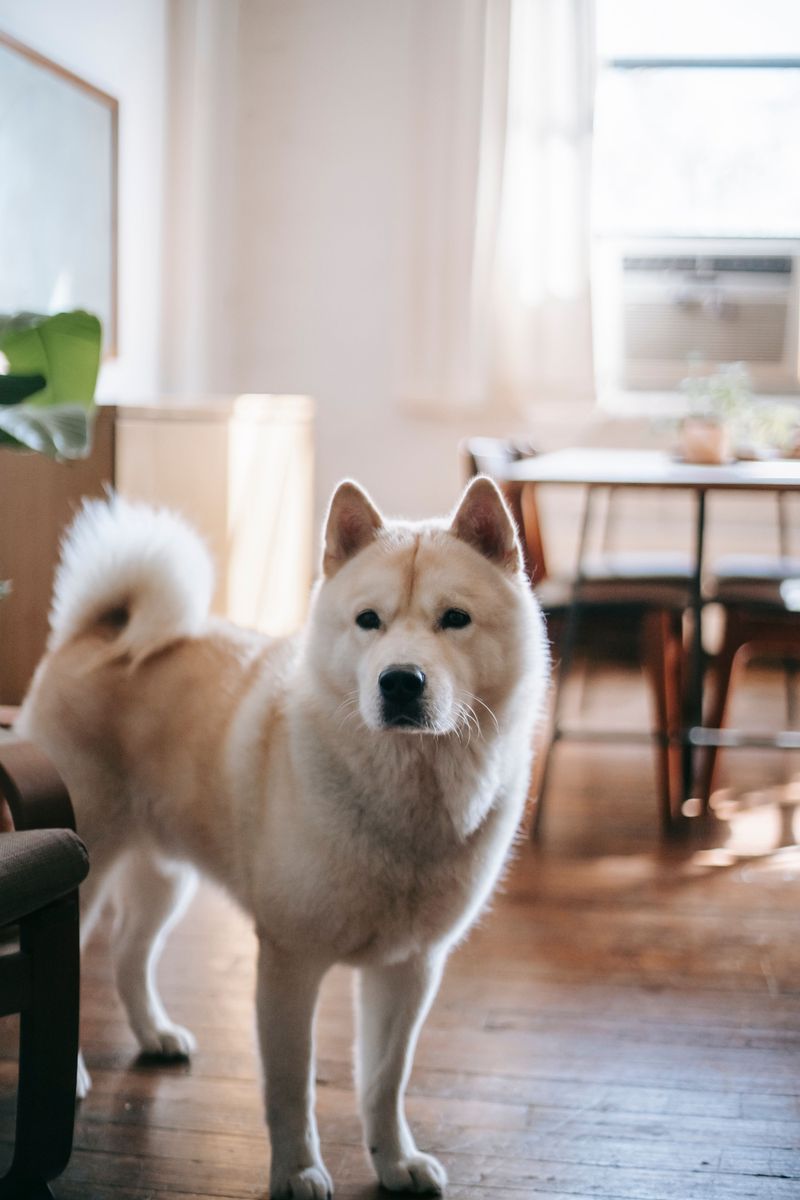
Like a thoughtful guard at the gate, the Akita prefers to observe first. Loyalty runs deep, and they often stick close to their person, scanning for what matters.
Big bodies and strong minds need steady rules and patient guidance.
Short training sessions with clear cues work best. Respect their space around new dogs, and focus on calm walks, not noisy play.
Early social time builds trust, while structured exercise keeps their powerful frame balanced and content.
Shiba Inu
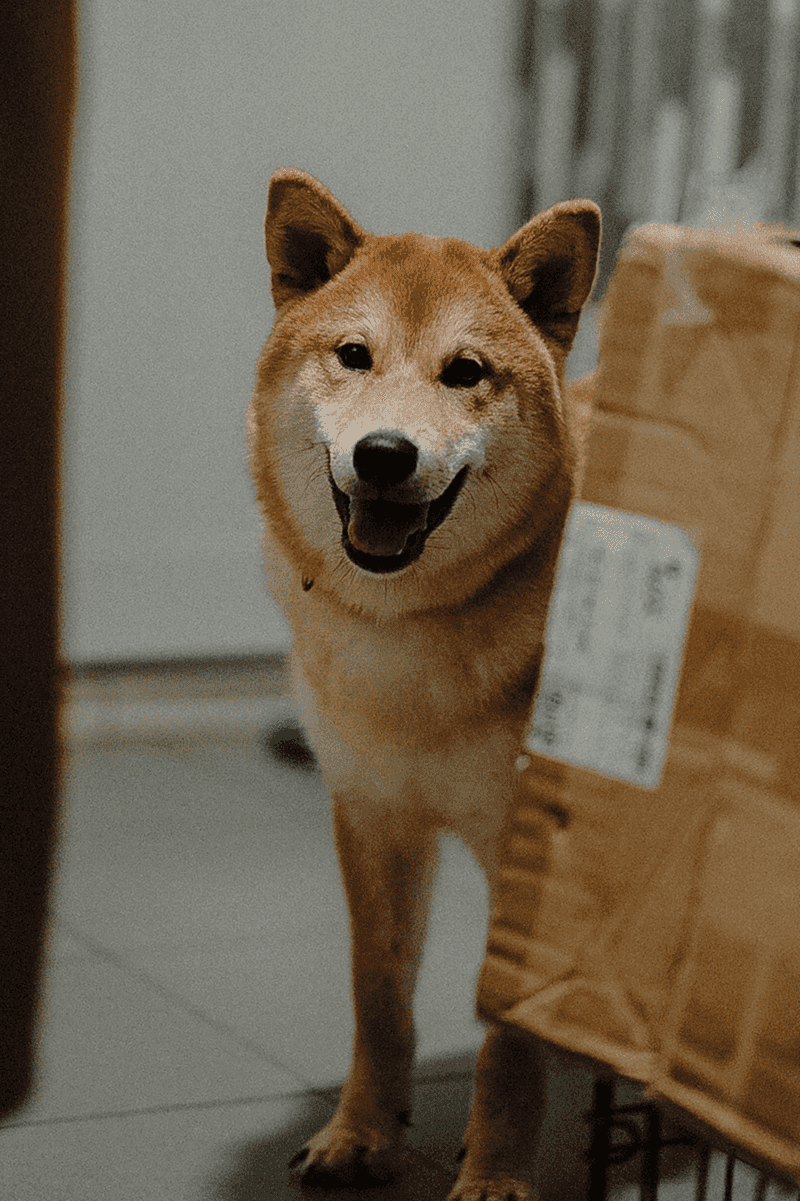
Small in size, huge in opinions, the Shiba Inu often chooses to sit back and judge the scene. Independence shines through their bright eyes.
They like clean routines and will say no with a look.
Use tasty rewards and short, upbeat lessons to keep training fun. Secure leashes matter, since many Shibas love to chase.
Offer puzzle toys at home to satisfy their quick minds, and let them approach new friends at their own pace.
Great Dane
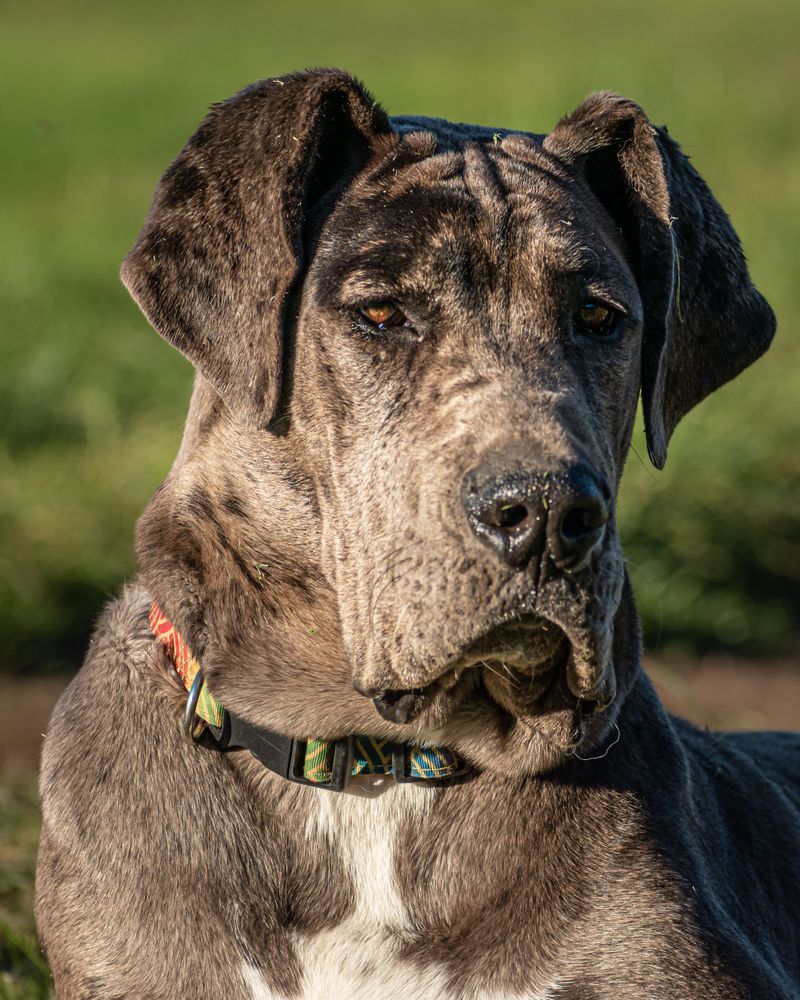
Imagine a skyscraper with a soft heart. Great Danes often take life slowly, choosing comfort over chaos.
Their size can fill a room, yet their mood is often mellow and steady.
Short, regular walks protect growing joints, and cushioned beds prevent pressure spots. Teach polite greetings so their friendly bulk stays manageable.
Many prefer quiet corners during wild play, so give a retreat space. With gentle guidance, they become calm companions who watch first and act wisely.
Chow Chow
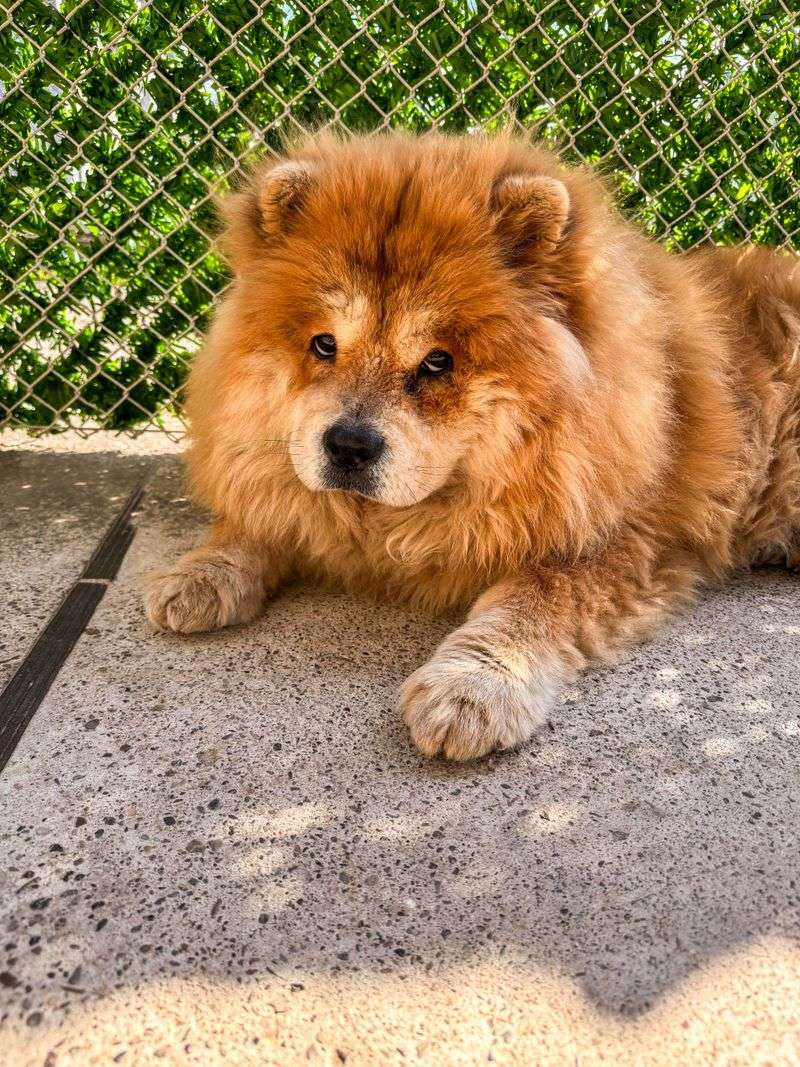
Royal in vibe and steady in step, the Chow Chow often keeps a cool distance. They prefer predictable people and calm greetings.
Instead of racing into games, they study and decide.
Brush that dense coat often, and keep training simple and consistent. Gentle social time from a young age helps them accept visitors.
Avoid pushy playmates, and use slow introductions to new spaces. Respect goes a long way with Chows, and they will give it back.
Whippet
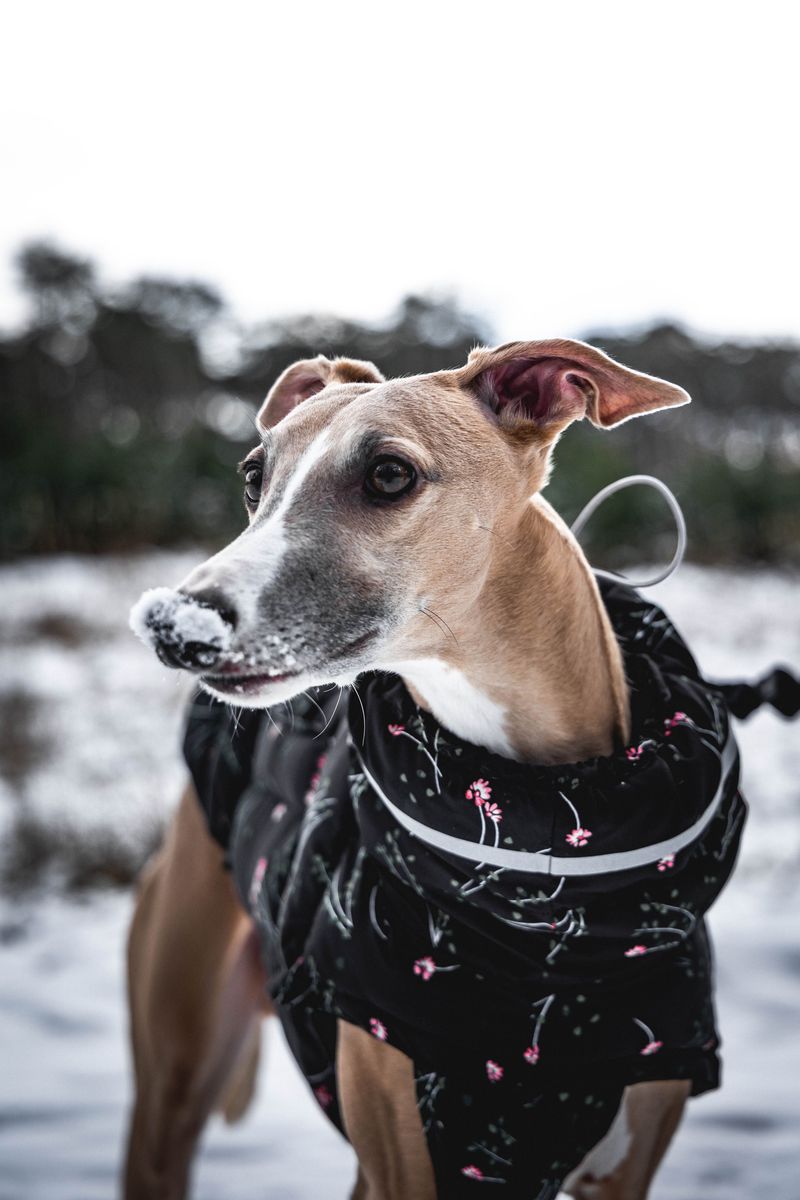
Speed lives under that smooth coat, yet a Whippet spends much of the day snoozing. Quick sprints are enough, then it is back to cozy corners.
Loud, rough play can feel like too much.
Offer warm bedding and short zoom sessions in a safe, fenced area. Thin skin needs soft gear and gentle handling.
Keep training upbeat and brief. With a little exercise and lots of rest, Whippets watch calmly until it is sprint time.
Scottish Terrier
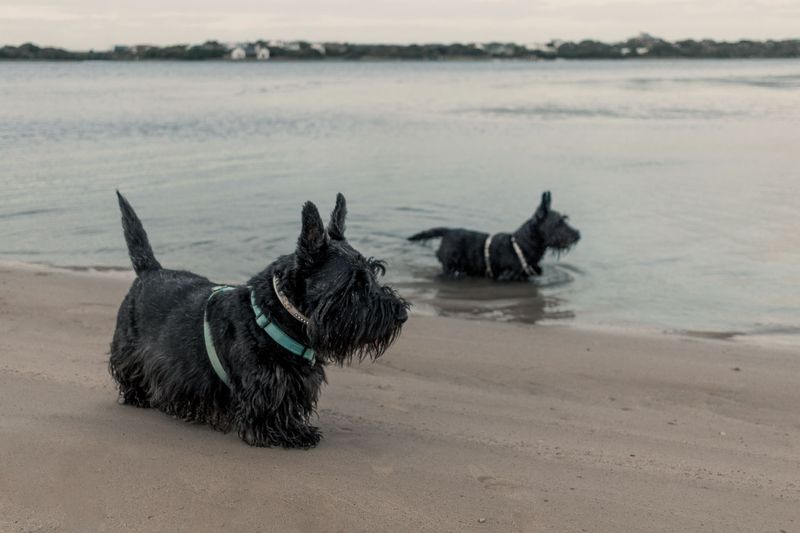
Short legs, tall attitude. The Scottish Terrier loves to think before acting, often standing like a tiny statue as the world buzzes by.
Independent and brave, they still prefer choosing their own moments.
Use games that tap their strong nose, like treat trails. Keep social scenes positive and not too crowded.
Regular hand stripping or clipping keeps that classic outline sharp. Clear boundaries at home help channel their confidence into calm, polite choices.
Bullmastiff
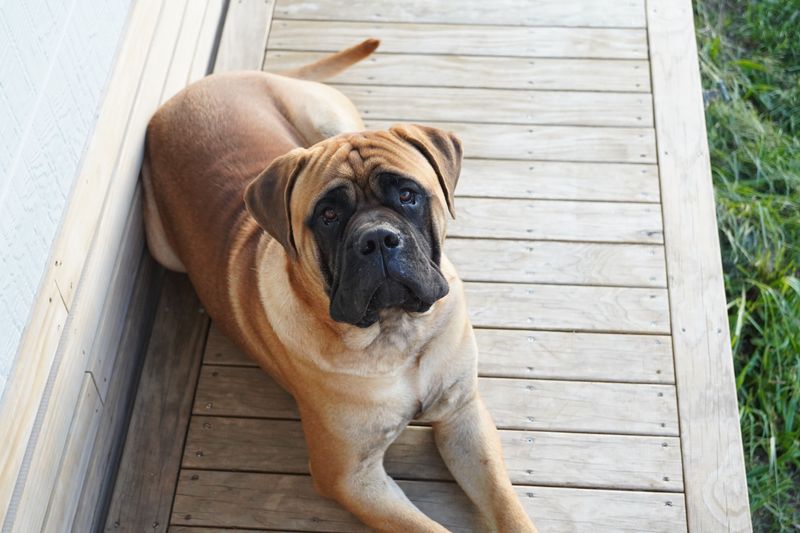
Like a quiet bodyguard, the Bullmastiff watches first and steps in only when needed. Their size looks intimidating, but many are tranquil indoors.
Too much roughhousing can be tiring for them.
Steady, low-impact walks keep joints happy. Teach loose-leash skills early, and reward calm choices around visitors.
Provide a thick bed and cool resting spots. With kindness and structure, they stay relaxed, observant, and ready to help if the situation truly calls for it.
Rhodesian Ridgeback
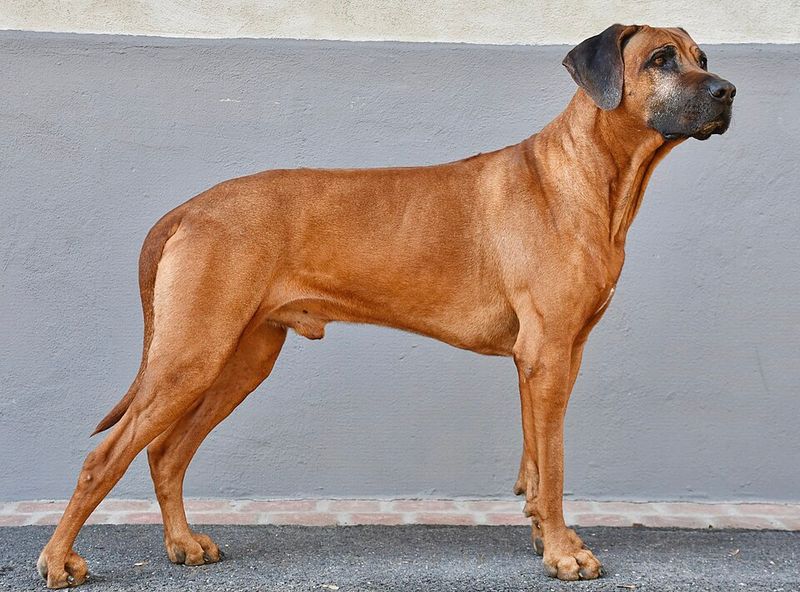
Adventure calls, but a Ridgeback often pauses to evaluate. Bred to track with endurance, they rely on judgment more than nonstop play.
Many prefer a controlled run over chaotic fetch circles.
Plan long, even-paced walks or jogs to burn energy. Solid recall training is vital, and a secure yard helps.
Give them puzzles to solve and tasks to learn. With fair rules and daily movement, they remain calm spectators until a real job appears.
Japanese Chin
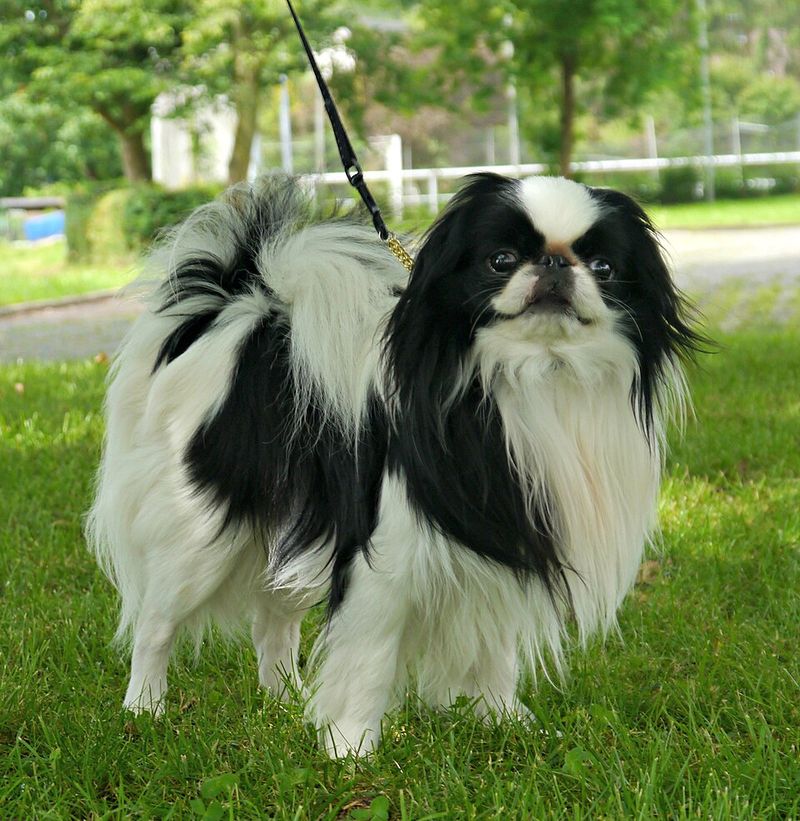
Graceful and catlike, the Japanese Chin often chooses the high perch over the busy floor. They track the room with curious eyes and prefer gentle touches.
Loud games can feel overwhelming.
Keep grooming light and regular to protect that silky coat. Use soft voices during training and reward calm focus.
Short play bursts are enough, followed by quiet cuddles. Offer safe spots on furniture or beds so they can watch the action without getting swept up.
Borzoi
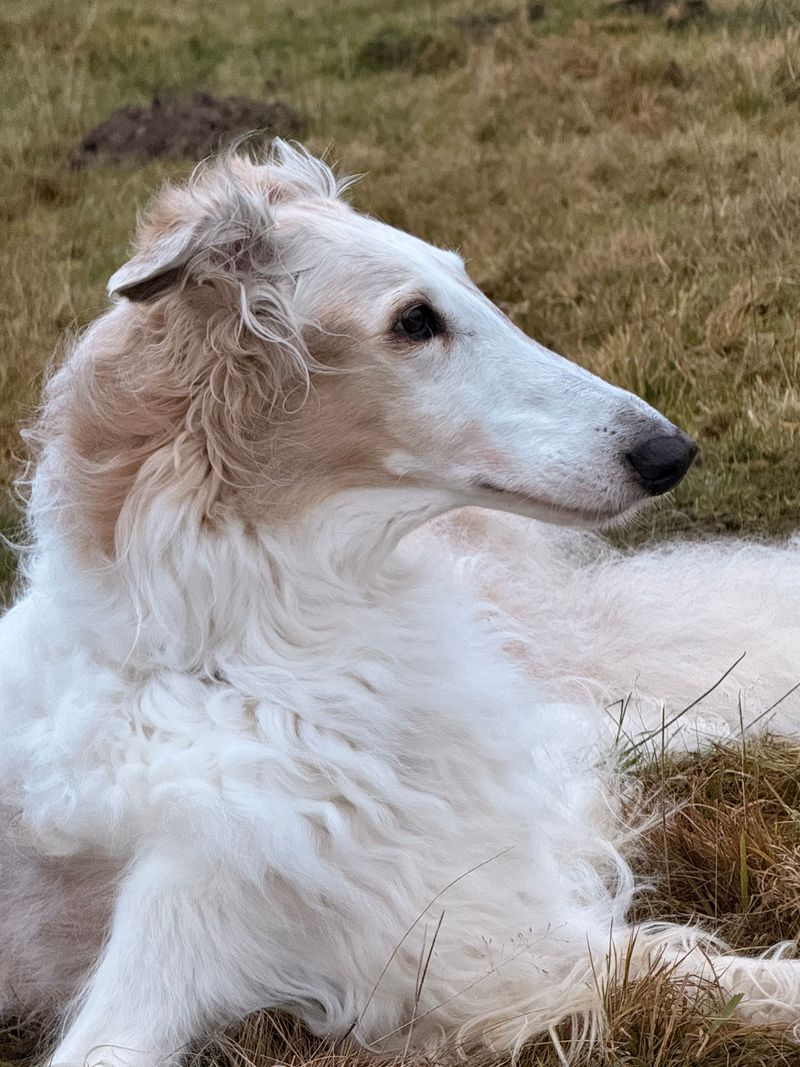
Elegance in motion, serenity at rest. The Borzoi prefers measured choices over rough play.
Sensitive by nature, they often step aside when noise rises and return when peace returns.
Provide gentle exercise with room to stretch, then lots of quiet time. Thin skin and long legs appreciate soft beds and careful handling.
Calm socialization builds confidence. With kind routines and space to think, Borzois thrive as thoughtful onlookers who sprint only when the moment feels right.
Shar-Pei
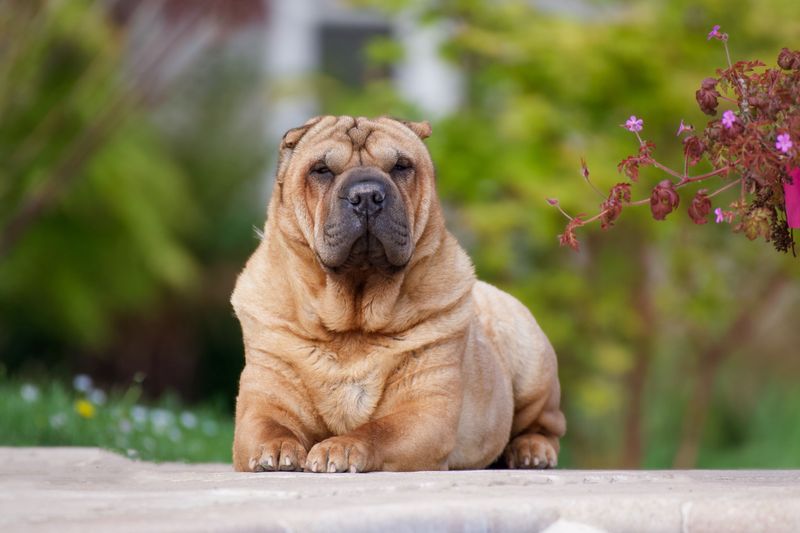
Those wrinkles hide a wise thinker. The Shar-Pei often stays composed while others zoom.
Strong-willed yet calm, they like predictable plans and respectful greetings.
Focus on clear training cues and early, gentle social time. Keep skin folds clean and dry, and choose harnesses that prevent rubbing.
Many prefer short, quiet walks over chaotic crowds. With steady routines and thoughtful handling, they remain cool spectators who step forward only when they truly feel ready.