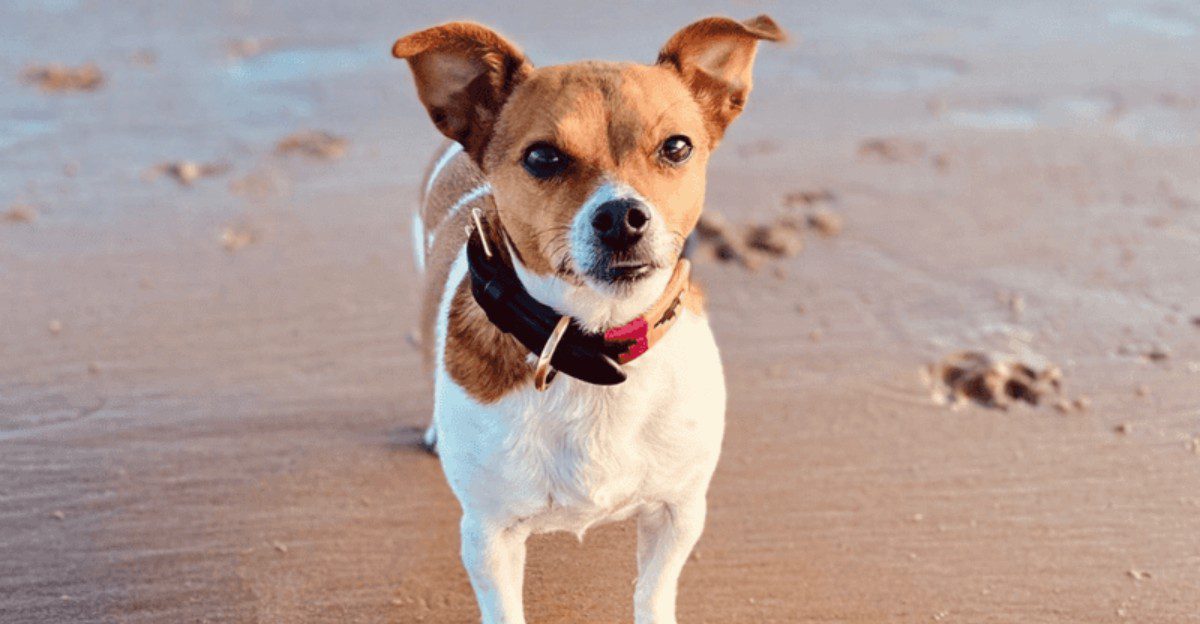
Some dogs seem born ready to track, flush, or point. Even before formal lessons, their noses, eyes, and ears work like little tools.
Learning how to guide those instincts can make home life easier and outdoor time safer. With patience and play, young hunters turn natural talent into good manners and real skill.
Beagle
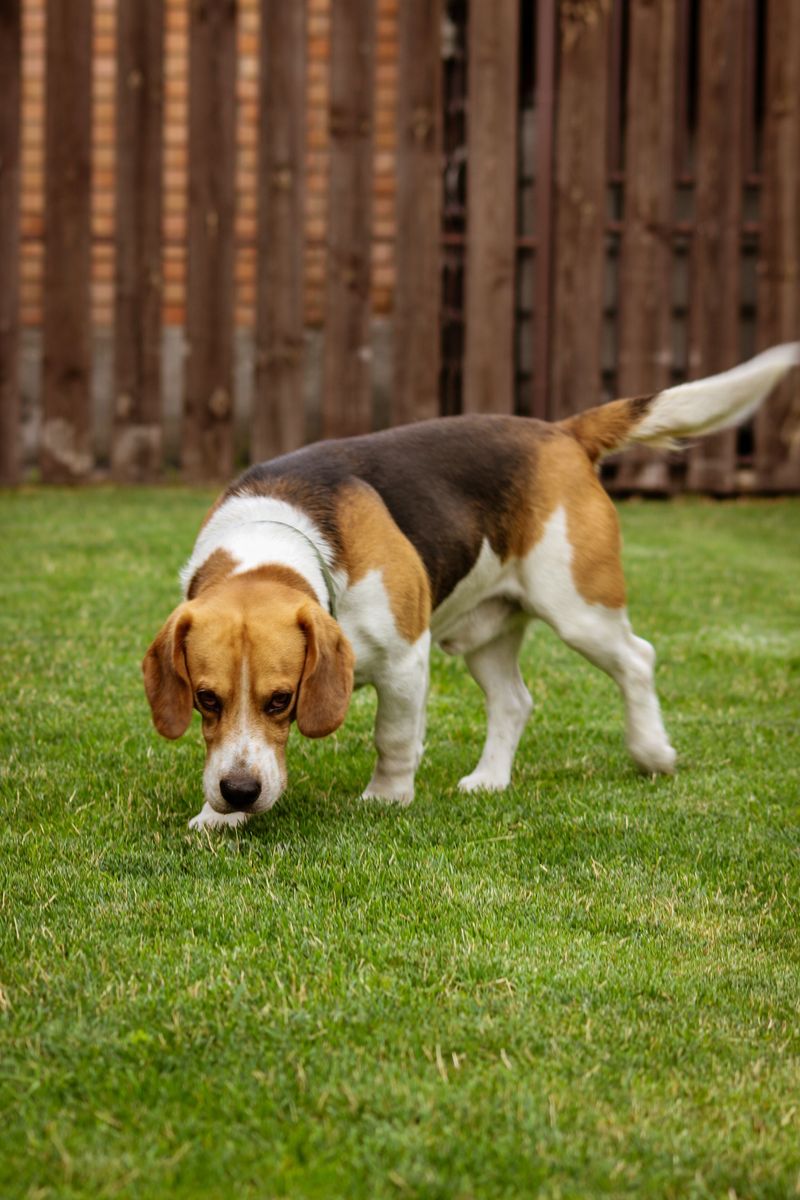
Nose to the ground, the Beagle hums like a tiny tracking machine in the backyard. Follow that tail, and you will often find rabbits, quail, or a dropped snack.
Start with short scent games using treats hidden under leaves, then add whistled recalls. A long line, a calm voice, and steady praise shape control without dulling curiosity.
Daily sniffs keep the brain sharp and the heart happy.
Dachshund
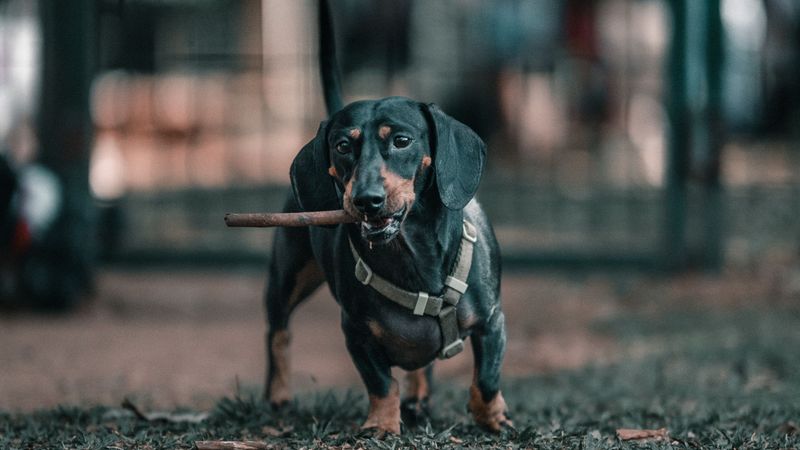
Short legs, long courage, the Dachshund tunnels through brush like a tiny explorer. Bred for badgers, its sharp ears and bold bark kick in even on suburban walks.
Channel that drive with soft earth scent tracks and a low, safe digging box. Keep sessions brief, reward generously, and teach a solid leave it.
Confidence grows, furniture legs survive, and your little hunter learns when to work and when to relax.
German Shorthaired Pointer
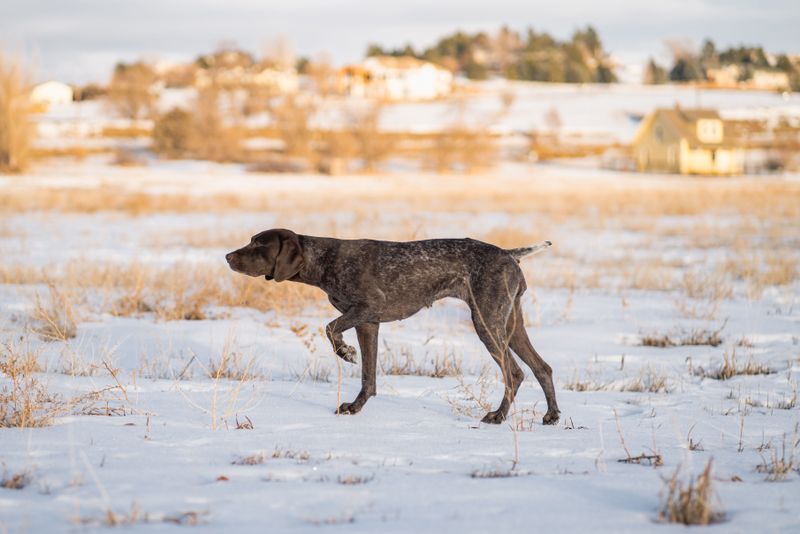
Like a living arrow, the German Shorthaired Pointer locks up at scent and freezes statuesque. Even young pups show a tidy point with tail high and eyes bright.
Encourage the pose with feather lures, then practice gentle heel work between sniff sessions. Balance sprinty energy with swimming or fetch to protect joints while building stamina.
Clear rules at home prevent overexcitement from spilling into the field.
Jack Russell Terrier
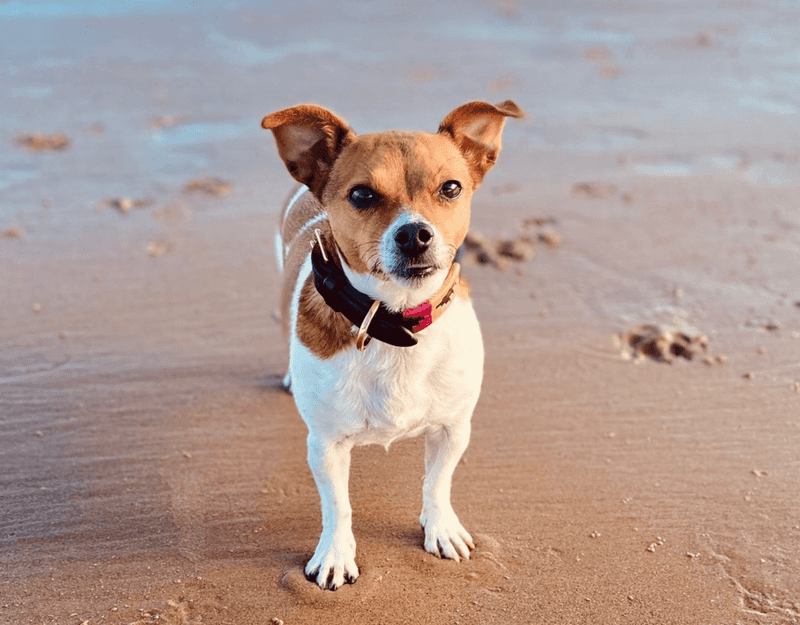
Spark plug energy defines the Jack Russell, a pocket-size athlete with instant prey focus. Squirrels, chirps, and rustling leaves flip the on switch faster than you can blink.
Work that fire through controlled tug, barn hunt classes, and puzzle feeders before walks. Teach a strong down-stay, then release to search so impulse control pairs with drive.
A busy mind makes calmer evenings, fewer fence dashes, and far better recall when excitement spikes.
Weimaraner
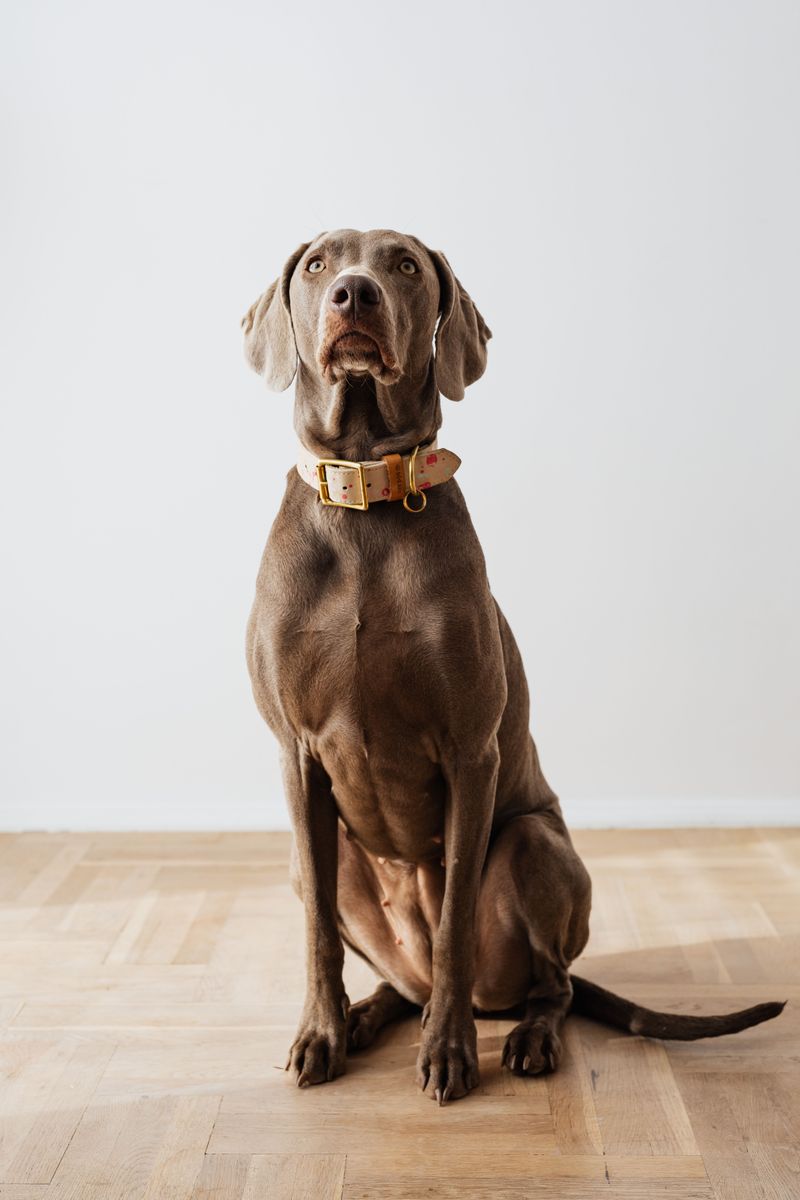
Silver-gray speedsters, Weimaraners track scent and sight with eager, almost dramatic intensity. They shadow your steps at home, then slice fields in looping patterns outside.
Start early with place training, calm leash work, and soft-mouthed retrieves from tall grass. Mix obedience into search games so excitement always leads back to you for reward.
Plenty of sleep keeps arousal in check, supports muscle recovery, and prevents cranky reactions to frustration.
English Springer Spaniel
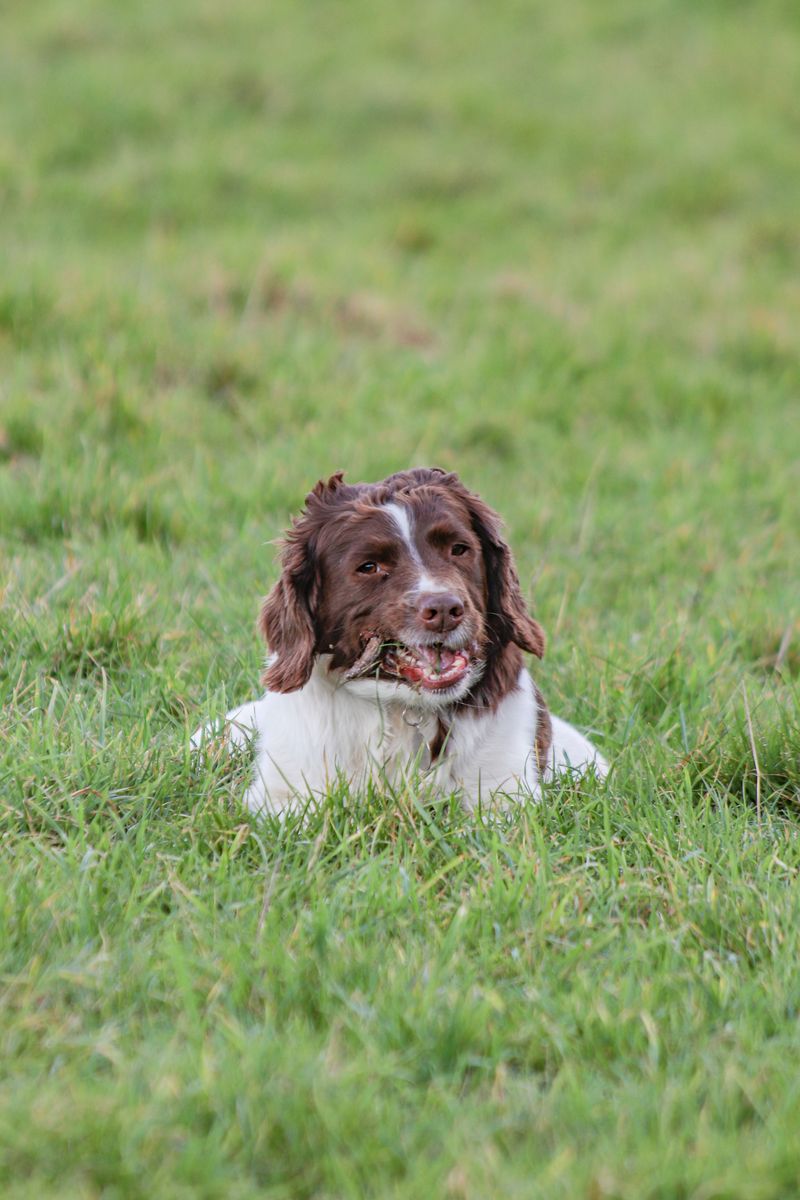
Watch the hedgerows, and you will see a Springer pop birds with a merry bounce. The tail flags, the nose zigzags, and cover gets worked with cheerful purpose.
Practice quartering on a soccer field by tossing treats left and right as you walk. Add steadiness by asking sit before each release, then praise the flush calmly.
Kind structure makes endless enthusiasm useful for family walks, youth hunt tests, and backyard games.
Brittany
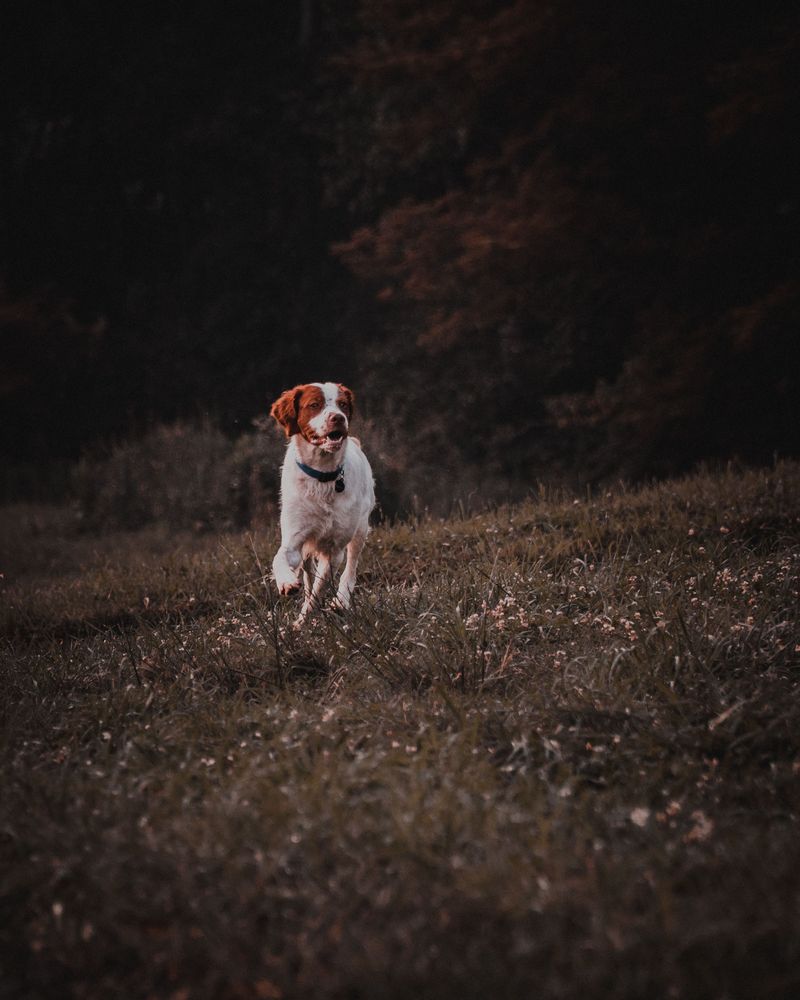
All spring and sparkle, the Brittany covers ground with a light, effortless gait. Birdy from the start, many pups naturally cast wide and check back frequently.
Shape that teamwork with recall-to-hand games, short whistle peeps, and jackpot praise on return. Keep sessions short, end happy, and let the youngster nap afterward to lock in lessons.
Fun builds trust, and trust builds range control that holds up when birds explode.
Labrador Retriever
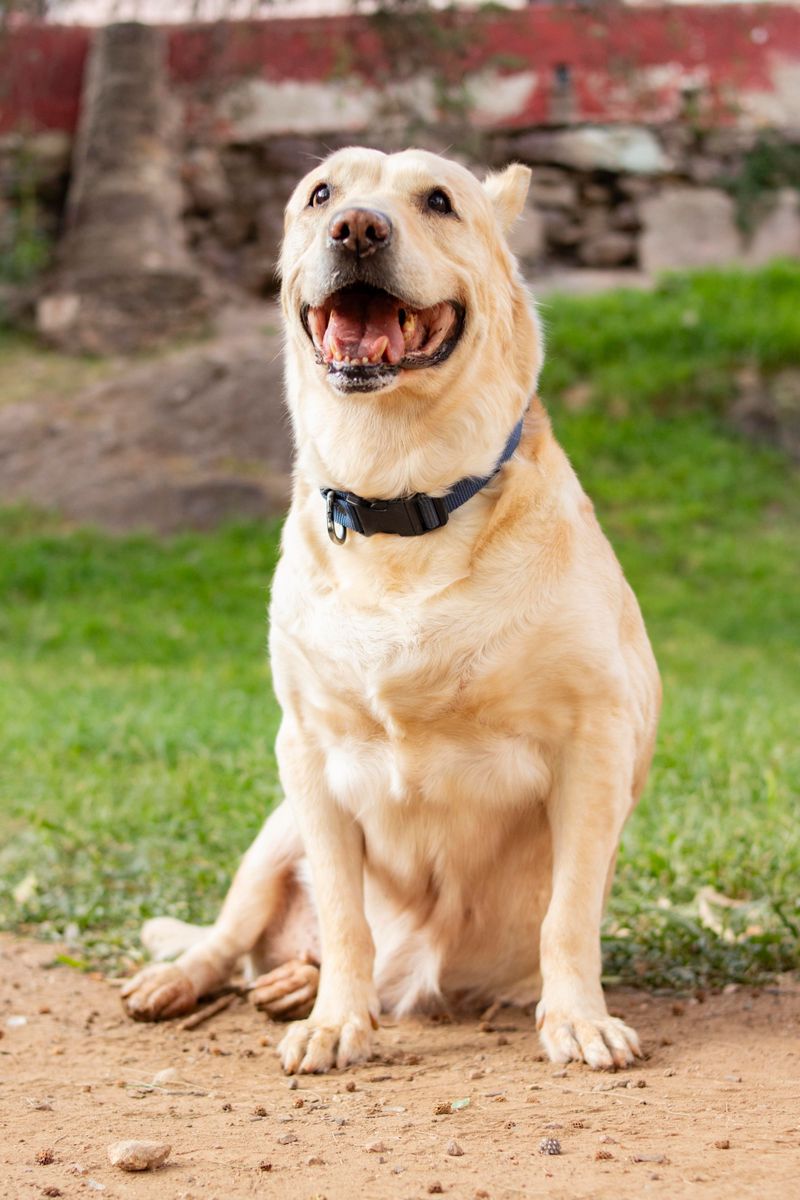
Fetch seems coded in the Labrador, but many youngsters also track scent with quiet focus. Water calls to them early, and soft mouths show up on toys and bumpers.
Make early retrieves short, happy, and single, then teach sit while holding gently. Sniffy walks, hide-and-seek with family, and simple blind fetches grow problem solving.
Keep weight lean to protect joints in busy bodies, especially during rapid teenage growth.
Cocker Spaniel
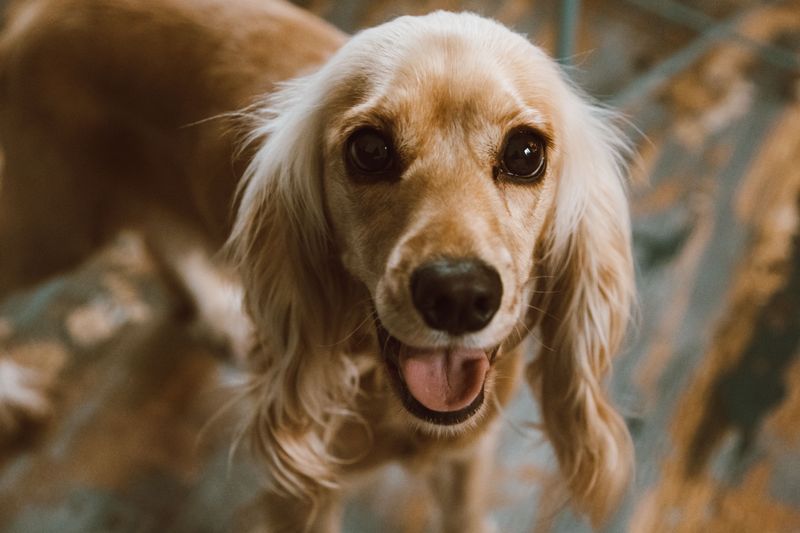
Big eyes aside, the Cocker carries a serious nose and a joyful bird-finding habit. Feathered ears sweep cover while the body wiggles through grass like a happy metronome.
Groom for visibility, then practice gentle flushes using a fluttering toy tied to a line. Reward quiet sits, trim nails for traction, and keep field time playful.
Confidence blooms when the game stays friendly, the footing feels safe, and praise arrives quickly.
Bloodhound
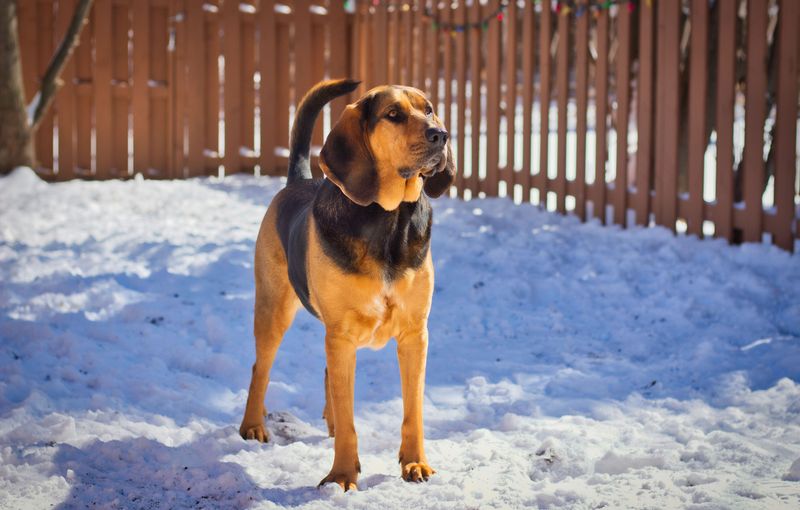
Wrinkled face, heroic nose, the Bloodhound can trail footsteps hours after they fade. Even as youngsters, they lock onto scent and pull with tractor strength.
Safety first, so use a sturdy harness, wide paths, and a patient pace. Lay easy tracks using family members, reward at the find, and keep water handy.
Gentle persistence builds legendary reliability, better leash manners, and the focus needed for long trails.
English Setter
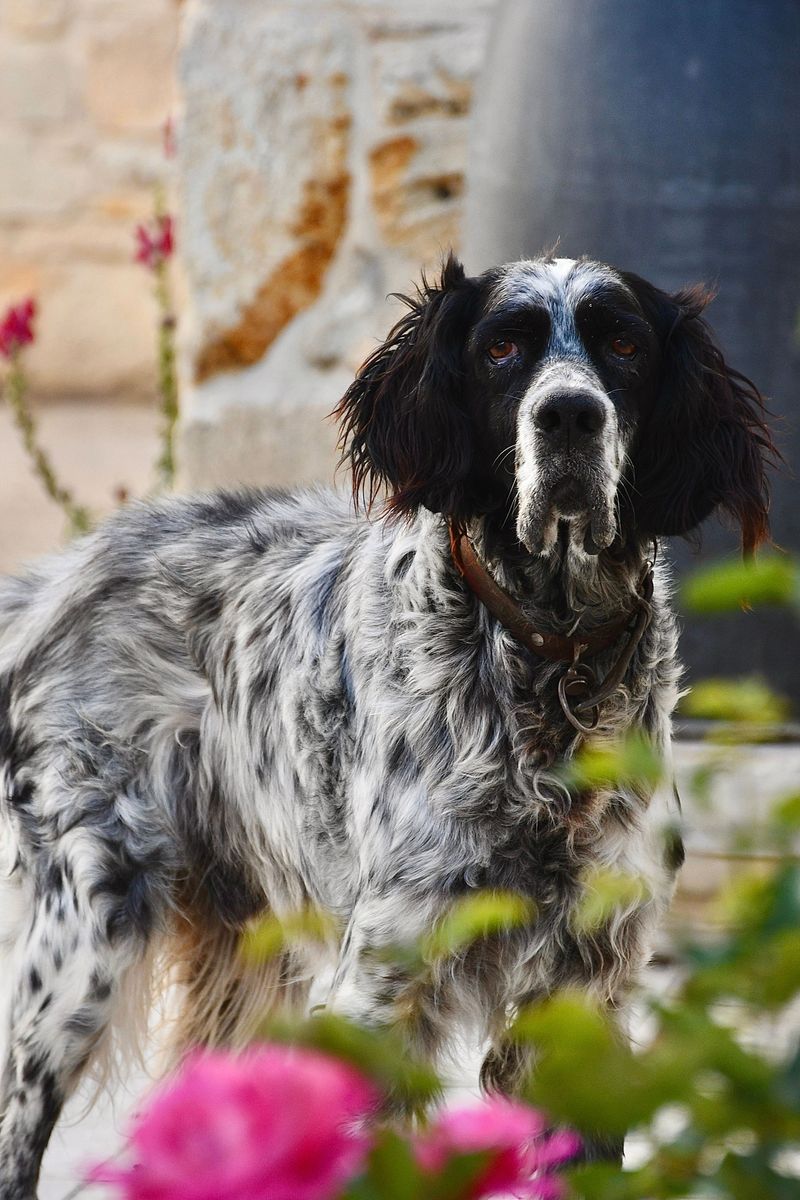
Grace in motion fits the English Setter, whose airy trot hides a fierce bird brain. Youngsters often pause at scent and lift a paw as if listening.
Build style with soft check-ins, gentle whoa practice, and calm praise when the head rises. Let the coat stay tidy so burs do not distract during early field lessons.
Patience rewards this dreamy worker with steadier points, softer mouths, and quiet confidence.