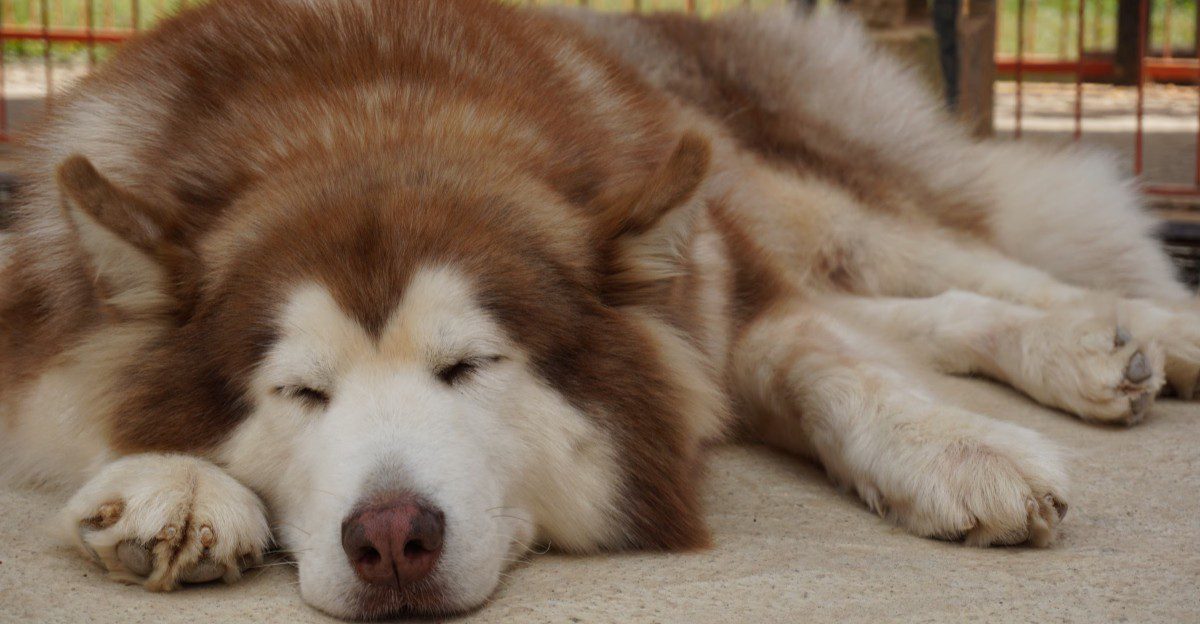
Many dogs are rehomed because the dream did not match daily life. Small details like exercise needs, grooming, or barking can grow into big problems.
When people learn what a breed truly needs, they can plan better and prevent heartbreak. Let us explore common expectations that go wrong and how to set dogs and families up for success.
Siberian Husky – Snow sprinting dream meets reality
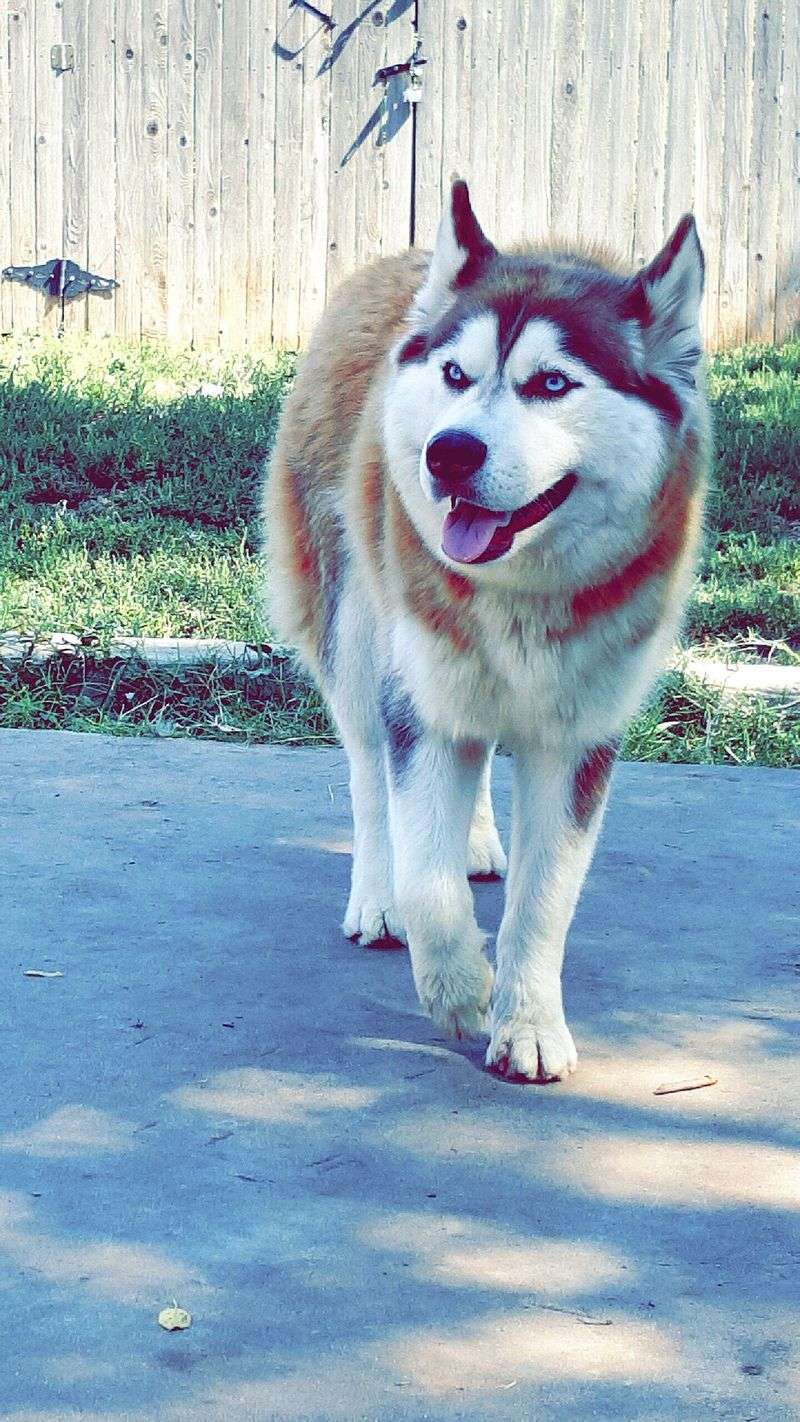
Blue eyes and a movie-star coat can hide a nonstop engine. Many Huskies need two hours of exercise, secure fencing, and brain games to feel calm.
Without that, they may sing, escape, or chew the couch.
Plan for shedding that looks like snow and a strong prey drive. Consider skijoring, long runs, and a flirt pole, plus crate training and ID tags.
Realistic goals turn wild charm into a fun life together.
German Shepherd – More than a uniform
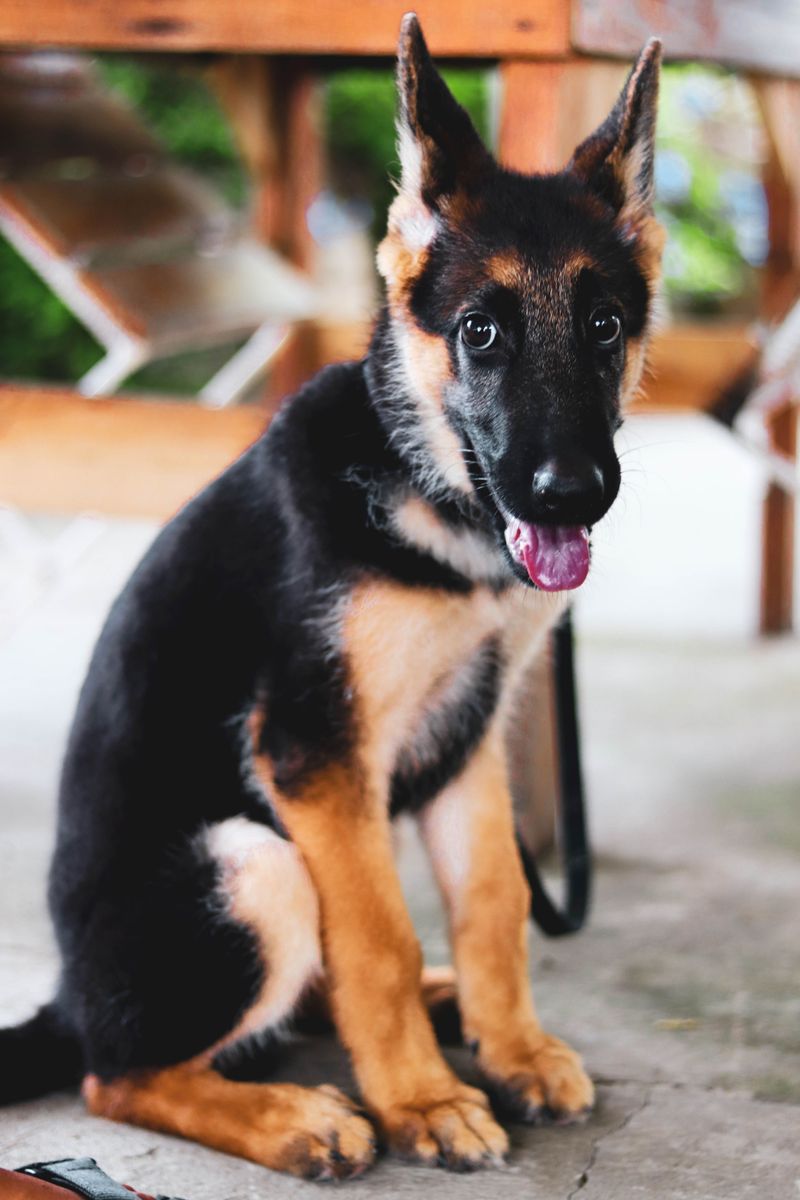
Uniform-ready looks can mislead a family. Many Shepherds are sensitive and high-drive, needing firm but kind guidance, clear rules, and real jobs.
Without outlets, they may bark at strangers, herd children, or patrol windows all day.
Plan for daily training, calm social time, and joint-smart exercise. Scentwork, tracking, and obedience scratch the mental itch, while hip checks and good food help long term.
Expect work and you earn lasting loyalty.
Border Collie – Brain on turbo
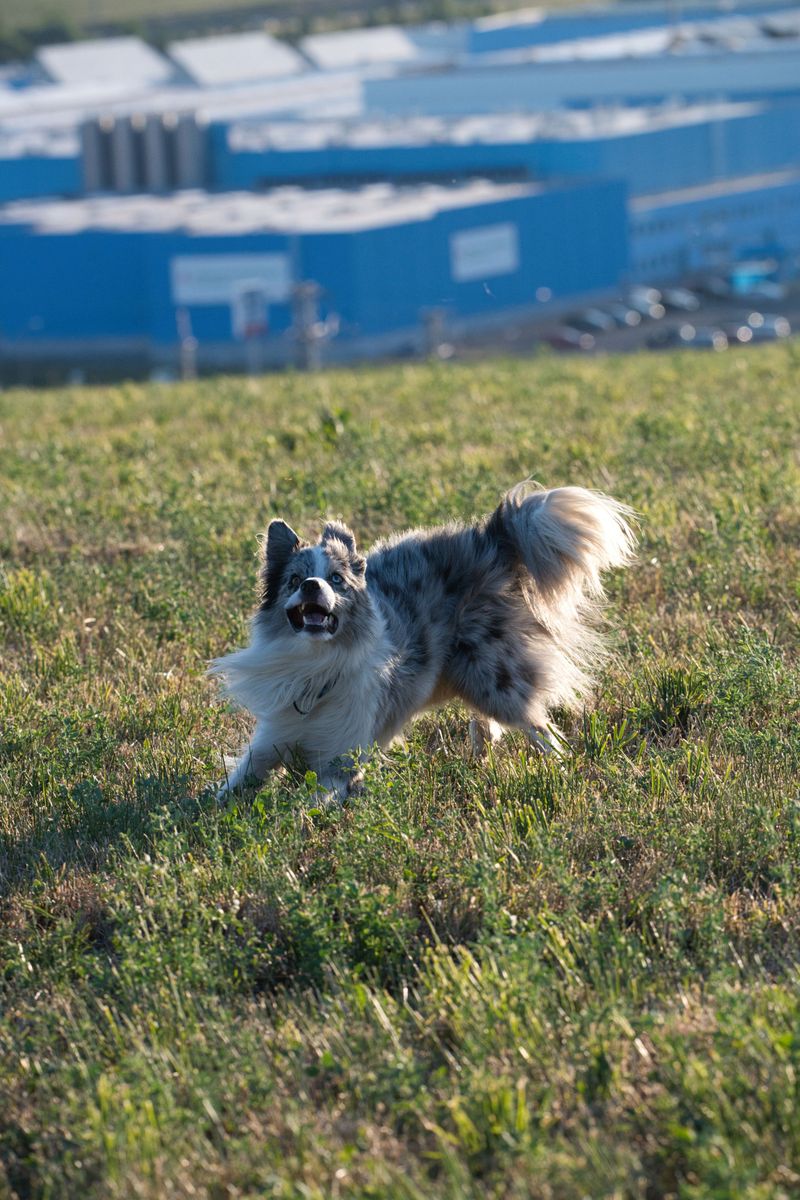
A stare that reads your soul comes with turbo focus. Border Collies were bred for sheep, not couches, and many need tricky puzzles and miles of movement.
Boredom can turn into shadow chasing or nipping heels.
Plan on agility, frisbee, and farm chores or creative city games. Short, sharp training sessions beat long drills, and calm mats teach off-switch skills.
Matched needs create magic teamwork.
Belgian Malinois – Fire needing a pilot
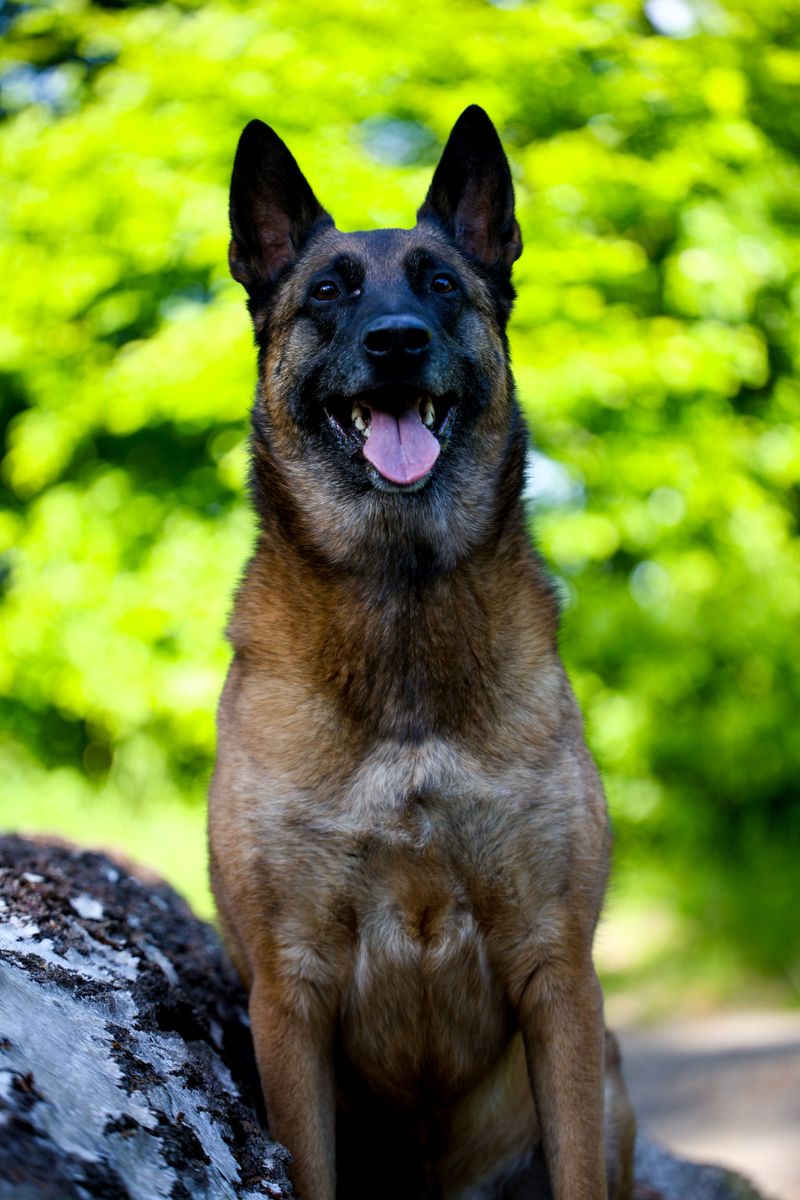
Fire in fur, the Malinois sprints before you blink. Police videos make them look easy, yet most are rocket-fueled athletes needing expert handling and daily structure.
Without outlets, destruction, mouthiness, frantic pacing, and fence-running show up fast.
Plan serious training, bite-safe games, and structured rest every day. Protection sports, obedience, tracking, and treadmill work help, and many thrive in experienced adult homes.
Choose wisely to avoid heartbreaking returns and injuries.
Australian Shepherd – Manager of everything
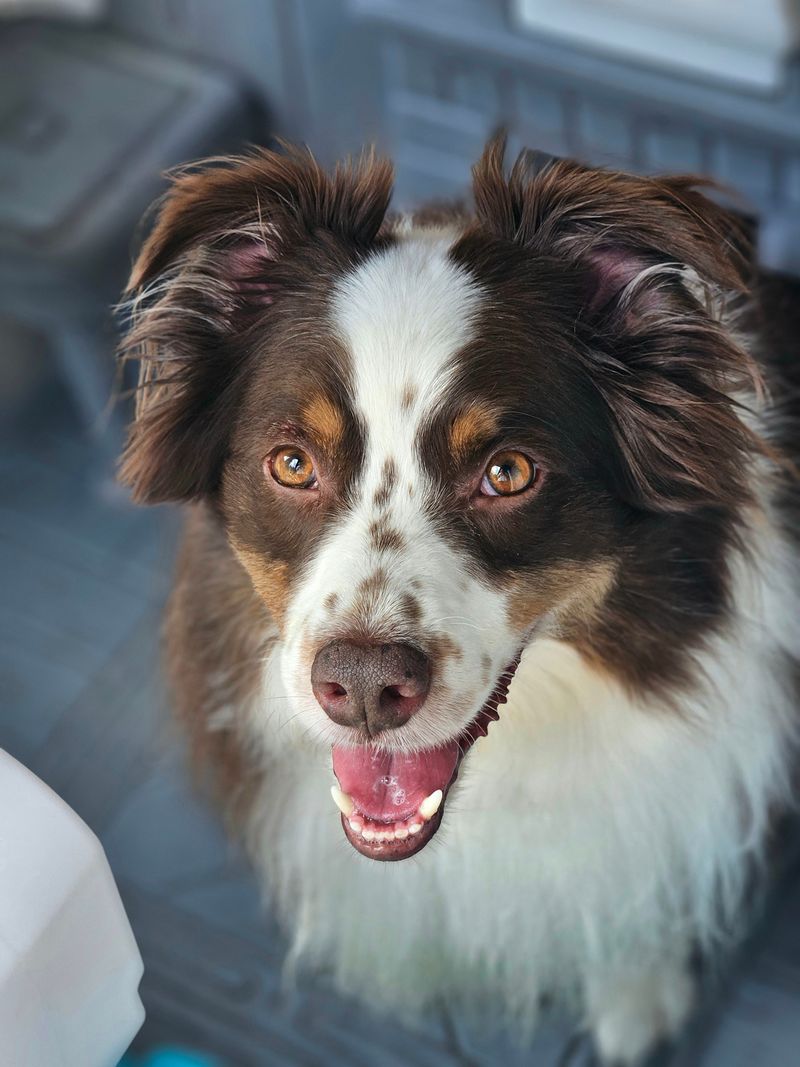
That bobtail bounce hides a tireless, workaholic spirit. Aussies were built to move stock and manage space, so many try to control doorways and kids.
Too little action can spark barking, spinning, and rude herding attempts.
Plan herding classes, disc games, trick training, and calm settle cues. Teach polite greetings, offer jobs like carry a toy, and use baby gates and tethers wisely.
Happy minds make focused buddies for years.
Jack Russell Terrier – Pint-sized dynamo

Small frame, giant rocket inside the ribs. Jack Russells were bred to flush foxes, so many dig, sprint, and shout about everything exciting.
Apartment life without outlets can turn noisy, tense, and frustrating for neighbors.
Daily fetch, nosework, and trick sessions help, along with chew toys and dig boxes. Firm boundaries and short leashes around wildlife keep the peace during walks.
Channel the spark and you get hilarious, quick-witted charm.
Cane Corso – Gentle giant with guard roots
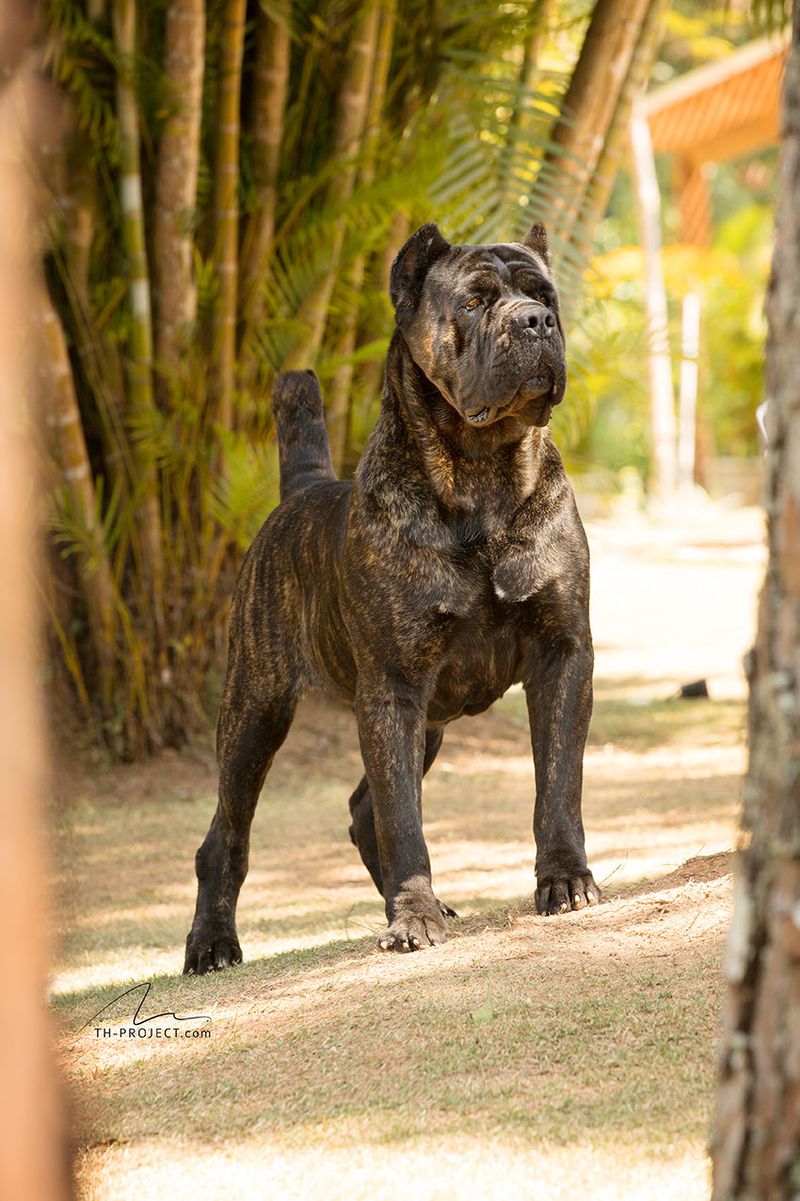
Big head, bigger responsibility. Corsos are guardian mastiffs with strong opinions, needing early social skills, impulse control, and confident handlers.
Left to decide, they may push visitors out or guard the sofa.
Short sessions, clear rules, and safe management matter. Enroll in manners classes with a trainer who understands big-dog body language and pressure.
Health checks for hips and hearts belong in the plan too.
Weimaraner – Velcro athlete in silver
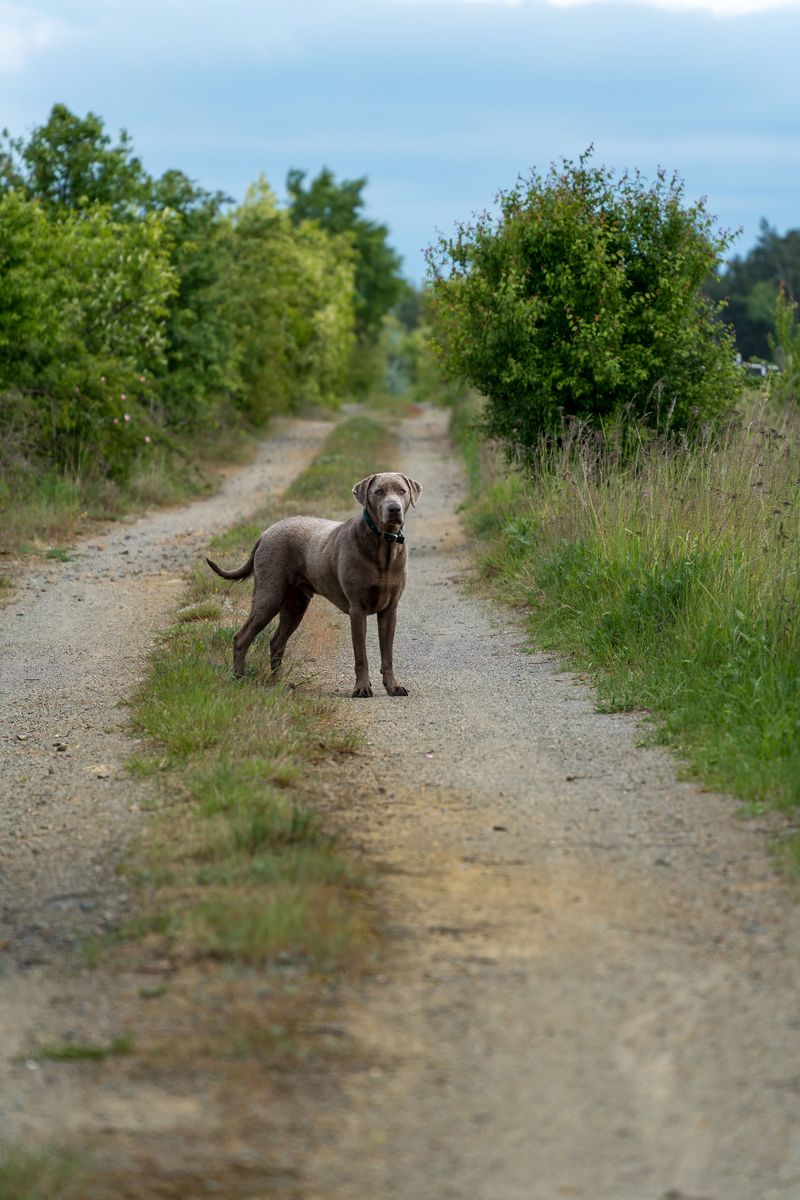
Silver coat hints at elegance, but the heart wants constant company. Weimaraners often struggle with alone time and may howl or destroy when stressed.
High energy pairs with a sharp nose that chases birds and squirrels.
Build independence with crate games, food puzzles, and gradual departures. Long jogs, field games, and tracking satisfy needs, and a sitter helps on busy days.
Prepared owners enjoy a goofy, loyal shadow.
Australian Cattle Dog – Grit with a plan

Tough as the outback, the Heeler hates boredom and sloppy routines. Many nip heels, chase wheels, patrol yards, and test fences when underchallenged.
Intelligence needs jobs that feel real, not just backyard fetch or lazy laps.
Structured hikes, rally obedience, barn hunt, and trick titles give direction. Teach tug with rules, impulse control at gates, scooter manners, and off-switch cues on a mat.
Clear expectations turn grit into gold over time.
Alaskan Malamute – Muscle built for miles
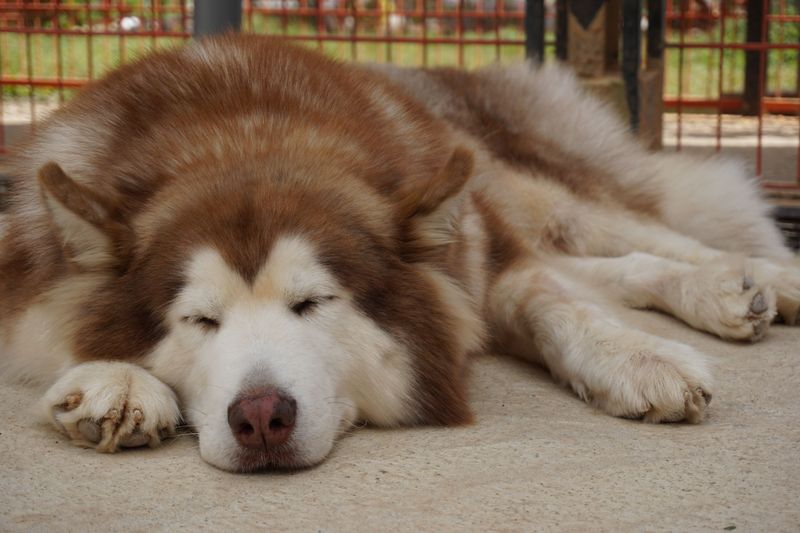
Powerhouse muscles pull like a rumbling freight train. Malamutes thrive on teamwork and heavy work, not short walks around the block.
Left bored, many dig craters, sing loudly for hours, and sample countertops.
Plan weight pulls, backpacking trips, and cart practice, plus strong fences with dig guards. Grooming is serious, with seasonal blowouts that need tools and time.
Meet needs and you gain a calm, steady adventure buddy.
Akita – Quiet strength, steady rules
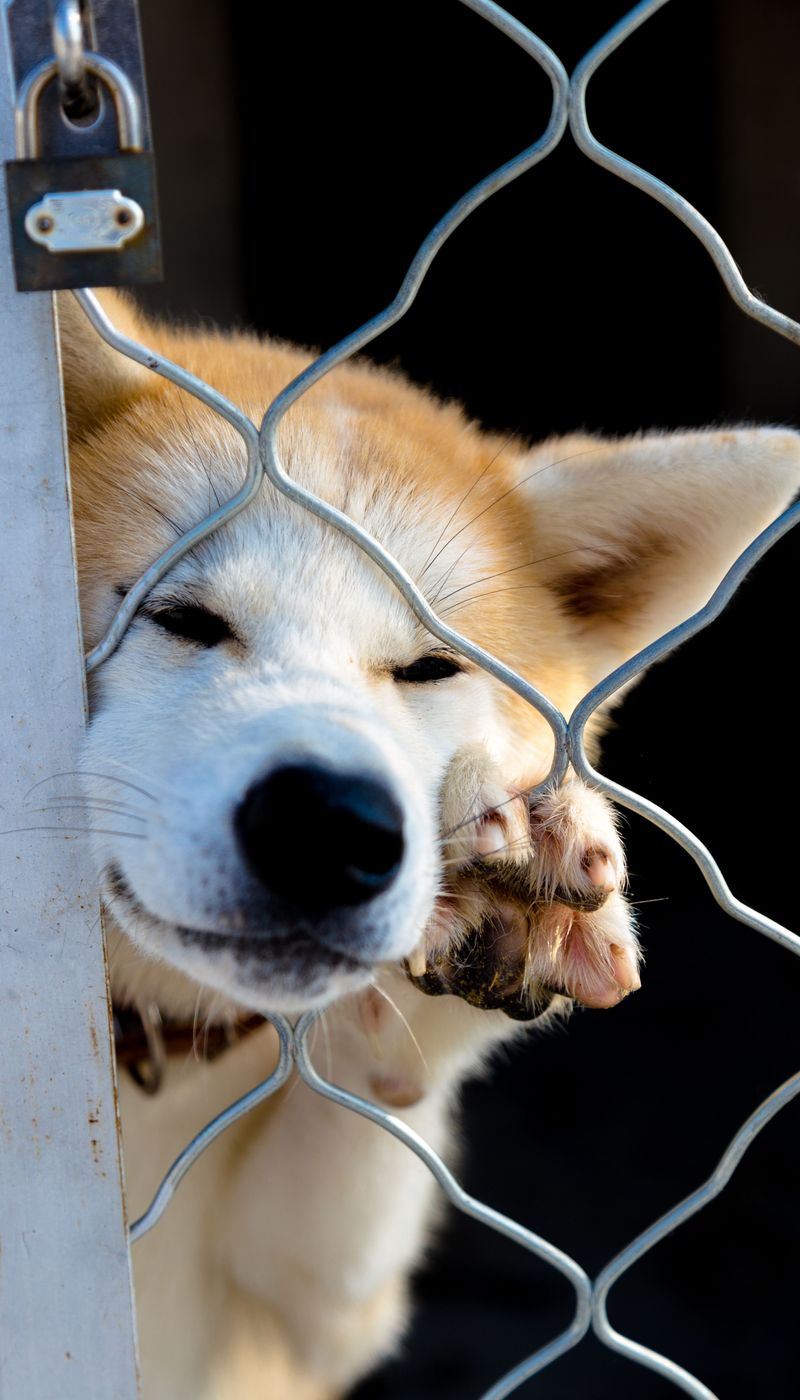
Quiet pride defines many Akitas from puppyhood. They can be reserved with strangers and reactive toward other dogs, especially of the same sex.
Rough handling or chaotic homes rarely suit them, and dog parks often backfire.
Early social time, respectful training, and careful introductions protect their dignity. Teach muzzle comfort, reliable recalls, and calm grooming for the thick coat.
Honest expectations keep everyone safe and respected.
Great Pyrenees – Night shift specialist
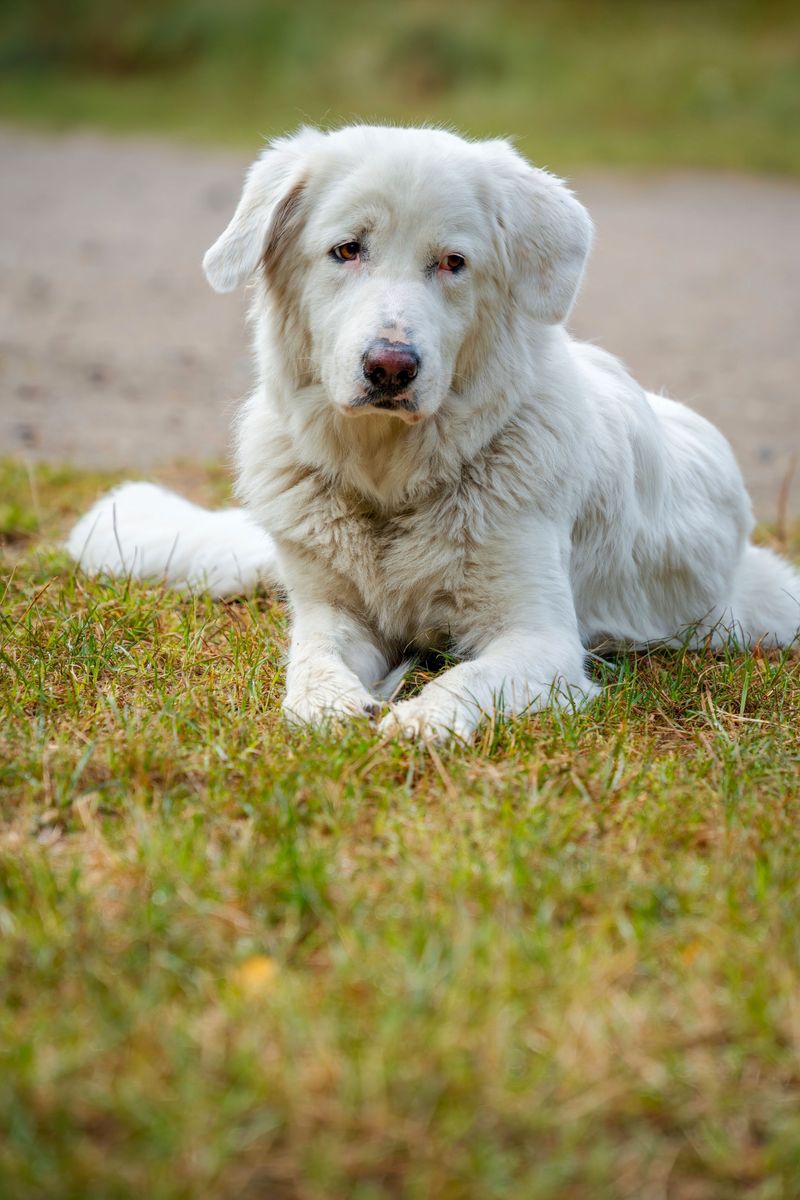
Night watchman by nature, the Pyr listens for threats you do not hear. Many bark to warn, wander to patrol, and ignore recalls when guarding instincts kick in.
City apartments can be tough if neighbors dislike noise.
Secure fencing, nighttime routines, and quiet tasks like carting or service work suit them. Grooming the thick coat takes patience, plus regular nail and tooth care.
Set fair rules and you gain a gentle guardian.